Support

Grenoble

About

Often referred to as the "Capital of the Alps", Grenoble is a city where urban energy meets breathtaking natural beauty. Known for its prestigious universities and booming research sector, it offers a vibrant atmosphere that attracts students, scientists, and travelers alike. Whether you are strolling through its charming streets or gazing up at the snowy peaks that surround the city, Grenoble promises a memorable experience.

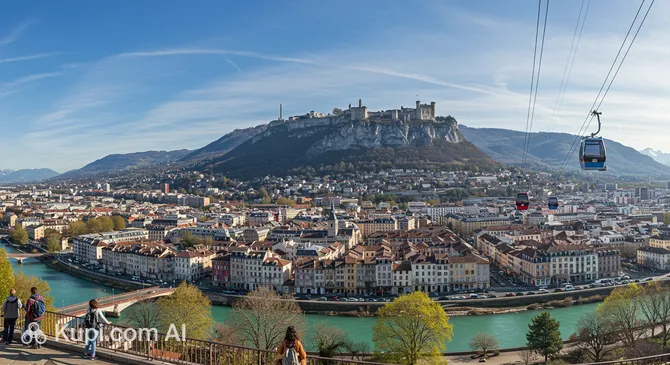
Geographically, the city is situated in the Auvergne-Rhône-Alpes region of southeastern France, at the confluence of the Drac and Isère rivers. It is uniquely framed by three mountain massifs—the Vercors, Chartreuse, and Belledonne—creating a stunning backdrop visible from almost every corner. With a population of approximately 160,000 inhabitants, it maintains the convenience of a major city while providing immediate access to the great outdoors.

Grenoble. Source: Kupi.Binoculars

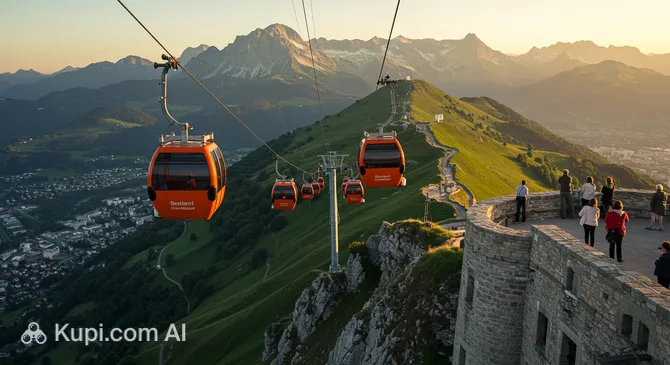
The history of Grenoble is rich and varied, spanning over 2,000 years from its Gallic roots to its role as a leader in hydroelectric power and technology. Today, visitors can explore this heritage by taking a ride on "Les Bulles," the famous spherical cable cars that connect the city center to the Bastille fortress. This hilltop fortification offers panoramic views that are simply unmissable. Additionally, culture enthusiasts will appreciate the Musée de Grenoble, renowned for its impressive collection of ancient and modern art.

Whether you are planning to hit the nearby ski slopes in winter or enjoy hiking trails in the summer, Grenoble serves as the perfect base camp. Its blend of historical charm, modern innovation, and stunning alpine scenery makes it a destination worth adding to your travel itinerary.

Weather Overview

Grenoble experiences a climate heavily influenced by its alpine surroundings, resulting in distinct seasonal changes that travelers should consider. To pack effectively for your trip, it is recommended to check the detailed forecast for the weather in Grenoble. Generally, the city is characterized by warm, pleasant summers and cold winters, with a fairly consistent chance of precipitation year-round.

During the winter months, particularly in January, the weather turns quite chilly with average temperatures around 1.2°C and minimums often dropping to -2.2°C. In contrast, the summer season offers much milder conditions; July and August typically see average highs reaching approximately 25°C, making it a comfortable time for sightseeing and outdoor activities.

Rainfall is a frequent companion in this region. The number of wet days remains relatively high throughout the year, ranging from about 11 days in the summer months to a peak of 19 wet days in May. Regardless of when you visit, it is wise to expect occasional rain and come prepared with appropriate layers.

Interesting Facts

Beyond the main attractions and scenic mountain views, Grenoble holds fascinating secrets that reveal its deep historical and geographical uniqueness. From sparking a revolution to defying alpine stereotypes, the city offers intriguing stories for the curious traveler.

Grenoble-Bastille Cable Car. Source: Kupi.Binoculars
  • Despite being known as the "Capital of the Alps," Grenoble is reputed to be the flattest city in France. Sitting in a glacial valley, its streets are remarkably level, which has fostered a massive cycling culture that rivals many other European cities.

  • The city is widely considered the cradle of the French Revolution. On June 7, 1788, during an event known as the "Day of the Tiles," locals climbed onto roofs near the Jardin de Ville and hurled roof tiles at royal troops, precipitating the fall of the monarchy well before events unfolded in Paris.

  • The famous Grenoble-Bastille Cable Car is not just a mode of transport; it was one of the first urban cable cars in the world when it opened in 1934. The iconic spherical cabins, known locally as "Les Bulles" (The Bubbles), were actually a later addition in 1976 that gave the skyline its futuristic look.

  • Hidden within the Saint-Laurent Archaeological Museum lies an incredible Merovingian crypt dating back to the 6th century. This site is a rare example of early Christian architecture that has survived largely intact, offering a direct link to the city's ancient past.

How to Get There

Reaching the "Capital of the Alps" is relatively straightforward thanks to its proximity to several major transport hubs. While the city is nestled in the mountains, it remains well-connected to the rest of Europe by air and rail. For a detailed breakdown of all transport options and routes, you can read more about how to get to Grenoble.

The city of Grenoble does not have its own major international airport for commercial flights, but you can fly into Lyon Saint-Exupéry International Airport (IATA: LYS) in the city of Lyon, which is about 78 km from Grenoble. It is a large international hub offering numerous connections. The journey from there to Grenoble by road typically takes approximately 1 hour.

Another common entry point is Geneva Airport (IATA: GVA), located in Geneva. This major airport is about 120 km from Grenoble and serves a vast number of international passengers. The travel time by car or shuttle is usually between 1.5 and 2 hours. For those looking for a closer option during the winter season, Chambéry Airport (IATA: CMF) in Chambéry is just 51 km away, taking about 45 to 50 minutes to reach, though it handles significantly less traffic.

For clarity, here is a summary of the main airports:

Airport Name City Passenger Traffic Km from City
Geneva AirportGenevaVery High120.4
Lyon Saint-Exupéry International AirportLyonHigh77.7
Turin AirportTurinMedium151.3
Avignon-Caumont AirportAvignonSmall156.7
Chambéry AirportChambérySmall51.4

Traveling by train is often the most scenic and convenient way to arrive directly in the city center. You can arrive at the Grenoble Railway Station (IATA: GNH), which is located right in Grenoble, just 0.9 km from the center. This station is a key regional hub with high passenger traffic, offering high-speed TGV connections to Paris and other major destinations.

If you are connecting from other regions, you might pass through Lyon Part-Dieu Station in the city of Lyon. Situated about 93 km from Grenoble, it is one of the busiest stations in the region. Frequent train connections make the rail transfer from Lyon to Grenoble fast and efficient.

Below is a list of relevant railway stations in the region:

Station City Passenger Traffic Km to Center
Geneva Railway StationGenevaVery High118.2
Lyon Part-Dieu StationLyonVery High92.8
Grenoble Railway StationGrenobleHigh0.9
Gare de Lyon-PerracheLyonHigh93.8
Valence TGV StationValenceMedium62.7

Main Attractions

Grenoble is a city where history and nature converge, offering a diverse range of sights that cater to outdoor enthusiasts, history buffs, and art lovers alike. From towering fortifications to world-class museums, the city's landmarks provide a deep insight into its rich cultural heritage and alpine identity.

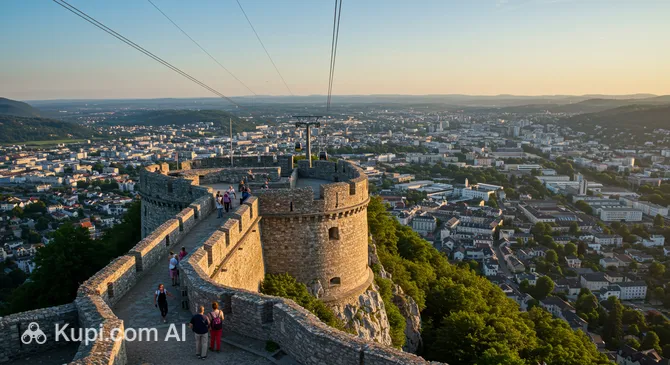
Undoubtedly the most iconic site is the Bastille Fortress. Perched on a mountainside overlooking the city, this 19th-century military fortification offers the best vantage point in the region. Visitors can explore the ancient defensive walls, the Mandarin Caves, and the Mountain Troops Museum located within. While the ride up in the famous cable car is an experience in itself, the fortress rewards you with breathtaking panoramic views of the city grid below and the snow-capped peaks of the Vercors and Belledonne ranges.

Bastille Fortress (Grenoble). Source: Kupi.Binoculars

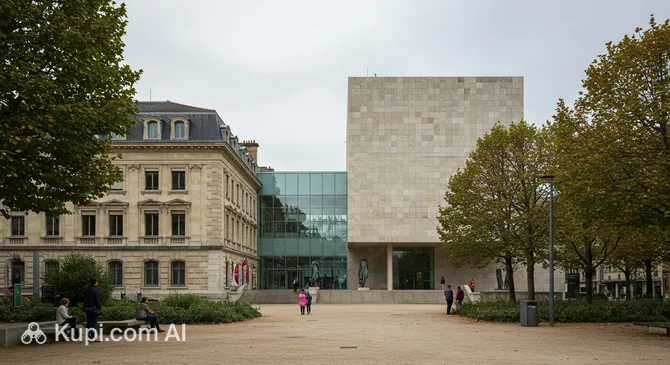
For those interested in the arts, the Grenoble Museum is an essential stop. Considered one of the most prestigious art museums in France outside of Paris, it boasts an exceptional collection that spans centuries. You can admire ancient Egyptian antiquities alongside modern and contemporary masterpieces by artists such as Matisse, Picasso, and Warhol. The museum's architecture, blending into a sculpture garden, creates a serene environment for appreciating the vast artistic wealth on display.

Grenoble Museum. Source: Kupi.Binoculars

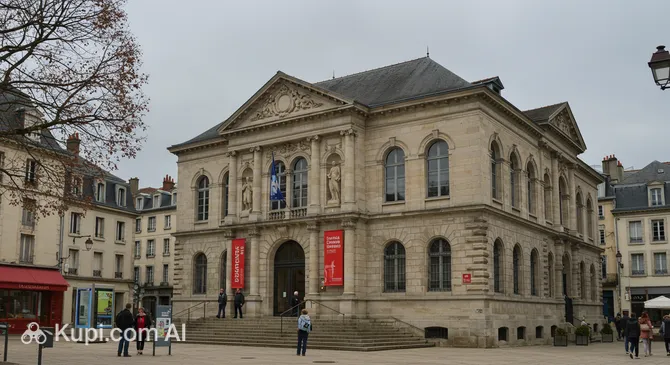
To understand the local culture and history, a visit to the Dauphinois Museum is highly recommended. Housed in the beautiful 17th-century Sainte-Marie-d'en-Haut convent, the museum focuses on the ethnography and history of the Dauphiné region. Its exhibits cover fascinating topics ranging from the evolution of alpine skiing to the daily life of mountain communities. The site also features a stunning baroque chapel and terraced gardens that offer a lovely view over the rooftops of the city.

Dauphinois Museum. Source: Kupi.Binoculars

If you are looking for a place to relax in the city center, Paul Mistral Park is the perfect urban oasis. This large green space is the city's "green lung," ideal for a leisurely stroll, a picnic, or watching the world go by. It is also home to the Perret Tower, a striking concrete observation tower built for an exhibition in 1925, which stands as a symbol of Grenoble's history of innovation.

Local Cuisine

Grenoble's culinary scene is a delightful reflection of its alpine geography and rich history as the capital of the Dauphiné region. The local food culture is characterized by hearty, comforting dishes designed to warm you up after a day in the mountains, utilizing high-quality ingredients sourced from the surrounding valleys and farms. Walnut orchards, dairy herds, and mountain herbs play a central role in defining the flavors of this gastronomic hub.

One cannot visit Grenoble without tasting the legendary Gratin Dauphinois. This world-famous dish consists of thinly sliced potatoes baked in milk and cream, often rubbed with garlic, creating a meltingly soft and savory experience. Another local favorite is Ravioles du Royans, tiny squares of pasta filled with cheese and parsley, typically served in a creamy sauce or fried as a crunchy appetizer. For meat lovers, the Murçon, a boiled pork sausage seasoned with caraway seeds, is a traditional specialty often enjoyed with potatoes.

The region is also celebrated for the Grenoble Walnut (Noix de Grenoble), which enjoys a protected designation of origin (AOP). You will find these nuts featured prominently in salads, cakes, and the rich Gâteau aux Noix. Cheese enthusiasts should look for Saint-Marcellin, a small, creamy cow's milk cheese that is often heated and served with crusty bread, or the mild Bleu du Vercors-Sassenage.

When it comes to beverages, the undisputed icon of the region is Chartreuse. This potent herbal liqueur, produced by Carthusian monks in the nearby Chartreuse Mountains, comes in green and yellow varieties and is a popular digestive. For something lighter, you might try Vin de Noix, a sweet walnut wine traditionally made by local families.

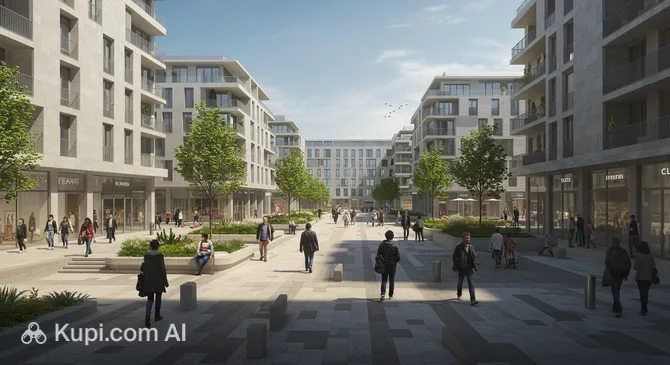
The city offers a vibrant mix of traditional bistros, bustling markets, and modern eateries. For a lively atmosphere, locals often gather at the Halles Sainte-Claire market to buy fresh produce or grab a quick bite. If you are exploring the city's repurposed spaces, the Caserne de Bonne is an excellent destination; this former military barracks has been transformed into an eco-district with shops and restaurants.

Caserne de Bonne. Source: Kupi.Binoculars

For a contemporary dining experience, you might visit Canopy, known for its inviting ambiance. As the evening sets in, the city's student population brings the streets to life. Venues like La Belle Électrique offer a dynamic setting where music and social life converge, making it a great spot to experience the modern pulse of Grenoble.

Travel Tips

Visiting Grenoble offers a unique blend of urban culture and alpine adventure, but a little preparation goes a long way to ensure a smooth trip. Here are some practical tips to help you navigate the city like a local and make the most of your stay in the French Alps.

  1. Clothing and Gear: The weather can change rapidly due to the mountains, so dressing in layers is essential. In winter, bring a heavy coat, gloves, and waterproof shoes, while summers are generally warm but can see sudden showers. Since the city center is flat and pedestrian-friendly, comfortable walking shoes are a must, and hiking boots are recommended if you plan to take the cable car up for a trek.

  2. Transportation: You do not need a car to explore the city itself; in fact, traffic and limited parking can be a hassle. Grenoble has an excellent public transport network (TAG) featuring trams and buses. It is also one of the most bike-friendly cities in France, so consider renting a bicycle from the local "Métrovélo" service to get around easily.

  3. Finances: The local currency is the Euro (€). Credit and debit cards (Visa and Mastercard) are widely accepted in shops and restaurants, even for small amounts. ATMs are plentiful throughout the city. Tipping is not mandatory as service is included (service compris), but rounding up the bill or leaving a few coins is a nice gesture.

  4. Health and Safety: Grenoble is generally a safe city, but like any urban area, keep an eye on your belongings in crowded places and on public transport. Pharmacies are marked with a flashing green cross and are easy to find. A great money-saving tip is to drink the tap water; it comes directly from the mountain sources and is high quality, so carry a reusable bottle.

  5. Communication: While English is widely spoken by the large student population and in tourism sectors, it is not guaranteed everywhere. Learning a few French phrases is very helpful. You can purchase prepaid SIM cards at "Tabac" shops (newsstands) or mobile provider stores. Free Wi-Fi is often available in city parks and public buildings.

  6. Local Etiquette: Politeness is taken seriously in French culture. Always say "Bonjour" (Hello) when entering a shop or restaurant and "Au revoir" (Goodbye) when leaving; failing to do so is considered rude. When dining out, it is customary to ask for the bill ("L'addition, s'il vous plaît") rather than waiting for the waiter to bring it.

  7. What to Avoid: Avoid planning major shopping trips on Sundays. Most supermarkets, clothing stores, and retail shops are closed all day, though some small bakeries and food markets may be open in the morning. Also, avoid walking in the bike lanes, as cyclists move fast and expect the path to be clear.

  8. Additional Tip: If you plan to visit multiple museums or use public transport frequently, check the local tourist office for city passes. Additionally, remember that Grenoble is a university city, so the nightlife is vibrant; the area around Place Saint-André is great for evening drinks, but be mindful of noise levels in residential streets late at night.

With these practical insights, you are well-equipped to enjoy everything Grenoble has to offer, from its historic streets to its stunning mountain views. Have a wonderful and hassle-free journey to the Capital of the Alps!

Entertainment & Nightlife

Grenoble offers a vibrant entertainment scene that perfectly complements its outdoor adventures and historical sites. Whether you are looking for a day of shopping, a fun challenge with friends, or a relaxing afternoon in the park, the city has something to offer every type of traveler.

For those interested in retail therapy, the city provides a mix of charming city-center boutiques and modern commercial hubs. The Grenoble Meylan Shopping Center is a key destination for visitors, featuring a wide variety of stores that cover fashion, beauty, and lifestyle needs. It is an excellent place to pick up essentials or browse for gifts in a comfortable, indoor setting.

If you are seeking active fun, the city has several unique venues. Families and groups often head to Pirate Challenges Grenoble, an indoor amusement park that offers exciting physical activities and obstacle courses designed to test your agility. For those who prefer mental puzzles, Only The Brain provides immersive escape room experiences where you can work together to solve mysteries and unlock secrets.

Grenoble's nightlife is equally dynamic, driven by its energetic student population. As evening falls, music lovers flock to La Belle Électrique. This architectural landmark is not just a bar but a premier concert venue dedicated to amplified music, hosting everything from electronic DJ sets to rock bands, making it the heartbeat of the city's modern culture.

For a more laid-back experience, nature is never far away. Île d'Amour Park, or the "Island of Love," is a favorite green escape located on the university campus. With its peaceful paths and open spaces, it offers a perfect setting for a leisurely stroll, a picnic, or simply unwinding by the river after a busy day of sightseeing.

Parks & Museums

Grenoble is a city that seamlessly integrates urban living with its natural surroundings, offering a rich tapestry of lush green spaces and institutions dedicated to preserving its diverse heritage. Visitors can easily transition from exploring centuries of history in a museum to relaxing in a manicured garden with a view of the Alps.

One of the most charming spots in the city center is the Jardin de Ville. This historic park, once the private garden of the Duke of Lesdiguières, is a favorite gathering place for locals. It features a beautiful rose garden, shaded promenades, and a bandstand that hosts concerts during the summer. It serves as a peaceful retreat right in the heart of the bustling city and is the departure point for the cable car to the Bastille.

For those seeking panoramic views combined with botanical beauty, the Jardin des Dauphins is a must-visit. Located on the slopes leading up to the Bastille fortress, this terraced garden benefits from a sunny southern exposure that creates a unique microclimate, allowing Mediterranean plants to thrive. As you climb its winding paths, you are rewarded with spectacular vistas over the rooftops of Grenoble and the surrounding mountains.

Grenoble's cultural scene is equally impressive, with museums that delve deep into the region's past. The Museum of the Resistance and Deportation of Isère is a poignant institution reflecting the city's significant role during World War II. Through its extensive collections and testimonies, it offers a moving insight into the lives of those who fought against occupation, making it an essential stop for history enthusiasts.

Another cultural gem is the Museum of the Old Bishop's Palace. Situated in the historic cathedral district, this museum is housed in a building that is an architectural exhibit in itself. It traces the history of the Isère department from prehistoric times to the present day. Visitors can explore the archaeological crypt in the basement and admire the beautifully restored rooms of the former palace.

Walking through the streets, you will also encounter striking historical landmarks. The Porte de France stands as a majestic limestone archway that was once a fortified gate into the city. Nearby, the Lion Fountain is a symbol of Grenoble's resilience; the sculpture depicts a lion (representing the city) mastering a serpent (representing the Isère River), commemorating the efforts to control the river's devastating floods.

For a quieter experience away from the main tourist trails, consider visiting Parc de la Poya in the Fontaine suburb. It is a large, wooded park that feels like a true escape into nature. Another hidden spot is the Saint-Laurent Archaeological Museum located in an old church, where you can walk through centuries of history layer by layer in a fascinating excavated site.

Getting Around

Getting around Grenoble is efficient and straightforward, thanks to a well-integrated public transport network known as TAG (Transports de l'Agglomération Grenobloise). The system is designed to be eco-friendly and covers the city center as well as the surrounding suburbs, making it easy for visitors to reach major attractions without needing a car. The backbone of the network consists of five tram lines (labeled A through E) that crisscross the city, offering frequent and reliable service. These trams are modern, accessible, and often the fastest way to travel between key districts.

Complementing the tramways is an extensive bus network. This includes the high-frequency "Chrono" buses (marked with a 'C'), which function similarly to trams with dedicated lanes and priority at traffic lights. There are also standard "Proximo" bus lines serving local neighborhoods and "Flexo" lines for less dense areas. Whether you are heading to the train station, the university campus, or a museum, there is almost always a tram or bus stop nearby.

The ticketing system is unified, meaning a single ticket works on both trams and buses. You can purchase tickets at automatic vending machines located at every tram stop (which accept coins and cards), at "Mobilité" agencies, or at authorized tobacco shops (Tabacs). For tourists, the most convenient options are usually the single-trip ticket, which is valid for one hour with transfers allowed, or a 1-day pass (Visitag) that offers unlimited travel for 24 hours. If you have a smartphone, you can also buy tickets via the official TAG app or, in some cases, by sending an SMS, which is a quick solution if you are in a rush.

It is crucial to remember to validate your ticket every time you board a bus or before getting on a tram. Validators are located on the station platforms for trams and inside the vehicles for buses. Failure to validate, even if you have a ticket, can result in a fine if inspected. regarding operating hours, trams generally run from early morning (around 5:00 AM) until late at night (around 1:00 AM), though frequency drops in the late evening and on Sundays.

Grenoble is widely celebrated as one of the most bike-friendly cities in Europe, thanks to its exceptionally flat terrain. Cycling is a genuine alternative to motorized transport here. The city operates a public rental service called Métrovélo, recognizable by its distinctive yellow bicycles. You can rent these bikes for a day or a week at affordable rates from the station near the railway hub or in the city center. With hundreds of kilometers of dedicated cycle paths, exploring on two wheels is often faster and more scenic than driving.

A unique feature of the local transport landscape is the famous Grenoble-Bastille Cable Car. While primarily a tourist attraction taking you up to the fortress for panoramic views, it is fully integrated into the city's identity. Locally known as "Les Bulles" (The Bubbles) due to the spherical shape of the cabins, it connects the quayside to the mountain summit. While standard TAG transport tickets are not valid here (it requires a separate ticket), it is an essential experience for any visitor.

For those who prefer private transport, taxis and ride-sharing apps are available, though they are less commonly used for short city hops compared to the efficient tram and bike networks. Taxis can be found at designated ranks, particularly outside the train station, or booked by phone. Car-sharing services exist but are generally better suited for longer trips out of the city rather than navigating the pedestrian-friendly center.
Accommodation

Finding the perfect place to stay in Grenoble is relatively easy, as the city offers a wide spectrum of accommodation options to suit every preference and budget. Whether you are a backpacker looking for a social atmosphere, a business traveler needing modern conveniences, or a family seeking a comfortable apartment, the "Capital of the Alps" has you covered. The selection ranges from economical youth hostels and charming bed-and-breakfasts to established mid-range hotel chains and upscale residences.

For most tourists, the best area to base yourself is the Hyper-centre (historic city center). Staying here puts you within walking distance of the main pedestrian streets, lively squares like Place Grenette, and the cable car to the Bastille. It is the heart of the city's social life, filled with cafes and restaurants. Alternatively, the Europole district, located just behind the railway station, is an excellent choice for those prioritizing convenience. It is a modern business hub offering quieter streets and immediate access to trains and trams, making it ideal for short stays or those planning day trips to the surrounding mountains.

Another popular neighborhood is the Caserne de Bonne eco-district. This award-winning redeveloped area combines shopping, green spaces, and modern architecture, offering a more contemporary and relaxed vibe while still being close to the center. If you prefer a more scenic and tranquil setting, look for accommodations along the Isère River quays, where you can enjoy lovely views of the water and the Bastille fortress.

Booking Tips and Prices:

Accommodation prices in Grenoble are generally reasonable compared to larger French cities like Paris or Lyon. Budget travelers can find hostels and affordable hotels, while mid-range options offer great value with good amenities. However, prices can rise during peak times. Since Grenoble is a gateway to the Alps, it serves as a transit point during the winter ski season and a destination in itself during the summer hiking months. Therefore, it is highly recommended to book your accommodation in advance if you plan to visit during these busy periods or during major university events.

Most properties can be easily booked via major online travel platforms, which offer the flexibility to compare prices and read guest reviews. Direct booking through hotel websites is also common and may sometimes offer better rates or breakfast inclusions.

Nearby Cities

Grenoble is not only a captivating destination in its own right but also serves as a strategic gateway for exploring the wider Auvergne-Rhône-Alpes region. The city is surrounded by a variety of interesting towns and communes, ranging from immediate suburbs that extend the urban experience to historic cities nestled further in the alpine valleys. Travelers with a bit of extra time can easily venture out to discover these nearby locations, each offering its own unique slice of French culture and geography.

For those looking to explore beyond the city limits, here is a list of nearby cities that are easily accessible:

City Population Distance (km)
Chambéry 58,917 44
Saint-Martin-d'Hères 38,398 4
Echirolles 36,961 5
Romans-sur-Isere 33,160 55
Aix-les-Bains 30,463 58

Shopping & Souvenirs

Shopping in Grenoble offers a delightful blend of urban sophistication and alpine charm, making it a rewarding experience for any visitor. The city is a vibrant commercial hub where you can find everything from high-end fashion and international brands to unique local crafts and gourmet specialties. Whether you are looking to update your wardrobe or hunt for authentic regional treasures, the pedestrian-friendly streets of the city center provide a relaxed and scenic atmosphere for retail therapy.

The heart of the action lies in the Hyper-centre, particularly around Place Grenette and Place Victor Hugo. This area is a maze of charming pedestrian streets such as Grande Rue and Rue de Bonne, lined with a mix of chic boutiques, historic shops, and popular chain stores. It is the perfect spot for "lèche-vitrines" (window shopping) while admiring the city's 19th-century architecture. For antique lovers, the "Quartier des Antiquaires" near Rue Bayard offers a trove of vintage finds and art galleries.

For a modern shopping experience within a historic setting, the Caserne de Bonne is a must-visit. This award-winning eco-district, transformed from former military barracks, houses a stylish open-air shopping center with a variety of fashion and lifestyle stores surrounding a peaceful park. If you prefer a larger, traditional indoor mall, the Grenoble Meylan Shopping Center located on the outskirts provides a comprehensive selection of retailers and a hypermarket, ideal for one-stop shopping.

To truly taste the local culture, you should explore the city's bustling markets. The Halles Sainte-Claire, located in a beautiful 19th-century covered market hall, is the epicenter of Grenoble's gastronomy. Here, you can browse stalls overflowing with fresh produce, regional cheeses, and cured meats. It is an excellent place to pick up picnic supplies or edible gifts. The nearby Place aux Herbes also hosts a lively farmers' market that is vibrant with colors and scents, especially on weekend mornings.

When searching for souvenirs, focus on the region's culinary fame. A bag of Noix de Grenoble (AOP walnuts) or a bottle of walnut oil makes for a delicious and authentic gift. Another iconic purchase is Chartreuse, the famous herbal liqueur produced by monks in the nearby mountains. For a sweeter option, look for artisan chocolates or the traditional "Gâteau aux Noix." Winter sports enthusiasts will also find excellent technical gear and mountain apparel, reflecting the city's status as a capital of the Alps.

Most shops in Grenoble operate from roughly 10:00 AM to 7:00 PM, Monday through Saturday. Smaller independent boutiques may close for a lunch break between 12:00 PM and 2:00 PM. It is important to note that, like much of France, the vast majority of shops are closed on Sundays, although some food markets and bakeries remain open in the morning. Credit and debit cards are widely accepted, even for small amounts, though having some cash is useful for small market stalls.

Visitors residing outside the European Union may be eligible for a tax refund (détaxe) on purchases. If you spend over a certain threshold (typically €100.01) in a single store on the same day, ask the retailer for a tax-free form. You will need to present your passport at the time of purchase and validate the documents at customs upon leaving the EU.

Reached the end of the page?

That means the route is fully explored