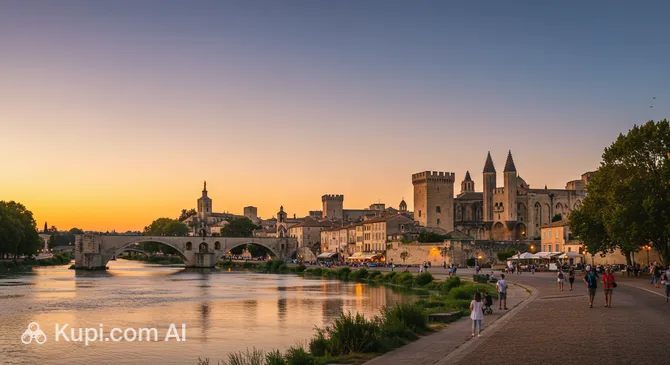
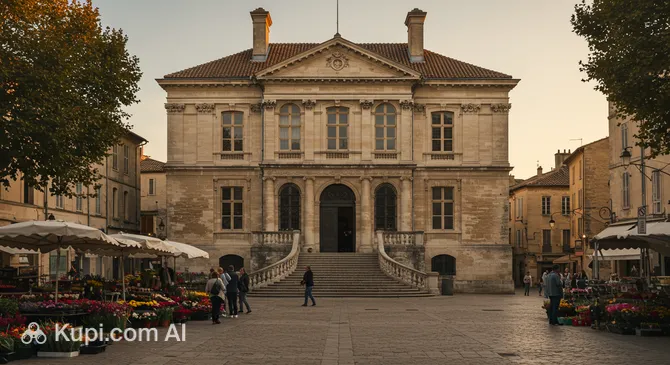
Avignon is a captivating destination located in the heart of the Provence-Alpes-Côte d'Azur region of France. Known for its stunning architecture and vibrant cultural scene, the city offers a unique blend of medieval heritage and modern Provençal life, making it a must-visit spot for travelers seeking both history and charm.
Situated along the banks of the majestic Rhône River, Avignon enjoys a pleasant Mediterranean climate characterized by warm, sunny days. With a population of approximately 92,000 inhabitants, it maintains a lively yet welcoming atmosphere that feels bustling without being overwhelming.
Avignon. Illustration.
Source: Kupi.com AI
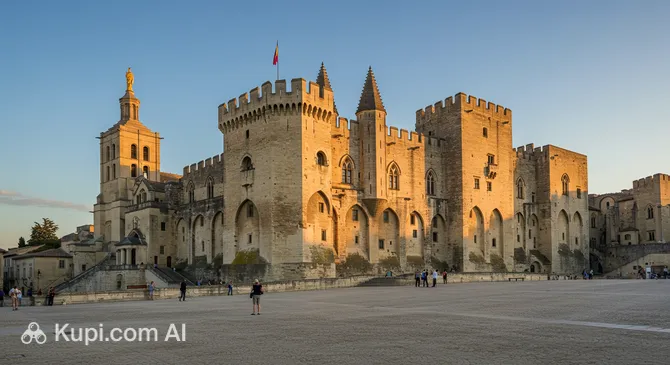
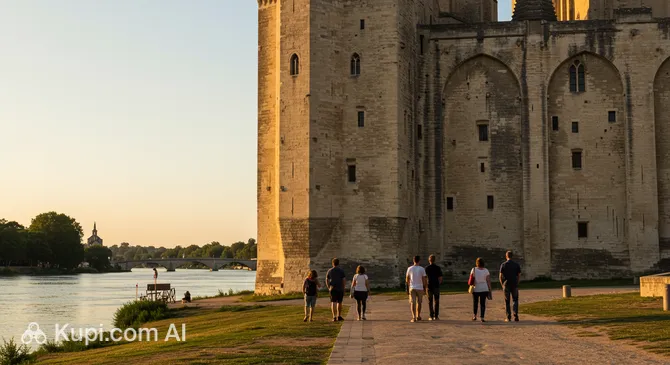
The history of Avignon is deeply intertwined with its time as the seat of Western Christianity during the 14th century. This legacy is best experienced at the imposing Palais des Papes (Palace of the Popes), which stands as one of the largest and most important medieval Gothic buildings in Europe. Just a short walk away lies the iconic Pont Saint-Bénézet, widely known as the Pont d'Avignon, a bridge famous around the world thanks to the popular children's song.
Beyond its stone monuments, the city is a hub of artistic energy, most notably during the annual Festival d'Avignon, which transforms the streets into a massive theater stage every summer. Whether you are exploring its ancient ramparts or enjoying local cuisine in a leafy square, Avignon promises an unforgettable experience for every visitor.
Weather Overview
Travelers planning a trip should know that the weather in Avignon is generally pleasant, featuring a classic Mediterranean pattern. The city typically experiences hot, dry summers and cool, relatively mild winters, making it a year-round destination for visitors.
During the peak summer months of July and August, the heat intensifies with average maximum temperatures reaching around 32°C. These months are also the driest, usually seeing only about 4 wet days each, which is perfect for enjoying the city's outdoor festivals. In contrast, winters are cooler but rarely freezing; January is typically the coldest month with average lows dipping to approximately 3.1°C.
Spring and autumn offer milder temperatures, ranging from 11°C to 20°C on average. However, these seasons can be slightly wetter, particularly in May, October, and November, which often record around 10 wet days per month. It is advisable to pack layers and a light rain jacket if you plan to visit during these transitional periods.
Average monthly temperature
Average monthly precipitation
Interesting Facts
Beyond the main attractions, Avignon holds many fascinating secrets that surprise even the most seasoned travelers. From misunderstood nursery rhymes to architectural marvels, the city's history is full of intriguing details that bring its past to life.
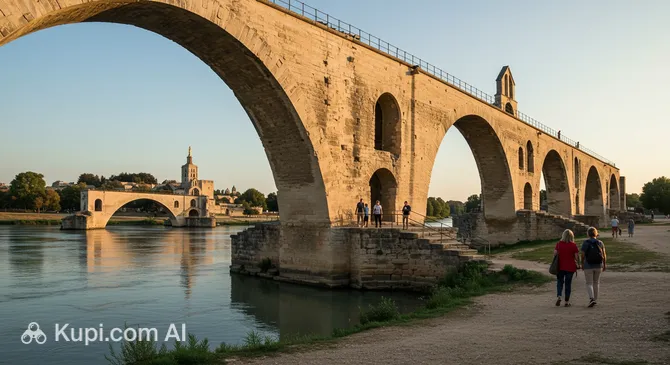
The world-famous song "Sur le pont d'Avignon" claims that people danced on the bridge, but historically, the structure was far too narrow for such festivities. Locals actually danced under the arches of the Pont d'Avignon on the grassy banks of the Île de la Barthelasse.
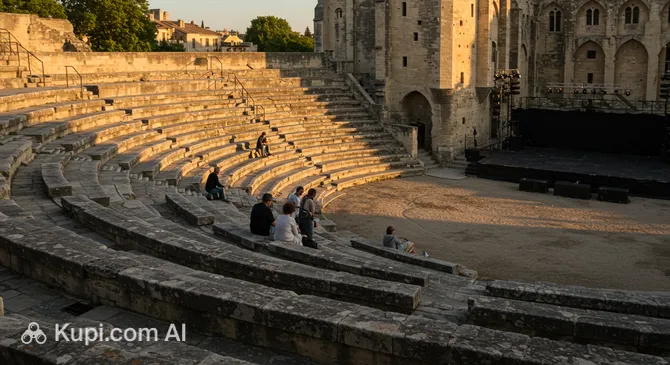
The Palace of the Popes is not merely a large residence; it is the biggest Gothic palace ever constructed. Its sheer volume is staggering, equivalent to four Gothic cathedrals combined, yet the majority of this colossal structure was built in less than twenty years.
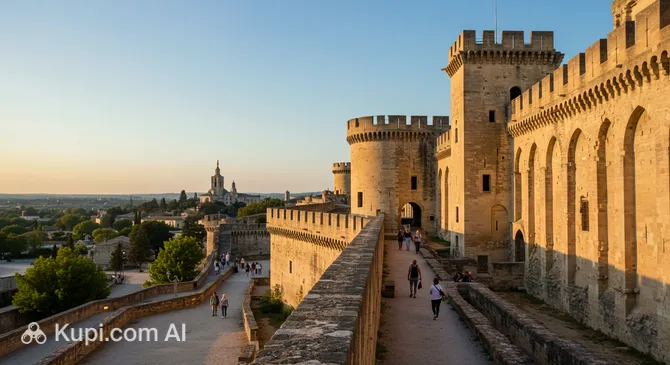
Avignon is one of the very few French cities to have preserved its medieval ramparts in their entirety. The limestone walls stretch for over 4 kilometers, encircling the old town with 39 towers and 7 main gates, effectively shielding the historic center from modern development.
The Les Halles Market of Avignon features a spectacular "Green Wall" created by the botanist Patrick Blanc. This massive living facade on the north side of the building is composed of thousands of plants, turning the market into a lush, breathing piece of contemporary art.
Palace of the Popes. Illustration.
Source: Kupi.com AI
Traveler photos:
How to Get There
Reaching this Provençal gem is relatively straightforward thanks to its central location and good transport links. Whether you prefer flying or taking the train, there are several options available. For a complete guide on all travel methods, you can read more about how to get to Avignon on our detailed page.
For international travelers, the most convenient entry point is often Marseille Provence Airport (IATA: MRS). Although it is located in Marseille, approximately 65.8 km from Avignon, it serves as a major hub with high passenger traffic. Alternatively, the city has its own smaller facility, Avignon-Caumont Airport (IATA: AVN), situated just 9 km from the city center. While it handles significantly less traffic, it offers the quickest access to the downtown area. You can also consider Montpellier Mediterranee Airport (IATA: MPL) in Montpellier, which is roughly 79.7 km away.
For clarity, here is a summary of the main airports:
Traveling by train is another excellent way to arrive, as the region is well-served by the rail network. The primary hub for the city is Avignon Railway Station (IATA: XZN), located directly in Avignon, just 3.4 km from the center. It handles a large volume of passengers and offers convenient access. If you are coming from the west, you might also pass through Nîmes Railway Station (IATA: ZYN) in Nimes, which is about 37.7 km away. The train journey allows you to enjoy the scenic landscapes of Provence before arriving at your destination.
While the Palace of the Popes often takes center stage, the city offers a wealth of other remarkable sites that capture its rich heritage and scenic beauty. Exploring these landmarks provides a deeper understanding of the region's history and artistic spirit.
No visit is complete without seeing the legendary Pont d'Avignon, officially known as the Pont Saint-Bénézet. This medieval bridge, which partially spans the Rhône River, is a UNESCO World Heritage site famous worldwide due to the nursery rhyme. Tourists are fascinated by its four remaining arches and the small Chapel of Saint Nicholas sitting on the second pier, standing as a testament to 12th-century engineering.
Pont d'Avignon. Illustration.
Source: Kupi.com AI
Traveler photos:
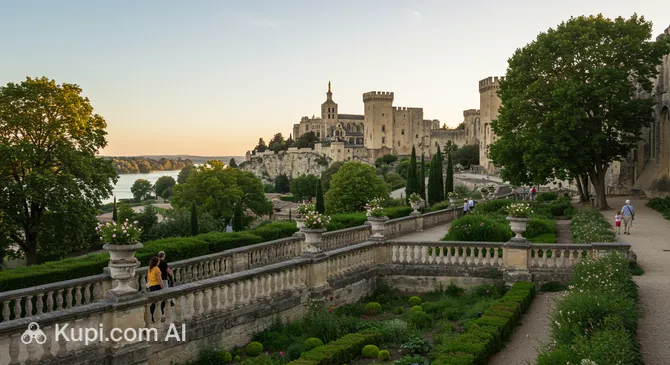
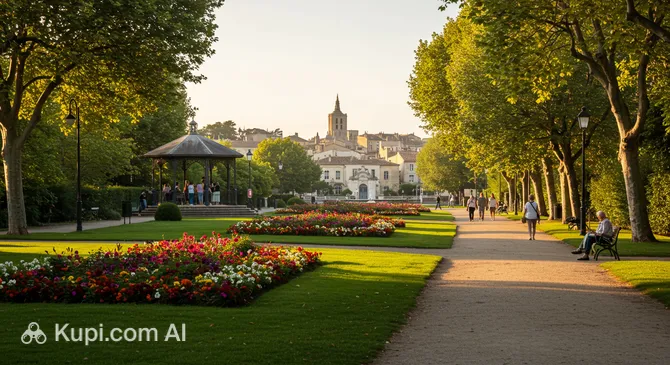
For a peaceful escape with spectacular scenery, the Rocher des Doms Garden is a must-visit. Located atop a rocky outcrop just above the city center, this English-style public park features refreshing fountains, statues, and a pond complete with swans. It is best known for its panoramic terraces, offering breathtaking views over the river, the bridge, and the landscape stretching toward Mont Ventoux.
Rocher des Doms Garden. Illustration.
Source: Kupi.com AI
Traveler photos:
Art enthusiasts will find a treasure trove at the Calvet Museum, the city's primary museum housed in a magnificent 18th-century mansion. The collection is incredibly diverse, featuring everything from Egyptian archaeology and ethnography to fine arts spanning the 16th to the 20th centuries. The elegance of the building itself, with its grand courtyard, adds to the charm of the visit.
Calvet Museum. Illustration.
Source: Kupi.com AI
Traveler photos:
Just across the river, the imposing Fort Saint-André offers a glimpse into medieval military architecture. This massive fortress overlooks the valley and provides a unique vantage point for viewing Avignon from a distance. Visitors can walk along the well-preserved ramparts and explore the twin towers, immersing themselves in the strategic history of the area.
Fort Saint-André. Illustration.
Source: Kupi.com AI
Traveler photos:
Local Cuisine
The culinary landscape of Avignon is a delightful reflection of its location in the heart of Provence, offering a sun-drenched cuisine characterized by fresh vegetables, aromatic herbs, garlic, and high-quality olive oil. A meal here often begins with simple yet flavorful starters like tapenade (olive spread) or anchoïade, served with crusty bread, setting the stage for a gastronomic journey that highlights the region's agricultural richness.
Among the city's signature dishes, the Papeton d'aubergine stands out as a unique local specialty. This eggplant flan, originally shaped in a mold resembling a pope's tiara, is typically served with a fresh tomato coulis. Another must-try is the Daube Avignonnaise, a variation of the classic French stew. Unlike other versions that use beef and red wine, this local recipe features lamb shoulder marinated in white wine and herbs, creating a lighter and incredibly fragrant dish.
For those with a sweet tooth, Avignon offers a distinct confectionery known as Les Papalines d'Avignon. These small, pink, thistle-shaped chocolates are filled with d'origan du Comtat, a herbal liqueur made from oregano. They are a rare treat found almost exclusively in this city and make for a perfect culinary souvenir.
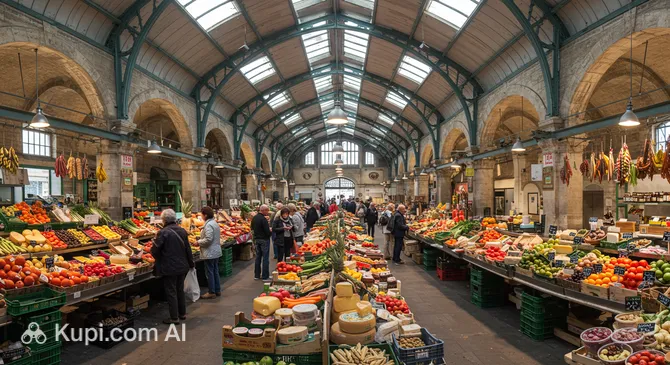
To truly understand the local food culture, a visit to Les Halles Market of Avignon is essential. This covered market is the beating heart of the city's gastronomy, where locals and chefs alike gather to purchase the freshest produce, cheeses, and meats. It is not just a place to shop but a social hub where you can enjoy a glass of wine and oysters at a counter or watch cooking demonstrations on Saturday mornings.
Les Halles Market of Avignon. Illustration.
Source: Kupi.com AI
Traveler photos:
As the capital of the Côtes du Rhône wine region, Avignon is a paradise for wine lovers. The prestigious vineyards of Châteauneuf-du-Pape are just a stone's throw away, and local menus are always paired with excellent regional reds and rosés. For a sophisticated tasting experience in the city center, you might visit Le Carré du Palais, which offers an impressive selection of Rhône Valley wines in a historic setting facing the Palace of the Popes.
Dining in Avignon often takes place outdoors, with terraces filling the city's squares during the warmer months. The atmosphere ranges from casual bistros serving the daily special (plat du jour) to high-end establishments offering refined gourmet experiences. Travelers looking for exceptional French cuisine in a luxurious setting might enjoy the renowned Auberge de Cassagne & Spa, located just outside the center. Before your meal, do not forget to try a Pastis, the anise-flavored aperitif that is an absolute ritual in the south of France.
Travel Tips
Welcome to the sun-drenched heart of Provence! To ensure your journey through Avignon's medieval streets is as seamless as it is enchanting, we have compiled a list of essential practical advice to help you navigate the city like a local.
Clothing and Gear: Avignon enjoys a Mediterranean climate, so lightweight, breathable fabrics are ideal for summer. However, the region is famous for the Mistral, a strong, cold wind that can blow even on sunny days, so packing a windbreaker or a scarf is always a smart move. Since the historic center is paved with ancient cobblestones, leave the high heels at home and opt for comfortable walking shoes. While there is no strict dress code for the streets, modest attire (covering shoulders and knees) is respectful when visiting active churches.
Transportation: The best way to explore the walled city center (Intra-Muros) is undoubtedly on foot. For longer distances, the local transport network, Orizo, operates an efficient system of buses and a modern tramline. A favorite among visitors is the "Baladine," a small electric shuttle that loops around the city center; simply wave at the driver to hop on. Avoid renting a car for city exploration; parking inside the walls is difficult and expensive. Instead, use the "Park & Ride" (Parking Relais) lots outside the ramparts and take the free shuttle in.
Finances: The official currency is the Euro (€). Credit and debit cards (Visa and Mastercard) are widely accepted in hotels, restaurants, and most shops. However, it is advisable to carry some cash for small purchases, especially if you plan to buy fresh produce at Les Halles market or grab a baguette from a local bakery. Tipping is not mandatory as a service charge is included in the bill, but leaving small change or rounding up is a polite gesture for good service.
Health and Safety: Avignon is generally a safe city for tourists, but standard precautions against pickpocketing should be taken, particularly during the busy festival season in July or near major attractions like the Palace of the Popes. Pharmacies are easily recognizable by a flashing green cross and are well-stocked; the staff often speak some English. For any serious medical emergencies, dial 112, the universal European emergency number.
Communication: The official language is French. While English is commonly spoken in the hospitality sector and major tourist sites, it is less widespread in smaller local shops. Learning a few basic phrases will go a long way; locals appreciate the effort. You can purchase a prepaid SIM card at tobacco shops (Tabac) or mobile provider stores in the city center. Free Wi-Fi is often available in public squares and cafes.
Local Etiquette: Politeness is paramount in French culture. Always greet shopkeepers or staff with a friendly "Bonjour" (Good day) or "Bonsoir" (Good evening) upon entering an establishment, and say "Au revoir" (Goodbye) when leaving. Skipping this greeting can be considered rude. At markets, avoid touching the produce yourself; instead, wait for the vendor to serve you unless indicated otherwise.
What to Avoid: Do not expect to eat dinner at any time of the day. Restaurants in Avignon typically adhere to strict service hours, serving lunch between 12:00 PM and 2:00 PM, and dinner starting around 7:30 PM. Most kitchens close in the afternoon, so plan your meals accordingly to avoid being stuck with only fast-food options.
Additional Tip: If you plan to visit several museums and monuments, consider purchasing the Avignon City Pass. It offers significant savings on entry fees to major sites like the Palace of the Popes and the Pont d'Avignon, and often includes 24-hour access to the public transport network, making it a great value for sightseers.
Armed with these practical tips, you are ready to fully immerse yourself in the vibrant culture and history of this Provençal gem. Enjoy the relaxed pace of life, the stunning architecture, and the warm hospitality that makes Avignon such a memorable destination.
Entertainment & Nightlife
Entertainment:
Beyond its ancient walls and historical monuments, Avignon offers a vibrant entertainment scene that caters to culture vultures, shoppers, and families alike. The city pulses with artistic energy, particularly known for its theater traditions, but it also provides modern leisure facilities and a lively nightlife that keeps the excitement going long after the museums have closed.
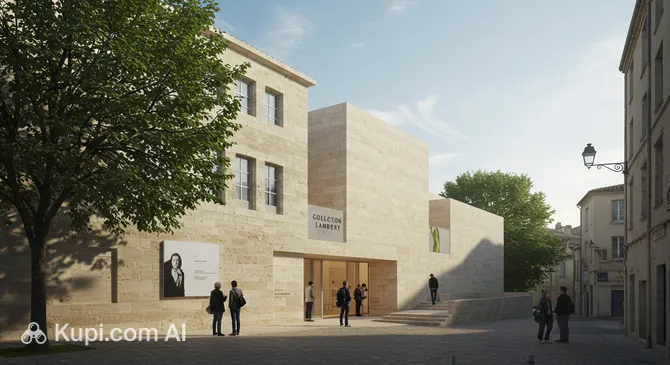
For art enthusiasts looking for a contemporary twist, the Collection Lambert is an essential stop. Housed in two magnificent 18th-century mansions, this museum displays a prestigious collection of contemporary art, featuring works from the 1960s to the present day. It stands as a modern counterpoint to the city's medieval backdrop, offering thought-provoking exhibitions all year round.
Collection Lambert. Illustration.
Source: Kupi.com AI
Traveler photos:
Those interested in the performing arts should venture just across the river to visit La Chartreuse – National Center for Performing Arts Writing. Located in a former monastery, this unique institution is dedicated to playwriting and theater residency, often hosting public readings and events that provide a glimpse into the creative process of modern theater.
When the sun sets, Avignon's nightlife comes alive, fueled by a mix of locals, students, and visitors. Craft beer aficionados will appreciate the atmosphere at L'Explo, a bar dedicated to artisanal brews with a rotating selection on tap. It is a perfect spot to relax and mingle. For those looking to extend the night with music and dancing, Chez Marie offers a classic nightclub experience popular in the area.
L'Explo. Illustration.
Source: Kupi.com AI
Traveler photos:
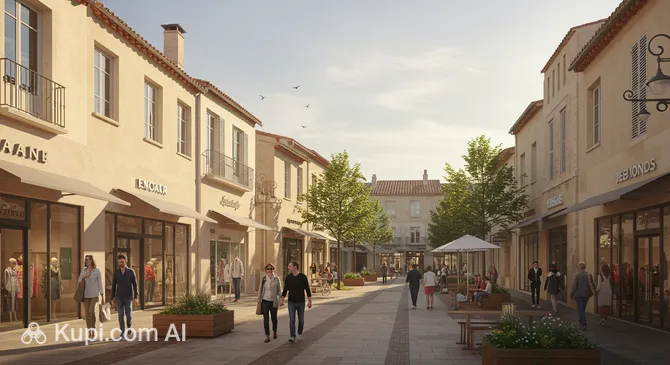
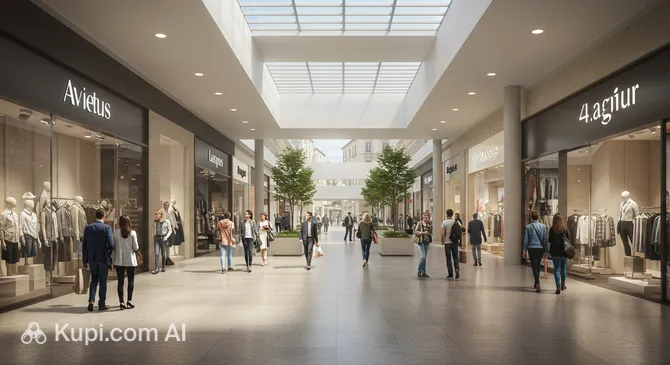
Shopping in Avignon ranges from charming boutiques in the pedestrian center to large modern complexes on the outskirts. Cap Sud is one of the main shopping malls, hosting a wide variety of fashion brands, services, and a hypermarket. Another significant destination is Buld'air, an open-air shopping village that combines retail with leisure, offering a relaxed environment for a spree.
Cap Sud. Illustration.
Source: Kupi.com AI
Traveler photos:
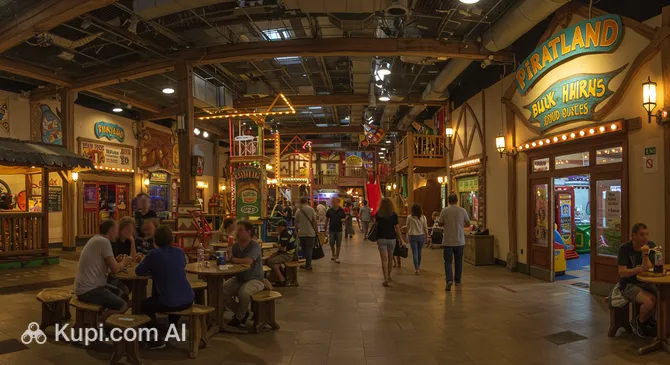
Families traveling with energetic children have excellent options to burn off some steam. Piratland is a pirate-themed amusement park that delights younger visitors with its inflatables and water games. Alternatively, for indoor fun, the Trampoline Park Avignon Le Pontet provides wall-to-wall trampolines, dodgeball courts, and foam pits, ensuring an action-packed afternoon for kids and teenagers alike.
Piratland. Illustration.
Source: Kupi.com AI
Traveler photos:
Parks & Museums
While Avignon is famous for its stone monuments, the city also boasts refreshing green spaces and a diverse array of galleries that delve deeper into its artistic soul. Beyond the well-trodden paths of the main palace, visitors can discover tranquil parks and specialized museums that offer a quieter, yet equally enriching, perspective on Provençal culture.
For those seeking a break from the urban bustle, the Île de la Barthelasse provides a vast natural escape just a stone's throw from the historic center. As one of the largest river islands in Europe, it offers a distinct contrast to the walled city with its sprawling orchards, shady paths, and open fields. It is an idyllic spot for cycling, jogging, or simply enjoying a picnic along the banks of the Rhône while admiring the view of the bridge and the palace from across the water.
Another excellent spot for nature lovers is the Chico Mendes Park. Located slightly away from the city center near the confluence of the Rhône and Durance rivers, this park is a haven for local biodiversity. It serves as an educational space and a recreational area where families can observe various bird species and enjoy the peaceful environment of the riverside woodlands.
Chico Mendes Park. Illustration.
Source: Kupi.com AI
Traveler photos:
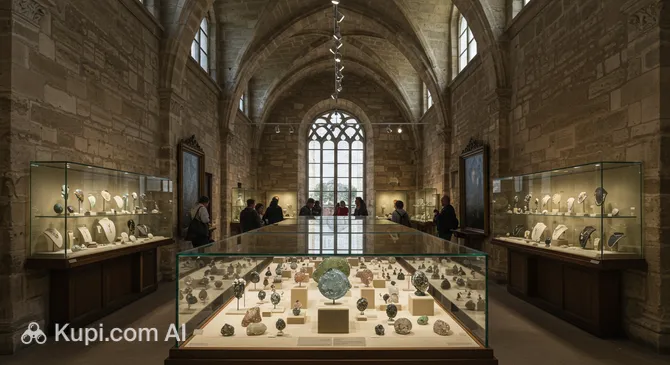
Avignon's cultural landscape is further enriched by its specialized museums. The Lapidary Museum is a fascinating stop for archaeology enthusiasts. Housed in a stunning 17th-century Jesuit chapel, the setting is as impressive as the collection itself. Inside, visitors can explore a remarkable array of Greek, Roman, and Gallo-Roman sculptures and artifacts, offering a tangible connection to the ancient civilizations that once influenced this region.
Lapidary Museum. Illustration.
Source: Kupi.com AI
Traveler photos:
Art lovers should also seek out the Musée du Petit Palais, located at the northern end of the square near the Palace of the Popes. This museum is renowned for its exceptional collection of medieval and Renaissance paintings, including works by Italian masters like Botticelli and Carpaccio. For a more intimate artistic experience, the Musée Angladon is situated in a beautiful old mansion and features masterpieces from the 19th and 20th centuries, including works by Van Gogh, Cézanne, and Picasso, displayed in a setting that retains the charm of a private home.
In terms of historical landmarks, the Tour Philippe-le-Bel is a significant medieval structure worth visiting. Standing on the opposite bank of the river in Villeneuve-lès-Avignon, this tower once guarded the strategic endpoint of the famous Saint-Bénézet bridge. climbing to the top rewards visitors with a spectacular panoramic view of Avignon's skyline and the winding Rhône river valley.
Tour Philippe-le-Bel. Illustration.
Source: Kupi.com AI
Traveler photos:
For a truly authentic experience, take a stroll down the picturesque Rue des Teinturiers. This charming cobblestone street follows the path of the Sorgue canal and is lined with ancient water wheels that once powered the city's textile industry. Shaded by plane trees and dotted with small theaters and cafes, it is a favorite haunt for locals and offers a glimpse into the city's industrial past mixed with its contemporary bohemian vibe.
Getting Around
Navigating Avignon is convenient and efficient, thanks to a well-structured public transport network known as Orizo. This system integrates a modern tramway, various bus lines, and specialized city shuttles, making it easy for visitors to move between the historic center, the suburbs, and major transit hubs without needing a car. The tramway is particularly useful for reaching areas outside the medieval walls, offering a smooth and scenic ride through the city's main arteries.
For exploring the winding streets of the walled city center (Intra-Muros), the Baladine is a tourist favorite. These small, electric shuttle vehicles are designed to navigate the narrow lanes that larger buses cannot access. They operate like a "hop-on, hop-off" service where there are no fixed stops; you simply wave at the driver to board and signal when you wish to get off. This service is eco-friendly and perfect for saving your legs after a long day of sightseeing.
The ticketing system is unified across the network, meaning a single ticket works for trams, buses, and the Baladine. A standard single-trip ticket costs approximately €1.40 and is valid for one hour, including transfers. For tourists, the 24-hour pass (Ticket Journée) is often the best value, costing around €3.50 and allowing unlimited travel. Tickets can be purchased at automatic vending machines located at all tram stops, at the Orizo sales office, or directly via the official mobile app, which is convenient for avoiding queues. Remember to validate your ticket immediately upon boarding to avoid fines.
A unique feature of Avignon's transport is the Navette Fluviale, a free river shuttle that crosses the Rhône. This boat service connects the historic center near the Pont d'Avignon with the Île de la Barthelasse and the path to Villeneuve-lès-Avignon. It is not only a practical way to cross the river but also offers a delightful mini-cruise with stunning views of the famous bridge and the Palace of the Popes from the water.
Active travelers might prefer the city's bike-sharing scheme, Vélopop'. With numerous stations scattered throughout the city and surrounding areas, it provides a flexible way to explore at your own pace. You can easily rent a bike using a credit card at the terminals or through their app. Given the flat terrain along the river and the dedicated cycling paths on the Île de la Barthelasse, cycling is a popular and pleasant alternative to motorized transport.
While taxis and ride-sharing apps like Uber are available, they are generally best used for trips with heavy luggage or late-night travel, as traffic around the ancient walls can be congested. Another crucial rail link for travelers is the "Virgule" (The Comma), a frequent shuttle train (TER) that connects Avignon TGV station (located outside the city) with Avignon Centre station in just 5 minutes, bridging the gap between high-speed rail arrivals and the heart of the town.
Accommodation
Accommodation in Avignon caters to a wide spectrum of preferences and budgets, ranging from charming historic guesthouses to modern chain hotels. Whether you are looking for a romantic boutique hotel housed in a renovated 17th-century mansion or a practical budget hostel for a backpacking trip, the city offers plenty of choices. In recent years, the market for private apartment rentals has also flourished, providing visitors with a "home away from home" experience that is particularly popular for longer stays.
The most sought-after location is undoubtedly Intra-Muros, the area inside the medieval ramparts. Staying here places you within walking distance of the Palace of the Popes, the main squares, and the best restaurants. The atmosphere in the old town is unmatched, allowing you to soak up the history the moment you step out the door. However, space can be limited, and parking is often difficult or expensive, so this area is best suited for those traveling without a car or willing to use paid public garages.
For those prioritizing convenience and accessibility, the Extra-Muros area—just outside the walls—is a strategic alternative. Here, you will find larger hotels, often with parking facilities, located near the central train station and the main bus hub. This area is practical for travelers planning to explore the wider Provence region by train or car. Another excellent option is Villeneuve-lès-Avignon, located across the Rhône River. This town offers a quieter, more residential vibe with stunning views back towards Avignon's skyline, making it a peaceful retreat after a day of sightseeing.
Auberge de Cassagne & Spa. Illustration.
Source: Kupi.com AI
Traveler photos:
Travelers seeking a luxurious or typically Provençal experience can find exquisite properties on the outskirts of the city. Establishments like the Auberge de Cassagne & Spa offer a resort-style atmosphere with lush gardens and high-end amenities, providing a relaxing counterpoint to the bustling city center. These types of accommodations are perfect for visitors who want to combine cultural exploration with leisure and wellness.
Booking Tip: If you plan to visit in July during the famous Festival d'Avignon, booking your accommodation months in advance is absolutely essential. The city's population swells significantly, and finding a room at the last minute is nearly impossible. For off-peak visits, particularly in spring or autumn, you can often find excellent deals and a wider selection of rooms.
Price ranges vary significantly by season. During the summer peak, rates for even modest hotels can rise, while the winter months offer very competitive prices. Most accommodations can be booked easily through major online platforms, but contacting smaller B&Bs directly can sometimes secure a better rate or a more personalized stay.
Nearby Cities
For those looking to explore the surroundings, Avignon serves as an excellent base for day trips to several interesting nearby locations. The region is rich in history and natural beauty, making it easy to discover diverse landscapes within a short drive or train ride.
One of the most popular destinations is Arles, located just south of Avignon. Famous for its well-preserved Roman Amphitheatre and its deep connection to Vincent van Gogh, who painted many of his masterpieces there, it offers a perfect blend of ancient history and artistic heritage. To the north lies Orange, another city renowned for its Roman architecture, specifically the Théâtre Antique d'Orange, which is one of the best-preserved Roman theaters in Europe and a UNESCO World Heritage site.
For a more relaxing atmosphere, L'Isle-sur-la-Sorgue is a charming town often referred to as the "Venice of the Comtat" due to its network of canals and mossy waterwheels. It is particularly famous for its antique markets, which are among the best in the country, attracting collectors and casual browsers alike to its picturesque Sunday fairs.
City
Population
Distance
Villeneuve-lès-Avignon
12 216
2 km
Le Pontet
17 273
5 km
Châteaurenard
16 063
8 km
Morières-lès-Avignon
8 786
8 km
Vedène
11 383
8 km
These nearby destinations offer a glimpse into the diverse culture and landscapes of the region, allowing travelers to experience everything from Roman antiquity to vibrant Provençal market life within minutes of leaving the city.
Shopping & Souvenirs
Shopping in Avignon is a delightful experience that seamlessly blends the charm of medieval heritage with the sophistication of modern French retail. The city offers a diverse range of options, from high-end fashion boutiques and popular international brands to quaint artisanal shops selling authentic Provençal goods. Whether you are looking for the latest trends or traditional local crafts, the pedestrian-friendly streets of the city center provide a relaxed and scenic atmosphere for browsing.
The heart of the shopping action lies within the city walls, particularly along the Rue de la République, which serves as the main commercial artery lined with well-known high-street brands, pharmacies, and banks. For a more exclusive experience, visitors should head to the elegant Rue Joseph Vernet and Rue Saint-Agricol. These streets are home to luxury fashion houses, designer boutiques, and sophisticated home decor stores. Meanwhile, the pedestrian zone around Rue des Marchands and Place du Change is perfect for discovering smaller, independent shops selling unique gifts, accessories, and local specialities.
For those seeking a more concentrated retail experience with a wider selection of international chains, the commercial zones on the outskirts of the city are the place to go. Cap Sud is a major shopping center located along the Route de Marseille, offering a vast array of clothing stores, a hypermarket, and various services. Another significant destination is Buld'air, situated in the northern commercial zone (Avignon-Nord). This open-air shopping village combines retail with leisure, featuring numerous fashion outlets, home goods stores, and a relaxed environment for a full day of shopping.
Buld'air. Illustration.
Source: Kupi.com AI
Traveler photos:
Markets are an integral part of daily life in Provence and offer a unique shopping experience. The famous Les Halles Market of Avignon is the epicenter for fresh produce and local delicacies, but the city hosts other vibrant open-air markets as well. On Saturday mornings, the Place des Carmes transforms into a colorful flower market. On Sundays, the same square hosts a lively flea market (brocante), where visitors can hunt for antiques, vintage books, and curious collectibles in a friendly, bustling atmosphere.
When looking for souvenirs to bring back home, Provençal specialties are the most popular choice. Lavender products—such as essential oils, dried sachets, and cosmetics—are iconic to the region. Savon de Marseille (traditional olive oil soap) is another essential buy. For decorative items, look for Santons, the charming hand-painted clay figurines used in nativity scenes, or bright Provençal fabrics (Indiennes) featuring sunny, colorful patterns. Wine enthusiasts should also consider purchasing a bottle from the nearby vineyards of Châteauneuf-du-Pape.
Most shops in the city center are generally open from 10:00 AM to 7:00 PM, Monday through Saturday. It is important to remember that many smaller, independent boutiques may close for a traditional lunch break, typically between 12:00 PM and 2:00 PM. On Sundays, the vast majority of retail stores are closed, although food shops and markets usually operate in the morning. Credit and debit cards (Visa and Mastercard) are widely accepted, but it is advisable to carry some cash for small purchases at market stalls.
Travelers residing outside the European Union may be eligible for a VAT refund (détaxe) on purchases. If you spend more than a certain threshold (typically around €100) in a single store on the same day, you can ask the merchant for a tax refund form. Look for the "Tax Free" sign in shop windows and ensure you have your passport with you to process the necessary paperwork, which must later be validated at customs upon leaving the EU.