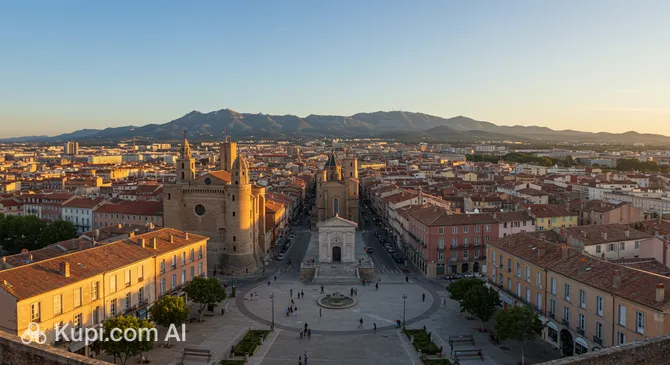
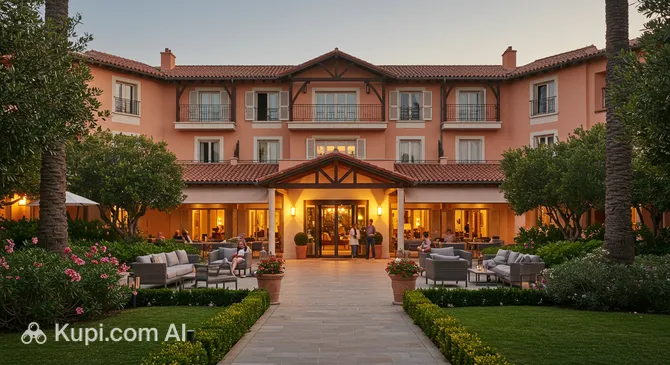
Perpignan is a captivating city that offers a unique blend of French sophistication and Catalan soul. Situated in the south of France, it serves as a cultural bridge between the two nations, boasting a vibrant atmosphere and a distinct identity. As the capital of the Pyrénées-Orientales department, this sun-drenched destination is known for its palm-lined squares and colorful architecture.
Perpignan. Illustration.
Source: Kupi.com AI
Geographically, the city enjoys a privileged location in the Occitanie region, nestled between the azure waters of the Mediterranean Sea and the majestic peaks of the Pyrenees mountains. With a population of approximately 119,000 residents, it maintains a lively yet manageable urban feel. The climate is typically Mediterranean, characterized by mild winters and hot, sunny summers, making it an attractive year-round destination.
The history of Perpignan is deeply intertwined with its former status as the continental capital of the Kingdom of Majorca. This royal heritage is visible in its stunning landmarks, such as the imposing Palace of the Kings of Majorca (Palais des Rois de Majorque), which dominates the cityscape with its massive walls and gardens. Another iconic symbol is Le Castillet, a 14th-century red brick fortification that once served as a city gate and prison.
Whether you are strolling through the winding streets of the historic center or admiring the Gothic architecture of the Saint-Jean-Baptiste Cathedral, Perpignan promises a memorable experience. It is an ideal base for travelers seeking to explore the rich heritage, culinary delights, and natural beauty of this charming corner of Europe.
Weather Overview
Perpignan enjoys a classic Mediterranean climate, making it a pleasant destination for travelers throughout most of the year. The city is known for its abundant sunshine, with distinct seasons that range from hot summers to generally mild winters. To help plan your trip and pack accordingly, you can view more detailed information about the weather in Perpignan.
Summer is the warmest time to visit, particularly in July and August, when the average temperature holds steady at around 24.3°C. During these months, daily highs often reach 29.3°C, creating perfect conditions for exploring the nearby coast, though you should be prepared for about 7 wet days per month. June is also a beautiful time to travel, offering warm days with maximum temperatures reaching 26.3°C.
Winters in Perpignan are quite gentle compared to much of France. In January, the coolest month, the average temperature is approximately 7.2°C, with overnight lows rarely dipping below 3.5°C. Daytime highs in winter typically range between 11.0°C and 13.4°C, allowing for comfortable sightseeing. While rainfall is generally low, you can expect around 6 wet days during the coldest months.
The transitional seasons of spring and autumn bring moderate and agreeable weather. By May, temperatures climb to a comfortable average of 16.7°C with highs of 21.1°C, while September retains the summer's warmth with averages around 20.1°C. Rainfall occurs occasionally throughout the year, with March, May, and June seeing up to 10 wet days, so packing a light jacket and an umbrella is recommended for these periods.
Average monthly temperature
Average monthly precipitation
Interesting Facts
Beyond the main attractions, Perpignan holds many fascinating secrets and cultural curiosities that define its unique character. The city serves as a treasure trove of stories, ranging from surrealist legends to hidden architectural gems.
The surrealist artist Salvador Dalí famously declared the city's railway station to be the "Center of the World" (le Centre du Monde). He claimed to experience a state of "cosmic ecstasy" there, asserting that his most brilliant ideas came to him in the station's waiting room, a belief that permanently put the transport hub on the artistic map.
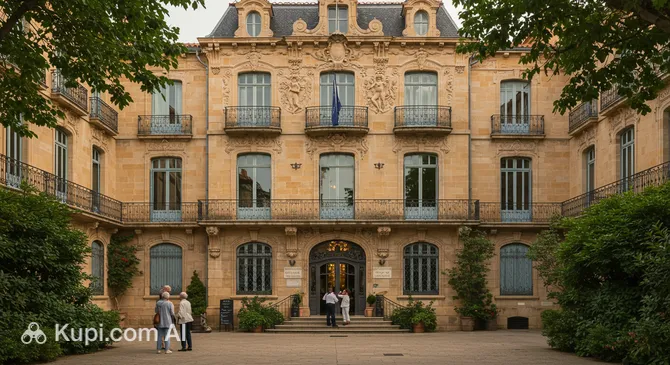
Hidden behind a relatively unassuming facade lies the Hôtel Pams, a lavish mansion that often surprises visitors. Originally the home of Pierre Bardou, a wealthy industrialist who made his fortune from JOB cigarette papers, the building conceals a stunning Art Nouveau interior with a skylit patio and exotic hanging gardens.
Perpignan is the stage for the solemn "Procession de la Sanch" every Good Friday, a tradition dating back to 1416. Participants wear distinct red and black robes with tall, pointed hoods to protect their anonymity while seeking penance, creating a visually striking spectacle that is unique to this Catalan culture.
The city is renowned as the capital of French garnet jewelry, known as "Grenat de Perpignan." Since the 18th century, local artisans have utilized a specific technique where the stone is set in gold with a completely closed back to enhance its brilliance, a method that is strictly regulated to ensure authenticity.
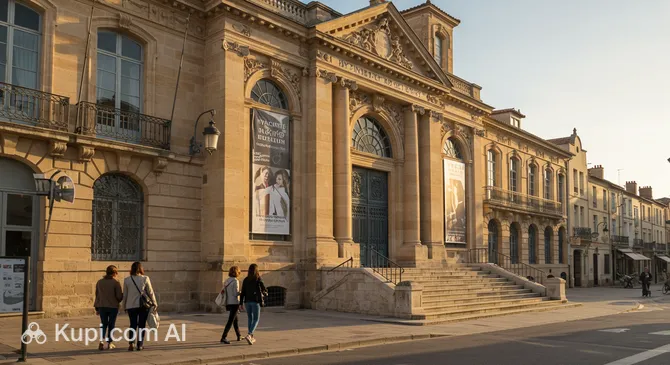
Hôtel Pams. Illustration.
Source: Kupi.com AI
Traveler photos:
How to Get There
Reaching this sun-soaked destination in the south of France is convenient due to its excellent transport connections. Whether you are arriving by air or rail, you have several options to choose from. You can read more about how to get to Perpignan and view detailed route planning advice on our dedicated page.
The most direct way to arrive is via Llabanère Airport (PGF), which is situated within the city limits, just 6.4 km from the center. As a regional hub, it offers a quick and convenient entry point. A taxi or shuttle from here typically takes around 15 minutes to reach the downtown area.
Alternatively, many travelers choose to fly into Girona-Costa Brava Airport (GRO), located in the city of Girona in neighboring Spain. It is approximately 88 km away from Perpignan. This airport handles a larger volume of passengers and is a popular choice for international arrivals. The journey by road from Girona to Perpignan takes about 1 hour and 15 minutes.
For clarity, here is a summary of the main airports:
For those traveling by train, the city is served by its own central hub, Perpignan Station. Located just 2 km from the city center, this station is not only a vital transport link with medium annual traffic but also a site of artistic fame, once celebrated by Salvador Dalí. It connects the city efficiently to the wider region. From the platform, a short taxi or bus ride of approximately 5 to 10 minutes will bring you to the heart of the city.
Below is an overview of the nearest railway stations:
Perpignan is a city brimming with historical treasures and architectural wonders that reflect its rich past as a continental capital. From imposing fortresses to serene religious sites, the city offers a diverse array of landmarks that captivate visitors with their beauty and stories.
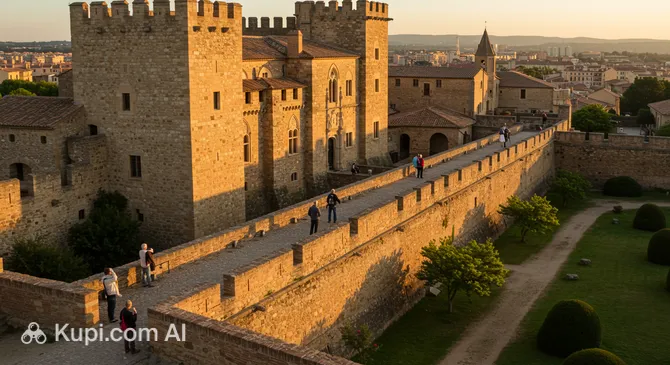
One of the most significant sites is the Palace of the Kings of Majorca. Perched on a high promontory, this 13th-century gothic palace dominates the city skyline. It was built as a secure fortress and a princely residence for the monarchs of the Kingdom of Majorca. Tourists are drawn to its impressive defensive walls, the elegant two-tiered galleries of the main courtyard, and the panoramic views from the Donjon tower, which offer a breathtaking sweep of the Roussillon plain and the Pyrenees.
Palace of the Kings of Majorca. Illustration.
Source: Kupi.com AI
Traveler photos:
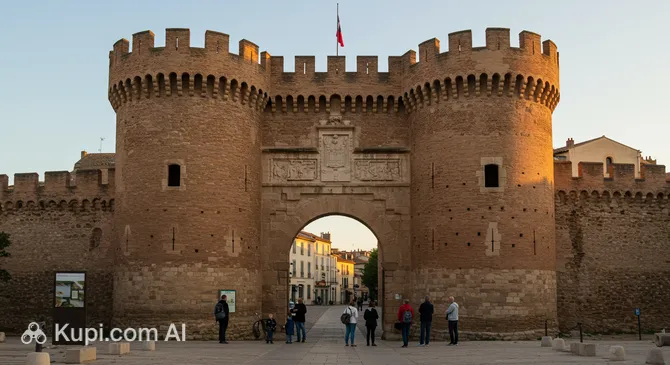
Another iconic symbol of the city is Le Castillet – Casa Pairal Museum. This distinctive red brick fortification, which once served as the main city gate and later a state prison, is hard to miss. Today, it houses the Casa Pairal, a museum dedicated to Catalan arts and popular traditions. It is fascinating for those interested in local culture, and climbing the 142 steps to the terrace rewards you with a charming view over the palm-lined streets of the city center.
Le Castillet – Casa Pairal Museum. Illustration.
Source: Kupi.com AI
Traveler photos:
In the heart of the old town stands the Saint John the Baptist Cathedral Basilica. Construction of this majestic building began in 1324 but was not completed until the 16th century. It is a prime example of Southern Gothic architecture, known for its wide nave and ornate interior. Visitors are often struck by the solemn atmosphere and the intricate details of the altarpieces, as well as the unique wrought-iron bell cage that tops the exterior campanile.
Adjacent to the cathedral is the Campo Santo, a site of great historical importance. It is the oldest and largest funerary cloister in France, dating back to the early 14th century. The site features a large open-air courtyard surrounded by beautiful gothic arcades and ossuaries. While it was historically a cemetery, it is now a peaceful public space that frequently hosts cultural events and festivals, offering a unique blend of solemn history and lively modern culture.
For art enthusiasts, the Hyacinthe Rigaud Art Museum is an essential stop. Located in a grand private mansion, the museum presents a rich collection of fine arts that spans from the 15th century to the contemporary era. It pays homage to Hyacinthe Rigaud, the Perpignan-born painter famous for his portraits of Louis XIV. The museum also features works by modern masters such as Picasso and Dufy, making it a vibrant center for artistic discovery.
Hyacinthe Rigaud Art Museum. Illustration.
Source: Kupi.com AI
Traveler photos:
Local Cuisine
The culinary landscape of Perpignan is a delightful reflection of its dual identity, perfectly blending refined French gastronomy with robust Catalan flavors. The local cuisine relies heavily on fresh Mediterranean ingredients, such as sun-ripened tomatoes, olive oil, garlic, and an abundance of seafood, creating dishes that are colorful, aromatic, and deeply satisfying.
One of the most authentic culinary experiences you can have here is the Cargolade. This is more than just a dish; it is a social ritual where local snails are grilled over vine shoots and served with aioli (garlic mayonnaise) and bread. Another must-try specialty is the Bullinada, a creamy fish and potato stew that originated from the Catalan coast. It is traditionally seasoned with saffron and garlic, offering a warm and comforting taste of the sea.
For those with a sweet tooth, the city offers the famous Rousquilles. These are tender, ring-shaped biscuits flavored with anise or lemon and coated in a delicate white glaze. They are often enjoyed with coffee or as a souvenir to take home. You will also frequently find Crème Catalane on dessert menus, a rich custard similar to crème brûlée but typically flavored with lemon zest and cinnamon.
No meal in Perpignan is complete without exploring the local beverages. The region is part of the extensive Roussillon wine area, known for producing excellent red, white, and rosé wines. The area is particularly famous for its Vins Doux Naturels (natural sweet wines), such as Muscat de Rivesaltes and Banyuls, which are often served as an aperitif or paired with dessert.
The dining atmosphere in Perpignan ranges from bustling fresh markets, where you can grab quick tapas, to elegant establishments perfect for a leisurely dinner. Locals often enjoy long meals that celebrate the region's produce. For a memorable dining experience, you might visit La Table de Thomas, a restaurant known for its welcoming ambiance and quality dishes. Alternatively, if you are looking for a place to relax with a drink and enjoy the local vibe, Le Restaurant Jean is another popular spot worth checking out.
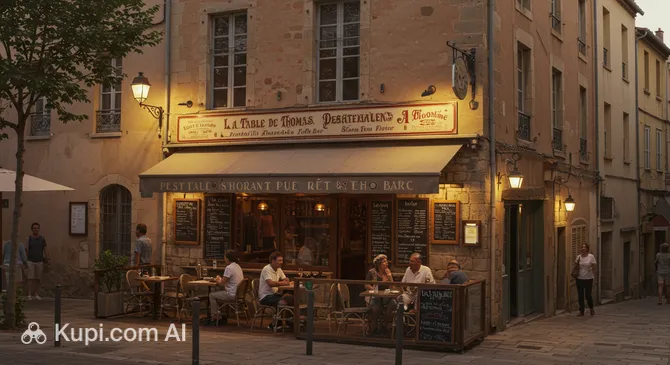
La Table de Thomas. Illustration.
Source: Kupi.com AI
Traveler photos:
Whether you are sampling street food at the Halles Vauban or sitting down for a multi-course meal in the historic center, the food in Perpignan is sure to be a highlight of your trip. The combination of fresh produce, historical recipes, and a warm, convivial atmosphere makes every meal a celebration of the Catalan art of living.
Travel Tips
Welcome to Perpignan! To ensure your visit to this sunny Catalan-French city is as smooth as it is memorable, we have compiled a list of essential practical advice. These tips will help you navigate the local customs and logistics like a seasoned traveler.
Clothing and The Elements: While the Mediterranean climate brings plenty of heat, Perpignan is famous for the Tramontane, a strong northerly wind. Even in summer, it is wise to carry a light windbreaker and sunglasses to protect your eyes from dust. Comfortable walking shoes are a must for navigating the cobblestone streets of the historic center.
Transportation: The best way to explore the heart of the city is on foot, as most major attractions are within walking distance. For trips to the outskirts or nearby beaches, rely on the local Sankéo bus network, which is efficient and affordable. Taxis can be difficult to hail on the street, so it is better to book one in advance or locate a designated taxi stand.
Finances: The local currency is the Euro (€). International credit and debit cards (Visa and Mastercard) are widely accepted in restaurants and shops. However, it is recommended to carry some cash for small purchases at open-air markets or independent bakeries. Tipping is not mandatory as service is included, but rounding up the bill is a common gesture of appreciation.
Health and Safety: Perpignan is generally a safe city for tourists, but standard precautions against pickpocketing should be taken in crowded areas. Pharmacies are easily recognized by a glowing green cross and are well-stocked. In case of any emergency, dial 112, which is the universal European emergency number.
Communication: French is the official language, though you will see and hear strong Catalan influences. While English is spoken in the tourism sector, it is not universally understood by all locals. Learning a few basic phrases like "Bonjour" (Hello) and "Merci" (Thank you) is highly appreciated; using the Catalan "Bon dia" might even earn you a warm smile.
Local Etiquette: Politeness is a cornerstone of daily interaction here. When entering a shop, café, or elevator, it is customary to greet everyone with a clear "Bonjour." Failing to do so can be perceived as cold or rude. A friendly "Au revoir" when leaving is equally important.
What to Avoid: Do not plan your shopping spree between 12:00 PM and 2:00 PM. Many smaller boutiques, banks, and businesses close strictly for the midday lunch break. Use this time to enjoy a leisurely meal yourself rather than trying to run errands.
Dining Schedules: Avoid seeking dinner too early. Unlike in some northern countries, restaurants in Perpignan typically start their evening service around 7:30 PM or 8:00 PM. Arriving at 6:00 PM will likely find you facing closed doors or an empty dining room.
By keeping these practical tips in mind, you will be well-prepared to embrace the relaxed rhythm and vibrant culture of Perpignan. Enjoy your stay in this charming southern city where French elegance meets Catalan passion!
Entertainment & Nightlife
As the sun sets over the Têt River, Perpignan transforms from a historical cultural hub into a lively Mediterranean city with a vibrant nightlife scene. The atmosphere is distinctively relaxed yet spirited, reflecting the city's Catalan roots. Evenings often begin with a leisurely dinner that stretches late into the night, followed by drinks on bustling terraces. The warm climate allows for open-air socializing well into the autumn months, making the streets of the city center the primary stage for evening entertainment.
The heartbeat of the nightlife is undoubtedly concentrated in the historic center. Areas around Place de la Loge and Place de la République are teeming with activity, where locals and visitors mingle in a friendly environment. For those seeking a lively pub atmosphere, O'Flaherty's is a popular institution. Situated near the Castillet, this Irish pub draws a diverse crowd with its selection of beers and frequent live sports screenings, serving as a perfect starting point for a night out.
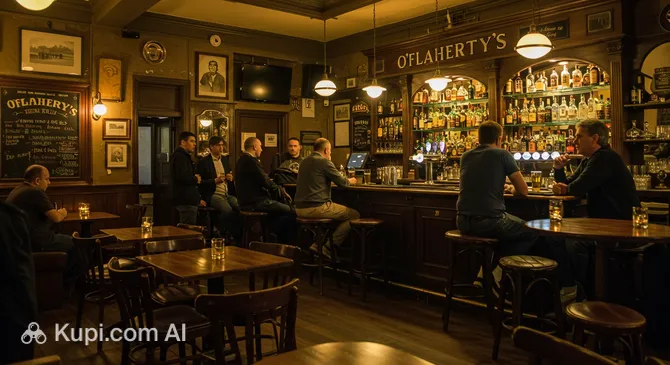
O'Flaherty's. Illustration.
Source: Kupi.com AI
Traveler photos:
For those looking to dance or enjoy a more energetic vibe later in the night, the city offers several clubs and late-night bars. A notable spot is Chez Ta Mère, a venue known for its eclectic ambiance and music that keeps the energy high. The crowd in Perpignan is generally a mix of students from the local university, young professionals, and tourists, creating an inclusive and unpretentious mood. The dress code is typically casual chic; while you don't need formal attire, a smart-casual look fits in perfectly anywhere.
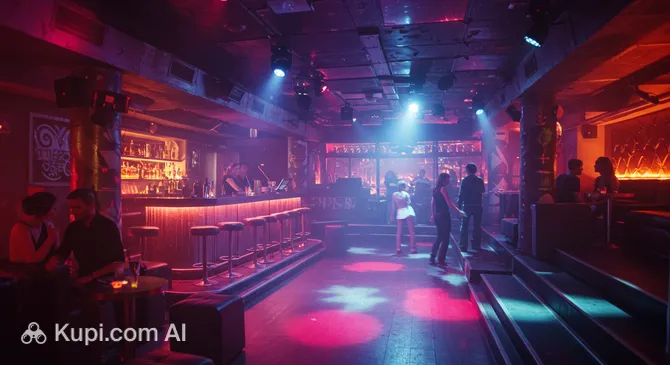
Chez Ta Mère. Illustration.
Source: Kupi.com AI
Traveler photos:
Practicalities for a night out are straightforward. Bars usually stay open until 1:00 AM or 2:00 AM, while nightclubs operate until dawn. Prices are reasonable compared to larger French cities, with a pint of beer or a glass of wine costing around 5 to 7 euros. During the summer, the "Jeudis de Perpignan" festival turns the streets into a massive open-air party every Thursday, featuring street performers and music. Getting around is easy on foot within the center, but if you are staying further out, it is advisable to book a taxi in advance, as hailing one on the street at night can be challenging.
Perpignan is generally a safe city for evening walks, especially in the well-lit pedestrian zones of the old town. However, as with any urban area, it is wise to stay aware of your surroundings and stick to populated streets after dark. If you need to travel late, using a reputable taxi service or a ride-sharing app is the safest option to ensure a hassle-free return to your accommodation.
While the nights are exciting, the city also offers plenty of daytime entertainment beyond its historical monuments. Families and nature lovers can enjoy a relaxing afternoon at Sant Vicens Park, a green oasis perfect for picnics and leisurely strolls. For those interested in science and regional biodiversity, the Natural History Museum of Perpignan provides fascinating exhibits that offer a break from the heat and a chance to learn about the local fauna and flora.
Parks & Museums
While Perpignan is renowned for its sunny plazas and medieval fortifications, the city also offers refreshing green sanctuaries and a variety of cultural institutions that delve deeper into its heritage. Beyond the famous landmarks, visitors can find tranquility in lush gardens and explore collections that range from natural sciences to religious history, providing a well-rounded experience of this Catalan capital.
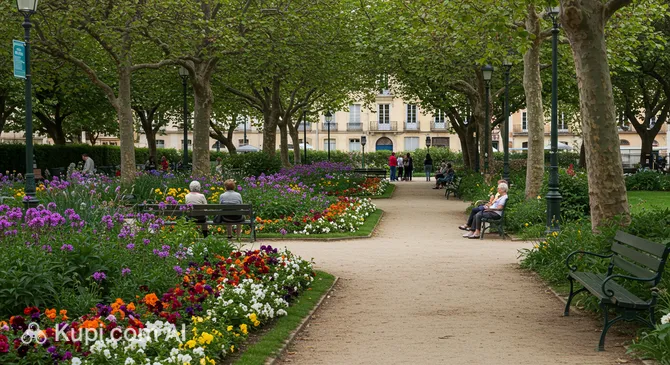
For a peaceful escape from the urban bustle, Sant Vicens Park is a favorite among locals and tourists alike. Located in the Gaudique district, this expansive green space serves as the city's "green lung," offering a blend of Mediterranean vegetation and manicured landscapes. It is an ideal spot for a leisurely stroll among oleanders and cypress trees, or for a family picnic on the grass. The park often hosts open-air exhibitions and events, making it a lively community hub that changes with the seasons.
Sant Vicens Park. Illustration.
Source: Kupi.com AI
Traveler photos:
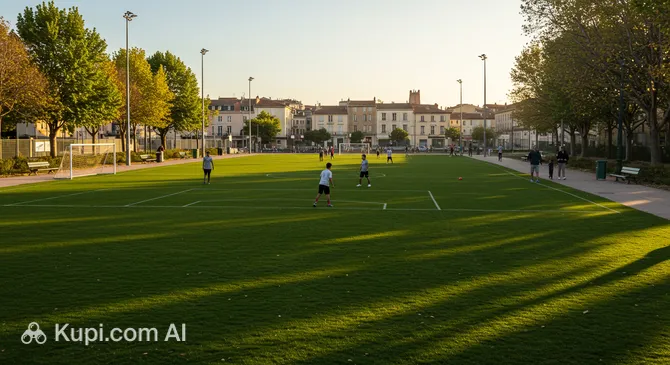
Those seeking a more active outdoor experience should head to the Sports Park (Parc des Sports). Situated to the north of the city, this vast area is dedicated to recreation and physical activity. It features wide avenues lined with plane trees, perfect for jogging or cycling, as well as various sports facilities. It is a great place to witness the local passion for rugby and athletics, or simply to enjoy the spacious, airy atmosphere that contrasts with the dense streets of the historic center.
Sports Park. Illustration.
Source: Kupi.com AI
Traveler photos:
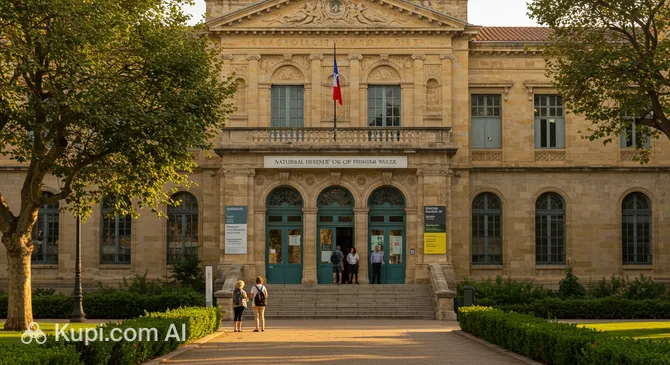
In terms of museums, the Natural History Museum of Perpignan offers a fascinating look at the biodiversity of the Pyrenees-Orientales region. Housed in the historic Hôtel Çagarriga, a 16th-century mansion, the museum combines architectural beauty with scientific discovery. Its collections include rare specimens of local fauna, including the extinct Catalan wolf, as well as exhibits on geology and mineralogy. It provides an educational journey that highlights the unique environmental richness of the territory between the mountains and the sea.
Natural History Museum of Perpignan. Illustration.
Source: Kupi.com AI
Traveler photos:
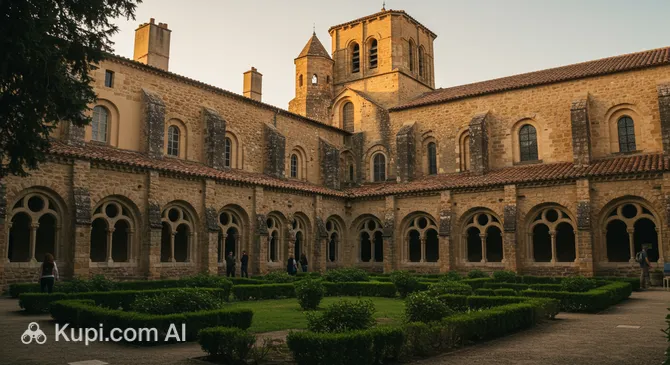
Another significant cultural venue is the Couvent des Minimes of Perpignan. Founded in 1575, this former convent is a masterpiece of religious architecture located in the old Jewish quarter. Although it no longer functions as a monastery, the building has been beautifully preserved and repurposed as an exhibition space. Visitors can admire the impressive cloister and the brick-vaulted church, which now regularly host art installations and temporary historical exhibits, offering a serene setting to appreciate both the past and contemporary creativity.
Couvent des Minimes of Perpignan. Illustration.
Source: Kupi.com AI
Traveler photos:
For a truly authentic experience, seek out the hidden Jardin de la Miranda near the Church of Saint-Jacques. This small, often overlooked garden is tucked away from the main tourist trails and offers a quiet, shaded retreat with charming views of the church's bell tower. It is a perfect example of the secret pockets of calm that characterize the city's layout.
Getting Around
Navigating Perpignan is relatively straightforward thanks to its compact size and efficient public transport network. While the historic center is best explored on foot, allowing you to easily wander through its winding streets and squares, the city offers a reliable bus system that connects the downtown area with the suburbs, the train station, and even the nearby Mediterranean beaches. The network is managed by Sankéo, which operates all bus lines in the metropolitan area.
The bus is the primary form of public transit here, as there is no metro or tram system. The Sankéo network consists of three high-frequency main lines (A, B, and C) that crisscross the city, supported by numerous secondary routes that serve residential neighborhoods and surrounding villages. The buses are modern, comfortable, and air-conditioned, which is a welcome feature during the hot summer months. Stops are clearly marked, and digital displays at major stations often indicate waiting times.
For tickets and fares, the system is designed to be user-friendly. A single trip ticket costs approximately €1.30 if purchased in advance or via the mobile app, and slightly more if bought directly from the driver (cash only). For tourists, the most convenient option is often the Day Pass (Pass Journée), which allows unlimited travel for 24 hours for about €5.00. Regular users and those staying longer often utilize the Bip! card, a rechargeable contactless transport card that makes boarding faster and easier, rather than a bike service as the name might suggest.
Regarding cycling, while the terrain is relatively flat, Perpignan does not rely on a large-scale, short-term bike-sharing station system like some major capitals. Instead, the focus is on personal cycling or long-term rentals. Sankéo offers bike rental services for those who prefer two wheels, but for most short-term visitors, walking remains the most practical and enjoyable way to navigate the city center.
A unique transport feature tailored specifically for visitors is Le Petit Train de Perpignan. This scenic tourist train departs from the Place de la Loge and offers a guided tour of the historic center. While it is not a mode of transport for commuting, it provides a relaxing way to see the major sights without walking, complete with audio commentary about the city's heritage.
If you require more direct transport or are traveling late at night when buses are not running, taxis are the best alternative. Unlike in some larger cities, you cannot always easily hail a taxi on the street. It is recommended to book one by phone or head to a designated taxi rank, such as the one at the train station or near the Castillet. Ride-sharing apps are available but may have fewer drivers than in major metropolitan hubs, so planning ahead for late-night returns is advisable.
Accommodation
Accommodation:
Perpignan offers a diverse array of accommodation options suited to various budgets and travel styles, ranging from charming boutique hotels nestled in historic buildings to modern apartments and reliable international chains. Whether you are looking for a luxury suite with a view of the rooftops or a budget-friendly hostel for a quick stopover, the city provides ample choices to ensure a comfortable stay. In recent years, the availability of aparthotels and vacation rentals has also increased, catering to families and travelers who prefer self-catering facilities.
When choosing where to stay, location is key. The Historic Center is undoubtedly the most popular area for tourists, as it places you within walking distance of major landmarks like Le Castillet and the Cathedral. Staying here immerses you in the city's lively atmosphere, with restaurants and cafes right at your doorstep. Alternatively, the area around the Train Station (Gare de Perpignan) is highly convenient for those planning to explore the wider region or arriving late by rail. This district has undergone significant redevelopment and offers modern lodging options with easy access to transport links.
For travelers seeking a blend of comfort and practicality near the transport hub, the Perpignan Centre Gare Aparthotel is a well-known option. Located just a short distance from the station famously celebrated by Salvador Dalí, this establishment combines the amenities of an apartment with the services of a hotel, making it an excellent choice for both short visits and longer stays.
Perpignan Centre Gare Aparthotel. Illustration.
Source: Kupi.com AI
Traveler photos:
Regarding costs, Perpignan is generally more affordable than the glamourous resort towns of the French Riviera. Budget travelers can find rooms starting from around €50 to €70 per night, while mid-range hotels typically charge between €80 and €120. Luxury options are available but are less exorbitant than in major capitals. It is highly advisable to book your accommodation in advance, especially if you plan to visit during the peak summer months of July and August or during major local festivals like the Visa pour l'Image photography festival in September, when the city fills up quickly. Most bookings can be easily made via major online platforms or directly through hotel websites.
Nearby Cities
For those looking to explore the surroundings, Perpignan serves as an excellent base for day trips to several interesting nearby locations.
One of the most spectacular destinations within reach is Carcassonne. Famous worldwide for its medieval citadel, La Cité, this UNESCO World Heritage site looks like something out of a fairytale with its double ring of ramparts and 52 towers. Walking through its cobbled streets offers a vivid journey back into the Middle Ages, making it an unforgettable experience for history enthusiasts and families alike.
Closer to the coast lies Narbonne, a city with a relaxed Mediterranean atmosphere and a deep Roman heritage. It was once a major port of the Roman Empire, and remnants of this past, such as the underground Horreum warehouses, can still be visited. The city is also bisected by the charming Canal de la Robine, perfect for a leisurely afternoon stroll or a boat ride.
Another fascinating option is Béziers, one of the oldest cities in France. Perched on a bluff overlooking the Orb River, it is renowned for its cathedral and the Fonserannes Locks, a masterpiece of engineering on the Canal du Midi. The city offers a mix of architectural beauty and vibrant local culture, particularly during its famous summer festivals.
City
Population
Distance
Cabestany
10 301
3 km
Saint-Estève
11 719
5 km
Pia
9 849
7 km
Canet-en-Roussillon
12 284
9 km
Rivesaltes
8 888
9 km
These nearby destinations offer a glimpse into the diverse culture and landscapes of the region, providing perfect opportunities to extend your travel experience beyond Perpignan.
Shopping & Souvenirs
Shopping in Perpignan offers a delightful mix of French elegance and Catalan tradition, providing a more relaxed and authentic experience than the bustling metropolises of the north. The city center is an open-air mall in itself, where narrow medieval streets are lined with a variety of stores ranging from high-end fashion boutiques to centuries-old family businesses selling local crafts. Whether you are looking for the latest trends or unique regional artisanal products, the city caters to diverse tastes with its warm, southern charm.
The heart of the shopping district lies within the historic center, particularly along the pedestrianized streets such as Rue de l'Ange, Rue Mailly, and the areas surrounding the Place de la Loge. Here, visitors can stroll comfortably without traffic, exploring major international retailers alongside independent shops. The winding alleys near the Cathedral are particularly good for finding hidden gems, including antique bookstores, art galleries, and specialty shops dedicated to local design and home decor.
For those who prefer a modern, all-in-one shopping experience, the city has several commercial centers. The most prominent among them is the Porte d'Espagne Shopping Center, located on the southern outskirts of the city. This large complex is easily accessible and houses a vast hypermarket along with a wide gallery of fashion, beauty, and lifestyle stores. It is a convenient stop for travelers looking to stock up on supplies or browse popular European brands in a climate-controlled environment.
Porte d'Espagne Shopping Center. Illustration.
Source: Kupi.com AI
Traveler photos:
Markets are an integral part of daily life in Perpignan and offer a vibrant shopping atmosphere. The Halles Vauban is a must-visit for food lovers, offering fresh local produce, cheeses, and charcuterie in a lively covered setting. For a more bustling and multicultural experience, the daily market at Place Cassanyes provides everything from fresh fruit to clothing and textiles, reflecting the diverse population of the city. Additionally, a traditional flea market is often held on Sundays near the Palais des Expositions, perfect for bargain hunters.
When it comes to souvenirs, Perpignan has several signature items that make for perfect gifts. The city is world-famous for its Garnet jewelry (Grenat de Perpignan), a deep red stone set in gold using a specific traditional technique. Foodies should look for Rousquilles, the tender, anise-flavored biscuits coated in white icing, or a bottle of Muscat de Rivesaltes, the region's celebrated sweet wine. Colorful Catalan textiles, known for their sturdy weave and bright stripes, are also a popular choice to bring a touch of Mediterranean sun back home.
Store opening hours typically run from 9:30 AM or 10:00 AM to 7:00 PM from Monday to Saturday. However, it is important to remember the local custom of the "pause déjeuner" (lunch break). Many smaller independent boutiques and family-run shops close between 12:00 PM and 2:00 PM. Large shopping centers and supermarkets usually remain open throughout the day. Most shops are closed on Sundays, except for some food markets and small convenience stores.
Payment is straightforward, with credit and debit cards (Visa and Mastercard) being widely accepted even for small amounts. Contactless payment is standard. However, carrying some cash is advisable for small purchases at open-air markets. Visitors residing outside the European Union may be eligible for a tax refund (détaxe) on purchases exceeding €100.01 in a single store, provided the shop participates in the tax-free scheme, so be sure to ask for a VAT refund form at the checkout.