Support

Girona

About

Girona is a city of captivating charm and profound historical resonance, often regarded as one of the most beautiful destinations in Catalonia. Known as the "City of the Four Rivers," it offers a perfect blend of vibrant urban life and medieval serenity. With a population of approximately 102,000 inhabitants, it maintains a welcoming, manageable size while providing all the cultural depth of a major European capital.

Located in the northeastern region of Spain, Girona sits strategically between the Pyrenees mountains and the Costa Brava. Its geographical position creates a pleasant climate that invites exploration year-round, though the city truly comes alive during its colorful spring flower festivals. The city serves as the capital of its namesake province and is a vital economic and cultural hub.

Girona. Source: Kupi.Binoculars

Walking through the city is like stepping back in time. The history of Girona is etched into every stone of its ancient walls and narrow cobblestone streets. The Barri Vell (Old Quarter) is one of the most evocative historical centers in the country, featuring the remarkably preserved Jewish Quarter, or El Call, which is a labyrinth of narrow alleyways and courtyards that have remained largely unchanged for centuries.

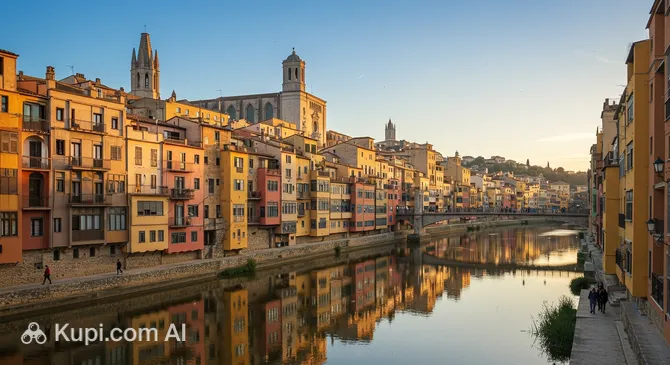
Visitors are inevitably drawn to the iconic Cases de l'Onyar, the brightly painted houses hanging over the Onyar River, which provide the city with its most famous postcard view. Dominating the skyline is the majestic Girona Cathedral, renowned for having the widest Gothic nave in the world. Whether you are wandering along the medieval city walls or enjoying local cuisine in a bustling square, Girona promises an unforgettable experience for every traveler.

Weather Overview

Girona experiences a temperate climate characterized by distinct seasons, offering a mix of sunny days and regular rainfall throughout the year. The weather in Girona is generally mild, with the warmest period occurring in July and August, when average temperatures reach 24.3°C and daily highs often climb to around 29°C.

Winters are cooler but rarely freezing, with January being the coldest month, featuring an average temperature of 7.2°C and lows dipping to approximately 2.5°C. Rainfall is a consistent feature of the local climate; while precipitation amounts are moderate, the number of wet days varies from about 7 days in the drier winter months to up to 15 days in September. Visitors can expect warm summers with occasional showers and cool winters that require a warm coat.

Interesting Facts

Beyond the picturesque facades and historic walls, Girona holds a treasure trove of legends and curious details that often escape the casual observer. The city's rich past is woven with mythical creatures, cinematic moments, and engineering marvels that add layers of intrigue to any visit.
Eiffel Bridge. Source: Kupi.Binoculars
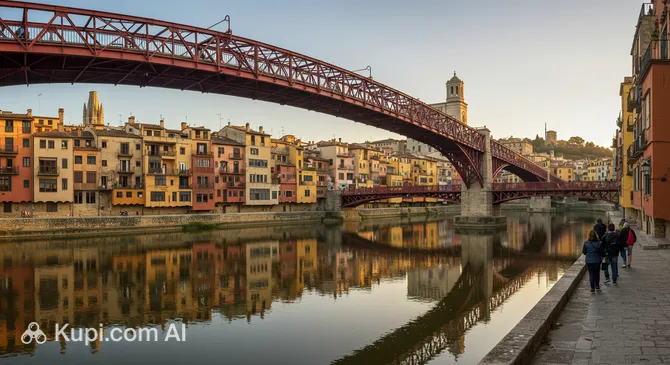
  • Gustave Eiffel's Early Work: Long before the iconic tower in Paris was constructed, Gustave Eiffel designed the Eiffel Bridge (Pont de les Peixateries Velles) in Girona. Built in 1877, this striking red iron bridge spans the Onyar River and features the distinct latticework style that would later become his worldwide signature.

  • The Kiss of the Lioness: A quirky local tradition dictates that "you cannot be a true resident of Girona until you kiss the backside of the lioness." Visitors flock to the stone statue of El Cul de la Lleonessa on Calderers Street to perform this ritual, which is said to guarantee a safe return to the city.

  • A Game of Thrones Backdrop: The medieval architecture of the city served as a key filming location for the hit series Game of Thrones. The imposing baroque stairs of the Girona Cathedral were transformed into the Great Sept of Baelor, while the ancient Arab Baths appeared in scenes set in Braavos.

  • The Legend of the Flies: The city is protected by the legend of Saint Narcissus, whose tomb is located in the Basilica of Sant Feliu. According to the story, swarms of giant flies emerged from his grave in 1285 to attack invading French troops, saving the city and earning the fly its status as a symbol of Girona.

How to Get There

Reaching this historic Catalan city is quite convenient thanks to its strategic location and excellent transport connections. Whether arriving by air or rail, visitors have various options to choose from, and you can find more about how to get to Girona in our detailed guide covering all available routes.

For those traveling by air, the most direct option is Girona-Costa Brava Airport (GRO). This regional hub is located just 10 km from the city center, making it an incredibly convenient entry point. The journey to the heart of the city is quick, taking approximately 20 to 30 minutes by taxi or bus. While it handles a moderate volume of passengers, it is a popular gateway for low-cost carriers serving the Costa Brava region.

Alternatively, many international travelers choose to fly into Barcelona-El Prat Airport (BCN), which is one of the busiest airports in Europe. The city of Girona does not house this major facility; it is located in Barcelona, approximately 98 km away. Despite the distance, it offers a much wider range of global connections. A transfer by taxi or rental car from here typically takes around 1 hour and 15 minutes to 1 hour and 30 minutes, while direct bus services may take closer to 2 hours and 45 minutes.

For clarity, here is a summary of the main airports:

Airport Name City Passenger Traffic Km from City
Barcelona-El Prat Airport Barcelona Very High 97.9
Girona-Costa Brava Airport Girona Medium 10.1
Llabanère Airport Perpignan Small 84.6
Carcassonne Airport Carcassonne Small 143.7
Beziers Vias Airport Béziers Small 155.4

Traveling by train is another excellent way to arrive, offering scenic views of the Catalan countryside. The city is served by the Girona Railway Station, which is conveniently situated just 0.4 km from the city center, practically within walking distance of many hotels and attractions. It is a key stop on the high-speed line connecting Spain and France, handling significant passenger traffic.

If you are coming from further afield within Spain, you might pass through Sants Railway Station. The city of Girona does not have this station; it is the main railway hub in Barcelona, located about 88 km away. From Sants, high-speed AVE and Avant trains can whisk you to Girona in less than 40 minutes. If you choose to travel by road from this station, the journey by car or taxi generally takes about 1 hour and 20 minutes.

Below is an overview of the nearest and most significant railway stations:

Station City Passenger Traffic Km to Center
Sants Railway Station Barcelona Very High 87.6
Girona Railway Station Girona High 0.4
Estació de França Barcelona Medium 84.7
Perpignan Station Perpignan Medium 79.8
Agde Station Agde Low 157.8

Main Attractions

Girona is a city that rewards exploration, with its most captivating sights concentrated within the ancient stone embrace of the Old Quarter. From soaring religious monuments to colorful riverfronts, the city's landmarks offer a journey through centuries of history and architectural brilliance. Here are some of the essential places to visit during your stay.

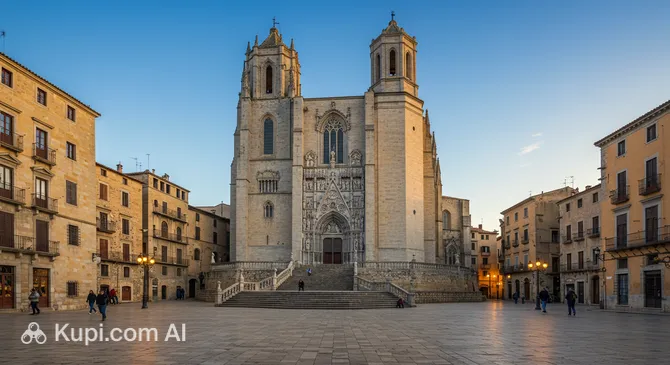
Dominating the skyline is the magnificent Girona Cathedral (Catedral de Santa Maria). Perched at the top of a grand Baroque staircase, this imposing structure is famous for possessing the widest Gothic nave in the world, second only to St. Peter's Basilica in the Vatican in overall width. Tourists are drawn here not just for its architectural grandeur but also to see the "Tapestry of Creation," a masterpiece of Romanesque textile art preserved within its museum. The cathedral's blend of styles, from Romanesque to Baroque, tells the story of the city's evolution.

Girona Cathedral. Source: Kupi.Binoculars

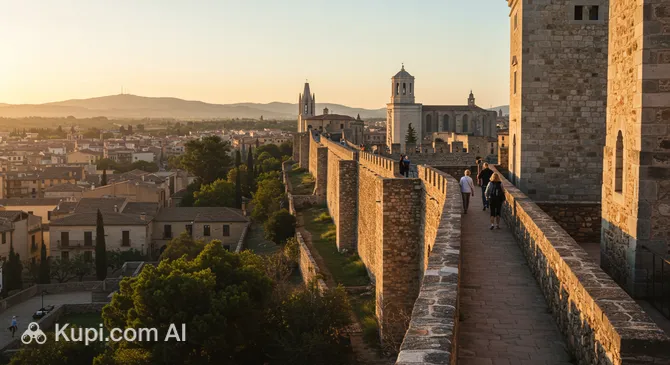
For the best panoramic views of the city and the surrounding countryside, a walk along the Girona City Walls (Passeig de la Muralla) is an absolute must. These restored medieval fortifications allow visitors to traverse the eastern edge of the Old Town from above. Walking the ramparts offers a unique perspective on the city's layout, with stunning lookout points where you can see everything from the cathedral spires to the distant peaks of the Pyrenees on a clear day. It is a peaceful and scenic way to understand the strategic importance of Girona throughout history.

Girona City Walls. Source: Kupi.Binoculars

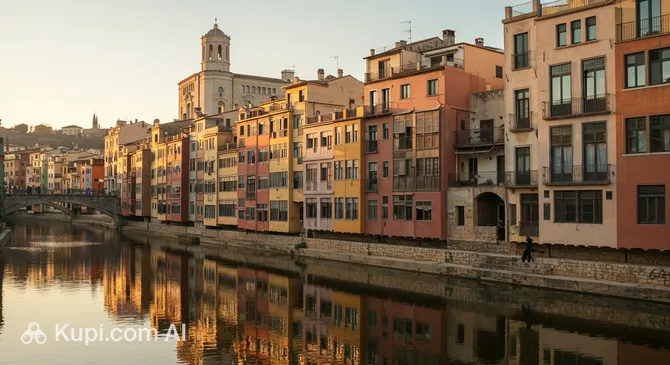
Another iconic symbol of the city is the vibrant row of buildings known as the Houses of Onyar. Hanging over the Onyar River, these facades are painted in warm palettes of ochre, terracotta, and orange, creating a dazzling reflection in the water below. While they are primarily private residences, their collective beauty defines the riverfront aesthetic. The best way to appreciate them is by crossing the city's various bridges, particularly the Eiffel Bridge, where the contrast between the colorful architecture and the stone of the old city is most striking.

Houses of Onyar. Source: Kupi.Binoculars

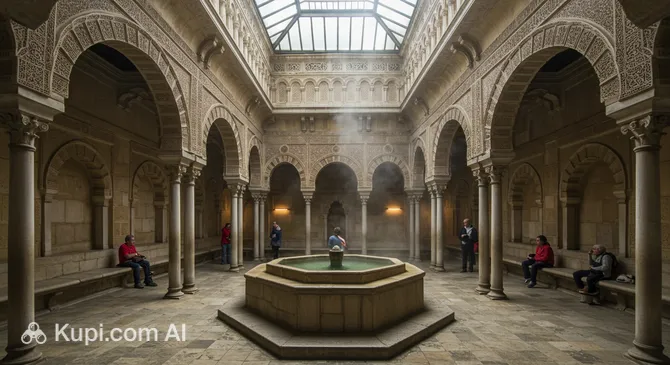
Hidden within the labyrinth of the medieval quarter are the Arab Baths, a singular Romanesque construction inspired by Roman and Muslim bathhouses. Built in the 12th century, this site is a testament to the city's rich cultural heritage. Visitors are often enchanted by the entrance hall, which features a central pool covered by a stone cupola supported by slender columns. Despite the name, they were built by Christians, but the style reflects the heavy influence of the Arab world at the time. It is a small but incredibly atmospheric site that transports you back to the Middle Ages.

Arab Baths. Source: Kupi.Binoculars

Finally, history enthusiasts should not miss the Museum of Jewish History located in the heart of the Call, one of the best-preserved Jewish quarters in the world. The museum offers a profound insight into the medieval Jewish communities of Catalonia, detailing their daily life, culture, and eventual expulsion. The building itself, which was once a synagogue, is full of character, featuring intimate courtyards and ancient stones that speak to the enduring legacy of the community that once thrived here.

Local Cuisine

Girona has established itself as one of the world's premier culinary destinations, offering a gastronomic landscape that ranges from traditional Catalan fare to avant-garde innovation. Located in a region blessed with both mountain produce and Mediterranean seafood, the local cuisine is often defined by the concept of mar i muntanya (sea and mountain), blending ingredients like chicken with crayfish or meatballs with cuttlefish in the same dish.

At the pinnacle of this dining scene is El Celler de Can Roca, a legendary establishment run by the three Roca brothers. Frequently cited as one of the best restaurants on the planet, it holds three Michelin stars and offers a sensory journey through Catalan flavors reinvented with modern techniques. Securing a table here requires booking nearly a year in advance, but the experience is widely considered a once-in-a-lifetime event for gourmets.

For those seeking exceptional quality in a slightly more accessible setting, Massana is another cornerstone of the city's fine dining reputation. This prestigious venue has been serving refined dishes for generations, focusing on high-quality seasonal ingredients that pay homage to the region's rich culinary heritage while maintaining a warm and welcoming atmosphere.

Beyond the Michelin stars, Girona offers plenty of casual yet delicious options. Pizza lovers will find a slice of authentic Italian tradition at Pizzeria Marghe 1889, known for its perfectly fermented dough and fresh toppings. For a sweet taste of the city, visitors must try the xuixo, a cylindrical pastry deep-fried, sugar-coated, and filled with crema catalana, which is a beloved staple of local bakeries.

As evening falls, the city's vibrant nightlife comes alive with a variety of spots to unwind. Can Serrallonga Bar Restaurant is a popular choice to enjoy hearty tapas and local wines in a lively environment. Meanwhile, music enthusiasts should head to the Sunset Jazz Club, an intimate venue in the Barri Vell that pairs excellent cocktails with live performances by international and local artists.

Travel Tips

Visiting Girona is a delightful experience that combines the charm of a small town with the cultural richness of a major city, but a little local know-how goes a long way. To help you navigate the cobblestone streets and local customs with ease, we have compiled a list of essential practicalities for your trip.

  1. Footwear and Dress Code: The heart of Girona, particularly the Barri Vell, is a maze of uneven cobblestones, steep stairs, and ancient paths. High heels are impractical here; bring sturdy, comfortable walking shoes. regarding clothing, layers are key in spring and autumn. If you plan to visit the Girona Cathedral or other religious sites, remember to dress modestly—shoulders and knees should be covered.

  2. Getting Around: The best way to explore the city is on foot, as most major attractions are concentrated within the compact Old Town. Public buses are available for reaching outer neighborhoods, and taxis are reliable. You generally do not need a rental car if you are staying within the city; in fact, parking in the historic center is extremely limited and can be expensive. Save the car rental for day trips to the Costa Brava.

  3. Money Matters: The currency is the Euro (€). While credit and debit cards are widely accepted even for small amounts, it is wise to carry some cash for small purchases in local bakeries or at the market. ATMs are plentiful. Tipping is not as aggressive as in the US; rounding up the bill or leaving 5-10% for exceptional service is standard practice.

  4. Health and Safety: Girona is a very safe city for tourists, with low crime rates, though standard precautions against pickpocketing should be taken in crowded areas. Pharmacies are marked with a flashing green cross; look for a Farmàcia de Guàrdia for 24-hour service. For any emergencies, the general European number is 112.

  5. Language and Connection: The primary languages are Catalan and Spanish. While most locals in the tourism industry speak English, learning a few words in Catalan, such as "Bon dia" (Good morning) or "Gràcies" (Thank you), is a gesture that is deeply appreciated. Free Wi-Fi is often available in public squares and cafes, and prepaid SIM cards can be easily bought at tobacco shops (Estancs) or mobile phone stores.

  6. Local Schedule and Etiquette: Be prepared for the local timetable. Shops often close for a "siesta" break between 1:30 PM and 4:30 PM, and dinner is served late—restaurants typically open their kitchens around 8:00 PM or 8:30 PM. When greeting locals, a handshake is common, though two kisses on the cheeks are standard among friends.

  7. Respect the Cyclists: Girona is known as a world capital for professional cycling. You will see many cyclists on the roads and specialized paths. Avoid walking in designated bike lanes or blocking the road in groups, as this can be dangerous and is a common frustration for both local riders and residents.

  8. Seasonal Crowds: If you visit in May during the Temps de Flors (Flower Festival), the city transforms into a floral wonderland, but it also becomes incredibly crowded. During this week, try to visit popular spots like the Arab Baths or the Cathedral very early in the morning or late in the evening to avoid the longest queues.

Armed with these tips, you are all set to enjoy the unique rhythm and beauty of this Catalan gem without the usual tourist hiccups. Whether you are scaling the medieval walls or enjoying a late-night tapas feast, Girona is ready to welcome you with open arms.

Entertainment & Nightlife

Entertainment in Girona reflects the city's dual personality: a historic, tranquil town by day and a vibrant, youthful hub by night. Thanks to its significant university population, the nightlife here is energetic yet sophisticated, avoiding the chaotic excesses of larger coastal resorts. The action is largely concentrated in the Barri Vell (Old Quarter) and around Plaça de la Independència, where terraces fill up with locals enjoying drinks and conversation well into the night.

For those seeking a refined musical experience, the Sunset Jazz Club is an absolute must. Located in the heart of the old city, this venue is renowned for its intimate atmosphere and high-quality live performances, featuring both international and local jazz artists. It is the perfect spot to enjoy a gin and tonic while immersing yourself in the city's cultural rhythm.

If you prefer a more casual and lively environment, Can Serrallonga Bar Restaurant offers a spirited setting that captures the essence of local social life. Popular among students and young professionals, it is known for its friendly vibe and is an excellent place to start the night with friends before exploring other bars in the vicinity.

Nightlife in Girona typically kicks off late. Bars usually start filling up around 10:00 PM or 11:00 PM, while clubs and late-night venues stay open until the early hours of the morning, often closing around 5:00 AM or 6:00 AM on weekends. The dress code is generally casual but neat; you will fit in perfectly with smart-casual attire. Prices are reasonable compared to Barcelona, with beers and cocktails offering good value for money.

Safety is rarely a concern here. The city center is well-lit and safe for walking at night, even in the narrow streets of the Jewish Quarter. However, if your accommodation is further out or you prefer not to walk, taxis are readily available at designated ranks or can be called by phone. The city is compact, so most journeys are short and affordable.

During the daylight hours, the city offers a different kind of entertainment. Film enthusiasts should not miss the Museum of Cinema – Tomàs Mallol Collection. This fascinating museum takes visitors on a journey through the history of the moving image, displaying pre-cinema gadgets and iconic movie memorabilia that will delight adults and children alike.

For a breath of fresh air, Devesa Park provides a massive green sanctuary lined with plane trees, ideal for leisurely walks or picnics. It is the largest urban park in Catalonia and often hosts fairs and markets. Meanwhile, those in the mood for retail therapy can head to Espai Gironès, a modern shopping mall located just outside the city center, featuring a wide range of international brands, a cinema, and numerous dining options.

Parks & Museums

Girona is not only a city of stone and history but also a place where nature and culture intertwine seamlessly. Beyond its famous medieval walls, visitors will find lush green spaces offering respite from the urban bustle, alongside world-class museums that preserve the artistic and archaeological heritage of the region.

One of the city's most impressive natural landmarks is the vast Devesa Park. Situated at the confluence of the Ter, Onyar, and Güell rivers, this sprawling green lung is famous for its more than 2,500 plane trees, many of which reach heights of over 50 meters. It is the largest urban park in Catalonia and provides a magnificent canopy of shade, making it a favorite spot for locals to jog, picnic, or simply escape the summer heat. The park's long, tree-lined avenues create a cathedral-like atmosphere that is unique to Girona.

For those willing to venture slightly further for a panoramic reward, a hike to Sant Miquel Castle is highly recommended. Located in the Gavarres massif overlooking the city, the ruins of this medieval fortification offer one of the most spectacular viewpoints in the area. The trail up is surrounded by Mediterranean woodland, and reaching the top provides a breathtaking 360-degree view that stretches from the Pyrenees to the Mediterranean Sea.

Immersing yourself in the city's culture requires a visit to the Girona Art Museum. Housed within the majestic Episcopal Palace next to the cathedral, the museum displays one of the most important collections of art in the region, spanning from the Romanesque period to the early 20th century. The building itself is an architectural gem, and the exhibits include exquisite religious silverware, altarpieces, and Gothic paintings that narrate the artistic evolution of the diocese.

Another essential stop for history enthusiasts is the Sant Pere de Galligants Monastery. This 12th-century Benedictine abbey is one of the finest examples of Catalan Romanesque architecture, noted for its beautiful cloister and octagonal bell tower. Today, it serves as the home of the Archaeology Museum of Catalonia in Girona, where visitors can explore artifacts ranging from the Paleolithic era to the Roman period, providing deep insight into the ancient civilizations that once inhabited this land.

For a blend of history and contemporary culture, CaixaForum Girona is a vibrant cultural center located in the Fontana d'Or, a medieval civic building declared a National Historic Monument. The center hosts a rotating schedule of diverse exhibitions, from photography and modern art to educational workshops. The contrast between the ancient architecture of the venue and the modern themes of its exhibitions makes it a fascinating place to explore.

For a quieter, more intimate experience, seek out the Jardins dels Alemanys (German Gardens) near the old city walls. These gardens are nestled among the ruins of old barracks and offer a peaceful, romantic atmosphere with stone arches and shaded corners, perfect for a reflective pause during your exploration of the Old Quarter.

Getting Around

Navigating Girona is pleasantly straightforward, as the city's compact size allows visitors to reach most major attractions on foot. However, for those needing to travel further afield or wishing to rest their legs, the city offers an efficient and reliable public transport network. The system is primarily composed of buses, as there is no metro, tram, or trolleybus service in the city. This simplicity makes it easy for tourists to understand and use the available options without confusion.

The municipal bus service is operated by TMG (Transports Municipals del Gironès) and consists of several lines that connect the historic center with the newer neighborhoods, the train station, and commercial areas. The buses are modern, clean, and generally run on time. For visitors, the most useful lines are typically those connecting the Railway Station to the city center and the Devesa Park area. Bus stops are clearly marked with route maps and timetables, making route planning hassle-free.

Regarding payment, the system is designed to be accessible. A single ticket costs approximately €1.40 and can usually be purchased directly from the bus driver; it is advisable to carry small change or coins, as drivers may not have change for large bills. For those planning to use the bus frequently, multi-trip cards are available, such as the T-10, which offers ten rides at a discounted rate. These cards can be purchased at tobacco shops (Estancs) and authorized newsstands throughout the city.

Girona is famously known as a cyclist's paradise, and this extends to its public transport options. The city operates a public bicycle rental service called Girocleta. While it is heavily used by residents for daily commuting, it is also a fantastic option for visitors who want to explore the city on two wheels. Stations are located at strategic points across the city, allowing you to pick up a bike in one location and drop it off in another. To use this service, users typically need to register for a pass, which allows access to the bicycles for short trips.

Taxis are another convenient alternative, especially late at night when bus services wind down. Official taxis are white and can be easily identified. You can find taxi ranks at key locations such as the train station (Estació de Girona) and Plaça de la Independència. Unlike in some larger capitals where hailing a cab on the street is common, it is often more reliable here to go to a designated rank or book one via telephone. Ride-sharing apps are less prevalent compared to major metropolises, so relying on official taxis is the standard practice.

For a unique way to see the sights without walking up the steep hills of the Old Town, look out for the tourist train, often referred to as the "Girona City Tour." This small road train winds through the narrow streets of the Barri Vell, offering a comfortable ride past the Cathedral, the Arab Baths, and the medieval walls. It provides audio commentary and is an excellent option for families with children or those with limited mobility who still wish to experience the historic charm of the upper city.

Most public buses operate from approximately 6:30 AM to 10:30 PM, though frequencies vary depending on the line and the day of the week, with reduced service on Sundays and holidays. Remember that if you purchase a multi-trip card, you must validate it in the machine upon boarding the bus. Overall, the combination of a walkable center and a supportive bus network ensures that getting around Girona is a stress-free part of your travel experience.
Accommodation

Finding the perfect place to stay in Girona is relatively easy, as the city offers a diverse range of accommodation options to suit various tastes and budgets. From charming boutique hotels nestled within medieval stone walls to modern apartments and budget-friendly hostels, visitors can choose between immersing themselves in history or enjoying contemporary comforts. The city's compact nature means that wherever you stay, you are likely to be within walking distance of the main sights.

For those seeking atmosphere and romance, the Barri Vell (Old Quarter) is the most popular choice. Staying here means waking up to the sound of church bells and stepping out directly onto ancient cobblestone streets. Many accommodations in this area are housed in restored historic buildings, offering a unique blend of old-world character and modern amenities. It is the ideal location for travelers who want to be steps away from the Girona Cathedral and the Jewish Quarter.

Alternatively, the Mercadal and Eixample districts on the west bank of the Onyar River offer a more modern urban experience. This area is practical for those arriving by train, as it is closer to the railway station and provides easier access for taxis and rental cars, which can be difficult to navigate in the pedestrian-only zones of the Old Town. Here, you will find larger hotels with more spacious rooms and standard facilities, surrounded by excellent shopping and dining options.

Booking Tips: Girona is a year-round destination, but accommodation can become scarce and more expensive during peak periods. This is particularly true in May during the Temps de Flors (Flower Festival), when the city is flooded with visitors. It is highly recommended to book your stay several months in advance if you plan to visit during this vibrant festival or the summer high season.

The price range for accommodation is generally more affordable than in nearby Barcelona. Budget travelers can find well-rated hostels and guesthouses, while mid-range options offer excellent value for money. Luxury seekers will find exclusive boutique hotels that focus on personalized service rather than grand scale. Booking is most commonly done through major online platforms, though contacting smaller, family-run establishments directly can sometimes yield better rates or specific room requests.

Nearby Cities

For those looking to explore the surroundings, Girona serves as an excellent base for day trips to several interesting nearby locations:

City Population Distance (km)
Figueres 47,088 34
Blanes 40,579 34
Lloret de Mar 38,941 31
Olot 36,716 35
Salt 32,517 3

One of the most culturally significant stops is Figueres, the birthplace of the surrealist master Salvador Dalí. It is home to the world-renowned Dalí Theatre-Museum, a bizarre and fascinating structure designed by the artist himself, which houses the largest collection of his works. Beyond the museum, the town features a charming historic center and the impressive Sant Ferran Castle, one of the largest bastioned fortresses in Europe.

For those seeking the coast, Blanes is known as the "Gateway to the Costa Brava." This seaside town offers long stretches of sandy beaches and vibrant promenades, but its true jewel is the Marimurtra Botanical Garden. Perched on cliffs overlooking the Mediterranean, the garden showcases thousands of exotic plant species and offers breathtaking views of the rugged coastline.

Heading inland towards the mountains, Olot provides a completely different experience as the capital of the La Garrotxa volcanic zone. Surrounded by dormant volcanoes, the town is famous for its unique landscape, excellent local cuisine, and the "Olot School" of landscape painting. It is an ideal destination for nature lovers who wish to hike through beech forests and explore volcanic craters.

These nearby destinations offer a glimpse into the diverse culture and landscapes of the region.

Shopping & Souvenirs

Shopping in Girona offers a delightful mix of traditional charm and modern convenience, reflecting the city's dual identity as a historic capital and a contemporary hub. Visitors can wander through ancient streets lined with family-run boutiques that have existed for generations, or cross the river to find the latest international fashion trends. The city is particularly known for its high-quality artisanal products, local gastronomy, and unique independent stores that offer items you won't find in standard high-street chains.

The heart of the shopping experience lies in the pedestrian-friendly streets of the Old Quarter and the Mercadal district. The Rambla de la Llibertat is the historic center's commercial spine, featuring elegant arcades filled with souvenir shops, craft stores, and cafes perfect for a break. Across the Onyar River, the Carrer de Santa Clara and its surrounding streets serve as the main destination for fashion lovers, hosting a variety of well-known Spanish and international clothing brands, shoe stores, and accessory boutiques.

For a comprehensive retail experience under one roof, the Espai Gironès is the premier destination. Located just a short bus ride from the city center in the neighboring municipality of Salt, this large modern shopping mall houses over 120 shops, including major fashion retailers, electronics stores, and a cinema complex. It is an excellent option for rainy days or for those looking to find everything in a single location.

Markets are an essential part of local culture and provide a vibrant shopping atmosphere. The Mercat del Lleó (Lion’s Market) is the city's central food market, where stalls overflow with fresh seafood, regional cheeses, and cured meats. It is the perfect place to buy vacuum-packed local delicacies to take home. Additionally, a large open-air market is held on Tuesdays and Saturdays in Devesa Park, offering everything from fresh produce and flowers to clothing and household goods at bargain prices.

When it comes to souvenirs, Girona offers plenty of unique options beyond the typical trinkets. Look for ceramics from the nearby town of La Bisbal, which are sold in many artisan shops in the city. Another popular keepsake is anything featuring the Fly of Saint Narcissus, the city's quirky symbol of protection. For edible gifts, a bottle of Ratafia (a local herbal liqueur) or a box of artisanal chocolates from one of the city's renowned chocolatiers make for excellent presents.

Opening hours in Girona typically follow the traditional Spanish schedule. Small independent shops usually open from 10:00 AM to 1:30 PM, close for a midday break, and reopen from 4:30 PM to 8:30 PM. However, major chains and shopping malls like Espai Gironès often stay open continuously from 10:00 AM to 9:00 PM or 10:00 PM. Most shops are closed on Sundays. Credit and debit cards are widely accepted almost everywhere, though having some cash is useful for small purchases at street markets.

Travelers residing outside the European Union are eligible for a Value Added Tax (VAT) refund on purchases of goods intended for personal use. Spain uses the digital DIVA system for tax-free shopping. When buying goods, ask the merchant for a tax-free form (electronic or paper), which you must then validate at the customs kiosk at the airport or port upon leaving the EU to claim your refund.

Reached the end of the page?

That means the route is fully explored