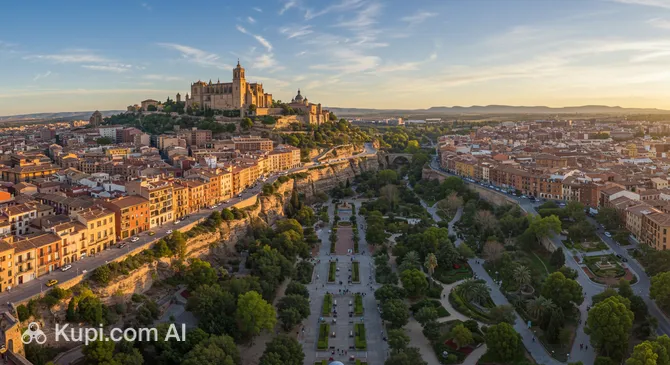
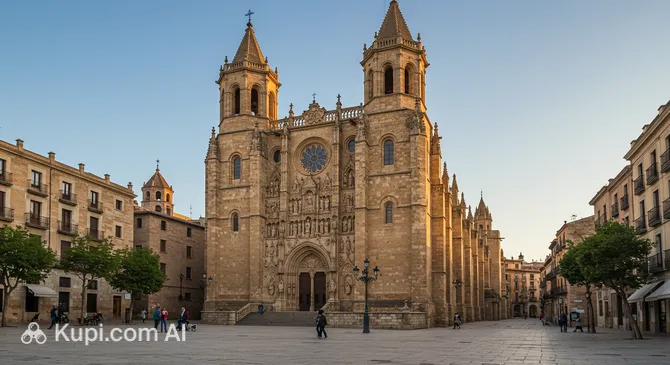
Lleida is a captivating city located in the western part of Catalonia, offering a unique blend of urban energy and rural charm. As one of the oldest towns in the region, it serves as a major cultural and economic hub. Situated in the north-east of Spain, Lleida acts as a gateway to the Pyrenees and is renowned for its welcoming atmosphere, distinct local traditions, and significant agricultural production.
Lleida. Illustration.
Source: Kupi.com AI
The city is home to approximately 140,000 inhabitants and sits gracefully on the banks of the Segre River. Its geographical location gives it a continental climate, often characterized by hot summers and iconic foggy winters that add a touch of mystery to the landscape. To truly appreciate the depth of its heritage, exploring the history of Lleida is essential, as the city has been a strategic crossroads for Iberian, Roman, and Moorish civilizations for centuries.
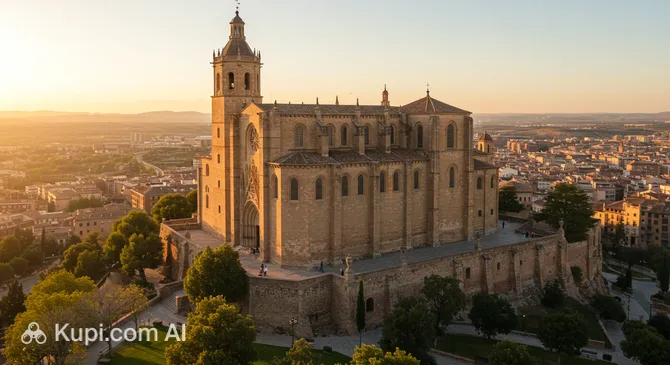
Dominating the skyline is the magnificent La Seu Vella, the old cathedral perched atop a hill that offers breathtaking panoramic views of the city and the surrounding plains. Another must-visit landmark is the Gardeny Castle, a fortress with a rich Templar past. Whether you are wandering through the bustling commercial streets like Carrer Major or tasting the local culinary specialty, cargols a la llauna (snails), Lleida invites you to discover its hidden treasures and authentic spirit.
Weather Overview
Lleida experiences a continental climate characterized by significant contrasts between the seasons, making it important to check the weather in Lleida before your trip. The city typically sees hot, dry summers and cool, damper winters. Visitors can expect distinct temperature shifts, ranging from brisk winter mornings to sweltering summer afternoons.
The summer months are the warmest, with July and August seeing average maximum temperatures reach approximately 34.4°C. Even June offers plenty of warmth with an average of 24.1°C. In contrast, the winter season requires warm clothing, particularly in January, when the average temperature drops to 6.7°C and nightly lows can fall to around 1.7°C.
Spring and autumn provide milder conditions, ideal for sightseeing, with May averaging a pleasant 19.2°C and October around 17.7°C. Rainfall is spread relatively evenly throughout the year, typically bringing between 4 to 8 wet days per month. While precipitation amounts are generally low, the transitional months of March and April tend to see slightly more frequent rain showers.
Average monthly temperature
Average monthly precipitation
Interesting Facts
Beyond its prominent hilltop silhouette, Lleida holds a collection of fascinating historical secrets and local traditions that define its unique character. From ancient Roman battles to massive gastronomic gatherings, the city offers stories that go far beyond the typical tourist experience.
La Seu Vella. Illustration.
Source: Kupi.com AI
Traveler photos:
A Massive Snail Festival: The city is the snail capital of Catalonia and hosts the Aplec del Caragol, a spectacular three-day gastronomic festival held in Camps Elisis Park. During this event, thousands of locals and visitors consume approximately 12 tons of snails, making it one of the largest culinary gatherings in the country.
A Cathedral Turned Citadel: The majestic La Seu Vella has a complex past; after the War of the Spanish Succession in 1707, the cathedral was closed for religious worship and converted into a military barracks. This military occupation lasted for nearly 250 years, leaving the building with unique defensive modifications unlike any other cathedral.
The First University: Lleida was the intellectual heart of the region long before other major cities, as it became the home of the first university in the Crown of Aragon and Catalonia in the year 1300. This prestigious institution, the Estudi General, attracted students from all over Europe for centuries.
The "Pubilla" Fog: The city is famous for its dense, persistent winter fog known as "la boira." This weather phenomenon is so characteristic of the local climate that residents have affectionately personified it, referring to the fog as "La Pubilla," and it plays a significant role in local identity and folklore.
Julius Caesar's Battleground: The city, then known as Ilerda, was the site of a decisive confrontation during the Great Roman Civil War in 49 BC. It was here that Julius Caesar achieved a brilliant tactical victory against the generals of Pompey the Great, an event he famously chronicled in his own writings.
How to Get There
Reaching this Catalan city is straightforward thanks to its strategic location and excellent transport connections. Whether you prefer flying or taking the train, there are several convenient options available. For a detailed guide on all routes and transport modes, you can read more about how to get to Lleida.
Travelers planning to fly have several excellent arrival points to choose from. The closest facility is Reus Airport (REU), situated approximately 69 km away, with a transfer time of about 50 to 60 minutes by road. For those seeking a wider variety of international connections, Barcelona-El Prat Airport (BCN) is a major hub located roughly 127 km from the city. The journey from Barcelona typically takes around 1 hour and 30 minutes to 2 hours by car. Additionally, Zaragoza Airport offers another viable alternative just under 140 km away.
For clarity, here is a summary of the main airports:
Traveling by train is often the most comfortable and efficient way to arrive. You can arrive directly at Lleida Railway Station (also known as Lleida Pirineus), which is conveniently located just 1.1 km from the city center. It serves as a key stop for high-speed trains connecting Madrid and Barcelona. Another significant nearby hub is Zaragoza-Delicias Station, located about 128 km away, offering further connections for travelers exploring the region.
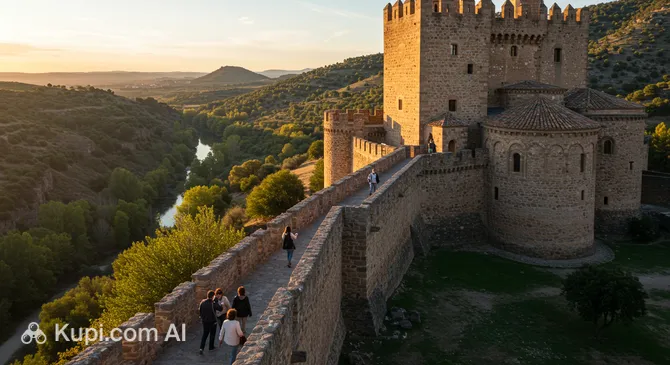
While the city's skyline is dominated by its famous old cathedral, the Suda Castle offers an equally compelling glimpse into the region's royal past. Located on the same strategic hill as La Seu Vella, this ancient fortress served as a residence for the Kings of Aragon and witnessed significant historical events. Today, visitors can explore the remains of the royal chambers and enjoy the interpretation center, which provides fascinating insights into the building's architectural evolution and political significance.
Suda Castle. Illustration.
Source: Kupi.com AI
Traveler photos:
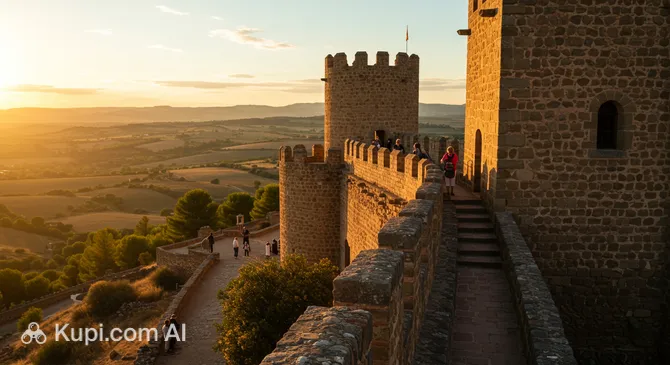
For those intrigued by medieval military history, the Templar Castle of Gardeny is an essential stop. Situated on Gardeny Hill, this impressive complex was one of the principal commanderies of the Knights Templar in the Crown of Aragon. The site features a well-preserved tower and Romanesque church, hosting an engaging information center that immerses tourists in the daily lives and history of the Templar Order. It is a perfect spot to learn about the crusading era while enjoying another vantage point over the city.
Templar Castle of Gardeny. Illustration.
Source: Kupi.com AI
Traveler photos:
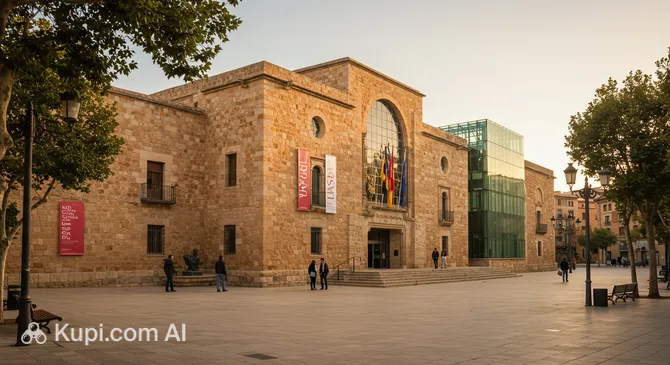
Culture enthusiasts should not miss the Lleida Museum, which houses an extensive collection of art and historical artifacts reflecting the heritage of the diocese and the district. The museum takes visitors on a journey through time, displaying everything from prehistoric objects to exquisite Romanesque and Gothic artworks. It is widely considered one of the most important museums in Catalonia for religious art, offering a deep dive into the artistic and liturgical traditions that have shaped the area.
Lleida Museum. Illustration.
Source: Kupi.com AI
Traveler photos:
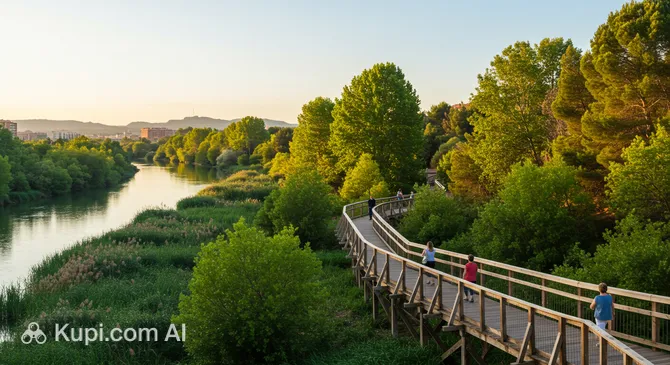
If you are looking to escape the urban environment, La Mitjana Park provides a lush, green sanctuary right at the edge of the city. This expansive natural area spans the banks of the Segre River and is a haven for biodiversity, featuring riverside forests, lagoons, and diverse wildlife. It is an excellent location for a relaxing walk, birdwatching, or simply enjoying a picnic in nature, offering a refreshing contrast to the stone monuments of the city center.
La Mitjana Park. Illustration.
Source: Kupi.com AI
Traveler photos:
Another architectural gem is the New Cathedral of Lleida, built in the Baroque style between the 18th and 19th centuries. Located in the commercial heart of the city, it stands out for its harmonious proportions and elegant facade. Inside, visitors can admire the revered image of the "Mare de Déu del Blau" (Virgin of the Bruise), a statue with a legendary history that adds a touch of local folklore to this active place of worship.
Local Cuisine
The cuisine of Lleida is a proud reflection of its geography, offering robust, flavorful dishes that showcase the best of inland Catalonia. As a major agricultural hub, the city is famous for its high-quality produce, particularly fruits like pears and apples, but the true star of the local table is undoubtedly the snail. You simply cannot visit Lleida without trying Cargols a la llauna, the city's signature dish. These land snails are seasoned with salt, pepper, and spices, then roasted on a metal tray over an open fire or in an oven, typically served with a side of spicy sauce or rich garlic allioli.
Beyond snails, the region offers other savory delights that are perfect for a hearty meal. The Coca de recapte is a popular savory pastry, similar to a pizza but with a crispy, cracker-like crust, topped with roasted vegetables like peppers and eggplant, and often finished with herring or sausage. For something warmer, especially during the foggy winters, locals enjoy Cassola de tros, a traditional casserole made with potatoes, spinach, and pork, originally cooked by farmers working in the fields.
To accompany these meals, visitors should explore the excellent local wines. Lleida is the heart of the Costers del Segre Denomination of Origin (DO), a wine region known for its diverse microclimates and innovative viticulture. Whether you prefer a bold red or a crisp white, ordering a bottle of local wine is essential to the dining experience. For a non-alcoholic option, fresh fruit juices made from the region's abundant orchards are incredibly refreshing.
Parador de Lleida. Illustration.
Source: Kupi.com AI
Traveler photos:
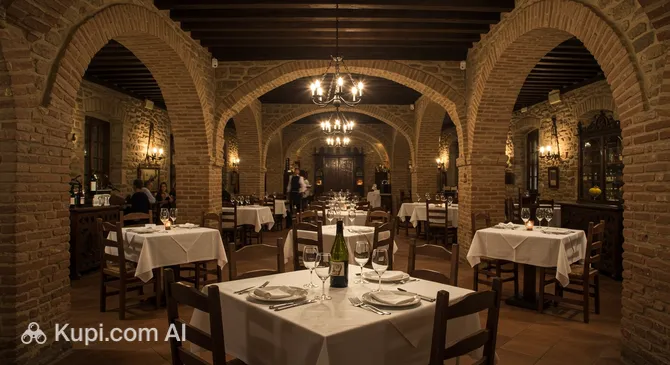
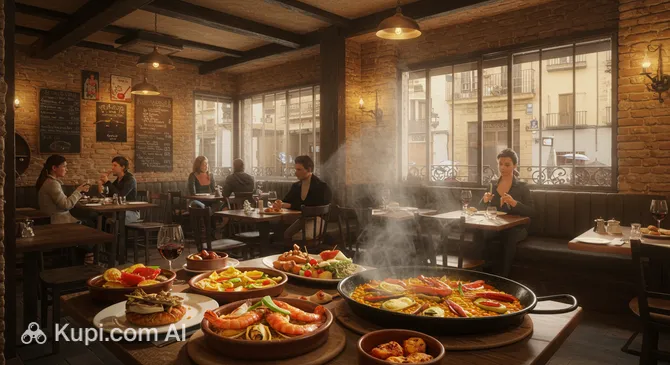
The dining scene in Lleida ranges from rustic taverns to elegant establishments housed in historic buildings. A prime example of this blend of history and gastronomy is the Parador de Lleida. Located within the 17th-century Convent of Roser, its restaurant offers a sophisticated atmosphere where you can sample traditional Catalan recipes in a stunning architectural setting. For those looking to extend the evening, the city also has a vibrant nightlife; places like Síbaris offer a relaxed environment to enjoy a cocktail or a digestif after a satisfying feast.
Travel Tips
Welcome to Lleida! To ensure your visit to this historic Catalan capital is as enjoyable and seamless as possible, we have compiled a list of essential practical tips to help you navigate the local customs and logistics with ease.
Clothing and Gear: The climate in Lleida is continental, meaning you should pack according to the specific season. Summers are very hot, so bring light, breathable clothing, sunglasses, and a hat. Winters, however, are famous for the persistent fog known as la boira, which makes the air damp and cold; a warm coat, scarf, and layers are essential. Since visiting landmarks like La Seu Vella involves walking uphill on cobblestones, comfortable walking shoes are a must regardless of the season.
Transportation: The city center is compact and best explored on foot, allowing you to easily reach most main attractions. For longer distances, the local bus network (Autobusos de Lleida) is efficient and affordable. Taxis are readily available at designated stands or via phone. Unless you plan to explore the surrounding Pyrenees or rural vineyards, renting a car is generally not necessary for the city itself.
Finances: The currency is the Euro (€). Credit and debit cards (Visa and Mastercard) are widely accepted in hotels, restaurants, and larger shops. However, it is advisable to carry some cash for small purchases in local bars, bakeries, or for bus fares. ATMs are plentiful throughout the city. Tipping is not mandatory but is appreciated; rounding up the bill or leaving a few coins is a common gesture for good service.
Health and Safety: Lleida is a safe city for tourists, but standard precautions against pickpocketing should be taken in crowded areas or transport hubs. Pharmacies are marked with a green cross and are easy to find; look for a "Farmàcia de Guàrdia" for 24-hour service. The general emergency number for police, ambulance, or fire is 112. Tap water is high quality and safe to drink.
Communication: The co-official languages are Catalan and Spanish. While most locals speak both, Catalan is the primary language of daily life and local pride. English is generally understood in the tourism and hospitality sectors, but may be less spoken in smaller, traditional shops. Learning a few local phrases like Bon dia (Good morning) or Gràcies (Thank you) will be warmly received by the residents.
Local Etiquette: Greetings usually involve a handshake for formal introductions, while two kisses on the cheeks are common among friends or acquaintances. When visiting religious sites like the New Cathedral, dress modestly (shoulders covered). Lunch is the main meal of the day, typically taken between 14:00 and 16:00, while dinner is served late, usually starting after 21:00.
What to Avoid: Do not expect to find restaurants open for dinner at 18:00 or 19:00; arriving this early for an evening meal will likely result in finding the kitchen closed. Also, avoid referring to Catalan simply as a dialect; it is a distinct language with a rich literary history, and locals deeply value this distinction.
Additional Tip: Be mindful of the "siesta" schedule. Many smaller shops and local businesses close in the afternoon, typically from 13:30 to 17:00, before reopening for the evening. Plan your shopping or errands for the morning or late afternoon to avoid disappointment.
With these practical insights in mind, you are fully prepared to immerse yourself in the authentic atmosphere of Lleida. We hope you have a wonderful time discovering the unique culture, history, and gastronomy of this charming city!
Entertainment & Nightlife
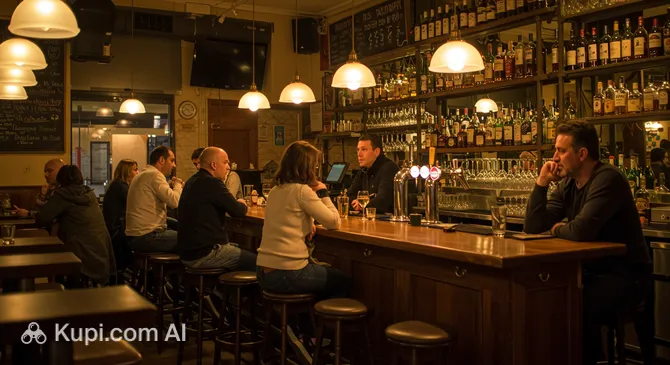
Lleida comes alive after sunset with a vibrant and friendly nightlife scene, largely fueled by its status as a bustling university city. While it maintains a relaxed, small-city charm compared to coastal party hubs, it offers a diverse array of options ranging from sophisticated cocktail lounges to lively pubs. The action typically begins late, with locals heading out for dinner around 21:00 or 22:00, and the bars filling up shortly thereafter. Thursday nights are particularly energetic, known traditionally as "university night," while Fridays and Saturdays attract a broader crowd of all ages.
The epicenter of the modern nightlife is the Zona Alta (High Zone), particularly the area surrounding Plaça de Ricard Viñes and Carrer del Prat de la Riba. This district is packed with terraces, bars, and clubs where the atmosphere is spirited yet safe. A popular destination here is Glass Go, a venue that seamlessly transitions from a stylish evening bar to a lively spot for music and drinks as the night progresses. It is an excellent place to mingle with locals and experience the city's social pulse.
Glass Go. Illustration.
Source: Kupi.com AI
Traveler photos:
For those seeking a more refined experience, the city boasts several establishments dedicated to high-quality mixology. Síbaris is a standout choice, renowned for its extensive selection of premium gins and expertly crafted cocktails in a chic, relaxed setting. It is the perfect spot for conversation before heading to a club or for a nightcap. If you are looking for a venue with a unique character that combines dining with a bold atmosphere, Porco Dio offers a distinct vibe that stands out in the local scene.
Porco Dio. Illustration.
Source: Kupi.com AI
Traveler photos:
When enjoying a night out, the dress code is generally smart-casual; jeans and a nice shirt are suitable for almost all venues. Prices are moderate compared to larger Spanish cities like Barcelona. In terms of safety, the Zona Alta is very secure and walkable. However, if you find yourself in the Centre Històric (Old Town) late at night, it is advisable to stick to well-lit main streets or take a taxi, as the narrow medieval alleys can be quiet and dim. Taxis are affordable and easy to find at designated ranks or by phone.
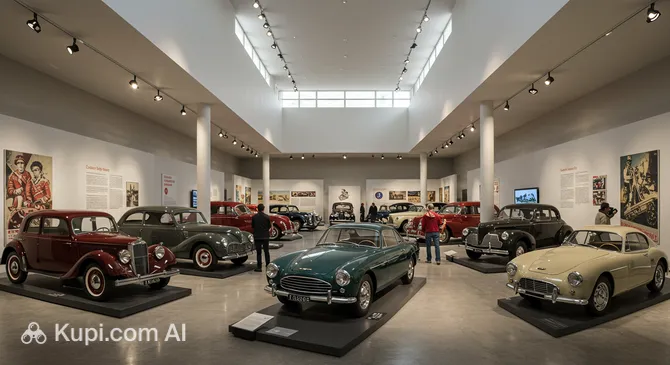
During the day, Lleida offers engaging cultural entertainment that provides a break from historical sightseeing. Art and culture enthusiasts should visit CaixaForum Lleida, a dynamic cultural center housed in the former Montepío cinema, which hosts rotating exhibitions, concerts, and film screenings. For a journey into the industrial past, the Roda Roda Automobile Museum displays a fascinating collection of vintage vehicles within an old transport workshop, offering an entertaining look at the history of mobility in the region.
Roda Roda Automobile Museum. Illustration.
Source: Kupi.com AI
Traveler photos:
Parks & Museums
Beyond its ancient hilltop fortifications, Lleida offers a refreshing array of green spaces and cultural institutions that invite visitors to relax and explore the city's artistic soul. The urban landscape is thoughtfully balanced with manicured gardens and dynamic museums, providing a perfect counterpoint to the medieval stone of the old quarter.
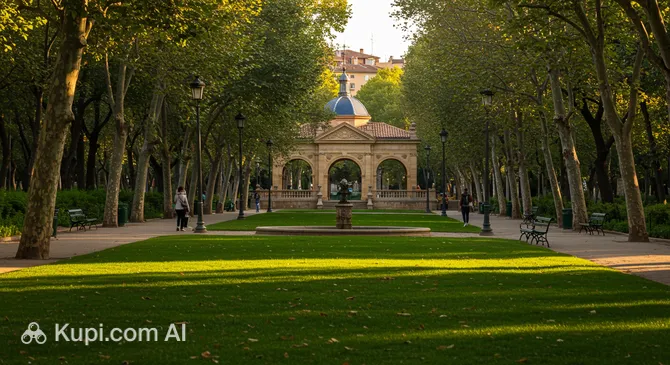
The most elegant green space in the city is undoubtedly Camps Elisis Park. Located in the Cappont neighborhood across the river, this park is designed in a refined French style, featuring orderly parterres, romantic promenades, and ornate fountains. It serves as the primary venue for many of the city's major festivals and is home to beautiful sculptures and the crystal palace-like Glorieta pavilion. It is an ideal spot for a leisurely afternoon stroll among century-old trees and vibrant flowerbeds.
Camps Elisis Park. Illustration.
Source: Kupi.com AI
Traveler photos:
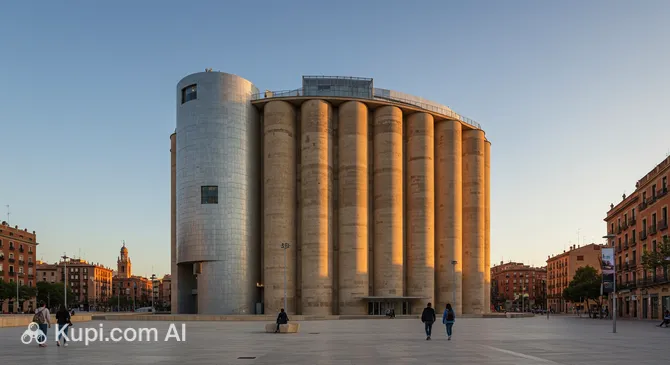
For those interested in the artistic pulse of the city, CaixaForum Lleida is a must-visit cultural center. Housed in the former Cinema Viñes, a building noted for its modernist architecture, it has been transformed into a modern venue for traveling exhibitions, film screenings, and educational workshops. The facility itself is a bridge between the past and present, offering high-quality art and culture in a space that retains its historical charm.
CaixaForum Lleida. Illustration.
Source: Kupi.com AI
Traveler photos:
History buffs with a passion for mechanics will find the Roda Roda Automobile Museum particularly engaging. Located in an old transport depot, this museum showcases an impressive collection of vintage cars, motorcycles, and engines that trace the evolution of the automotive industry. It provides a nostalgic look at how mobility has shaped society, featuring beautifully restored vehicles that are sure to delight enthusiasts and casual visitors alike.
In terms of architectural heritage, the city center boasts several gems of Catalan civil Gothic architecture. The Paeria Palace, which serves as the City Hall, is renowned for its stunning facade and archaeological remains found in its basement. Nearby, the majestic Old Hospital of Santa Maria stands as another testament to the city's medieval prosperity, featuring a magnificent central courtyard with a stone staircase that is often used for cultural events and exhibitions.
For a truly authentic experience away from the city center, visit the Arboretum Dr. Pius Font i Quer. This expansive botanical garden is a hidden treasure that recreates the diverse landscapes of Catalonia, ranging from the Pyrenees to the Mediterranean coast. It is a peaceful haven perfect for nature lovers seeking a quiet escape and a deeper understanding of the region's rich biodiversity.
Getting Around
Navigating Lleida is straightforward and convenient, as the city is compact enough to cover largely on foot, yet it possesses a reliable public transport network for longer distances. The city does not have a metro or tram system; instead, the public transportation infrastructure relies primarily on an efficient bus network managed by Autobusos de Lleida. These buses connect the city center with outlying neighborhoods, the train station, and key commercial areas, making it easy for visitors to move around without a car.
The bus network consists of several lines that operate daily, typically running from early morning until around 22:00 or 23:00. Frequencies vary, with buses on main routes arriving every 10 to 20 minutes during peak hours. For tourists, the most useful lines are those that circle the historic center and connect to the railway station. Stops are clearly marked, often displaying route maps and timetables, and modern buses are equipped with screens announcing the next stop.
Regarding payment, travelers have a few options. A single ticket can be purchased directly from the driver upon boarding; it is advisable to carry small change, as drivers may not be able to change large bills. The price for a single trip is affordable, generally costing around €1.25. If you plan to use the bus frequently, consider purchasing a travel card such as the T-Nostra or a multi-trip card from the ATM (Autoritat Territorial de la Mobilitat) system. These cards offer significantly reduced fares per ride and can be bought at newsstands (quioscs), tobacco shops (estancs), and the customer service office of Autobusos de Lleida.
For those who prefer a more direct mode of transport, taxis are readily available throughout the city. Official taxis are white and can be hailed on the street if the green light on the roof is lit, or found at designated ranks at strategic locations like the train station and major squares. You can also book them via telephone or local taxi apps. Taxis in Lleida run on a meter system, and rates are reasonable compared to larger metropolitan areas. Ride-sharing apps are less common here than in major capitals, so traditional taxis remain the most reliable private option.
A unique and highly practical feature of Lleida's transport infrastructure is the Canyeret Elevator (Ascensor del Canyeret). Since the city's most iconic monument, La Seu Vella, is located atop a steep hill, this public elevator connects the commercial center near Sant Joan square with the historic hilltop area. It acts as a vital vertical transport link, saving pedestrians a strenuous climb and making the old cathedral accessible to everyone. Using the elevator requires a nominal fee or a transport card, though it is often free for specific groups or during certain events.
Finally, during the tourist season, visitors can enjoy the Bus Turístic or tourist train. This service offers a guided loop around the city's main attractions, including the Gardeny Castle and La Seu Vella. It provides an excellent overview of the city without the need to navigate regular routes. While Lleida is becoming increasingly bike-friendly with new lanes, walking remains the most popular way to explore the flat areas of the city center, leaving the buses and elevators to handle the distances and hills.
Accommodation
Lleida offers a welcoming range of accommodation options that cater to diverse travelers, from business professionals to culture enthusiasts exploring the region. While the city does not feature the sprawling luxury resorts found on the coast, it boasts a solid selection of high-quality city hotels, charming guesthouses, and functional budget-friendly hostels. The hospitality here is characterized by a blend of modern comfort and traditional Catalan warmth, ensuring a pleasant stay regardless of your budget.
For most tourists, the best area to stay is the City Center, particularly near the Eix Comercial and the banks of the Segre River. Choosing a hotel in this district places you within comfortable walking distance of major landmarks like La Seu Vella and the vibrant nightlife of the Zona Alta. This central location allows visitors to immerse themselves in the local atmosphere, with easy access to shops, restaurants, and historical sites right on their doorstep.
Travelers prioritizing convenience, especially those arriving by high-speed train, will find the area surrounding the Lleida-Pirineus Railway Station to be an excellent choice. This neighborhood features several modern hotels that are perfect for short stays or business trips, offering quick access to transport links while still being just a short stroll from the historic quarter. It serves as a strategic base for exploring not just the city, but the wider province.
In terms of pricing, accommodation in Lleida is generally more affordable than in major tourist hubs like Barcelona. Visitors can typically find excellent value in mid-range 3-star and 4-star establishments. However, it is highly recommended to book in advance if you plan to visit during major local festivities, such as the Aplec del Caragol in May or the Autumn Fair (Fira de Sant Miquel), as occupancy rates spike significantly during these popular events. Most bookings can be easily managed through major online platforms, though contacting smaller pensions directly can sometimes yield a more personal experience.
Nearby Cities
For those looking to explore the surroundings, Lleida serves as an excellent base for day trips to several interesting nearby locations:
City
Population
Distance
Alcarràs
9 678
10 km
Mollerussa
14 730
23 km
Balaguer
17 460
25 km
Fraga
15 294
26 km
Binéfar
9 927
37 km
One of the most compelling destinations is Tarragona, located on the Mediterranean coast. This historic city was once the Roman capital of Tarraco and offers an incredible wealth of archaeological sites, including a stunning seaside amphitheater and ancient walls recognized by UNESCO. Visitors can effortlessly combine a deep dive into Roman history with a relaxing afternoon on the beach.
Closer to Lleida lies Reus, a city renowned for its rich architectural heritage and commercial vibrancy. As the birthplace of Antoni Gaudí, it features the Gaudí Centre and a route dedicated to Modernist architecture that showcases elegant 19th-century buildings. Reus is also famous for its vermouth production, offering a perfect opportunity to enjoy a traditional aperitif in one of its lively squares.
For those seeking leisure and entertainment, Salou acts as the capital of the Costa Daurada. Known for its wide, golden beaches and palm-lined promenade, it is a favorite spot for sun-seekers. It is also the gateway to PortAventura World, one of Europe's largest theme parks, making it an exhilarating day trip option for families and thrill-seekers alike.
These nearby destinations offer a glimpse into the diverse culture and landscapes of the region.
Shopping & Souvenirs
Shopping in Lleida offers a delightful mix of modern retail therapy and historical charm, reflecting its status as the commercial capital of inland Catalonia. The city is renowned for its bustling pedestrian streets where international franchises stand alongside traditional family-run businesses. Visitors can enjoy a relaxed shopping experience, strolling through areas that are often less crowded than the coastal metropolises, all while surrounded by beautiful architecture and vibrant local life.
The heart of the city's retail scene is the famous Eix Comercial (Commercial Axis), which is often celebrated as one of the longest pedestrian shopping streets in Europe. This continuous route stretches for several kilometers, encompassing key thoroughfares such as Carrer Major and Carrer Sant Antoni. As you browse the window displays of fashion boutiques, shoe shops, and jewelry stores, you will walk past significant landmarks, including the majestic New Cathedral of Lleida, which sits right in the middle of this lively district.
New Cathedral of Lleida. Illustration.
Source: Kupi.com AI
Traveler photos:
Unlike many other modern cities, Lleida focuses less on enclosed suburban megamalls and more on its vibrant city center. The Eix Comercial itself functions as a massive open-air shopping center, providing everything a tourist might need within walking distance of the main sights. For those specifically looking for large department stores or hypermarkets, there are commercial parks located on the outskirts of the city, but the true charm lies in exploring the central streets.
For a taste of local culture, the city's markets are an essential stop. The weekly Saturday market, typically held near the Camp d'Esports area, is a lively affair where locals gather to buy fresh produce, clothing, and household goods. It offers a great opportunity to mingle with residents and find bargains. Additionally, the Mercat del Pla, located in the historic center, is an architectural gem; while it no longer functions as a traditional daily market, it frequently hosts pop-up events, fashion outlets, and artisanal fairs.
When it comes to souvenirs, the best treasures in Lleida are undoubtedly gastronomic. The region is famous for its high-quality olive oil (DO Les Garrigues) and excellent wines (DO Costers del Segre), both of which make perfect gifts. You can also find "cargols" (snails) represented in various forms, from ceramic figurines to chocolates, paying homage to the city's culinary symbol. For something unique to local folklore, look for items featuring Lo Marraco, the city's legendary dragon.
Store opening hours in Lleida generally follow the traditional Spanish schedule. Most small shops open around 10:00 and close for a midday break (siesta) between 13:30 and 17:00, reopening until 20:30 or 21:00. Larger franchise stores on the Eix Comercial may remain open throughout the day without a break. Credit and debit cards are widely accepted, but carrying some cash is useful for small purchases in markets. Travelers from outside the European Union should remember to ask for a Tax-Free form (DIVA) in participating stores for VAT refunds upon departure.