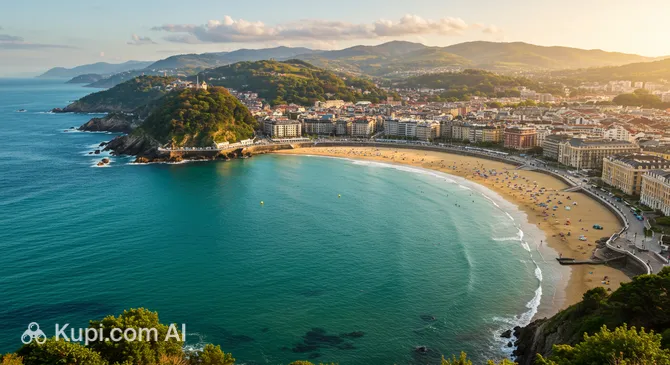
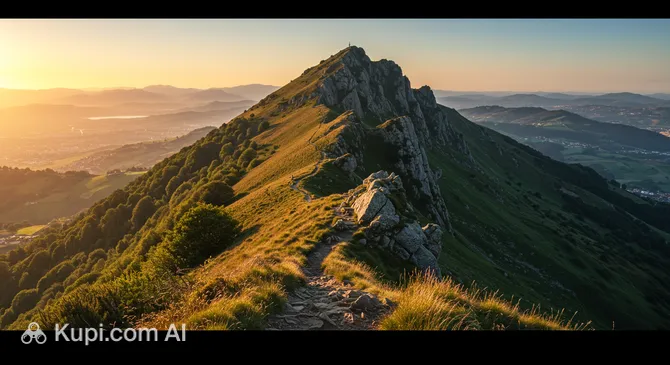
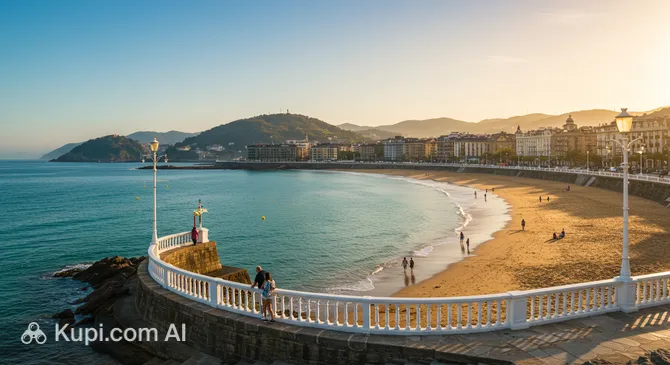
San Sebastian, also known as Donostia, is a stunning coastal city that perfectly blends natural beauty with sophisticated urban life. Located in the Basque Country of Spain, this destination is renowned worldwide for its incredible gastronomy, elegant architecture, and picturesque bay. It serves as the vibrant capital of the Gipuzkoa province and is often celebrated as one of the most romantic cities in the country.
San Sebastian. Illustration.
Source: Kupi.com AI
With a population of approximately 188,000 residents, the city maintains a welcoming yet lively atmosphere. It sits on the coast of the Bay of Biscay, just a short distance from the French border. The deep history of San Sebastian has seen it transform from a humble fishing village and a strategic military stronghold into a premier summer resort for European royalty in the 19th century.
Today, visitors flock to the iconic La Concha Beach, widely regarded as one of the most beautiful urban beaches in Europe due to its perfect shell shape and golden sands. The city is also a global culinary hotspot, boasting a high concentration of Michelin stars and the bustling Parte Vieja (Old Town), where travelers can indulge in traditional pintxos. Whether you are seeking relaxation by the sea or a world-class cultural experience, San Sebastian invites you to discover its unique charm.
Weather Overview
The weather in San Sebastian is characterized by a temperate oceanic climate, heavily influenced by its position on the Bay of Biscay. This coastal location ensures that the city avoids extreme temperature fluctuations, offering a mild and comfortable atmosphere throughout the year. While the sea breeze keeps the air fresh, it also brings frequent cloud cover and precipitation, which contributes to the region's famously lush, green landscapes.
During the peak summer month of August, the average temperature is a pleasant 20.3°C, with highs reaching up to 22.9°C, making it ideal for enjoying the outdoors without the sweltering heat found in southern Spain. Winters are cool but generally not freezing; January typically sees average temperatures of 8.5°C, with lows rarely dropping below 6.4°C. Rainfall is a consistent feature, with wet days ranging from 12 in July to 17 in November and January. Expect moderate, warm summers and mild, damp winters with regular rainfall throughout the year.
Average monthly temperature
Average monthly precipitation
Interesting Facts
Beyond the famous beaches and culinary reputation, San Sebastian holds fascinating stories and unique records that often surprise visitors. Here are some intriguing details about this Basque city:
A Galaxy of Stars: San Sebastian boasts one of the highest concentrations of Michelin stars per capita in the world. At one point, this relatively small city held more stars per square meter than Paris or New York, cementing its status as a global gastronomic capital.
The Iconic Railing: The elegant white railing that lines La Concha Promenade is a symbol of the city. Designed by Juan Rafael Alday in the early 20th century, its distinctive "reverse flower" design is so beloved that it is frequently replicated in local jewelry and souvenirs.
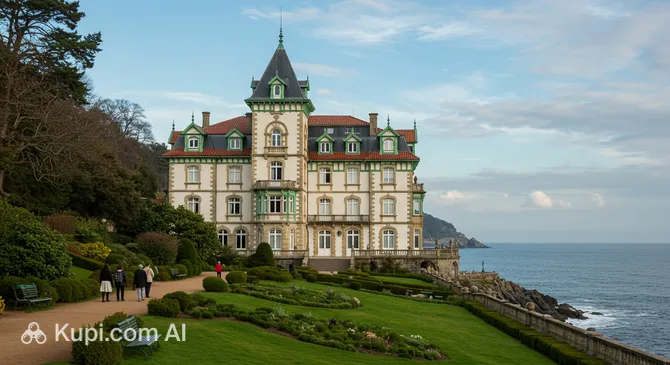
A Royal Summer Home: The city's transformation into a glamorous resort was largely driven by Queen Maria Cristina of Austria. She chose San Sebastian for her summer holidays to enjoy the therapeutic sea baths, eventually commissioning the Miramar Palace, which resembles an English country cottage overlooking the bay.
The First Pintxo: Legend has it that the very first "pintxo" (the Basque version of tapas) was invented here and named the "Gilda." This spicy skewer of olive, chili, and anchovy was created at a local bar and named after Rita Hayworth’s character in the film Gilda because the snack was "green, salty, and a little bit spicy."
A City of Drummers: For 24 hours every January 20th, the city is taken over by the deafening sound of drums during the Tamborrada festival. Adults and children alike, often dressed as soldiers and cooks, march through the streets in a tradition that dates back to the Napoleonic wars.
Miramar Palace. Illustration.
Source: Kupi.com AI
Traveler photos:
How to Get There
Reaching this Basque gem is straightforward, with several convenient transport options available depending on your starting point. Whether you prefer to fly directly or enjoy a scenic train ride, the region offers good connectivity. For a comprehensive guide on all available routes and transport modes, you can read more about how to get to San Sebastian on our detailed page.
For air travel, the most significant international hub serving the region is Bilbao Airport (BIO). Although the city of San Sebastian does not host this facility, you can fly into Bilbao, which is approximately 75.4 km away. The journey from Bilbao Airport to San Sebastian typically takes about 2 hours and 15 minutes by road, making it a popular choice for international travelers due to its extensive connections.
Closer to the city center, you will find San Sebastian Airport (EAS), located just 16.1 km away. This airport is ideal for domestic flights and offers a much shorter transfer time, taking approximately 45 minutes to reach the heart of the city by taxi or bus. Travelers can also consider the Biarritz - Anglet - Bayonne Airport (BIQ) in France. Situated about 40.7 km from San Sebastian, it serves as a convenient alternative, especially for those arriving from other European destinations.
For clarity, here is a summary of the main airports:
Traveling by train is another excellent way to arrive, allowing you to enjoy the lush landscapes of the Basque Country. The city is served by the San Sebastian Railway Station, also known as the Estación del Norte. Conveniently located just 0.4 km from the city center, it handles a significant volume of passengers and connects directly to major Spanish cities like Madrid and Barcelona. For those arriving from further afield in the region, the Abando Railway Station in Bilbao is a major hub located about 77 km away, offering additional connections.
San Sebastian is a treasure trove of scenic beauty, architectural elegance, and cultural depth. While the city is famous for its culinary scene, its landmarks offer a diverse range of experiences, from relaxing on pristine sands to exploring the rich heritage of the Basque people. Here are some of the top attractions that define the character of this coastal gem.
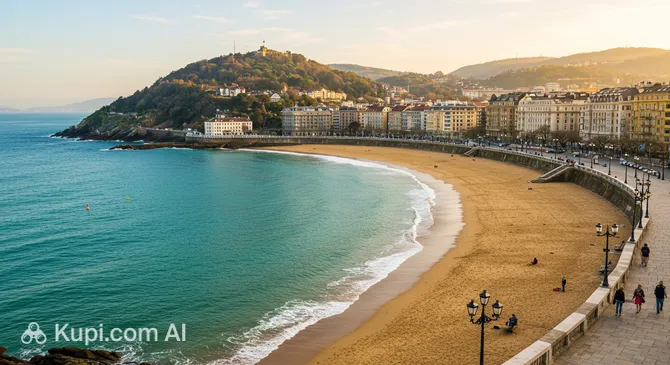
Undoubtedly the crown jewel of the city, La Concha Beach is frequently cited as one of the most beautiful urban beaches in Europe. Stretching for over a kilometer in a perfect crescent shape, it offers fine golden sand and calm waters protected by the bay. Visitors love it for the classic elegance of its promenade and the stunning views of Santa Clara Island. Whether you are taking a refreshing swim or a leisurely sunset walk, this beach captures the essence of the city's sophisticated charm.
La Concha Beach. Illustration.
Source: Kupi.com AI
Traveler photos:
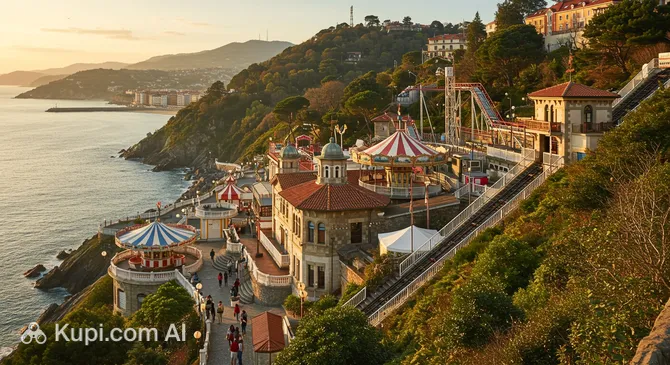
For the most iconic panoramic views of the bay, a visit to the Monte Igueldo Amusement Park is essential. Accessible via a historic funicular railway that dates back to 1912, this vintage park sits atop Mount Igueldo. While the old-fashioned rides offer a nostalgic thrill, the real attraction is the breathtaking lookout point. It provides a postcard-perfect perspective of the coastline, making it a favorite spot for photographers and sightseers alike.
Monte Igueldo Amusement Park. Illustration.
Source: Kupi.com AI
Traveler photos:
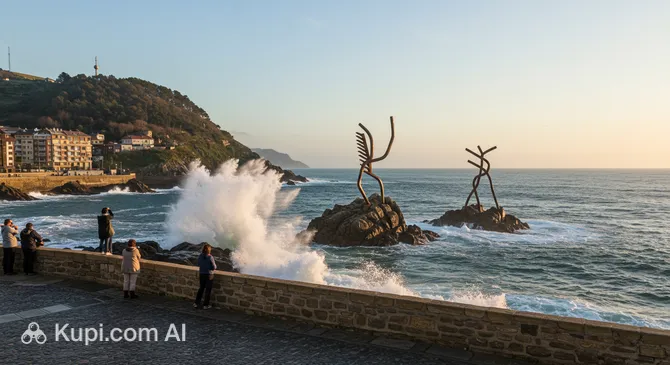
At the western end of the bay, nature and art collide at the Wind Comb (Peine del Viento). Designed by the renowned local sculptor Eduardo Chillida, this installation consists of massive iron sculptures anchored into the rocks. It is a mesmerizing place where the ferocity of the Cantabrian Sea meets human creativity; on stormy days, the waves crash dramatically against the metal structures and vents in the ground, creating a unique sensory experience of sound and spray.
Wind Comb. Illustration.
Source: Kupi.com AI
Traveler photos:
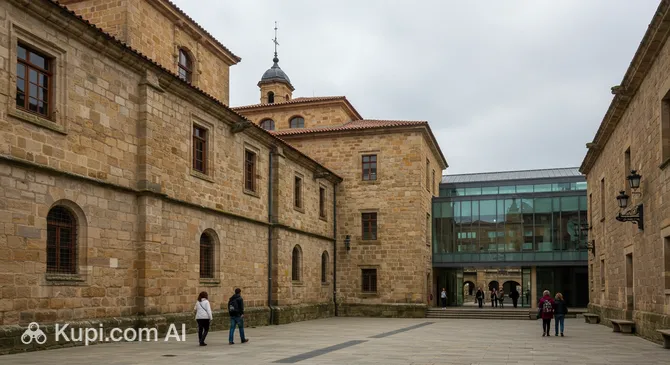
Those interested in delving deeper into the region's identity should explore the San Telmo Museum. Located at the foot of Mount Urgull in the Old Town, this museum is housed in a 16th-century Dominican convent blended with avant-garde modern architecture. As the Museum of Basque Society and Citizenship, it offers a fascinating journey through Basque history, culture, and traditions, featuring everything from ancient artifacts to contemporary art exhibitions.
San Telmo Museum. Illustration.
Source: Kupi.com AI
Traveler photos:
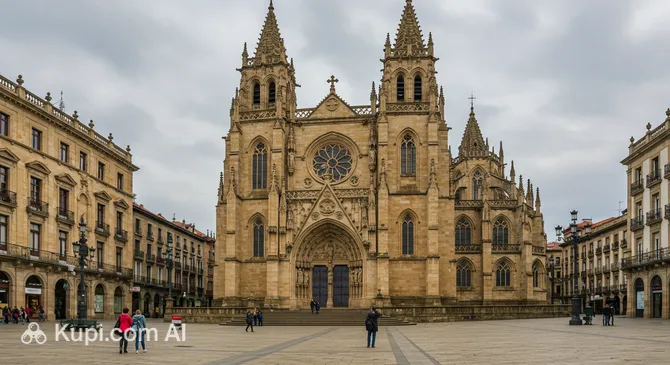
Dominating the city center's skyline is the Good Shepherd Cathedral of San Sebastian. Built in the late 19th century in a Neo-Gothic style, it is the largest religious building in the city. Its towering 75-meter spire is visible from many points in town, and the interior features impressive stained glass windows and a vast organ. It stands as a testament to the architectural expansion of the city during its golden age as a royal summer resort.
Good Shepherd Cathedral of San Sebastian. Illustration.
Source: Kupi.com AI
Traveler photos:
Local Cuisine
San Sebastian is widely recognized as one of the world's premier gastronomic destinations, offering a culinary landscape that ranges from casual street food to high-end dining. Food here is not merely sustenance but a central pillar of social life. The city is famous for having one of the highest concentrations of Michelin stars per capita globally, yet for many visitors, the true heart of the local cuisine beats in the bustling bars of the Old Town (Parte Vieja).
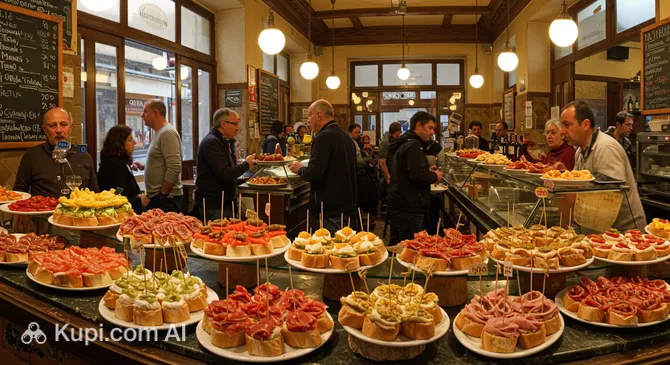
The most iconic culinary tradition in San Sebastian is the culture of pintxos. These are small, bite-sized snacks, similar to tapas but typically served on a slice of bread and held together with a cocktail stick. Walking into a bar, you will see counters piled high with colorful platters featuring everything from cured ham and cheese to elaborate seafood creations. A popular way to eat is to go "txikiteo"—hopping from bar to bar, having one pintxo and a drink at each stop. Popular spots to experience this vibrant atmosphere include Bar Sport, known for its lively energy and wide variety of classics, and Bar Txepetxa, which is legendary for its specialized anchovy pintxos.
Bar Txepetxa. Illustration.
Source: Kupi.com AI
Traveler photos:
When exploring the menus, there are several signature dishes you simply must try. The Gilda is the quintessential pintxo of the city—a simple yet perfect skewer of an olive, a salted anchovy, and a spicy pickled pepper. For a heartier meal, look for Txangurro a la Donostiarra, a rich spider crab stew baked in its own shell with vegetables and brandy. Another local favorite is Kokotxas, the gelatinous cheeks of hake or cod, often served in a green sauce (salsa verde) or "al pil-pil," a garlic and olive oil emulsion.
To accompany these dishes, locals typically drink Txakoli, a slightly sparkling, very dry white wine produced in the surrounding coastal vineyards. It is traditionally poured from a height to aerate the wine and release its aromas. Cider (sidra) is another staple, especially during the cider season, and is also poured with a distinctive flourish. For a more modern take on local flavors, you might visit places like Mendaur Berria, where traditional ingredients are often given a contemporary twist.
Mendaur Berria. Illustration.
Source: Kupi.com AI
Traveler photos:
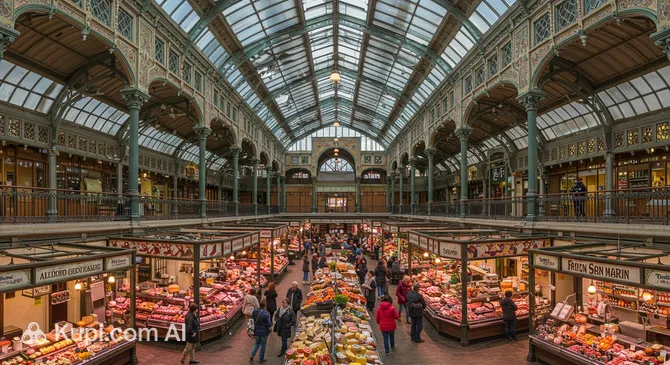
For those who want to see the source of the region's incredible produce, a visit to the San Martin Market is highly recommended. Here, traditional stalls stand alongside modern gastro-bars, offering a glimpse into the high standards of quality that define Basque cooking. Finally, no culinary tour is complete without a slice of the famous Basque Burnt Cheesecake, a creamy, crustless dessert with a caramelized top that has gained worldwide fame.
Travel Tips
Welcome to San Sebastian, a city where elegance meets a relaxed coastal vibe, and where a little local know-how can significantly enhance your experience. To help you navigate the unique customs of the Basque Country and enjoy a seamless trip, here are some essential practical tips for your visit.
Prepare for the "Chirimiri": The weather in San Sebastian is famously changeable, and the local light rain, known as chirimiri, can appear unexpectedly. Pack layers and a high-quality raincoat or a sturdy umbrella, even in summer. Since you will likely spend hours walking through the cobbled streets of the Old Town or along the promenade, comfortable, non-slip walking shoes are a must. While the vibe is relaxed, locals tend to dress with a "smart casual" flair, so avoid overly beach-focused attire when dining or visiting churches.
Mastering Local Transport: The best way to explore the city is on foot, as most major attractions and the famous beaches are within walking distance of each other. For longer trips, the local bus network, Dbus, is efficient, clean, and punctual. You can pay with a contactless bank card on board or purchase a tourist travel card. Renting a car is generally unnecessary within the city limits and can be a hassle due to expensive and scarce parking; it is better to rely on public transport or taxis.
Currency and Payments: The official currency is the Euro (€). While credit and debit cards are widely accepted in most restaurants, shops, and hotels, it is highly advisable to carry some cash, particularly small bills and coins. Some smaller, traditional pintxo bars may prefer cash for small transactions. Tipping is not as mandatory as in the US; locals typically round up the bill or leave small change (5-10%) for exceptional service, but it is not expected for every drink.
Health and Safety: San Sebastian is considered one of the safest cities in Europe, but standard precautions against pickpocketing should still be taken in crowded areas like the Old Town during peak hours. Pharmacies are marked with a flashing green cross; if you need one outside standard hours, look for a list of "Farmacias de Guardia" (on-duty pharmacies) displayed in the window of any pharmacy. The general emergency number for police, ambulance, or fire is 112.
Language and Communication: The city has two official languages: Spanish and Basque (Euskara). While most locals speak Spanish and English is widely understood in the tourism and hospitality sectors, learning a few words of Basque is a great way to show respect. A simple "Kaixo" (Hello) and "Eskerrik asko" (Thank you) will often be met with a warm smile. Free Wi-Fi is available in many public spots, and EU roaming rules apply for European travelers; others can easily buy a prepaid SIM card at local kiosks.
Pintxo Bar Etiquette: The local dining culture is unique. When entering a pintxo bar, do not pile your plate high immediately. The custom is to enjoy one or two pintxos with a drink (a zurito of beer or txakoli wine) and then move to the next bar—a practice known as txikiteo. In many traditional places, you order at the bar, eat standing up, and pay at the end based on the honor system (telling the bartender what you had), though some modern spots now ask for payment upfront.
Respect Meal Times: Be aware that dining times in Spain are later than in many other countries. Lunch is typically the main meal of the day, served between 1:30 PM and 3:30 PM, while dinner rarely starts before 8:30 PM or 9:00 PM. If you are hungry outside these hours, pintxo bars are your best bet, as many formal kitchens close in the late afternoon.
What to Avoid: Try to avoid referring to "pintxos" as "tapas." While the concept is similar, the Basque people are proud of their distinct culinary identity, and using the local term is appreciated. Additionally, avoid blocking the bar counter in busy venues; it is the hub of activity where waiters pass food and drinks, so once you have your order, try to find a spot at a table or a standing ledge.
By keeping these tips in mind, you will be able to blend in with the Donostiarras and focus on what really matters: soaking up the breathtaking views and savoring every bite of the city's world-class cuisine. Enjoy your time in this magnificent Basque capital!
Entertainment & Nightlife
The nightlife in San Sebastian is a seamless extension of its world-famous culinary scene, offering a vibrant mix of traditional socializing and modern entertainment. Unlike the mega-club culture found in other Spanish cities, the evening here often begins with a leisurely pintxo crawl in the Old Town and transitions into sipping expertly crafted cocktails or "Gin Tonics"—a local obsession served in large balloon glasses. The atmosphere is generally sophisticated yet relaxed, with venues staying open late into the night, especially on weekends.
For those seeking the heart of the action, the Parte Vieja (Old Town) remains the busiest area, where crowds spill out onto the narrow streets with drinks in hand. However, for a more chic and contemporary vibe, the pedestrianized Reyes Católicos street behind the Good Shepherd Cathedral is lined with trendy bars and terraces. Across the river, the Gros district offers a younger, more alternative scene, popular among surfers and indie music lovers. This neighborhood is home to some of the city's best live music venues.
One of the standout spots for music enthusiasts is Dabadaba, a cultural favorite located in the Gros neighborhood. Known for its eclectic programming, it hosts everything from international DJs to live bands and daytime markets, attracting a diverse and hipster-friendly crowd. If you are looking for a more polished evening, La Madame offers a distinct experience. On weekends, this venue transforms from a restaurant into a lively lounge bar with a great selection of cocktails and music, making it a perfect stop for a sophisticated night out.
Dabadaba. Illustration.
Source: Kupi.com AI
Traveler photos:
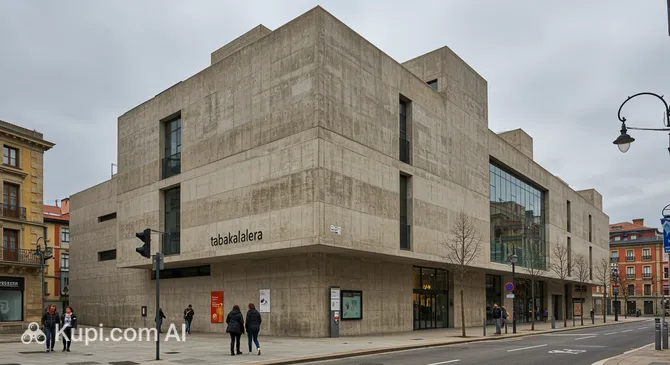
For a blend of culture and evening entertainment, Tabakalera is an impressive venue housed in a former tobacco factory. This contemporary culture center often hosts evening events, cinema screenings, and exhibitions. Its rooftop terrace offers stunning views of the city and is a fantastic place to enjoy a drink as the sun goes down.
Tabakalera. Illustration.
Source: Kupi.com AI
Traveler photos:
Beyond the nightlife, San Sebastian offers plenty of daytime entertainment. Families and curious minds will enjoy the Eureka! Science Museum, an interactive space located in the Miramón technology park featuring a planetarium and hands-on exhibits. For theater lovers, the Victoria Eugenia Theatre provides a rich program of performing arts in a building that exudes Belle Époque grandeur.
San Sebastian is a very safe city for night walks, even in the early hours of the morning. The main nightlife districts are well-lit and populated. Getting around is easy; the city is compact enough to walk between most areas, but if you need a ride, official taxis are white with a blue line and are readily available at designated ranks or can be hailed on the street. Public buses (Gautxori) also run night services on weekends, providing a convenient and affordable way to return to your accommodation.
Parks & Museums
Beyond its golden beaches and culinary fame, San Sebastian offers a wealth of lush green spaces and rich cultural institutions that invite exploration. The city is dotted with elegant gardens and world-class museums that preserve the artistic and maritime heritage of the Basque Country, providing a perfect counterpoint to the bustling Old Town.
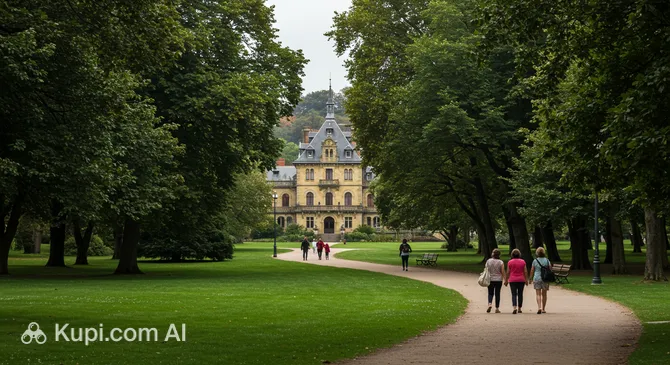
One of the most beloved green escapes in the city is Cristina Enea Park. Located near the Tabakalera cultural center, this park was once a private estate and remains an oasis of tranquility. It features exotic trees, swans, and peacocks roaming freely among the winding paths. It is the perfect spot for a quiet picnic or a leisurely stroll away from the seaside crowds, offering a romantic atmosphere that feels miles away from the urban center.
Cristina Enea Park. Illustration.
Source: Kupi.com AI
Traveler photos:
Right on the edge of the famous bay lies Alderdi Eder Park, whose name translates to "Beautiful Place" in Basque. This manicured garden is instantly recognizable by its tamarisk trees, which are shaped like umbrellas, and its elegant carousel that delights children and adults alike. With the City Hall as a backdrop and the beach just steps away, it serves as the city's sophisticated front garden, ideal for sitting on a bench and watching the world go by.
Alderdi Eder Park. Illustration.
Source: Kupi.com AI
Traveler photos:
For those seeking nature combined with history, Mount Urgull is a must-visit. Unlike a traditional manicured park, this is a forested hill that guards the Old Town. A hike to the top rewards visitors with shaded paths, hidden viewpoints, and the remains of military fortifications, culminating in a spectacular view over the coastline.
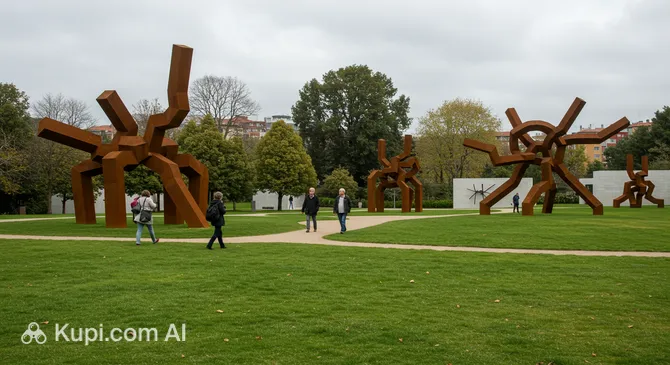
San Sebastian's museums are equally impressive, reflecting the region's deep connection to art and the sea. A short trip to the outskirts of the city will take you to the Chillida Leku Museum. This unique open-air museum is dedicated to the work of Eduardo Chillida, one of the 20th century's most significant sculptors. His massive iron and granite sculptures are scattered across a verdant meadow surrounding a restored 16th-century farmhouse, creating a harmonious dialogue between art and nature.
Chillida Leku Museum. Illustration.
Source: Kupi.com AI
Traveler photos:
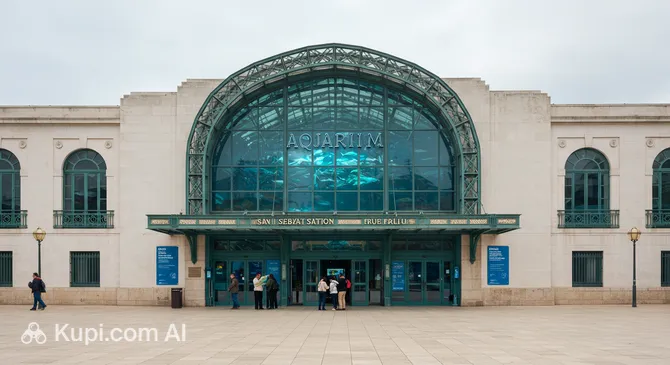
Closer to the harbor, the San Sebastian Aquarium offers a deep dive into the marine life of the Bay of Biscay and beyond. As one of the oldest oceanographic museums in Europe, it combines historical exhibits—including the skeleton of a legendary whale caught in 1878—with a modern 360-degree tunnel where sharks and rays swim around you. It is a fascinating venue that highlights the city's inextricable bond with the ocean.
San Sebastian Aquarium. Illustration.
Source: Kupi.com AI
Traveler photos:
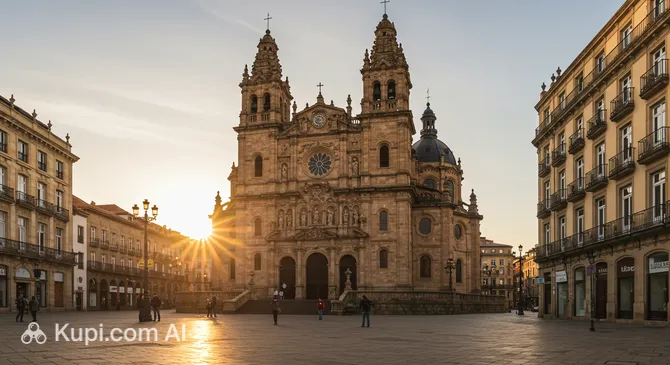
The city's architectural heritage is best appreciated by visiting the Basilica of Saint Mary of the Chorus. Tucked into the northern end of the Old Town, this stunning Baroque church features an intricate facade that draws the eye immediately. Its interior is equally captivating, serving as a spiritual anchor for the community and a masterpiece of 18th-century design.
Basilica of Saint Mary of the Chorus. Illustration.
Source: Kupi.com AI
Traveler photos:
High atop Mount Urgull stands the Mota Castle, a fortification that has witnessed centuries of battles and sieges. Today, it houses the History House museum, where visitors can learn about the city's resilient past while enjoying some of the best panoramic views of the bay and the surrounding mountains.
For a truly authentic and lesser-known experience, consider visiting the Albaola Sea Factory of the Basques in nearby Pasaia. This live museum and shipyard allows you to watch craftsmen building replica historic whaling ships using traditional techniques. It is a raw, immersive journey into the maritime history that defined the Basque Age of Exploration.
Getting Around
San Sebastian is a remarkably compact and pedestrian-friendly city, making walking one of the most pleasurable ways to get around. However, when you need to cover longer distances or travel with luggage, the public transport system is efficient, modern, and easy to navigate. The network is primarily composed of an extensive bus service and a local commuter train line that functions much like a metro.
The backbone of the city's transport is the urban bus network managed by Dbus. You will easily recognize these buses by their green and blue livery. They connect the city center with all outlying neighborhoods and major attractions. For those staying out late, the city offers a special night bus service known as Gautxori. These buses operate on weekends and the eves of public holidays, usually running from midnight until around 4:00 AM or later, ensuring a safe return home after enjoying the local nightlife.
Another popular mode of transport is the Euskotren, locally and affectionately known as "El Topo" (The Mole) because much of its route runs underground. It serves as a convenient metro-style link connecting various districts of San Sebastian and extending to nearby towns along the coast, all the way to the French border. It is particularly useful for reaching the eastern parts of the city or taking day trips to the surrounding Basque region.
For payment, the most convenient and cost-effective option for tourists is the Mugi card. This rechargeable travel card can be used on city buses (Dbus), regional buses (Lurraldebus), and the Euskotren. Using a Mugi card significantly reduces the fare compared to buying single tickets. You can purchase and top up these cards at newsstands (kiosks) and specialized tobacco shops (estancos) throughout the city, as well as at ticket machines in train stations.
If you prefer not to buy a travel card, you can purchase single tickets. On Dbus buses, you can pay the driver directly with cash (try to have small change) or, increasingly, use a contactless bank card. However, the Mugi card allows for multiple people to travel on a single card (validation is required for each person), making it ideal for families or groups. Remember to validate your card upon entering the bus; on the Euskotren, you must validate both when entering and exiting the station.
For a more active alternative, San Sebastian offers an electric bike rental system called Dbizi. With numerous docking stations scattered across the city and an extensive network of bicycle lanes (bidegorris), cycling is a fantastic way to explore the scenic promenade and flat city center. Taxis are also readily available; they are white with a blue stripe and can be found at designated ranks or hailed on the street. Ride-hailing apps are available but less dominant than in larger capitals.
Finally, a unique and historic mode of transport that doubles as an attraction is the Funicular to Monte Igueldo. Operating since 1912, this wooden railway transports visitors from the western end of La Concha Bay up to the amusement park and viewpoint. While it is not part of the integrated Mugi network (it requires a separate ticket), it remains an essential experience for navigating the city's steep geography with vintage charm.
Accommodation
Where to Stay:
Finding the perfect place to stay in San Sebastian is an essential part of the experience, as the city offers a diverse range of accommodation that reflects its elegant and welcoming character. From grand, historic hotels that echo the Belle Époque era to modern apartments and cozy, family-run guesthouses known as pensiones, there is something to suit various tastes and budgets. However, visitors should be aware that accommodation prices here tend to be higher than the Spanish average, particularly during the peak summer season.
For those who want to be in the heart of the action, the Parte Vieja (Old Town) is a popular choice. Staying here means you are just steps away from the best pintxo bars and historical sites. Accommodation in this area often consists of charming guesthouses and smaller boutique hotels tucked into centuries-old buildings. While the atmosphere is unbeatable, it can be quite lively and noisy at night, so light sleepers might prefer a quieter neighborhood.
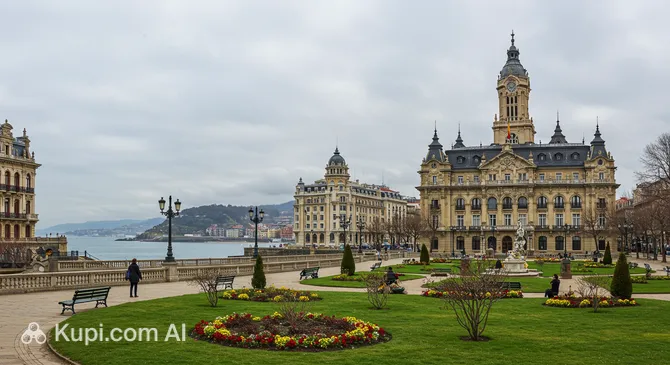
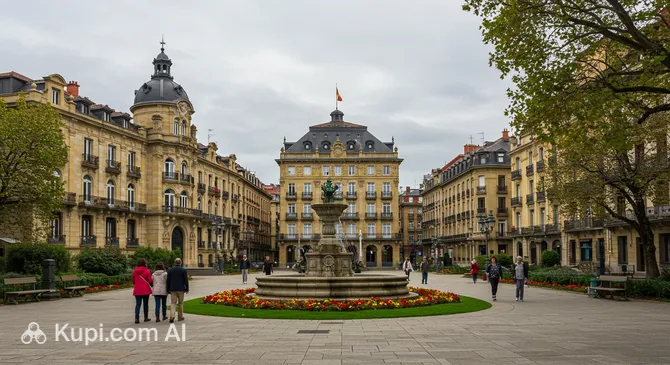
If you are seeking luxury and sophistication, the Centro district and the area along La Concha Promenade are the most prestigious locations. Here, you will find upscale hotels offering breathtaking views of the bay and easy access to the city's main shopping streets. This area is characterized by its broad avenues and romantic architecture, with landmarks like Gipuzkoa Square providing a scenic backdrop for a refined stay.
Gipuzkoa Square. Illustration.
Source: Kupi.com AI
Traveler photos:
For a more youthful and laid-back vibe, the Gros neighborhood, located across the Urumea River, is an excellent alternative. Famous for its surfing culture and the Zurriola beach, this district offers a mix of modern hotels, hostels, and holiday rentals. It has a local, authentic feel with plenty of cafes and terraces, making it a favorite among younger travelers and families who want to be close to the beach but away from the most tourist-heavy zones.
La Concha Promenade. Illustration.
Source: Kupi.com AI
Traveler photos:
Booking Tips: San Sebastian is a highly sought-after destination, especially during the summer months (July and August) and during major events like the International Film Festival in September. It is strongly recommended to book your accommodation well in advance—often several months ahead—to secure the best rates and availability. Online booking platforms are the most convenient method, though contacting smaller guesthouses directly can sometimes yield better offers.
The price range varies significantly by season. While budget options like hostels and shared rooms are available, particularly in Gros and the Old Town, mid-range and luxury hotels in the city center command premium prices. Regardless of where you choose to stay, the city's compact size ensures that the beach, the mountains, and the best restaurants are never far away.
Nearby Cities
For those looking to explore the surroundings, San Sebastian serves as an excellent base for day trips to several interesting nearby locations. The Basque region and its neighbors offer a rich tapestry of landscapes, from rugged mountains to charming coastal towns, all within a short distance of the city.
One of the most popular excursions is to Pamplona, the capital of Navarre. Famous worldwide for the San Fermín festival and the Running of the Bulls, it is also a city with deep history, featuring impressive medieval walls and a Gothic cathedral. For beach lovers and surf enthusiasts, Zarautz is a must-visit. Located just down the coast, it boasts the longest beach in the Spanish Basque Country and is a hotspot for surfing and high-end gastronomy. Closer to home, Hernani offers a quintessential Basque experience; it is the heart of the region's cider culture, where visitors can enjoy traditional steak dinners in rustic cider houses (sagardotegis).
City
Population
Distance
Hernani
20 375
6 km
Andoain
14 631
12 km
Zarautz
23 271
16 km
Irun
62 933
16 km
Hendaye
16 967
18 km
These nearby destinations offer a glimpse into the diverse culture and landscapes of the region, allowing travelers to easily expand their itinerary beyond the city limits.
Shopping & Souvenirs
Shopping:
Shopping in San Sebastian is a delightful experience that mirrors the city's overall sense of elegance and quality. While it may not have the sheer volume of shops found in Madrid or Barcelona, it offers a curated selection of high-end international brands, charming local boutiques, and exceptional gastronomic shops. The city center is compact and pedestrian-friendly, allowing visitors to easily browse through fashion, crafts, and gourmet delicacies while admiring the Belle Époque architecture.
The main shopping activity is concentrated in the Centro district and the Parte Vieja (Old Town). The "Romantic Area" in the city center, particularly along Avenida de la Libertad and Calle San Martín, serves as the high street. Here, you will find major global fashion chains, luxury boutiques, and department stores. In contrast, the narrow streets of the Old Town offer a more traditional atmosphere, filled with small, family-run shops selling local crafts, souvenirs, and specialty food items that are perfect for gifts.
For those who prefer a modern, all-in-one shopping experience, the city has excellent facilities. The Garbera Shopping Center is one of the most popular destinations. Located on the outskirts of the city, this large mall features a wide range of fashion retailers, electronics stores, and a cinema, making it a convenient stop for a full afternoon of shopping.
Garbera Shopping Center. Illustration.
Source: Kupi.com AI
Traveler photos:
Markets play a vital role in the daily life of Donostia, blending the traditional with the contemporary. The San Martin Market is a perfect example of this fusion. Situated in the heart of the city, it combines traditional stalls selling fresh fish, flowers, and local produce with modern fashion giants like Zara and a selection of gastro-bars. It is a unique space where you can buy a new outfit and then enjoy a glass of wine and a pintxo under the same roof.
San Martin Market. Illustration.
Source: Kupi.com AI
Traveler photos:
When it comes to souvenirs, San Sebastian offers items that are deeply rooted in Basque culture. Gastronomy tops the list: bottles of Txakoli (local white wine), Idiazabal cheese (smoked sheep's cheese), and premium canned seafood, such as Cantabrian anchovies, are highly prized. For non-edible gifts, look for a Txapela (the traditional Basque beret) or jewelry and keepsakes featuring the iconic design of the La Concha promenade railing, which has become a symbol of the city.
Store opening hours can vary depending on the type of shop. Large chains, department stores, and shopping malls typically operate continuously from 10:00 AM to 9:00 PM or 10:00 PM, Monday through Saturday. However, smaller boutiques and traditional shops often close for a midday break (siesta), usually between 1:30 PM and 4:00 PM. Be aware that nearly all shops are closed on Sundays, except for bakeries and some souvenir stores in the Old Town. Credit and debit cards are widely accepted, even for small amounts.
Travelers residing outside the European Union are eligible for Tax-Free shopping on purchases of goods to be taken home. Look for the "Tax Free" sign in shop windows; most major retailers participate in the scheme and will provide the necessary forms to claim your VAT refund at the airport upon departure.