Support

Palencia

About

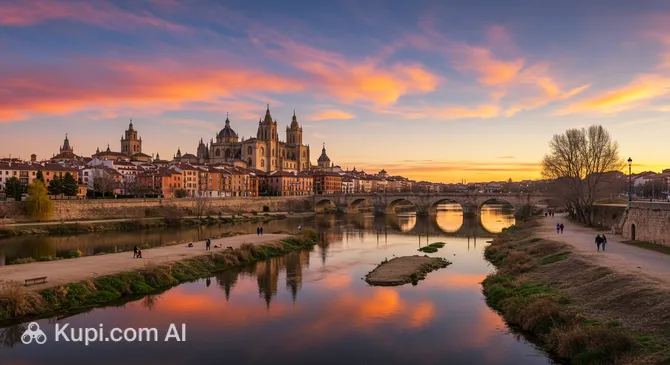
Welcome to Palencia, a charming and often overlooked gem located in the northern part of the central Spanish plateau. Situated in the autonomous community of Castile and León, this city offers a peaceful atmosphere that stands in contrast to the bustling tourist hubs of Spain. With a population of approximately 77,000 residents, Palencia feels intimate and walkable, known for having one of the highest ratios of green spaces per inhabitant in the country, making it a breath of fresh air for travelers.

Palencia. Source: Kupi.Binoculars

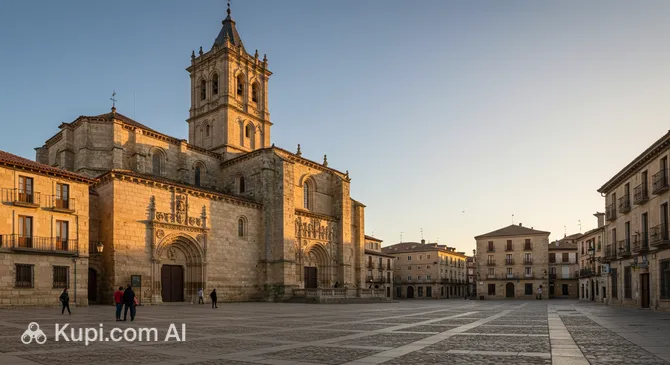
The city sits on the banks of the Carrión River and boasts a heritage that is both deep and fascinating. As you delve into the history of Palencia, you will discover that it was the site of the first university founded in Spain in the early 13th century. Today, its streets are lined with impressive architecture, including the majestic Cathedral of San Antolín, affectionately known as "The Unknown Beauty" for its surprisingly rich artistic interior hidden behind a somewhat austere Gothic façade.

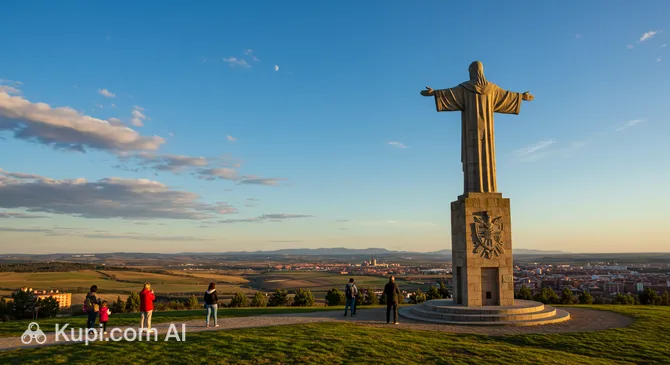
Visitors are also drawn to the towering Cristo del Otero, one of the largest statues of Christ in the world, which watches over the city from a nearby hill. A stroll down the lively, arcaded Calle Mayor offers a taste of local daily life, filled with shops and traditional cafes. Whether you are an admirer of Romanesque art or simply looking for an authentic cultural experience, Palencia invites you to explore its historic treasures and enjoy its tranquil rhythm.

Weather Overview

Travelers visiting the city will encounter a continental climate defined by hot summers and cold winters. To help you choose the best time for your visit, it is worth exploring the detailed forecast for the weather in Palencia. During the peak summer months of July and August, the days are typically sunny and warm, with average maximum temperatures reaching 30.0°C and very little rainfall.

Winters, particularly in January, are much cooler, with average lows dipping to around 0.6°C. If you prefer milder temperatures, spring and autumn are excellent options, though you should be prepared for occasional showers; months like April and November can see up to 12 wet days. Generally, you can expect dry, warm summers ideal for outdoor activities, contrasting with crisp, damper conditions in the cooler seasons.

Interesting Facts

Beyond its historical landmarks and green spaces, Palencia holds curious secrets and legends that surprise even the most seasoned travelers. From cinematic references hidden in Gothic architecture to tales of medieval romance, the city offers unique stories waiting to be discovered.
Christ of the Otero. Source: Kupi.Binoculars
  • An Extraterrestrial Guardian: If you examine the "Door of the Dead" on the city's cathedral closely, you might spot a gargoyle that bears a striking resemblance to the Xenomorph from the movie Alien. This unusual figure was added by stonemasons during a restoration in the 1990s, blending modern pop culture with ancient stone.

  • A Legendary Wedding: Local tradition claims that the Church of San Miguel, Palencia was the setting for one of Spain's most famous marriages. It is said that the medieval hero El Cid Campeador wed Doña Jimena here, adding a layer of romance to the church's fortress-like tower.

  • The Sculptor's Resting Place: The majestic Christ of the Otero is not just a monument; it is also the tomb of its creator. The renowned sculptor Victorio Macho loved this work so much that he wished to be buried at its feet, and his grave lies in the hermitage at the base of the statue.

  • The Wish-Granting Pigtail: Deep within the crypt of the San Antolín Cathedral, there is a legendary "coleta" (braid) attached to a stick on the wall. Urban legend suggests that pulling this braid brings good luck, and for younger visitors, it is often said to help with passing exams or finding a partner.

How to Get There

Reaching this Castilian city is quite convenient due to its strategic location in northern Spain, with excellent road and rail connections. Whether you are arriving from within the country or from abroad, you have several options to consider. For a detailed breakdown of routes and transport modes, you can read more about how to get to Palencia.

The city of Palencia does not have its own airport, but you can fly into Valladolid Airport (IATA: VLL) in the city of Valladolid, which is about 43 km from Palencia. It is the closest option, and the journey by taxi or bus typically takes around 45 to 50 minutes. For a wider range of international flights, many travelers choose the Adolfo Suárez Madrid-Barajas Airport (IATA: MAD) in Madrid. Although it is located approximately 187 km away, it is a major global hub with extensive connections. From Madrid, you can easily reach Palencia by high-speed train or a car ride that takes about 2 hours and 15 minutes.

For clarity, here is a summary of the main airports:

Airport Name City Passenger Traffic Km from City
Adolfo Suárez Madrid-Barajas AirportMadridVery Large186.8
Santander AirportSantanderMedium167.7
Vitoria AirportVitoria-GasteizSmall177.3
Valladolid AirportValladolidSmall43.1
Leon AirportLeonSmall113.0

Traveling by train is often the most comfortable way to arrive. The city is served by the Palencia Railway Station, which is conveniently located within Palencia itself, just 0.8 km from the city center. This station is a key stop on several high-speed lines connecting Madrid with northern Spain, making the trip fast and efficient. If you are coming from nearby regions, you might also pass through major hubs like the Campo Grande Station in Valladolid, located about 44 km away, which offers frequent connections to Palencia.

Below is a list of the nearest and most significant railway stations:

Station City Passenger Traffic Km to Center
Campo Grande StationValladolidHigh43.9
León Railway StationLeonMedium108.5
Palencia Railway StationPalenciaMedium0.8
Burgos Railway StationBurgosMedium81.8
Zamora Railway StationZamoraMedium114.6

Main Attractions

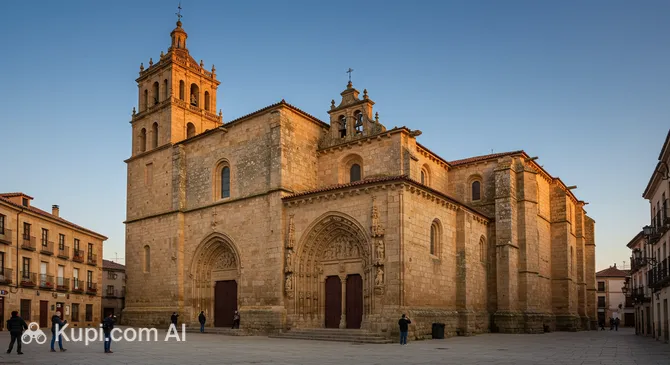
While the monumental Christ of the Otero and the Cathedral are the city's most recognized icons, a stroll through the streets reveals other architectural and natural treasures that define the local character. One of the most emblematic silhouettes in the skyline belongs to the Church of San Miguel, Palencia. This religious site is famous for its robust, crenellated tower, which gives it the appearance of a military fortress rather than a simple parish church. Its unique mix of Romanesque and Gothic styles makes it a fascinating stop for architecture enthusiasts, standing as a silent witness to centuries of history and legend.

Church of San Miguel, Palencia. Source: Kupi.Binoculars

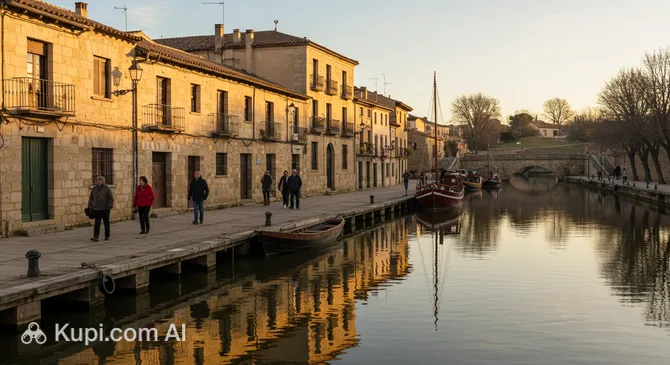
For a change of pace, visitors should head to the Canal de Castilla Dock. This area represents a significant piece of 18th-century hydraulic engineering designed to transport grain to the northern ports. Today, the dock serves as a serene recreational space where the water reflects the old stone warehouses, now converted into cultural spaces. It is an ideal spot for a peaceful walk along the water's edge, offering a glimpse into the region's industrial past while enjoying the natural surroundings.

Canal de Castilla Dock. Source: Kupi.Binoculars

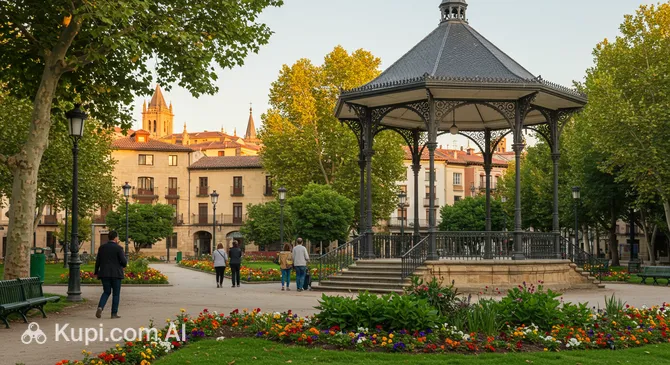
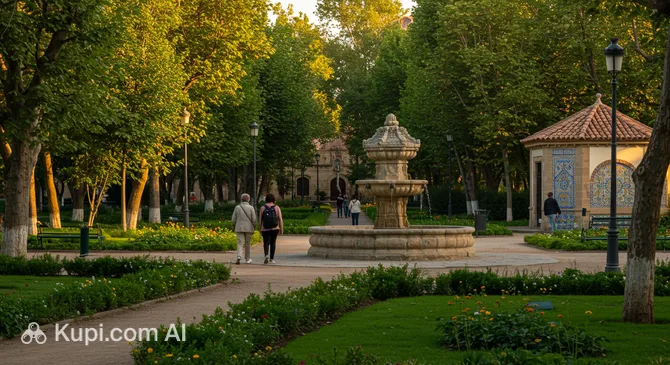
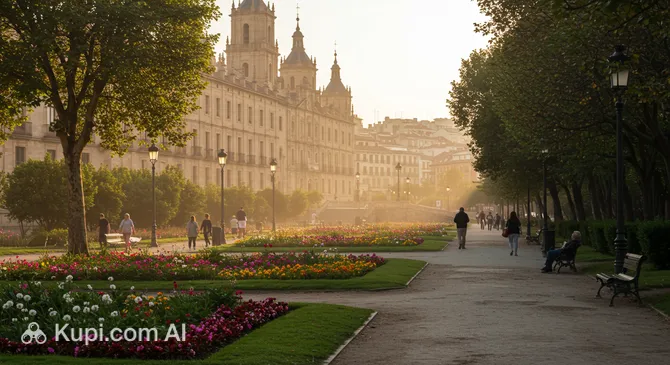
The city is also known for its abundant green spaces, and the Isabel II Salon Park is arguably the most beloved among locals. Often referred to simply as "El Salón," this romantic-style park functions as the city's living room. With its wide promenades, manicured gardens, and lively atmosphere, it is the perfect place to observe daily life, enjoy a coffee at a nearby kiosk, or simply relax under the shade of mature trees after a day of sightseeing.

Isabel II Salon Park. Source: Kupi.Binoculars

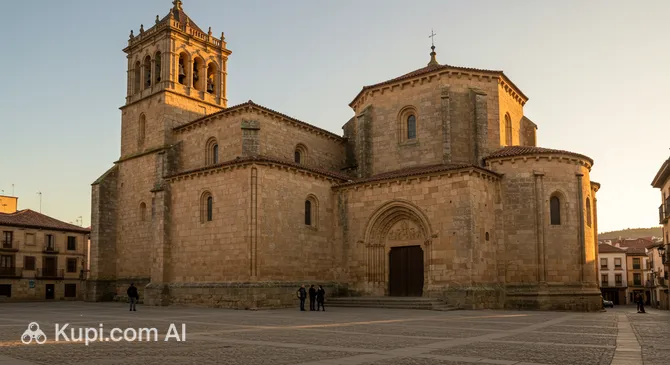
Another historical gem worth visiting is the Church of San Lázaro. Although it has undergone various renovations over the centuries, its origins are deeply rooted in the city's medieval past, originally serving as a hospital for pilgrims and lepers. The interior houses a magnificent plateresque altarpiece that draws the eye of art lovers. Its modest exterior belies the rich artistic and spiritual heritage contained within, offering a quiet retreat for reflection.

Church of San Lázaro. Source: Kupi.Binoculars

Local Cuisine

Cuisine:

The gastronomy of Palencia is a reflection of its landscape and climate: hearty, honest, and centered around exceptional local produce. Located in the heart of Old Castile, the city offers a culinary experience defined by slow-cooked stews, roasted meats, and vegetables sourced directly from the fertile fields of the Tierra de Campos. For food lovers, dining here is not just a meal but a journey into the traditional flavors of the Spanish interior.

The undisputed king of the local table is Lechazo Asado (roast suckling lamb). Palencia is famous for its Churra sheep breed, and the lamb is traditionally roasted in wood-fired ovens using oak or holm oak wood. The result is a dish with impossibly crispy, golden skin and meat so tender it falls off the bone. Another signature dish is the Menestra Palentina. Unlike other vegetable stews in Spain, the local version often involves battering and frying the vegetables—such as artichokes, peas, and cauliflower—before stewing them with lamb or ham, creating a rich and flavorful texture.

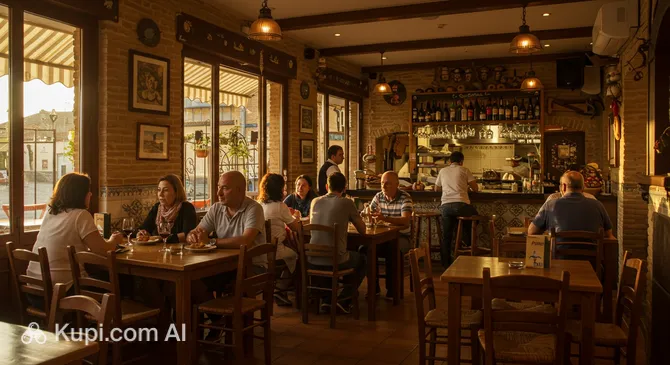
For those seeking a sit-down experience that honors these traditions while offering modern flair, the city has excellent options. You might visit the Ajo de Sopas Restaurant, a well-regarded establishment where the essence of Castilian cooking meets contemporary presentation.

Ajo de Sopas Restaurant. Source: Kupi.Binoculars

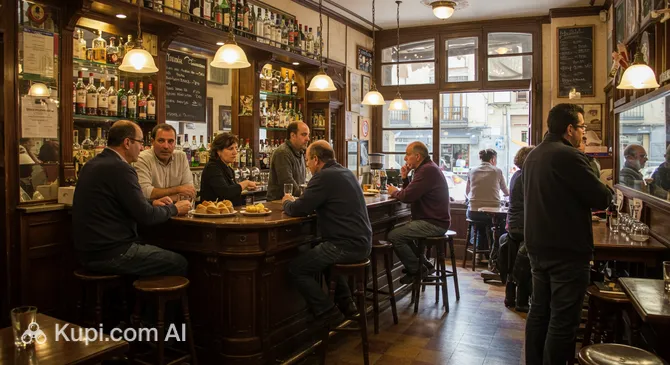
Palencia also boasts a vibrant tapas culture, locally known as "el tapeo." The area around Calle Mayor and Plaza Mayor is teeming with bars where you can enjoy a glass of local wine from the Arlanza or Cigales denominations accompanied by a "pincho." A popular stop for locals and visitors alike is La Mejillonera. As its name suggests, this lively bar specializes in mussels served in various delicious sauces, from spicy brava to fresh vinaigrette, making it a classic spot for a casual bite.

La Mejillonera. Source: Kupi.Binoculars

No meal in Palencia is complete without dessert. The region has a strong confectionery tradition, often based on old monastic recipes. Be sure to try the Brazo de San Lorenzo, a rich sponge cake filled with yolk cream and toasted on top. Another treat to look for is Amarguillos, almond-based cookies that are perfect with coffee. All of this is best enjoyed with the prestigious local bread, Pan de Flama, which is renowned across the country for its quality.

Travel Tips

Visiting Palencia is a delightful experience, thanks to its manageable size and the welcoming nature of its inhabitants. To help you navigate the city with ease and blend in like a local, here is a collection of practical tips designed to make your trip as smooth as possible.

  1. Clothing and Gear: Palencia has a continental climate, meaning the weather varies significantly by season. In summer, bring lightweight clothing, sunglasses, and sunscreen to handle the dry heat. In winter, a warm coat, scarf, and gloves are essential as temperatures frequently drop near freezing. Since the best way to see the city is on foot, pack comfortable walking shoes. If you plan to visit the Cathedral or other churches, remember to dress modestly (covering shoulders and knees) out of respect.

  2. Transportation: The city center is compact and pedestrian-friendly, so you will likely do most of your exploring on foot. For longer distances, there is a reliable urban bus service (Palbus), though tourists rarely need it within the historic core. Taxis are affordable and available at designated ranks. You generally do not need to rent a car unless you plan to tour the wider province to see the famous Romanesque architecture.

  3. Finances: The local currency is the Euro (€). International credit and debit cards (Visa and Mastercard) are widely accepted in hotels, restaurants, and most shops. However, it is highly recommended to carry some cash (coins and small notes) for paying in small traditional bars, buying newspapers, or purchasing small items. ATMs are easy to find throughout the city. Tipping is not mandatory, but leaving small change or rounding up the bill is a polite gesture.

  4. Health and Safety: Palencia is known as one of the safest cities in Spain, and you can feel comfortable walking around day or night. Pharmacies are identified by a flashing green cross; if you need one late at night, look for a list of Farmacias de Guardia (on-duty pharmacies) displayed on the door of any pharmacy. For any emergency, including police or medical issues, dial 112.

  5. Communication: The main language is Spanish (Castilian). While younger people and staff in the tourism sector often speak English, it is not as universally spoken as in Madrid or Barcelona. Learning a few basic phrases like "Hola" (Hello), "Por favor" (Please), and "La cuenta, por favor" (The bill, please) will be greatly appreciated by locals. Free Wi-Fi is common in cafes and hotels, and prepaid SIM cards can be purchased at mobile phone shops along Calle Mayor.

  6. Local Etiquette: Dining times in Palencia follow the traditional Spanish schedule, which is later than in many other countries. Lunch is the main meal of the day, typically served between 2:00 PM and 3:30 PM, while dinner usually starts after 9:00 PM. When entering a shop, elevator, or waiting room, it is polite to greet others with a "Buenos días" or "Buenas tardes."

  7. What to Avoid: Avoid trying to shop or run errands between 2:00 PM and 5:00 PM. Many smaller local businesses close during these hours for the afternoon break and reopen in the evening. Also, avoid loud or disruptive behavior inside churches, especially during mass, as these are active places of worship.

  8. Local Insight: Embrace the culture of the tapeo. In many bars in Palencia, you may receive a small free tapa with your drink. Do not feel pressured to sit down for a full meal every time; it is very common to hop from one bar to another, enjoying a drink and a snack at each stop to sample a variety of local flavors.

By keeping these simple tips in mind, you will be well-prepared to enjoy the relaxed rhythm and authentic charm of Palencia. Whether you are admiring the architecture or savoring the local cuisine, a little local knowledge ensures your visit will be both comfortable and memorable.

Entertainment & Nightlife

Entertainment:

Palencia is a city that invites you to enjoy the outdoors, offering a variety of leisure spaces that blend nature with culture. One of the most charming spots for a relaxing afternoon is the Huerta de Guadián Park. This green oasis is not just a place to walk among chestnut trees; it also houses a fascinating historical treasure: the Romanesque hermitage of San Juan Bautista. The small church was moved here stone by stone to save it from being submerged by a reservoir, creating a unique setting where history and nature coexist beautifully.

Huerta de Guadián Park. Source: Kupi.Binoculars

For those who prefer active entertainment or a riverside picnic, El Sotillo de Los Canónigos is the ideal destination. Located along the banks of the river, this expansive park is a hub of local activity. It features sports facilities, swimming pools for the warm summer months, and extensive paths perfect for jogging or cycling. It is a favorite weekend gathering spot for families and provides a refreshing escape into nature just a short distance from the urban center.

El Sotillo de Los Canónigos. Source: Kupi.Binoculars

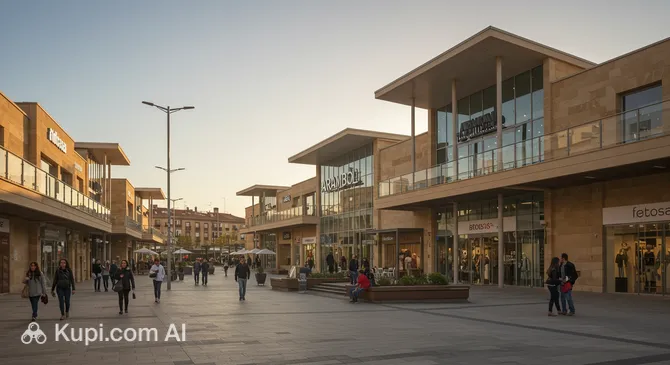
If you are in the mood for some retail therapy, the city offers a mix of traditional boutiques in the center and modern conveniences further out. For a comprehensive shopping experience, visitors can head to the Arambol Shopping Park. Situated on the outskirts of the city, this commercial center provides a wide range of fashion brands, electronics stores, and a cinema complex, making it a convenient stop for travelers looking to catch a movie or pick up essentials.

Arambol Shopping Park. Source: Kupi.Binoculars

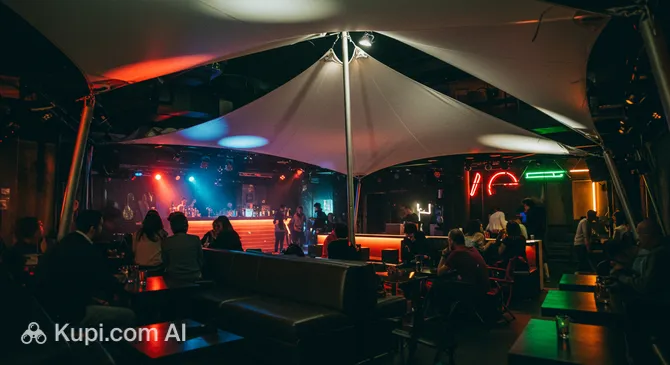
As the sun sets, the social scene shifts to the city's pubs and cafes, where the atmosphere is laid-back yet spirited. The nightlife in Palencia is often centered around good conversation and music. A popular venue to experience this vibe is Café El Malecón. With its distinct decor and welcoming environment, it is an excellent place to unwind with a cocktail or a premium coffee, soaking in the local rhythm after a day of sightseeing.

Café El Malecón. Source: Kupi.Binoculars

Parks & Museums

Palencia is a city that prides itself on its high quality of life, seamlessly blending rich cultural heritage with expansive green areas. For travelers, this means you can effortlessly transition from admiring ancient art to relaxing under the shade of century-old trees, all within a compact and walkable urban center.

Among the city's notable green spaces, Huertas del Obispo stands out for its rustic charm and riverside location. Situated near the banks of the Carrión River, this park offers a more natural, less manicured experience compared to the central gardens. It is an excellent spot for a quiet stroll, offering lovely views of the river and the nearby medieval Puentecillas bridge. The park serves as a green lung for the city, providing a peaceful escape where the only sounds are the rustling leaves and flowing water.

Huertas del Obispo. Source: Kupi.Binoculars

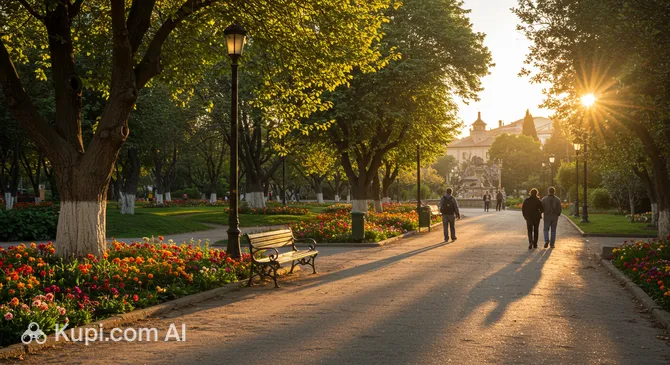
Another historical garden worth exploring is Carcavilla Park. Located in the heart of the city, this space was one of the first public gardens established in Palencia. It has a distinctively classic atmosphere, with well-tended paths and a variety of tree species that offer respite from the summer sun. Its central location makes it a convenient stop for visitors wandering between monuments, offering a quick breath of fresh air amidst the stone architecture.

Carcavilla Park. Source: Kupi.Binoculars

When it comes to museums, the Museum of Palencia is a must-visit for history enthusiasts. Housed in the impressive Renaissance building known as the Casa del Cordón, the museum showcases the region's deep historical roots. Its collection spans from the Prehistoric era to the Middle Ages, with a particular focus on the Roman period. Highlights include intricate Roman mosaics and Celtiberian artifacts found in the province, providing context to the ancient settlements that once thrived here.

For art lovers, the Diocesan Museum, located within the majestic Cathedral of San Antolín, is a treasure trove of religious art. The museum holds an exceptional collection of paintings, sculptures, and textiles that reflect the city's ecclesiastical importance throughout history. Visitors can admire works by renowned artists such as Pedro Berruguete and Alejo de Vahía, making it a perfect complement to a tour of the cathedral itself.

A lesser-known cultural gem is the Victorio Macho Interpretation Centre, situated at the base of the colossal Christ of the Otero statue. This small museum is dedicated to the famous sculptor who created the monument. It offers insight into his life and artistic vision, displaying sketches, models, and sculptures. Visiting this center not only provides cultural context but also rewards you with some of the best panoramic views of the city and the surrounding Tierra de Campos plains.

Getting Around

Navigating Palencia is remarkably straightforward, as the city is compact and designed on a human scale. For most visitors, the best way to explore the historic center is simply on foot, allowing you to appreciate the architecture and green spaces at a leisurely pace. However, for reaching areas further afield, such as the hospital, the university campus, or the outskirts, the city offers a reliable and efficient urban bus network known as Palbus.

The Palbus system consists of several lines that crisscross the city, connecting residential neighborhoods with key points of interest and the railway station. The buses are modern, comfortable, and generally punctual. Operating hours typically run from approximately 7:00 AM to 10:30 PM on weekdays, with reduced frequency on weekends and public holidays. It is always a good idea to check the specific timetable at the bus stop or on the official website before planning your journey.

Regarding fares and payment, the system is user-friendly for tourists. You can purchase a single ticket directly from the driver when boarding the bus; it is highly recommended to carry coins or small banknotes, as drivers may not have change for large denominations. The price of a single trip is very affordable, usually costing less than one euro. If you plan to stay longer or use the bus frequently, you might consider purchasing a rechargeable travel card (Bonobús) at local tobacconists (estancos) or the bus station office, which significantly reduces the cost per trip.

For those preferring a more direct and private mode of transport, taxis are readily available throughout the city. You can easily identify them by their white color and the city coat of arms. Taxis can be hailed on the street if the green light on the roof is lit, found at designated ranks (often near the train station and major plazas), or booked via telephone through the local Radio Taxi service. Fares are metered, and while they are reasonable, there may be slight surcharges for night rides or luggage.

Given the city's notably flat terrain and extensive network of parks, cycling is an excellent alternative for getting around. While there is no massive automated bike-sharing scheme comparable to large metropolises, the city is bike-friendly, and you can enjoy a pleasant ride along the riverbanks or through the "Salón" park. Walking remains the undisputed favorite for locals and visitors alike, as the distance between the Cathedral and the main shopping streets is minimal, making transport often unnecessary for a standard sightseeing itinerary.

Accommodation

Accommodation:

Finding a place to stay in Palencia is generally a straightforward and stress-free experience, much like the city itself. The accommodation offer is not characterized by vast luxury resorts or sprawling hotel chains, but rather by a selection of comfortable, functional, and welcoming options that suit most budgets. Visitors will primarily find mid-range hotels, ranging from three to four stars, alongside a growing number of modern tourist apartments and modest guesthouses (pensiones) that offer excellent value for money.

For those prioritizing convenience and atmosphere, the historic center is the most desirable area to base yourself. Staying near the Calle Mayor or the Cathedral places you within walking distance of the main monuments, tapas bars, and shops. This area is largely pedestrianized, allowing you to step out of your hotel directly into the lively rhythm of the city. Alternatively, if you are traveling by car and prefer easier parking access, looking for accommodation slightly further out—near the city's ring roads or the large parks—can be a practical choice, as the city is small enough that the center is never far away.

The price range in Palencia is quite attractive compared to Spain's major tourist hubs. Travelers can typically find high-quality mid-range rooms at very reasonable rates, making it an affordable destination for a weekend getaway. Budget travelers also have options among smaller hostels and family-run establishments. While it is usually easy to find a room, it is highly advisable to book well in advance if you plan to visit during Holy Week (Semana Santa), as this is the city's most significant event and hotels fill up quickly with visitors from across the country.

Most accommodations can be easily booked through major online platforms, which is convenient for comparing prices and checking availability. However, many of the smaller, family-owned establishments in Palencia also appreciate direct inquiries, which can sometimes lead to a more personalized service. Whether you choose a renovated historic building in the center or a modern hotel near the train station, you can expect a quiet and comfortable night's sleep in this peaceful Castilian city.

Nearby Cities

For those looking to explore the surroundings, Palencia serves as an excellent base for day trips to several interesting nearby locations. The region of Castile and León is rich in history, and a short journey by train or car can take you to some of Spain's most impressive heritage sites.

One of the most convenient options is Valladolid, located less than an hour away. As the regional capital, it boasts a sophisticated atmosphere with monumental Renaissance architecture and the renowned National Sculpture Museum. Further north lies Burgos, famous for its breathtaking Gothic Cathedral, which is a UNESCO World Heritage site. Visitors here can also explore the historic center and enjoy the city's celebrated cuisine. For those willing to travel a bit further, Leon offers its own architectural marvels, including a cathedral with some of the finest stained glass windows in Europe.

City Population Distance (km)
Valladolid 297,775 43
Burgos 174,051 79
Leon 122,051 108
Zamora 60,297 116
Segovia 51,258 124

These nearby destinations offer a glimpse into the diverse culture and landscapes of the region, making them perfect additions to your travel itinerary.

Shopping & Souvenirs

Shopping in Palencia is a relaxed and pleasant experience, far removed from the stress of large metropolises. The city offers a delightful mix of traditional family-run businesses that have served locals for generations and modern franchises. Because the city center is compact and pedestrian-friendly, you can easily combine a day of sightseeing with browsing for fashion, local crafts, and gastronomic treasures without the need for public transport.

The undisputed heart of commerce in the city is the Calle Mayor. This pedestrian artery, stretching for nearly a kilometer, is lined with historic arcades (soportales) that protect shoppers from both the summer sun and winter rain. Here, you will find everything from clothing boutiques and shoe stores to classic bookstores and jewelry shops. The side streets branching off Calle Mayor, such as Calle Becerro de Bengoa and Calle Menéndez Pelayo, also feature a variety of interesting small businesses worth exploring.

For those seeking a more concentrated collection of major brands and entertainment options, the Arambol Shopping Park is the primary destination. Located on the northern outskirts of the city, this retail park houses large fashion chains, sports stores, electronics retailers, and a supermarket. It offers ample parking and is a convenient stop if you need to purchase travel essentials or prefer the convenience of finding everything in one place.

To experience the authentic flavors of the region, a visit to the Mercado Municipal de Abastos (Central Market) is essential. Housed in a late 19th-century building, this market is where locals buy their fresh produce. It is the perfect place to see the high quality of Palencia's vegetables, meats, and cheeses. Additionally, open-air street markets (mercadillos) are typically held on Tuesdays and Wednesdays near the bullring and other designated areas, offering clothes, textiles, and miscellaneous goods at bargain prices.

When it comes to souvenirs, Palencia is best remembered through its palate. The province is famous for its traditional pastries, particularly Amarguillos (almond cookies) and Lazos de San Guillermo (puff pastry treats with cream). Another excellent gift is the renowned cheese of the Cerrato region or a bottle of wine from the nearby Arlanza or Cigales denominations. For non-edible gifts, look for traditional wool blankets, a historic craft of the city, though they are becoming rarer to find.

Store opening hours generally follow the traditional Spanish schedule. Small shops typically open from 10:00 AM to 2:00 PM, close for the afternoon break (siesta), and reopen from 5:00 PM to 8:30 PM. Larger chains and the Arambol Shopping Park often stay open throughout the day without closing at lunchtime. Most shops are closed on Sundays and public holidays.

regarding payment, credit and debit cards are widely accepted even in smaller establishments. However, carrying some cash is always useful for small purchases at markets or kiosks. Visitors residing outside the European Union are eligible for VAT refunds (tax-free shopping) on purchases over a certain amount in participating stores, so be sure to ask for a "Tax-Free" form when making significant purchases.
Reached the end of the page?

That means the route is fully explored