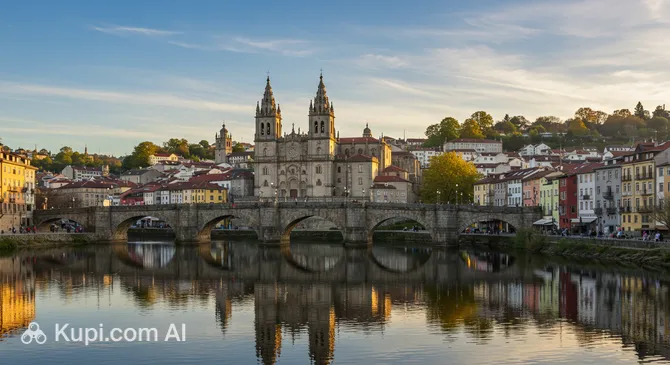
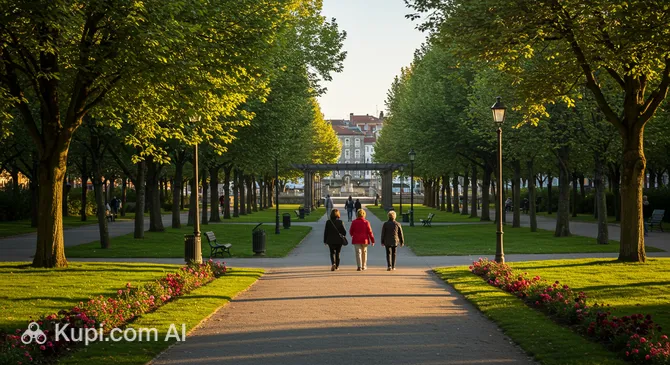
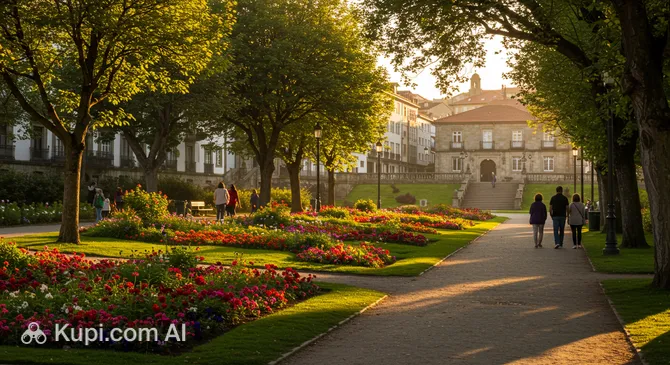
Welcome to Ourense, a captivating city often referred to as the "City of Water," located in the northwestern region of Galicia in Spain. Renowned for its abundant thermal springs and rich heritage, this provincial capital offers a unique atmosphere that blends ancient tradition with a lively modern spirit. With a population of approximately 104,596 residents, Ourense serves as a bustling hub that maintains a welcoming and intimate feel, distinct from the coastal cities of the region.
Ourense. Illustration.
Source: Kupi.com AI
The city's development has been influenced by its geography along the banks of the Miño River and its geothermal resources. The fascinating history of Ourense is deeply rooted in the Roman era, evident in the iconic Ponte Vella (Old Bridge) that spans the river. This impressive structure, along with the majestic Ourense Cathedral, which features the beautifully detailed Portico of Paradise, highlights the city's architectural splendor and historical significance.
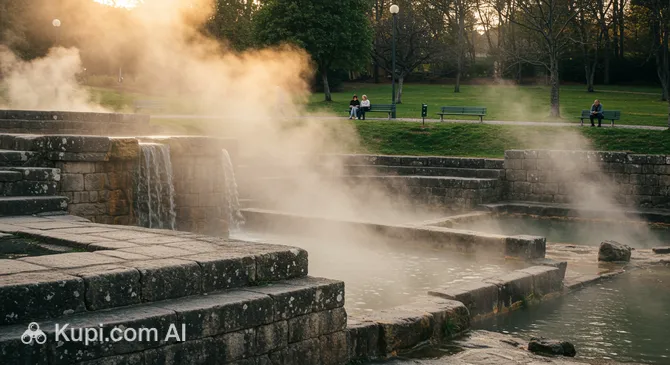
What truly sets Ourense apart is its status as a thermal capital. The famous As Burgas springs are located right in the heart of the historic center, offering visitors the chance to see hot mineral water gushing from the ground. Beyond the center, the banks of the Miño are dotted with thermal stations where travelers can relax in open-air baths. Whether you are exploring its charming old town or soaking in its healing waters, Ourense invites you to experience a destination full of warmth and culture.
Weather Overview
The climate in this region offers distinct seasonal changes, making it important to pack accordingly depending on the time of year. To help plan your daily activities, it is useful to consult the current weather in Ourense before your trip. Generally, the city experiences a transition from cool, damp winters to pleasantly warm and drier summers.
During the peak summer months of July and August, the weather is most inviting, with average maximum temperatures reaching 25.8°C and rainfall dropping to just 5 or 6 wet days per month. Conversely, the winter period brings cooler temperatures and more frequent precipitation; January is typically the coldest month with average lows of 2.5°C, while November and December are the wettest, seeing rain on approximately 16 days each month. Expect warm summers with plenty of sunshine and cool winters with frequent rainfall.
Average monthly temperature
Average monthly precipitation
Interesting Facts
Beyond the main attractions, Ourense holds many fascinating secrets and local legends that surprise even the most seasoned travelers. This Galician city is defined not just by its thermal waters, but by unique sayings and architectural curiosities.
As Burgas. Illustration.
Source: Kupi.com AI
Traveler photos:
The water at As Burgas springs flows at a scorching temperature of approximately 67°C (152°F). The heat is so intense that, according to local lore, residents once used these fountains to scald chickens for plucking or even to boil eggs directly in the water.
A famous local rhyming saying declares, "Three things there are in Ourense, which are not found in Spain: The Holy Christ, The Bridge, and the boiling Burgas." This proverb emphasizes the unique status of the city's most cherished landmarks within the broader context of the country.
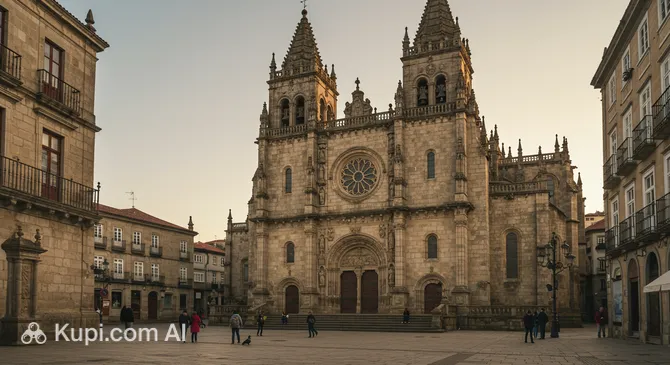
The Ourense Cathedral is a rare example of a temple built with defense in mind. Its crenellated towers and robust walls reveal that it was designed to function as a fortress, protecting the city during turbulent times in the Middle Ages.
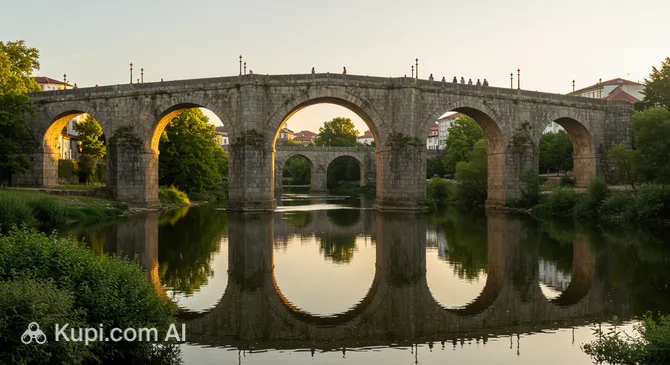
The central arch of the Roman Bridge of Ourense (Ponte Vella) is an engineering marvel. At the time of its medieval reconstruction, its span of over 40 meters made it one of the widest stone arches in existence, a testament to the city's strategic importance on the route to Santiago.
How to Get There
Reaching Ourense is quite convenient thanks to its strategic location in Galicia, although the city itself does not have a commercial airport. Travelers typically fly into neighboring cities and complete the journey by road or rail. You can view all ways to reach the city in our detailed transport guide.
The closest air hub is Vigo Airport (VGO), located in the city of Vigo, approximately 64 km from Ourense. The transfer by taxi or bus typically takes about an hour. Another excellent option is Santiago de Compostela Airport (SCQ) in Santiago de Compostela, which is about 77 km away and takes roughly one hour to reach. For those arriving from further abroad, Porto Airport (OPO) in Porto is a major international gateway. It is situated about 139 km from Ourense, with a travel time of around two hours.
For clarity, here is a summary of the main airports:
Traveling by train is often the preferred method for many visitors, as Ourense is a key railway junction connecting Galicia with the rest of Spain. You can arrive directly at Ourense Railway Station (OUQ), which is conveniently located just 0.5 km from the city center. This station is a major hub served by high-speed AVE trains, making the city easily accessible from Madrid and other major centers without the need for long transfers.
A visit to this Galician capital would be incomplete without exploring the Ourense Cathedral. Located in the heart of the historic quarter, this architectural masterpiece dates back to the 12th century and is dedicated to Saint Martin. Although its exterior resembles a fortress, the interior reveals the stunning Portico of Paradise, a polychrome sculpture group that is often compared to the famous portico in Santiago de Compostela. It is a fascinating site for history enthusiasts who can admire the blend of Romanesque and Gothic styles while wandering through its peaceful cloisters.
Ourense Cathedral. Illustration.
Source: Kupi.com AI
Traveler photos:
Spanning the banks of the Miño River, the Roman Bridge of Ourense, known locally as Ponte Vella, stands as a monumental symbol of the city's ancient origins. While the foundations date back to the Roman era, the current structure is a medieval reconstruction that impresses with its sheer size and central arch. Now fully pedestrianized, the bridge offers a picturesque setting for a walk, providing tourists with exceptional views of the river and the city skyline, especially during sunset.
Roman Bridge of Ourense. Illustration.
Source: Kupi.com AI
Traveler photos:
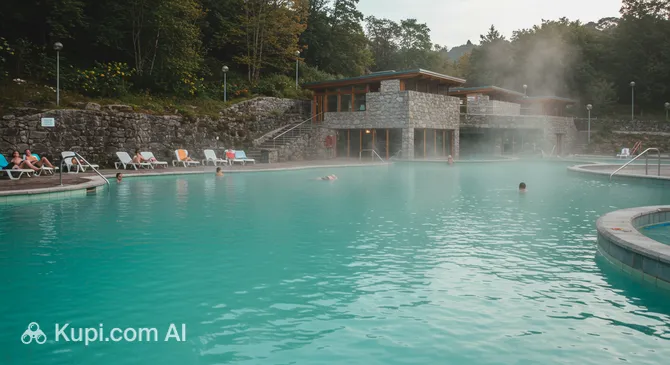
Embodying the city's reputation as a thermal haven, the Chavasqueira Hot Springs offer a unique relaxation experience. Located on the riverbank, this facility features a set of Japanese-inspired outdoor stone pools known as "rotenburo." Visitors flock here to soak in the therapeutic mineral waters while enjoying a Zen-like atmosphere surrounded by nature. It is an ideal spot to unwind after a day of sightseeing and experience the local bathing culture firsthand.
Chavasqueira Hot Springs. Illustration.
Source: Kupi.com AI
Traveler photos:
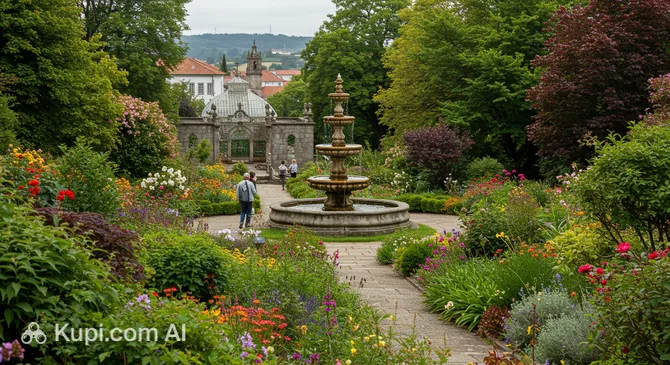
For those looking to escape the urban bustle, the Montealegre Botanical Garden provides a lush retreat on the hills overlooking Ourense. This expansive green space is home to a wide variety of Mediterranean and Atlantic flora, serving as both a conservation area and a recreational park. The garden is particularly interesting for its panoramic viewing platforms, which offer sweeping vistas of the entire city, making it a favorite location for photographers and nature lovers alike.
Montealegre Botanical Garden. Illustration.
Source: Kupi.com AI
Traveler photos:
Local Cuisine
The culinary landscape of Ourense is a vibrant reflection of its location in the heart of Galicia. While the region is famous for its coastline, this inland province offers a rich gastronomy that combines the best seafood brought from the coast with high-quality local meats and produce. The city is particularly renowned for its exceptional bread, known as Pan de Cea, and its deep-rooted tradition of preparing octopus, making it a surprising but undisputed capital for this delicacy.
The most iconic dish you must try is Pulpo á Feira (fair-style octopus). Despite being inland, Ourense has master pulpeiras (octopus cooks) who prepare the dish to perfection: boiled in copper pots, cut into medallions, and seasoned simply with olive oil, salt, and paprika. Another staple of the local diet is Lacón con Grelos, a hearty dish made with pork shoulder and turnip tops, often enjoyed during the winter months. For meat lovers, Carne ó Caldeiro (beef cooked with paprika and oil) is a traditional favorite that highlights the quality of Galician beef.
The social heart of Ourense's food culture is the historic quarter, specifically the area known as Os Viños. Here, locals and tourists alike hop from bar to bar, enjoying small bites known as pinchos with their drinks. It is a lively atmosphere where you can sample everything from pig's ear (orella) to Spanish omelets and savory empanadas. If you prefer a more substantial sit-down meal, the city offers excellent options ranging from traditional steakhouses to modern eateries.
Milongas Parrillada. Illustration.
Source: Kupi.com AI
Traveler photos:
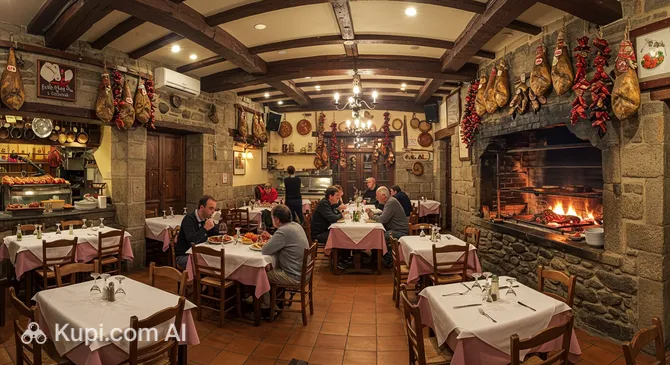
For a taste of grilled specialties, you might visit Milongas Parrillada, a spot known for its barbecue and generous portions that reflect the generous hospitality of the region. Alternatively, for those seeking a more contemporary gastronomic experience, Tizar Gourmet Urban Food offers a modern twist on local flavors, providing a chic setting to enjoy innovative dishes.
No meal in Ourense is complete without the local drinks. The province borders the famous Ribeiro and Ribeira Sacra wine regions, so ordering a crisp white Ribeiro or a bold Mencía red is highly recommended to complement your food. To finish your dining experience, try a glass of Licor Café, a sweet and strong coffee liqueur that is a beloved traditional digestif in Ourense.
Travel Tips
To help you make the most of your visit to the "City of Water," we have compiled a list of essential practical advice. These tips will ensure that your experience in Ourense is comfortable, safe, and culturally enriching, allowing you to relax and enjoy the city like a local.
Pack for the Springs and Streets. Since Ourense is famous for its thermal waters, a swimsuit, flip-flops, and a towel are absolute essentials in your suitcase. For exploring the historic center, bring sturdy, comfortable walking shoes to navigate the cobblestone streets. If you visit in winter or spring, an umbrella or raincoat is highly recommended, as the weather can be rainy.
Navigating the City. The historic center is compact and best explored on foot, as many streets are pedestrianized. To reach the thermal stations located along the Miño River (such as Outariz), use the Tren das Termas (Thermal Train), a dedicated tourist train that departs from the main plaza. Taxis are affordable and readily available, but renting a car is generally unnecessary unless you plan to explore the wider province.
Money Matters. The currency is the Euro (€). While most restaurants and shops accept credit and debit cards, it is wise to carry some cash, particularly small bills and coins. This is especially useful for the popular "Os Viños" area, where you might hop between multiple bars for small pinchos and drinks. ATMs are widely available throughout the city.
Health and Safety. Ourense is a very safe city for tourists, but standard precautions against pickpocketing should be taken in crowded areas. Pharmacies are marked with a green cross, and there is always one open 24 hours a day on a rotating basis (farmacia de guardia). The tap water in Ourense is of excellent quality and safe to drink—after all, water is the city's main element!
Language and Communication. The official languages are Spanish and Galician (Gallego). While staff in hotels and major tourist attractions often speak English, it may be less common in smaller traditional bars. Learning a few basic phrases like "Hola" (Hello), "Gracias" (Thank you), and "Por favor" (Please) will go a long way. Free Wi-Fi is often available in public squares and cafes.
Local Etiquette. Dining times in Ourense follow the Spanish schedule: lunch is typically between 2:00 PM and 4:00 PM, and dinner is rarely served before 9:00 PM. When visiting the thermal baths, remember that these are places for relaxation, not swimming pools; maintain a quiet voice and respect the peaceful atmosphere. It is also polite to shower before entering the thermal pools.
What to Avoid. Avoid rushing your meals or drinks; the local culture values leisure and conversation. Do not expect shops to be open during the siesta hours (roughly 2:00 PM to 5:00 PM), although major chains may remain open. Also, avoid treating the thermal springs as a playground—splashing or diving is considered disrespectful to other bathers.
Local Insight. For a truly magical experience, visit the thermal springs at night. Many of the outdoor pools, both free and private, are open late. Soaking in the hot mineral water under the stars, especially on a cool evening, is a favorite pastime of the locals and an unforgettable memory for visitors.
With these tips in mind, you are ready to immerse yourself in the unique rhythm of Ourense. Whether you are savoring the local octopus or unwinding in the healing waters, we hope you have a wonderful and relaxing journey in this gem of Galicia.
Entertainment & Nightlife
As the sun sets over the Miño River, Ourense transforms from a relaxed thermal city into a vibrant hub of social activity. The nightlife here is characterized by a warm, communal atmosphere where locals of all ages gather to enjoy good company, music, and drinks. The heart of the action is undoubtedly the historic center, particularly the area known as "Os Viños." This district, a labyrinth of narrow stone streets surrounding the Cathedral, is packed with taverns, bars, and pubs that stay lively well into the early hours of the morning.
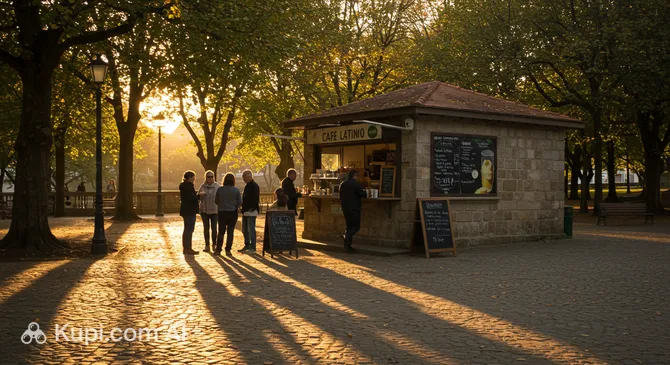
The evening typically begins with the "tapeo"—hopping from bar to bar for wine and small bites—before transitioning to late-night venues. For music enthusiasts, the city offers sophisticated options. A standout venue is Café Latino, a legendary establishment located near the Plaza de Santa Eufemia. Renowned for its intimate ambiance, it is considered one of the best jazz clubs in the region, frequently hosting live performances by top-tier musicians in a stylish setting.
Café Latino. Illustration.
Source: Kupi.com AI
Traveler photos:
If you prefer a more energetic vibe or a place to enjoy expertly crafted cocktails, the city has plenty of modern bars and pubs. Lameiras Café is another popular choice among locals, offering a welcoming environment perfect for socializing with friends. For those looking to explore further, Demamáluis - Depapáluis provides a distinct atmosphere where you can enjoy the night. The dress code in Ourense is generally casual to smart-casual; comfort is key, especially given the cobblestone streets.
Practical advice for enjoying Ourense at night includes adjusting to the local schedule. Nightlife here starts late; bars typically fill up after 11:00 PM, and clubs often don't get busy until 2:00 AM or later. Prices are quite reasonable compared to larger Spanish cities, with beers and mixed drinks being affordable. The city center is compact and pedestrian-friendly, making it easy to walk between venues. Ourense is very safe for night walks, but if your accommodation is further out, taxis are readily available at designated ranks or can be called by phone.
During the day, entertainment in Ourense takes a more relaxed pace. Beyond the thermal springs, visitors can enjoy shopping and leisure activities. The Ponte Vella Mall is a major commercial center located right next to the Roman Bridge, offering a variety of shops, a cinema, and restaurants with river views. For a peaceful afternoon break, San Lázaro Park in the city center is a favorite meeting point, featuring a beautiful fountain and plenty of space to watch the world go by.
Ponte Vella Mall. Illustration.
Source: Kupi.com AI
Traveler photos:
Parks & Museums
Ourense offers a delightful balance between urban living and nature, with green spaces that provide a breath of fresh air amidst the stone architecture. While the city is famous for its thermal waters, its parks and cultural institutions also play a vital role in defining its character, offering visitors a chance to explore Galician history and enjoy leisurely strolls in beautifully maintained gardens.
One of the most beloved green spaces in the city center is San Lázaro Park. Historically a gathering place for locals, this park is anchored by a stunning Baroque fountain originally brought from the Oseira Monastery. It serves as a bustling hub where children play and elders relax on benches under the shade of mature trees. The park is also home to several expressive sculptures, making it an open-air gallery of sorts that connects the modern city with the historic quarter.
San Lázaro Park. Illustration.
Source: Kupi.com AI
Traveler photos:
For those seeking a more expansive natural retreat, Barbaña Park offers a serene escape along the banks of the Barbaña River. This modern park acts as a green corridor through the city, featuring wooden walkways, calm water features, and ample grassy areas perfect for picnics. It is an excellent spot for walking or cycling, providing a peaceful contrast to the lively streets of the old town while showcasing how the city integrates nature into its urban planning.
Barbaña Park. Illustration.
Source: Kupi.com AI
Traveler photos:
When it comes to museums, Ourense is a city deeply proud of its heritage. The Municipal Museum (Museo Municipal), housed in a 16th-century Renaissance palace, is a key cultural venue. It features a diverse collection ranging from archaeology and fine arts to temporary exhibitions by contemporary Galician artists. The building itself, with its beautiful façade and courtyard, is a piece of history worth admiring.
Another significant cultural stop is the Centro Cultural Marcos Valcárcel. Located near the Roman Bridge, this dynamic center is hosted in the former Simeón building, an architectural gem from the early 20th century. It frequently hosts high-quality art exhibitions, conferences, and cultural events that highlight both local and international talent. Additionally, the Cathedral Museum, located within the Ourense Cathedral, holds a remarkable collection of religious art, including the treasure of San Rosendo and ancient manuscripts, offering a glimpse into the city's spiritual past.
For a truly authentic local experience, seek out the Jardín del Posío (Posío Garden). Although less manicured than modern parks, this historic botanical garden was created in the 19th century and retains a romantic, slightly wild charm. It is famous among residents for its resident peacocks that roam freely and its statues dedicated to Galician writers, making it a poetic spot to read a book or enjoy a quiet moment away from the tourist trail.
Getting Around
Public transport in Ourense is efficient, affordable, and perfectly scaled to the size of the city. While the historic center is best explored on foot due to its pedestrianized streets and compact layout, the city offers a reliable network of urban buses that connect the downtown area with outlying neighborhoods and the train station. Since there is no metro or tram system, the bus is the primary mode of motorized public transit for residents and visitors alike.
The most unique and popular transport feature for tourists is undoubtedly the Tren das Termas (Thermal Train). This tourist road train is essential for anyone planning to visit the thermal springs along the Miño River. It typically departs from the main square (Plaza Mayor) and follows a scenic route along the riverbanks, making stops at the various thermal stations, including Chavasqueira and Outariz. It provides a comfortable and charming way to reach the baths without needing a car or taxi.
For the standard urban bus network, managed by Urbanos de Ourense, the payment system is straightforward. Tourists generally purchase a single ticket (billete ordinario) directly from the driver upon boarding. The cost is very low compared to other European cities, typically under €1.00 per ride. While there are recharge cards available for frequent local users, for a short stay, paying in cash is the most convenient option. It is highly recommended to carry small change or coins, as drivers may not be able to change large banknotes.
Operating hours for buses generally run from early morning, around 7:00 AM, until approximately 10:30 PM or 11:00 PM, though frequencies can vary depending on the line and the day of the week (services are reduced on Sundays and holidays). The Thermal Train has its own specific timetable, which changes seasonally, so it is wise to check the schedule at the tourist office or the stop in Plaza Mayor before planning your day.
If you prefer more direct transport, taxis are widely available and reasonably priced. You can find them at designated ranks (paradas de taxi) throughout the city, particularly near the park of San Lázaro, the train station, and the old town. Ride-hailing apps are less common than in major capitals, so relying on official white taxis is the standard. Given the city's manageable size, walking remains a viable and enjoyable alternative for most sightseeing within the center.
Accommodation
Where to Stay:
Finding the perfect place to stay in Ourense is relatively easy, as the city offers a wide range of accommodation options to suit various budgets and preferences. The selection spans from charming historic guesthouses and modern city hotels to private apartments and budget-friendly hostels. Unlike the busier coastal destinations in Galicia, accommodation here tends to offer excellent value for money, often combining comfort with the city's characteristic hospitality.
For most travelers, the best area to stay is the Historic Quarter (Casco Vello). Staying here places you within walking distance of the main sights, including the Cathedral and the thermal springs of As Burgas. It is an atmospheric district filled with stone streets, tapas bars, and local life. Alternatively, the modern city center near San Lázaro Park offers more contemporary hotels with easy access to shopping streets and the business district. This area is convenient for those arriving by train, as it is closer to the station than the old town.
Given the city's reputation as a thermal capital, wellness tourism plays a significant role in the local hospitality scene. Visitors often seek out experiences that combine accommodation with relaxation. Notable among these is the Chavasqueira Hot Springs, which represents the premier resort-style experience in the area. Located on the banks of the Miño River, this facility anchors a zone dedicated to thermal relaxation, attracting travelers looking to disconnect and enjoy the healing mineral waters in a tranquil setting.
When planning your trip, it is advisable to book in advance, especially if you plan to visit during popular festivals like Entroido (Carnival) or in the summer months when the weather is finest. Generally, prices in Ourense are moderate compared to other major Spanish cities. Booking is typically done through major online platforms, though many smaller local establishments (pensiones) also welcome direct inquiries. Whether you choose a hotel with river views or a cozy apartment in the old town, you will find Ourense to be a comfortable base for exploring Galicia.
Nearby Cities
For those looking to explore the surroundings, Ourense serves as an excellent base for day trips to several interesting nearby locations:
City
Population
Distance
Barbadás
11 061
5 km
Monforte de Lemos
18 242
35 km
Melgaço
9 213
41 km
Lalin
20 201
42 km
Silleda
8 860
51 km
Among the most recommended destinations for a day trip is Vigo, the largest city in Galicia. Located on the coast, it offers a striking contrast to inland Ourense with its busy port atmosphere, excellent seafood restaurants in the A Pedra market area, and the famous Samil Beach. It is also the main gateway to the Cíes Islands National Park, a paradise of white sandy beaches and crystal-clear waters.
Another fantastic option is Pontevedra, renowned for having one of the best-preserved and most pedestrian-friendly historic centers in Spain. Visitors can wander through its charming granite squares, such as the Plaza de la Leña, and admire the unique scallop-shaped Church of the Pilgrim Virgin. Its relaxed pace and architectural beauty make it a perfect cultural complement to a stay in Ourense.
These nearby destinations offer a glimpse into the diverse culture and landscapes of the region.
Shopping & Souvenirs
Shopping in Ourense is a delightful experience that combines the charm of traditional commerce with the convenience of modern retail. The city is widely recognized in Spain as a fashion capital, being the birthplace of renowned designers such as Adolfo Domínguez and Roberto Verino. Beyond clothing, the city offers a wealth of gastronomic treasures and local crafts, making it an excellent destination for finding unique gifts and high-quality products.
The commercial heart of the city is centered around the pedestrianized Rúa do Paseo. This bustling street, often referred to as the "Golden Mile," is lined with elegant buildings, international fashion chains, and boutiques showcasing local designers. Connected to it is Rúa Santo Domingo, another key artery where visitors can find shoe shops, jewelers, and bookstores. For a more traditional atmosphere, the narrow streets of the Historic Quarter (Casco Vello) hide small artisan workshops and gourmet stores selling regional delicacies.
For those who prefer having everything under one roof, the city features modern shopping complexes. The most prominent is the Ponte Vella Mall, located strategically next to the Roman Bridge and the Miño River. It houses a vast array of fashion brands, a cinema, and a food court with scenic views. Another option for visitors is the Ourense Shopping Center, which provides additional retail choices, supermarkets, and services, ensuring that all shopping needs are met within the city limits.
Ourense Shopping Center. Illustration.
Source: Kupi.com AI
Traveler photos:
A visit to Ourense would not be complete without exploring its vibrant markets. The Plaza de Abastos (Municipal Market), located just steps from the As Burgas thermal springs, is a sensory delight. Here, stalls overflow with fresh Atlantic seafood, local meats, cheeses, and seasonal vegetables. It is the perfect place to witness the daily life of locals and purchase high-quality ingredients. Additionally, a large outdoor market (Feria) is held on the 7th, 17th, and 26th of each month at the Campo da Feira, offering everything from clothes to plants and traditional food products.
When it comes to souvenirs, gastronomy takes center stage. A bottle of Licor Café (coffee liqueur) or a vintage from the nearby Ribeiro wine region makes for an excellent gift. Sweet treats like almendrados (almond cookies) or the famous marron glacé (candied chestnuts) are also highly sought after. For non-edible keepsakes, look for traditional Galician ceramics or fashion items from the city's prestigious local brands.
Opening hours in Ourense generally follow the Spanish rhythm. Small independent shops typically open from 10:00 AM to 1:30 PM, close for the afternoon break (siesta), and reopen from 4:30 PM or 5:00 PM until 8:30 PM. Larger shopping malls and major franchise stores usually operate continuously from 10:00 AM to 10:00 PM, Monday through Saturday. Most businesses accept credit and debit cards, though carrying some cash is useful for small purchases in markets.
Tourists residing outside the European Union are eligible for a VAT refund on purchases made in stores that offer tax-free shopping. Look for the "Tax Free" sign in shop windows and ask for the refund form at the checkout. The refund can be processed digitally at airports or designated points before leaving the EU.