Support

A Coruña

About

A Coruña is a captivating port city situated on a promontory in the Galicia region of northwest Spain. Often referred to as the "City of Glass" due to its famous galerías—enclosed glass balconies that face the harbor—it offers a unique blend of maritime heritage and modern urban life. With a population of approximately 245,000 inhabitants, the city serves as a major industrial and financial hub while maintaining a relaxed, seaside atmosphere.
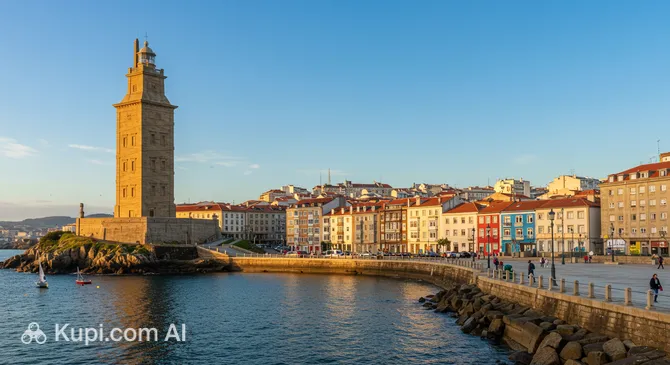
A Coruña. Source: Kupi.Binoculars

The city's geographical location ensures a mild oceanic climate, making it pleasant to explore throughout the year. The fascinating history of A Coruña stretches back to Roman times, most notably symbolized by the Tower of Hercules. This UNESCO World Heritage site is the only fully preserved Roman lighthouse that is still used for maritime signaling, offering breathtaking views of the Atlantic Ocean.

Beyond its ancient landmarks, visitors are drawn to the majestic Plaza de María Pita, the city's main square named after a local heroine, and the sweeping urban beaches like Orzán and Riazor. Whether you are interested in architectural wonders, delicious Galician cuisine, or simply enjoying a walk along one of the longest promenades in Europe, A Coruña is a destination that invites you to linger and explore.
Weather Overview

The climate in this Galician city is heavily influenced by the Atlantic Ocean, creating a mild environment year-round with no extreme temperature fluctuations. When checking the weather in A Coruña, you will find that the city generally avoids the scorching heat found in southern Spain as well as freezing conditions. Expect comfortable, breezy summers and cool, frequently wet winters.

During the warmest month of August, the average temperature hovers around 19.3°C, with daily highs reaching approximately 21.9°C. This is the driest time of the year, with July seeing only about 7 wet days. In contrast, the winter months bring cooler air and significantly more rain; January typically sees average temperatures of 10.2°C, while November and December can experience up to 17 wet days each. Visitors should always pack an umbrella or raincoat, especially if traveling outside the summer season.

Interesting Facts

Beyond the main attractions, A Coruña holds many fascinating secrets and historical curiosities that surprise even seasoned travelers. From ancient Roman engineering to modern artistic legacies, the city offers unique stories waiting to be discovered.
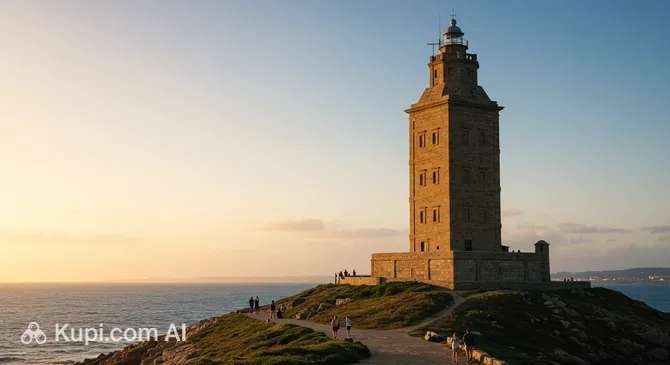
Tower of Hercules. Source: Kupi.Binoculars
  • The Tower of Hercules is the oldest Roman lighthouse in the world that is still in operation. Built in the 1st century AD, it has served as a beacon for mariners for nearly 2,000 years and is steeped in mythological legends involving Hercules and the giant Geryon.

  • A Coruña boasts the longest urban promenade in Europe, stretching over 13 kilometers along the coastline. This scenic route takes you past major landmarks like the Castle of San Antón and features distinct red streetlamps inspired by Art Nouveau designs.

  • The famous artist Pablo Picasso lived in the city for several years during his childhood. It was here, at the age of 13, that he held his very first public art exhibition, marking the beginning of his journey to becoming one of the most influential artists of the 20th century.

  • Located near the ancient lighthouse, the Menhirs for Peace is a captivating sculpture park by Manolo Paz. The twelve massive stone pillars feature carved openings that frame unique views of the sea and sky, creating a contemplative space for visitors.

How to Get There

Reaching this coastal city is quite convenient thanks to its well-connected transport infrastructure. Whether you prefer flying or taking the train, there are several viable options to suit your itinerary. You can read more about how to get to A Coruña and plan your journey in detail below.

The most direct way to arrive is via the local A Coruna Airport (IATA: LCG), which is situated just 7.4 km from the city center. It is a convenient regional hub, and a taxi or bus ride to the downtown area typically takes about 30 minutes. For a wider range of international flights, many travelers opt for Santiago de Compostela Airport (IATA: SCQ). This airport is located in the city of Santiago de Compostela, approximately 52 km from A Coruña. The transfer time by road is around 1 hour and 40 minutes. Additionally, Porto Airport (IATA: OPO) in Porto offers extensive connections; although it is about 236 km away, it serves as a major gateway for the region.

For clarity, here is a summary of the main airports:

Airport Name City Passenger Traffic Km from City
Porto Airport Porto Very High 236.1
Santiago de Compostela Airport Santiago de Compostela High 51.8
Asturias Airport Medium 193.5
A Coruna Airport A Coruña Medium 7.4
Vigo Airport Vigo Medium 127.0

If you prefer traveling by rail, the city is served by the A Coruña Railway Station (IATA: YJC). Located directly in A Coruña, it is only 1.2 km from the city center, making it an extremely convenient arrival point. A taxi or local bus from the station to your hotel would take approximately 20 minutes. For those exploring the wider Galicia region, the Ourense Railway Station (IATA: OUQ) in Ourense is another significant hub, located about 123 km away, offering high-speed connections to other parts of Spain.

Below is a list of the nearest railway stations:

Station City Passenger Traffic Km to Center
Ourense Railway Station Ourense High 123.1
A Coruña Railway Station A Coruña Medium 1.2
Pontevedra Railway Station Pontevedra Medium 106.2
Vigo Railway Station Vigo Medium 127.9
Lugo Railway Station Lugo Low 79.8

Main Attractions

A Coruña offers a diverse range of sights, from interactive science centers to historic fortifications and lush gardens. While the ancient lighthouse is the city's most famous icon, the urban area is packed with other fascinating places that blend history, nature, and modern leisure.

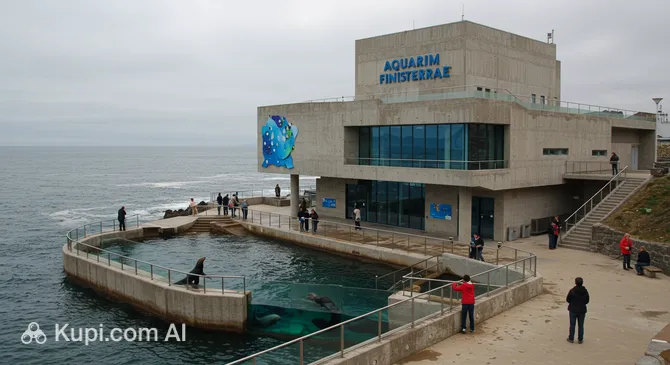
One of the city's most beloved institutions is the Aquarium Finisterrae, also known as the "House of the Fishes." Located on the coast, this interactive center is dedicated to the marine ecosystem of the Atlantic. A highlight for many visitors is the Nautilus room, a spectacular submerged observation area designed to resemble Captain Nemo's study, where you are surrounded by thousands of fish swimming in a massive tank. It is an educational and entertaining stop, perfect for travelers of all ages.

Aquarium Finisterrae. Source: Kupi.Binoculars

For the best panoramic views of the city and the ocean, a visit to Mount San Pedro is essential. Formerly a military defense battery, this hilltop has been transformed into a sprawling municipal park. Visitors can walk among massive historical cannons, explore a hedge maze, and enjoy the beautifully landscaped grounds. The park is accessible by road or via a unique spherical glass elevator that climbs the cliffside, offering a thrilling perspective of the coastline.

Mount San Pedro. Source: Kupi.Binoculars

History enthusiasts should explore the Castle of San Antón. This 16th-century fortress sits on what was once a small island, now connected to the mainland by a causeway. Throughout its history, it has served as a defensive stronghold and a prison. Today, it houses the Archaeological and Historical Museum of A Coruña, displaying a rich collection of artifacts that trace the region's past from the Bronze Age to medieval times.

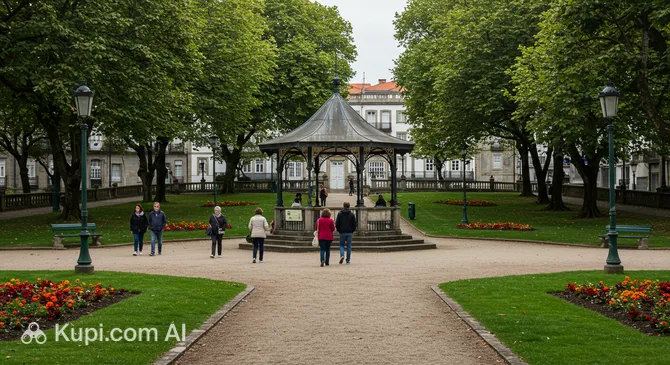
If you prefer a relaxing stroll among greenery, head to the Gardens of Méndez Núñez. Located in the city center near the port, these historic gardens date back to the 19th century and are known for their collection of exotic trees and statues of famous figures. It is a peaceful refuge in the heart of the city, featuring charming landmarks like the Kiosco Alfonso and offering a quiet place to rest after a day of sightseeing.

Gardens of Méndez Núñez. Source: Kupi.Binoculars

Local Cuisine

The culinary scene in A Coruña is a direct reflection of its maritime soul, offering some of the freshest seafood in Europe. The city serves as a massive fish market for the rest of Spain, meaning that local restaurants have the first pick of the Atlantic's bounty. The cuisine here is characterized by simplicity and respect for the product; chefs typically steam or boil seafood to preserve its natural flavor rather than masking it with heavy sauces.

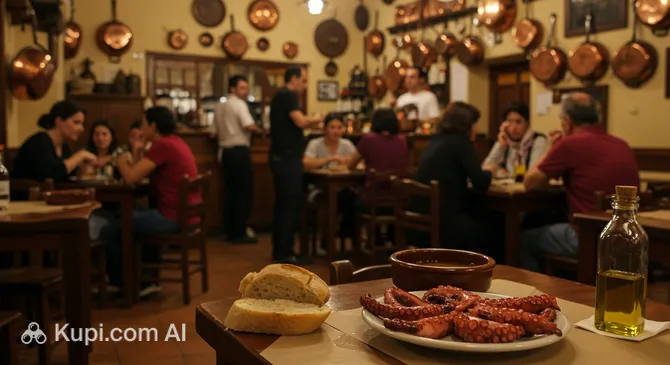
A definitive must-try dish is Pulpo a la Gallega (octopus with paprika). This tender octopus is boiled in copper pots, sliced into medallions, and served on wooden plates with a generous drizzle of olive oil, coarse salt, and pimentón. For a truly authentic taste of this regional classic, you can visit Pulpeira de Lola La Antigua de Melide, a renowned spot dedicated to preparing this signature delicacy.

Pulpeira de Lola La Antigua de Melide. Source: Kupi.Binoculars

Beyond octopus, the local mariscadas (seafood platters) are legendary. They often feature percebes (goose barnacles), which are harvested from the dangerous rocky coasts of Galicia and are considered a delicacy. You should also try the empanada gallega, a savory pie with a thin, crispy crust filled with tuna, cod, scallops, or meat. It is a versatile dish found in bakeries and bars throughout the city, perfect for a quick lunch or a picnic.

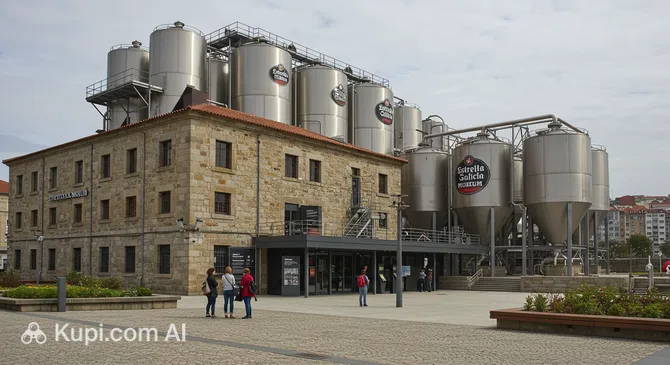
When it comes to drinks, A Coruña is the proud hometown of Estrella Galicia, a beer that has gained international fame. It is the drink of choice for most locals. To dive deeper into this brewing heritage, you can visit the Estrella Galicia Museum (MEGA), which offers an interactive journey through the history and production of this beloved beer. If you prefer wine, the region's crisp white Albariño or the fruity Ribeiro are excellent companions to the salty seafood dishes.

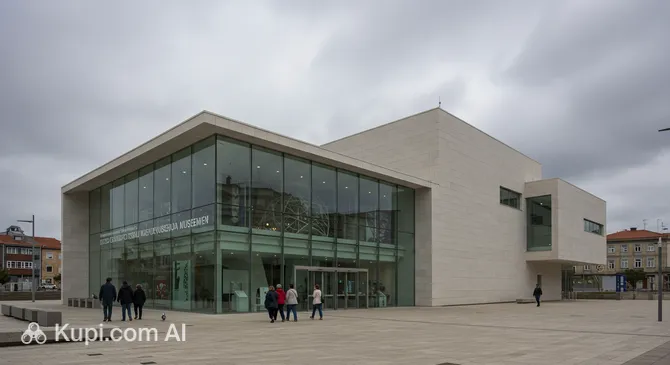
Estrella Galicia Museum. Source: Kupi.Binoculars

The dining culture in A Coruña is social and relaxed, revolving heavily around the tradition of tapeo (going for tapas). The streets near the main squares, such as Calle de la Barrera and Calle de la Franja, come alive in the evening as groups of friends hop from one bar to another. You might stop at a traditional tavern like Mesón El Serrano for some ham and cheese, or enjoy the lively atmosphere at Chaflán. Whether you sit down for a full meal or stand at a bar counter, eating here is a communal celebration of life.

Travel Tips

Welcome to A Coruña! While this Atlantic coastal city is incredibly welcoming and easy to navigate, a few practical insights will help you settle in quickly and enjoy the local rhythm like a true coruñés.

  1. Clothing and Gear: The weather in Galicia is famously unpredictable, often changing several times a day. Even in summer, it is wise to pack layers and a light windbreaker, as the Atlantic breeze can be cool. An umbrella or raincoat is an absolute must-have year-round. Since A Coruña is a walking city with miles of promenade, bring comfortable, waterproof walking shoes.
  2. Transportation: The city center is compact and best explored on foot. For longer distances, the local red buses are efficient and cover the entire city; you can pay the driver directly (cash only, usually small bills) or buy a rechargeable card at tobacco shops. Taxis are white, affordable, and easy to flag down, while apps like Uber and Cabify operate but are less ubiquitous than in Madrid or Barcelona. You generally do not need a rental car unless you plan to explore the wider Galician countryside.
  3. Finances: The currency is the Euro (€). Credit and debit cards (Visa and Mastercard) are widely accepted even for small amounts like a coffee. However, it is always useful to carry some cash for small traditional bars or buses. Tipping is not mandatory but appreciated; locals typically round up the bill or leave a few coins as a gesture of goodwill, rather than a fixed percentage.
  4. Health and Safety: A Coruña is a very safe city for tourists, with low crime rates. Pharmacies are marked with a flashing green cross; if one is closed, a sign on the door will list the nearest "Farmacia de Guardia" (24-hour pharmacy). For emergencies, dial 112, which works for police, ambulance, and fire services and has English-speaking operators.
  5. Communication: The official languages are Spanish and Galician (Gallego). While staff in hotels and major tourist attractions usually speak English, it is less common in small neighborhood taverns. Learning a few basic phrases like "Hola" (Hello), "Gracias" (Thank you), and "Por favor" (Please) is polite and well-received.
  6. Local Etiquette: Dining times are significantly later than in many other countries. Lunch is typically the main meal, served between 2:00 PM and 3:30 PM, while dinner rarely starts before 9:00 PM. When entering a shop or elevator, it is polite to greet others with a "Buenos días" or "Buenas tardes."
  7. What to Avoid: Do not expect dinner service at 6:00 PM or 7:00 PM; most kitchens will be closed, and you will only find cold tapas or fast food. Also, avoid referring to Galician culture or language as just a "dialect" or confusing it with the flamenco traditions of southern Spain; locals are proud of their distinct Celtic heritage.
  8. Shopping Hours: Keep in mind that many smaller shops and local businesses close for a mid-day break (siesta), typically from 2:00 PM to 5:00 PM. Large department stores and supermarkets usually remain open all day, but if you plan to visit boutiques, morning or late afternoon is best.

With these tips in mind, you are ready to embrace the relaxed lifestyle of A Coruña. Whether you are battling the wind at the Tower of Hercules or enjoying a late-night tapas run, you will find the city's charm is as refreshing as the ocean air.

Entertainment & Nightlife

Entertainment and Nightlife:

A Coruña transforms after dark, living up to the Spanish reputation for vibrant nightlife, or "marcha." The city offers a diverse nocturnal scene that caters to all tastes, from relaxed wine bars to energetic nightclubs that stay open until dawn. The atmosphere is generally welcoming and safe, with locals of all ages enjoying the streets well into the early morning hours.

The night typically begins in the "Los Vinos" area, centered around streets like Calle de la Barrera, Calle de la Franja, and Calle de la Estrella. Here, the vibe is social and buzzing, as groups of friends move from bar to bar enjoying tapas and local wines. As the night progresses, the crowd shifts towards the Orzán district, located just behind the beach. This area is the heart of the city's pub scene, featuring a mix of rock bars, indie venues, and modern clubs.

For those seeking a sophisticated setting to enjoy premium cocktails and music, Samaná is a standout venue. Known for its stylish decor and lively ambiance, it transitions seamlessly from a relaxed evening spot to a vibrant nightclub. If you prefer a more traditional pub atmosphere with an excellent selection of international and craft beers, the Rochester Brewery is a favorite meeting point for both locals and visitors looking for good conversation and drinks.

Samaná. Source: Kupi.Binoculars

Practical advice for enjoying the night includes adjusting to the local schedule. Bars start filling up around 10:00 PM, but nightclubs often do not get busy until 2:00 AM or later. The dress code is generally smart-casual; while some upscale venues might prefer a polished look, most places are relaxed. Prices are reasonable compared to larger Spanish capitals, with a beer or glass of wine typically costing between €2.50 and €4.00. Getting around is easy, as the nightlife zones are walkable, and white taxis with green lights are readily available and safe to hail on the street.

During the day, entertainment options are equally plentiful. Shopaholics will appreciate Marineda City, one of the largest shopping and leisure complexes in Spain, which houses a vast array of stores, a cinema, and bowling alleys. For a dose of culture, the Museum of Fine Arts of A Coruña offers an impressive collection of paintings, including works by Goya and Rubens, providing a quiet and inspiring escape from the bustling city streets.

Parks & Museums

Beyond its sweeping coastal promenades, A Coruña boasts a rich tapestry of green spaces and cultural institutions that offer a deeper dive into the city's heritage. Visitors looking for tranquility or intellectual stimulation will find an impressive array of gardens and museums scattered throughout the urban landscape, providing a perfect counterpoint to the bustling harbor areas.

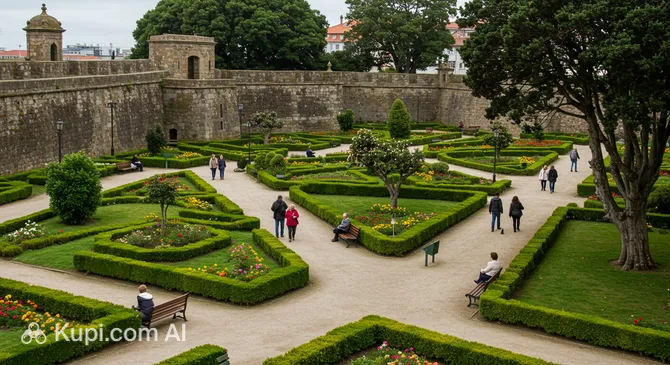
One of the most romantic and historically significant spots in the city is the San Carlos Garden. Located in the Old City on the site of a former defensive fortress, this walled garden is a peaceful haven filled with ancient elms and meticulously maintained flowerbeds. At its center lies the tomb of Sir John Moore, a British general who fell during the Battle of Elviña in 1809. The garden's elevated position offers spectacular views over the harbor, making it an ideal spot for a quiet walk or a moment of reflection.

San Carlos Garden. Source: Kupi.Binoculars

For a more expansive natural experience, Santa Margarita Park serves as the city's primary "green lung." This large urban park is perfect for families and nature lovers, featuring winding paths, picnic areas, and an open-air amphitheater. It is also a hub for scientific discovery, as it houses one of the city's key educational attractions. The park's hilltop location provides a refreshing escape from the city streets while remaining easily accessible.

A Coruña is often celebrated for its commitment to science and technology, best exemplified by the National Museum of Science and Technology (MUNCYT). Housed in the striking "Crystal Prism" building, this museum offers a fascinating journey through scientific progress. Its collection ranges from historical laboratory instruments to massive exhibits, including the nose section of a Boeing 747 "Lope de Vega," which visitors can actually enter. It is a must-visit for those curious about how technology has shaped our world.

National Museum of Science and Technology. Source: Kupi.Binoculars

Another cultural highlight is the Casa de las Ciencias and Planetarium, located within Santa Margarita Park. Housed in a charming 19th-century palacete, it was the first interactive science museum in public ownership in Spain. The museum encourages visitors to touch and experiment with the exhibits, while the planetarium offers immersive shows about the cosmos. For history enthusiasts, the Military History Museum is a compelling stop located in the Old City, just a short walk from the San Carlos Garden. It displays an extensive collection of weapons, uniforms, and models that narrate the region's strategic importance over the centuries.

For a unique perspective, locals often recommend a trip to Bens Park. Once a waste dump, this area has been transformed into a beautiful, vast recreational space with some of the best panoramic views of the city and the coastline. It is a testament to environmental recovery and a fantastic spot for watching the sunset away from the crowds.

Getting Around

To explore A Coruña comfortably, you will rely primarily on its extensive and efficient urban bus network. The city does not have a metro or tram system, but the distinctive red buses, operated by the Compañía de Tranvías, cover virtually every corner of the urban area, from the city center to the main beaches and outer neighborhoods. The buses are frequent, clean, and reliable, making them the most popular choice for both locals and visitors getting around town.

For payment, the simplest option for a single trip is to pay the driver directly in cash when you board; however, drivers typically only accept bills of up to 20 euros. The standard single ticket costs approximately €1.30. If you plan to use the bus frequently, it is highly recommended to download the Millennium Próxima app, which allows you to pay for trips using a QR code on your phone at a significantly reduced rate. Alternatively, you can purchase a rechargeable transport card at local tobacco shops (estancos) or specific kiosks, which also offers discounted fares and allows for free transfers between lines within a certain time window.

Operating hours for most bus lines generally run from 6:30 AM to around 11:00 PM. If you are enjoying the city's nightlife on a weekend or public holiday, you can make use of the "Búho" (Owl) night bus service, which operates during the early morning hours. When waiting at a stop, it is polite to wave at the driver to signal them to stop, and you should always enter through the front door and exit through the rear.

While the bus is convenient, A Coruña is also a very walkable city, and many tourists find that exploring on foot is the best way to see the sights. For faster alternatives, white taxis with a green light on the roof are plentiful and can be hailed on the street or found at designated ranks. For those who enjoy cycling, the city offers a public bike rental system called BiciCoruña. With many dedicated bike lanes, particularly along the extensive seafront promenade, renting an electric or mechanical bike is a fantastic way to enjoy the coastal views while moving between attractions.

A unique feature of the city's transport landscape that doubles as a tourist attraction is the Mount San Pedro Elevator (Ascensor Panorámico). This spherical glass lift climbs the steep cliffside from the promenade up to Mount San Pedro Park. While it serves a practical function by connecting the seafront to the hilltop park, the ride offers spectacular panoramic views of the Atlantic Ocean and the Tower of Hercules, making it a memorable experience in itself.

Accommodation

Where to Stay:

Accommodation in A Coruña caters to a wide spectrum of preferences and budgets, ranging from luxurious hotels with panoramic ocean views to budget-friendly hostels and modern vacation rentals. The city’s compact nature means that no matter where you choose to stay, you are likely to be within walking distance of major attractions, the beach, or the bustling tapas bars. Whether you prefer the charm of a historic building or the sleek amenities of a contemporary resort, the city offers plenty of comfortable bases for your Galician adventure.

When choosing a location, the area around the isthmus—where the city narrows between the port and the beaches—is particularly popular. Staying near Orzán or Riazor beaches is ideal for those who want to wake up to the sound of the Atlantic and enjoy immediate access to the promenade. Alternatively, the area surrounding Plaza de María Pita and the Old City (Ciudad Vieja) places you in the heart of the historic district, perfect for travelers who want to be steps away from monuments and traditional dining spots. The commercial center near Plaza de Lugo is another excellent choice, offering convenient access to high-end shopping and transport links.

For travelers looking for established comfort, the city boasts several reputable hotels. The Plaza Hotel is a well-known option located near the port, offering easy access to the shopping districts and the business center. Another excellent choice is Blue Coruña, a stylish hotel that combines modern design with a convenient location, making it a favorite for both leisure and business travelers seeking a sophisticated stay.

Plaza Hotel. Source: Kupi.Binoculars

In terms of pricing, A Coruña is generally more affordable than Spain's major capitals like Madrid or Barcelona. You can find decent mid-range hotels for approximately €70 to €120 per night, while luxury options may range higher, especially rooms with sea views. Budget travelers can find hostels or pensiones for significantly less. Booking is typically done via major online platforms, which offer the most competitive rates and flexibility.

Booking Tip: While it is often possible to find last-minute deals during the winter, the summer months—particularly July and August—are the peak tourist season. During this time, the city fills up with visitors enjoying the beaches and local festivals. It is highly recommended to book your accommodation at least a month in advance if you plan to travel in the summer to secure the best locations and prices.

Nearby Cities

For those looking to explore the surroundings, A Coruña serves as an excellent base for day trips to several interesting nearby locations. Just a short journey away lies the world-famous city of Santiago de Compostela, the final destination of the legendary Camino de Santiago pilgrimage route. Visitors are drawn to its magnificent cathedral and the medieval charm of its UNESCO-listed old town, making it an essential stop for anyone visiting Galicia.

Another compelling option is Lugo, known for being the only city in the world to be surrounded by completely intact Roman walls. Walking along the top of these ancient fortifications offers a unique perspective on the city's history and architecture. For those interested in maritime heritage, Ferrol is a fascinating port city with a rich naval tradition, featuring the historic Arsenal and the modernist Magdalena neighborhood, which showcases distinct Enlightenment-era architecture.

City Population Distance (km)
Santiago de Compostela 98179 55
Lugo 97613 80
Ferrol 64785 21
Narón 38938 23
Oleiros 37271 8

These nearby destinations offer a glimpse into the diverse culture and landscapes of the region.

Shopping & Souvenirs

Shopping in A Coruña is a delightful experience that ranges from wandering through historic pedestrian streets to exploring massive modern complexes. The city center acts as an open-air mall, particularly around the Obelisk and the Calle Real. This pedestrian-friendly artery, along with the parallel streets of San Andrés and Rúa Nueva, is lined with a mix of international fashion chains, traditional boutiques, and historic jewelry shops, allowing you to browse while admiring the city's modernist architecture.

For those who prefer having everything under one roof, Marineda City is an impressive destination. Located just outside the city center, it is one of the largest shopping and leisure complexes in Spain. It houses hundreds of stores, ranging from popular high-street brands to specialized retailers, along with a wide variety of dining options. It is a perfect spot for a full day of retail therapy, especially on rainy days.

Marineda City. Source: Kupi.Binoculars

Another key location for shoppers is El Corte Inglés Coruña. This well-known Spanish department store offers a curated selection of high-end fashion, electronics, and cosmetics. It is also an excellent place to find gourmet food products, making it a convenient stop for picking up high-quality local delicacies to take home.

El Corte Inglés Coruña. Source: Kupi.Binoculars

To truly understand the local lifestyle, a visit to the Mercado de la Plaza de Lugo is essential. While it is primarily a food market, it is famous for offering some of the best fresh seafood in the world. Walking through its stalls provides a visual feast of fish, shellfish, and local produce. It is the perfect place to buy vacuum-packed Galician cheeses or traditional preserves.

When looking for unique souvenirs, keep an eye out for Sargadelos ceramics. This iconic Galician porcelain, known for its geometric blue and white designs, is deeply rooted in the region's culture. Additionally, local food items such as empanada (savory pie), Tarta de Santiago (almond cake), and bottles of Albariño wine make for wonderful gifts that capture the flavor of A Coruña. Regarding opening hours, remember that many smaller shops close for a siesta between 1:30 PM and 5:00 PM, while major shopping centers remain open all day.

Reached the end of the page?

That means the route is fully explored