Support

Leon

About

Leon is a captivating destination in northwestern Spain that seamlessly blends ancient heritage with a vibrant modern atmosphere. As the capital of the Province of León, this city of approximately 122,000 inhabitants sits on the banks of the Bernesga River and has long served as a crucial stop for pilgrims walking the Camino de Santiago. Its compact size makes it perfect for exploring on foot, allowing visitors to fully immerse themselves in its architectural beauty and welcoming spirit.
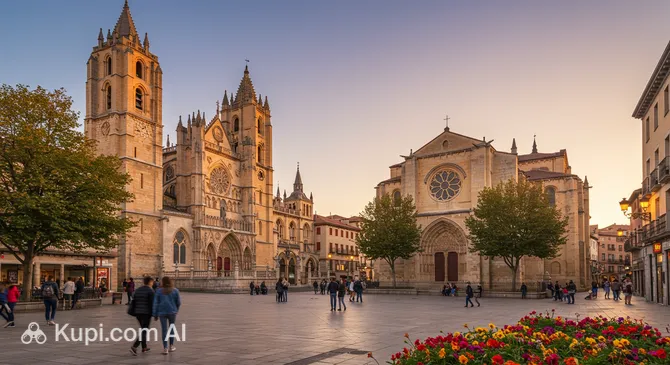
Leon. Source: Kupi.Binoculars

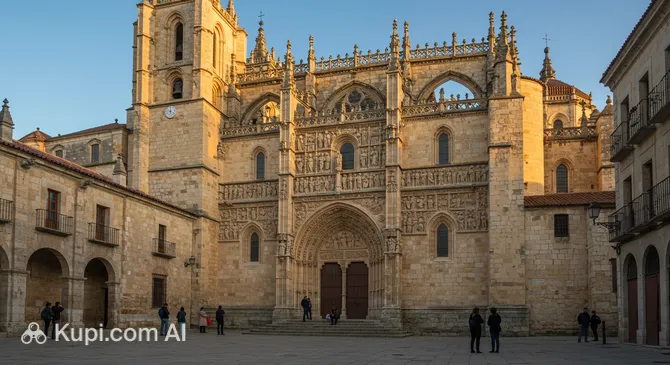
The history of Leon is deeply etched into its streets, originating as a Roman military encampment before becoming a powerful medieval kingdom. Today, the city is renowned for its architectural splendors, most notably the Santa María de León Cathedral. This masterpiece of Gothic architecture is famous worldwide for its spectacular stained-glass windows, which create a mesmerizing kaleidoscope of light within the sacred space. Another cultural treasure is the Basilica of San Isidoro, often referred to as the "Sistine Chapel of Romanesque art" due to its beautifully preserved royal pantheon frescoes.

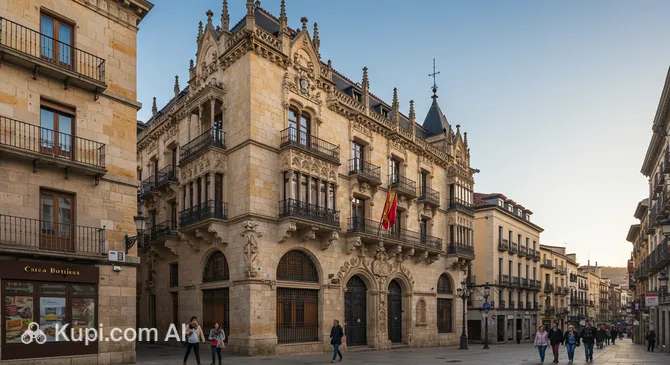
Beyond its ancient monuments, Leon offers a lively urban experience. Visitors can admire the Casa Botines, one of the few works by the legendary architect Antoni Gaudí located outside Catalonia, which adds a touch of modernist flair to the cityscape. To truly experience the local lifestyle, a visit to the Barrio Húmedo is essential. This historic quarter is famous for its high concentration of bars and restaurants where travelers can enjoy the city's celebrated tradition of complimentary tapas. Whether you are a history buff or a food enthusiast, Leon promises an unforgettable journey.
Weather Overview

Leon experiences a climate characterized by distinct seasonal changes, offering warm, dry summers and cool winters. The weather in Leon is generally pleasant for travelers, though packing layers is advisable depending on the time of year. Summer months, particularly July and August, are the warmest, with average highs reaching around 27°C and minimal rainfall, creating ideal conditions for outdoor exploration.

In contrast, winters are chilly, with January seeing average temperatures drop to approximately 3.7°C and nightly lows hovering near freezing. While the total volume of precipitation is relatively low, the frequency of wet days increases significantly during the cooler months and transitional seasons, peaking in April and November. Overall, you can expect warm summers with plenty of sunshine and cold winters with frequent, though usually light, rain.

Interesting Facts

Beyond the main attractions, Leon holds many fascinating secrets and historical claims to fame that often surprise visitors. From legendary relics to architectural oddities, here are some intriguing details about this Spanish city.
Casa Botines. Source: Kupi.Binoculars
  • The city is recognized by UNESCO as the "Cradle of Parliamentarism." In 1188, the Cortes of León were held here, marking the first time in European history that citizens were elected to participate in a parliament alongside the nobility and clergy.

  • Leon is home to a compelling candidate for the Holy Grail. The agate Chalice of Doña Urraca, kept in the Basilica of San Isidoro, has been identified by some researchers as the cup used by Jesus at the Last Supper.

  • The Casa Botines represents a rare architectural occurrence. It is one of only three buildings designed by the legendary Antoni Gaudí that stands outside of Catalonia, displaying a more reserved neo-Gothic style than his later works.

  • The León Cathedral is often called the "House of Light" because its walls were dematerialized to the absolute limit. This allowed for the installation of nearly 1,800 square meters of medieval stained glass, creating a spectacular luminous effect inside.

How to Get There

Reaching this historic destination is straightforward, with several transport options available to suit different itineraries. Whether you prefer the speed of air travel or the scenic route by train, the city is well-connected to the rest of the country. For a detailed overview of all available routes and tips, you can read more about how to get to Leon.

The most convenient entry point for air travelers is Leon Airport (LEN), located just 6.9 km from the city center. Although it is a smaller regional hub, its close proximity allows for a quick transfer, with a taxi or bus ride taking approximately 20 minutes. For those seeking more flight connections, Valladolid Airport (VLL) is a viable alternative situated in Valladolid, about 115.6 km away. The transfer from there by road typically takes around 1 hour and 30 minutes. Additionally, Asturias Airport (OVD) serves as another option roughly 113.7 km from Leon, handling a significantly larger volume of passenger traffic.

For clarity, here is a summary of the main airports:

Airport Name City Passenger Traffic Km from City
Bilbao AirportBilbaoLarge230.8
Asturias AirportAsturiasLarge113.7
Santander AirportSantanderMedium169.7
Valladolid AirportValladolidSmall115.6
Leon AirportLeonSmall6.9

Traveling by rail is often the preferred method for many visitors, as the city is served by the central León Railway Station (EEU). Located just 0.9 km from the heart of the city, this station is a major transport hub welcoming nearly a million passengers annually. Its central location means you can easily reach your hotel or the main attractions within minutes upon arrival.

Below is a list of railway stations in the wider region:

Station City Passenger Traffic Km to Center
Oviedo Railway StationOviedoLarge88.4
Gijón Railway StationGijonLarge104.7
León Railway StationLeonMedium0.9
Palencia Railway StationPalenciaMedium107.3
Zamora Railway StationZamoraSmall121.0

Main Attractions

Leon is a treasure trove of architectural wonders, where centuries of history are preserved in stone. The crown jewel is undoubtedly the León Cathedral, a masterpiece of French-style Gothic architecture. Known as the "House of Light," it is celebrated for its breathtaking collection of stained-glass windows, which cover nearly 1,800 square meters. Visitors are mesmerized by the ethereal kaleidoscope of colors that floods the interior, making it one of the most refined cathedrals in Europe.

Another essential stop is the Basilica of San Isidoro, a key site for Romanesque art. This historic complex houses the Royal Pantheon, the burial place of Leonese monarchs, which features exquisitely preserved 12th-century frescoes. Often called the "Sistine Chapel of the Romanesque," these paintings depict biblical scenes and offer a rare glimpse into medieval artistic expression, attracting art lovers and historians alike.

For a stunning example of the Spanish Renaissance, travelers should visit the Convent of San Marcos. Originally a hospital for pilgrims on the Camino de Santiago, this monumental building boasts a spectacular plateresque façade that stretches along the riverbank. Today, it serves as a luxury parador and a museum, allowing guests to admire its intricate cloisters and rich history up close.

Convent of San Marcos. Source: Kupi.Binoculars

Stepping away from ancient history, the Museum of Contemporary Art of Castilla y León (MUSAC) offers a striking contrast with its vibrant, multicolored glass façade. This award-winning building hosts a dynamic collection of 21st-century art, making it a cultural hub for modern creativity. It is a must-visit for those interested in avant-garde architecture and thought-provoking exhibitions.

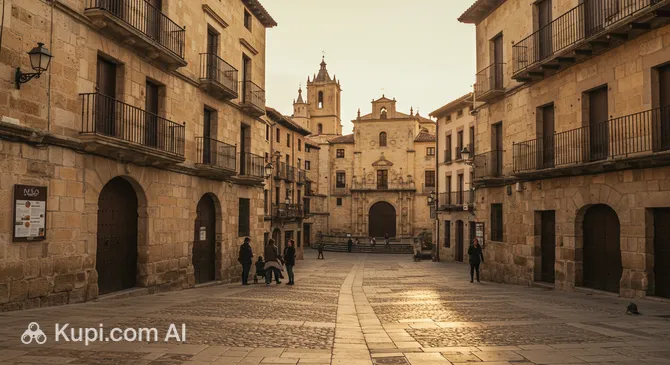
Finally, to experience the authentic atmosphere of the city, a walk through Plaza del Grano is highly recommended. This charming square retains its medieval character with cobblestone pavement and a classic fountain representing the confluence of two rivers. It is a peaceful spot to relax, enjoy the local ambiance, and appreciate the traditional architecture of the old town.

Plaza del Grano. Source: Kupi.Binoculars

Local Cuisine

The gastronomic scene in Leon is legendary throughout Spain, primarily defined by its generous and lively tapas culture. Unlike in many other cities, it is customary here for bars to serve a substantial, complimentary portion of food with every drink ordered. This tradition turns a simple evening walk into a culinary adventure known as el tapeo, where locals hop from one establishment to another, sampling a variety of miniature dishes. The heart of this activity is the famous Barrio Húmedo, a labyrinth of narrow streets packed with taverns, though the quieter Barrio Romántico offers an equally delightful but more relaxed experience.

When it comes to signature dishes, two local delicacies stand out above the rest. The first is Cecina de León, a cured, smoked beef that is often compared to ham but possesses a deeper, richer flavor and a distinct dark color. It is typically served in thin slices with a drizzle of olive oil. The second is the unique Morcilla de León. Unlike other Spanish blood sausages that contain rice, the Leonese version is made with onions and spices, resulting in a soft texture that is usually spread on crusty bread or eaten directly from the plate.

To accompany these hearty flavors, the region offers exceptional local wines. The province is famous for the Prieto Picudo grape variety, which produces vibrant rosés and intense reds under the Tierra de León designation. Visitors should also look for wines from the nearby Bierzo region, particularly those made from the Mencía grape. For a non-alcoholic option or a lighter drink, you might encounter locally produced lemonades, especially popular during festive seasons.

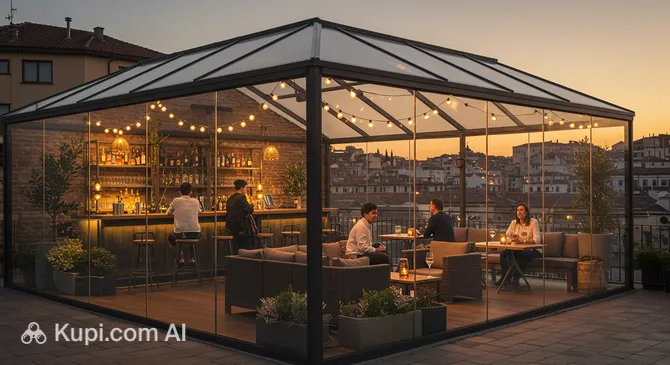
niMÚ Azotea. Source: Kupi.Binoculars

For those looking to experience the city's hospitality, there are excellent options ranging from traditional taverns to modern dining spots. You can enjoy a sophisticated atmosphere at El Romántico, a popular bar that captures the essence of the city's social life. If you prefer a meal with a stunning view, niMÚ Azotea offers a rooftop perspective of the city alongside creative cuisine. Alternatively, for a taste of authentic local cooking in a welcoming setting, Casa Blas is a wonderful choice to savor the true flavors of the province.

Travel Tips

Welcome to Leon! To ensure your visit to this historic Spanish gem is as smooth and enjoyable as possible, we have compiled a set of practical guidelines. These tips will help you navigate the local customs, manage your logistics, and blend in with the friendly locals while exploring the city's charming streets.

  1. Clothing and Gear: The climate in Leon varies significantly, so packing layers is essential. Winters can be quite cold, so bring a warm coat, scarf, and gloves, while summers are dry and hot, requiring lighter fabrics and sun protection. Since the historic center and the famous Barrio Húmedo are paved with cobblestones, comfortable walking shoes are a must. If you plan to visit religious sites like the Cathedral or the Basilica of San Isidoro, remember to dress modestly, covering your shoulders and knees.
  2. Transportation: The best way to explore Leon is on foot. The city center is compact, and most major attractions are within a short walking distance of each other. For longer distances, the city has a reliable network of red city buses, though you will likely rarely need them. Taxis are available at designated stands or via phone, but flagging them down on the street is less common. Unless you plan to explore the surrounding province, a rental car is unnecessary and can be a hassle due to parking restrictions in the old town.
  3. Finances: The local currency is the Euro (€). While credit and debit cards (Visa and Mastercard) are widely accepted in hotels, shops, and most restaurants, it is highly recommended to carry some cash. Small bills and coins are particularly useful when "tapas hopping" in traditional bars where card minimums might apply. Tipping is not mandatory but is appreciated; rounding up the bill or leaving some loose change is standard practice. ATMs are readily available throughout the city.
  4. Health and Safety: Leon is generally a very safe city for tourists, with low crime rates. However, as in any travel destination, keep an eye on your belongings in crowded areas. Pharmacies are easily identifiable by a flashing green cross; they are well-stocked, and there is always one on duty (farmacia de guardia) 24/7 for emergencies. The general emergency number for police, fire, or medical assistance is 112.
  5. Communication: The official language is Spanish. While staff in hotels and major tourist attractions often speak English, it may be less common in smaller, traditional tapas bars. Learning a few basic phrases like "Hola" (Hello), "Gracias" (Thank you), and "La cuenta, por favor" (The bill, please) goes a long way in establishing a friendly rapport. Free Wi-Fi is often available in public squares and cafes, and prepaid SIM cards can be purchased at mobile phone shops in the city center.
  6. Local Etiquette: Dining times in Spain are later than in many other countries. Lunch is typically served between 2:00 PM and 4:00 PM, and dinner often doesn't start until 9:00 PM or later. When greeting locals, a handshake is common, though friends often greet with two kisses on the cheeks. In tapas bars, it is customary to wait for the bartender to serve your complimentary tapa with your drink—don't be impatient, it's coming!
  7. What to Avoid: Do not expect to find full dinner menus available at 6:00 PM or 7:00 PM; most kitchens will be closed or only serving snacks. Also, avoid being overly loud inside churches, especially during mass. Finally, never reject the free tapa offered with your drink unless you have a dietary restriction, as it is a gesture of hospitality central to Leon's culture.
  8. Local Insight: To survive a night of tapas in Leon without getting too full or tipsy too quickly, order a "Corto" (a small draft beer) or a "Chato" (a small glass of wine) instead of a full pint or glass. This allows you to visit more bars and sample a wider variety of the city's famous free appetizers just like a local.

Armed with these practical tips, you are ready to experience the best of Leon with confidence and ease. Embrace the relaxed pace of life, enjoy the incredible hospitality, and make unforgettable memories in this beautiful corner of Spain.

Entertainment & Nightlife

Leon comes alive when the sun goes down, offering a vibrant nightlife scene that rivals much larger cities. The evening typically begins with the local tradition of tapas hopping, which seamlessly transitions into a night of drinks and socializing. The epicenter of this activity is the famous Barrio Húmedo, particularly around the Plaza de San Martín. This district is a maze of narrow medieval streets packed with bars, pubs, and taverns where the atmosphere is energetic and the crowds often spill out onto the cobblestones. It is the perfect place to start the night, hopping from one venue to another in true Spanish fashion.

For those seeking a slightly more sophisticated and relaxed ambiance, the Barrio Romántico near the Basilica of San Isidoro is an excellent alternative. Here, you will find stylish venues like El Romántico, a bar that perfectly embodies the charm of this district with its cozy decor and excellent selection of drinks. If you prefer a drink with a view, niMÚ Azotea is a must-visit spot located on the rooftop of a hotel. It offers spectacular panoramic views of the illuminated cathedral and the city skyline, making it a favorite for evening cocktails in a chic setting.

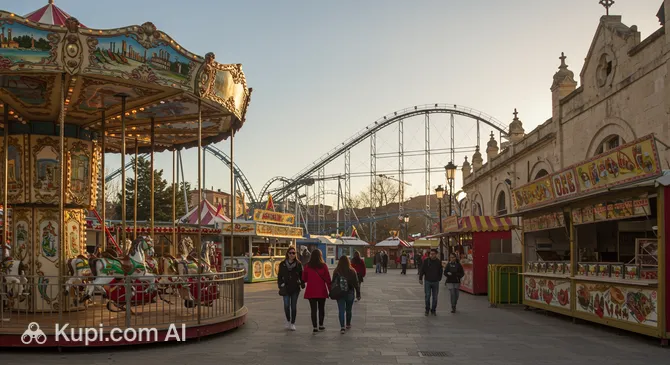
The city's nightlife is not just about eating and drinking; there are plenty of options for active entertainment as well. For a fun group experience, you can visit Furor Amarillo, an amusement center that offers hilarious physical challenges and games, perfect for kicking off a bachelor party or a fun weekend with friends. The dress code in Leon is generally casual but neat; locals tend to dress up slightly for the evening, so leaving the sportswear at the hotel is a good idea.

Furor Amarillo. Source: Kupi.Binoculars

Practical advice for enjoying Leon at night includes adjusting to the local schedule. The real nightlife doesn't kick off until late; bars start filling up around 10:00 PM, and clubs often don't get busy until well after midnight. Prices are generally affordable compared to Madrid or Barcelona, with beers and mixed drinks being reasonably priced. The city center is very safe for walking at night, but if you need to travel further, taxis are readily available and can be hailed on the street or found at designated ranks.

During the day, the entertainment options are equally diverse. Culture enthusiasts should not miss the Museum of León, which offers a deep dive into the region's rich history through archaeology and art. For those who enjoy shopping or catching a movie, Espacio León is a large modern shopping mall located just across the river. It features a wide range of international brands, a cinema complex, and various dining options, providing a perfect break from historical sightseeing.

Parks & Museums

Parks & Museums:

Leon offers a rich array of cultural institutions and green spaces that complement its architectural icons. Beyond the famous cathedral, the city invites visitors to explore its deep historical roots through well-curated museums and to relax in its charming urban parks.

One of the most significant cultural sites is the Museum of San Isidoro. Housed within the historic collegiate church complex, this museum preserves an invaluable collection of medieval art, including the legendary Chalice of Doña Urraca and a vast library of ancient manuscripts. It provides a comprehensive look at the Kingdom of León's spiritual and royal history, allowing guests to appreciate the artistic mastery of the era.

[IMAGE attraction id=161109]

For a broader perspective on the region's past, the Museum of León is the definitive choice. As the oldest and most complete museum in the province, it showcases artifacts ranging from the Paleolithic era to the modern age. The collection is housed in the impressive Pallarés building, where visitors can admire Roman mosaics, medieval sculpture, and numismatic treasures that narrate the city's evolution over centuries.

[IMAGE attraction id=165956]

To understand the city's origins as a Roman military camp, a visit to the Roman León Interpretation Centre – Puerta Castillo House is highly recommended. Located at the only remaining arch of the Roman wall, this center offers an educational journey through the life of the legions that founded the city. Visitors can even walk along a section of the ancient ramparts for a unique view of the surroundings.

Another historical gem is the Palace of the Count of Luna. This 14th-century building, with its distinct Gothic façade, serves as an exhibition center and the headquarters for the interpretation of the Kingdom of León's history. It is a fascinating stop for those interested in the noble families and political heritage of the area.

When it comes to outdoor relaxation, Candamia Park is a favorite among locals. Situated along the banks of the Torío River, this extensive green space offers walking trails, picnic areas, and a peaceful natural environment perfect for escaping the urban bustle. It is an ideal spot for a leisurely afternoon stroll or a bike ride in a scenic setting.

[IMAGE attraction id=134961]

Closer to the city center, the Cid Park, also known as the Garden of El Cid, provides a romantic and tranquil setting. With its well-kept flowerbeds, ancient trees, and central location, it is a lovely place to take a break while sightseeing. Nearby, the Plaza de la Inmaculada offers a more formal urban garden experience, surrounded by elegant architecture and often serving as a venue for local events.

Getting Around

Navigating Leon is remarkably straightforward, largely because the city is compact and pedestrian-friendly. For most visitors, the best way to explore the historic center is simply by walking, as the main attractions, including the Cathedral and the Barrio Húmedo, are clustered closely together within pedestrianized zones. However, for reaching the outer neighborhoods or the train station, the city offers an efficient and reliable public bus network operated by Alesa. These buses are easily recognizable by their bright red color and cover the entire urban area through approximately 13 different lines.

Since the city does not have a metro or tram system, the bus serves as the primary mode of public transit. For tourists planning to use the bus frequently, purchasing a travel pass is highly recommended over buying single tickets. While a single trip can be paid for in cash directly to the driver upon boarding, it is more economical to use a recharge card known as the "Bonobús." This card significantly reduces the cost per journey and can be shared between multiple people, making it an excellent option for families or groups.

Practicality is key when using the local transport system. You can purchase the Bonobús card and recharge it at various tobacconists (estancos) throughout the city, as they are not sold on board the buses. When boarding, always enter through the front door and validate your card on the reader next to the driver. The buses generally operate from around 7:00 AM to 10:30 PM, though frequencies may vary on weekends and holidays. It is advisable to check the specific timetables at the bus stops or via mobile navigation apps to minimize waiting times.

For those who prefer a more direct and private mode of transport, taxis are widely available and reasonably priced. Official taxis are white, usually displaying the city's coat of arms and a green light on the roof when they are free. You can easily find them at designated ranks at key locations like the railway station, bus station, and major plazas, or book one by phone. They operate 24 hours a day, providing a convenient alternative for late-night travel when the bus service has ended.

Cycling is another increasingly popular alternative, thanks to the city's relatively flat terrain. Leon offers a public bike-loan service called "León Bici," which allows users to borrow bicycles from various points across the city. Additionally, the city is connected to a historic narrow-gauge railway network (FEVE), which, while primarily for regional travel to the mountains, offers a charming and scenic way to exit the city limits for a day trip. During the peak summer season, visitors might also encounter a dedicated tourist train that offers a guided loop around the main monuments, providing a relaxed overview of the city's layout.

Accommodation

Finding the perfect place to stay in Leon is relatively easy, as the city offers a diverse range of accommodation options to suit every budget and travel style. As a key stop on the Camino de Santiago, the city is well-equipped with hospitality services, ranging from modest hostels designed for pilgrims to luxurious establishments housed in historic buildings. Whether you are looking for a quick stopover or a leisurely cultural immersion, you will find suitable lodgings that reflect the city's welcoming character.

For those who want to be in the heart of the action, the Old Town (Casco Antiguo) is the most popular area to stay. Booking a room here places you within walking distance of the major monuments and the vibrant tapas scene of the Barrio Húmedo. If you prefer a quieter environment with easier parking and modern amenities, the Ensanche district—the city's 19th-century expansion—is an excellent choice. Additionally, the area surrounding the railway station provides convenient access for travelers arriving by train, offering functional hotels just a short stroll from the historic center.

Travelers seeking a truly unique and luxurious experience should consider the city's famous Parador, which is located within the Convent of San Marcos. This Renaissance masterpiece functions as a high-end hotel, allowing guests to sleep within walls rich with history and art. For mid-range travelers, there are numerous boutique hotels and reliable chains scattered near the main plazas. Meanwhile, budget-conscious visitors and backpackers will find a high concentration of hostels (albergues) and guesthouses, particularly along the streets that follow the pilgrimage route through the city.

Regarding costs, Leon is generally more affordable than Spain's larger tourist hubs like Madrid or Barcelona. You can typically find excellent value for money across all categories, from budget dorms to premium suites. While it is usually possible to find a room on short notice, it is highly recommended to book in advance if you plan to visit during peak periods, such as the Easter Holy Week (Semana Santa) or the San Froilán festival in October, when the city fills up with visitors. Reservations can be easily made through major online platforms or directly with the establishments.

Nearby Cities

For those looking to explore the surroundings, Leon serves as an excellent base for day trips to several interesting nearby locations. The region offers a mix of coastal beauty, mountain landscapes, and historic towns that are easily accessible by road or rail.

One of the most rewarding excursions is to Oviedo, the capital of the neighboring Asturias region. Located just across the dramatic Cantabrian Mountains, this elegant city is renowned for its pristine historic center and UNESCO-listed pre-Romanesque churches. Visitors can enjoy the local cider culture and admire the Gothic San Salvador Cathedral. A little further north on the coast lies Gijon, a vibrant maritime city offering expansive sandy beaches, Roman baths, and a lively promenade that contrasts beautifully with Leon's inland charm.

Heading west towards Galicia, the town of Ponferrada makes for a fascinating visit. It is dominated by the spectacular Castillo de los Templarios, a massive fortress built by the Knights Templar that looks like it was plucked straight from a storybook. This town also serves as a gateway to the nearby Las Médulas, an ancient Roman gold mining landscape with striking red earth formations.

City Population Distance (km)
Gijon268,896104
Oviedo217,55288
Ponferrada63,74784
Pola de Siero51,79288

These nearby destinations offer a glimpse into the diverse culture and landscapes of the region, making them perfect additions to your itinerary.

Shopping & Souvenirs

Shopping:

Shopping in Leon offers a delightful mix of traditional charm and modern convenience, allowing visitors to take home a piece of the city's rich culture. The commercial heart of the city beats along Calle Ancha, a bustling pedestrian avenue that connects the Cathedral with the Casa Botines. This street and the surrounding Old Town alleys are lined with a variety of establishments, from historic family-run shops and fashion boutiques to stores selling handcrafted leather goods and ceramics, perfect for finding unique gifts.

For gastronomy enthusiasts, the city is a treasure trove of flavors. Local food products are among the most popular souvenirs, with Cecina de León (cured beef), spicy chorizo, and artisanal cheeses topping the list. Visitors should also look for traditional sweets like Mantecadas and Nicanores at the city's bakeries (confiterías). For a truly authentic experience, the traditional market held in the Plaza Mayor on Wednesdays and Saturdays is the ideal place to browse fresh regional produce and mingle with locals.

Those seeking a comprehensive retail experience with international brands will find excellent modern facilities just a short distance from the historic center. Espacio León is the city's largest shopping mall, located across the Bernesga River, offering a wide range of fashion stores, electronics, and leisure options. Another key destination is the Reino de León Shopping Center, which provides a variety of large retail outlets and practical services. Whether you are hunting for high-end fashion or delicious local delicacies, Leon provides a rewarding shopping experience for every taste.

Espacio León. Source: Kupi.Binoculars

Reached the end of the page?

That means the route is fully explored