Support

Spain

About the Country

Spain, located on the Iberian Peninsula in southwestern Europe, is a destination that captivates visitors with its passionate spirit, diverse landscapes, and rich heritage. From sun-drenched beaches along the Mediterranean coast to rugged mountain ranges, the country offers a stunning variety of natural beauty. At the heart of the nation lies the capital, Madrid, a vibrant metropolis known for its grand boulevards, world-class museums, and lively plazas that reflect the country's energetic lifestyle.
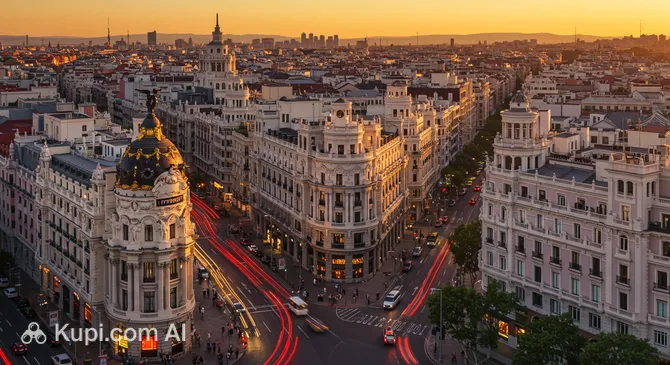
Madrid. Source: Kupi.Binoculars

The country's history is a fascinating tapestry woven from centuries of different cultures, leaving behind an impressive architectural legacy. Travelers can explore ancient Roman ruins, majestic Islamic palaces, and Gothic cathedrals all within the same trip. For instance, the coastal city of Barcelona is famous for its unique modernist architecture, including the iconic Basilica of the Sagrada Familia. Beyond the sights, Spain is celebrated for its relaxed pace of life, delicious cuisine, and the warm hospitality of its people, making it an unforgettable getaway for any traveler.
Currency rates

The official currency of Spain is the Euro (€). As a member of the Eurozone, the country offers a seamless financial experience for travelers arriving from other European nations that use the same currency. For those visiting from outside the zone, exchanging money is straightforward and can be done at airports, banks, or authorized exchange bureaus.

Credit and debit cards, particularly Visa and Mastercard, are widely accepted throughout the country. In major destinations and cities like Madrid, you can pay with a card in almost all hotels, restaurants, and shops. Contactless payments are the norm, making transactions quick and convenient.

Despite the prevalence of digital payments, it is advisable to carry some cash. Small amounts are often useful for purchases in local markets, small cafés, or when traveling to more remote villages where card terminals might not be available. ATMs are plentiful, allowing you to withdraw cash easily using international cards.

EUR currency exchange rate as of 02.01.2026

4.34 AED
~ 1 EUR
450.31 AMD
~ 1 EUR
1.77 AUD
~ 1 EUR
2.01 AZN
~ 1 EUR
3.47 BYN
~ 1 EUR
1.62 CAD
~ 1 EUR
1 GBP
~ 1.14 EUR
386.26 HUF
~ 1 EUR
106.24 INR
~ 1 EUR
103.23 KGS
~ 1 EUR
1704.93 KRW
~ 1 EUR
598.98 KZT
~ 1 EUR
4.24 PLN
~ 1 EUR
93.10 RUB
~ 1 EUR
4.43 SAR
~ 1 EUR
1.52 SGD
~ 1 EUR
50.70 TRY
~ 1 EUR
49.93 UAH
~ 1 EUR
1.18 USD
~ 1 EUR
14181.45 UZS
~ 1 EUR

Currency

The official currency of Spain is the Euro (EUR). While the colorful banknotes are identical across all Eurozone nations, featuring architectural styles ranging from Classical to Modern, the coins hold a special local character. The Spanish-minted coins display unique designs on their national side, depicting significant cultural icons such as the famous writer Miguel de Cervantes, the majestic Cathedral of Santiago de Compostela, or the effigy of the King.

Managing your money in Spain is generally very convenient for travelers. Credit and debit cards, particularly Visa and Mastercard, are widely accepted in hotels, restaurants, and shops, with contactless payments being the standard. However, it is advisable to carry some cash for small purchases in kiosks, local markets, or rural areas. For the best exchange rates, utilizing ATMs (known as cajeros automáticos) to withdraw funds is usually preferable to using currency exchange booths at airports or tourist centers, which often charge higher commissions.

Visa Requirements

Entry requirements for Spain vary depending on your nationality. As the country is part of the Schengen Area, citizens of EU and EEA countries can enter freely with a valid national ID card or passport. Travelers from many other regions, including the USA, Canada, and Australia, often enjoy visa-free access for short stays of up to 90 days. However, tourists from countries without a visa-waiver agreement must obtain a Schengen tourist visa before their trip. This process typically involves submitting an application at a Spanish embassy, consulate, or an authorized visa application center in your home country.

Regardless of your visa status, border officials may request standard documentation upon arrival. This usually includes a valid passport with an expiration date extending at least three months beyond your intended stay, proof of accommodation such as a hotel booking, return tickets, and medical travel insurance. Because immigration regulations can change, it is essential to check the most up-to-date information on the official website of the Spanish diplomatic mission or consulate in your region before you travel.

We'll tell you if you need a visa

Specify where you are going, or
Your citizenship
Destination

Time Zones

Spain operates across two time zones, a geographical quirk that travelers should be aware of, especially when visiting the islands. The vast majority of the country, including the entire peninsula and the Balearic Islands, follows Central European Time (CET). This standard time applies to major cities and the capital, Madrid. Like most of Europe, Spain observes Daylight Saving Time, advancing clocks by one hour during the summer months.

The notable exception is the Canary Islands, an archipelago located off the northwest coast of Africa. This region uses Western European Time (WET), which places it exactly one hour behind the rest of the country. If your itinerary involves travel between the mainland and the Canary Islands, it is essential to adjust your watch to ensure you stay on schedule for flights and activities.

How to Get There

Reaching Spain is remarkably easy thanks to its extensive network of transport connections. The most common way to arrive is by air, with major international gateways located in the country's largest cities. The capital's primary hub, Adolfo Suárez Madrid-Barajas Airport, serves as a crucial link for flights arriving from the Americas, the Middle East, and Asia, while Barcelona-El Prat Airport handles a vast number of connections from across Europe and beyond.

For those traveling from neighboring countries, ground transport offers a scenic and efficient alternative. High-speed trains connect major Spanish cities with destinations in France, such as Paris, Lyon, and Marseille, making rail travel a comfortable option. Additionally, an extensive network of buses and well-maintained highways facilitates easy entry from Portugal and France. Sea travel is also popular, with ferries operating frequent routes from the UK, Italy, and North Africa, as well as cruise ships docking at ports like Malaga Airport's host city. Regardless of your chosen method, it is highly recommended to book tickets well in advance, particularly if you plan to visit during the busy summer season.

For clarity, here is a summary of the main airports:

Airport Name City Passenger Traffic
Adolfo Suárez Madrid-Barajas Airport Madrid Very High
Barcelona-El Prat Airport Barcelona High
Palma de Mallorca Airport Palma High
Malaga Airport Malaga Medium
Alicante-Elche Airport Alicante Medium

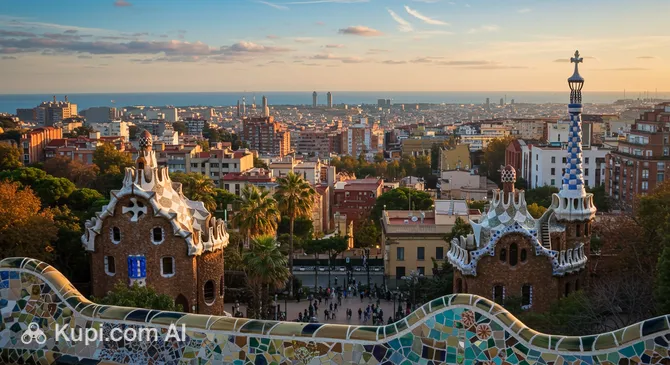
Spain boasts an incredible variety of destinations, ranging from dynamic urban centers to idyllic island escapes, ensuring there is something for every type of traveler. The coastal metropolis of Barcelona is a top choice for many, captivating visitors with its whimsical modernist architecture, bustling markets, and vibrant city beaches. Further south, the historic streets of Seville offer a deep dive into Andalusian culture, famous for its flamenco rhythms, the stunning Alcázar complex, and its immense Gothic cathedral.

Barcelona. Source: Kupi.Binoculars

For those seeking sun and sea, the country's resorts and islands are world-renowned. The island of Ibiza attracts tourists globally, offering a unique mix of legendary nightlife and serene, turquoise coves perfect for relaxation. On the mainland, Malaga serves as the cultural and transport hub of the Costa del Sol, blending ancient history with modern seaside amenities, making it a perfect spot for both history buffs and beachgoers.

Top Attractions

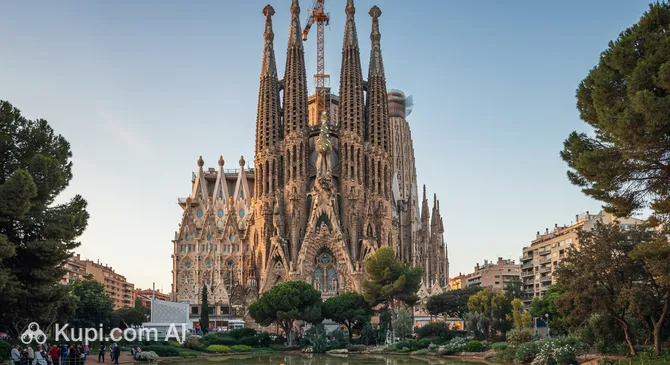
Spain is a treasure trove of cultural landmarks and architectural masterpieces that captivate travelers from around the globe. One of the most iconic sites is the Basilica of the Sagrada Familia in Barcelona. Designed by the visionary architect Antoni Gaudí, this unfinished church is renowned for its intricate facades and towering spires that dominate the city skyline, making it a must-see for art and history enthusiasts alike.

Basilica of the Sagrada Familia. Source: Kupi.Binoculars

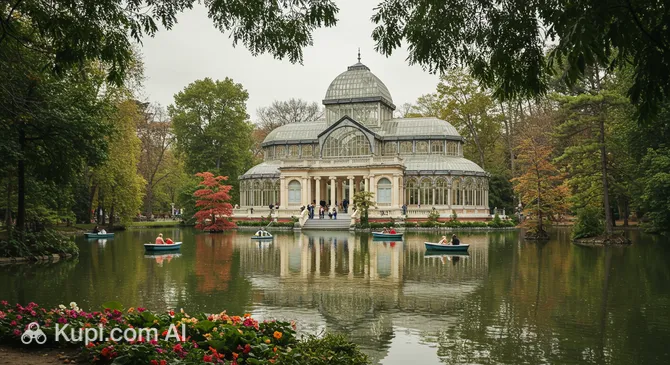
In the heart of the capital, visitors can escape the urban bustle at Retiro Park. This vast green oasis is perfect for a leisurely stroll, a boat ride on its central lake, or simply admiring the elegant Crystal Palace. It serves as a beloved gathering spot for locals and tourists, offering a peaceful retreat amidst the vibrant energy of Madrid.

Retiro Park. Source: Kupi.Binoculars

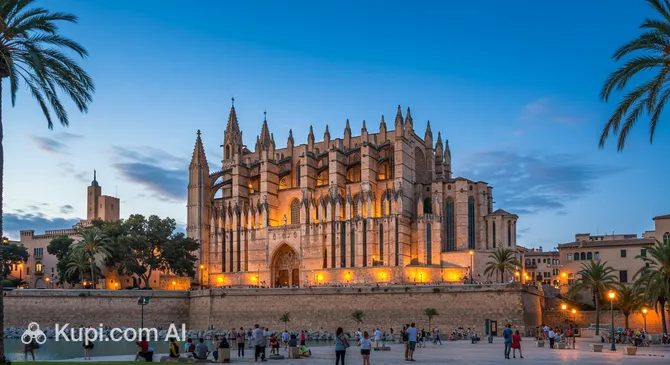
For those exploring the islands, the Cathedral of Santa Maria of Palma, often referred to as La Seu, is a breathtaking sight. Located in Palma de Mallorca, this massive Gothic cathedral overlooks the sea and impresses with its enormous rose window and stunning interior light effects. It stands as a testament to the region's rich historical and religious heritage.

Cathedral of Santa Maria of Palma. Source: Kupi.Binoculars

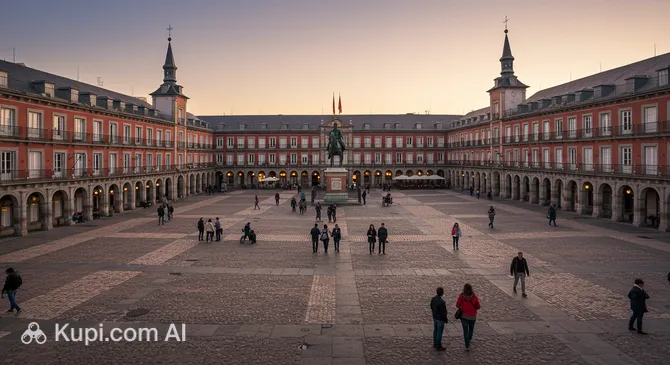
Back on the mainland, no trip is complete without visiting the historic Plaza Mayor. This grand rectangular square in Madrid, surrounded by residential buildings with hundreds of balconies facing the center, has been the scene of markets and royal events for centuries. Today, it remains a lively hub filled with artists, traditional shops, and cafes where you can soak up the authentic Spanish atmosphere.

Plaza Mayor. Source: Kupi.Binoculars

Best Time to Visit

The high season in Spain typically spans from late June to August, coinciding with the warmest summer months. This is the prime time for sun-seekers to flock to the coastal resorts and islands, where the weather is consistently hot and sunny, ideal for swimming and enjoying the vibrant nightlife. While this period guarantees the best conditions for beach holidays, it also brings larger crowds and higher prices for flights and accommodation. Travelers should also note that inland cities can become intensely hot during mid-summer, which might make exploring urban attractions less comfortable during the peak afternoon hours.

The low season generally falls between November and February, offering a much quieter and more budget-friendly experience. While the weather turns cooler and wetter, particularly in the north and central regions, this is an excellent time to visit museums and cultural landmarks without the long queues. Winter also presents unique opportunities, such as skiing in the Sierra Nevada mountains near Granada. The shoulder seasons of spring and autumn are often considered the sweet spot for travel, boasting mild temperatures and hosting major cultural events like the spectacular Semana Santa (Holy Week) processions and colorful local ferias.

Because the country is geographically diverse, the climate can vary significantly from one region to another. The northern coast, often called "Green Spain," tends to be mild and rainy, while the south is known for its dry, intense heat. A notable exception is the archipelago including Las Palmas in the Canary Islands, which enjoys a subtropical climate with warm "eternal spring" weather year-round. Therefore, it is highly advisable to check the specific forecast for your destination, as conditions in the mountains can differ vastly from those on the Mediterranean coast.

Traditions

Social interaction in Spain is characterized by warmth and expressiveness. When meeting someone new, a firm handshake is standard, but do not be surprised if locals greet you with two kisses on the cheeks—starting with the right—once a connection is established. Maintaining direct eye contact is considered a sign of sincerity and respect during conversation. Spaniards are incredibly hospitable, and if you are invited to a local's home, it is polite to bring a small gift, such as a bottle of wine, chocolates, or flowers, to show your appreciation for their generosity.

Dining is a central part of the culture and often stretches for hours. Travelers should be prepared for late dining times, with lunch typically served around 2:00 PM and dinner rarely starting before 9:00 PM. A cherished tradition is the sobremesa, the leisurely period after a meal devoted to conversation and relaxing at the table. Regarding attire, while casual wear is common, it is important to dress modestly when visiting churches or religious sites by covering your shoulders and knees. Additionally, wearing swimwear is strictly reserved for the beach or pool areas and is considered inappropriate in city centers, restaurants, or shops.

The country comes alive during its festivals, with Semana Santa (Holy Week) standing out as a deeply moving spectacle of religious processions held nationwide. To truly embrace the local lifestyle, try to adapt to a more relaxed pace; showing visible impatience or rushing others is often seen as rude. Be aware that in many smaller towns, shops may close in the afternoon for the traditional siesta, so it is wise to check opening hours. Finally, Spaniards often speak loudly and passionately, which should be interpreted as engagement and friendliness rather than aggression.

Entertainment

Spain offers a diverse landscape that is perfect for active recreation and sports. The country's extensive coastline is a haven for water sports enthusiasts, providing excellent opportunities for surfing, sailing, and diving, particularly around the islands. Hikers can explore scenic trails ranging from the dramatic peaks of the Pyrenees to the unique rock formations of Monserrat. Winter sports are also surprisingly accessible; the Sierra Nevada mountains near Granada allow visitors to enjoy skiing and snowboarding just a short drive from the Mediterranean coast.

For those seeking cultural entertainment, the options are deeply rooted in tradition. Cities like Seville are famous for their intimate venues where travelers can experience the passionate art of flamenco. The country's nightlife is equally legendary, catering to every taste from relaxed evenings in local tapas bars to high-energy parties. The island of Ibiza is globally renowned for its vibrant club scene and world-class DJ sets, making it a magnet for night owls seeking an unforgettable atmosphere.

Shopping is another highlight, offering everything from high-end fashion in modern malls to unique artisanal crafts in bustling street markets. Visitors often take home quality leather goods, colorful ceramics, and gourmet food items like olive oil and saffron. For families, the country provides fantastic amenities, including expansive water parks in resort areas like Las Palmas and thrilling theme parks near Tarragona, ensuring that travelers of all ages have a memorable vacation.

Reached the end of the page?

That means the route is fully explored