Support

Croatia

About the Country

Croatia is a remarkable country, located at the crossroads of Central and South-Eastern Europe and bordered by the crystalline waters of the Adriatic Sea. Its uniqueness is largely defined by a stunningly picturesque coastline with over a thousand islands, each possessing its own distinct charm. This nation offers a perfect blend of sun-drenched beaches, turquoise seas, and rich cultural heritage, making it one of the most appealing destinations in Europe.

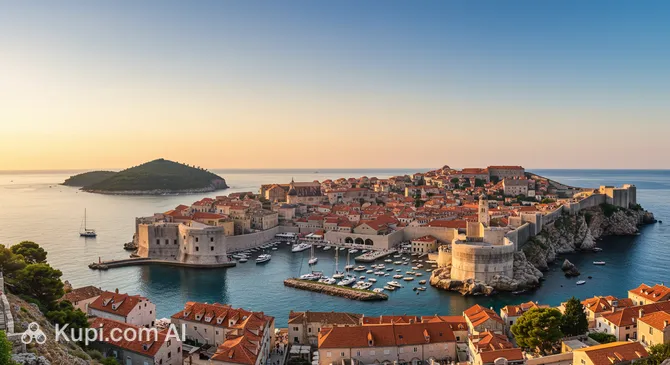
Croatia's history has left a profound mark on its architecture and culture. Travellers can explore ancient Roman ruins, wander through the narrow streets of medieval towns like the famous Dubrovnik, encircled by mighty fortress walls, or immerse themselves in the vibrant atmosphere of the capital, Zagreb, with its elegant architecture and numerous museums. Every corner of the country breathes history, offering guests a fascinating journey through time.
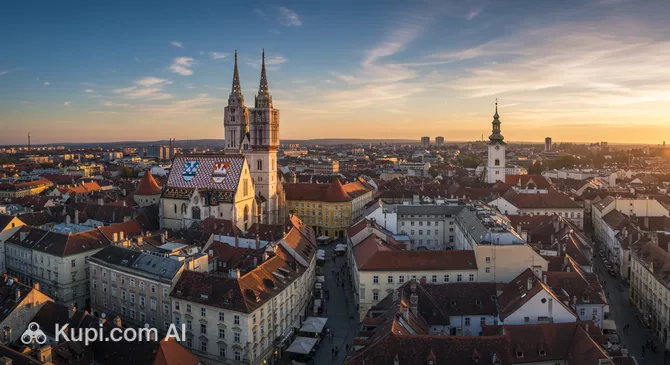
Zagreb. Source: Kupi.com Binoculars

Beyond its impressive coastline and historic cities, Croatia is renowned for its breathtaking nature. Here you can find magnificent national parks with cascading waterfalls, dense forests, and mountain ranges ideal for hiking. A visit to iconic sites such as Diocletian's Palace in Split, a UNESCO World Heritage site, is a must. The Mediterranean climate ensures long, sunny days, while the hospitality of the local people creates a warm and friendly atmosphere. For Muslim travellers, major cities like Zagreb and Rijeka have Islamic centres and mosques, and a growing number of restaurants offer halal food options, making a holiday in Croatia truly unforgettable.
Currency

As of 1 January 2023, the official currency of Croatia is the euro (EUR), which has replaced the Croatian kuna (HRK). If you have any kuna from previous trips, note that commercial banks and post offices stopped exchanging them at the end of 2023. As of 2024, the only place to exchange old kuna banknotes is at the Croatian National Bank in Zagreb. Euro banknotes are identical across all Eurozone countries, but the coins feature a national design on one side. Croatian euro coins are decorated with distinctive symbols: the 2-euro coin displays a map of Croatia, the 1-euro coin shows a marten ("kuna" in Croatian, a nod to the former currency), the 50, 20, and 10-cent coins feature a portrait of the inventor Nikola Tesla, and the 5, 2, and 1-cent coins are inscribed with Glagolitic script, one of the oldest Slavic alphabets.

For travellers from the UAE looking to exchange UAE Dirhams (AED) for euros, it is best to use banks or official exchange offices (known as mjenjačnica), which are widely available in cities and tourist centres. It is advisable to avoid exchanging money at airports or with street vendors, as they may offer less favourable rates or have hidden fees. Credit and debit cards, such as Visa and Mastercard, are widely accepted in most hotels, restaurants, and larger shops, particularly in tourist areas. However, it is always a good idea to carry some cash for smaller purchases at local markets, in small cafés, or when travelling to more remote parts of the country.

Visa Requirements

When planning a trip to Croatia, it's important to understand the visa requirements in advance. As Croatia is a member of the European Union and the Schengen Area, UAE citizens can enjoy visa-free entry for tourism or business purposes. This allows for a stay of up to 90 days within any 180-day period. However, UAE residents who hold passports from other countries may need to apply for a Schengen visa. This visa must be arranged beforehand through the Croatian consulate or an accredited visa application centre in the UAE.

Regardless of your visa status, a valid passport is mandatory for entry into Croatia. Your passport must be valid for at least three months beyond your planned departure date from the Schengen Area and have at least two blank pages. It is also highly recommended that you carry proof of accommodation, return flight tickets, and a travel medical insurance policy that is valid across the Schengen Area with a minimum coverage of €30,000. As visa rules can change, we strongly advise checking the most current information on the official website of the Croatian Ministry of Foreign and European Affairs or with the Croatian consular authorities in the UAE before travelling.

We'll tell you if you need a visa

Specify where you are going, or
Your citizenship
Destination

Time Zones

When planning a trip to Croatia, you will not need to worry about changing time zones within the country. The entire territory of Croatia is in a single time zone. Its standard time is Central European Time (CET), which is UTC+1. For travellers from the UAE, this means Croatia is three hours behind UAE time (GST, UTC+4) during the winter months.

Like many European countries, Croatia observes daylight saving time, moving its clocks forward by one hour in the summer. During this period, the country follows Central European Summer Time (CEST), which is UTC+2. The switch to summer time occurs on the last Sunday of March, with the clocks moving back to standard time on the last Sunday of October. Consequently, the time difference with the UAE is reduced to two hours during the summer.

How to Get There

There are several ways to reach Croatia, the pearl of the Adriatic, with the most popular and fastest option for travellers from the UAE being by air. From the UAE, you can find direct and convenient connecting flights to Croatia's main international airports. flydubai operates direct flights to cities like Zagreb and, seasonally, to Dubrovnik. Other major carriers such as Emirates, Etihad Airways, and Turkish Airlines offer convenient one-stop flights to Croatia, connecting through their respective hubs. The country's primary international gateway is the airport in Zagreb, the capital. During the summer season, the number of available flights increases significantly with more routes to coastal cities.

Thanks to its location in Central Europe, Croatia is also accessible by ground transport. Regular international train and bus routes connect Croatia with neighbouring countries like Slovenia, Hungary, Serbia, and Bosnia and Herzegovina, as well as with other European nations. This is an excellent choice for those who are planning a multi-country European tour. Furthermore, given its extensive coastline and numerous islands, sea transport plays a vital role. International ferry lines connect Croatian ports (such as Split, Dubrovnik, and Rijeka) with Italy, and many Mediterranean cruises include stops in Croatia.

Regardless of your chosen mode of transport, it is advisable to plan your trip and book tickets well in advance, especially if you are travelling during the peak tourist season (July–August). During this period, demand for transport and accommodation rises sharply. Early booking will not only help you save money but also ensure you secure the most convenient flights and routes.

For your reference, here is a summary of the main airports:

Airport Name City Passenger Traffic
Zagreb International AirportZagrebMajor
Split AirportSplitMajor
Dubrovnik AirportDubrovnikMajor
Zadar AirportZadarMinor
Pula AirportPulaMinor

Croatia is renowned for its diverse cities and resorts, attracting travellers from all over the world. From ancient port cities with a rich history to modern resorts with magnificent beaches on the Adriatic Sea, there is something here for everyone to enjoy. The coast is dotted with picturesque towns, while the country's continental part offers its own unique discoveries.

Dubrovnik. Source: Kupi.com Binoculars

Among the most popular destinations, Dubrovnik undoubtedly stands out, known as the 'Pearl of the Adriatic'. Its impressive medieval walls and Old Town, a UNESCO World Heritage site, are captivating from the first glance. No less attractive is Split, the heart of which is the magnificent Diocletian's Palace, where ancient history blends harmoniously with modern life. Fans of Roman antiquity will also appreciate Pula with its grand and well-preserved amphitheatre.

The nation's capital, Zagreb, offers visitors a rich cultural programme, charming streets in the Upper Town, numerous museums and a lively atmosphere. For those seeking a more secluded and romantic coastal getaway, Rovinj is ideal – an incredibly photogenic town on the Istrian peninsula with its narrow cobbled streets and colourful houses crowded by the water's edge. Meanwhile, the elegant resort of Opatija, with its luxurious Austro-Hungarian era villas and well-kept promenades, promises an unforgettable experience for lovers of a peaceful and refined holiday.

For travellers from the UAE, Croatia is an increasingly welcoming and Muslim-friendly destination. Halal food options can be found in the larger cities, including Zagreb, Split, and Dubrovnik, with some restaurants offering certified meals. The coastal regions also provide an abundance of fresh seafood and vegetarian dishes. Prayer facilities are available across the country; Zagreb is home to the largest mosque in Croatia, an impressive Islamic Centre that was constructed with a significant donation from the Emir of Sharjah. Islamic centres and prayer rooms can also be found in other cities, including Dubrovnik and Split.

Top Attractions

Croatia is a country of rich history and culture, offering travellers a wealth of amazing places to discover. Among them are several standout attractions that are essential for truly experiencing the spirit of the country.

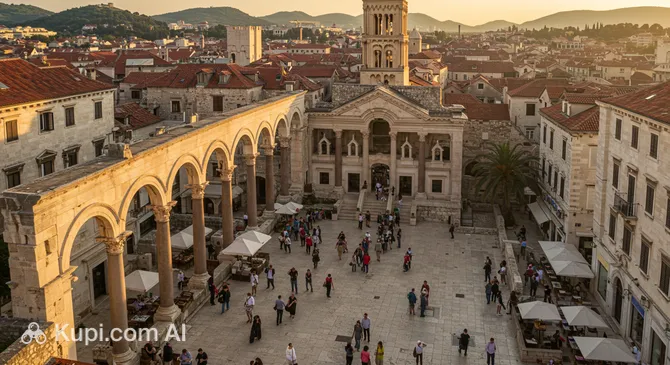
One of Croatia's most famous jewels is the Diocletian's Palace in Split. This grand complex, built by the Roman emperor Diocletian in the 4th century, is now the heart of the city. Within its walls, ancient ruins, medieval buildings, and vibrant modern life intertwine, with numerous cafés, shops, and homes. A walk through its narrow streets is a true journey through time, and the city's lively centre offers a variety of international cuisines, including halal-friendly options.

Diocletian's Palace. Source: Kupi.com Binoculars

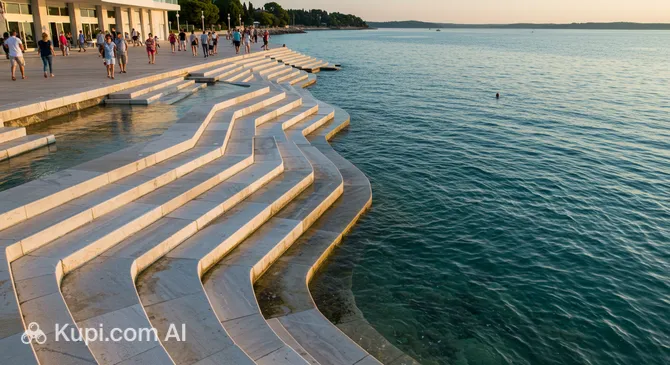
In Zadar, you will find a unique architectural and musical installation – the Sea Organ. This system of pipes and whistles, built into the waterfront, transforms the energy of the sea waves into incredible melodies. The sounds created by the sea produce a unique atmosphere, especially at sunset, when you can enjoy not only the music but also the stunning view of the Adriatic Sea.

Sea Organ. Source: Kupi.com Binoculars

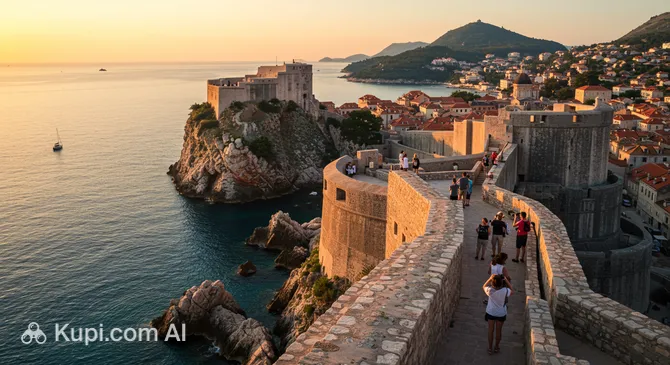
If you find yourself in Dubrovnik, a visit to Fort Lovrijenac is a must. This majestic fortress, perched on a 37-metre-high cliff above the sea, is known as "Dubrovnik's Gibraltar". The fort played a key role in the city's defence and is now a popular tourist spot offering breathtaking panoramas of the Old Town and the Adriatic. It often hosts theatrical performances, including those for the famous Summer Festival.

Fort Lovrijenac. Source: Kupi.com Binoculars

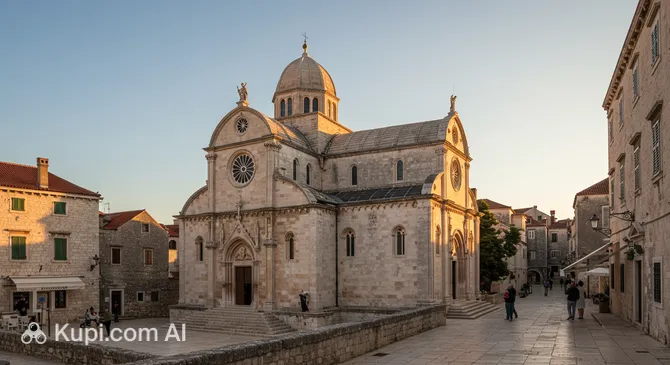
Not to be overlooked is the Cathedral of St. James in Šibenik, a UNESCO World Heritage site. This unique cathedral is built entirely of stone, without the use of any binding materials. Its architecture combines Gothic and Renaissance elements, and the famous frieze of 71 sculpted heads on the apse depicts contemporaries of its architect, Juraj Dalmatinac. As this is an active place of worship, visitors are kindly requested to dress modestly, ensuring shoulders and knees are covered.

Cathedral of St. James. Source: Kupi.com Binoculars

Best Time to Visit

Croatia offers a delightful variety of climates, making the best time to visit dependent on your personal preferences. A direct flight from the UAE is available, with a flight time of around six to seven hours, making it a convenient European getaway.

High season traditionally falls during the summer months from June to August. This is when the Adriatic coast enjoys pleasantly hot and sunny weather, perfect for beach holidays, swimming, and water sports. Air temperatures often rise above +30°C, and the sea warms up to a comfortable +24-26°C. The advantages of this period are clear – the maximum number of sunny days and a fully developed tourist infrastructure. However, you should be prepared for a large influx of tourists and, consequently, higher prices for accommodation and services.

The shoulder seasons of spring (April-May) and autumn (September-October) are also an excellent time to visit Croatia. The weather during these months is typically mild and pleasant, with daytime temperatures around +15-25°C. This is the ideal time for sightseeing, hiking in national parks like Plitvice Lakes or Krka, and exploring cities such as Dubrovnik or Split without the intense heat and crowds. Prices are generally lower during this period, and there are noticeably fewer tourists. On the downside, the weather can be more unpredictable, especially in early spring and late autumn, and some tourist facilities, particularly on the islands, may have reduced operating hours or be closed. Summer in Croatia hosts numerous festivals, such as the Dubrovnik Summer Festival or music festivals in Pula and Split, which can be an additional reason for your trip. The country's climate varies: the coast has a Mediterranean climate, while the continental part, including Zagreb, has a temperate continental climate, so it is wise to check the forecast for your specific region before travelling.

For Muslim travellers, larger cities like Zagreb, Rijeka, and Split have Islamic centres and mosques. Halal food options, particularly kebab shops and some restaurants, can also be found in major tourist areas.

Traditions

Croatians are renowned for their warmth and hospitality, so you should not be surprised by the genuine friendliness of the local people. When meeting someone for the first time, a handshake is the customary greeting. Maintaining direct eye contact is important as it is considered a sign of respect and sincerity. If you are invited to someone's home, it is considered good etiquette to bring a small gift for your hosts, such as flowers, a box of chocolates, or pastries. In conversation, Croatians are generally friendly and open, but they value politeness and tact. It is advisable to avoid discussing sensitive political topics, particularly those concerning the region's recent history, to prevent any discomfort.

When visiting religious sites in Croatia, such as churches and monasteries, it is important to adhere to the dress code: clothing should cover your shoulders and knees. In daily life, particularly in resort towns and cities, there are no strict rules. However, it is considered impolite to wear swimwear away from the beach or to dress in overly revealing clothing in public places. General European dining etiquette is observed; if you are a guest in someone's home, you should wait for the host to begin the meal before you start eating. Punctuality is highly valued by Croatians. One of the most significant national holidays is Statehood Day (Dan državnosti), which is celebrated on 30 May with official ceremonies held across the country. By showing respect for local customs, you will not only avoid any awkwardness but also gain a deeper understanding of the culture of this beautiful country, making your journey even more pleasant.

Entertainment

Croatia offers its guests a wonderful variety of entertainment to suit a wide range of tastes and interests. From outdoor activities to immersing yourself in a rich culture and vibrant evening scene, everyone will find something for themselves when planning an unforgettable trip.

Fans of outdoor activities will appreciate the opportunities for hiking along picturesque mountain trails, diving in the crystal-clear waters of the Adriatic Sea, sailing, and a host of other water sports along the indented coastline. In winter, you can even go skiing in some regions of the country. For connoisseurs of cultural entertainment, Croatia opens the doors to numerous museums, ancient historical monuments, art galleries, as well as theatres and concert venues, which are particularly active in cities like Zagreb or Dubrovnik.

As evening falls, coastal resorts and major cities come alive, offering a diverse nightlife: from cosy bars with live music and beach parties to energetic clubs and elegant restaurants. For dining, many establishments in larger cities cater to various dietary requirements, including providing halal options. Shopping in Croatia is not just an opportunity to visit modern shopping centres, but also a chance to bring home authentic souvenirs, such as lavender products, famous olive oil, local delicacies, cheeses, or traditional lace. Families with children will also find plenty to do: the country has water parks, entertainment centres, and numerous opportunities for active family fun in the great outdoors.

Currency rates

Planning a trip? Excellent! To avoid any financial surprises during your journey, it's important to remember that currency exchange rates are constantly changing. For this reason, we strongly advise monitoring the latest rates, both before you fly and throughout your trip. You can use the data provided below for this purpose — we monitor currency exchange rates 24/7 and strive to provide the most up-to-date information.

HRK currency exchange rate as of 02.01.2026

1 AED
~ 1.74 HRK
59.77 AMD
~ 1 HRK
1 AUD
~ 4.26 HRK
1 AZN
~ 3.75 HRK
1 BYN
~ 2.17 HRK
1 CAD
~ 4.65 HRK
1 EUR
~ 7.50 HRK
1 GBP
~ 8.60 HRK
51.27 HUF
~ 1 HRK
14.10 INR
~ 1 HRK
13.70 KGS
~ 1 HRK
226.28 KRW
~ 1 HRK
79.50 KZT
~ 1 HRK
1 PLN
~ 1.78 HRK
12.36 RUB
~ 1 HRK
1 SAR
~ 1.70 HRK
1 SGD
~ 4.96 HRK
6.73 TRY
~ 1 HRK
6.63 UAH
~ 1 HRK
1 USD
~ 6.38 HRK
1882.20 UZS
~ 1 HRK

Reached the end of the page?

That means the route is fully explored