Support

Osijek

About

Osijek is the cultural and economic heart of the Slavonia region and the fourth-largest city in Croatia. Known for its relaxed atmosphere and abundance of greenery, this charming destination offers a perfect blend of urban vibrancy and traditional hospitality. It serves as a vital administrative center for the **Osijek-Baranja County**, attracting visitors who appreciate a slower pace of life combined with rich cultural experiences.

Geographically, the city is beautifully situated on the right bank of the **Drava River**, just upstream from its confluence with the Danube. With a population of approximately **84,000 residents**, it maintains a cozy, community-focused feel while providing all the amenities of a modern city. The local climate is continental, featuring warm summers that are perfect for strolling along the riverbanks and enjoying the outdoors.
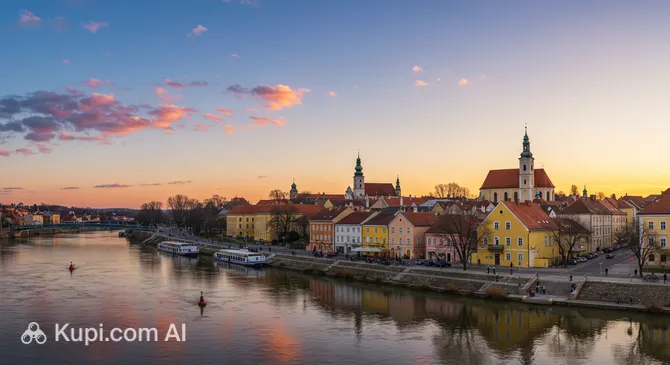
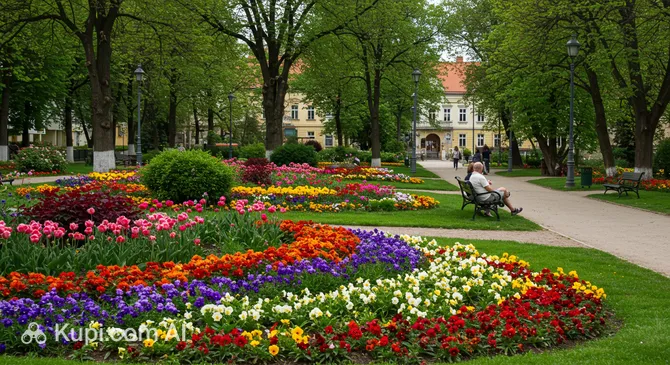
Osijek. Source: Kupi.Binoculars

One of the city's most striking features is its diverse architecture, which reflects the rich history of Osijek and its strategic importance over the centuries. Visitors are often captivated by **Tvrđa**, the historic Baroque fortress complex that serves as the old town center, filled with cobblestone streets and beautifully preserved 18th-century buildings. Another unmissable landmark is the neo-Gothic **Co-cathedral of St. Peter and Paul**, whose towering spire dominates the skyline and serves as a symbol of the city.

Beyond its stone monuments, the city is famous for its **Promenade**, a long scenic walkway along the Drava River that is a favorite spot for locals and tourists alike. Whether you are interested in exploring unique museums, tasting delicious Slavonian cuisine, or simply relaxing in one of its many parks, Osijek welcomes you with open arms for an unforgettable experience.
Weather Overview

Osijek experiences a moderate continental climate with four distinct seasons, making it a year-round destination depending on your preferences. The summer months are typically warm and pleasant, with August seeing average temperatures of **24.3°C** and daily highs often reaching near **30°C**. This period is ideal for exploring the city, though visitors should expect warm summers with occasional rain and cold winters.

Winters bring a noticeable chill to the region, with January being the coldest month, averaging **2.6°C** and seeing minimum temperatures dip below freezing. Precipitation is fairly distributed throughout the year, but May is notably one of the wetter months with approximately **13 wet days**. For a comprehensive breakdown of what to expect during your specific travel dates, you can check the detailed report on the weather in Osijek.

Interesting Facts

Beyond the main attractions, Osijek holds many fascinating secrets that surprise even the most seasoned travelers. From historic transportation milestones to record-breaking natural havens, here are some intriguing details about the city.

  • Osijek was a pioneer in public transport, boasting the very first tram network in Croatia. The horse-drawn tram cars began operating in 1884, long before the capital city of Zagreb introduced its own system.

  • The city was once the site of a true engineering marvel known as the Suleiman Bridge. Built in the 16th century, this massive 8-kilometer wooden structure across the Drava River and nearby swamps was constructed in just a few weeks and was considered by many at the time to be the eighth wonder of the world.

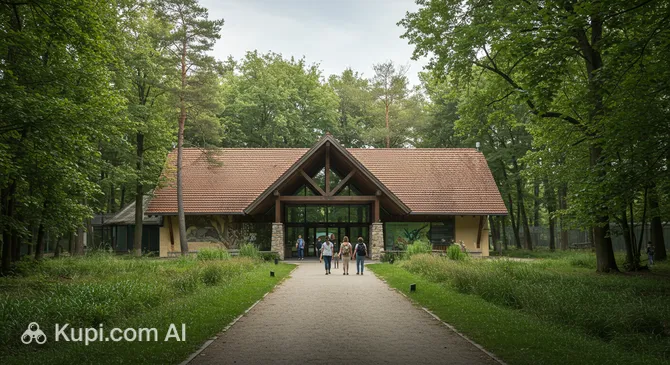
  • Nature lovers will be interested to know that the Osijek Zoo is the largest zoological garden in Croatia by surface area. Located on the left bank of the river, it provides spacious natural enclosures for animals and offers a unique ferry ride for visitors crossing from the city center.

  • The iconic Pedestrian Bridge, often called the "Bridge of Youth," is more than just a crossing. It has become a romantic pilgrimage site where couples attach padlocks to the railings to symbolize their eternal love, and it shines with a spectacular programmable light show at night.

Osijek Zoo. Source: Kupi.Binoculars

How to Get There

Reaching the heart of Slavonia is straightforward, with several travel options available depending on your starting point. Whether you prefer flying or taking an overland route, you can find a schedule that suits your needs. For a detailed breakdown of all available transport methods, you can read more about how to get to Osijek.

The most convenient entry point for air travelers is the local Osijek Airport (IATA: OSI). It is situated just 13.6 km from the city center, making the final leg of your journey very short; a taxi or bus ride typically takes around 15 to 20 minutes. While it handles a smaller volume of traffic compared to major hubs, it offers the distinct advantage of landing directly in the destination city.

For a wider range of international connections, many visitors choose to fly into Belgrade Nikola Tesla Airport (IATA: BEG). Located in Belgrade, Serbia, this major international hub is approximately 150.9 km from Osijek. The transfer by road usually takes between 2.5 and 3 hours, depending on traffic and border procedures. Another regional option is Sarajevo International Airport (IATA: SJJ), though it is further away at roughly 194.4 km.

For clarity, here is a summary of the main airports in the region:

Airport Name City Passenger Traffic Km from City
Belgrade Nikola Tesla Airport Belgrade Large 150.9
Sarajevo International Airport Sarajevo Medium 194.4
Tuzla International Airport Tuzla Medium 121.9
Banja Luka Airport Banja Luka Medium 129.5
Osijek Airport Osijek Small 13.6

If you are considering arriving via major international rail hubs, the closest significant options are located in neighboring Hungary. The Keleti Railway Station in Budapest is a major transit point located approximately 218.3 km from Osijek. From there, a transfer by road typically takes around 3 hours. Alternatively, the Deli Railway Station, also in Budapest, is about 217.6 km away.

Below is a summary of these railway stations:

Station City Passenger Traffic Km to Center
Keleti Railway Station Budapest Large 218.3
Deli Railway Station Budapest Medium 217.6

Main Attractions

One of the most charming spots in the city center is Sakuntala Park. Designed in the Secessionist style, this romantic green space is named after the main character of the famous Indian epic by Kalidasa. It is a favorite promenade for locals, featuring beautifully arranged flower beds, sphinx sculptures, and an avenue of trees that offers a peaceful escape from the urban bustle while admiring the surrounding Art Nouveau architecture.

Sakuntala Park. Source: Kupi.Binoculars

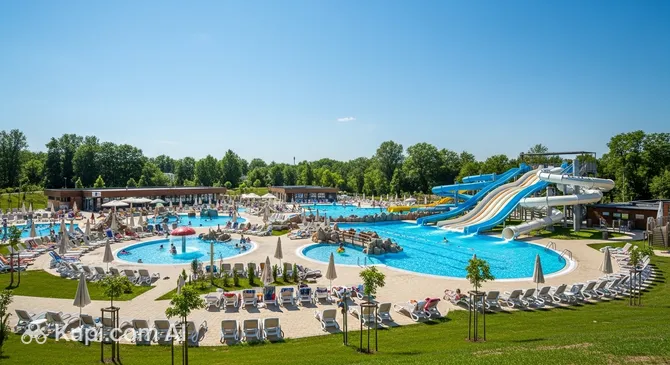
For those visiting during the warmer months, the Copacabana Pools are the ultimate destination for recreation and refreshment. Known affectionately by locals as "Kopika," this large complex located on the left bank of the Drava River offers a variety of swimming pools, water slides, and sports facilities. It is the perfect place for families and friends to cool off and enjoy a fun-filled day with a view of the city's historic skyline across the river.

Adjacent to the pool complex lies Kopika Beach, a beloved sandy stretch along the Drava River. This popular bathing area allows visitors to experience the authentic local summer lifestyle, swimming directly in the river or sunbathing on the shore. With its relaxed atmosphere and proximity to beach bars, it serves as a prime social hub where you can unwind and watch the sunset over the water.

Copacabana Pools. Source: Kupi.Binoculars

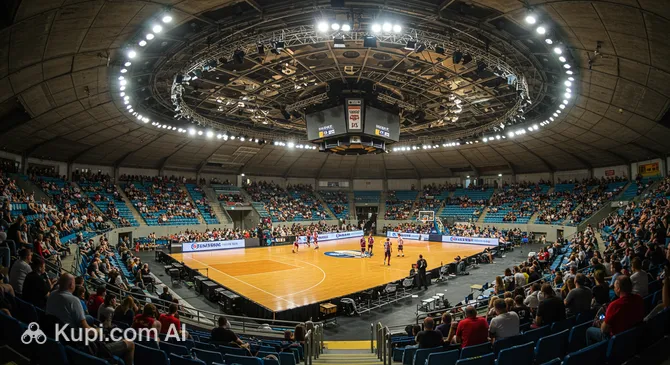
Sports enthusiasts and concert-goers often flock to the Gradski vrt Sports Hall. This modern multi-purpose indoor arena is a key venue for major sporting events, including handball and basketball matches, as well as fairs and cultural performances. Its dynamic architecture and vibrant atmosphere make it a central pillar of Osijek's public life and entertainment scene.

Local Cuisine

The culinary scene in Osijek is a true reflection of the Slavonia region—hearty, spicy, and deeply rooted in tradition. Known as the "breadbasket of Croatia," this area is famous for its rich flavors, generous portions, and the abundant use of red paprika, which gives many local dishes their signature color and kick. Whether you are a fan of freshwater fish or succulent meats, the local gastronomy promises a memorable feast.

The undisputed king of the local menu is fiš paprikaš (fish paprikash). This spicy stew is typically made from a mix of river fish like carp, catfish, and pike, simmered in a cauldron over an open fire and served with wide homemade noodles. Another must-try is čobanac, or shepherd's stew, a thick and savory meat dish that combines several types of meat, such as beef, pork, and venison, cooked slowly to perfection. For an appetizer, you cannot miss kulen, a premium spicy sausage that is a source of great regional pride.

No meal in Osijek is complete without the proper liquid accompaniment. The region is a renowned wine producer, with Graševina being the most popular white wine, celebrated for its fresh and fruity notes. Beer lovers should try Osječko pivo, produced by the oldest brewery in Croatia, located right in the city. To start your meal like a local, sip on a glass of rakija, a potent fruit brandy, with plum (šljivovica) being the traditional favorite.

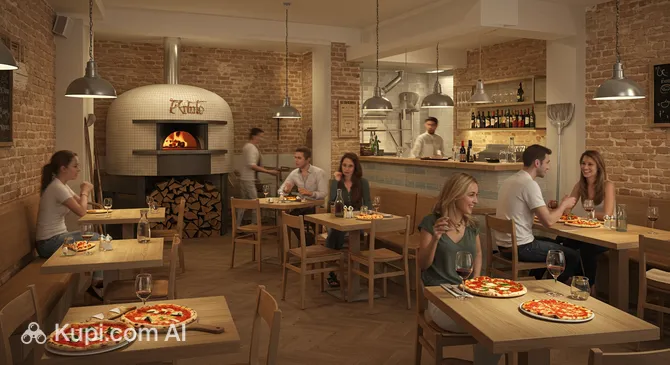
The dining culture here is relaxed and social, often centered around long conversations in cozy establishments. For a casual meal in a welcoming setting, you might visit Ventidue Pizza & Bar, which offers a mix of Italian classics and local vibes. If you are looking for a place to enjoy a hearty lunch or dinner, Bistro Euforija is another spot where you can experience the city's hospitality.

Ventidue Pizza & Bar. Source: Kupi.Binoculars

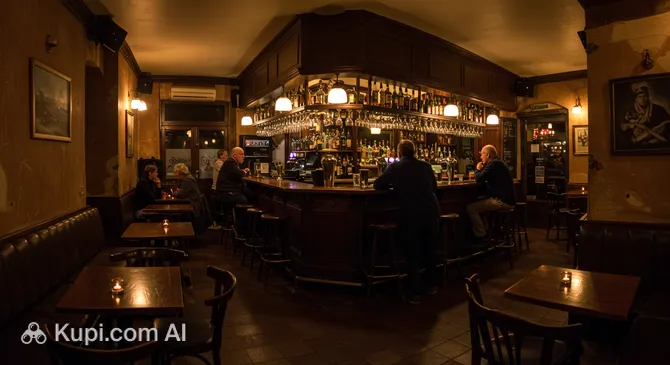
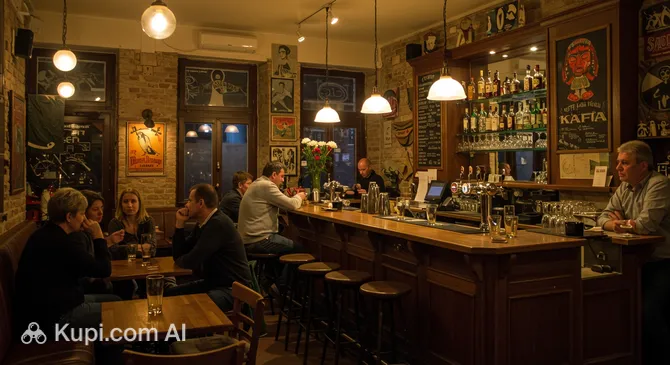
After dinner, the city's nightlife and café culture come alive, particularly in the historic Tvrđa district and the city center. Locals love to gather for drinks in atmospheric venues. You can enjoy a wide selection of beverages at Rubicon Pub, a popular hangout for friends. Alternatively, for a more laid-back coffee or evening drink, Caffe Bar Kafka offers a unique ambiance that reflects the city's artistic spirit.

Rubicon Pub. Source: Kupi.Binoculars

Travel Tips

Welcome to Osijek! To ensure your visit to this relaxed Slavonian gem is as smooth as the flow of the Drava River, we have compiled a set of practical tips. Whether you are here for the history, the food, or the nature, these insights will help you navigate the city like a local and make the most of your stay.

  1. Clothing and Gear: The climate here is continental, meaning you should pack light, breathable clothing for hot summers and warm, layered attire for cold winters. Crucially, if you are visiting between late spring and early autumn, bring high-quality mosquito repellent. Due to the nearby wetlands and river, mosquitoes can be quite active in the evenings. Also, wear comfortable flat shoes, as the historic Tvrđa district features uneven cobblestone streets that are difficult to navigate in heels.
  2. Transportation: Osijek is a very walkable city, especially the center and the Promenade. For longer distances, the city boasts a charming and efficient tram network—the oldest in Croatia—along with buses. Tickets can be purchased at newsstands (Tisak) or from the driver. Taxis are affordable, and ride-hailing apps are available, so renting a car is generally unnecessary unless you plan to explore the wider rural region.
  3. Finances: The official currency in Croatia is the Euro (€). While credit and debit cards are widely accepted in hotels, supermarkets, and most restaurants, it is essential to carry some cash for small cafés, souvenir stalls, and the local farmers' market. ATMs are plentiful throughout the city. Tipping is appreciated; rounding up the bill or leaving about 10% for good service is standard practice.
  4. Health and Safety: Osijek is considered one of the safest cities in Croatia, with very low crime rates, making it safe to walk around at night. Tap water is potable and of high quality. Pharmacies are marked with a green cross and are known as "Ljekarna"; there is always one on duty 24/7 for emergencies. Be mindful of cyclists, as the city has an extensive network of bike paths.
  5. Communication: The official language is Croatian, but English is widely spoken, especially by the younger generation and in the tourism sector. Free Wi-Fi is available in many public areas, including the main square and the Promenade. Pre-paid SIM cards with data plans are cheap and easily purchasable at any newsstand or gas station.
  6. Local Etiquette: Coffee drinking in Osijek is a serious ritual and a social event that can last for hours. Do not rush your waiter or your company; sit back and enjoy the slow pace. When greeting people, a firm handshake is the norm. If you are invited to a local's home, it is polite to bring a small gift, such as coffee, wine, or chocolates.
  7. What to Avoid: Do not walk on the designated bicycle paths. Osijek is known as a cycling city, and locals use bikes as a primary mode of transport; blocking the lane can be dangerous and is considered rude. Also, avoid refusing food if offered by a host—Slavonian hospitality is legendary, and declining a meal can be taken as an offense.
  8. Local Insight: You will often hear the word "Lega" used among locals. It is a unique Osijek slang term for "friend" or "buddy" (derived from "colleague"). Hearing it is a sign of the city's friendly and informal atmosphere. Furthermore, be aware that many shops are closed on Sundays, so plan your grocery shopping for Saturday.

Armed with these tips, you are ready to explore the "City on the Drava" with confidence and ease. Embrace the laid-back lifestyle, enjoy the legendary hospitality, and let Osijek charm you with its unique blend of culture and nature.

Entertainment & Nightlife

While Osijek is known for its relaxed daytime pace, the city transforms as the sun sets, offering a vibrant and welcoming nightlife scene. Driven largely by its substantial student population, the evening atmosphere is energetic yet safe, characterized by crowded terraces, lively pubs, and music that fills the historic streets. Whether you are looking for a quiet place to enjoy a glass of wine or a club to dance until dawn, the city has something to offer.

The absolute epicenter of nightlife in Osijek is Tvrđa, the old Baroque fortress complex. By day, it is a museum district, but by night, its ancient cobblestone streets—particularly Kuhačeva Street—become the heart of the party. Here, you will find the highest concentration of bars, clubs, and night cafes packed into historic buildings. The vibe is unique; you can hop from a rock pub to a techno club just by walking a few meters. Thursday, Friday, and Saturday nights are typically the busiest, with students and locals gathering to socialize in the open air before heading indoors.

For a more alternative and artistic atmosphere, the city center offers several gems. One standout venue is Caffe Bar Kafka. Located near the main parks, this bar is beloved for its eclectic interior and relaxed ambiance, making it an ideal spot for an evening drink and conversation. It attracts a diverse crowd and often plays excellent background music that allows for easy socializing without the need to shout over the noise.

Caffe Bar Kafka. Source: Kupi.Binoculars

If you are a fan of live events, concerts, or larger gatherings, keep an eye on the schedule for Jug Sports Hall Osijek. While primarily a sports venue, it frequently hosts musical performances and cultural events that draw visitors from across the region. For a casual night out with friends, Rubicon Pub remains a favorite local haunt, offering a wide selection of beers and a friendly, unpretentious environment perfect for unwinding after a day of sightseeing.

Jug Sports Hall Osijek. Source: Kupi.Binoculars

Beyond the bars, evening entertainment in Osijek can be quite varied. The Croatian National Theatre offers high-quality opera, drama, and ballet productions for those seeking a cultural night out. Movie lovers can visit the modern cinemas located in the city's shopping centers. During the summer, the Osijek Summer Nights festival brings the streets to life with open-air performances, food stalls, and late-night markets along the Promenade.

Practical Advice: Osijek is a very safe city, and walking between the city center and Tvrđa at night is generally problem-free, though the walk takes about 15-20 minutes. The route along the beautifully lit Promenade (Promenada) is scenic and popular even late at night. Taxis are readily available and affordable; you can hail them or use apps like Cammeo or Uber. Dress codes are generally casual—smart casual is sufficient for almost any club in Tvrđa. Prices for drinks are reasonable compared to the coast or the capital, making a night out here excellent value for money.

Parks & Museums

Osijek is widely celebrated as one of the greenest cities in Croatia, boasting a continuous belt of parks and gardens that separate the historic fortress from the modern city center. This dedication to urban greenery, combined with a rich repository of history preserved in its institutions, makes it a delightful destination for those who enjoy culture and nature in equal measure.

The city's "green horseshoe" is a masterpiece of landscape architecture, consisting of several connected parks such as the Park of King Petar Krešimir IV and the Park of King Tomislav. These areas offer shaded walkways, manicured lawns, and vibrant flower beds, providing a serene escape right in the heart of the city. A key part of this green network is Sakuntala Park, a small but iconic Secessionist-style garden lined with sphinxes and chestnut trees, which serves as a romantic gateway to the city's architectural gems.

For nature lovers willing to venture just slightly outside the city limits, the Kopački Rit Nature Park is a must-visit. Although technically just beyond the city, it is intrinsically linked to Osijek's identity. As one of the largest and most preserved wetlands in Europe, it offers incredible opportunities for birdwatching and boat tours through its Amazon-like channels.

Culturally, the historic Tvrđa district serves as the museum hub of the region. The Museum of Slavonia, established in 1877, is the largest general-type museum in the country. It houses a vast collection ranging from numismatics and historical documents to technical heritage, offering a deep dive into the region's complex past. Nearby, the Archaeological Museum showcases treasures from prehistoric times to the Middle Ages, housed in the elegant building of the former Main Guard.

Another unique cultural venue is the Gloria Maris permanent exhibition, also located in Tvrđa. This fascinating collection is dedicated to seashells and marine life, featuring specimens from all the world's oceans. It is a surprising and educational stop, particularly interesting for families and those curious about natural history beyond the local river ecosystems.

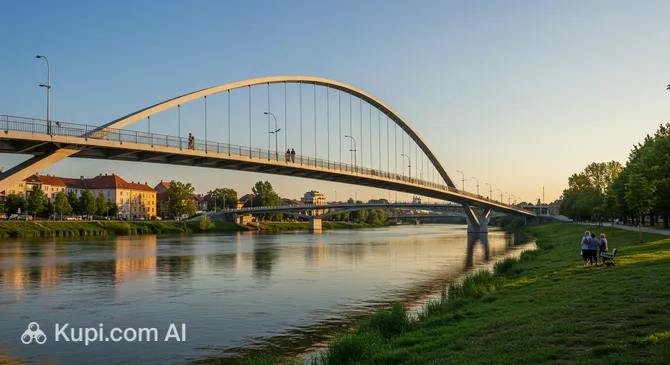
Architecturally, the city dazzles with its Art Nouveau heritage, most visible along European Avenue. This broad boulevard is lined with magnificent palaces featuring ornate facades and front gardens. Connecting the urban center to the recreational left bank is the iconic Pedestrian Bridge. While a modern structure, it offers one of the best vantage points for admiring the city's skyline and the flow of the Drava River.

Pedestrian Bridge. Source: Kupi.Binoculars

For an authentic insider experience, take a walk to the Water Gate (Vodena vrata), the only remaining old city gate of the Tvrđa fortress. It leads directly to the river promenade and is surrounded by a moat that has been converted into a grassy park area. It is a favorite quiet spot for locals to read, picnic, or simply enjoy the medieval atmosphere away from the crowds.

Getting Around

Getting around Osijek is a delightful and stress-free experience, thanks to its compact size and well-organized infrastructure. Unlike larger metropolises, the city is easy to navigate, with most major attractions located within a comfortable walking distance of each other. Whether you prefer a leisurely stroll along the Drava River or a quick ride on the historic tram, moving through the city is efficient and affordable.

The backbone of the local public transport system is operated by GPP (Gradski prijevoz putnika). The city takes great pride in its tram network, which holds the distinction of being the first in Croatia, established in 1884. Riding the tram is not just a practical way to get from point A to point B; it is a charming journey through history. The two main lines connect the central Ante Starčević Square with key districts like the historic Tvrđa, the railway station, and the residential areas, making it the most convenient mode of transport for visitors.

Complementing the trams is a comprehensive network of buses that reach the parts of the city and suburbs not covered by the rails. Both trams and buses are frequent and reliable. For tickets, it is highly recommended to purchase them in advance at newsstands (Tisak), as they are significantly cheaper than buying them directly from the driver. For longer stays, you might consider the "Butra" prepaid card, which offers even better rates and convenience for multiple rides.

However, to truly experience the local lifestyle, you should consider exploring on two wheels. Osijek is often called the "City of Bicycles" due to its flat terrain and extensive network of cycling paths that span over 40 kilometers. Locals use bikes for everything from commuting to recreation, and visitors can easily rent them to explore the riverside Promenade or the green parks at their own pace. It is an eco-friendly and healthy way to see the sights while blending in with the residents.

If you prefer a private transfer, taxi services are readily available and reasonably priced. Companies like Cammeo and local taxi associations offer reliable rides, and ride-hailing apps are also active in the city. While renting a car is an option, the city center is best experienced without one, as parking can be limited in the pedestrian zones and the excellent public transport options make a personal vehicle largely unnecessary for city exploration.

Accommodation

Finding a place to stay in Osijek is generally a stress-free experience, with options that cater to various preferences and budgets. The city offers a welcoming mix of accommodation types, ranging from modern business hotels and charming boutique establishments to budget-friendly hostels. A particularly popular choice in this region is private accommodation; many locals offer well-furnished apartments and guesthouses (often labeled as "apartman" or "sobe"), which provide a cozy, home-like atmosphere and excellent value for money.

When choosing a location, the Upper Town (Gornji grad) is the most convenient area for first-time visitors. Staying here places you within walking distance of the main square, the co-cathedral, and the bustling promenade. For those seeking a more historic and romantic ambiance, the Tvrđa district is an excellent option. While it is the center of the city's nightlife, it also offers unique stays within centuries-old buildings. Alternatively, accommodation along the Drava River offers scenic views and easy access to the city's parks and walking paths.

In terms of pricing, Osijek is generally more affordable than Croatia's coastal destinations or the capital, Zagreb. You can expect to find comfortable mid-range options at very reasonable rates, while luxury stays remain accessible compared to Western European standards. Most accommodations can be easily booked via major online platforms, though contacting smaller guesthouses directly can sometimes yield a better deal. A helpful tip for travelers is to book in advance if you plan to visit during major local events or the peak summer months, as the best spots tend to fill up quickly due to the city's growing popularity.

Nearby Cities

For those looking to explore the surroundings, Osijek serves as an excellent base for day trips to several interesting nearby locations:

One of the most popular excursions is to Đakovo, often referred to as the "Heart of Slavonia." Located just a short drive away, this town is famous for its magnificent neo-Romanesque Cathedral of St. Peter, built from distinctive red bricks, which dominates the local skyline. Visitors are also drawn to the historic State Stud Farm, where the elegant Lipizzaner horses have been bred and trained since the 16th century.

Another fascinating destination is Vinkovci, situated only about 30 kilometers from Osijek. As one of the oldest continuously inhabited towns in Europe, it offers a rich tapestry of history, from Roman archaeological treasures to traditional folklore. It is an ideal spot to experience the authentic rural culture of the region.

For history enthusiasts, Slavonski Brod on the Sava River is home to the impressive Brod Fortress. This massive 18th-century fortification was once a crucial defensive stronghold on the border of the Austro-Hungarian Empire and remains one of the best-preserved fortresses in Croatia.

City Population Distance (km)
Slavonski Brod 56769 69
Bjelovar 40276 149
Vinkovci 31057 31
Koprivnica 30854 160
Đakovo 27745 35

These nearby destinations offer a glimpse into the diverse culture and landscapes of the region, providing a perfect opportunity to discover the hidden gems of eastern Croatia.

Shopping & Souvenirs

Shopping in Osijek offers a relaxed and pleasant experience that mirrors the city's laid-back lifestyle. While it may not be a massive fashion capital, the city provides a well-balanced mix of modern retail centers, charming high-street boutiques, and traditional markets. Visitors can find everything from international high-street brands to unique local craftsmanship, making it easy to pick up both daily necessities and memorable gifts without the stress of crowded metropolises.

The heart of the city's retail scene is located in the center, particularly along Kapucinska Street and around the main Ante Starčević Square. This pedestrian-friendly zone is lined with bookstores, shoe shops, drugstores, and fashion boutiques. Walking down these streets allows you to combine window shopping with admiring the Secessionist architecture. It is the perfect place to find clothes, accessories, or books while enjoying the vibrant urban atmosphere.

For those who prefer a comprehensive shopping experience under one roof, the city has several modern malls. One of the notable spots is the Mercator Center Osijek. This shopping complex offers a variety of stores, a large supermarket for groceries, and several cafes where you can take a break. Additionally, the city is home to huge regional shopping centers like Portanova, situated on the outskirts, which houses a cinema, food court, and numerous international fashion retailers.

Mercator Center Osijek. Source: Kupi.Binoculars

A true highlight of shopping in Osijek is visiting the local markets. The Main Market (Glavna tržnica) on Gajev Trg is a bustling hub of activity, especially in the mornings. Here, you can buy fresh seasonal fruits and vegetables, homemade cheeses, and local meats directly from Slavonian farmers. For a unique experience, visit the famous Sunday Flea Market (familiarly known as "Auto-pijaca"). It is a treasure trove where you can find antiques, second-hand goods, and varied curiosities, offering a glimpse into the local culture.

When it comes to souvenirs, the region of Slavonia is best represented by its gastronomic delights. The most prized local product is kulen, a premium spicy sausage that is a protected cultural heritage. Bottles of local wine, particularly the white Graševina, make excellent gifts, as does high-quality red paprika powder, which is a staple spice in local cuisine. For non-edible souvenirs, look for traditional handmade embroidery featuring Slavonian motifs or products made from corn husks.

Store opening hours in Osijek typically run from 9:00 AM to 8:00 PM or 9:00 PM on weekdays. On Saturdays, shops in the city center may close earlier, around 1:00 PM or 2:00 PM, while large shopping malls usually remain open until 9:00 PM daily, including weekends. Payment is straightforward, with the Euro (€) being the official currency. Credit and debit cards are widely accepted in malls and most shops, but it is essential to carry cash for the open-air markets and smaller souvenir stalls.

Visitors from outside the European Union may be eligible for a VAT refund on purchases exceeding a certain amount in a single store. Look for shops displaying the "Tax Free" signage and ask the staff for a tax refund form at the checkout. You will need to present your passport and have the form stamped by customs upon leaving the EU to claim your refund.

Reached the end of the page?

That means the route is fully explored