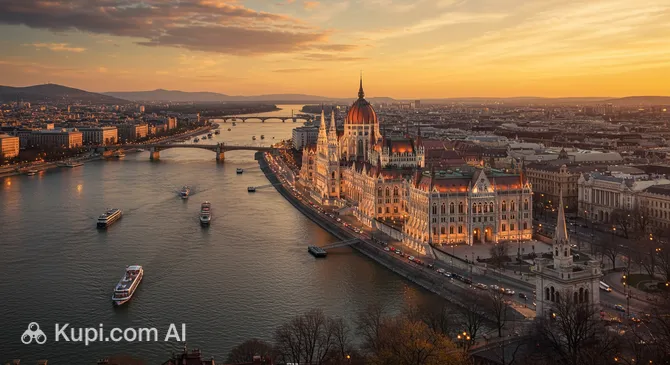
Welcome to Budapest, the stunning capital of Hungary and one of the most photogenic cities in Europe. Often referred to as the "Pearl of the Danube," this vibrant metropolis offers a unique blend of architectural grandeur, cultural richness, and a lively atmosphere that captivates visitors from around the globe.
Geographically, the city is defined by the majestic River Danube, which splits it into two distinct parts: the hilly, historic Buda on the west bank and the flat, bustling Pest on the east. With a population of approximately 3 million people, it is the largest city in the country and serves as its political, cultural, and commercial heart.
Budapest. Source: Kupi.Binoculars
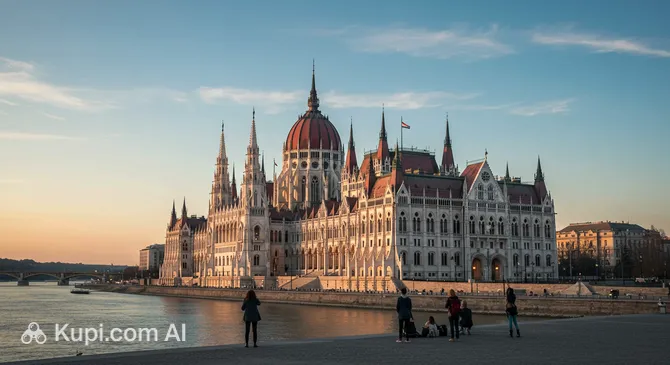
The history of Budapest is woven into its streets, visible in the diverse styles of its buildings, from Roman ruins to Art Nouveau marvels. Visitors are often drawn to the iconic Hungarian Parliament Building, which dominates the riverfront, and the regal Buda Castle, offering panoramic views of the city. Additionally, the city is world-famous for its thermal baths, such as the Széchenyi and Gellért baths, earning it the title "City of Spas."
Whether you are strolling across the historic Chain Bridge, exploring the ruin bars in the Jewish Quarter, or simply enjoying a sunset cruise on the river, the city promises an unforgettable experience. It is a destination that perfectly balances its storied past with a dynamic modern energy, making it a must-visit for any traveler.
Weather Overview
The city experiences a continental climate with four distinct seasons, offering a different atmosphere depending on when you visit. For a more detailed breakdown of what to pack and expect, you can check the full guide to the weather in Budapest.
Summers are generally warm and sunny, making this the peak season for tourism. From June to August, average temperatures hover around 21°C to 23°C, with daytime highs often reaching 28°C. While this is a great time for outdoor exploration, it is worth noting that rain is not uncommon, with about 9 to 10 wet days per month.
Winters, spanning from December to February, are significantly colder. January is typically the chilliest month, with average temperatures dropping to 1.4°C and minimums often dipping below freezing to -1.4°C. Expect cold days with around 8 to 11 wet days per month, creating a moody and atmospheric backdrop for the city's thermal baths.
Spring and autumn are transitional periods characterized by milder temperatures. May is notably one of the wetter months, with approximately 13 wet days, while temperatures rise to a comfortable average of 15.8°C. September retains some of the summer warmth with highs of 22.4°C, gradually cooling down as the season progresses. Overall, travelers can expect warm summers with occasional rain and cold, crisp winters.
Interesting Facts
Beyond the main attractions, Budapest holds many fascinating secrets that often escape the casual observer's eye. From underground mysteries to architectural curiosities, the city is filled with stories waiting to be discovered by curious travelers.
The 96-Meter Rule: It is no coincidence that the Hungarian Parliament Building and St. Stephen's Basilica stand at exactly the same height of 96 meters. This specific number honors the year 896, when the Magyars settled in the region, and current laws forbid any building in the city center from exceeding this height to symbolize the balance between state and religion.
Underground City: Budapest is the only capital city in the world built over a massive system of thermal caves. While visitors flock to the spas, few venture beneath the surface to explore natural wonders like the Szemlőhegy Cave, which offers a unique glimpse into the city's geological foundations without leaving the urban area.
Continental First: The city boasts the oldest subway line in continental Europe. The M1 line, operational since 1896, was listed as a UNESCO World Heritage site and still transports passengers beneath the historic Andrássy Avenue in its charming, vintage-style carriages.
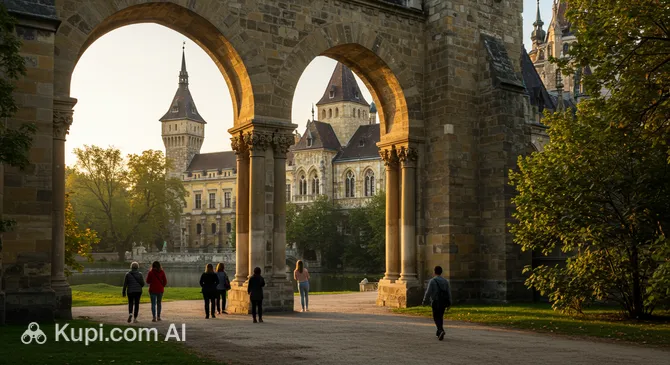
Literary Luck: In the courtyard of Vajdahunyad Castle, you will find a mysterious hooded statue of Anonymus, a medieval chronicler. Legend has it that touching the shining pen in his hand grants writers and students great inspiration and success in their studies.
How to Get There
Reaching the Hungarian capital is convenient due to its central location in Europe and excellent transport connections. Whether you are arriving from a neighboring country or flying in from overseas, there are multiple options to suit your itinerary. For a complete overview of routes and travel tips, you can read more about how to get to Budapest.
The primary gateway for air travelers is Budapest Ferenc Liszt International Airport (IATA: BUD), located approximately 17.6 km from the city center. As the country's largest international airport, it handles millions of passengers annually and offers connections to major cities worldwide. A trip from the terminal to the heart of the city by taxi or shuttle bus typically takes around 45 to 50 minutes, depending on traffic conditions.
Travelers may also consider flying into Vienna International Airport (IATA: VIE), located in the city of Vienna, Austria. Although it is situated about 198.5 km from Budapest, it is a major hub with extensive global connections. From there, you can easily reach Budapest by train or bus in approximately 2.5 to 3 hours. Another nearby option is Bratislava Airport (IATA: BTS) in Bratislava, Slovakia, which is roughly 156 km away and often serves as a budget-friendly alternative.
For clarity, here is a summary of the main airports:
Airport Name
City
Passenger Traffic
Km from City
Vienna International Airport
Vienna
Large
198.5
Budapest Ferenc Liszt International Airport
Budapest
Large
17.6
Bratislava Airport
Bratislava
Medium
155.9
Debrecen Airport
Debrecen
Small
194.0
Poprad-Tatry Airport
Poprad
Small
196.6
The city is also a significant railway hub in Central Europe, making train travel a popular choice. The most important station is Keleti Railway Station (Eastern Railway Station), which is an architectural gem in itself and serves the majority of international trains. It is located just 3.2 km from the city center. Another key terminal is Deli Railway Station (Southern Railway Station), situated on the Buda side, about 1.5 km from the center, handling both domestic and international traffic.
Here is a list of the nearest and most significant railway stations:
Station
City
Passenger Traffic
Km to Center
Wien Mitte CAT Station
Vienna
Very High
213.7
Vienna Central Station
Vienna
Very High
213.4
Keleti Railway Station
Budapest
High
3.2
Zakopane Railway Station
Zakopane
Medium
211.2
Deli Railway Station
Budapest
1.5
Main Attractions
Budapest is a city where history and grandeur meet at every corner, offering visitors a wealth of sights that range from architectural masterpieces to scenic viewpoints. Exploring the capital’s top landmarks provides a deep dive into Hungary’s royal past and vibrant culture.
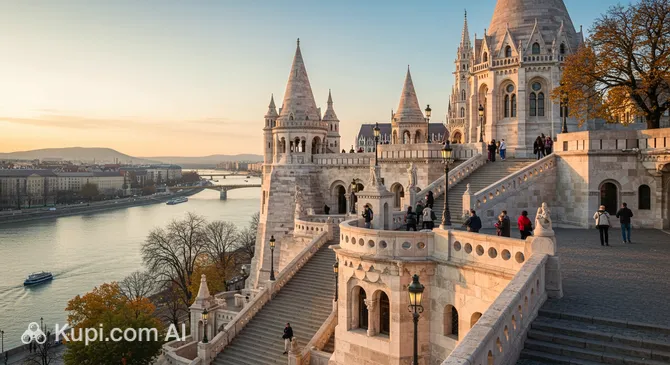
One of the most enchanting spots in the city is Fisherman's Bastion. Located on the Buda side, this neo-Romanesque terrace looks like it was plucked straight from a fairy tale, with its white stone turrets and ornate archways. It is arguably the best place to capture panoramic photos of the Danube and the Parliament building across the river. Built in the late 19th century to celebrate the Hungarian state's 1000th birthday, it remains a favorite for its romantic atmosphere and breathtaking vistas.
Fisherman's Bastion. Source: Kupi.Binoculars
Just a short walk away lies the majestic Buda Castle, a massive palace complex that once served as the residence of Hungarian kings. Today, it houses the Hungarian National Gallery and the Budapest History Museum. Visitors can wander through the cobblestone streets of the Castle District, admire the baroque architecture, or simply enjoy the commanding views over the city. The site is a UNESCO World Heritage site and a testament to the city's resilience and historical importance.
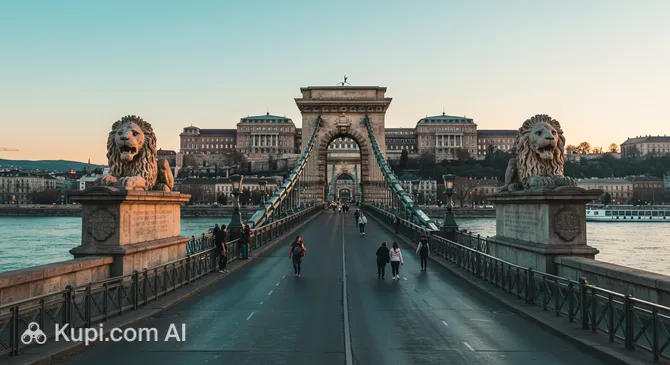
Connecting the two sides of the city is the iconic Széchenyi Chain Bridge. As the first permanent stone bridge across the Danube in Hungary, it is a symbol of national pride and engineering advancement. Walking across the bridge offers a unique perspective of the river, especially at night when the stone lions guarding the abutments and the bridge itself are beautifully illuminated, creating a magical reflection on the water.
Széchenyi Chain Bridge. Source: Kupi.Binoculars
In the heart of Pest stands St. Stephen's Basilica, the largest church in the capital. Dedicated to Hungary’s first king, St. Stephen, the basilica is famous not only for its stunning neoclassical architecture and rich interior but also for housing the "Holy Right Hand," the mummified hand of the king himself. Adventurous travelers can climb or take an elevator to the dome's observation deck for a sweeping 360-degree view of the bustling city below.
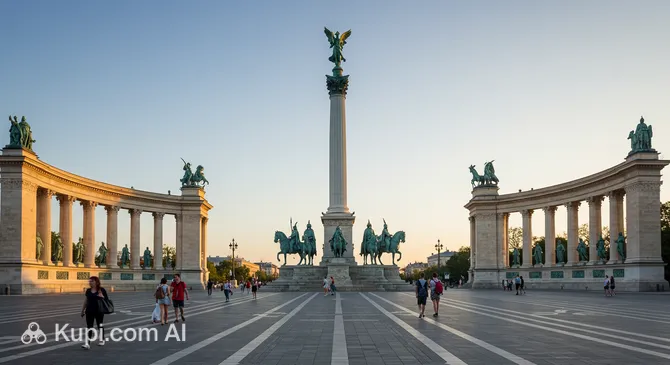
Finally, no visit is complete without seeing the grandiose Heroes' Square. Located at the end of Andrássy Avenue, this vast open space is dominated by the Millennium Monument, featuring statues of the Seven Chieftains of the Magyars and other important national leaders. It is a powerful tribute to Hungary's history and a gateway to the City Park, making it a perfect spot to reflect on the nation's past before enjoying a relaxing walk in the nearby greenery.
Heroes' Square. Source: Kupi.Binoculars
Local Cuisine
Hungarian cuisine is known for its rich, hearty flavors and generous use of paprika, the country’s signature spice. A culinary journey in Budapest must begin with Goulash (Gulyás), a thick, warming soup made with beef, vegetables, and plenty of paprika. It is often served with fresh bread and is considered the national dish. Another classic comfort food to try is Chicken Paprikash, served with a creamy sour cream sauce and soft egg dumplings known as nokedli.
For those looking for a quick and delicious street food snack, Lángos is an absolute must. This deep-fried flatbread is traditionally topped with garlic butter, sour cream, and shredded cheese, creating a savory treat that is perfect for fueling a day of sightseeing. On the sweeter side, look for Kürtőskalács (Chimney Cake), a spiral-shaped pastry baked over charcoal and coated in sugar, cinnamon, or walnuts, often sold at street stalls and festivals.
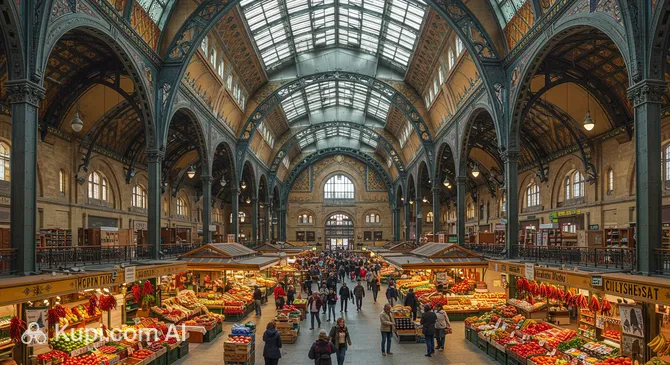
The city's food culture is deeply intertwined with its historic market halls. The most impressive of these is the Central Market Hall, a vast architectural gem where locals buy fresh produce, meats, and spices. The upper floor is a great spot to sample authentic local dishes or pick up a bag of high-quality paprika to take home.
Central Market Hall. Source: Kupi.Binoculars
When it comes to beverages, Hungary has a proud winemaking tradition. Be sure to taste the world-famous sweet dessert wines from the Tokaj region or a crisp white wine from the Balaton area. For something stronger, try Pálinka, a potent fruit brandy made from plums, apricots, or pears. If you prefer a lighter option, ask for a Fröccs, a refreshing wine spritzer that is very popular during the warmer months.
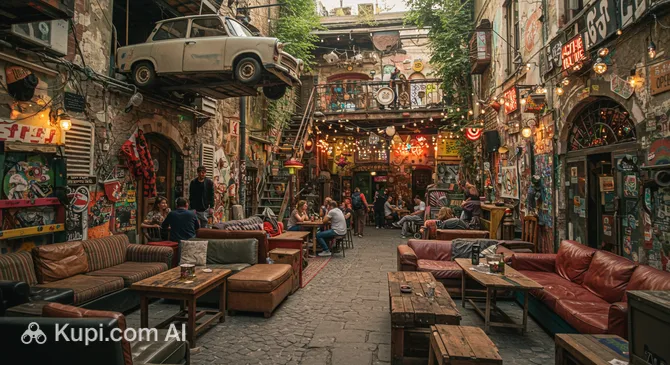
Budapest is also famous for its unique "ruin bars," which are set in dilapidated pre-war buildings furnished with eclectic, mismatched decor. The most iconic of these is Szimpla Kert, where you can enjoy a drink in a vibrant, artistic atmosphere that defines the city's modern nightlife. Whether you are dining in an elegant turn-of-the-century coffee house or grabbing a bite at a bustling market, the flavors of Budapest are sure to leave a lasting impression.
Travel Tips
Planning a trip to the "Pearl of the Danube" is exciting, but a few insider tips can make your experience even more enjoyable and stress-free. Here is a practical guide to help you navigate local customs, transportation, and daily life in Budapest.
Clothing and Gear: Pack according to the season; summers can be scorching while winters are biting cold, so layers are your best friend. Most importantly, bring a swimsuit and flip-flops, as a visit to the city's famous thermal baths is non-negotiable. Comfortable walking shoes are also essential for navigating the cobblestone streets of the Castle District.
Transportation: The public transport system (BKK) is efficient and affordable, consisting of metros, trams, and buses. The Tram 2 line offers a scenic route along the Danube that rivals any tour bus. Avoid renting a car within the city due to traffic and parking costs; instead, use the reliable metro or simply walk. Always remember to validate your paper ticket before starting your journey to avoid hefty fines.
Finances: Hungary uses the Hungarian Forint (HUF), not the Euro. While some tourist spots accept Euros, the exchange rates are often poor, so it is better to pay in local currency. Credit cards are widely accepted, but it is wise to carry some cash for small vendors or markets. Tipping is customary; rounding up the bill or leaving about 10-15% is standard practice in restaurants.
Health and Safety: Budapest is generally a safe capital, but standard precautions apply; keep an eye on your belongings in crowded areas like the 4 and 6 tram lines. Pharmacies are marked with a green cross and are known as Gyógyszertár; many have 24-hour service windows for emergencies. For general emergencies, dial 112.
Communication: The official language is Hungarian (Magyar), which is notoriously difficult to learn, but English is widely spoken in the hospitality sector and by younger generations. Learning a few basic words like Szia (Hello) and Köszönöm (Thank you) goes a long way with locals. Free Wi-Fi is available in many cafes and public spots, but buying a local SIM card is cheap and convenient for navigation.
Local Etiquette: When dining out, if you pay in cash and say "thank you" while handing over the money, the waiter may assume you are telling them to keep the change as a tip. If you want change back, state the amount you wish to pay or wait for the change before thanking them. A polite greeting is always appreciated when entering small shops.
What to Avoid: Be careful not to clink beer glasses when toasting. This tradition dates back to 1849 following a failed revolution, and while younger locals are more relaxed about it, many Hungarians still consider it disrespectful. Also, avoid hailing taxis from the street; use reputable ride-hailing apps or call a company directly to ensure a fair price.
Additional Tip: Keep in mind that many shops and grocery stores may close early on Sundays or have limited hours on public holidays. However, the city has numerous "non-stop" convenience stores open 24/7. Also, note that the historic Great Market Hall is completely closed on Sundays, so plan your souvenir shopping accordingly.
With these practical tips in hand, you are ready to explore the charming streets and grand boulevards of Budapest with confidence. Embrace the local rhythm, soak in the thermal waters, and enjoy every moment of your Hungarian adventure!
Entertainment & Nightlife
When the sun sets, Budapest transforms into one of the most exciting nightlife capitals in Europe. The city is world-renowned for its unique "ruin bars"—eclectic watering holes set within the dilapidated pre-war buildings and courtyards of the historic Jewish Quarter (District VII). These venues are not just places to drink; they are artistic hubs filled with mismatched furniture, quirky decor, and a bohemian atmosphere that you won't find anywhere else.
The epicenter of this vibrant scene is Kazinczy Street and the bustling Gozsdu Udvar, a complex of interconnected courtyards packed with bars, restaurants, and clubs. Here, the crowd is a lively mix of locals, expats, and tourists, creating an energetic vibe that lasts until dawn. For the ultimate ruin bar experience, you must visit Szimpla Kert. As the pioneer of the genre, it offers a labyrinth of rooms, a garden, and even an open-air cinema, making it a cultural phenomenon rather than just a bar.
Szimpla Kert. Source: Kupi.Binoculars
If you prefer a more polished clubbing experience, the city center has plenty to offer. Club Heaven Budapest is a popular choice for those looking to dance the night away to top hits and electronic music in a stylish, modern setting. For a mix of great food, live music, and drinks, Fat Mama provides a fantastic atmosphere that bridges the gap between a cozy eatery and a lively nightspot.
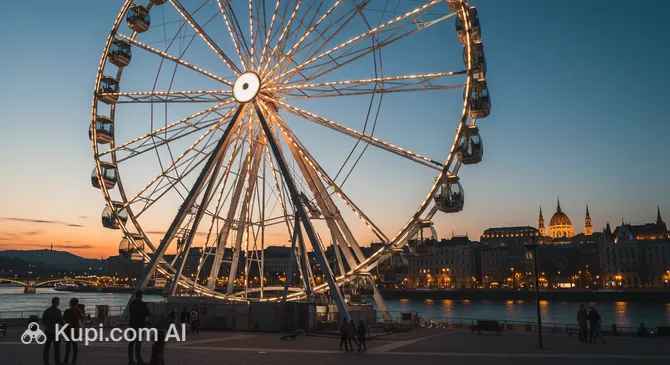
For a more romantic or relaxed evening, consider taking a ride on the Budapest Eye. Located in Erzsébet Square, this giant Ferris wheel offers stunning illuminated views of the city skyline. It is a perfect way to start your night before heading out to the bars. The dress code in Budapest is generally casual, especially in the ruin bars, but some high-end clubs may require "smart casual" attire, so it is worth checking ahead.
Budapest Eye. Source: Kupi.Binoculars
From a practical standpoint, nightlife in the city is quite affordable compared to Western Europe. A pint of beer typically costs around 3-4 Euros. Most parties kick off late, with clubs filling up around midnight. Getting around is easy; the 4 and 6 tram lines run 24 hours a day along the Grand Boulevard, covering many key party spots. When taking a taxi, always order one via a mobile app or call a reputable company; never hail a freelancer from the street to avoid being overcharged.
While the city is famous for its nights, daytime entertainment is equally diverse. Families and thrill-seekers will love Aquaworld Budapest, one of the largest indoor water theme parks in Europe. For a more nature-focused outing, the Budapest Zoo & Botanical Garden offers a delightful escape within the City Park, featuring stunning Art Nouveau architecture and a vast collection of animals.
Parks & Museums
Beyond its bustling boulevards and thermal baths, the city offers a wealth of green sanctuaries and world-class cultural institutions. For those seeking tranquility or a deeper understanding of the nation's heritage, the parks and museums of Budapest provide an enriching escape from the urban rush.
One of the most beloved green spaces is the City Park (Városliget), located just behind Heroes' Square. It is a vast recreational area that hosts not only the famous Széchenyi Thermal Bath but also the fairytale-like Vajdahunyad Castle. Originally built from cardboard and wood for the 1896 Millennium Exhibition to showcase various architectural styles from across the Kingdom of Hungary, it was later rebuilt in stone. Today, it stands as a romantic architectural collage surrounded by a boating lake that transforms into an ice rink in winter.
Vajdahunyad Castle. Source: Kupi.Binoculars
For a retreat into nature combined with panoramic views, a hike up Gellért Hill is essential. The winding paths lead through wooded areas up to the Citadella, a massive fortress built by the Habsburgs in the mid-19th century. While the fortress itself is historically significant, most visitors make the climb for the Liberty Statue and the unrivaled vistas over the Danube and the entire city. It is a perfect spot to watch the sunset and see the city lights begin to twinkle.
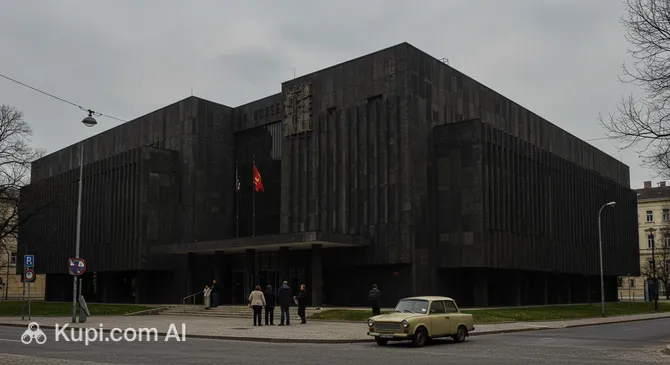
Budapest's museums are as diverse as its history. A visit to the House of Terror Museum on Andrássy Avenue offers a poignant and unforgettable experience. Housed in the former headquarters of the secret police, the museum chronicles the grim periods of fascist and communist rule in Hungary. Through immersive exhibits and multi-sensory storytelling, it serves as a powerful memorial to the victims of these regimes, providing essential context for understanding modern Hungarian history.
House of Terror Museum. Source: Kupi.Binoculars
To explore the broader scope of the country's past, the Hungarian National Museum is the place to go. Located in a stately neoclassical building, it holds the nation's most important historical relics, ranging from prehistoric times to the modern era. The museum played a pivotal role in the 1848 Revolution and remains a symbol of national identity.
Another cultural gem is the Dohány Street Synagogue, the largest synagogue in Europe. Its stunning Moorish Revival architecture and rich interior are breathtaking. The complex also includes the Hungarian Jewish Museum and a moving memorial garden, reflecting the deep cultural and historical footprint of the Jewish community in the city.
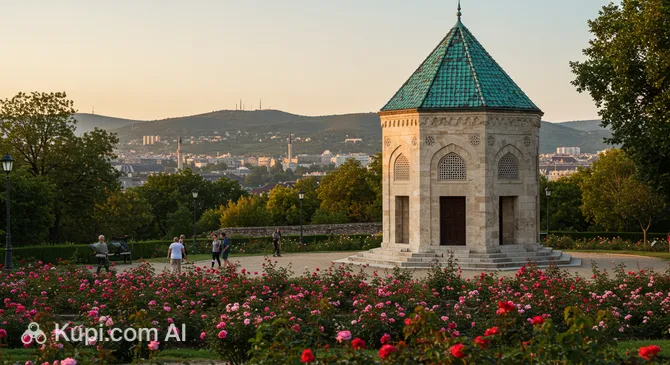
For a unique, lesser-known experience, seek out Gül Baba's Tomb and Rose Garden on the Buda side. This octagonal Ottoman tomb from the 16th century is the northernmost Islamic pilgrimage site in the world. Recently renovated, it is surrounded by a beautiful hanging garden filled with roses, offering a peaceful atmosphere and a lovely, quiet view over the rooftops of Buda.
Gül Baba's Tomb and Rose Garden. Source: Kupi.Binoculars
Getting Around
Getting around Budapest is remarkably easy and efficient, thanks to its comprehensive public transport network operated by BKK (Centre for Budapest Transport). The system is well-integrated, meaning a single ticket or pass works across almost all modes of travel within the city limits. Whether you prefer traveling underground or enjoying the views from a tram, the city offers plenty of options to suit your needs.
The backbone of the network is the Metro, which consists of four lines. The most famous is the M1 (Yellow Line), also known as the Millennium Underground. Built in 1896, it is the oldest metro line in continental Europe and a UNESCO World Heritage site, transporting passengers in charming period-style carriages. The other lines (M2, M3, and the modern automated M4) connect major hubs and railway stations, making cross-town travel fast and reliable.
Above ground, the city is famous for its yellow trams. They are not only practical but often offer scenic routes. Tram 2 runs along the Danube on the Pest side, providing breathtaking views of the river and Castle Hill, often cited as one of the most beautiful tram rides in the world. For late-night travelers, the 4 and 6 tram lines are essential, as they run 24 hours a day along the Grand Boulevard, connecting the liveliest parts of the city.
The bus and trolleybus network is extensive, reaching areas not covered by the metro or trams. Blue buses serve the entire city, while red trolleybuses operate primarily in Pest. For trips to the suburbs or nearby towns like Szentendre, the HÉV suburban railway trains (green trains) are the best option. Additionally, the city operates public transport boats on the Danube, offering a budget-friendly way to see the sights from the water during the warmer months.
For tickets and payment, the system is very tourist-friendly. You can purchase single tickets, blocks of 10 tickets, or travel passes ranging from 24 hours to 72 hours. A single ticket costs approximately 450 HUF, while a 24-hour travelcard is around 2,500 HUF. The most convenient way to manage your travel is by downloading the BudapestGO app, which allows you to buy digital tickets and plan your route in real-time. Alternatively, you can buy paper tickets from the purple BKK vending machines located at most stops and stations.
A crucial piece of advice for visitors using paper tickets: you must validate your ticket before starting your journey. On the metro, validate at the orange or red machines before the escalators; on buses and trams, validate onboard immediately after boarding. Ticket inspectors are frequent and strict, and fines for non-validated tickets are high. If you are using a digital ticket on the app, remember to scan the QR code sticker placed by the door or at the metro entrance.
Beyond standard transport, the city offers some unique travel experiences. The Buda Castle Hill Funicular (Budavári Sikló) creates a direct link between the Chain Bridge and Buda Castle, offering stunning panoramic views as you ascend. For a retro adventure, the Zugliget Chairlift (Libegő) transports you up János Hill for the best lookout points over the city. There is also the Children's Railway in the Buda Hills, a narrow-gauge line primarily operated by children under adult supervision, which is a favorite for families.
If you prefer alternatives to public transport, taxis are widely available and must be yellow by law. It is highly recommended to order one via a reputable mobile app or by phone rather than hailing one from the street to ensure fair pricing. For active travelers, the MOL Bubi bike-sharing system is a great choice, with bright green docking stations scattered throughout the city. The city center is also very walkable, and many major attractions are easily accessible on foot.
Accommodation
Where to Stay:
Accommodation in Budapest caters to every type of traveler, blending historical grandeur with modern comfort. The city is renowned for its architectural beauty, and this extends to its hotels, many of which are housed in restored palaces and heritage buildings. Whether you are looking for a luxurious riverside suite, a boutique hotel in the city center, or a budget-friendly hostel near the nightlife district, the Hungarian capital offers excellent value for money compared to other European metropolises.
For those seeking an unforgettable stay, the city boasts some of the finest examples of Art Nouveau architecture transformed into luxury accommodations. A prime example is Gresham Palace, located directly opposite the Chain Bridge. This architectural masterpiece greets guests with its stunning iron gates, mosaic tiles, and sweeping views of the Danube, offering a glimpse into the city's golden age.
Another spectacular option is the Párisi Udvar Hotel. Situated in a building that was once a bustling shopping arcade, it is famous for its mesmerizing glass dome and intricate gothic-style details. Staying here feels like stepping back in time, surrounded by the elegance of the early 20th century.
When choosing a location, District V (Belváros-Lipótváros) is the most popular choice for first-time visitors. This area is the heart of the Pest side, placing you within walking distance of major landmarks like the Parliament and St. Stephen's Basilica. It is a safe, well-maintained area filled with restaurants and cafes, making it a convenient base for sightseeing.
Travelers interested in the city's vibrant nightlife should consider staying in District VII (Erzsébetváros), also known as the Jewish Quarter. This neighborhood is the center of the "ruin bar" scene and is packed with eclectic eateries and street food courts. While it can be noisy at night, it is the perfect spot for younger travelers and those who want to be in the middle of the action.
For a quieter, more romantic atmosphere, the Buda side, particularly District I (Castle District), is an excellent alternative. Perched on the hill, hotels here offer cobblestone charm and breathtaking panoramic views of the river and the Parliament. Keep in mind that this area is much more peaceful in the evenings and is slightly removed from the bustling city center, though easily accessible by bus or funicular.
Finally, Budapest is famous as the "City of Spas," and some accommodations capitalize on this by offering direct access to thermal waters. Several wellness hotels, particularly on Margaret Island or near the thermal springs, provide guests with exclusive spa facilities, allowing for a relaxing retreat without leaving the premises.
Nearby Cities
For those looking to explore the surroundings, Budapest serves as an excellent base for day trips to several interesting nearby locations. Just a short journey from the capital, visitors can discover charming towns, historical sites, and natural beauty that offer a delightful contrast to the bustling city life.
One of the most popular destinations is Szentendre, located just north of Budapest. Known for its Mediterranean atmosphere, this artistic town is filled with colorful baroque houses, cobblestone streets, and numerous galleries. It is a perfect place to wander around, visit the famous Marzipan Museum, or enjoy a coffee on the Danube promenade. Another must-visit is Gödöllő, home to the magnificent Royal Palace, which was the favorite summer residence of Queen Elisabeth (Sisi). The palace and its gardens offer a fascinating glimpse into imperial history and baroque architecture.
For nature lovers and history buffs, Visegrád is an ideal choice. Situated in the picturesque Danube Bend, it boasts a medieval citadel perched high on a hill, offering one of the most spectacular panoramic views of the river winding through the landscape. The town also features a Royal Palace and hosts medieval tournaments that bring history to life.
The following table lists some of the closest cities and towns to Budapest, which can be easily reached for a quick visit:
City
Population
Distance (km)
Erd
70063
16
Dunakeszi
43990
17
Szigetszentmiklos
40519
18
Budaörs
29018
8
Gyal
24193
18
These nearby destinations offer a glimpse into the diverse culture and landscapes of the region, making them well worth a detour during your stay.
Shopping & Souvenirs
Shopping in Budapest is a delightful experience that ranges from browsing high-end luxury boutiques to hunting for treasures in traditional markets. The city offers a diverse retail landscape where modern shopping centers coexist with historic pedestrian streets. Whether you are looking for the latest fashion trends, unique local design, or authentic Hungarian handicrafts, the capital has something to suit every taste and budget.
For those who love walking while they shop, the city's pedestrian zones are a must-visit. Váci Street (Váci utca) is the most famous shopping street in the city, stretching from Vörösmarty Square to the Central Market Hall. It is lined with international fashion chains, souvenir shops, and cafes. For a more upscale experience, head to Andrássy Avenue (Andrássy út), often called the Champs-Élysées of Budapest. Here, you will find luxury brands like Gucci, Louis Vuitton, and Burberry housed in stunning neo-Renaissance buildings. Nearby, Fashion Street offers a curated selection of premium brands in an elegant setting.
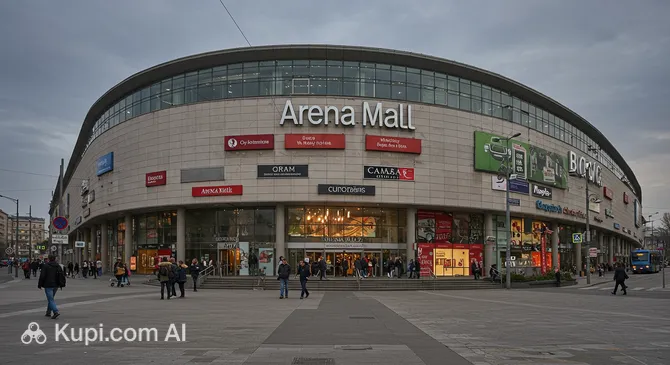
If you prefer having everything under one roof, the city boasts several impressive shopping malls. Arena Mall is one of the largest in the country, located near the Keleti Railway Station. It features a vast array of international clothing stores, a cinema, and a food court. On the Buda side, Allee Mall is a popular choice, offering a great mix of fashion, electronics, and dining options, all easily accessible by tram.
Arena Mall. Source: Kupi.Binoculars
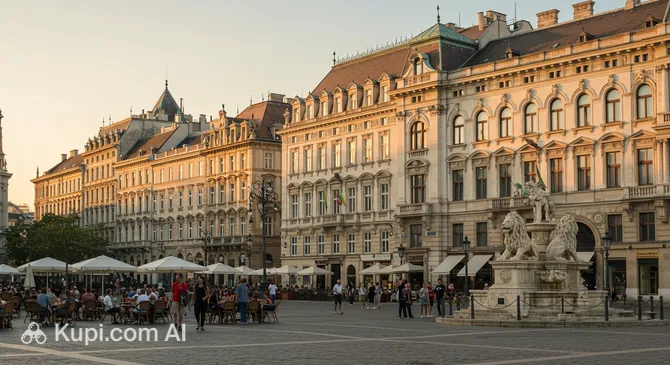
No shopping trip to Budapest is complete without visiting its vibrant markets. The Central Market Hall is the undisputed king of local markets. Under its colorful Zsolnay-tiled roof, you can buy fresh produce, meats, and an endless variety of spices on the ground floor, while the upper level is dedicated to embroidery, lace, and other handicrafts. Another key location is Vörösmarty Square, which hosts the famous Christmas Market and arguably the best spring fairs in the city, offering high-quality artisan products and delicious local food.
Vörösmarty Square. Source: Kupi.Binoculars
When it comes to souvenirs, there are several items that are distinctly Hungarian. Paprika is the most popular gift, often sold in decorative bags or with a wooden spoon. Hungarian wine, particularly the sweet Tokaji Aszú or the red Egri Bikavér (Bull's Blood), makes for an excellent present. For something more durable, look for world-renowned Herend or Zsolnay porcelain, known for their exquisite hand-painted designs. Traditional folk art, such as embroidered tablecloths and painted wooden eggs, also serves as a beautiful memento of your trip.
Most shops in the city are open from 10:00 AM to 6:00 PM or 8:00 PM on weekdays, with shorter hours on Saturdays. While many smaller shops close on Sundays, large shopping malls and supermarkets usually remain open. Payment by credit card (Visa and Mastercard) is widely accepted in malls, restaurants, and most shops. However, it is advisable to carry some Hungarian Forint (HUF) in cash if you plan to visit smaller market stalls or buy small souvenirs, as they may not accept cards.
Tourists residing outside the European Union may be eligible for a VAT refund on purchases exceeding a certain amount (typically around 60,000 HUF) in a single store. Look for the "Tax Free Shopping" logo in store windows and ask for a tax refund form at the checkout. You will need to validate your forms at the airport customs before leaving the EU to claim your refund.