Support

Satu Mare

About

Satu Mare is a captivating destination located in the northwestern part of Romania, serving as the administrative center of the county with the same name. Situated on the banks of the Someș River and near the borders with Hungary and Ukraine, the city has long acted as an important cultural and economic crossroads. With a population of approximately 102,000 residents, it offers a lively yet relaxed atmosphere, characterized by a harmonious blend of architectural styles and a welcoming community.

The city boasts a diverse heritage that is reflected in its buildings and local traditions. Visitors interested in the region's past can explore the fascinating history of Satu Mare, which reveals centuries of development and multicultural influence. The city center is particularly notable for its impressive Secessionist architecture and well-preserved historical monuments that give the area a distinct and elegant character.
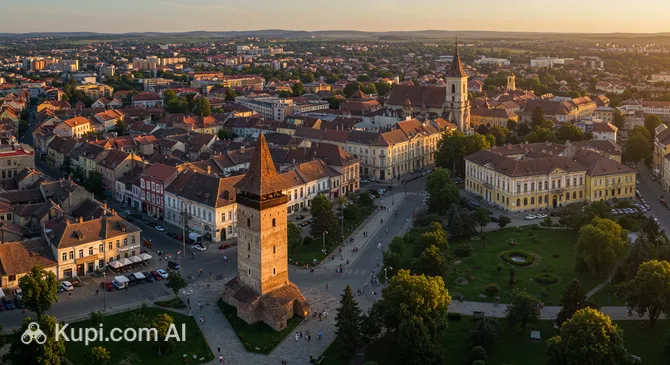
Satu Mare. Source: Kupi.Binoculars

Among the key attractions is the iconic Firemen's Tower, a historic structure that offers panoramic views of the city for those who climb its spiral staircase. The skyline is also defined by the imposing Administrative Palace, one of the tallest buildings in the country, which stands in contrast to the classical facades nearby. For a more leisurely experience, the central Liberty Square provides a beautiful green space surrounded by significant religious edifices, such as the Roman Catholic Cathedral and the "Chain Church."

Whether you are passing through on a cross-border journey or planning a dedicated visit, Satu Mare offers a unique glimpse into the charm of the region. Its mix of history, culture, and scenic urban parks makes it a delightful stop for any traveler looking to discover the hidden gems of the area.
Weather Overview

Understanding the local climate is essential for planning the perfect trip to this region. The weather in Satu Mare is generally temperate, featuring distinct seasons that offer different experiences for visitors. Travelers can expect warm summers with occasional rain and cold winters where temperatures frequently drop near freezing.

Summer is the warmest time of the year, with August seeing the highest temperatures. During this month, the average temperature is around 23.3°C, with daily highs often reaching 29.2°C, making it ideal for outdoor exploration. Conversely, January is typically the coldest month, with average temperatures dropping to 1.0°C and minimums dipping to -1.8°C.

Precipitation is distributed relatively evenly throughout the year, though the frequency of wet days varies. Months like June and December are among the dampest, often recording up to 14 wet days. October tends to be drier, with approximately 8 wet days, providing crisp and pleasant conditions for sightseeing in the autumn.

Interesting Facts

Beyond the well-known landmarks, Satu Mare holds fascinating secrets and architectural records that reveal the city's rich heritage. From soaring heights to unique local nicknames, these details add depth to the visitor experience.
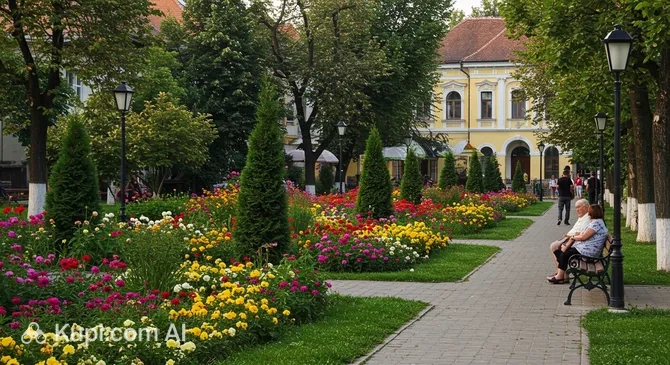
Rome Garden. Source: Kupi.Binoculars
  • The Administrative Palace is a true giant of the skyline; standing at 97 meters tall, it is recognized as one of the highest buildings in the entire country. From its top, the view is so expansive that on clear days, you can see the peaks of the Oaș Mountains in the distance.

  • The Reformed Church is affectionately known by locals as the "Chain Church" (Biserica cu Lanțuri). This moniker comes from the distinctive fence surrounding the edifice, which consists of pillars connected by heavy forged chains that date back to 1862.

  • The iconic Hotel Dacia, a masterpiece of Secessionist architecture, was originally named the Pannonia Hotel. Its design was so impressive that the architectural plans won a prestigious prize at an exhibition in Vienna before the building was even constructed in 1902.

  • Nature lovers will appreciate the Rome Garden, a dedicated green space that serves as an urban oasis. Unlike typical city parks, this area is specifically designed to offer a tranquil retreat, reflecting the city's emphasis on integrating nature with urban life.

How to Get There

Planning a trip to this northwestern corner of Romania is straightforward, thanks to several convenient transport options. Whether you prefer flying directly into the region or arriving at a major hub nearby, there are multiple routes to consider. You can find more about how to get to Satu Mare and detailed travel advice on our dedicated page.

The most direct way to arrive is via Satu Mare International Airport (IATA: SUJ), which is located just 11.1 km from the city center. This regional hub offers a convenient entry point, with a short transfer time to the heart of the city. While it handles a modest volume of traffic, its proximity makes it the ideal choice for travelers looking to minimize ground transfer times.

Alternatively, you can fly into Baia Mare Airport (IATA: BAY), situated in the neighboring city of Baia Mare. Located about 48.6 km away, it serves as a viable secondary option. The transfer from Baia Mare to Satu Mare typically takes between 45 and 60 minutes by road. Another significant option is Oradea Airport (IATA: OMR) in Oradea, approximately 112.5 km away, offering connections for those traveling through the wider region.

For clarity, here is a summary of the main airports:

Airport Name City Passenger Traffic Km from City
Debrecen Airport Debrecen Medium 99.6
Oradea Airport Oradea Medium 112.5
Baia Mare Baia Mare Small 48.6
Satu Mare International Airport Satu Mare Small 11.1
Uzhgorod Uzhhorod 102.6

For those preferring rail travel, it is important to note that while Satu Mare is connected to the national railway network, international travelers often arrive at major hubs in neighboring countries before continuing their journey. You can arrive at the Keleti Railway Station (IATA: XXQ) in Budapest, which is a major international transport node located about 285.5 km from Satu Mare. A direct drive from this station takes approximately 4 hours, while the train journey is longer, typically requiring around 7.5 hours depending on connections. Another option for travelers coming from the north is the Zakopane Railway Station (IATA: QAZ) in Zakopane, roughly 271.6 km away.

Below is a list of the nearest major railway stations:

Station City Passenger Traffic Km to Center
Keleti Railway Station Budapest Very High 285.5
Zakopane Railway Station Zakopane High 271.6
Deli Railway Station Budapest 290.2
Drohobych Railway Station Drohobych 178.9

Main Attractions

Attractions:

While Satu Mare is renowned for its historical architecture, the city also boasts a vibrant modern side with excellent spots for leisure, dining, and entertainment. Visitors looking to experience the local lifestyle will find a welcoming atmosphere in the city's contemporary hubs and social venues.

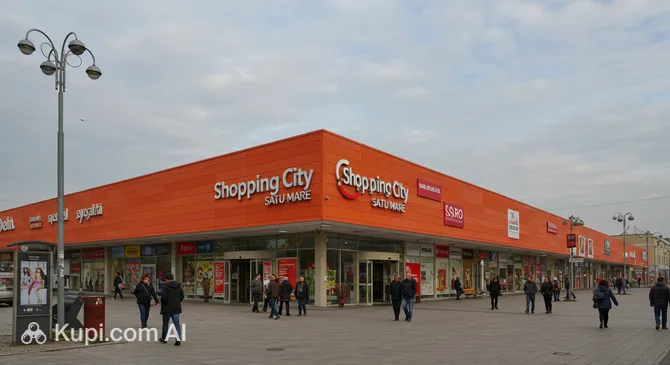
Shopping City Satu Mare. Source: Kupi.Binoculars

A primary destination for retail and relaxation is Shopping City Satu Mare. This extensive shopping mall is a favorite among locals and tourists alike, offering a wide array of international brands, fashion boutiques, and essential services. Beyond shopping, the complex features a modern cinema and a diverse food court, making it an ideal place to escape the weather or enjoy a fun day out with family and friends.

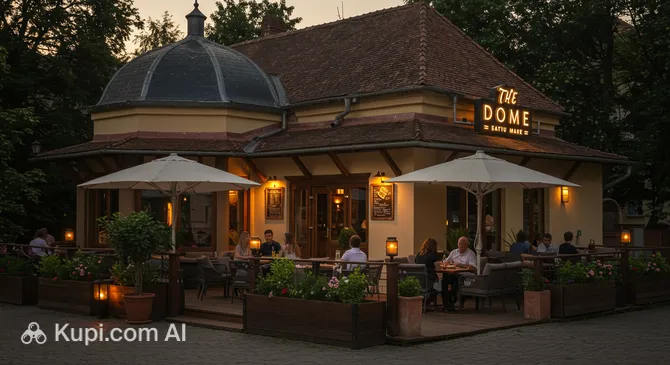
The Dome. Source: Kupi.Binoculars

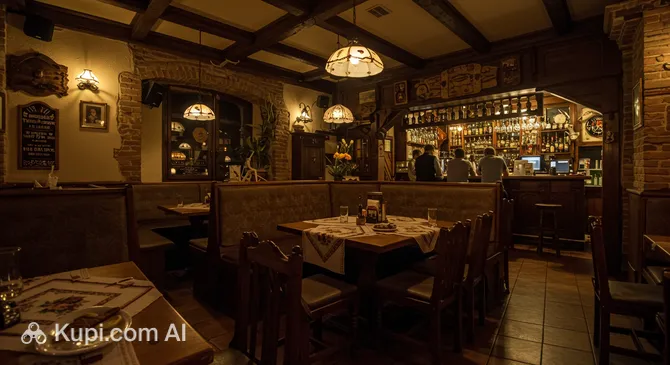
For a taste of the city's social scene, The Dome stands out as a stylish and popular venue. Known for its elegant interior and inviting ambiance, it serves as a perfect spot for dining or enjoying a casual coffee. The establishment is appreciated for its quality service and is a great location to unwind and soak in the contemporary vibe of the city after exploring the historical center.

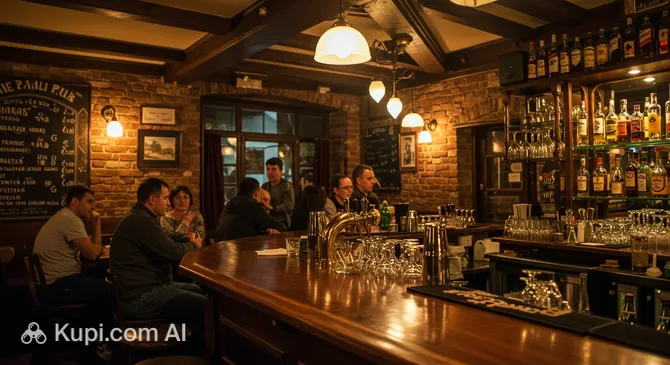
No Pardon Pub. Source: Kupi.Binoculars

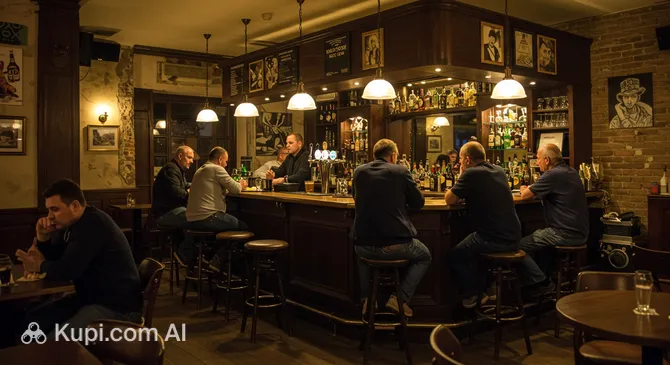
Those seeking a lively evening atmosphere should visit No Pardon Pub. This establishment is well-regarded for its unique character and friendly energy, often bustling with conversation and good music. It offers a robust selection of beverages and a classic pub setting, providing an authentic glimpse into the local nightlife. Additionally, Moose is another notable bar where travelers can enjoy a relaxed drink and a comfortable environment, adding to the diverse entertainment options available in Satu Mare.

Local Cuisine

The culinary landscape of Satu Mare is a delicious reflection of its multicultural heritage, blending Romanian, Hungarian, and Swabian influences into a unique gastronomic experience. The local food culture is characterized by hearty, flavorful dishes prepared with fresh, locally sourced ingredients. Visitors will find that meals here are not just about sustenance but are a celebration of the region's diverse history and hospitality.

Among the main dishes worth trying, goulash stands out as a local favorite, showcasing the strong Hungarian influence in the area. This rich, spicy stew made with beef, potatoes, and paprika is a staple in many restaurants. Another must-try is sarmale, traditional cabbage rolls filled with minced meat and rice, often served with polenta and sour cream. A specific specialty of the region is the Swabian strudli, a fried dough pastry typically filled with seasoned potatoes or fresh cheese. These golden treats are a culinary trademark of Satu Mare County and offer a distinct taste of the local German community's traditions.

When it comes to drinks, the region is famous for its Pălincă, a potent fruit brandy that is deeply rooted in local culture, particularly in the nearby Oaș Country. Usually distilled from plums, pears, or apples, it is often served as a welcome gesture before meals. For those who prefer milder options, the area also produces excellent local wines and craft beers that pair perfectly with the savory local cuisine.

Manila. Source: Kupi.Binoculars

The dining scene in Satu Mare ranges from traditional inns serving rustic meals to modern establishments with contemporary menus. Locals often gather in the city center to enjoy the vibrant atmosphere of the many cafes and pubs. For a taste of the city's modern social life, Manila is a popular bar where tourists can relax with a refreshing drink. Whether you are looking for a quick street food snack or a leisurely dinner, the city offers a welcoming environment for every palate.

Travel Tips

To ensure your visit to Satu Mare is as enjoyable and smooth as possible, we have compiled a list of essential practical advice. These tips will help you navigate the local customs, manage your logistics, and embrace the unique multicultural atmosphere of this charming city.

  1. Clothing and Gear: Since the weather can be quite variable, dressing in layers is the best strategy, regardless of the season. Summers can be warm, so light fabrics are ideal, but bring a jacket for cooler evenings. In winter, heavy coats and waterproof boots are necessary. Comfortable walking shoes are a must for exploring the paved streets of the historic center. If you plan to visit religious sites like the Roman Catholic Cathedral, remember to dress modestly, covering your shoulders and knees.

  2. Transportation: The city center is compact and best explored on foot, allowing you to admire the architecture up close. For longer distances, the local public transport system, operated by Transurban, consists of buses that are reliable and affordable. Taxis are also widely available and inexpensive; always ensure the meter is running or use a reputable ride-hailing app if available. Renting a car is only recommended if you plan to explore the surrounding Oaș Country or Maramureș regions.

  3. Finances: The official currency is the Romanian Leu (RON). While some hotels might quote prices in Euros, daily transactions are made in Lei. Credit and debit cards are widely accepted in supermarkets, restaurants, and the Shopping City mall, but it is wise to carry some cash for small shops, local markets, or taxi fares. ATMs are plentiful throughout the city. Tipping is customary in Romania; leaving around 10% of the bill in restaurants is a standard way to show appreciation for good service.

  4. Health and Safety: Satu Mare is generally a safe city for tourists, but standard precautions should be taken with personal belongings in crowded areas. Pharmacies (marked "Farmacie") are easy to find, and some operate 24/7 for emergencies. The general emergency number for police, ambulance, or fire services is 112. While tap water is generally treated, many travelers prefer drinking bottled water to avoid any acclimatization issues.

  5. Communication: The official language is Romanian, but due to the city's history and location, Hungarian is also widely spoken. English is commonly understood by younger people and staff in the hospitality industry, though it may be less prevalent among the older generation. Learning a few basic phrases like "Mulțumesc" (Thank you) or "Bună ziua" (Good day) is greatly appreciated. Pre-paid SIM cards with excellent 4G/5G data are cheap and easy to purchase at local kiosks or mobile shops.

  6. Local Etiquette: People in Satu Mare are known for their hospitality and politeness. It is polite to greet shopkeepers when entering a store and to say goodbye when leaving. Handshakes are the standard form of greeting. If you are invited into a local's home, removing your shoes at the entrance is often expected unless told otherwise.

  7. What to Avoid: Avoid exchanging money on the street or at unauthorized spots; always use official exchange offices or banks to get a fair rate. Additionally, refrain from refusing hospitality if offered; for instance, if a local offers you a glass of Pălincă (traditional fruit brandy), it is a gesture of welcome. Even a small sip is considered polite.

  8. Additional Tip: Take advantage of the "Corso" culture. In the evenings, especially on weekends, locals love to stroll around the central Liberty Square and the old town area. It is the perfect time to people-watch, enjoy an ice cream, and soak in the relaxed local vibe. Also, be aware that many smaller shops may close early on Saturday afternoons and stay closed on Sundays.

By keeping these practical tips in mind, you will be well-prepared to experience the best of Satu Mare. Whether you are here for the history, the food, or the friendly community, a little local knowledge goes a long way in making your trip memorable.

Entertainment & Nightlife

While Satu Mare may not be known as a bustling metropolis of non-stop partying, its nightlife scene offers a pleasant and welcoming mix of experiences that cater to locals and visitors alike. The city's entertainment landscape is concentrated primarily in the historic center, particularly around the pedestrian areas and Liberty Square. Here, the atmosphere is less about high-energy nightclubs and more about vibrant pubs, chic cafes that turn into bars, and lively terraces where conversation flows as freely as the drinks.

The vibe in Satu Mare after dark is generally casual and friendly. There is rarely a strict dress code, with most venues accepting smart-casual attire. The nightlife typically kicks off around 9:00 PM, with Friday and Saturday nights being the busiest. On these evenings, the streets of the old town come alive with young people and professionals unwinding after the week, creating a spirited community feel.

Moose. Source: Kupi.Binoculars

For those seeking a classic bar experience, Moose is a standout venue. It is well-loved for its relaxed ambiance and extensive menu of beverages, making it an excellent spot to start the night or enjoy a few rounds with friends. The interior often features a cozy, pub-style aesthetic that encourages long conversations. Similarly, Manila offers a distinct setting for evening entertainment. It is a popular meeting point in the city, known for its good music and vibrant crowd, often hosting themed events or parties that keep the energy high until late.

If you prefer a more commercial experience or are looking for evening activities that don't involve bars, the Satu Mare Shopping Center provides alternative options. Shopping malls in the region often serve as social hubs, and while the retail stores may close earlier, the complex remains a go-to destination for dining and leisure. It is a safe and convenient place to spend an evening, especially for families or those looking to escape the weather.

Safety is generally not a major concern in Satu Mare, as the city is considered safe for night walks, particularly in the well-lit central districts. However, as with any travel destination, it is wise to stay in populated areas and avoid unlit backstreets late at night. Getting around is easy and affordable; taxis are plentiful and can be hailed from designated stands or ordered via phone. Prices are reasonable, but always ensure the driver uses the meter.

Beyond the nightlife, the city offers cultural entertainment during the day that is worth noting. The North Theatre (Teatrul de Nord) is a cultural pillar, hosting plays in both Romanian and Hungarian, reflecting the city's multicultural identity. For history buffs, the local museums provide fascinating insights into the region's past, while the city's parks offer a relaxing backdrop for daytime leisure before the evening festivities begin.

Parks & Museums

Satu Mare offers a delightful balance between urban energy and serene green spaces, making it a pleasant destination for those who enjoy cultural exploration and outdoor relaxation. The city’s parks provide a refreshing escape, while its museums serve as custodians of the region's rich and multicultural history.

One of the most beloved natural areas in the city is the Rome Garden. This park is a true oasis near the city center, known for its rare tree species and well-maintained alleys that invite leisurely strolls. It is a favorite spot for locals to unwind, offering a peaceful atmosphere where visitors can admire the diverse vegetation and escape the bustle of the streets. Another excellent location for outdoor activities is the Someș River Embankment. This extensive promenade along the water is perfect for jogging, cycling, or simply enjoying a sunset walk, providing scenic views of the river and the city skyline.

For those keen on exploring the region's heritage, the Satu Mare County Museum is a key institution. It houses impressive collections that span from archaeology and history to ethnography, offering a comprehensive look at the area's past. The exhibits detail the evolution of local civilization, showcasing artifacts that highlight the diverse cultural influences that have shaped the county over centuries.

Art enthusiasts should not miss the Art Museum, which is located in the splendid Vécsey House, a historical monument in itself. The museum features a valuable collection of Romanian art, including works by prominent local artists. The building's architecture, with its distinct 18th-century style, adds to the experience, allowing visitors to enjoy fine art within a setting of historical significance.

Beyond the museums, the city is dotted with architectural landmarks that tell their own stories. The Firemen's Tower remains a symbol of the city, standing tall as a reminder of the past, while the nearby Administrative Palace dominates the skyline with its brutalist grandeur. Walking through the old center, you will encounter a variety of Secessionist buildings that give Satu Mare its unique aesthetic identity.

For an authentic local experience, try visiting the Central Park in Liberty Square during the late afternoon. It is a small but vibrant green space surrounded by churches and historical buildings, where you can sit on a bench and watch the daily life of the city unfold. It is often here that the community gathers, offering a genuine glimpse into the relaxed pace of life in Satu Mare.

Getting Around

Public transport in Satu Mare is straightforward and primarily relies on a network of buses operated by the local company, Transurban. As there are no trams or metro lines in the city, buses serve as the main mode of transit, connecting all major neighborhoods with the city center, the railway station, and key industrial areas. The fleet has seen significant modernization in recent years, now featuring hybrid and electric buses that provide a comfortable and quiet ride for daily commuters and visitors alike.

The payment system is designed to be flexible for tourists. While you can still purchase traditional paper tickets at kiosks found near major bus stops or from automated vending machines, digital options are highly recommended. Passengers can easily pay for their journey via SMS or by using the 24pay mobile application, which allows for quick ticket purchasing directly from a smartphone. Additionally, many buses are equipped with POS terminals, enabling travelers to pay with a contactless bank card or smartwatch immediately upon boarding.

For a hassle-free experience, it is important to remember that paper tickets must be validated as soon as you enter the bus to avoid a fine. Operating hours generally run from approximately 5:00 AM to 11:00 PM, though service frequency is reduced on weekends and public holidays. It is advisable to check the schedule at the bus stop or via the local transport app, as routes may vary slightly depending on the time of day.

If you prefer alternatives to public transit, taxis are widely available and offer an affordable way to move around. You can find them at designated ranks or order one by phone; always ensure the meter is running. Ride-hailing apps like Bolt are also active in the city, providing a convenient and transparent option for getting a car. For those who enjoy active travel, Satu Mare has introduced a bike-sharing system known as "Satu Mare City Bike," allowing users to rent bicycles from various docking stations to explore the city at their own pace.

Accommodation

Finding the perfect place to stay in Satu Mare is relatively easy, as the city offers a balanced mix of accommodation options that cater to various preferences and budgets. Travelers can choose from elegant hotels housed in restored historical buildings, modern business-oriented establishments, and cozy guesthouses that provide a more personal touch. The hospitality sector here is characterized by a friendly, welcoming atmosphere, often reflecting the region's multicultural charm.

The most popular area for tourists is undoubtedly the city center, particularly around Liberty Square and the old town district. Staying in this area places you within walking distance of the main architectural landmarks, such as the Firemen's Tower and the Roman Catholic Cathedral, as well as the city's best restaurants and cafes. For those who prefer a quieter environment, there are several reputable pensions located slightly further from the central buzz, often offering garden spaces and a relaxed vibe while still being accessible by a short taxi ride or walk.

In terms of pricing, Satu Mare is generally very affordable compared to Western European destinations. You can expect to find excellent value for money, with mid-range hotels offering high standards of comfort and amenities at reasonable rates. Budget travelers will also find suitable options, including smaller hostels or economy rooms in older hotels. While luxury resorts are not the norm here, the higher-end hotels in the city center provide a sophisticated experience with premium services, often set against the backdrop of the city's beautiful Secessionist architecture.

Booking Tip: While it is usually possible to find a room upon arrival, it is highly recommended to book your accommodation in advance, especially if you plan to visit during the summer months or around major local holidays. Online booking platforms are widely used and reliable, but for smaller, family-run guesthouses, contacting the property directly can sometimes secure a better rate or a more specific room request.

Nearby Cities

For those looking to explore the surroundings, Satu Mare serves as an excellent base for day trips to several interesting nearby locations:

City Population Distance (km)
Oradea 196,367 110
Baia Mare 123,738 57
Zalau 56,202 70
Sighetu Marmației 37,640 79
Dej 33,497 106

Baia Mare is the closest major city and serves as the gateway to the historic Maramureș region. Located at the foot of the Gutâi Mountains, it offers a mix of urban amenities and access to traditional rural life. The city center is centered around the medieval Stephen's Tower, a landmark that provides excellent views of the old town square. It is an ideal destination for those interested in history and the unique wooden architecture for which the region is famous.

A bit further away lies Oradea, widely considered one of the most beautiful cities in western Romania. It is renowned for its spectacular collection of Art Nouveau architecture, with the Black Eagle Palace being a standout masterpiece. Visitors can explore the massive Oradea Fortress or relax in the nearby thermal resorts of Băile Felix. The city's vibrant cultural scene and beautifully restored facades make the journey well worth the effort.

For a deep dive into history and tradition, Sighetu Marmației is a compelling choice. This northern town is home to the moving Memorial of the Victims of Communism, located in a former political prison. It also serves as the perfect starting point for visiting the famous Merry Cemetery in the nearby village of Săpânța, known worldwide for its colorful crosses and humorous epitaphs.

These nearby destinations offer a glimpse into the diverse culture and landscapes of the region.

Shopping & Souvenirs

Shopping in Satu Mare provides a pleasant mix of contemporary retail therapy and opportunities to discover authentic local products. Whether you are looking for the latest international fashion trends or unique handmade souvenirs that reflect the region's rich folklore, the city has plenty to offer. The commercial landscape has evolved significantly, making it easy to find everything from daily necessities to special gifts within a short distance of the city center.

For a comprehensive modern shopping experience, Shopping City Satu Mare is the premier destination. Located near the river, this large complex serves as the main lifestyle hub for the locals. It houses a wide variety of stores featuring well-known European brands, sportswear, and electronics. The mall is spacious and modern, also offering a food court and entertainment options, making it a perfect spot to spend a few hours browsing or escaping the elements.

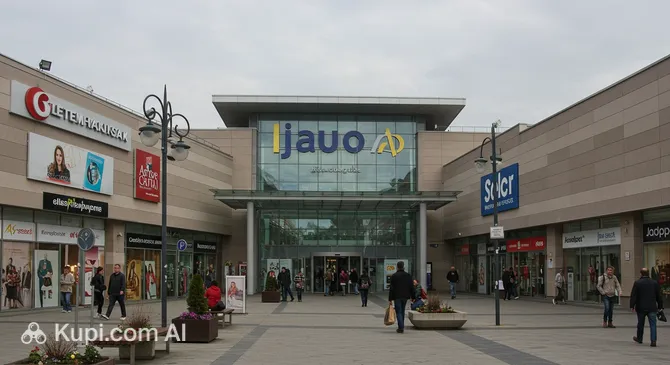
Satu Mare Shopping Center. Source: Kupi.Binoculars

Another key location for shoppers is the Satu Mare Shopping Center. Situated closer to the heart of the city, this multi-story complex provides a diverse range of shops, from clothing boutiques to home goods. It is a convenient stop for those exploring the downtown area, offering a more traditional department store feel combined with modern amenities.

Beyond the malls, visitors should explore the local markets to get a taste of the region's authentic flavor. The city's markets are bustling with vendors selling fresh fruits, vegetables, and artisanal cheeses from the surrounding countryside. For unique souvenirs, look for items connected to the nearby Oaș Country (Țara Oașului). This region is famous for its distinct folk traditions, so you might find beautifully embroidered textiles, traditional ceramics, or the iconic small straw hats known as "clop." Additionally, a bottle of local Pălincă (fruit brandy) makes for a classic and spirited gift to take home.

Reached the end of the page?

That means the route is fully explored