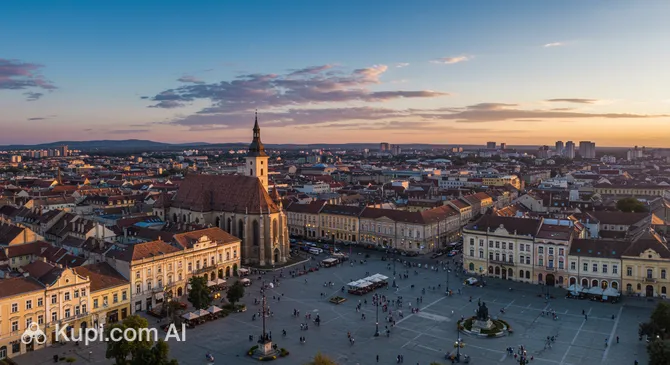
Cluj-Napoca, often referred to simply as Cluj, is the unofficial capital of the legendary Transylvania region. As a vibrant academic and cultural center, it stands out as one of the most dynamic cities in Romania. With its youthful energy, driven by a large student population, the city offers a perfect blend of historical charm and modern European atmosphere.
Cluj-Napoca. Illustration.
Source: Kupi.com AI
Geographically, the city is situated in the northwestern part of the country, nestled in the valley of the Someșul Mic River and surrounded by picturesque hills. With a population of approximately 325,000 inhabitants, it serves as the second-most populous city in the nation. The climate here is continental, offering warm summers ideal for exploration and snowy winters that transform the cityscape.
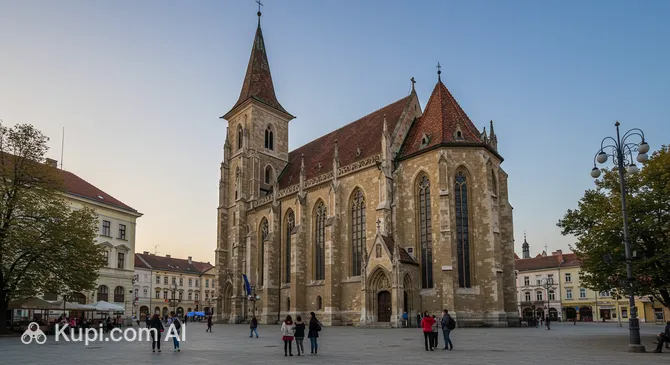
Walking through the city center, visitors are greeted by a fascinating mix of architectural styles, ranging from Baroque to Gothic. Those interested in the past can delve into the rich history of Cluj-Napoca, which is reflected in its well-preserved landmarks. Union Square acts as the heart of the city, dominated by the impressive St. Michael's Church and the iconic statue of Matthias Corvinus.
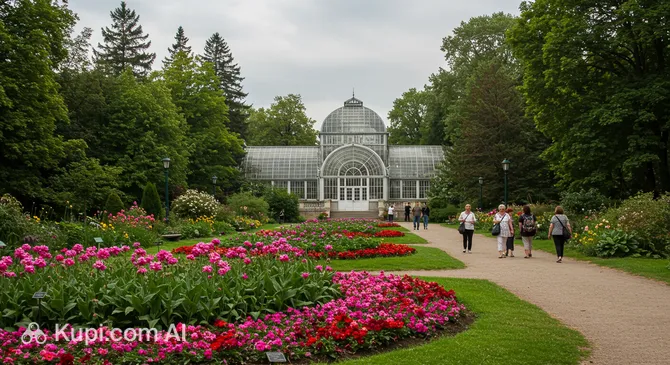
Beyond its historical core, the city is known for its beautiful green spaces, such as the expansive Alexandru Borza Botanical Garden, which is a haven of tranquility. Whether you are attending one of its famous music festivals or exploring its cozy cafes and museums, Cluj-Napoca promises a memorable travel experience. It is a welcoming destination that invites you to discover the unique spirit of Transylvania.
Weather Overview
Cluj-Napoca features a continental climate with four distinct seasons, making it a destination that changes character throughout the year. To help you pack appropriately for your trip, you can consult the detailed guide on the weather in Cluj-Napoca.
The summer months offer pleasant warmth, with August being the hottest time of the year, reaching average daily highs of 26.1°C. However, travelers should be prepared for frequent showers earlier in the season, as June typically records about 18 wet days.
Winters bring a crisp chill to the city, with January being the coldest month, seeing average temperatures around -0.9°C and lows dipping to -4.1°C. Overall, you can expect warm summers with occasional rain and cold winters that call for cozy clothing.
Average monthly temperature
Average monthly precipitation
Interesting Facts
Beyond the main attractions, Cluj-Napoca holds many fascinating secrets and urban legends that surprise even seasoned travelers. From mysterious forests to architectural illusions, the city offers plenty of unique stories for the curious explorer.
Alexandru Borza Botanical Garden. Illustration.
Source: Kupi.com AI
Traveler photos:
The nearby Hoia Baciu Forest is globally famous as one of the most haunted woodlands in the world. Often referred to as the "Bermuda Triangle of Romania," it draws visitors intrigued by its strangely crooked trees and local legends of unexplained phenomena.
The city boasts a unique connection to steampunk culture, most notably seen at the Joben Experience Bar. This venue is designed with moving gears, brass pipes, and décor inspired by the novels of Jules Verne, creating an immersive atmosphere that feels like stepping into a sci-fi novel.
On Iuliu Maniu Street, visitors can witness a rare architectural feat known as the "Mirror Street." The monumental buildings on opposite sides of the road were constructed as identical reflections of one another, creating a perfect symmetry that frames the view toward the city center.
The Alexandru Borza Botanical Garden offers more than just diverse flora; it is also an archaeological site. Hidden among the greenery and the serene Japanese garden, you can find authentic Roman ruins, including sarcophagi and statues that date back to the ancient settlement of Napoca.
How to Get There
Reaching this vibrant Transylvanian city is relatively straightforward, thanks to its well-developed transport connections. Whether you prefer flying or taking a scenic route, there are several options to consider. For a comprehensive guide on all available travel methods, you can read more about how to get to Cluj-Napoca.
The most convenient entry point is the Avram Iancu Cluj International Airport (IATA: CLJ). Located directly in Cluj-Napoca, it sits just 5.0 km from the city center. This is a major international hub with significant passenger traffic, ensuring frequent connections. The travel time to the downtown area is very short, taking approximately 30 minutes by taxi or bus.
If you cannot find a direct flight to Cluj, an alternative is the Transilvania airport (IATA: TGM) located in the city of Targu Mures. It is about 69.2 km away from Cluj-Napoca. A transfer from there typically takes around 2 hours by road. Another option further afield is Sibiu Airport (IATA: SBZ) in Sibiu, situated approximately 115.3 km away, which would require a transfer time of roughly 3 hours.
For clarity, here is a summary of the main airports:
Regarding rail travel, the city is well-integrated into the national and European railway networks. The Cluj-Napoca Railway Station serves as a key transportation hub for the region, offering regular connections to major Romanian cities such as Bucharest, Timișoara, and Oradea. Additionally, there are direct international trains connecting the city to Budapest and Vienna. The station is located just a short distance from the historic center, making it easy to start exploring immediately upon arrival.
Main Attractions
The city is brimming with fascinating sights that blend centuries of history with a lively contemporary spirit. From towering gothic structures to serene green escapes, the main attractions in Cluj-Napoca offer something for every type of traveler. Exploring these landmarks provides a deeper understanding of the region's cultural heritage and its modern-day vibrancy.
Dominating the city's central square is St. Michael's Church, a masterpiece of Gothic architecture and one of the most emblematic symbols of Cluj. As the second-largest church in Transylvania, its imposing tower soars above the skyline, offering a stunning focal point for Union Square. Tourists are drawn here not only for its spiritual significance but also to admire the intricate stone carvings, colorful stained glass, and the panoramic views available from the tower.
St. Michael's Church. Illustration.
Source: Kupi.com AI
Traveler photos:
For the best vantage point in the city, a visit to Cetățuia Park is essential. Located on a hill that was once the site of an Austrian fortress, this park offers breathtaking panoramic views of the city and the winding Someșul Mic River. It is a favorite spot for both locals and visitors to watch the sunset, enjoy a romantic walk, or simply capture memorable photographs of the cityscape spread out below.
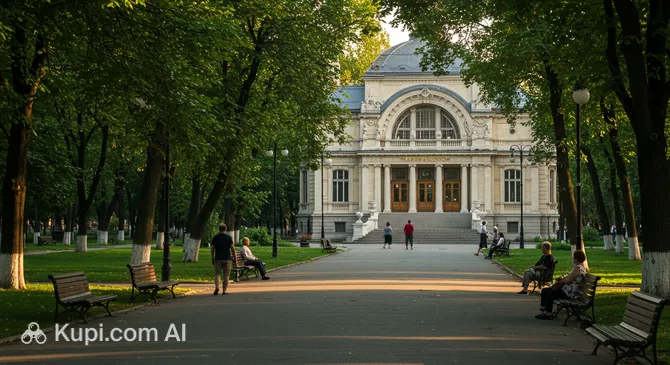
Those seeking relaxation amidst nature should head to Central Park Simion Bărnuțiu. This expansive urban oasis is perfect for leisurely strolls along its tree-lined alleys or a boat ride on the small lake during the warmer months. Inside the park, you will also find the beautifully restored Casino Urban Culture Centre, an architectural gem that now hosts various cultural events and exhibitions.
Central Park Simion Bărnuțiu. Illustration.
Source: Kupi.com AI
Traveler photos:
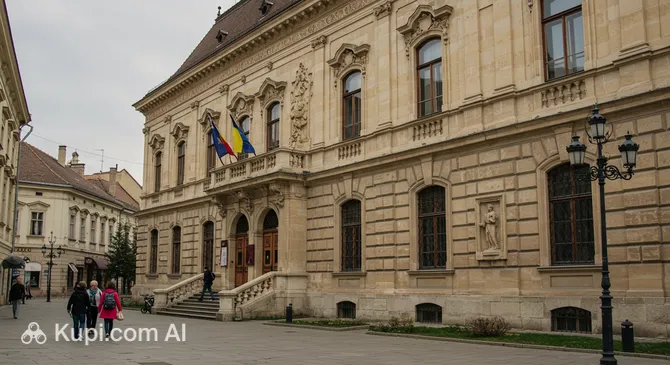
Art enthusiasts will find a treasure trove at the National Museum of Art Cluj-Napoca. Housed in the splendid Bánffy Palace, which is considered the most representative baroque building in Transylvania, the museum showcases an impressive collection of Romanian and European art. The gallery includes works by famous national painters as well as graphics and sculptures, making it a pivotal institution for understanding the artistic evolution of the region.
To dive into the traditional rural life of the area, the Ethnographic Museum of Transylvania is a must-visit. It features two sections: an indoor exhibition displaying folk costumes, tools, and crafts, and an open-air park known as the Romulus Vuia National Ethnographic Park. The latter allows visitors to walk among authentic peasant households, wooden churches, and traditional workshops, providing an immersive journey back in time.
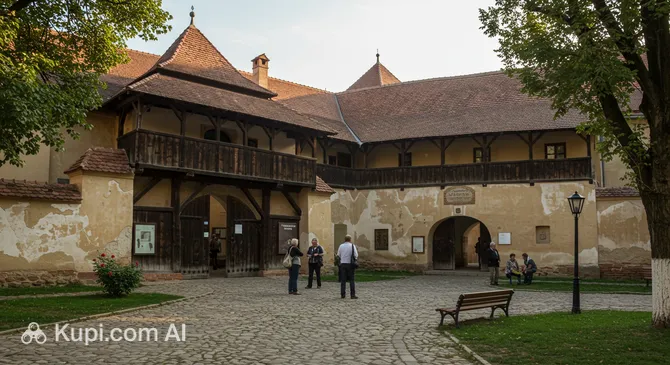
Ethnographic Museum of Transylvania. Illustration.
Source: Kupi.com AI
Traveler photos:
Local Cuisine
The gastronomic landscape of Cluj-Napoca is a delicious reflection of its multicultural heritage, blending Romanian traditions with strong Hungarian and Saxon influences. The local cuisine is characterized by hearty, comfort-food dishes that are rich in flavor and history. Visitors will find a vibrant food scene that ranges from traditional taverns serving centuries-old recipes to modern bistros that cater to the city's large student population.
The undisputed signature dish of the city is Varză à la Cluj (Cluj-style cabbage). Unlike the traditional cabbage rolls found elsewhere in Romania, this dish consists of layers of shredded pickled cabbage and spiced minced meat, baked together with rice and sour cream to create a savory, casserole-like meal. Due to the region's history, you will also find exceptional Goulash, a rich stew seasoned with paprika that warms you up during the cooler months.
For dessert, the streets often smell of Kürtőskalács (chimney cake), a sweet, spiral pastry roasted over charcoal and coated with sugar and walnuts. It is a popular street food snack perfect for eating while exploring. Another must-try is Papanași, a decadent fried doughnut shaped like a sphere and a ring, smothered in sour cream and fruit jam, usually blueberry or cherry.
When it comes to drinks, a meal often begins with a shot of Pălincă, a potent traditional fruit brandy, usually made from plums or pears. It is considered a gesture of hospitality. The city also has a thriving craft beer culture and is close to several Transylvanian vineyards, making local wines a great accompaniment to dinner.
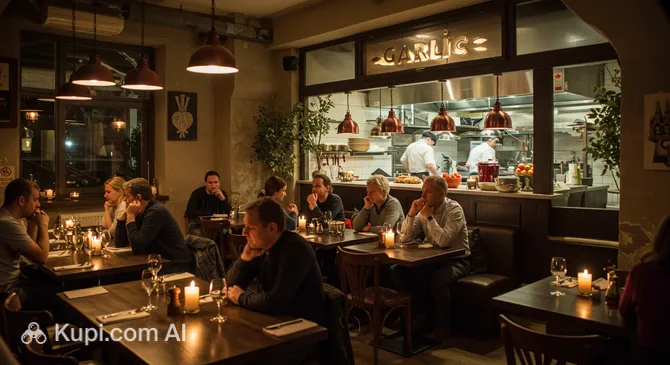
The dining atmosphere in Cluj is eclectic and welcoming. You can enjoy a leisurely brunch at trendy spots like Eggcetera, which is famous among locals for its creative breakfast dishes. For a more robust dining experience that plays with flavors and storytelling, GARLIC - bites & tales offers a menu designed to surprise the palate in a cozy setting.
GARLIC - bites & tales. Illustration.
Source: Kupi.com AI
Traveler photos:
Travel Tips
Welcome to Cluj-Napoca, a city where history meets youthful energy! To ensure your visit to this dynamic Transylvanian hub is as smooth and enjoyable as possible, we have compiled a list of essential practical tips to help you navigate the local lifestyle with ease.
Clothing and Gear: The weather can be quite changeable, so dressing in layers is always a smart strategy, especially in spring and autumn. Since exploring the historic center involves walking on cobblestones, particularly around Union Square and Museum Square, pack comfortable, sturdy walking shoes. If you plan to visit religious sites like St. Michael's Church or the Orthodox Cathedral, remember to dress modestly, covering your shoulders and knees.
Transportation: Cluj-Napoca has an excellent public transport network operated by CTP, consisting of buses, trolleybuses, and trams (there is no metro). You can easily pay for tickets using a contactless bank card directly inside the vehicle or via the 24pay app. A unique local initiative is "Vinerea Verde" (Green Friday), where public transport is free for everyone every Friday. Ride-hailing apps like Bolt and Uber are also widely available and affordable.
Finances: The local currency is the Romanian Leu (RON). While credit and debit cards are accepted almost everywhere, including small cafes and convenience stores, it is wise to carry a small amount of cash for tipping or small purchases at local markets. ATMs are plentiful throughout the city. Tipping is customary in Romania; leaving about 10% of the bill in restaurants is standard practice if the service was good.
Health and Safety: Cluj-Napoca is considered one of the safest cities in Romania. Pharmacies, marked by a green cross (Farmacia), are easy to find, and many in the city center stay open 24/7. In case of any emergency, dial 112, which works for police, ambulance, and fire services. Tap water is generally safe to drink, but many tourists prefer bottled water for peace of mind.
Communication: The official language is Romanian, a Romance language. However, due to the city's status as a major university center, English is widely spoken, especially by the younger population and in the service industry. Learning a few local phrases like "Mulțumesc" (Thank you) or "Bună ziua" (Good day) is always appreciated. Free Wi-Fi is often available in the city center and on public buses.
Local Etiquette: Romanians are generally hospitable and polite. A handshake is a common greeting. When entering a shop or a waiting room, it is polite to greet others with a general "Bună ziua" and say "La revedere" (Goodbye) when leaving. If you are invited to a local's home, removing your shoes at the door is a common custom unless told otherwise.
What to Avoid: Avoid exchanging money at the airport or in high-traffic tourist areas if you want the best rates; using an ATM in the city is usually a better option. Also, try to avoid sensitive discussions comparing Romania to its neighbors or confusing the capital, Bucharest, with Budapest—it is a common mistake that can be tiresome for locals.
Additional Tip: Embrace the local coffee culture! Cluj has a thriving specialty coffee scene, driven by its student population. Take time to slow down and enjoy a high-quality brew in one of the many hip cafes tucked away on the side streets near the Central Park.
Armed with these practical insights, you are ready to explore the charming streets and vibrant culture of Cluj-Napoca. Enjoy your journey through the heart of Transylvania!
Entertainment & Nightlife
As a vibrant university center with a massive student population, Cluj-Napoca boasts one of the most energetic nightlife scenes in Romania. The city comes alive after dark, offering a diverse array of entertainment options that range from underground pubs and chic cocktail bars to pulsating electronic music clubs. Whether you are looking for a quiet evening with a glass of wine or a party that lasts until sunrise, the city's electric atmosphere delivers.
The epicenter of the student nightlife is undoubtedly Piezișă Street. This sloping street is lined with dozens of bars and pubs, creating a bustling, youthful vibe where crowds often spill out onto the sidewalks. For a slightly more sophisticated but equally lively experience, Museum Square (Piața Muzeului) and the streets surrounding Union Square offer historic pedestrian areas filled with terraces, offering a perfect setting for warm summer nights.
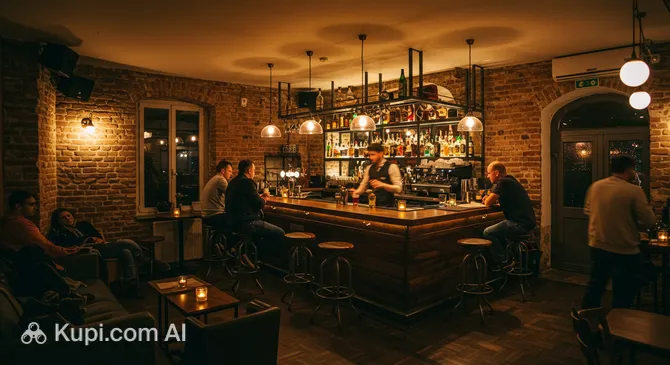
For those seeking a unique atmosphere, Visuin is a hidden gem that captures the creative spirit of the city. This bar is known for its cozy, eclectic design and excellent selection of craft drinks, making it an ideal spot for conversation and relaxation before the night truly begins. The crowd here is typically artsy and laid-back, reflecting the city's bohemian character.
Visuin. Illustration.
Source: Kupi.com AI
Traveler photos:
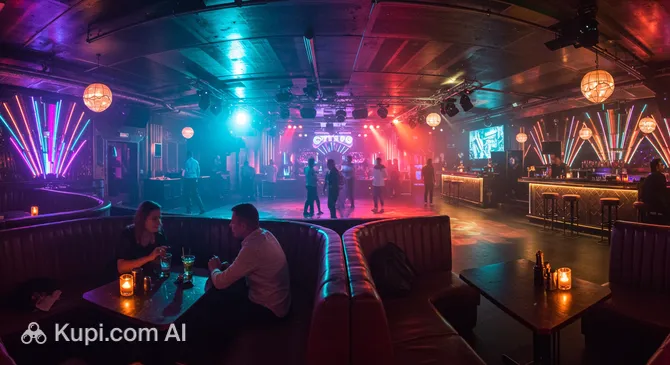
If you are ready to hit the dance floor, the city offers several high-energy venues. Cotton Club is a staple of the local clubbing scene, attracting a stylish crowd with its mix of commercial hits, themed parties, and spacious interiors. It is a great place to experience the glamorous side of Cluj's nightlife, where the party often continues well into the early morning hours.
Cotton Club. Illustration.
Source: Kupi.com AI
Traveler photos:
For a blend of culture and entertainment, the Arta Movie Theatre offers more than just film screenings. As one of the oldest cinemas in the region, it also functions as a cultural hub with a distinct bar area, hosting various events that appeal to cinephiles and those looking for an alternative night out. It represents the intellectual side of the city's evening entertainment.
Practical Advice: The nightlife in Cluj-Napoca generally kicks off late. Bars start filling up around 9:00 PM, while clubs typically get busy after midnight. The dress code is mostly casual to smart-casual; comfort is key, especially if you plan to go bar-hopping. Prices are reasonable compared to Western Europe, with a beer costing around 10-15 RON and cocktails ranging from 25 to 35 RON.
Safety and Transport: The city is very safe for night walks, even in the early hours. However, standard precautions should always be taken. Public transport runs until late evening, but for getting home at night, ride-sharing apps like Bolt and Uber are the most convenient and reliable options. Traditional taxis are also available, but using an app ensures price transparency.
While the nights are for partying, the daytime offers a different kind of entertainment. Visitors can explore the city's rich cultural landscape by visiting the National Theatre or spending a fun afternoon at one of the local escape rooms or amusement centers. Whether day or night, Cluj-Napoca ensures there is never a dull moment.
Parks & Museums
Beyond its bustling squares and historic churches, Cluj-Napoca offers a wealth of cultural institutions and green retreats that cater to a wide range of interests. For those keen on diving deeper into the region's past, the National Museum of Transylvanian History is an essential stop. Located near the city center, this institution houses an extensive collection that spans from prehistoric times to the modern era, featuring artifacts that tell the complex story of Transylvania's development.
National Museum of Transylvanian History. Illustration.
Source: Kupi.com AI
Traveler photos:
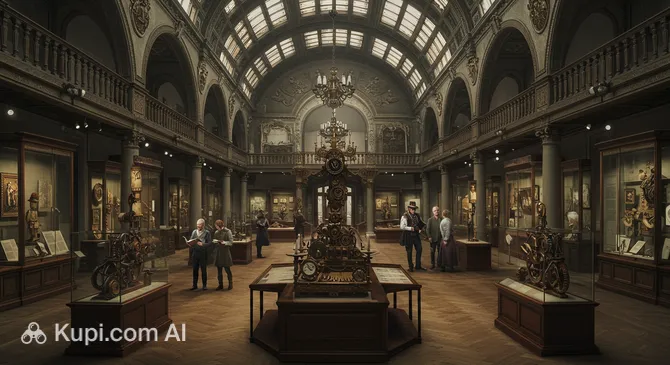
For a completely different museum experience, visitors can step into the fantastical world of Steampunk Transylvania. This unique gallery blends history with science fiction, offering an immersive journey through a Victorian-industrial fantasy. It is filled with intricate mechanical installations and curious inventions, making it a favorite for those looking for something unconventional and visually striking.
Steampunk Transylvania. Illustration.
Source: Kupi.com AI
Traveler photos:
Nature enthusiasts will appreciate the Zoological Museum of Cluj-Napoca. Part of the local university, it holds one of the most significant zoological collections in the country, displaying a vast variety of species that showcase the biodiversity of Romania and the world. Nearby, you can also visit the Cluj-Napoca Aquarium, located within the University of Agricultural Sciences, which offers a glimpse into aquatic ecosystems.
Another poignant cultural landmark is the Muzeon Jewish History Museum. This innovative space focuses on personal storytelling to narrate the history of the Jewish community in Cluj. Through interactive exhibits and audio guides, it provides a moving and educational experience that connects visitors with the personal lives of those who shaped the city's heritage.
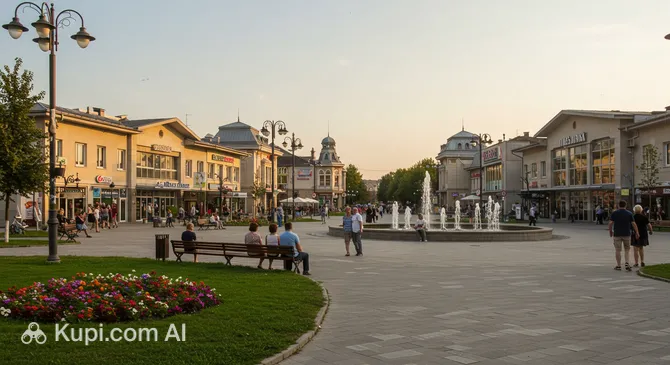
When it comes to outdoor relaxation, the city continues to expand its green spaces. Iulius Park is a prime example of modern urban planning, situated next to a major shopping center. It features a scenic lake, manicured lawns, and promenades, making it a popular spot for a casual afternoon hang-out or an evening walk by the water.
Iulius Park. Illustration.
Source: Kupi.com AI
Traveler photos:
For those seeking a more active day out, the Railway Workers' Park has been recently revitalized into a large community hub. It offers ample space for sports, playgrounds for children, and long paths for walking, providing a fresh and modern recreational area away from the crowded city center.
Getting Around
Navigating Cluj-Napoca is both efficient and affordable, thanks to a well-integrated public transport network managed by the Public Transport Company (CTP). While the city does not have a metro system, it compensates with an extensive fleet of buses, trolleybuses, and trams that connect the historic center with residential neighborhoods, the airport, and the train station. The vehicles are generally modern, clean, and painted in a distinctive purple and grey livery, making them easy to recognize.
For tourists, the payment system is designed to be highly convenient. You do not need to worry about finding a ticket booth before every ride. Most vehicles are equipped with modern validators that accept contactless bank cards (Visa or Mastercard). You simply tap your card or phone against the device inside the bus to pay for a single trip. Alternatively, you can use the 24pay mobile app, which allows you to purchase tickets and passes digitally, or buy paper tickets from automated vending machines located at major stops. If you choose paper tickets, remember to validate them immediately upon boarding to avoid fines.
Public transport typically operates between 5:00 AM and 11:00 PM. During peak hours, services are frequent, often running every few minutes on main lines. For late-night travelers, there are specific night bus lines that run less frequently, usually connecting the city center to the main neighborhoods after regular hours. It is advisable to check the official CTP schedule or use Google Maps, which is well-integrated with the local transit data, for real-time arrival times.
A unique feature of the city's commitment to sustainability is the "Green Friday" (Vinerea Verde) initiative. On Fridays, travel on all public transport lines within the city is completely free of charge for everyone. This is an excellent opportunity for visitors to explore different parts of the city without worrying about tickets. Additionally, Cluj-Napoca boasts one of the most eco-friendly public transport fleets in the region, with a significant number of electric buses operating on various routes.
If you prefer more flexibility, there are plenty of alternatives to public transit. Ride-sharing apps like Bolt and Uber are extremely popular, reliable, and generally inexpensive compared to Western European standards. Traditional taxis are also available but ensure they have a visible meter. For active travelers, the ClujBike system offers a network of bike-sharing stations throughout the city. While you may need to register for a card to use the automated stations, renting a bike is a fantastic way to see the city, especially along the dedicated lanes near the Someș River.
Accommodation
Finding the perfect place to stay in Cluj-Napoca is relatively easy, as the city offers a wide spectrum of accommodation options to suit every preference and budget. As a major university center and a hub for business in Transylvania, the hospitality sector is well-developed. Travelers can choose from lively youth hostels that reflect the city's student spirit, charming boutique hotels housed in restored historical buildings, and modern high-rise hotels equipped with business facilities. Additionally, the market for short-term apartment rentals is thriving, offering a "home away from home" experience that is particularly popular among families and groups.
For most tourists, the City Center (Old Town) is the most convenient area to base themselves. Staying near Union Square or Museum Square places you within walking distance of the main landmarks, such as St. Michael's Church, as well as the best cafes and nightlife spots. If you prefer a more modern setting with easy access to shopping and green spaces, the area around Iulius Mall in the Gheorgheni neighborhood is an excellent alternative. It is well-connected to the center and offers contemporary hotels and apartments close to Iulius Park.
When planning your trip, it is crucial to consider the city's event calendar. Cluj-Napoca hosts major international festivals, most notably the Untold Festival in summer and the Transilvania International Film Festival (TIFF). During these periods, demand for accommodation skyrockets, and prices can triple. A key booking tip is to secure your room several months in advance if you plan to visit during these peak times. For the rest of the year, booking a few weeks ahead is usually sufficient.
In terms of pricing, the city is generally affordable compared to Western European destinations, though rates have been rising with its growing popularity. Budget travelers can find excellent value in hostels and guesthouses, while mid-range options offer high standards of comfort at reasonable rates. Luxury seekers will find a few upscale hotels that provide top-tier services, often located in the heart of the city. Reservations are most commonly made through major online booking platforms, which offer the flexibility to compare prices and read reviews from fellow travelers.
Nearby Cities
For those looking to explore the surroundings, Cluj-Napoca serves as an excellent base for day trips to several interesting nearby locations:
One of the most popular and accessible destinations is Turda, located just a short drive away. It is globally renowned for the spectacular Salina Turda, an ancient salt mine that has been transformed into a futuristic underground theme park complete with a Ferris wheel and a boating lake. Above ground, nature enthusiasts can hike through the dramatic limestone scenery of the Turda Gorge.
Further south lies Alba Iulia, a city of immense historical significance often called the spiritual capital of Romania. The main attraction here is the Alba Carolina Citadel, an impressive star-shaped fortress that stands as the largest of its kind in Southeast Europe. Visitors can walk along the fortification walls, visit the Coronation Cathedral, and witness the ceremonial changing of the guard.
For lovers of architecture and culture, Targu Mures offers a delightful experience. The city center is famous for its stunning Secessionist buildings, most notably the Palace of Culture with its colorful tiled roof and magnificent stained-glass windows. It provides a fascinating look into the multicultural heritage of Transylvania.
City
Population
Distance
Florești
20 256
11 km
Turda
47 744
27 km
Campia Turzii
22 223
30 km
Gherla
20 982
36 km
Dej
33 497
46 km
These nearby destinations offer a glimpse into the diverse culture and landscapes of the region.
Shopping & Souvenirs
Shopping:
Shopping in Cluj-Napoca offers a delightful mix of modern retail experiences and traditional charm. The city has developed into a major commercial hub for Transylvania, where visitors can find everything from high-end international brands to unique local handicrafts. Whether you prefer browsing through expansive shopping centers or wandering along historic streets lined with boutiques, the city caters to all tastes and budgets.
The heart of the city's commercial life beats in the historic center. The pedestrian areas around Union Square and the Bulevardul Eroilor are lined with various shops, bookstores, and souvenir stands. This area is perfect for those who enjoy window shopping while admiring the beautiful architecture. Here, you can find clothing boutiques, shoe stores, and shops selling Romanian cosmetics, often tucked away in renovated historical buildings.
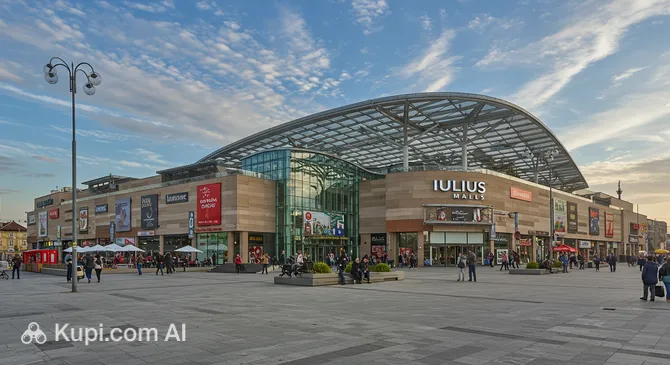
For a comprehensive shopping spree, the city boasts several large commercial centers. The most prominent destination is Iulius Mall, located in the Gheorgheni neighborhood. It is one of the largest shopping malls in the region, featuring hundreds of international and local brands, a cinema, and a vast food court. It is a favorite spot for both locals and tourists, offering not just retail therapy but also leisure options near the adjacent park.
Iulius Mall. Illustration.
Source: Kupi.com AI
Traveler photos:
If you are looking for authentic local flavor, you should explore the city's markets. The "Oser" market, a well-known flea market held on Saturday mornings, is a legendary spot for vintage hunters and those looking for eclectic second-hand items. For fresh local produce and traditional food items, the farmers' markets in the city center and neighborhoods offer a glimpse into the daily life of the locals, where you can buy seasonal fruits, vegetables, and artisanal cheeses.
When it comes to souvenirs, Cluj-Napoca offers plenty of choices that reflect Romanian heritage. Popular items to bring back home include traditional pottery from Corund, hand-painted eggs, and intricately embroidered blouses known as "ie." You can also find high-quality leather goods and wood carvings. For edible gifts, a bottle of local Pălincă or homemade jams made from forest fruits are excellent choices that capture the taste of Transylvania.
Most shops in the city operate from roughly 10:00 AM to 10:00 PM, especially those located within shopping malls. Street-side boutiques may close earlier, around 6:00 PM or 7:00 PM, and some might have reduced hours or be closed on Sundays. Payment is very convenient, with credit and debit cards being widely accepted in almost all stores and supermarkets. However, it is advisable to carry some cash (RON) if you plan to visit open-air markets or buy small souvenirs from street vendors.
Tourists from outside the European Union should be aware of the tax-free shopping opportunities. Many larger stores and international brands participate in the VAT refund scheme. Look for the "Tax Free" signage in shop windows, and do not hesitate to ask for a refund form at the checkout if your purchase exceeds the minimum qualifying amount.