Support

Targu Mures

About

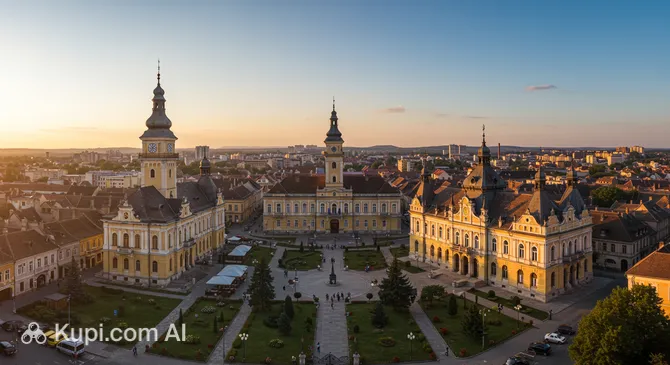
Welcome to Targu Mures, often affectionately known as the "City of Roses." This charming urban center in the heart of Transylvania is renowned for its elegant architecture and distinct multicultural atmosphere. Located in central Romania, specifically in Mureș County, the city serves as a significant cultural and educational hub. With a population of approximately 134,000 residents, it offers a lively yet relaxed environment for travelers seeking a blend of history and modernity.

Targu Mures. Source: Kupi.Binoculars

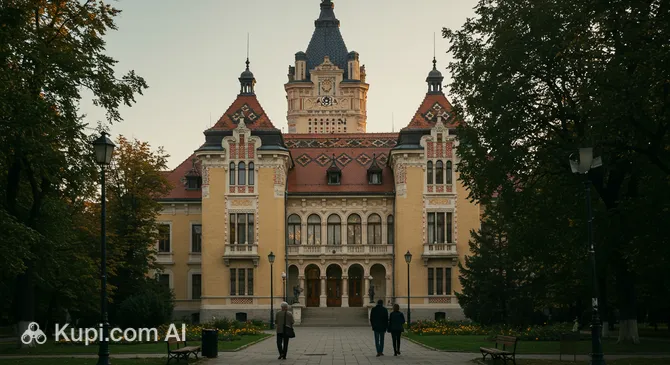
The city boasts a fascinating heritage that is reflected in its stunning buildings and public squares. To learn more about how this settlement evolved over the centuries, you can explore the history of Targu Mures. One of the most striking features of the city is the Palace of Culture, a masterpiece of Art Nouveau style famous for its colorful roof tiles and impressive stained glass windows. Another highlight is the Medieval Fortress, which dates back to the 15th century and frequently hosts various cultural events and festivals.

Visitors should also take the time to visit the Teleki-Bolyai Library, one of the oldest libraries in Transylvania, housing rare collections of books and manuscripts. Whether you are strolling through the beautiful Rose Square or admiring the intricate details of the local architecture, Targu Mures promises a memorable experience. It is a perfect destination for those looking to discover the authentic spirit of the region.

Weather Overview

Targu Mures features a temperate continental climate with four distinct seasons, offering a variety of conditions for travelers. The summer months are generally warm and pleasant, with August being the hottest time of year, seeing average temperatures of 21.8°C and highs reaching up to 27.7°C. In contrast, winters are cold, particularly in January, when the average temperature drops to -0.1°C and lows can reach -3.3°C.

Precipitation is distributed throughout the year, though the frequency of rain varies. Late spring and early summer tend to be the dampest periods, with May and June experiencing around 14 wet days each. August and October are typically drier, recording only about 8 days with precipitation. For a more comprehensive look at what to expect during your trip, you can check the current weather in Targu Mures.

Overall, visitors can expect warm summers with occasional rain and cold, dry winters. The shoulder seasons of spring and autumn provide mild temperatures, often ranging between 10°C and 16°C, which are comfortable for exploring the city's outdoor attractions.

Interesting Facts

Beyond the main attractions, Targu Mures holds many fascinating secrets and historical curiosities that often escape the casual visitor's eye. From groundbreaking mathematical discoveries to unique architectural details, this city has plenty of stories to tell.
Palace of Culture. Source: Kupi.Binoculars
  • The city is a significant site in the history of science as the home of the renowned mathematicians Farkas and János Bolyai. It was here that János developed absolute geometry (non-Euclidean geometry), famously writing to his father that he had "created a new, different world out of nothing."

  • The Palace of Culture is famous for its Hall of Mirrors, but a lesser-known detail is that its twelve monumental stained-glass windows were created by the master artist Miksa Róth. They vividly depict scenes from Székely legends and ballads, turning the hall into a glowing storybook of local folklore.

  • Unlike many royal citadels commanded by distant monarchs, the Târgu Mureș Fortress was largely built and defended by the local citizens themselves. Various guilds, such as the tailors, tanners, and butchers, were responsible for constructing and maintaining specific bastions, which still bear their names today.

  • The Cornești Plateau hosts the largest zoo in Romania in terms of surface area. Uniquely situated within a dense, protected oak forest at an elevation of 488 meters, it offers a natural environment that is quite different from typical urban zoological gardens.

How to Get There

Reaching this Transylvanian destination is relatively straightforward, with several transport options available depending on your starting point. Whether you prefer flying directly into the region or landing in a neighboring city and enjoying a scenic drive, you can plan your journey with ease. For a complete overview of routes and tips, you can read more about how to get to Targu Mures in our detailed guide.

The most convenient option for air travel is the local Transilvania (IATA: TGM), located right in Targu Mures, just 13.3 km from the city center. A taxi or bus ride from here typically takes around 40 minutes. Alternatively, many travelers choose to fly into Avram Iancu Cluj International Airport (IATA: CLJ) in Cluj-Napoca, which is the largest hub in the area. Located approximately 71.7 km away, the transfer to Targu Mures takes about 2 hours and 10 minutes by road. Another viable option is Sibiu Airport (IATA: SBZ) in Sibiu, situated roughly 90.9 km from the city, with a travel time of around 2 hours and 35 minutes.

For clarity, here is a summary of the main airports:

Airport Name City Passenger Traffic Km from City
Avram Iancu Cluj International AirportCluj-NapocaLarge71.7
Sibiu AirportSibiuMedium90.9
TransilvaniaTargu MuresMedium13.3
Brașov-Ghimbav International AirportCodleaMedium119.3
Baia MareBaia MareSmall149.1

Regarding rail travel, while there are local connections, some travelers may find themselves transiting through major regional hubs listed in the wider area. For instance, you can arrive at Roman Railway Station in the city of Roman, though it is located approximately 186.3 km from Targu Mures. From there, a transfer by road would take roughly 5 hours. Another option in the broader region is Târgu Frumos Railway Station, situated about 202.6 km away.

Below is a list of the regional railway stations provided for reference:

Station City Passenger Traffic Km to Center
Roman Railway StationRoman400000186.3
Târgu Frumos Railway StationTargu Frumos150000202.6
Bacău Railway StationBacau179.7
Adjud Railway StationAdjud209.2
Mărășești Railway StationMarasesti218.3

Main Attractions

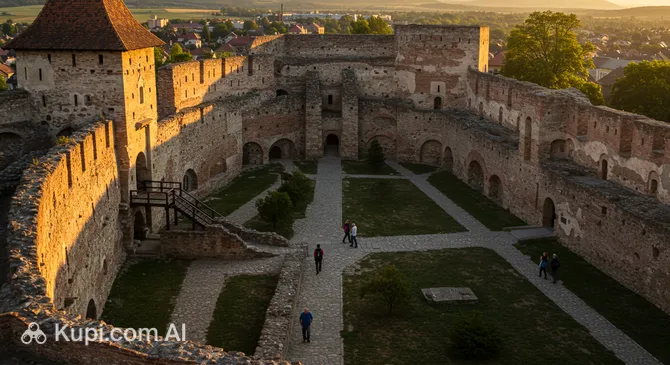
Targu Mures offers a captivating mix of historical landmarks and leisure spots that cater to a wide range of interests. One of the city's most significant sites is the Târgu Mureș Fortress, a beautifully preserved citadel dating back to the 15th century. Visitors can walk along the sturdy brick walls, explore the inner courtyard, and admire the Reformed Church situated within. It serves as a peaceful retreat in the city center, often hosting medieval festivals and cultural events that bring its history to life.

Târgu Mureș Fortress. Source: Kupi.Binoculars

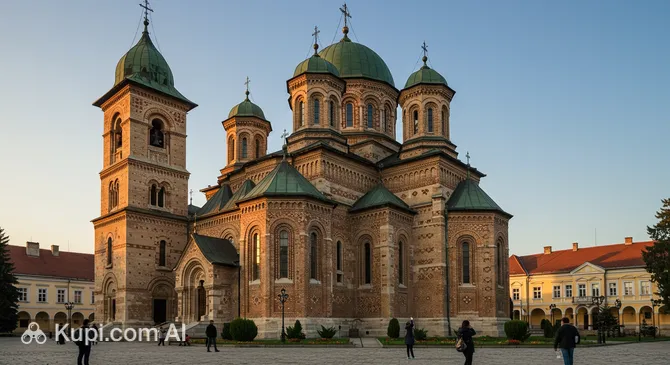
For those interested in religious architecture, the Ascension Cathedral is a must-see. This imposing Orthodox church, located in the central square, is known for its grandeur and the vibrant frescoes that adorn its interior. Built in the 20th century, its striking Byzantine-style structure dominates the skyline and stands as a symbol of the city's spiritual heritage.

Ascension Cathedral. Source: Kupi.Binoculars

Travelers looking for relaxation and fun should head to the Weekend Complex. This expansive leisure park is a favorite among locals and tourists alike, featuring several swimming pools, sports fields, and boating canals connected to the Mureș River. It is the perfect place to unwind during the summer months, offering a lively atmosphere with plenty of terraces and dining options.

Nature lovers will appreciate a trip to the Cornești Plateau, located at the highest point of the city. Surrounded by a dense oak forest, this area offers panoramic views of Targu Mures and the Mureș River valley. It is also home to a popular zoo and numerous hiking trails, making it an excellent destination for families and outdoor enthusiasts seeking fresh air and scenic beauty.

Local Cuisine

The culinary landscape of Targu Mures is a vibrant reflection of its multicultural heritage, blending traditional Romanian flavors with strong Hungarian influences. This fusion results in hearty, savory dishes that are perfect for the region's continental climate. Visitors should not miss the chance to taste the famous Goulash, a rich stew made with beef, potatoes, and plenty of paprika, often served with fresh bread or dumplings. Another local staple is Ciorbă de fasole cu ciolan, a delicious bean soup with smoked pork hock, frequently presented in a hollowed-out loaf of crusty bread.

For those with a sweet tooth, the city offers delightful treats like Vargabéles, a sweet noodle pie with cheese and raisins, which is a specialty of the Transylvanian region. Street food enthusiasts will enjoy Kürtőskalács (chimney cake), a spiral pastry rolled in sugar and walnuts, baked over hot coals until caramelized. It is a common sight at local fairs and near the city center, filling the air with a sweet, vanilla-scented aroma.

No meal in Transylvania is complete without a toast of Pălincă, a potent fruit brandy typically made from plums or pears. It is considered a traditional digestif and a warm symbol of local hospitality. If you prefer wine, the nearby Târnave vineyards produce excellent white wines, such as Fetească Regală. For a more casual evening drink or a coffee break in a truly unique setting, you can visit the Bristol Bus Cafe, a quirky and popular spot housed inside a vintage bus.

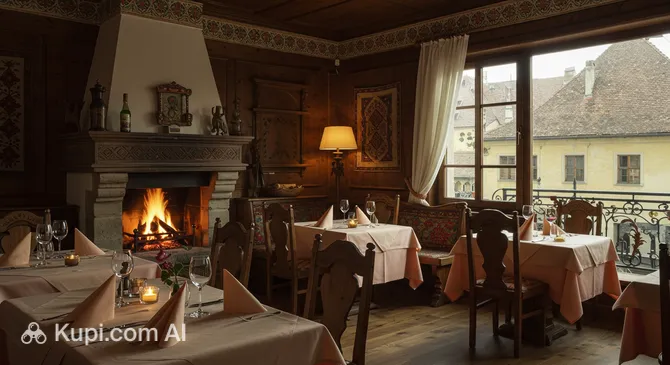
Privo Restaurant. Source: Kupi.Binoculars

The dining scene in Targu Mures ranges from rustic inns serving traditional platters to modern establishments offering fine dining experiences. Travelers looking for a sophisticated meal can book a table at Privo Restaurant, known for its contemporary approach to both international and local ingredients. Alternatively, if you crave authentic Mediterranean flavors during your stay, Lo Sfizio – Italian Cuisine offers a cozy atmosphere for pasta and pizza lovers. Whether you choose a bustling market stall or an elegant venue, the gastronomy here is sure to be a highlight of your trip.

Travel Tips

Preparing for your journey to the heart of Transylvania requires a little insider knowledge to make the most of your stay. To ensure your visit to Targu Mures is smooth, comfortable, and culturally enriching, we have compiled a set of essential practical tips.

  1. Clothing and Gear: The climate here is continental, so pack according to the season: breathable fabrics for the warm summers and heavy coats for the cold winters. Since exploring the Cornești Plateau or the fortress involves walking, bring sturdy, comfortable shoes. If you plan to visit religious sites like the Ascension Cathedral, remember to dress modestly, covering your shoulders and knees.
  2. Transportation: The city center is compact and best explored on foot. For longer distances, the local bus network is reliable and affordable; remember to purchase tickets from kiosks or vending machines before boarding. Taxis are widely available, and ride-hailing apps are a convenient alternative for getting around safely and transparently.
  3. Finances: The official currency is the Romanian Leu (RON). While credit and debit cards are widely accepted in hotels, restaurants, and supermarkets, it is wise to carry some cash for small souvenir shops, local markets, or bus tickets. Tipping is customary in Romania; leaving around 10% of the bill at restaurants is appreciated for good service.
  4. Health and Safety: Targu Mures is generally a safe city for tourists. In case of any emergency, dial 112, which is the standard European emergency number. Pharmacies, marked as Farmacia, are easy to find throughout the city, and some operate 24/7 for urgent needs.
  5. Communication: The city is historically bilingual, with both Romanian and Hungarian widely spoken. English is commonly understood, especially by younger people and those working in the tourism industry. Buying a local SIM card from major providers like Orange, Vodafone, or Digi is easy and ensures you stay connected with high-speed data.
  6. Local Etiquette: Politeness is highly valued here. A simple greeting like "Salut" (Romanian) or "Szia" (Hungarian) goes a long way. People are generally hospitable, but it is polite to ask for permission before taking close-up photos of locals. When entering shops or elevators, it is customary to greet others.
  7. What to Avoid: Avoid taking taxis that do not have a company name and phone number clearly displayed on the side, as they may overcharge. It is also best to avoid discussing sensitive political or ethnic topics unless you know your company well, as the region has a complex history.
  8. Additional Tip: If you are visiting during the summer, do as the locals do and spend a relaxing day at the Weekend Complex (Complexul de Agrement Mureșul). It is a beloved spot for swimming, dining, and enjoying the outdoors, offering a genuine slice of local life away from the standard tourist trail.

With these practical insights in hand, you are well-equipped to navigate the charming streets and unique cultural landscape of this Transylvanian gem. Enjoy your adventure in the City of Roses!

Entertainment & Nightlife

As the sun sets, Targu Mures shifts from a historical cultural hub into a lively center of entertainment, largely fueled by its significant student population. The nightlife here is vibrant yet relaxed, concentrated primarily around the city center and the streets radiating from the Rose Square (Piața Trandafirilor). Whether you are looking for a sophisticated evening of live music or a casual night out with friends, the city offers a variety of venues that cater to different tastes without being overwhelming.

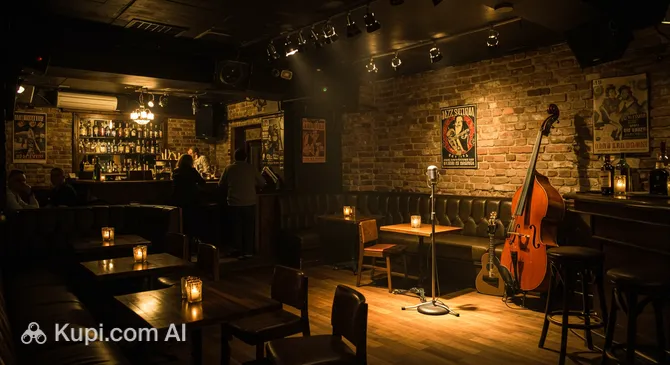
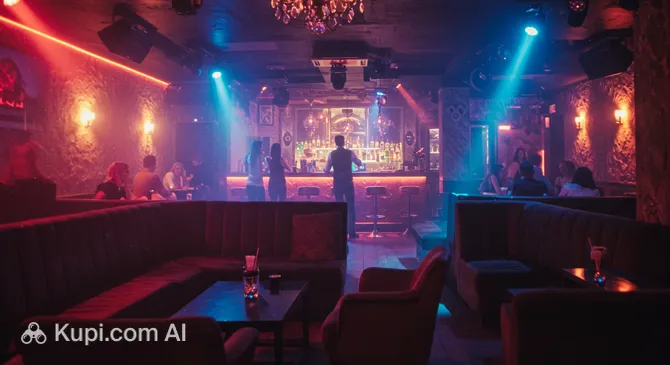
For music enthusiasts, the Jazz & Blues Club is a cultural landmark in the local nightlife scene. Known for its intimate atmosphere and excellent acoustics, this venue frequently hosts live performances by talented local and international artists. It is the perfect place to enjoy a glass of wine or a cocktail while immersing yourself in soulful rhythms. The crowd here tends to be appreciative and artistic, creating a warm and welcoming environment for visitors.

Jazz & Blues Club. Source: Kupi.Binoculars

If you prefer a more laid-back setting to socialize, Hookah Trio offers a chill vibe ideal for conversation. Popular among young adults and groups of friends, this spot specializes in a wide variety of flavored shisha and refreshing drinks. The decor is modern and comfortable, making it a great location to start your evening or wind down after a day of sightseeing.

Hookah Trio. Source: Kupi.Binoculars

Practicalities for a night out in Targu Mures are straightforward. The dress code in most bars and clubs is smart-casual; while locals like to dress up a bit for the weekend, it is rarely strictly formal. Bars typically start filling up around 9:00 PM, while clubs get busier after 11:00 PM. Prices are generally affordable compared to Western European standards, with a beer or glass of wine costing significantly less than in larger capitals. Payment by card is widely accepted, but keeping some cash for tips or smaller venues is advisable.

Safety is rarely a concern for tourists in the central areas, which remain well-lit and populated into the night. However, for getting back to your accommodation, it is recommended to use a taxi or a ride-sharing app rather than walking long distances alone late at night. Reliable taxi companies are easy to spot, but using an app ensures price transparency and ease of communication.

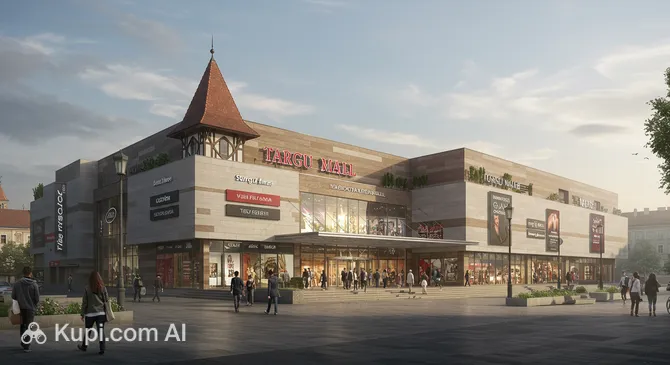
During the daylight hours, entertainment in Targu Mures takes on a different flavor. The city is home to the National Theatre, which stages productions in both Romanian and Hungarian, reflecting the city's dual heritage. For those interested in shopping or a casual afternoon break, Luxor is a well-known commercial center in the heart of the city. It offers a range of shops and services, providing a convenient stop for travelers looking to browse local fashion or pick up essentials before heading out for the evening.

Luxor. Source: Kupi.Binoculars

Parks & Museums

Targu Mures seamlessly blends its urban landscape with expansive green spaces and a rich tapestry of cultural institutions. Known as the "City of Roses," the municipality takes pride in its well-maintained parks and gardens, which offer residents and visitors alike a refreshing escape from the city bustle. Beyond the fresh air, the city's museums provide a deep dive into the artistic and historical evolution of Transylvania, making it a well-rounded destination for thoughtful travelers.

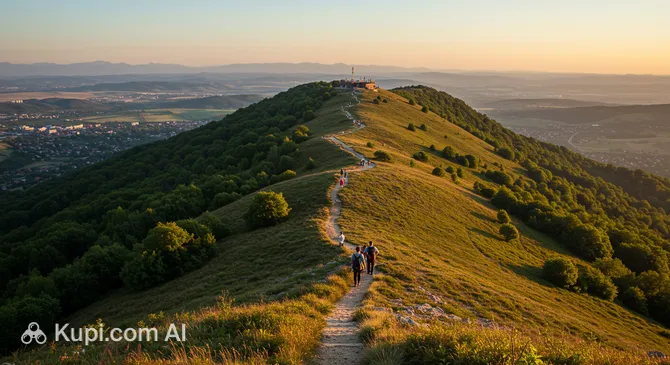
The crown jewel of the city's natural attractions is undoubtedly the Cornești Plateau. Situated at an elevation above the city, this vast area is covered by a centuries-old oak forest that provides cool shade even on the hottest summer days. It is home to the Târgu Mureș Zoo, which is widely regarding as one of the finest in Romania, hosting a diverse collection of animals including lions, elephants, and bears in spacious enclosures. Families will particularly enjoy the narrow-gauge train that loops through the forest, while fitness enthusiasts can take advantage of the professional tartan running track that winds through the trees.

Cornești Plateau. Source: Kupi.Binoculars

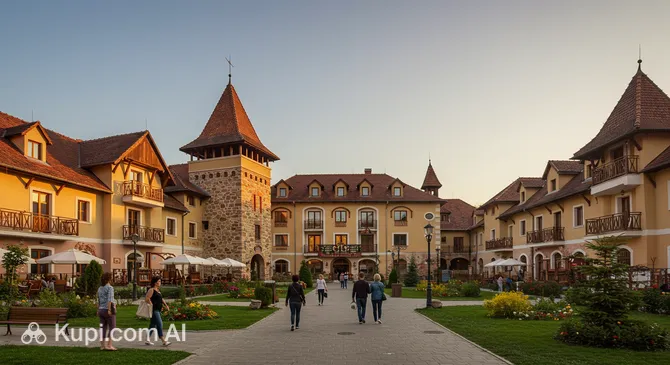
Another favorite spot for outdoor relaxation is the Weekend Complex, located along the banks of the Mureș River. While often celebrated for its swimming pools, the complex also functions as a sprawling park with lush lawns, willow trees, and sports grounds. It is an excellent location for a riverside picnic or a leisurely boat ride. The area comes alive in the warmer months, offering a resort-like atmosphere right within the city limits, where visitors can sunbathe or simply stroll along the water's edge.

For a dose of culture, the Palace of Culture is the primary destination, housing several distinct museums under one iconic roof. While the architecture itself is a marvel, the Art Galleries inside are equally impressive, featuring extensive collections of modern Romanian and Hungarian art. Visitors can admire masterpieces by renowned painters such as Nicolae Grigorescu and Mihály Munkácsy. Additionally, the building hosts a History Museum that traces the region's development, offering context to the diverse heritage of the local community.

History enthusiasts should also explore the exhibitions located within the Târgu Mureș Fortress. The citadel is home to the Museum of Archaeology and History, which displays artifacts ranging from the Neolithic period to the modern era. A highlight for many is the section dedicated to the medieval guilds, showcasing the tools and stories of the craftsmen who built and defended the city. This museum provides a tangible connection to the past, allowing visitors to understand the strategic and economic importance of the fortress through the centuries.

For a truly unique experience, seek out the Teleki-Bolyai Library, often referred to as the Teleki-Téka. Founded in the late 18th century, it is one of the oldest historic libraries in Transylvania and functions as a museum of books. The library holds an extraordinary collection of rare manuscripts, scientific tomes, and globes, offering a quiet and fascinating glimpse into the intellectual history of the Enlightenment era in Europe.

Getting Around

Public transport in Targu Mures is primarily served by an extensive network of buses that connects the city center with residential neighborhoods, the train station, and major tourist attractions. The system is operated by the local municipal company, ensuring a reliable and relatively frequent service. While the city does not have a metro, tram, or trolleybus system, the bus fleet is modern and sufficient for navigating the relatively compact urban area. For most tourists, the bus network is the most economical way to reach destinations such as the Cornești Plateau or the outlying shopping districts.

The payment system is straightforward, offering several options for travelers. You can purchase single-trip paper tickets at kiosks or automated vending machines located near major bus stops. It is essential to buy your ticket before boarding, as drivers typically do not sell them. Once on board, you must validate your paper ticket immediately using the stamping machines to avoid fines. Recently, the city has introduced digital payment methods to make travel easier for visitors. You can pay for a trip via SMS by sending a specific code to a short number displayed on the bus, or use a dedicated mobile app like "24pay," which allows you to purchase tickets and passes directly from your smartphone using a bank card. The cost of a single journey is very affordable, generally priced around a few Romanian Lei.

Buses generally operate from early morning, around 5:00 AM, until late in the evening, typically ending service between 10:30 PM and 11:00 PM. During peak hours on weekdays, popular lines run frequently, often every 10 to 15 minutes. However, on weekends and holidays, the frequency may decrease, so it is advisable to check the schedule in advance. Google Maps is a reliable tool for planning your route, as it integrates well with the local transit schedules. If you plan to use the bus extensively, consider buying a day pass or a weekly subscription for unlimited travel.

For those seeking alternatives to public transit, taxis are widely available and reasonably priced compared to Western European standards. Official taxis are yellow and should always have a meter; ensure the driver turns it on at the start of the journey. Ride-hailing apps like Bolt and Uber also operate in Targu Mures, offering a convenient, transparent, and cashless way to get around. Additionally, given the modest size of the city center, many main attractions—such as the Palace of Culture and the Medieval Fortress—are easily accessible on foot, making walking a pleasant option for sightseeing.

While there are no historic trams or funiculars within the public transport network itself, tourists often use the bus system to reach the "Mocănița" narrow-gauge railway station in nearby Teaca for day trips, or to access the Cornești Plateau. From the city center, specific bus lines climb the hill to the plateau, dropping visitors near the Zoo and the recreational forest, saving a steep hike and offering easy access to one of the city's best viewpoints.

Accommodation

Where to Stay:

Targu Mures offers a welcoming selection of accommodation options that cater to various budgets and travel styles. Whether you are looking for the elegance of a restored historic building or the practicality of a modern hotel, you will find suitable choices throughout the city. The hospitality sector here is well-developed, reflecting the city's role as a regional hub for business and tourism.

For those who wish to be in the heart of the action, the city center is the best place to base yourself. Staying near the Rose Square (Piața Trandafirilor) places you within walking distance of the main landmarks, such as the Palace of Culture and the Târgu Mureș Fortress. Many of the hotels in this area are housed in beautiful Secession-style buildings, offering a unique atmosphere that blends old-world charm with contemporary comfort.

Travelers seeking a quieter experience or more space might consider the "pensiuni" (guesthouses) located in the residential neighborhoods. These family-run establishments are a staple of Romanian hospitality, often providing a cozy environment and a delicious home-cooked breakfast. They are an excellent choice for visitors who want to experience a more authentic, local side of the city while still being a short taxi or bus ride away from the center.

If you are visiting during the summer with family, you might look for accommodation near the Weekend Complex. This area, situated along the Mureș River, is perfect for relaxation, offering easy access to swimming pools and sports facilities. Regardless of where you choose to stay, booking in advance is recommended, especially during the peak summer months or when major cultural festivals are taking place in the city.

Weekend Complex. Source: Kupi.Binoculars

Nearby Cities

For those looking to explore the surroundings, Targu Mures serves as an excellent base for day trips to several interesting nearby locations:

City Population Distance (km)
Cluj-Napoca32457676
Bistrita7887767
Turda4774458
Medias4720445
Odorheiu Secuiesc3425763

Among these options, Turda is a particularly compelling destination, largely due to the spectacular Salina Turda. This massive underground salt mine has been transformed into a unique sci-fi-themed amusement park, featuring an underground lake, a Ferris wheel, and sports facilities, all encased in salt walls. It is an unforgettable experience just a short drive from Targu Mures.

Another excellent choice is Cluj-Napoca, often considered the unofficial capital of Transylvania. It offers a vibrant atmosphere with a bustling historic center, the beautiful Botanical Garden, and the impressive St. Michael's Church. For those interested in medieval architecture, Medias provides a quieter but equally charming experience, with its well-preserved citadel and the leaning Trumpeter's Tower dominating the skyline. These nearby destinations offer a glimpse into the diverse culture and landscapes of the region.

Shopping & Souvenirs

Shopping in Targu Mures is a pleasant activity that combines the convenience of modern retail centers with the charm of traditional local commerce. While it may not be a massive fashion metropolis, the city provides a well-rounded selection of stores ranging from international high-street brands to small, family-run boutiques. Visitors can find everything from contemporary clothing and electronics to unique artisanal crafts that reflect the region's multicultural heritage.

The heart of the city's commercial life is undoubtedly the central area around the Rose Square (Piața Trandafirilor). This scenic promenade is lined with various shops, bookstores, and gift stores nestled within historic buildings. Walking down this main artery and the adjacent Bolyai Street allows tourists to browse for fashion, jewelry, and local art while enjoying the beautiful Secessionist architecture. It is a relaxed environment where window shopping can easily be combined with a coffee break at a sidewalk cafe.

For a more concentrated retail experience, the city boasts several modern shopping complexes. The largest and most comprehensive is Shopping City Târgu Mureș, located slightly outside the central ring, which houses a cinema, a food court, and numerous international fashion chains. Closer to the center, Mureș Mall offers a convenient stop for quick purchases. Additionally, the Luxor commercial center, situated right in the downtown area, provides a mix of shops and services that are easily accessible for those exploring the city on foot.

To get a taste of authentic local life, a visit to one of the city's markets is highly recommended. Piața Cuza Vodă is the main agri-food market where local farmers sell fresh seasonal fruits, vegetables, artisanal cheeses, and homemade preserves. It is a vibrant place full of colors and scents, offering a stark contrast to the polished aisles of the supermarkets. For those interested in antiques and bric-a-brac, there is also a flea market held on weekends near the Mureș River, known locally as "Ocska," where patient browsers can find unique vintage items.

When it comes to souvenirs, Targu Mures and its surroundings are famous for traditional craftsmanship. The most popular items to bring back include Corund ceramics, which are beautifully hand-painted pottery pieces made in a nearby village. Other excellent gifts include traditional embroidered blouses (known as "ie"), wood carvings, and locally produced honey or plum brandy (pălincă). These items can often be found in souvenir shops in the city center or at artisan fairs frequently held within the fortress walls.

Store opening hours generally follow standard European schedules. Major shopping malls are typically open daily from 10:00 AM to 10:00 PM. High street shops and smaller boutiques usually operate from 9:00 AM or 10:00 AM until 6:00 PM or 8:00 PM on weekdays, with shorter hours on Saturdays and often closing on Sundays. Payment by credit or debit card is widely accepted in malls, supermarkets, and most central shops. However, if you plan to visit the open-air markets or smaller souvenir stalls, it is advisable to carry some cash in Romanian Lei (RON).

Tourists residing outside the European Union may be eligible for a VAT refund on purchases exceeding a certain amount in a single store. Look for the "Tax Free" signage in shop windows or ask the staff at the counter for the necessary forms. While not every store participates in the scheme, the larger international brands in the shopping centers usually do, allowing you to reclaim a portion of your expenses upon leaving the country.
Reached the end of the page?

That means the route is fully explored