Support

Brașov

About

Nestled in the heart of Transylvania, Brașov is a captivating destination that seamlessly blends medieval charm with modern vibrancy. Surrounded by the Southern Carpathian Mountains, this city is celebrated for its stunning architecture, fresh mountain air, and lively atmosphere. It serves as the administrative center of Brașov County and is home to a population of approximately 290,000 residents, making it one of the most significant urban hubs in the region.

Located in central Romania, the city enjoys a picturesque setting that attracts nature lovers and history enthusiasts alike. The climate here is generally temperate-continental, featuring refreshing summers and snowy winters that turn the area into a wonderland for winter sports enthusiasts and sightseers.
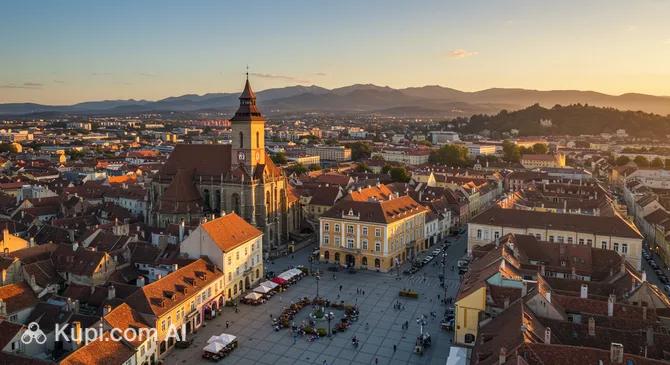
Brașov. Source: Kupi.Binoculars

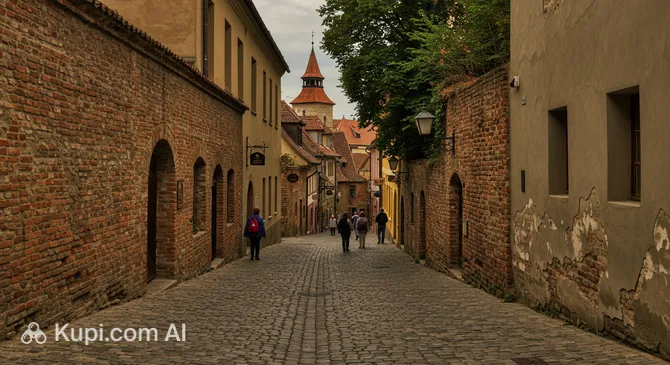
The city's heritage is visible at every turn. You can delve deeper into the fascinating history of Brașov by wandering through the cobbled streets of the Old Town. A major highlight is the magnificent Black Church (Biserica Neagră), the largest Gothic church in Southeastern Europe, known for its impressive collection of Oriental rugs and a massive 4,000-pipe organ. Just a few steps away lies the bustling Council Square (Piața Sfatului), a gathering place framed by colorful baroque buildings and filled with inviting cafes.

For those seeking panoramic views, a trip up Tâmpa Mountain is a must. Whether you choose to hike the winding trails or take the cable car, the summit offers a breathtaking perspective of the red-tiled roofs below and the iconic Hollywood-style sign bearing the city's name. With its perfect mix of culture, history, and natural beauty, Brașov invites travelers to experience an unforgettable journey in one of Europe's most enchanting medieval cities.
Weather Overview

The city experiences distinct seasonal changes, making it a year-round destination with varied atmospheric charm. Winters are generally cold and crisp, with January being the coldest month, averaging around -2.0°C and often dropping lower at night. This season provides a true alpine feel, ideal for those who enjoy fresh mountain air and snowy landscapes.

Summer offers a pleasant contrast with mild to warm temperatures, peaking in August when daily highs average near 25°C. While the heat is rarely oppressive, visitors should be prepared for frequent precipitation, as June and July see a significant number of wet days. To help you pack the right gear for your trip, it is helpful to review the detailed forecast and weather in Brașov before you go.

Spring and autumn serve as mild transitional periods, though evenings can still be quite cool. Overall, you can expect warm summers with occasional rain and cold winters perfect for seasonal activities.

Interesting Facts

Beyond the well-known historic center and medieval fortifications, Brașov holds several intriguing secrets and unique features that often surprise visitors. From legends connecting the city to German folklore to record-breaking architectural quirks, there is much to discover beneath the surface.
  • The city is home to Rope Street (Strada Sforii), which is widely recognized as one of the narrowest streets in Europe. Varying in width between just 111 and 135 centimeters, it was originally designed as a corridor for firefighters and is now a popular spot for photos.

  • A fascinating local legend ties the city to the story of the Pied Piper of Hamelin. It is said that the children who vanished from Germany re-emerged from a cave near Council Square (Piața Sfatului), eventually settling here to establish the Transylvanian Saxon community.

  • Brașov boasts its own Hollywood-style sign perched high atop Tâmpa Mountain. This massive illuminated landmark makes the city's name visible from almost anywhere in the valley and serves as a proud symbol of the city's modern identity.

  • The city played a pivotal role in national education, hosting The First Romanian School Museum. Located in the Schei district, this institution was the first place where classes were taught in the Romanian language, dating back to 1583.

  • Brașov has a famously close relationship with the wild. Due to the dense forests bordering the urban area, brown bears are known to live in close proximity to the city, making the surrounding county one of the premier destinations in Europe for observing these majestic animals in the wild.

Rope Street. Source: Kupi.Binoculars

How to Get There

Planning a trip to the heart of Transylvania requires considering the various transport options available. Whether you prefer flying or taking a scenic train ride, reaching this mountain city is quite accessible. You can find detailed information and more about how to get to Brașov on our dedicated page.

For air travelers, the most convenient option is the recently opened Brașov-Ghimbav International Airport (GHV). Located in the town of Codlea, it is just 8.6 km from the center of Brașov. The journey by taxi or shuttle bus is quick, taking approximately 35 minutes. Although it is a newer and smaller hub, it offers direct access to the region without the need for long transfers.

Alternatively, many visitors choose to fly into Bucharest Henri Coanda International Airport (OTP), situated in Bucharest. This is the country's largest air hub, handling significant passenger traffic and offering a wider range of international connections. It is located about 125.6 km from Brașov. A transfer by taxi or bus from here typically takes around 3.5 hours, offering a chance to see the Romanian countryside along the way.

For clarity, here is a summary of the main airports:

Airport Name City Passenger Traffic Km from City
Bucharest Henri Coanda International Airport Bucharest Large 125.6
Sibiu Airport Sibiu Medium 117.7
Bacau Airport Bacau Medium 141.4
Transilvania Targu Mures Small 129.2
Brașov-Ghimbav International Airport Codlea Small 8.6

If you are traveling by rail, a major entry point for the region is Bucharest North Station in the city of Bucharest. Located approximately 138.2 km from Brașov, this is the busiest railway station in Romania. From here, you can connect to trains heading towards the mountains or take a taxi, which would take roughly 3 hours and 50 minutes to reach Brașov by road.

Below is a list of significant railway stations in the wider region:

Station City Passenger Traffic Km to Center
Bucharest North Station Bucharest Large 138.2
Buzau Railway Station Buzau 111.7
Focșani Railway Station Focsani 123.3
Adjud Railway Station Adjud 134.4
Mărășești Railway Station Marasesti 129.1

Main Attractions

Brașov is a treasure trove of medieval architecture, defensive fortifications, and cultural landmarks. Walking through the city feels like stepping back in time, with each corner revealing a piece of its storied past. Visitors can explore a variety of sites ranging from impressive watchtowers to historic religious buildings, all set against the backdrop of the Carpathian Mountains.

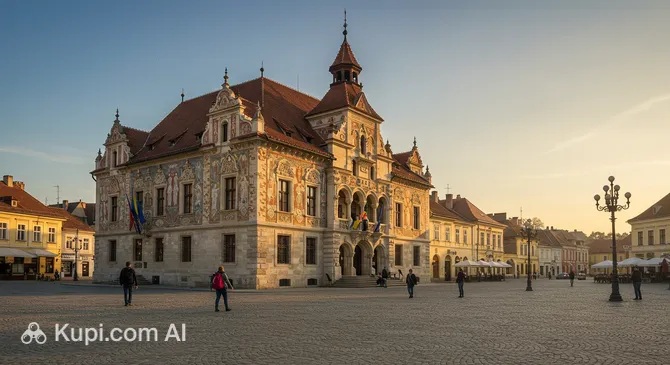
One of the most prominent structures in the city center is the Council House. Located in the middle of the main square, this building has been the heart of the community since the Middle Ages. It now houses the Brașov County Museum of History, where travelers can learn about the region's development. The building's Trumpeter's Tower is an iconic symbol of the city, and the surrounding area is always buzzing with activity.

Council House. Source: Kupi.Binoculars

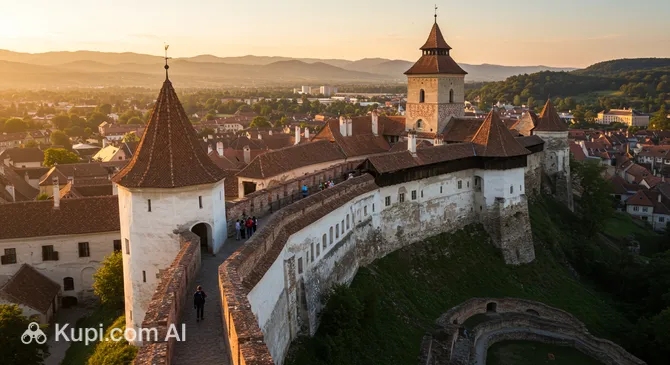
For those willing to make a short climb, The White Tower offers a spectacular perspective of the old city. Built in the 15th century and maintained by the tin-smiths' guild, this semicircular fortification sits on a hill just outside the city walls. The wooden staircase leads visitors up to the tower, where they are rewarded with panoramic views of the red-tiled rooftops and the majestic Black Church across the valley.

Another crucial part of the city's defensive system is Weavers' Bastion. It is considered the best-preserved bastion in Brașov and showcases the impressive engineering skills of the medieval guilds. Inside, you can find a museum displaying a fascinating scale model of the city as it looked in the 17th century. The bastion's excellent acoustics also make it a popular venue for open-air concerts and cultural events.

Weavers' Bastion. Source: Kupi.Binoculars

In the historic Schei district, you will find St. Nicholas Church, a masterpiece that blends Gothic, Baroque, and Byzantine architectural styles. This site has been a spiritual center for the Romanian community for centuries. Its towering spires dominate the skyline of this old neighborhood, and its proximity to the First Romanian School makes it a key destination for those interested in the cultural heritage of the area.

Local Cuisine

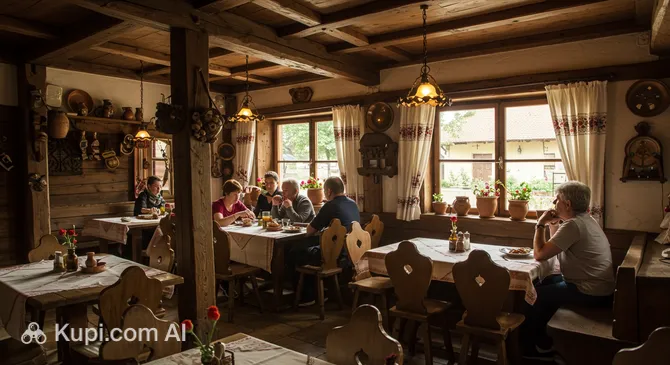
The culinary landscape of Brașov is a delightful reflection of its multicultural heritage, blending Romanian traditions with Saxon and Hungarian influences. The food here is hearty and flavorful, perfectly suited for the mountain climate. One of the absolute must-try dishes in the city is bean soup with smoked pork served in a bread bowl (Ciorbă de fasole în pâine). This rich, comforting meal is not only delicious but also offers a unique presentation that is popular in many traditional restaurants around the historic center.

Another local favorite that showcases the region's pastoral roots is Bulz. This dish consists of balls of mămăligă (polenta) filled with salty sheep cheese and butter, then grilled or baked until golden. It is often topped with a fried egg or sour cream. For those with a sweet tooth, no meal is complete without ordering Papanași, a decadent dessert made of fried dough covered in sour cream and topped with homemade blueberry or cherry jam.

When it comes to beverages, locals often start a heavy meal with a shot of Pălincă or Țuică, a potent traditional plum brandy that aids digestion. Romania is also a significant wine producer, so be sure to ask for local varieties from the nearby vineyards. For beer enthusiasts, the city has a growing craft scene. You can sample local brews and enjoy a relaxed atmosphere at Mustață Beerhouse, a popular spot for both residents and visitors.

The dining culture in Brașov revolves heavily around the Old Town, where the pedestrian streets are lined with terraces and cellars. Whether you are looking for a quick street snack like a covrig (pretzel) or a fine dining experience, the options are plentiful. For a memorable lunch or dinner featuring fresh ingredients and creative recipes, Dei Frati is a highly regarded choice among foodies. If you prefer starting your day with a modern and hearty breakfast, Brunch House offers a cozy setting to fuel up before exploring the city.

Dei Frati. Source: Kupi.Binoculars

Travel Tips

Welcome to Brașov, a city where medieval history meets the wild beauty of the Carpathians. To ensure your adventure in this Transylvanian gem is as smooth and enjoyable as possible, here is a guide to the practical side of visiting.

  1. Dress for the Mountains. The weather here can be unpredictable due to the altitude. Even in summer, evenings can be cool, so packing layers is essential. If you visit in winter, bring heavy coats, gloves, and non-slip boots. Since the Old Town is paved with cobblestones, leave the high heels at home and opt for comfortable walking shoes to explore the streets with ease.
  2. Getting Around. The historic center is compact and best explored on foot. For longer distances, the local bus network (RATBV) is reliable and modern; you can pay for tickets using the 24pay app or buy them at kiosks before boarding. Ride-hailing apps like Uber and Bolt are widely available and often more convenient than hailing traditional taxis on the street.
  3. Money Matters. The official currency is the Romanian Leu (RON). While credit cards are widely accepted in hotels, restaurants, and supermarkets, it is wise to carry cash for small souvenir shops, public toilets, or remote mountain huts. Tipping is customary in Romania; leaving about 10% of the bill is appreciated for good service.
  4. Health and Wildlife Safety. Brașov is a safe city, but it is unique for its proximity to wild forests. Do not feed or approach bears if you encounter them on the outskirts or hiking trails; this is a serious safety rule. For minor health issues, look for a pharmacy marked with a green cross (Farmacia), where pharmacists often speak English.
  5. Communication. The official language is Romanian, but English is widely spoken, especially by younger people and in tourism hubs. Learning a few local words like Mulțumesc (Thank you) or Bună ziua (Good day) goes a long way. Free Wi-Fi is common in cafes, but purchasing a local prepaid SIM card is a cheap and easy way to stay connected.
  6. Local Etiquette. Romanians are generally hospitable and polite. It is customary to greet shop assistants when entering a store. If you visit religious sites, such as the Orthodox churches in the Schei district, observe the dress code by covering your shoulders and knees to show respect.
  7. What to Avoid. Avoid exchanging money at airport booths or with unauthorized street vendors, as the rates are often poor; stick to bank ATMs. Additionally, try to avoid hiking alone in deep forests after dark, as wildlife activity increases significantly at night.
  8. Insider Tip. If you plan to use the bus system, remember that you cannot buy tickets from the driver. Always purchase them beforehand or use the mobile app. Also, take advantage of the bus #20 which connects the city center to Poiana Brașov, a premier resort perfect for skiing in winter or hiking in summer.

With these practical tips in mind, you are well-prepared to navigate the charming streets and scenic trails of Brașov. Enjoy the fresh mountain air, the rich history, and the warm hospitality that make this city a highlight of any trip to the region.

Entertainment & Nightlife

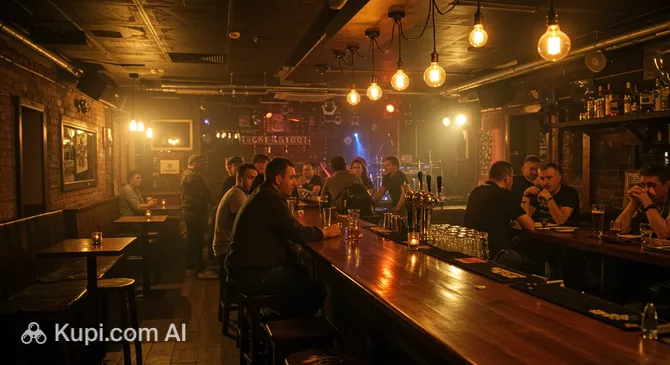
While Brașov is famous for its medieval tranquility, the city comes alive after sunset with a vibrant and diverse nightlife scene. The entertainment hub is concentrated almost entirely within the Old Town, particularly around Republicii Street and the side alleys branching off Council Square. Here, historic cellars have been converted into lively pubs, modern clubs, and chic wine bars, creating a unique atmosphere where centuries-old architecture meets modern fun.

The local crowd is generally laid-back and friendly, with a mix of students, locals, and tourists. For music enthusiasts, the city is a well-known stronghold for rock and metal genres. A legendary venue in this scene is Rockstadt, which hosts regular live concerts and offers a spacious setting for those who appreciate an energetic, alternative vibe. It is a staple of the local nightlife and a great place to meet people with similar musical tastes.

Rockstadt. Source: Kupi.Binoculars

If you prefer a more sophisticated evening with signature drinks and a stylish ambiance, the city offers several excellent lounges. Places like Vibe Restaurant & Cocktail Bar are perfect for starting the night with high-quality mixology and a modern, upbeat atmosphere. Similarly, Hukka Lounge provides a relaxing environment, ideal for enjoying a hookah and conversation before the night gets busier. The dress code in most Brașov venues is casual to smart-casual; you rarely need to dress up formally unless attending a specific gala or high-end event.

Practical Nightlife Tips:

  • Timing: Bars typically stay open until 2:00 AM or 4:00 AM on weekends, while clubs may go until dawn. The peak time to go out is around 11:00 PM.
  • Prices: A beer usually costs between 10–20 RON, while cocktails range from 25–40 RON, making it quite affordable compared to Western Europe.
  • Safety & Transport: The city center is very safe for night walks, well-lit, and monitored. To get back to your accommodation, it is best to use ride-sharing apps like Uber or Bolt rather than hailing taxis on the street, as they offer transparent pricing and tracked rides.

Beyond the nightlife, Brașov offers plenty of daytime entertainment options for relaxation and culture. Families and water lovers can spend a fun day at Aquatic Paradise, a large complex featuring indoor and outdoor pools, saunas, and slides. For those interested in shopping or catching a movie, modern malls like AFI Brasov provide extensive leisure facilities right in the heart of the city.

Parks & Museums

Beyond its fortified walls and medieval squares, the city offers a wealth of green spaces and cultural institutions that provide a deeper understanding of its heritage. Visitors can easily transition from exploring dense forests to admiring fine art, all within a short distance of the historic center. Whether you are looking to relax in nature or delve into the region's complex history, there are plenty of options to fill your itinerary.

For a relaxing break in the heart of the city, Nicolae Titulescu Park is the perfect urban oasis. Located near the administrative center, this central park features wide alleys, beautifully maintained flower beds, and a playground for children. It is an excellent spot to sit on a bench and enjoy the view of the surrounding mountains while remaining close to the main attractions.

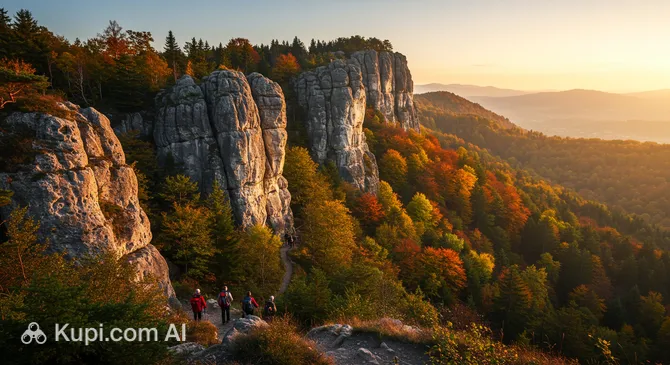
If you prefer a more rugged natural experience, a trip to Solomon's Rocks (Pietrele lui Solomon) is highly recommended. Situated on the southwestern edge of the city, this limestone gorge is a favorite local getaway for hiking, picnics, and fresh air. Legend has it that a Hungarian king named Solomon leaped across the chasm on horseback to escape pursuing enemies. Today, it serves as a gateway to numerous trails leading into the Postăvarul Massif, offering a genuine taste of the Carpathians just minutes from town.

Solomon's Rocks. Source: Kupi.Binoculars

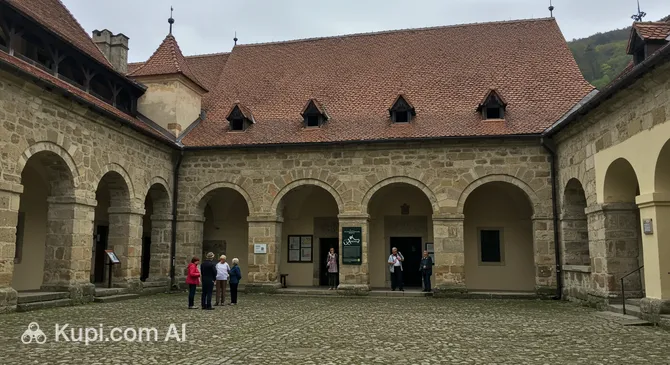
Culturally, the city is home to several significant institutions. In the historic Schei district, The First Romanian School Museum is a site of immense national importance. Housed in the grounds of St. Nicholas Church, this museum preserves the first printing press used in Romania and a vast collection of rare books and manuscripts. Walking through its ancient classrooms gives visitors a unique glimpse into the educational roots of the Romanian people.

The First Romanian School Museum. Source: Kupi.Binoculars

Art enthusiasts should not miss the Brașov Art Museum, located on Bulevardul Eroilor. The gallery displays a refined collection of Romanian modern art, including works by celebrated painters such as Nicolae Grigorescu and Ștefan Luchian. For a look at more recent history, the Museum of Communism offers a nostalgic and educational journey through the varied aspects of life during the communist era, featuring everyday objects and memorabilia that tell the story of that period.

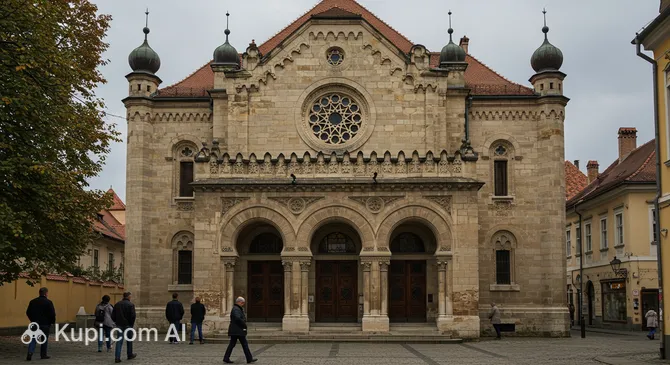
Among the city's architectural and religious landmarks, the Beth Israel Synagogue stands out with its striking red-and-white facade. Built in a Neolog style with Gothic and Moorish influences, it is a testament to the city's once-thriving Jewish community and remains an active place of worship and a monument of great beauty.

Beth Israel Synagogue. Source: Kupi.Binoculars

For an authentic local experience, try visiting Solomon's Rocks on a weekend when families gather for barbecues, creating a lively and welcoming atmosphere. It is easily accessible by the number 50 bus from the city center, making it a convenient escape into nature without the need for a car.

Getting Around

Navigating Brașov is straightforward and convenient, thanks to an efficient public transport network managed by RATBV. Since the city does not have a metro or tram system, the public transit infrastructure relies entirely on a comprehensive fleet of buses and trolleybuses. These vehicles connect the historic center with residential neighborhoods, the train station, and the metropolitan areas, making it easy to reach almost any point of interest without a car.

The payment system has been modernized to suit the needs of travelers. You can purchase tickets from automated machines or ticket kiosks found at major bus stops. However, the most convenient method for tourists is digital payment. You can pay for your trip directly on the bus using a contactless bank card at the yellow validators, or use the 24pay mobile app to buy tickets instantly on your phone. A standard ticket is typically valid for a specific duration (often 60 minutes), allowing you to switch lines within that timeframe.

For visitors planning to explore the surrounding mountains, Bus Line 20 is particularly useful. It connects the city center (Livada Poștei) with Poiana Brașov, the popular ski resort and hiking destination located at a higher altitude. This route is a favorite among tourists and runs frequently throughout the day. General operating hours for public transport are roughly from 5:30 AM to 11:30 PM, though frequencies may drop late in the evening and on weekends. Always remember to validate your paper ticket immediately upon boarding to avoid fines.

A unique feature of the local transport landscape is the Tâmpa Cable Car (Telecabina Tâmpa). While not used for daily commuting, it is an essential experience for visitors. The cable car whisks passengers from the base of the mountain near the old city walls up to the summit in under three minutes. It offers spectacular aerial views of the medieval rooftops and provides the easiest access to the famous "Brașov" sign and the panoramic observation deck.

When it comes to alternatives, the historic Old Town is best explored on foot, as much of it is pedestrian-only. for longer distances or late-night travel, ride-sharing apps like Uber and Bolt are widely available, reliable, and often more convenient than hailing a traditional taxi. Standard taxis are also present, but it is advisable to check that the meter is running. While bike rentals are available, the hilly terrain makes them more of a recreational choice than a primary mode of transport for the average tourist.

Accommodation

Where to Stay:

Finding the perfect place to stay in Brașov is relatively easy, as the city offers a wide spectrum of accommodation options to suit every preference and budget. Visitors can choose from charming boutique hotels housed in restored medieval buildings, modern mid-range establishments, or budget-friendly hostels that cater to backpackers. For those seeking a more home-like experience, there is a vast selection of vacation rentals and apartments, which are particularly popular among families and groups planning longer stays.

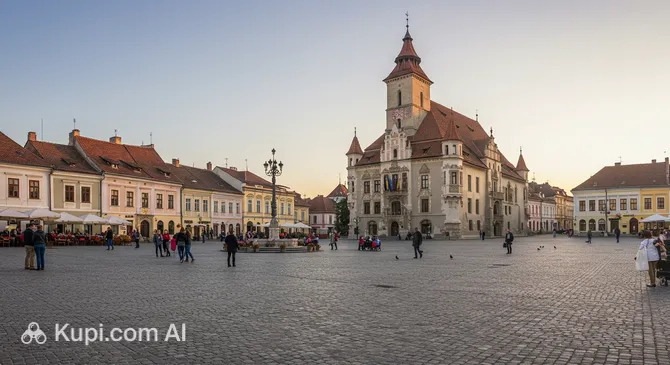
The most sought-after area for tourists is undoubtedly the Old Town. Staying within the historic walls places you just steps away from the main sights, cafes, and restaurants. The heart of this district is Council Square, where many accommodations offer rooms with spectacular views of the Black Church or the Tampa Mountain sign. While staying in the pedestrian center commands a higher price, the convenience of having major attractions right at your doorstep is often worth the extra cost.

Council Square. Source: Kupi.Binoculars

For travelers who prefer a quieter environment or are driving, the neighborhoods surrounding the historic center offer excellent value. Areas just outside the old fortifications often provide modern facilities and easier parking while still being within walking distance of the downtown action. Additionally, if you are visiting specifically for winter sports or hiking, you might consider looking for lodging towards the road leading to Poiana Brașov, which offers quick access to nature.

Booking and Prices: Prices in the city are generally affordable compared to Western European destinations, but they can vary significantly by season. Budget travelers can find hostels and guest houses for reasonable rates, while luxury options in historic mansions are available for those looking to splurge. It is highly recommended to book your accommodation well in advance, especially if you plan to visit during the peak summer months (July and August) or the winter ski season (December to February), when the city is busiest.

Nearby Cities

For those looking to explore the surroundings, Brașov serves as an excellent base for day trips to several interesting nearby locations:

One of the most popular destinations is Zarnesti, situated at the foot of the Piatra Craiului Mountains. It is a paradise for nature lovers and hikers, serving as the main gateway to the national park. The town is also famous for hosting the Libearty Bear Sanctuary, the largest animal welfare project of its kind in Europe, where rescued brown bears live in a protected natural environment.

Another historical gem worth visiting is Fagaras. This city is renowned for the Făgăraș Citadel, a remarkably well-preserved fortress surrounded by a moat. It has served as a princely residence, a military garrison, and even a prison over the centuries, offering visitors a deep dive into the region's turbulent history.

For a quick escape close to the city, Sacele acts as a starting point for numerous mountain trails. It is often used by travelers heading towards the Piatra Mare Massif and the spectacular Seven Ladders Canyon, providing easy access to outdoor adventures just minutes away from the urban center.

City Population Distance (km)
Campina 32935 57
Campulung 31767 59
Sacele 30920 9
Fagaras 30714 53
Zarnesti 23476 23

These nearby destinations offer a glimpse into the diverse culture and landscapes of the region, making them perfect for enriching your travel itinerary.

Shopping & Souvenirs

Shopping in the city is a delightful experience that ranges from browsing high-end international brands to hunting for unique local crafts. The city's pedestrian-friendly layout makes it easy to combine sightseeing with retail therapy. The heart of the shopping scene is undoubtedly Republicii Street (Strada Republicii). Located in the historic Old Town, this vibrant pedestrian thoroughfare is lined with a mix of fashion boutiques, souvenir shops, bookstores, and sporting goods stores. It is the perfect place to stroll, shop, and stop for a coffee while admiring the baroque architecture.

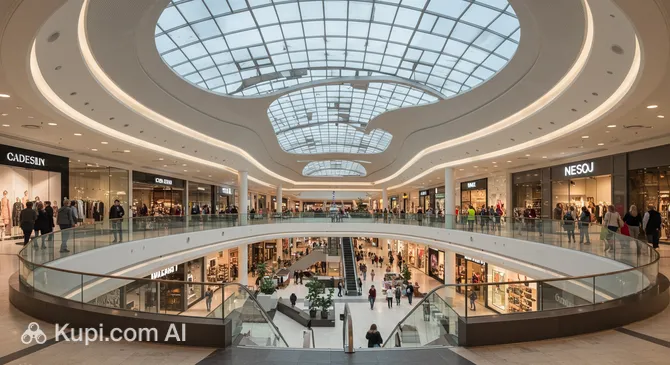
For a more modern and comprehensive shopping experience, the city boasts impressive commercial centers. AFI Brasov is a state-of-the-art mall located right in the city center, making it extremely convenient for tourists. It features a wide array of international fashion retailers, a cinema, and a rooftop terrace with views of the mountains. Further from the center, Coresi Shopping Center is the largest retail hub in the region. Built on a former industrial site, it offers an extensive selection of shops, a massive food court, and plenty of entertainment options for the whole family.

AFI Brasov. Source: Kupi.Binoculars

While modern malls are plentiful, the local markets offer a more traditional flavor. The central square often hosts seasonal fairs, particularly the famous Christmas Market, where wooden stalls sell everything from wool socks to artisan cheese. For fresh produce, locals head to markets like Piața Star, where you can find seasonal fruits, vegetables, and local delicacies sold directly by farmers.

When looking for gifts to take home, focus on authentic Romanian craftsmanship. Popular souvenirs include hand-painted eggs, traditional embroidered blouses known as ie, and intricate wood carvings. The region is also famous for its ceramics and handmade rugs. Food items like local honey, plum jam (magiun), and bottles of Pălincă (fruit brandy) are also excellent choices that capture the taste of Transylvania.

Most shops in the city center and malls are open daily. Street boutiques typically operate from 10:00 AM to 6:00 PM or 8:00 PM, while large shopping centers stay open until 10:00 PM. On Sundays, mall hours remain standard, but smaller independent shops may have reduced hours or be closed. Payments are straightforward, with credit and debit cards (Visa and Mastercard) being widely accepted almost everywhere. However, it is useful to carry some cash (RON) for small souvenirs from street vendors or open-air markets.

Tourists from outside the European Union may be eligible for a VAT refund on purchases exceeding a certain amount in a single store. Look for the "Tax Free Shopping" signage in store windows and ask for the refund form at the checkout to claim your money back at the airport or border crossing.

Reached the end of the page?

That means the route is fully explored