Support

Sibiu

About

Sibiu is widely regarded as one of the most idyllic and culturally vibrant cities in Eastern Europe. Renowned for its distinct Germanic architecture and bohemian atmosphere, this former European Capital of Culture offers a captivating blend of history and modernity. Walking through its cobbled streets feels like stepping into a living museum, where every building has a story to tell.

Located in the heart of Romania, the city serves as the capital of Sibiu County and acts as a gateway to the stunning landscapes of Transylvania. With a population of approximately 147,000 inhabitants, it maintains a lively yet relaxed urban energy. The city is geographically situated in the Depression of Sibiu, framed by the Cindrel Mountains, providing a picturesque backdrop that changes beautifully with the seasons.
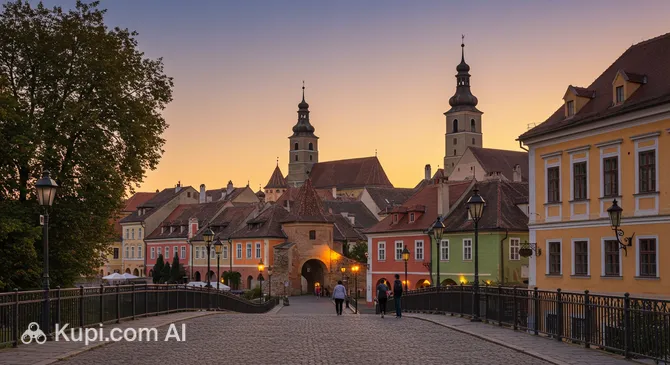
Sibiu. Source: Kupi.Binoculars

The history of Sibiu is deeply rooted in its heritage as a medieval citadel built by Transylvanian Saxons. This legacy is visible in the city's unique layout, which is divided into the prestigious Upper Town and the rustic Lower Town. One of the city's most famous features is the "eyes" on the roofs—iconic dormer windows shaped like eyelids that seem to watch over passersby, giving the architecture a distinct personality.

Travelers are drawn to the Large Square (Piața Mare), the heart of the city since the 15th century, and the legendary Bridge of Lies. According to local lore, the bridge will collapse if someone tells a lie while standing on it. Art lovers should not miss the Brukenthal National Museum, housed in a baroque palace and containing one of the finest art collections in the country.

Whether you are exploring its medieval towers, enjoying a coffee in one of its expansive squares, or attending one of its many theater or jazz festivals, Sibiu promises an unforgettable experience. It is a destination that perfectly combines cultural richness with genuine hospitality, inviting you to linger and explore.
Weather Overview

The city experiences a temperate-continental climate with distinct seasonal changes, offering a different atmosphere depending on when you visit. To help you plan your trip effectively, checking the detailed weather in Sibiu is highly recommended. Generally, the area enjoys pleasant warmth during the middle of the year, while the winter months bring a crisp chill to the air.

Summers are typically warm, with August being the hottest month, boasting average highs of 26.5°C. However, travelers should note that early summer can be damp; June sees frequent rainfall with approximately 16 wet days. In contrast, winters are cold, with January temperatures often dropping to a minimum of -3.7°C, creating a perfect setting for enjoying the cozy local cafes.

Transitional seasons like spring and autumn offer milder conditions. May sees average temperatures rising to around 14.2°C, though it remains one of the wetter months. October is notably drier with only about 8 wet days, making it an excellent time for sightseeing in cooler, comfortable weather. Overall, you can expect warm summers with occasional rain and cold, relatively dry winters.

Interesting Facts

Beyond the main attractions, Sibiu holds many fascinating secrets and historical records that often escape the casual eye. Delving deeper into its past reveals a city of innovation and intriguing connections that go far beyond its medieval walls.
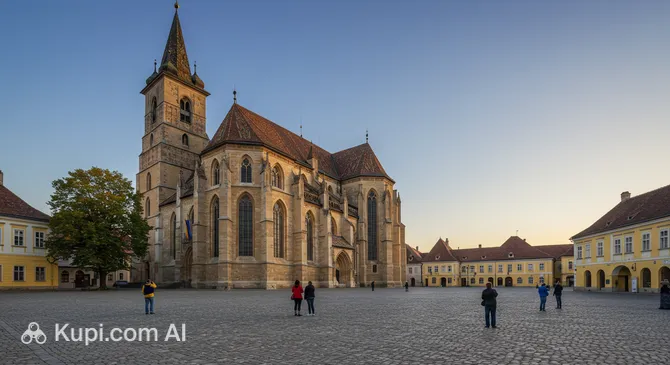
Sibiu Lutheran Cathedral. Source: Kupi.Binoculars
  • A connection to Dracula: The Sibiu Lutheran Cathedral houses a tombstone with a dark history. It belongs to Mihnea the Evil (Mihnea cel Rău), the son of Vlad the Impaler, the historical figure who inspired the Dracula legend. Mihnea was assassinated just outside this church in 1510, and his resting place remains a unique point of interest for history enthusiasts.

  • The City of Firsts: Sibiu is historically significant for being a pioneer in the region. It is documented as the location of the first hospital, the first school, the first library, and the first pharmacy in the territory of present-day Romania. You can explore this rich medical heritage at the Pharmacy Museum, which is located in a building where an apothecary has operated since the 16th century.

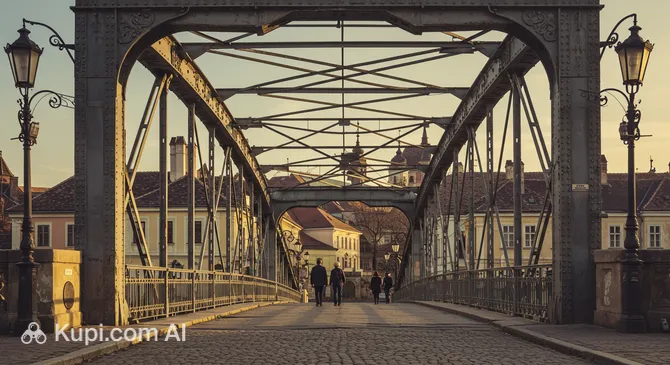
  • An engineering marvel: While the Bridge of Lies is famous for the legends surrounding its ability to detect untruths, its construction is equally impressive. Built in 1859, it was the first bridge in Romania to be cast in iron and the second of its kind in Europe, originally designed to stand without pillars anchoring it to the ground.

  • A village within a city: The ASTRA Museum of Traditional Folk Civilization is not just a typical museum; it is one of the largest open-air ethnographic exhibitions in Europe. Spanning nearly 100 hectares in the Dumbrava Forest, it contains over 400 monuments, creating an immersive experience that feels like stepping into a vast, rural village from centuries past.

How to Get There

Sibiu is a well-connected destination, easily accessible by various means of transport due to its central position in Romania. Whether you prefer flying directly into the heart of Transylvania or traveling by land through scenic routes, there are convenient options available. For a complete overview of all travel possibilities, you can find more about how to get to Sibiu on our detailed page.

The most convenient entry point is the local Sibiu Airport (SBZ), situated just 4.6 km from the city center. It serves as a key hub for the region, and a taxi ride to the downtown area typically takes around 27 minutes. Alternatively, many travelers choose to fly into Avram Iancu Cluj International Airport (CLJ) in Cluj-Napoca, which is approximately 115 km away. This is a larger international airport, and the transfer to Sibiu by bus or taxi generally takes about 3 hours and 15 minutes.

For clarity, here is a summary of the main airports:

Airport Name City Passenger Traffic Km from City
Avram Iancu Cluj International AirportCluj-NapocaLarge114.7
Craiova AirportCraiovaMedium166.3
Sibiu AirportSibiuMedium4.6
TransilvaniaTargu MuresMedium76.7
Brașov-Ghimbav International AirportCodleaSmall107.6

Regarding rail travel, if you are arriving from a significant distance or an international location, you might connect through major hubs before reaching the region. For instance, you can arrive at the Bucharest North Station in the city of Bucharest, which is about 214 km from Sibiu. From there, you can get a taxi or bus, which takes about 5 hours and 40 minutes. While this is a longer route, it connects you to the country's primary rail network.

Below is a list of major railway stations in the wider region:

Station City Passenger Traffic Km to Center
Bucharest North StationBucharestVery High213.9
Buzau Railway StationBuzau222.1
Bacău Railway StationBacau228.5
Focșani Railway StationFocsani235.6
Adjud Railway StationAdjud238.5

Main Attractions

Sibiu is a treasure trove of medieval architecture and cultural heritage, with most of its key sights conveniently located within the walkable historic center. Exploring the city feels like wandering through an open-air museum, where Gothic spires, baroque palaces, and charming courtyards await around every corner. Here are some of the most captivating places to visit.

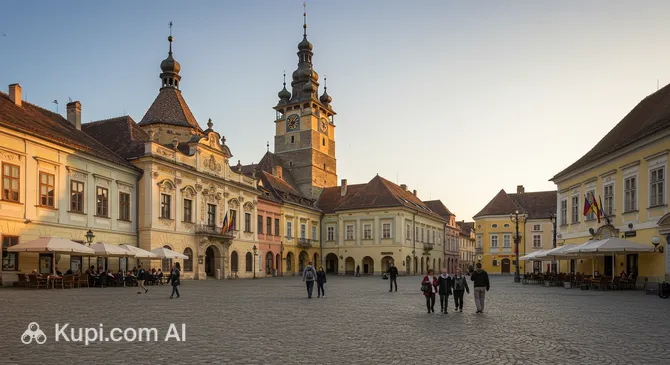
At the very heart of the city lies the Great Square (Piața Mare), a vast public space that has been the center of civic life since the 15th century. Designated as a UNESCO architectural monument, the square is surrounded by colorful, well-preserved buildings featuring the city's famous "eye" windows. It is the perfect spot to start your tour, hosting everything from seasonal fairs to cultural events, and offers a grand atmosphere that defines the Upper Town.

Great Square. Source: Kupi.Binoculars

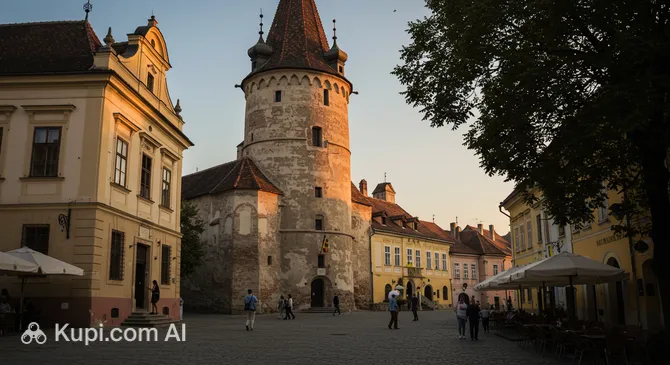
Standing guard between the Great Square and the Little Square is the iconic Council Tower. Dating back to the 13th century, this white-washed fortification has served variously as a grain storehouse, a fire observation point, and even a temporary prison. Today, it offers tourists one of the best experiences in Sibiu: climbing to the top provides a stunning panoramic view over the red-tiled rooftops of the old city and the distant Cindrel Mountains.

Council Tower. Source: Kupi.Binoculars

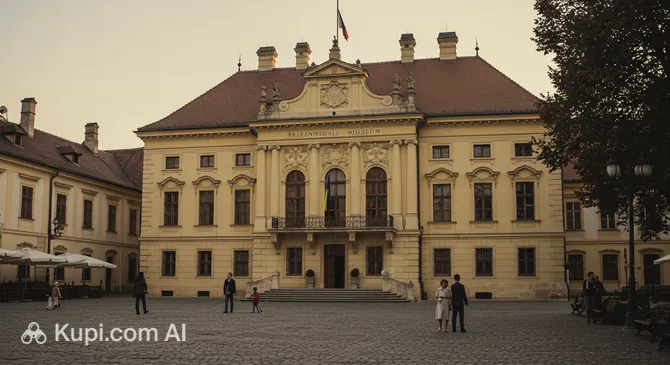
Art enthusiasts must visit the Brukenthal National Museum, located right on the Great Square. Housed in the palatial former residence of Baron Samuel von Brukenthal, it is the oldest museum of its kind in Romania and one of the first in Europe, opening to the public in 1817. The museum boasts an impressive collection of European painting, including works by Flemish and Dutch masters, as well as a library and a collection of medieval Transylvanian art.

Brukenthal National Museum. Source: Kupi.Binoculars

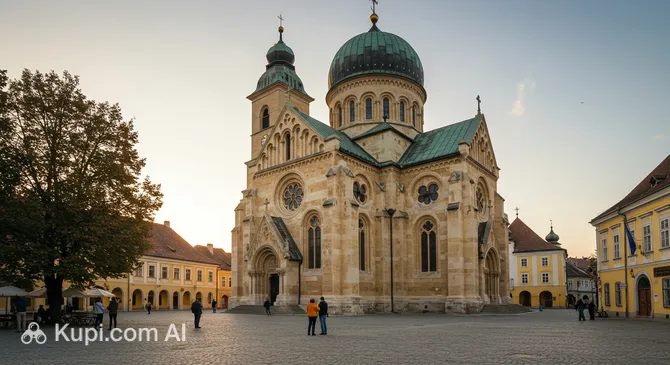
For a change in architectural style, the Holy Trinity Orthodox Cathedral is a magnificent example of neo-Byzantine design inspired by the Hagia Sophia. Built in the early 20th century, its exterior features alternating red and yellow brickwork, while the interior is adorned with breathtaking frescoes and a massive gold-plated chandelier. It stands as a spiritual landmark and offers a striking contrast to the predominantly Germanic architecture of the surrounding streets.

Holy Trinity Orthodox Cathedral. Source: Kupi.Binoculars

Local Cuisine

The culinary landscape of Sibiu is a delicious reflection of its multicultural heritage, blending Romanian traditions with Saxon and Hungarian influences. As a former European Region of Gastronomy, the city takes pride in its "farm-to-fork" philosophy, with many ingredients sourced directly from the nearby villages of the Mărginimea Sibiului area. This focus on fresh, high-quality produce makes dining here a highlight of any visit.

One cannot talk about the local food without mentioning the iconic Sibiu Salami (Salam de Sibiu), a dry-cured sausage that has become a national symbol of quality. Another staple is the Telemea de Sibiu, a protected traditional sheep's milk cheese that offers a distinct, tangy flavor. For a hearty main course, travelers should try ciorbă (sour soup), particularly the bean soup served in a bread bowl, or the classic sarmale—cabbage rolls stuffed with spiced meat and rice, typically served alongside steaming polenta.

The city's historic center is dotted with charming eateries, from medieval cellars to lively terraces in the main squares. For those looking to enjoy a robust meal in a welcoming atmosphere, JAR'S Steak & Spritz offers a modern take on dining with a selection of savory dishes. The food culture here encourages lingering over a meal, enjoying the slow pace of life in the old citadel.

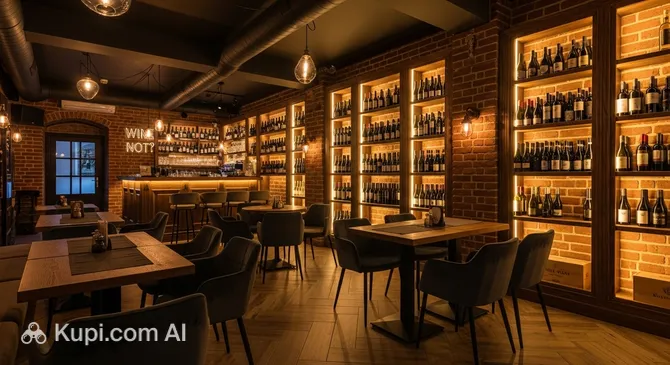
Wine Not?. Source: Kupi.Binoculars

No meal in Transylvania is complete without a taste of the local spirits. A shot of țuică or pălincă (strong plum brandy) is the traditional way to start a feast. For wine enthusiasts, the region produces excellent white wines. You can explore local and international varieties at Wine Not?, a popular spot to unwind after a day of sightseeing. If you prefer non-alcoholic options, look for socată, a refreshing traditional drink made from elderflowers.

Travel Tips

Welcome to Sibiu! To ensure your journey through this captivating medieval citadel is as smooth and enjoyable as possible, we have compiled a set of essential guidelines. Whether you are wandering the historic squares or exploring the surrounding Transylvanian countryside, these practical tips will help you navigate the city like a local.

  1. Clothing and Gear: The historic center of Sibiu is paved with charming but uneven cobblestones, so bringing comfortable, flat walking shoes is an absolute must; high heels are generally impractical here. If you plan to visit religious sites like the Orthodox Cathedral, remember to dress modestly—shoulders and knees should be covered. Since the weather can be changeable, especially in spring and autumn, packing layers and a waterproof jacket is highly recommended.

  2. Transportation: The Upper and Lower Towns are best explored on foot, as most major attractions are concentrated within a walkable pedestrian area. For longer distances, the local bus network, operated by Tursib, is reliable and modern; you can purchase tickets at contactless vending machines or pay directly on the bus with a bank card. Ride-hailing apps like Uber and Bolt are also widely available and offer a convenient, transparent alternative to traditional taxis.

  3. Finances: The official currency is the Romanian Leu (RON). While credit and debit cards (Visa and Mastercard) are widely accepted in hotels, restaurants, and supermarkets, it is wise to carry some cash for small souvenir shops, local markets, or public toilets. ATMs are plentiful throughout the city center. Tipping is customary in Romania; leaving around 10% of the bill in restaurants is standard practice if the service was good.

  4. Health and Safety: Sibiu is considered one of the safest cities in Romania, but standard precautions against pickpocketing should be taken in crowded areas. Pharmacies are marked with a green cross and are easy to find; look for those designated as "Non-Stop" if you need assistance late at night. In case of any serious emergency, dial 112 for police, ambulance, or fire services, where operators generally speak English.

  5. Communication: The official language is Romanian, but English is widely spoken, especially by younger people and those working in the tourism industry. Due to the city's Saxon heritage, you may also find German speakers. Free Wi-Fi is available in the Large Square and many cafes, but purchasing a local SIM card (Orange, Vodafone, or Digi) is affordable and easy if you need constant data. Learning a simple "Mulțumesc" (Thank you) goes a long way with locals.

  6. Local Etiquette: Romanians are generally hospitable and polite. It is polite to greet shop assistants with a "Bună ziua" (Good day) when entering a store. If you are invited to a local's home, removing your shoes at the door is a common custom unless told otherwise. When dining, wait for everyone to be served before starting, and wish your companions "Poftă bună" (Bon appétit).

  7. What to Avoid: Avoid exchanging money at the airport or in questionable street exchange offices, as the rates are often unfavorable; stick to banks or official exchange bureaus in the city center. Additionally, try not to confuse the capital, Bucharest, with Budapest (Hungary)—it is a common mistake that locals find tiresome.

  8. Additional Tip: Keep your eyes up! Sibiu is famous for its "eyes"—dormer windows on the rooftops that look like eyelids. It is said they were built to keep a watch on the city, but today they serve as a unique photo opportunity and a quirky reminder of the city's watchful history.

By keeping these simple tips in mind, you will be well-prepared to embrace the unique charm and relaxed pace of Sibiu. We hope your visit is filled with wonderful discoveries, delicious flavors, and the warm hospitality that Transylvania is known for.

Entertainment & Nightlife

Sibiu offers a nightlife scene that perfectly mirrors its cultural personality: distinct, atmospheric, and welcoming. Unlike the frenetic clubbing capitals of Europe, the evening entertainment here is characterized by a relaxed, bohemian vibe. The city comes alive after sunset, with the action centered primarily in the historic Old Town, where medieval cellars have been converted into lively pubs and cobblestone streets are lined with inviting terraces.

The heartbeat of the local nightlife is undoubtedly the Small Square (Piața Mică) and the pedestrian streets connecting it to the Great Square. In the warmer months, this area transforms into a large open-air social hub. Locals and tourists alike gather here to enjoy craft beers, local wines, and conversations that last well into the night. The atmosphere is generally sophisticated yet unpretentious, catering to a crowd that values good music and quality drinks over loud beats.

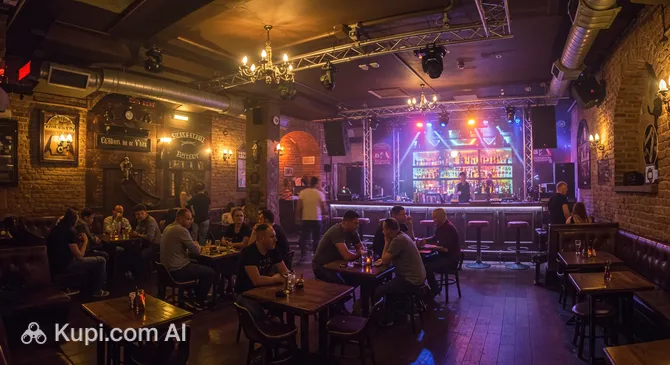
For those seeking a classic pub experience with a friendly international crowd, St. Andrew's Scottish Pub is a staple of the local scene. Located centrally, it offers a wide selection of beverages and often hosts lively gatherings. It is the kind of place where you can easily strike up a conversation with locals and feel at home instantly.

St. Andrew's Scottish Pub. Source: Kupi.Binoculars

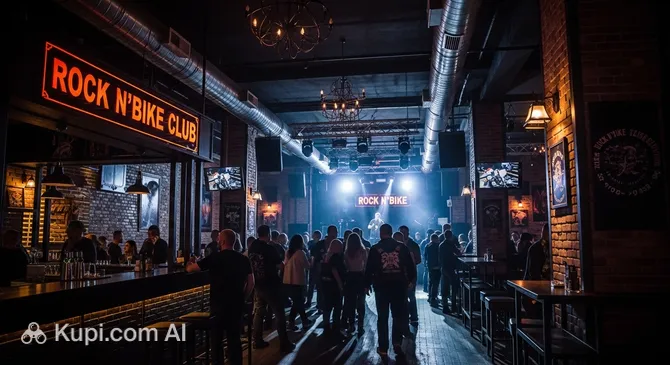
If you prefer a more energetic vibe with a distinct musical edge, the Rock N'Bike Club is a legendary spot in Sibiu. Known for its rock-oriented playlist, concerts, and themed parties, it attracts a diverse mix of bikers, students, and music lovers. The venue reflects the city's strong connection to rock and jazz culture, providing a spirited alternative to mainstream dance clubs.

Rock N'Bike Club. Source: Kupi.Binoculars

For a more refined evening, perhaps starting with exceptional coffee and transitioning into cocktails, Charlie's Specialty is highly recommended. Venues like Amza also contribute to the city's diverse portfolio of bars, offering unique settings for socializing. Most bars in the center stay open until 2:00 AM or 4:00 AM on weekends, though quieter cafes may close around midnight.

Practical advice for a night out in Sibiu is straightforward. The dress code is generally casual to smart-casual; you will rarely need formal attire unless attending a specific gala or opera event. Prices are reasonable compared to Western Europe, with a beer typically costing between 10 to 15 RON. Since the nightlife is concentrated in the pedestrian center, walking is the best way to get around. If your accommodation is further out, ride-hailing apps like Bolt and Uber are reliable and safe ways to get home.

Sibiu is considered very safe for night walks, with well-lit streets and a visible police presence in the central areas. However, as with any popular tourist destination, it is wise to keep an eye on your belongings in crowded bars. Taxis are trustworthy, but using an app ensures you get a fair, tracked rate.

While the nights are for socializing, daytime entertainment in Sibiu is equally enriching. The city is famous for its performing arts, anchored by the renowned Radu Stanca National Theatre. For a relaxing afternoon before the evening begins, you might explore the lush Sub Arini Park or visit the Natural History Museum. Whether day or night, the city offers a seamless blend of leisure and culture.

Parks & Museums

Parks & Museums:

While Sibiu is celebrated for its medieval architecture, the city also boasts impressive green spaces and a diverse array of museums that cater to every interest. Whether you are looking to escape into nature or delve deeper into the region's history, there are plenty of options just steps away from the bustling squares.

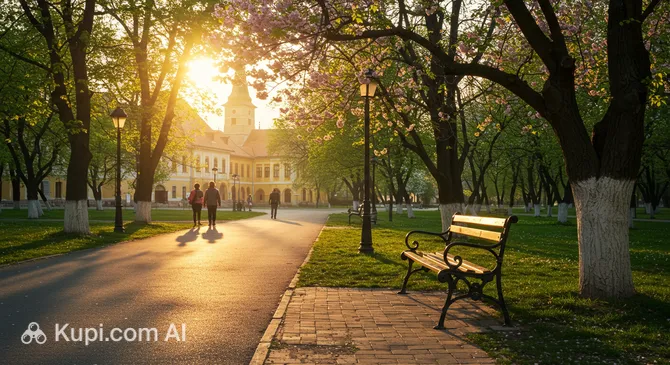
One of the city's most beloved retreats is Sub Arini Park. Established in 1856, it is one of the oldest parks in Romania and serves as a lush, green corridor connecting the historic center to the Dumbrava Forest. Spanning over 22 hectares, the park is home to dozens of exotic and indigenous tree species, making it a perfect spot for a leisurely stroll or a morning jog. Its winding paths, decorative fountains, and peaceful atmosphere offer a refreshing break from the urban environment.

Sub Arini Park. Source: Kupi.Binoculars

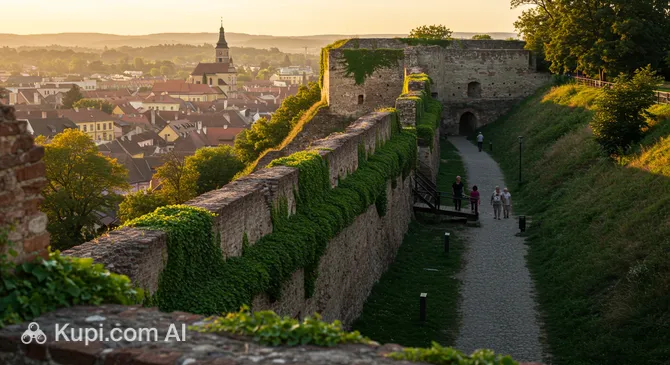
For those who wish to stay closer to the medieval fortifications, Citadel Park (Parcul Cetății) is an unmissable stop. Located along the southeastern section of the old defensive walls, this park allows you to walk in the shadow of history. Here, you can admire some of the city's best-preserved defense towers, including the Potters' Tower and the Carpenters' Tower. The park also features the local "Walk of Fame," paying tribute to cultural personalities associated with Sibiu.

Citadel Park. Source: Kupi.Binoculars

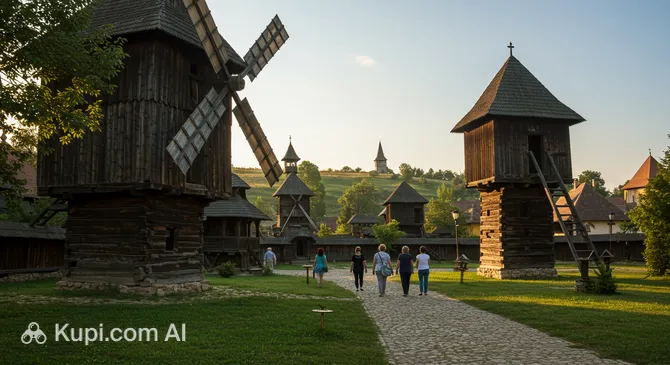
Sibiu's museum scene is equally compelling, extending far beyond the famous art collections. A short distance from the city, in the Dumbrava Forest, lies the magnificent ASTRA Museum of Traditional Folk Civilization. This vast open-air museum is a journey through time, showcasing over 400 traditional houses, workshops, and wooden mills from all over Romania. Set around a beautiful lake, it combines cultural education with a delightful day out in nature.

ASTRA Museum of Traditional Folk Civilization. Source: Kupi.Binoculars

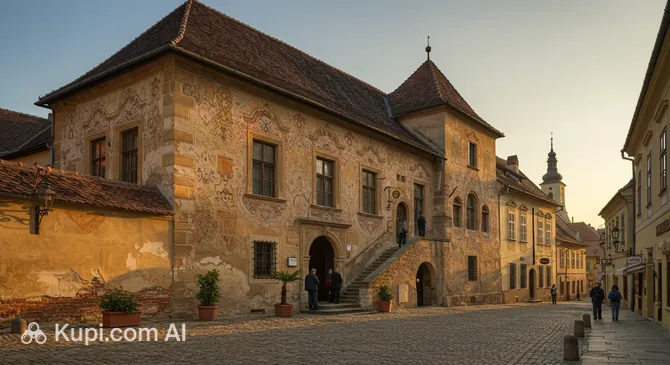
Back in the city center, history buffs should visit the Altemberger House History Museum. Housed in a superb example of secular Gothic architecture, which served as the City Hall for 400 years, the museum displays armaments, coins, and guild artifacts that narrate the city's evolution. It is a fascinating place to understand the civic pride and development of this Transylvanian citadel.

Altemberger House History Museum. Source: Kupi.Binoculars

For visitors with specific interests, the city offers several specialized collections. The Natural History Museum is renowned for its dinosaur park in the garden and extensive exhibits on flora and fauna. Meanwhile, the Pharmacy Museum, located in the building where Samuel Hahnemann once practiced, offers a unique glimpse into the history of medicine with its collection of apothecary jars and medical instruments. Hunters and nature lovers might also appreciate the August von Spiess Hunting Museum, dedicated to the renowned royal hunter and naturalist.

Getting Around

Navigating Sibiu is remarkably straightforward, as the city is compact and many of its historical attractions are concentrated within the walkable pedestrian center. However, for reaching destinations further afield—such as the airport, the train station, or the ASTRA Museum in the Dumbrava Forest—the city offers a reliable and modern public transport network. The system relies primarily on a fleet of buses operated by the local company, Tursib, which connects the main neighborhoods with the city center and the industrial zones.

The bus fleet has been significantly modernized in recent years, with distinct green buses that are comfortable and equipped with air conditioning. There is no metro system in Sibiu, and the historical tram network within the city is no longer in use for daily commuting. However, a charming rustic tram line occasionally operates as a tourist attraction, connecting the edge of the city (near the Zoo) to the nearby village of Rășinari, offering a scenic ride through the forest rather than a practical urban transit solution.

For tourists, the payment system is designed to be user-friendly and flexible. You do not need to worry about carrying exact change, as the buses are equipped with contactless payment terminals. You can pay for your trip directly on the bus using a contactless bank card (Visa or Mastercard) or a smartphone. Alternatively, you can purchase tickets from vending machines located at major bus stops or use the mobile app 24pay, which allows you to buy single tickets or day passes digitally. A single trip is very affordable, typically costing around 3 RON.

If you choose to buy a paper ticket from a kiosk or vending machine, it is essential to validate it immediately upon boarding by inserting it into the orange validators; failure to do so can result in a fine. The buses generally operate from approximately 5:30 AM to 11:00 PM, though frequencies vary depending on the line and the time of day. It is advisable to check the schedule on the Tursib website or app, especially on weekends when service may be less frequent.

Beyond buses, Sibiu is a very bike-friendly city, encouraging eco-friendly travel through the Sibiu Bike City scheme. You can find rental stations throughout the city, making it easy to grab a bicycle for a short ride along the dedicated bike paths, particularly the scenic route leading toward the Sub Arini Park. This is a popular option during the warmer months and offers a leisurely way to see the city from a different perspective.

For those who prefer a more direct and private mode of transport, taxis are plentiful and relatively inexpensive compared to Western European standards. Licensed taxis are typically yellow and should always have a meter. For added convenience and transparency regarding the price, ride-hailing apps like Uber and Bolt are widely available and popular in Sibiu. These apps are often the best choice for tourists who want to avoid language barriers or the need for cash payments.

Accommodation

Finding the perfect place to stay in Sibiu is often as memorable as the visit itself. The city offers a diverse range of accommodation options that cater to all budgets and preferences, from charming boutique hotels housed in centuries-old buildings to modern apartments and budget-friendly hostels. Because the city is relatively compact, most travelers choose to stay within or near the medieval walls, where the atmosphere is most authentic.

The most popular area for tourists is undoubtedly the Historic Center, which is divided into the Upper Town and the Lower Town. Staying in the Upper Town places you right next to the main museums and grand squares, offering a sophisticated experience with easy access to fine dining. In contrast, the Lower Town is known for its rustic charm, cobblestone alleyways, and colorful houses. Many properties here are located just steps away from iconic landmarks like the Bridge of Lies, allowing you to wake up in the heart of the citadel.

Bridge of Lies. Source: Kupi.Binoculars

For those seeking a more modern experience or traveling by car, the areas surrounding the historic center offer newer hotels with ample parking and spacious rooms. These locations are often quieter and provide excellent value for money while still being within a 15-20 minute walk of the main attractions. Additionally, the city has a growing market of private rentals and guesthouses (pensiuni), which are perfect for families or those looking for a "home away from home" feeling.

Price Range and Booking: generally, accommodation prices in Sibiu are very reasonable compared to Western European destinations. You can find comfortable mid-range options for a moderate price, while luxury stays are surprisingly accessible. However, availability can be an issue during peak times. It is highly recommended to book your accommodation well in advance if you plan to visit during the summer months or in December, when the famous Christmas Market draws thousands of visitors. The same applies during major cultural events like the Sibiu International Theatre Festival.

Nearby Cities

For those looking to explore the surroundings, Sibiu serves as an excellent base for day trips to several interesting nearby locations. Just a short drive away lies Alba Iulia, home to the spectacular Alba Carolina Citadel, a massive star-shaped fortress that stands as a masterpiece of Vauban architecture. Another captivating destination is Făgăraș, where travelers can explore the imposing Făgăraș Fortress, surrounded by a defensive moat and housing a fascinating history museum. For a more relaxed atmosphere, the town of Mediaș offers a charming medieval center filled with Saxon heritage and winding narrow streets.

City Population Distance (km)
Ramnicu Valcea9877680
Alba Iulia6422753
Medias4720442
Petrosani3716074
Fagaras3071464

These nearby destinations offer a glimpse into the diverse culture and landscapes of the region.

Shopping & Souvenirs

Shopping:

Shopping in Sibiu offers a delightful balance between modern retail therapy and the discovery of authentic local craftsmanship. While the city may not be a sprawling fashion metropolis, it provides a relaxed and pleasant experience where you can find everything from high-street international brands to unique handmade treasures. The commercial landscape is neatly divided between the bustling pedestrian thoroughfares of the historic center and the contemporary shopping centers located just outside the old walls.

The heart of the city's shopping scene is undoubtedly Nicolae Bălcescu Street. This vibrant pedestrian promenade connects the Great Square to the rest of the city and is lined with a variety of boutiques, bookstores, and souvenir shops. Walking down this street is an experience in itself; you can browse for clothes and accessories while admiring the colorful pastel facades of the historic buildings. It is the perfect place to find a mix of casual fashion and local curiosities before stopping for a coffee at one of the many terraces.

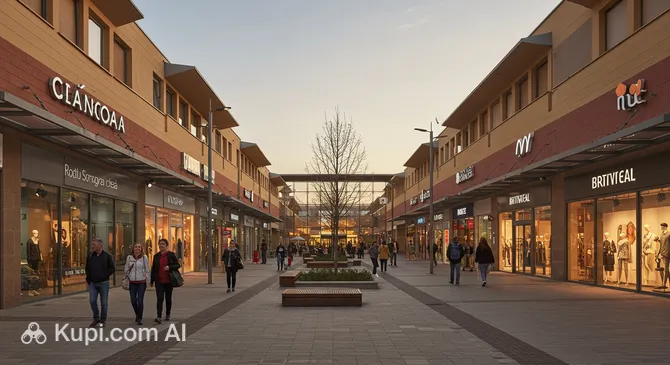
For a comprehensive modern shopping experience, the Promenada Sibiu is the premier destination. Conveniently located near the train station and just a short walk from the historic center, this mall houses a wide array of international fashion labels, beauty stores, and a cinema. It serves as a major hub for locals and tourists alike, offering a comfortable environment for shopping regardless of the weather.

Promenada Sibiu. Source: Kupi.Binoculars

Another significant commercial hub is the Prima Shopping Center Sibiu, a large retail park situated in the northern part of the city. This location is ideal for those looking for large-format stores, including sports equipment, electronics, and home goods. It offers a different vibe compared to the city center, focusing more on practical needs and extensive variety in a spacious setting.

To truly taste the local flavor, a visit to the Cibin Market (Piața Cibin) is essential. Located at the edge of the Lower Town, this is the city's main farmers' market. Here, the stalls overflow with fresh seasonal fruit, vegetables, and local honey. It is the best place to buy authentic Romanian food products directly from producers, including the famous sheep cheese (Telemea) and fresh artisan breads.

When it comes to souvenirs, Sibiu offers high-quality options that go beyond cheap trinkets. Look for traditional Romanian blouses (ie) with intricate embroidery, or hand-painted icons on glass, a specific craft of the Transylvanian region. Pottery and ceramics are also popular, reflecting the area's rich guild history. For edible gifts, a stick of the protected Sibiu Salami is a classic choice, appreciated for its distinct cured flavor.

Opening hours in Sibiu are generally tourist-friendly. The large shopping malls like Promenada are typically open daily from 10:00 AM to 10:00 PM. High street shops and boutiques in the center usually operate from 10:00 AM to 6:00 PM or 8:00 PM, though many may have shorter hours or close entirely on Sundays. Regarding payment, credit and debit cards (Visa and Mastercard) are widely accepted in malls, supermarkets, and most restaurants. However, it is highly recommended to carry cash (RON) if you plan to shop at the Cibin Market or buy small items from street vendors.

For visitors from outside the European Union, tax-free shopping is available at participating stores for purchases exceeding a certain amount (typically around 175 RON). Look for the "Tax Free" signage in shop windows and ask for a refund form at the checkout to claim your VAT back upon leaving the country.

Reached the end of the page?

That means the route is fully explored