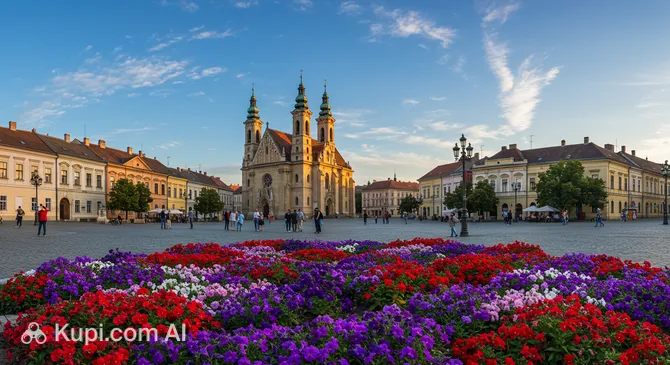
As the second-largest city in Hungary, Debrecen offers a fascinating blend of historical grandeur and modern vitality. Often referred to as the "Calvinist Rome" due to its significant religious heritage, this vibrant city serves as the regional capital of Hajdú-Bihar County. It provides a more relaxed, yet culturally rich alternative to the bustling capital, making it an essential stop for travelers exploring the eastern part of the country.
Debrecen. Illustration.
Source: Kupi.com AI
Geographically, Debrecen is located on the Northern Great Plain, characterized by its vast, flat landscapes. The city is home to a population of approximately 328,000 people, creating a lively urban environment that still retains a welcoming, community-focused atmosphere. Its location makes it a perfect gateway to the famous Puszta, the Hungarian steppe, which is a UNESCO World Heritage site.
The history of Debrecen is deeply intertwined with the nation's struggle for independence and religious freedom. Visitors can witness this legacy at the iconic Great Reformed Church, which dominates the main square and stands as a symbol of the city. Beyond its historical landmarks, Debrecen is renowned for its wellness culture, particularly the Aquaticum Medicinal and Thermal Baths, located in the lush Great Forest park area.
Whether you are interested in attending the colorful Flower Carnival held every August or simply wish to enjoy the local gastronomy and thermal waters, Debrecen promises a memorable experience. It is a destination that invites you to slow down and appreciate the unique traditions and warm hospitality of the region.
Weather Overview
Debrecen experiences a continental climate characterized by four distinct seasons, making it a year-round destination with varying atmospheres. Generally, you can expect warm summers with occasional rain and cold winters where temperatures frequently hover near freezing.
The summer months are ideal for enjoying the outdoors, with July and August seeing average temperatures between 23.5°C and 24°C. Highs during this period can reach nearly 30°C, although travelers should be prepared for some precipitation, as June typically records about 13 wet days. In contrast, winter requires warm layers; January is the coldest month with an average temperature of just 1.3°C and lows dipping to -1.3°C.
Spring and autumn provide milder, transitional weather that is excellent for walking tours. By May, the city warms up to a pleasant maximum of roughly 22°C, while October sees cooler averages around 13°C. To help plan your packing list, be sure to check the detailed guide on the weather in Debrecen.
Average monthly temperature
Average monthly precipitation
Interesting Facts
Beyond the main attractions, Debrecen holds many fascinating secrets and historical curiosities that surprise even seasoned travelers. This city is not just a regional hub but a place where national history and unique traditions have been forged over centuries.
Reformed Great Church of Debrecen. Illustration.
Source: Kupi.com AI
Traveler photos:
Debrecen has served as the capital of Hungary on two separate occasions. The most notable instance was in 1849 during the Hungarian Revolution, when Lajos Kossuth declared the nation's independence within the walls of the Reformed Great Church of Debrecen.
The city is home to the Zsuzsi Forest Railway, which is the oldest narrow-gauge railway in Hungary. It has been carrying passengers since 1882, originally transporting timber before becoming a beloved attraction for nature lovers.
Every August, the city transforms into a vibrant canvas during the Debrecen Flower Carnival. Millions of flowers are used to create massive artistic floats that parade through the streets, ending their journey near the lush Great Forest Park.
The coat of arms of Debrecen features a mythical Phoenix rising from the flames. This powerful symbol represents the city's incredible resilience, as it has been rebuilt multiple times after being devastated by major fires throughout its history.
How to Get There
Reaching the cultural hub of Eastern Hungary is convenient thanks to its well-connected transport infrastructure. Whether you prefer flying directly into the region or taking a scenic route via land, there are several options available. For a complete overview of travel methods and routes, you can read more about how to get to Debrecen.
The most direct way to arrive is via **Debrecen Airport** (IATA: DEB). Located just **4.5 km** from the city center, it is the ideal entry point for travelers. The journey from the terminal to the heart of the city is quick and straightforward. While it is a regional hub, it welcomes a steady flow of visitors annually, connecting the city to several major European destinations.
If direct flights are unavailable, you might consider **Oradea Airport** (IATA: OMR), situated in the city of Oradea, Romania. It is about **59.8 km** from Debrecen, and the transfer by road typically takes under two hours. Another alternative is **Košice Airport** (IATA: KSC) in Košice, Slovakia, located roughly **129 km** away.
For clarity, here is a summary of the main airports in the vicinity:
Travelers arriving by train from international destinations often connect through major hubs in neighboring cities. Since the main international railway stations listed are not in Debrecen itself, you can arrive at the **Keleti Railway Station** (IATA: XXQ) in Budapest, which is about **191.5 km** from Debrecen. From this major transport node, you can take a direct train to Debrecen. This is a comfortable and popular option, with the journey typically taking between **2.5 and 3 hours**.
Another option for rail travelers is the **Zakopane Railway Station** (IATA: QAZ) in Zakopane, located approximately **232.5 km** away. However, connections from this station to Debrecen are less direct compared to the route from Budapest.
Below is a list of the nearest major railway stations:
Debrecen offers a captivating mix of historical landmarks, cultural treasures, and relaxing green spaces. The city's compact center makes it easy to explore on foot, while its extensive parklands provide a perfect escape for nature lovers. Below are some of the top sights that define the character of this Hungarian city.
Standing proudly at the end of the main square, the Reformed Great Church of Debrecen is the city's most iconic symbol. As the largest Protestant church in Hungary, it holds significant historical value, having been the site where Lajos Kossuth declared Hungary's independence in 1849. Tourists are drawn here to admire its neoclassical architecture, see the historic Rákóczi Bell, and climb the tower for a stunning panoramic view of the city center.
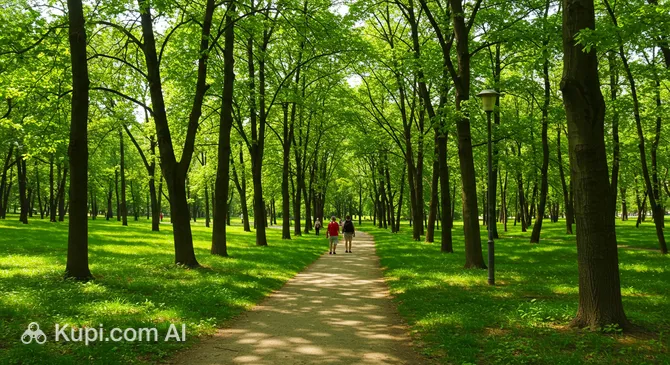
For a complete change of pace, the Great Forest Park serves as the green heart of Debrecen. This protected natural area is a favorite among locals and visitors alike, offering shaded walkways, a boating lake, and a serene atmosphere. It is a fantastic destination for families and those looking to unwind, hosting various events and serving as the gateway to the city's zoo and amusement park.
Great Forest Park. Illustration.
Source: Kupi.com AI
Traveler photos:
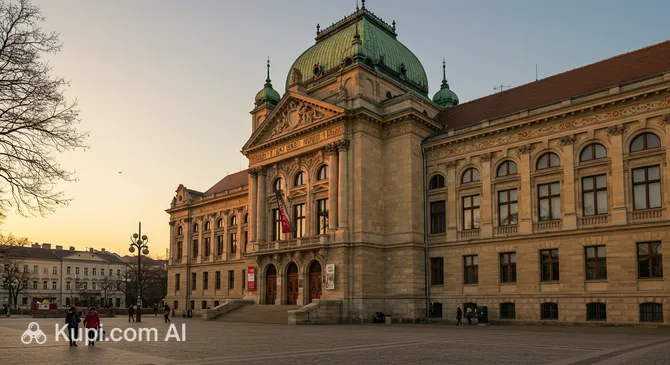
Culture enthusiasts should not miss the Déri Museum, located in a beautiful neo-baroque building. It houses one of the finest collections in the region, including archaeology, local history, and fine arts. The museum is most famous for displaying the breathtaking "Christ Trilogy" by renowned painter Mihály Munkácsy, a moving artistic experience that attracts visitors from all over the world.
Déri Museum. Illustration.
Source: Kupi.com AI
Traveler photos:
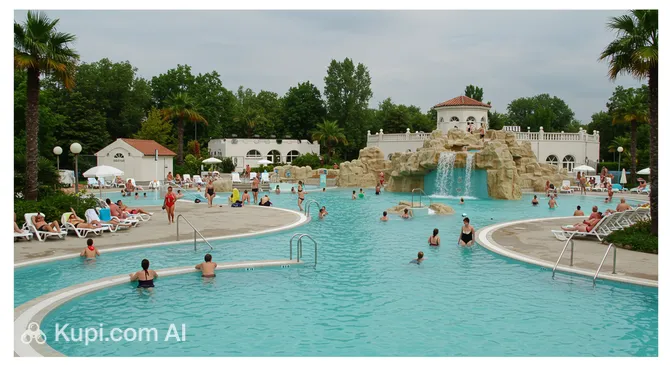
Located within the Great Forest area, the Aquaticum Mediterranean Adventure Bath is a highlight for wellness seekers and families. This unique complex features thermal pools, exciting water slides, and a lush tropical environment housed under a massive dome. It is the perfect place to experience Hungary's famous spa culture in a fun and modern setting, regardless of the weather outside.
The gastronomy of Debrecen is a true reflection of the Great Plain's rustic and hearty traditions, offering visitors a culinary experience defined by rich flavors and generous portions. The local cuisine is heavily influenced by the herdsmen culture of the nearby Hortobágy, meaning you can expect dishes that are satisfying, simple, and packed with the distinctive taste of high-quality Hungarian paprika.
Undoubtedly, the city's most famous culinary export is the Debreceni páros kolbász, or Debrecen double sausage. This succulent pork sausage, spiced with paprika, garlic, and pepper, is known worldwide but tastes best right here in its hometown. It is typically served boiled or baked, often accompanied by fresh bread and mustard or incorporated into stews. Another unique regional specialty is Slambuc, a shepherd’s dish made from pasta, potatoes, and bacon, traditionally cooked in a cast-iron cauldron over an open fire until it achieves a perfect, slightly crispy texture.
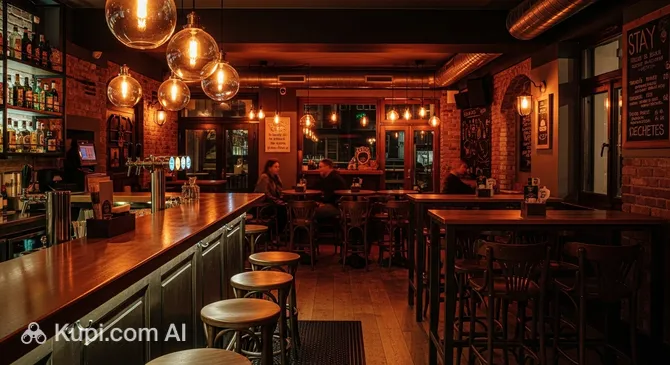
For those with a sweet tooth, local bakeries offer delicious treats, but the savory main courses are the real stars. To wash down these hearty meals, locals often turn to Pálinka, a traditional fruit brandy that is considered a national spirit. Plum and apricot are among the most popular varieties. If you prefer something lighter, the local craft beer scene is vibrant and welcoming. You can sample excellent brews at places like the Stay Beer Bar, which offers a relaxed atmosphere for evening drinks.
Stay Beer Bar. Illustration.
Source: Kupi.com AI
Traveler photos:
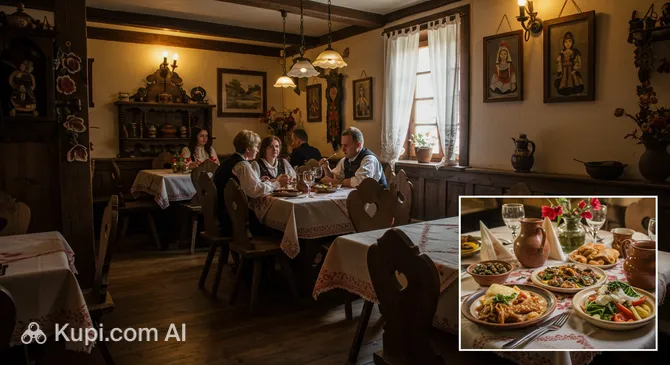
The dining landscape in Debrecen ranges from quick street food stalls serving sausages to elegant establishments where you can enjoy a leisurely dinner. Visitors looking for a classic dining experience might visit the Csokonai Restaurant, situated in the heart of the city. Whether you are dining in a historic cellar or a sunny terrace, the warm hospitality of the locals ensures that every meal is a memorable occasion.
Csokonai Restaurant. Illustration.
Source: Kupi.com AI
Traveler photos:
Travel Tips
Visiting Debrecen is a delightful experience, offering the charm of a smaller city with the amenities of a regional capital. To ensure your trip to the "Calvinist Rome" of Hungary is as smooth and enjoyable as possible, here are some practical travel tips to keep in mind.
Clothing and Gear: The weather in Debrecen varies significantly by season, so check the forecast before packing. Summers can be hot, requiring light, breathable clothing and sun protection, while winters are cold, necessitating warm layers, coats, and boots. Since the city center and the Great Forest area are best explored on foot, bring comfortable walking shoes. If you plan to visit the Reformed Great Church or other religious sites, remember to dress modestly, covering shoulders and knees.
Transportation: Debrecen has an efficient public transport network operated by DKV, consisting of trams, buses, and trolleybuses. Tram lines 1 and 2 are particularly useful for tourists, connecting the main train station, the city center, and the Great Forest. Tickets must be purchased in advance at newsstands or ticket machines and validated upon boarding. While the city is very walkable, reliable taxi services and ride-hailing apps are available if needed; car rental is generally unnecessary unless you plan to explore the surrounding Puszta.
Finances: The official currency is the Hungarian Forint (HUF). While credit and debit cards are widely accepted in hotels, restaurants, and larger shops, it is wise to carry some cash for small purchases, markets, or public restrooms. ATMs are plentiful throughout the city. Tipping is customary; leaving around 10-15% of the bill in restaurants is standard practice if a service charge is not already included.
Health and Safety: Debrecen is considered a very safe city for travelers, with low crime rates. Pharmacies, marked with a green cross and known as Gyógyszertár, are easy to find, and some offer 24-hour service. Tap water is safe to drink. In case of emergency, dial 112 for English-speaking assistance.
Communication: The official language is Hungarian, which is known for being unique and challenging. While younger people and those in the tourism industry generally speak English, it may be less common among the older generation. Learning a few basic phrases like "Jó napot" (Good day) or "Köszönöm" (Thank you) is greatly appreciated. Free Wi-Fi is often available in the city center and cafes, and prepaid SIM cards can be easily purchased at electronic stores or shopping malls.
Local Etiquette: Locals are generally polite and reserved. A handshake is the standard greeting. When entering shops or establishments, it is polite to greet the staff. In public places, especially on public transport, maintain a moderate volume. If you are invited to a local's home, removing your shoes upon entry is the norm.
What to Avoid: Avoid clinking beer glasses when toasting. According to historical tradition dating back to the 1848-1849 Revolution, Hungarians vowed not to clink beer glasses for 150 years. Although the timeframe has passed, many locals still observe this custom out of respect for history—maintain eye contact and raise your glass instead. Also, avoid exchanging money on the street; always use official exchange offices or banks.
Seasonal Insight: If you plan to visit during the famous Flower Carnival in August, book your accommodation and tickets months in advance. The city becomes very busy during this week, and finding last-minute lodging can be difficult.
With these tips in hand, you are well-prepared to navigate the streets of Debrecen with confidence and ease. Embrace the local customs, enjoy the relaxed pace of life, and make the most of your time in this historic city.
Entertainment & Nightlife
While Debrecen is often celebrated for its history and thermal waters, the city transforms as the sun sets, revealing a vibrant and energetic side driven largely by its substantial university student population. The nightlife here is diverse, ranging from sophisticated wine bars and bustling pub terraces to energetic nightclubs, offering something for every type of traveler.
The heart of the evening action is undoubtedly the city center, particularly the area known as Hal köz. This charming, pedestrian-friendly square, once a fish market, is now a hub of social life filled with trendy cafés, fountain-side terraces, and bars. It is the perfect starting point for a night out, where the atmosphere is relaxed, safe, and welcoming. Another key area is the district surrounding the university and the Great Forest, which tends to attract a younger crowd looking for student-friendly prices and lively gatherings.
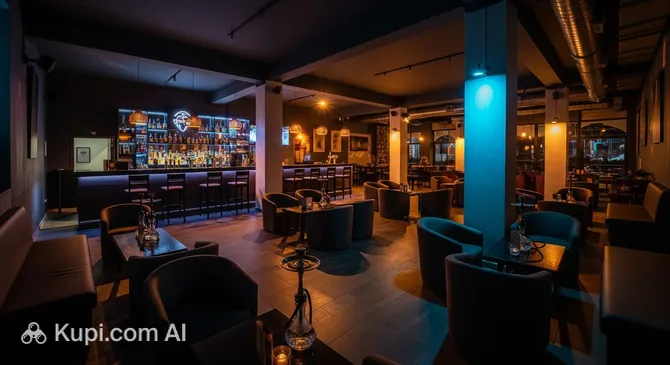
For those looking to enjoy a laid-back evening with friends, Hashtag Bar & Shisha is a popular choice. It offers a modern environment where guests can enjoy a wide variety of drinks and hookahs in a stylish setting. The dress code in most of these establishments is smart casual; locals tend to dress well but comfortably.
Hashtag Bar & Shisha. Illustration.
Source: Kupi.com AI
Traveler photos:
If you prefer a more active night out involving music and dancing, the city has several options that stay open late into the night. The Wall Debrecen is a well-known music club that frequently hosts DJs and themed parties, drawing in locals who want to dance until dawn. For a different kind of entertainment that combines activity with social drinking, Station Bowling provides a fun atmosphere with bowling lanes and bar service, making it an excellent spot for groups.
Practicality is key when navigating Debrecen at night. Most bars are open until midnight or 1:00 AM, while clubs typically kick off around 11:00 PM and stay open until 4:00 AM or 5:00 AM. Prices for drinks and entry fees are generally lower than in Budapest, making a night out quite affordable. The city is very safe for night walks, especially in the well-lit center, but for convenience, it is recommended to call a taxi or use a ride-hailing app rather than hailing one off the street.
Before the nightlife begins, Debrecen offers plenty of daytime entertainment to fill your schedule. Families and nature lovers can explore the Debrecen Zoo and Amusement Park, which provides a classic funfair experience. Alternatively, for a mix of education and fun, the Agora Science Adventure Center offers interactive exhibits that are engaging for visitors of all ages.
Parks & Museums
Debrecen is widely known as a city of gardens and culture, where urban sophistication meets the tranquility of nature. Visitors will find that the city's layout encourages exploration, with vast green spaces seamlessly integrated with significant historical and artistic institutions.
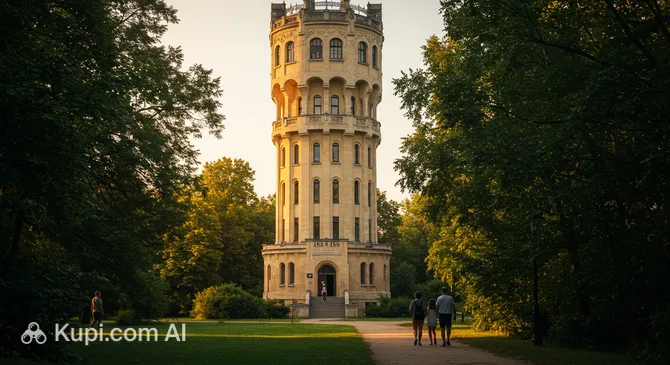
The crown jewel of the city's green areas is undoubtedly the Great Forest Park. As the first designated nature conservation area in the country, it serves as a sprawling recreational hub filled with century-old trees and walking paths. Within this verdant oasis, you will find the Nagyerdei Water Tower, a beautifully renovated industrial monument that now functions as an observation deck and cultural space. Climbing its steps offers a unique perspective of the forest canopy and the stadium nearby. For those who wish to venture deeper into the countryside, the Zsuzsi Forest Railway offers a nostalgic journey on a narrow-gauge train, winding through picturesque woodlands and farmlands.
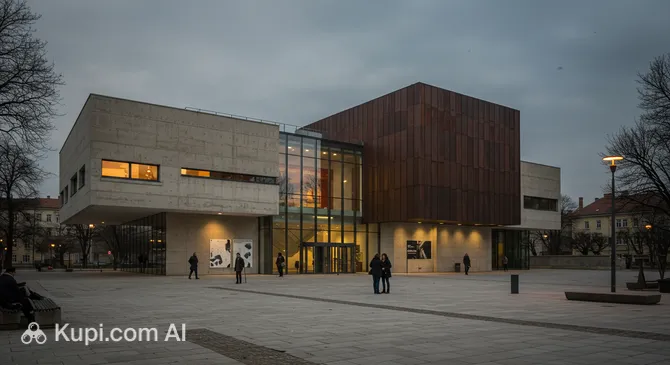
When it comes to art and history, Debrecen boasts an impressive array of institutions. Art enthusiasts should prioritize a visit to the MODEM Centre for Modern and Contemporary Arts. This striking modern building hosts world-class temporary exhibitions, showcasing everything from avant-garde installations to major international collections. It stands in contrast to the traditional charm of the Déri Museum, which remains the city's most important custodian of regional history and classical art. For families and curious minds, the Agora Science Adventure Center provides an interactive experience, making complex scientific concepts accessible and fun through hands-on displays.
MODEM Centre for Modern and Contemporary Arts. Illustration.
Source: Kupi.com AI
Traveler photos:
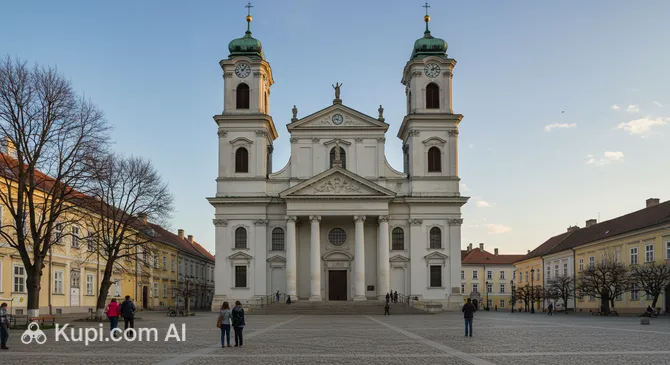
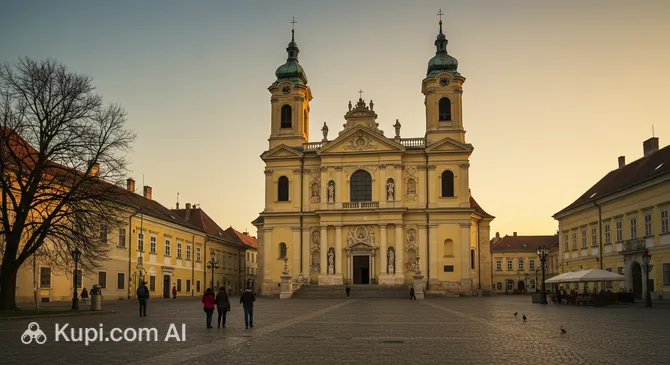
Architecturally, the city is defined by its religious heritage. While the Protestant Great Church is the most famous, the St. Anne's Cathedral offers a stunning example of Baroque architecture. Built in the 18th century, this Catholic cathedral features a richly decorated interior and twin towers that add elegance to the city's skyline. It serves as a testament to the religious diversity that has shaped Debrecen's history alongside the Calvinist traditions.
St. Anne's Cathedral. Illustration.
Source: Kupi.com AI
Traveler photos:
Beyond the primary museums and parks, the city offers other engaging venues such as the Debrecen Zoo and Amusement Park, which is particularly popular with younger travelers. Located in the heart of the Great Forest, it combines intimate animal encounters with classic amusement rides.
For an authentic local experience, take a quiet stroll through the University of Debrecen's Botanical Garden. It is often less crowded than the main parks and houses a magnificent collection of tropical plants and cacti in its greenhouses, offering a peaceful retreat just a short distance from the city center.
Getting Around
Navigating Debrecen is straightforward and efficient, thanks to a well-integrated public transport network operated by DKV (Debreceni Közlekedési Vállalat). The system is designed to be user-friendly for visitors, with a fleet of trams, trolleybuses, and buses that cover the entire city. The vehicles are easily recognizable by their distinctive blue and yellow coloring, and stops are clearly marked with timetables and route maps.
For tourists, the tram network is the most convenient mode of travel. There are two main lines, simply numbered 1 and 2, which both start from the Grand Railway Station (Nagyállomás). Tram Line 1 is particularly useful for sightseeing, as it runs through the historic city center and continues to the Great Forest area, connecting major attractions like the main square, the thermal baths, and the university. Tram Line 2 diverges to serve the residential areas in the northern part of the city, offering a glimpse into local life beyond the tourist hubs.
Complementing the trams is an extensive network of trolleybuses and diesel buses. These are essential for reaching destinations not served by the rail lines, such as specific museums, shopping centers on the outskirts, or the airport. Trolleybuses typically operate in the inner districts, providing a quiet and eco-friendly ride, while buses connect the city center to the suburban zones. Service frequencies are generally high, with vehicles arriving every few minutes during peak hours and every 15–20 minutes in the evenings.
The payment system is unified across all modes of transport. You can purchase single-journey tickets, but for travelers planning to explore multiple sites, time-based travel cards are highly recommended. 1-day, 3-day, and 7-day passes offer unlimited travel on all DKV lines and provide excellent value. Tickets can be bought at purple or orange vending machines located at major stops, newsstands, or DKV customer service centers. While drivers may sell tickets on board, they are usually more expensive and require exact change, so purchasing in advance is advisable.
Validating your ticket is a crucial step to avoid fines. Paper tickets must be stamped immediately upon boarding using the punch machines found near the doors; electronic passes or mobile tickets purchased via apps should be ready for inspection. The transport system typically operates from around 4:30 AM until 11:00 PM. Night services are limited, so if you are staying out late, it is wise to check the schedule in advance or plan for alternative transport.
For those who prefer a more direct route, taxis are a reliable alternative. They can be hailed at designated stands, particularly near the train station and city center, or ordered via telephone and mobile apps. Fares are regulated and metered, ensuring transparency. Additionally, due to the city's exceptionally flat terrain, cycling is a very popular choice. Debrecen boasts a growing network of bike lanes, and renting a bicycle can be a delightful way to explore the parks and boulevards at your own pace.
Travelers arriving by air will find the dedicated airport shuttle bus convenient. It is timed to coincide with flight arrivals and departures, providing a direct link between the airport and the Grand Railway Station. This seamless connection ensures that even if you fly into the city, you can easily transition to the local public transport network to reach your accommodation.
Accommodation
Finding the perfect place to stay in Debrecen is relatively easy, as the city offers a diverse range of accommodation options to suit every budget and preference. Visitors can choose from elegant hotels housed in historic buildings, modern wellness resorts, comfortable guesthouses, and budget-friendly hostels. For those seeking a more home-like atmosphere, there is also a growing selection of private apartments and short-term rentals available throughout the city.
When choosing a location, most tourists opt for one of two main areas: the historic City Center (Belváros) or the Great Forest (Nagyerdő). Staying in the city center places you within walking distance of the main cultural sights, such as the Reformed Great Church of Debrecen, as well as a variety of restaurants and cafes. This area is ideal for travelers who want to be in the heart of the action and enjoy the urban atmosphere.
On the other hand, the Great Forest area is perfect for relaxation, families, and wellness enthusiasts. This district is home to the city's famous spa complex, the Aquaticum Mediterranean Adventure Bath, and offers a peaceful, green environment. It is here that you will find many of the city's higher-end wellness hotels and resorts, allowing guests to combine their stay with thermal treatments and nature walks near landmarks like the Nagyerdei Water Tower.
Nagyerdei Water Tower. Illustration.
Source: Kupi.com AI
Traveler photos:
In terms of pricing, accommodation in Debrecen is generally more affordable than in the capital, Budapest, or Western European cities. You can expect to find excellent value for money, whether you are booking a luxury suite or a modest room. Reservations can easily be made via major online booking platforms or directly through hotel websites. However, a crucial tip for travelers is to book well in advance if visiting in August. The annual Flower Carnival draws huge crowds, and finding a room during this festival week can be challenging without prior arrangements.
Nearby Cities
Situated in the heart of the Northern Great Plain, Debrecen serves as an excellent starting point for exploring the wider region. The surrounding towns and cities offer a mix of thermal wellness traditions, rich cultural heritage, and unique landscapes. Whether you are looking for a quick day trip or a deeper dive into local history, several fascinating destinations are located just a short distance away.
For travelers interested in discovering the area beyond the city limits, here is a list of the closest major towns and cities:
City
Population
Distance
Hajdusamson
13 407
13 km
Hajduhadhaz
12 811
17 km
Hajdúböszörmény
30 704
18 km
Hajdúszoboszló
24 175
20 km
Balmazujvaros
17 109
23 km
One of the most popular destinations in the vicinity is Hajdúszoboszló, located just 20 kilometers from Debrecen. Often called "the Mecca of rheumatics," it is famous for its massive thermal bath complex, which is one of the largest in Europe. The town attracts visitors year-round who come to enjoy its medicinal waters and the extensive aquapark, making it a perfect spot for relaxation and wellness.
A bit further north lies Nyíregyháza, a vibrant city known for its eclectic architecture and family-friendly attractions. It is home to the Sóstó Zoo, which is considered one of the best in Hungary, and the Sóstó Museum Village, an open-air museum showcasing traditional rural architecture. The city's lively atmosphere and green spaces make it a delightful day-trip option.
For those interested in the unique history of the Hajdú district, Hajdúböszörmény offers a glimpse into the past with its distinctive circular street layout, originally designed for defense. As the capital of the historic Hajdú district, it features several architectural landmarks and museums dedicated to the region's heritage.
Shopping & Souvenirs
Shopping in Debrecen offers a balanced mix of modern convenience and traditional charm, making it an enjoyable activity for visitors. While the city may not be a sprawling fashion capital, it serves as the commercial hub of the region, providing everything from international high-street brands to unique local products. Travelers can expect a relaxed shopping environment where large modern centers coexist with historic streets lined with smaller boutiques.
The heart of the city's commercial life is undoubtedly Piac Street (Piac utca), the historic main avenue that runs through the downtown area. Strolling down this wide, pedestrian-friendly boulevard is a sightseeing experience in itself, flanked by beautiful architecture. Here, and in the connecting side streets like Batthyány Street, you will find a variety of smaller shops selling books, jewelry, shoes, and fashion, interspersed with inviting cafes where you can take a break.
For a comprehensive shopping experience under one roof, the city boasts impressive modern malls. The most prominent is Forum Debrecen, located just a short walk from the main square. As one of the largest shopping centers in the region, it houses a wide array of international fashion labels, electronics stores, a food court, and a cinema. Another central option is Debrecen Plaza, which offers a similar mix of retail and entertainment, ensuring that visitors can find whatever they need comfortably, regardless of the weather.
Forum Debrecen. Illustration.
Source: Kupi.com AI
Traveler photos:
To truly understand the local lifestyle, a visit to the Debrecen Market Hall (Nagypiac) is essential. Located on Vár Street, this bustling market is where locals go to buy fresh seasonal produce, meats, and flowers. It is the perfect place to immerse yourself in the sights and smells of the region. You can find high-quality local honey, dairy products, and, of course, the fresh ingredients that make Hungarian cuisine so famous.
When it comes to souvenirs, Debrecen offers distinct treasures that reflect its cultural heritage. The most iconic gift to bring home is the famous Debreceni páros kolbász (Debrecen double sausage), a culinary staple known worldwide. Non-perishable options include bags of high-quality Hungarian paprika, hand-painted porcelain, or traditional folk embroidery, often found in specialized souvenir shops in the city center or at the market.
Store opening hours in Debrecen generally follow standard European patterns. Major shopping malls like the Forum typically stay open from 9:00 AM to 8:00 PM on weekdays and Saturdays, with slightly shorter hours on Sundays. Smaller boutiques and street shops usually close earlier, around 6:00 PM, and many may be closed or have limited hours on Sundays. Credit and debit cards are widely accepted in malls, supermarkets, and most restaurants, but it is advisable to carry some Hungarian Forint (HUF) cash for small vendors at the market.
For visitors from outside the European Union, tax-free shopping is often available at larger stores and international brands. Look for the "Tax Free" signage in shop windows. If you spend above a certain threshold in a single store, you can request a tax refund form to claim back the VAT upon leaving the EU, provided you have your passport with you at the time of purchase.