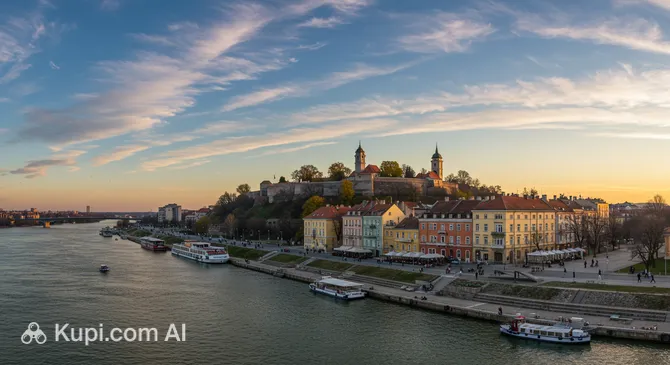
Novi Sad, the capital of the autonomous province of Vojvodina, is widely regarded as one of the most culturally vibrant destinations in Serbia. Often referred to as the "Serbian Athens," this city exudes a relaxed and welcoming atmosphere that distinctively blends Central European charm with Balkan hospitality. With a population of approximately 380,000, it serves as an important industrial, cultural, and financial center, comfortably situated on the banks of the majestic Danube River.
Novi Sad. Illustration.
Source: Kupi.com AI
The city's strategic location facing the northern slopes of the Fruška Gora mountain range has shaped its development over the centuries. Visitors interested in the past will find the history of Novi Sad fascinating, as it reveals a rich tapestry of diverse influences reflected in the local architecture and traditions. The climate here is typically continental, characterized by warm summers and cold winters, making it a pleasant destination to visit throughout the year.
Among the city's top attractions, the imposing Petrovaradin Fortress stands out as a true landmark. Often called the "Gibraltar on the Danube," it offers panoramic views of the city and hosts the world-famous EXIT music festival. In the city center, Liberty Square is surrounded by elegant buildings such as the Name of Mary Church and the Town Hall, creating a perfect setting for a leisurely stroll. Whether you are here to explore historical sites or simply enjoy a coffee by the river, Novi Sad promises a memorable experience for every traveler.
Weather Overview
The city generally enjoys a moderate continental climate, offering distinct experiences depending on the season. Summers are warm and often sunny, with August typically being the hottest month, where average temperatures hover around 24.6°C and daily highs can reach slightly above 30°C. While this is a popular time for visiting, travelers should be aware that late spring and early summer, particularly May and June, tend to see the most frequent rainfall, with up to 13 wet days per month.
Winters bring a significant shift, becoming cold and crisp. January is usually the coldest time of year, with average temperatures dropping to approximately 2.5°C and lows dipping just below freezing. Transition seasons like autumn offer pleasant conditions, especially in October, which is one of the drier months. To help you pack the right clothing for your specific travel dates, checking the detailed forecast for the weather in Novi Sad is highly recommended.
Average monthly temperature
Average monthly precipitation
Interesting Facts
Beyond the main attractions, Novi Sad holds many fascinating secrets and quirks that add to its unique character. Here are some intriguing details that reveal the hidden layers of this Danube gem.
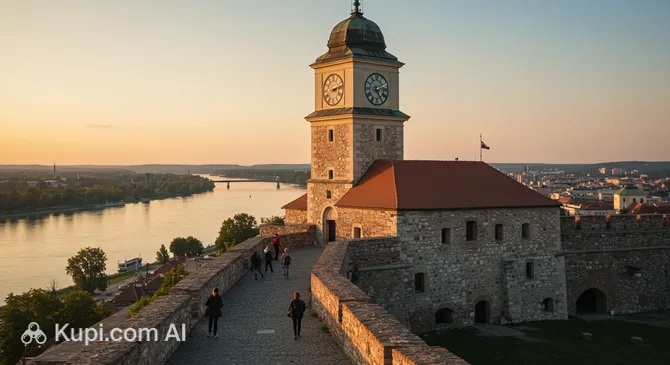
Petrovaradin Fortress Clock Tower. Illustration.
Source: Kupi.com AI
Traveler photos:
The famous Petrovaradin Fortress Clock Tower is often affectionately called the "Drunken Clock" because its hands are reversed. The small hand indicates minutes while the large hand shows the hours, a design choice made so that fishermen on the Danube could easily read the time from a distance.
Novi Sad shares a unique connection with one of history's greatest minds, Albert Einstein. He spent time in the city visiting the family of his first wife, the mathematician Mileva Marić, leading to local legends that some of his groundbreaking ideas were discussed in the serene atmosphere of the city.
Deep beneath the fortress lies a complex labyrinth of underground military galleries and tunnels stretching approximately 16 kilometers. This counter-mine system was a marvel of 18th-century engineering, designed to intercept and destroy enemy miners before they could breach the walls.
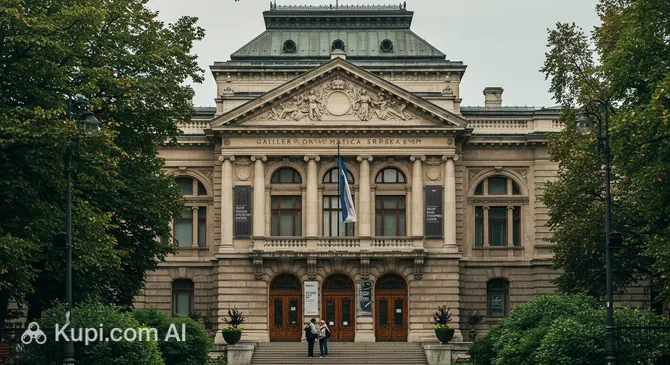
The city earned its nickname, the "Serbian Athens," during the 19th century when it became the epicenter of Serbian culture, science, and spirituality. This intellectual legacy is maintained today by venerable institutions such as the Gallery of Matica Srpska, which houses a priceless collection of national art.
How to Get There
Planning a trip to this vibrant city is straightforward, with several transport options available depending on your starting point. While the city itself is well-connected, many international visitors choose to arrive via nearby major transport hubs. For a complete overview of routes and travel advice, you can read more about how to get to Novi Sad to find the best itinerary for your journey.
The city of Novi Sad does not have its own international airport, but it is conveniently served by Belgrade Nikola Tesla Airport (IATA: BEG) in Belgrade, located approximately 60 km away. This is the primary gateway for most travelers visiting the region. From the airport, a transfer by taxi or bus typically takes around 1 hour and 50 minutes. It is a large facility offering numerous international connections, making it the most practical choice for arrival.
Another option, particularly for those traveling from neighboring Croatia, is Osijek Airport (IATA: OSI) in the city of Osijek. It is situated about 83 km from Novi Sad. Although it is a smaller airport with fewer flights, it can be a useful alternative. The travel time from Osijek to Novi Sad by road is approximately 2 hours and 25 minutes.
For clarity, here is a summary of the main airports in the wider region:
Regarding rail travel, while Novi Sad is connected to the national railway network, travelers coming from Central Europe often pass through major international hubs before connecting to local transport. One such significant hub is Keleti Railway Station (IATA: XXQ) in Budapest, Hungary. It is located approximately 258 km from Novi Sad. For those arriving here, the onward journey to Novi Sad can take roughly 6 to 7 hours by road, though direct train connections between the two cities are a popular option when available.
Below is a list of the major regional railway stations that may be part of your wider travel itinerary:
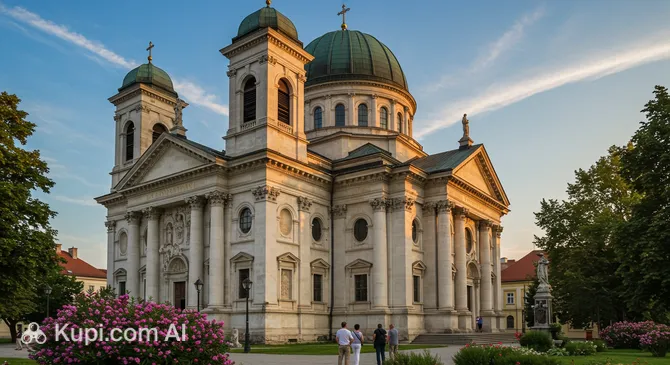
Exploring the city reveals a delightful mix of architectural styles, green spaces, and cultural landmarks. One of the most recognizable symbols of the skyline is the Name of Mary Catholic Church. Located prominently in Liberty Square, this neo-Gothic cathedral is often mistakenly called a cathedral by locals due to its impressive size. Built in the late 19th century, it features a colorful tiled roof and a tall spire that serves as a convenient meeting point. Tourists are drawn to its elegant interior and the intricate stained-glass windows that cast a beautiful light during the day.
Name of Mary Catholic Church. Illustration.
Source: Kupi.com AI
Traveler photos:
For a peaceful escape from the urban bustle, Danube Park is the city's favorite green oasis. Situated conveniently between the city center and the river, this beautifully landscaped park is perfect for a leisurely walk. It features a small lake with swans, numerous sculptures, and shaded paths that offer a cool retreat during the warm summer months. It is a beloved spot for both locals and visitors to relax, enjoy an ice cream, or simply admire the variety of trees and flowers.
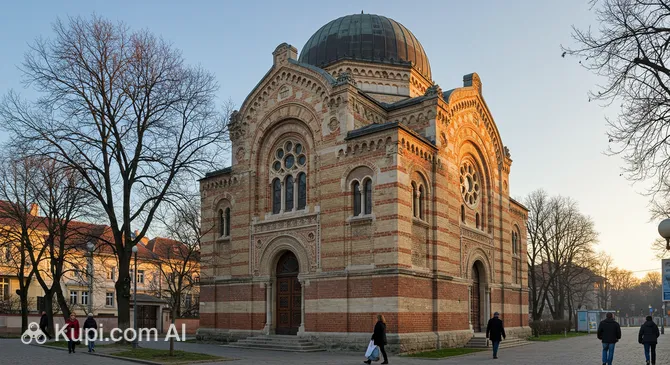
Another architectural gem is the magnificent Novi Sad Synagogue, which stands as a testament to the city's historical Jewish community. Designed in the Art Nouveau style, it is considered one of the most beautiful synagogues in this part of Europe. Today, it primarily serves as an elite concert hall due to its exceptional acoustics. Visitors are captivated by its grand facade and the detailed decorations that make it a standout structure in the city's architectural heritage.
Novi Sad Synagogue. Illustration.
Source: Kupi.com AI
Traveler photos:
During the summer, the pulse of the city shifts to the riverbank at Štrand Beach. This sandy stretch along the Danube is one of the finest river beaches in Europe, offering much more than just sunbathing. It is a lively social hub filled with cafes, playgrounds, and sports facilities. Tourists visit to experience the local lifestyle, enjoy a refreshing swim, or attend various festivals and events that take place here during the warmer seasons.
Finally, to truly understand the region's rich history, a visit to the Museum of Vojvodina is essential. This institution houses extensive archaeological, historical, and ethnological collections that tell the story of life in the province from prehistoric times to the present day. Highlights include ancient Roman helmets and traditional folk costumes, making it a fascinating stop for anyone interested in the diverse cultural tapestry of the area.
Local Cuisine
The culinary scene in Novi Sad is a delightful reflection of its multicultural heritage, blending hearty Balkan flavors with distinct Austro-Hungarian influences. The fertile plains of Vojvodina provide an abundance of fresh ingredients, resulting in a local cuisine that is both rich and diverse. Food here is enjoyed slowly, often accompanied by conversation and music, making every meal a genuine social event.
Given the city's location on the Danube, freshwater fish is a staple of the local diet. A must-try dish is Riblja čorba (fisherman's soup), a spicy and flavorful stew typically cooked in a cauldron over an open fire. It is best enjoyed in one of the traditional river taverns, known as "čardas," which line the riverbanks. For meat lovers, dishes like Perkelt (a slow-cooked meat stew often served with pasta) and various grilled specialties showcase the region's love for savory, robust flavors.
When it comes to street food, Novi Sad has a unique legend: the Index Sandwich. Originally popularized by students, this grilled ham, cheese, and mushroom sandwich loaded with various sauces has become a city icon, available at numerous fast-food spots around the university area. For dessert, the influence of Central Europe shines through in Gombovci (plum dumplings) and rich layer cakes like the Dobos torte.
The region is also famous for its exceptional beverages. Just a short distance away lies the Fruška Gora wine region, renowned for its high-quality wines. Visitors should definitely taste Bermet, a dessert wine with a secret recipe of medicinal herbs that was reportedly served on the Titanic. Besides wine, fruit brandies known as Rakija—particularly quince (dunja) and apricot (kajsija)—are the traditional way to start or end a meal.
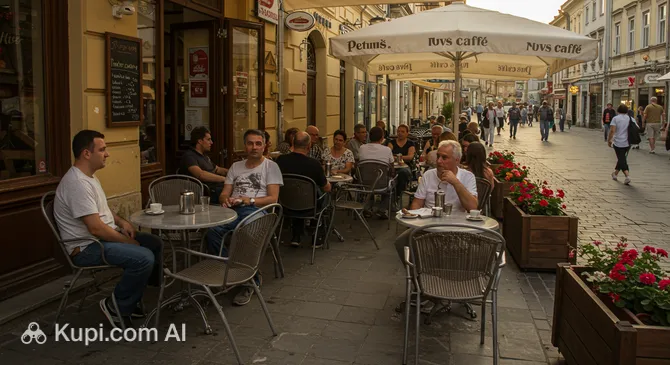
Petrus Caffe. Illustration.
Source: Kupi.com AI
Traveler photos:
The city center offers a vibrant mix of dining options, from rustic cellars to modern establishments. For a meal with a view of the bustling city life, Petrus Caffe is a popular spot located right in the heart of the pedestrian zone, offering a diverse menu in a stylish setting. Those looking for a more specialized experience might enjoy Tramontana Pizza & Wine Bar, where Italian inspiration meets local wine culture. Alternatively, for a relaxed evening with smoked delicacies and craft beer, Gastro Pub Dobri Dim provides a cozy and welcoming atmosphere.
Travel Tips
Preparing for your visit to Novi Sad is straightforward, as the city is welcoming and easy to navigate, but a few local insights can make your experience much smoother. Here are some practical tips to help you blend in and enjoy your stay in the "Serbian Athens" without a hitch.
Clothing and Gear: The climate is continental, so pack accordingly: lightweight, breathable fabrics for the hot summers and warm, layered clothing for the cold winters. Since the city center and the Petrovaradin Fortress feature many cobblestone streets and stairs, comfortable walking shoes are an absolute must. If you plan to visit Orthodox churches, remember to dress modestly, covering your shoulders and knees.
Transportation: The city center is compact and best explored on foot. For longer distances, the local public transport consists entirely of blue buses (JGSP). You can buy tickets directly from the driver using cash (small change is appreciated). There is no metro or tram system. Taxis are affordable and reliable; it is best to call a reputable company (like Red, City, or VIP Taxi) or use their apps rather than hailing them on the street.
Finances: The official currency is the Serbian Dinar (RSD). While credit cards are widely accepted in hotels, supermarkets, and major restaurants, you will need cash for bakeries, street kiosks, and open-air markets. Exchange offices, known as menjačnica, are ubiquitous and usually offer better exchange rates than banks or hotels. Tipping is not mandatory but is customary; rounding up the bill or leaving about 10% for good service is appreciated.
Health and Safety: Novi Sad is generally a very safe city for tourists. Pharmacies (marked with a green cross and usually called Apoteka) are easy to find, and there is always one designated as open 24/7 for emergencies. The tap water is safe to drink, though many locals prefer the taste of bottled water. As in any tourist destination, keep an eye on your belongings in crowded areas, especially during festivals like EXIT.
Communication: The official language is Serbian, used in both Cyrillic and Latin scripts. However, English is widely spoken, especially by the younger population and in the service industry. Free Wi-Fi is available in the city center and most cafes. For mobile data, you can easily purchase a prepaid SIM card at any "Moj Kiosk" or newsstand with just your passport.
Local Etiquette: Serbians are known for their hospitality. A firm handshake is the standard greeting. When toasting, look people in the eye and say "Živeli" (Cheers). Be aware that smoking is still permitted inside many cafes and restaurants, which might be a surprise for visitors from countries with stricter bans.
What to Avoid: Avoid discussing sensitive political topics, particularly regarding the wars of the 1990s or the status of Kosovo, as these can be emotional subjects for locals. Also, do not ride the bus without a ticket; controllers check frequently, and fines are issued on the spot.
Additional Tip: Embrace the local pace of life known as tenane (taking it easy). Unlike many European cities where Sunday is a quiet day with everything closed, in Novi Sad, most shopping malls and supermarkets remain open on Sundays, making it convenient for weekend travelers to shop and dine.
With these practical tips in mind, you are ready to explore the charming streets and rich culture of Novi Sad with confidence. Relax, enjoy the delicious local food, and let the city's friendly atmosphere make your trip truly memorable.
Entertainment & Nightlife
Entertainment and Nightlife:
As a university city with a youthful energy, Novi Sad boasts a nightlife scene that is disproportionately vibrant for its size. When the sun sets, the city transforms into a lively hub of entertainment, catering to everyone from jazz enthusiasts and rock fans to those who prefer electronic beats or a quiet glass of wine. The atmosphere is generally relaxed and unpretentious, reflecting the "tenane" (easy-going) spirit of the locals, even in the busiest venues.
The epicenter of the party scene is undoubtedly Laze Telečkog Street in the pedestrian zone. This narrow, cobblestone lane is packed with bars, pubs, and clubs standing shoulder to shoulder. In the evenings, the street itself becomes an extension of the venues, filled with crowds hopping from one place to another. It is the perfect starting point for anyone looking to experience the classic Novi Sad night out, where the music is loud, and the energy is high.
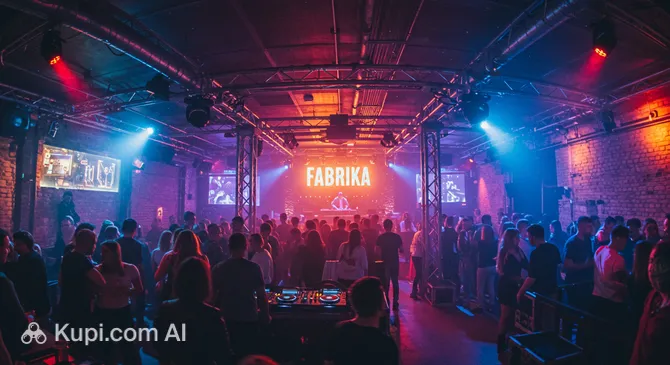
For those seeking a more alternative and artistic vibe, the Chinese Quarter (Kineska četvrt), now developing into a creative district, is a must-visit. This former industrial area has been repurposed into a cultural hotspot. Here you will find unique venues like Fabrika, a club and cultural center that regularly hosts concerts, DJ sets, and art exhibitions in a gritty, industrial setting. It attracts a diverse crowd and offers a stark contrast to the polished bars of the city center.
Fabrika. Illustration.
Source: Kupi.com AI
Traveler photos:
If you prefer a more laid-back bar atmosphere, the city offers numerous options tucked away in its side streets. Izlet is a charming spot known for its cozy ambiance, making it ideal for a casual drink with friends. Another popular venue is Absolut, which often draws a steady crowd looking for good music and a wide selection of drinks. During the warmer months, the nightlife expands to the riverbanks, particularly around Ribarsko Ostrvo, where floating river clubs (splavovi) offer parties that last until dawn.
Practical Advice for Night Owls: Most bars in the city center stay open until 1:00 AM on weekends, while clubs typically run until 3:00 AM or 4:00 AM. The dress code is generally casual to smart-casual; very few places enforce strict rules, so comfort is key. Prices are quite affordable compared to Western European standards. For safety and convenience late at night, it is best to order a taxi via an app or by phone rather than hailing one on the street. The city is very safe for night walks, but standard precautions apply.
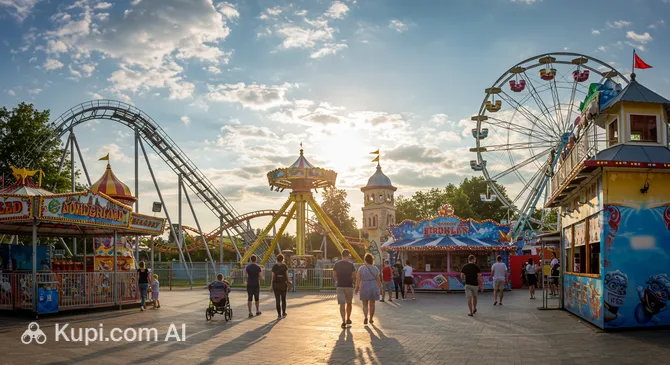
Beyond the nightlife, Novi Sad offers plenty of daytime entertainment options. Families and active travelers can visit Adrenaline Park Wonderland, which features climbing courses and obstacles suitable for various ages. For younger children, the Starli Amusement Park provides a safe and fun environment for play. Additionally, the city's theaters and cinemas offer a rich program of cultural events throughout the year.
Adrenaline Park Wonderland. Illustration.
Source: Kupi.com AI
Traveler photos:
Parks & Museums
Novi Sad beautifully balances its urban rhythm with serene green spaces and a deep respect for its cultural heritage. Beyond the bustling streets, the city offers tranquil parks for relaxation and impressive galleries that safeguard the artistic treasures of the nation, making it a rewarding destination for both nature lovers and culture enthusiasts.
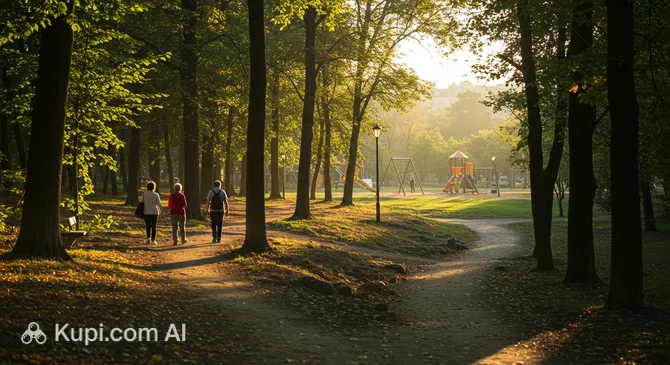
While the central Danube Park is the most famous, the city boasts other significant green areas perfect for recreation. Limanski Park is a favorite among locals, spanning a large area near the Danube riverbank. It is known for its spacious lawns, poplar trees, and designated skate park, making it a lively spot for joggers, dog walkers, and young people. In the summer, it serves as a green corridor leading towards the popular Štrand Beach, offering a refreshing escape from the concrete.
Limanski Park. Illustration.
Source: Kupi.com AI
Traveler photos:
For a more secluded atmosphere, Futoški Park offers a quiet retreat surrounding the specialized medical center and the Iodine Spa. Established in the early 20th century, this park is designed in a mixed style with elements of an English garden. It features ancient trees, winding paths, and a calm ambiance that feels miles away from the city noise, ideal for travelers seeking a peaceful moment to read or rest.
The city's artistic soul is best experienced through its exceptional museums. The Gallery of Matica Srpska is a premier cultural institution, housing a vast collection of Serbian art from the 16th to the 20th century. Visitors can admire stunning iconostases, portraits, and graphics that trace the development of national art. The gallery is not just a display of paintings but a narrative of the Serbian people's history and cultural evolution in Central Europe.
Gallery of Matica Srpska. Illustration.
Source: Kupi.com AI
Traveler photos:
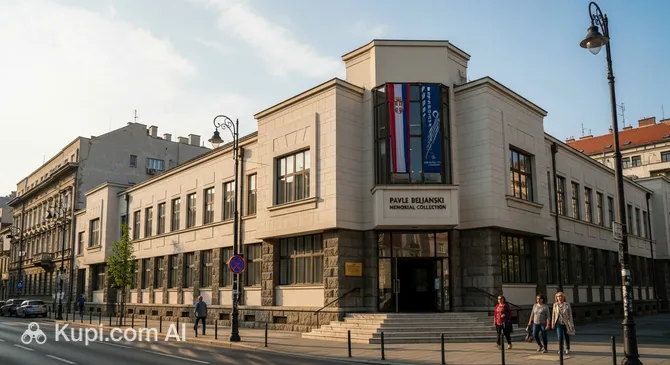
Just a short walk away, the Pavle Beljanski Memorial Collection offers a different artistic perspective. This museum is dedicated to Serbian modern art from the first half of the 20th century. It showcases the private collection of diplomat Pavle Beljanski, featuring masterpieces by renowned artists such as Nadežda Petrović and Sava Šumanović. It is an essential stop for anyone interested in the modern movements that shaped the region's visual culture.
Pavle Beljanski Memorial Collection. Illustration.
Source: Kupi.com AI
Traveler photos:
For those interested in the natural world, the Institute for Nature Conservation hosts exhibitions focusing on the geological and biological diversity of Vojvodina. It provides an educational look at the local flora and fauna, including the unique ecosystems found in the nearby Fruška Gora National Park.
Scattered throughout the city are monuments that pay tribute to key historical figures. Dominating Liberty Square is the imposing Monument to Svetozar Miletić, a bronze statue of the influential former mayor and political leader, which serves as a common meeting point. Another significant landmark is the Monument to King Peter I of Serbia the Liberator, located in the square of the Republic, commemorating the monarch who ruled during a pivotal era in Serbian history.
Families traveling with children might enjoy a quick visit to the ZOO Market Aquarium, a smaller venue that offers a glimpse into aquatic life. As an insider tip, if you have extra time, consider crossing the river to Kamenički Park. It is the oldest and largest park in the area, offering expansive woodlands and picnic spots right at the foot of the Fruška Gora slopes, often overlooked by tourists sticking strictly to the city center.
Getting Around
Navigating Novi Sad is remarkably simple and stress-free, primarily because the city is compact and features a flat terrain. The public transport network consists entirely of a comprehensive bus system operated by the public company JGSP Novi Sad. There are no trams, trolleybuses, or metro lines in the city, although you may spot an old tram named "Trčika" in the city center, which now serves as a popular cafe and a nostalgic reminder of the system that was dismantled in the late 1950s.
The city's blue buses connect all major neighborhoods, the city center, and the railway station, as well as suburban areas. For tourists, the most relevant lines are usually those within Zone 1 (City Zone). Line 4 is particularly useful for visitors, as it frequently runs between the Railway/Bus Station and the city center. Buses typically operate from early morning, around 5:00 AM, until midnight. It is important to note that night services are limited, so alternative transport is recommended for late-night outings.
The payment system is straightforward for short-term visitors. The easiest way to pay for a ride is to purchase a paper ticket directly from the driver upon boarding. You must have cash, preferably in small denominations (coins or small bills), as drivers may not always have change for large banknotes. The price for a single ride paid in cash is 100 RSD. While a discounted rate of 65 RSD is available through the NSMART electronic ticketing system used by locals, obtaining and topping up these cards is often unnecessary for a short stay, making the cash payment to the driver the most convenient method for tourists.
Taxis are a very popular and affordable alternative to public transport. Unlike in many other European cities, hailing a cab on the street is less common; it is much better to call a dispatch center or use a dedicated mobile app from reputable companies such as Red Taxi, VIP Taxi, or Maxi Taxi. This ensures you get a metered ride at a fair price. Rides within the city limits are generally inexpensive, often costing between 300 and 500 RSD depending on the distance.
Given the city's flat landscape and wide boulevards, cycling is an excellent way to get around. Novi Sad has a well-developed network of bicycle paths and its own bike-sharing system called NS Bike. You can rent bicycles at various automated stations located throughout the city, including near the Štrand beach and the university campus. To use this service, you typically need to register at the tourist organization or a parking service office, making it a fun option for those staying for a few days.
Accommodation
Where to Stay:
Novi Sad offers a welcoming array of accommodation options suited to every traveler's budget and style. The city is well-equipped with everything from lively hostels and budget-friendly guesthouses to modern mid-range hotels and private apartments, which are a very popular choice here. For those seeking a touch of luxury or a specialized experience, there are several establishments that provide top-tier amenities and unique settings.
For most tourists, staying in the City Center (Stari Grad) is the most convenient option. This area places you within walking distance of the main pedestrian zones, Liberty Square, and numerous cafes and restaurants, allowing you to soak up the local atmosphere right from your doorstep. Alternatively, accommodation near the Petrovaradin Fortress offers a historic ambiance and stunning views across the Danube, although it is slightly removed from the central buzz. The riverbanks are also excellent for travelers looking for a more tranquil environment close to nature.
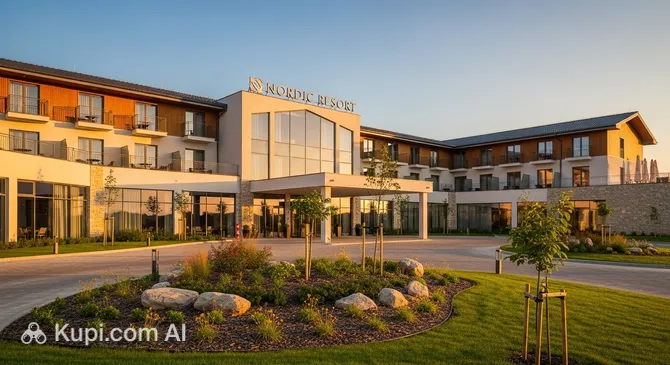
If you prefer a stay that combines comfort with leisure facilities, the city features notable resort-style accommodations. For instance, the Nordic Resort offers a relaxing atmosphere often sought after by visitors looking to unwind in a modern setting. Similarly, the Ribarsko Ostrvo Resort is located in a picturesque tourist settlement known as "Fisherman's Island." This area is perfect for those who wish to enjoy the natural beauty of the Danube while being close to traditional river restaurants.
Nordic Resort. Illustration.
Source: Kupi.com AI
Traveler photos:
Booking Tip: While accommodation is generally easy to find, it is crucial to book months in advance if you plan to visit during the famous EXIT Festival in July or during major agricultural fairs. During these peak times, the city fills up completely, and prices increase significantly. Generally, prices in Novi Sad are affordable compared to Western Europe, with budget options often available for around 30 EUR and mid-range hotels averaging between 50 and 80 EUR per night. Reservations can easily be made through major online booking platforms or directly with the properties.
Nearby Cities
For those looking to explore the surroundings, Novi Sad serves as an excellent base for day trips to several interesting nearby locations:
One of the most historically significant destinations in the vicinity is Sremska Mitrovica. Located just a short drive away, this city is built on the ruins of ancient Sirmium, which was once one of the four capitals of the Roman Empire. Visitors can explore the impressive Imperial Palace complex and the Museum of Srem to see well-preserved mosaics and artifacts that tell the story of its glorious past. It is a perfect spot for history buffs wanting to walk in the footsteps of Roman emperors.
For nature lovers and those seeking relaxation by the water, Bačka Palanka offers a delightful escape. Situated on the left bank of the Danube, the town is famous for the Tikvara Nature Reserve, a tranquil lake area ideal for fishing, kayaking, and long peaceful walks. The town’s laid-back atmosphere and its connection to the river make it a great place to unwind and enjoy the natural beauty of the Vojvodina plains.
City
Population
Distance
Sremska Kamenica
11 967
3 km
Veternik
17 454
5 km
Petrovaradin
14 810
5 km
Futog
18 641
9 km
Beocin
8 058
9 km
These nearby destinations offer a glimpse into the diverse culture and landscapes of the region, providing memorable experiences just a stone's throw from the city.
Shopping & Souvenirs
Shopping:
Shopping in Novi Sad is a delightful combination of relaxed strolling through historic streets and the convenience of modern retail centers. The city offers everything from high-end international labels to unique local crafts, making it easy to find the perfect gift or a new addition to your wardrobe. Whether you prefer the charm of open-air boutiques or the variety of a large mall, the city caters to all tastes.
The heart of the local shopping experience lies in the pedestrian zone of the city center. Zmaj Jovina and Dunavska streets are lined with charming boutiques, shoe shops, and bookstores housed in beautiful neo-Baroque and neo-Renaissance buildings. Exploring these streets is not just about purchasing items; it is a social ritual where locals enjoy window shopping followed by a coffee in one of the many outdoor cafes. Hidden within the passages (pasaži) connecting these streets are smaller, independent shops selling handmade jewelry, artisan clothes, and unique accessories that you won't find anywhere else.
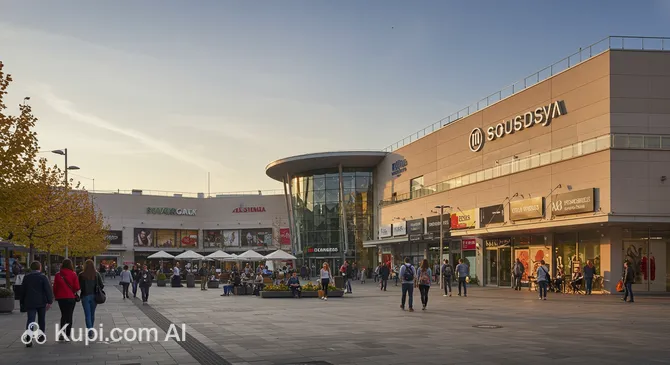
Fashion Mall Novi Sad. Illustration.
Source: Kupi.com AI
Traveler photos:
For those seeking a comprehensive modern shopping experience with a wide selection of brands under one roof, the city boasts impressive retail complexes. One of the key destinations is the Fashion Mall Novi Sad. This modern center is a hub for fashion lovers, featuring a vast array of popular international labels, sports shops, and lifestyle stores. It provides a comfortable environment for a full day of retail therapy, complete with dining options and entertainment facilities, making it a favorite spot for both families and trendsetters.
For a taste of authentic local life, a visit to the markets is essential. Riblja Pijaca (Fish Market), conveniently located near the Danube and the city center, is the most popular green market. Here, visitors can buy fresh seasonal fruit, vegetables, and homemade products like honey, jams, and ajvar directly from local producers. It is also a great place to find traditional items and experience the bustling energy of the city's daily routine.
When it comes to souvenirs, Novi Sad has plenty to offer beyond standard trinkets. The region is famous for its wines, particularly Bermet from the nearby Fruška Gora vineyards, which makes for an elegant and delicious gift. Other popular keepsakes include handmade leather goods, local ceramics, and Licider hearts—traditional decorated gingerbread cakes that are a colorful symbol of affection and Serbian heritage.