Support

Mostar

About

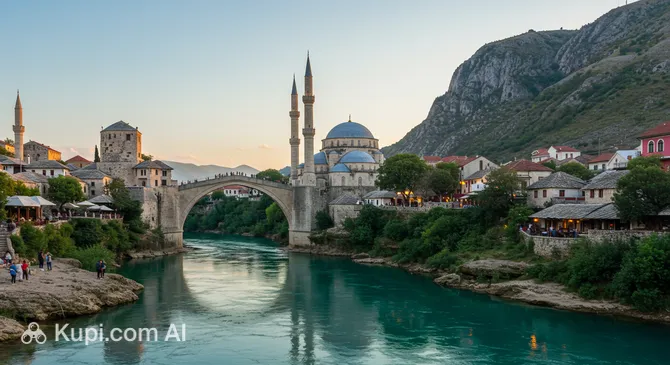
Nestled in the deep valley of the Neretva River, Mostar is widely considered one of the most picturesque and historically significant destinations in Bosnia and Herzegovina. Famous for its iconic stone bridge that arches gracefully over emerald waters, the city offers a captivating blend of eastern and western influences. With a population of approximately 113,000 residents, it serves as the cultural and economic capital of the Herzegovina region, enchanting visitors with its warm Mediterranean climate and vibrant atmosphere.

The city's layout is defined by the stunning river that divides it, creating a dramatic landscape where steep hills meet ancient stone architecture. Exploring the streets reveals the rich history of Mostar, where Ottoman-era structures stand alongside Austro-Hungarian buildings, telling the story of a place that has been a crossroads of civilizations for centuries. The sunny weather and the refreshing breeze from the river make it a delightful spot for walking tours and outdoor dining.
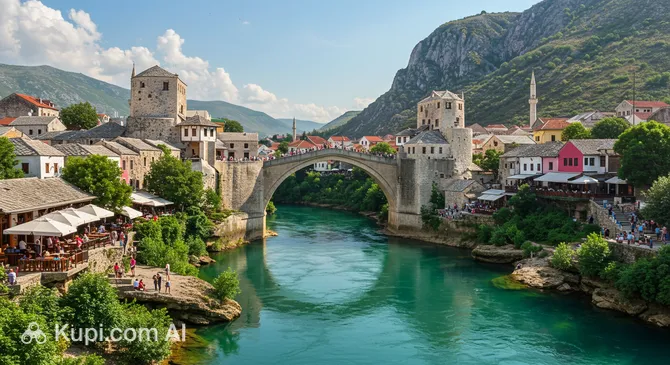
Mostar. Source: Kupi.Binoculars

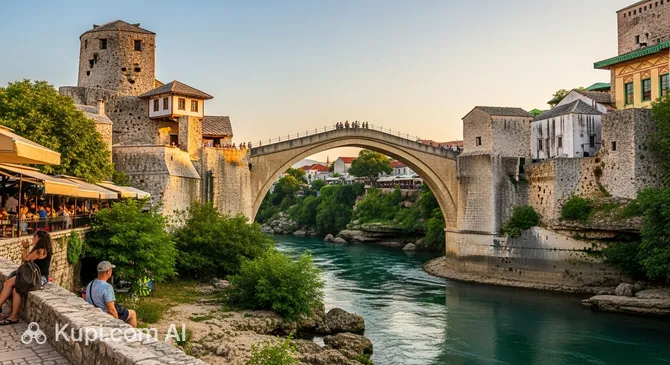
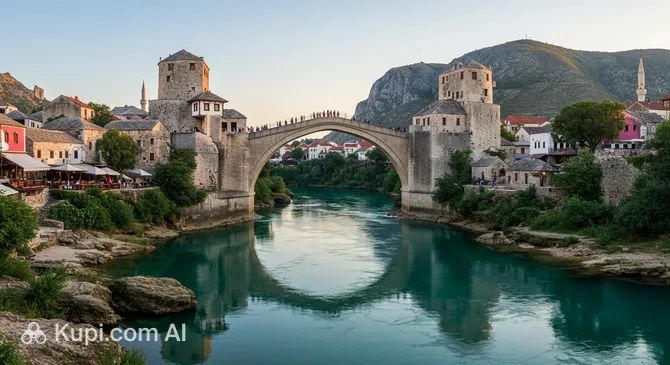
The heart of the city is undoubtedly the Stari Most (Old Bridge), a UNESCO World Heritage site that attracts travelers from all over the globe. Nearby, the bustling Kujundžiluk (Old Bazaar) invites you to wander through narrow cobblestone alleys filled with artisan shops, copper workshops, and traditional restaurants. Another highlight is the Koski Mehmed Pasha Mosque, which offers one of the best panoramic views of the bridge and the river below from its minaret.

Whether you are admiring the daring local divers leaping from the bridge or enjoying a strong cup of traditional coffee by the riverside, Mostar promises an unforgettable experience. Its unique charm, stunning scenery, and welcoming spirit make it an essential stop for anyone planning a trip to this beautiful part of Europe.
Weather Overview

Mostar experiences distinct seasonal changes, offering a climate that ranges from chilly winters to pleasant summers. Before packing your bags, it is helpful to review the weather in Mostar to ensure a comfortable trip. The city generally sees its warmest and most stable weather during the summer months, while the transition seasons can be quite variable.

The summer season is the warmest time of year, with August typically recording an average temperature of 22.0°C and highs reaching 28.0°C. July and August are also the driest months, with only about 8 to 9 wet days. In contrast, spring brings more frequent rainfall; May is particularly notable for having up to 19 wet days, so carrying an umbrella is advisable if you visit during this time.

As autumn progresses, temperatures cool down significantly, dropping to an average of 7.5°C by November. Winters are cold, with January being the coldest month, featuring average temperatures of 1.6°C and lows dipping to -2.0°C. Overall, visitors can expect warm summers with occasional rain and cold winters with frequent precipitation.

Interesting Facts

Beyond its famous stone arch and bustling bazaars, Mostar holds several fascinating secrets that add depth to its charm. These unique details reveal a city of contrasts, where history, nature, and pop culture intersect in unexpected ways.

Crooked Bridge. Source: Kupi.Binoculars
  • While the Old Bridge receives the most acclaim, the Crooked Bridge (Kriva Ćuprija) is its older, miniature predecessor. Built eight years prior to the city's main icon, this small stone arch is believed to have served as a test run for the daring engineering used in the larger construction.

  • In a surprising twist of pop culture, the city is home to the world's first public monument to martial arts legend Bruce Lee. Located in Zrinjevac Park, the life-sized golden statue was erected in 2005 as a universal symbol of justice and solidarity that resonated with all residents.

  • The emerald waters of the Neretva River are as chilling as they are beautiful. It is scientifically recognized as one of the coldest rivers in the world, with water temperatures rarely rising above 7 or 8 degrees Celsius, even during the peak of Mostar's scorching summers.

  • The spectacle of diving from the Stari Most (Old Bridge) is not merely a show for tourists; it is a tradition that dates back over 450 years. Since the bridge's completion in 1566, leaping from the apex into the freezing river below has been a celebrated rite of passage for the local young men.

How to Get There

Reaching this historic gem in the Herzegovina region is relatively straightforward, with several options available depending on your starting point. Whether you prefer flying directly into the area or taking a scenic drive from neighboring cities, you can find detailed information and more about how to get to Mostar on our dedicated transport page.

The most convenient option for many travelers is the local Mostar Airport (OMO), located just 7.4 km from the city center. While it is a smaller regional hub with lower passenger traffic, it offers the distinct advantage of arriving directly at your destination. From here, a taxi or bus ride into town typically takes around 30 minutes. You can check for seasonal flights and connections directly to Mostar Airport.

Alternatively, many visitors choose to fly into Sarajevo International Airport (SJJ), situated in the capital city of Sarajevo, approximately 68.1 km away. This airport handles significantly more traffic and offers a wider range of international connections. The journey from Sarajevo to Mostar is scenic and takes about 2 hours by road. For more flight options, you might consider arriving at Sarajevo International Airport.

Another popular entry point, especially for those combining their trip with a visit to the Croatian coast, is Dubrovnik Airport (DBV). Located in Dubrovnik, roughly 94.7 km from Mostar, this major international hub welcomes millions of passengers annually. The drive from Dubrovnik Airport involves crossing the border but offers beautiful views, with a travel time of approximately 2 hours and 40 minutes.

For clarity, here is a summary of the main airports:

Airport Name City Passenger Traffic Km from City
Split AirportSplitLarge124.1
Dubrovnik AirportDubrovnikLarge94.7
Sarajevo International AirportSarajevoMedium68.1
BracBolSmall91.7
Mostar AirportMostarSmall7.4

Regarding rail travel, while Mostar is famous for its scenic train route from Sarajevo, the closest major international railway hub listed in the wider region is Bari Centrale Station. Located in the city of Bari (Italy) across the Adriatic Sea, it is approximately 259.1 km away in a straight line. Travelers coming from Italy might use this station to reach the ferry ports connecting to the Balkans. The station serves a very large number of passengers annually.

Below is the data for the listed railway station:

Station City Passenger Traffic Km to Center
Bari Centrale StationBariLarge259.1

Main Attractions

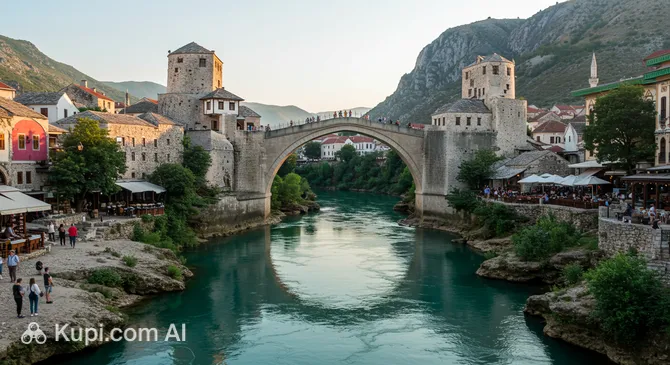
Mostar is a city that captivates visitors with its stunning Ottoman architecture and vibrant street life. The undisputed centerpiece of the city is the Stari Most (Old Bridge). This 16th-century stone arch is not just a UNESCO World Heritage site but the beating heart of Mostar. Spanning the turquoise Neretva River, it connects the two sides of the old town and serves as a gathering point for locals and tourists alike. Watching the traditional divers leap from its apex into the chilly waters below is a thrilling spectacle that defines the city’s spirit.

Stari Most (Old Bridge). Source: Kupi.Binoculars

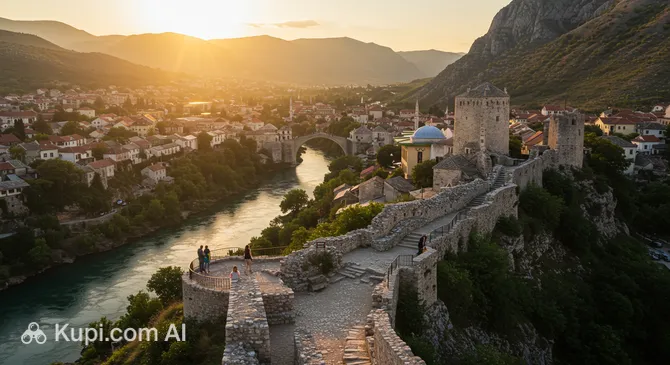
For the quintessential postcard view of the bridge and the old town, a visit to the Koski Mehmed Pasha Mosque is essential. Built in the early 17th century, this elegant mosque features a beautiful interior adorned with intricate wall decorations and carpets. However, the main highlight for many is the climb up the narrow, winding staircase of the minaret. From the top, you are rewarded with a breathtaking panoramic view of the river, the Old Bridge, and the red-roofed stone houses that cluster along the banks.

Koski Mehmed Pasha Mosque. Source: Kupi.Binoculars

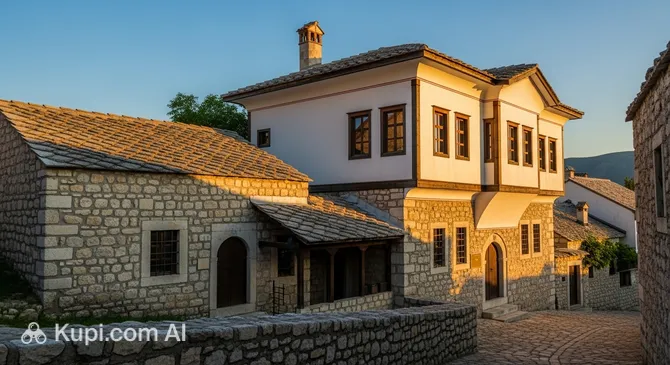
To step back in time and experience the domestic lifestyle of the Ottoman era, head to Bišćević House. This historic homestead, dating back to 1635, is one of the most preserved examples of residential Turkish architecture in the region. Visitors can explore the shaded courtyard, known as an avlija, and wander through rooms furnished with original rugs, carved wooden chests, and traditional seating. It offers a peaceful retreat from the bustling streets and a fascinating glimpse into the city's cultural heritage.

Bišćević House. Source: Kupi.Binoculars

For those seeking a different perspective and a bit of adventure, Fortica Hill offers an unmatched vantage point. Located just east of the city, this park features a glass skywalk that extends over the edge of the slope, providing a thrilling view of Mostar and the surrounding valley. It is a fantastic spot to watch the sunset and appreciate the dramatic geography of the Herzegovina region from high above.

Fortica Hill. Source: Kupi.Binoculars

Local Cuisine

The culinary scene in Mostar is a delicious reflection of its history, blending robust Balkan flavors with Mediterranean freshness and centuries of Ottoman influence. The local food culture revolves around slow dining, organic ingredients, and generous hospitality. In the heart of the city, particularly within the cobblestone streets of the Old Town, the air is often filled with the mouthwatering scent of grilled meats, inviting visitors to sit down and savor a hearty meal.

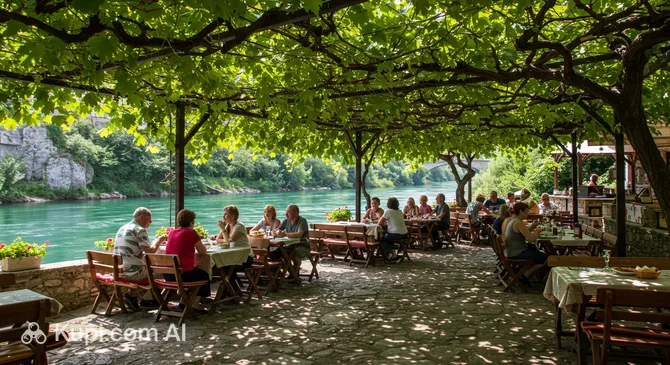
One of the absolute must-try dishes is Ćevapi, small grilled sausages made from minced meat, typically served tucked inside a warm flatbread called somun with chopped onions and a side of kajmak (a creamy dairy product). For those with a serious appetite, the mixed meat platters are legendary. A fantastic place to experience these generous portions is the Tima-Irma National Restaurant, a family-run spot famous for its grilled specialties and vibrant atmosphere right in the Old Town.

Tima-Irma National Restaurant. Source: Kupi.Binoculars

Beyond the grill, the region is known for its slow-cooked comfort foods. Dolma is a staple, consisting of vegetables like peppers, zucchini, or onions stuffed with a savory mix of minced meat and rice. Another local favorite is Japrak, where the filling is wrapped in raštika (collard greens) or vine leaves, similar to dolmades but with a distinct Herzegovinian twist. These dishes are often accompanied by fresh, locally grown salads and homemade bread.

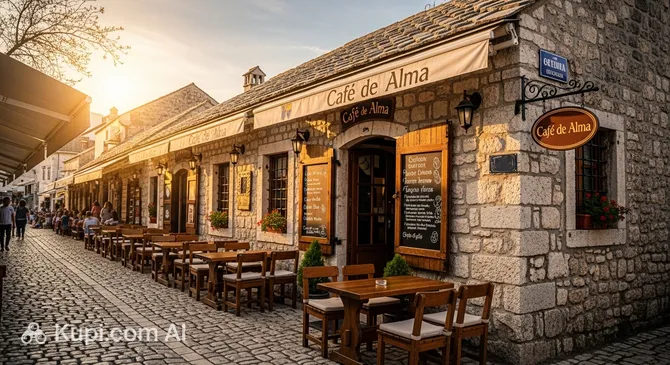
No culinary journey here is complete without experiencing the traditional coffee culture. Bosnian coffee is not just a drink; it is a ritual served in a copper pot (džezva) alongside a sugar cube and a glass of water. To understand the proper way to prepare and drink it, you should visit Café de Alma. This charming spot also serves as a roastery and offers an educational glimpse into this vital part of local social life.

Café de Alma. Source: Kupi.Binoculars

When it comes to alcoholic beverages, the sunny climate of Herzegovina produces excellent wines. Look for the indigenous white wine Žilavka or the robust red Blatina, both of which pair perfectly with the local cuisine. For beer lovers, the city has a growing craft scene; the Craft Beer Garden imaimoze is a great place to sample local brews in a relaxed setting. Whether you are sipping wine by the Neretva River or enjoying a strong coffee, the flavors of Mostar are sure to leave a lasting impression.

Travel Tips

To ensure your visit to this gem of Herzegovina is as smooth and enjoyable as possible, a little preparation goes a long way. From navigating the historic cobblestones to understanding local customs, these practical tips will help you experience Mostar like a savvy traveler rather than just a tourist.

  1. Footwear and Clothing: The most important item to pack is a pair of comfortable, non-slip walking shoes. The polished stones of the Old Town and the Stari Most (Old Bridge) can be incredibly slippery, even when dry. High heels are strongly discouraged. If you plan to visit mosques, dress modestly; women should have a scarf to cover their hair, and both men and women should cover their shoulders and knees.
  2. Transportation: The best way to explore Mostar is on foot. The historic center is a pedestrian-only zone where cars cannot enter. For distances outside the Old Town, official yellow taxis are affordable and reliable. If you are driving a rental car, park it outside the pedestrian zone to avoid getting stuck in narrow, one-way streets.
  3. Money Matters: The local currency is the Convertible Mark (BAM or KM). While some tourist shops may accept Euros, it is always better to pay in the local currency to get a fair rate. Credit cards are accepted in hotels and larger restaurants, but you will definitely need cash for small souvenir shops in the bazaar, cafes, and bakeries. ATMs are widely available throughout the city.
  4. Health and Safety: Mostar is a very safe city for travelers. The main concern is usually the summer heat; temperatures can soar above 35°C (95°F), so stay hydrated and wear sunscreen. Pharmacies, marked by a green cross, are easy to find and well-stocked. In case of minor ailments, pharmacists are generally helpful and often speak English.
  5. Communication: The official languages are Bosnian, Croatian, and Serbian, but English is widely spoken, especially by younger people and those working in tourism. Locals appreciate it if you try a few basic phrases like "Dobar dan" (Good day) or "Hvala" (Thank you). Wi-Fi is standard in almost every cafe, and you can easily buy a prepaid SIM card at any newsstand kiosk for mobile data.
  6. Local Etiquette: Coffee culture here is a serious ritual. Do not rush your drink; sitting for hours with a single cup of coffee is socially acceptable and expected. When greeting locals, a firm handshake is the norm. Be polite and patient in service interactions—the pace of life is slower here than in major Western capitals.
  7. What to Avoid: Never attempt to jump off the Old Bridge yourself. While it looks exhilarating when the locals do it, it is extremely dangerous for untrained individuals due to the height and the cold, fast currents of the Neretva River. Leave the diving to the professionals and enjoy the spectacle from the riverbank.
  8. Timing Your Visit: Mostar is a popular day-trip destination, meaning the Old Town can get crowded between 11:00 AM and 3:00 PM. If you stay overnight, you can explore the streets in the early morning or late evening when the day-trippers have left, offering a much more magical and intimate experience.

By keeping these simple tips in mind, you will be well-equipped to navigate the winding streets and vibrant culture of Mostar with ease. Embrace the laid-back rhythm of the city, and you are sure to leave with wonderful memories and perhaps a newfound love for traditional Bosnian coffee.

Entertainment & Nightlife

While Mostar is best known for its historic charm during the day, the city transforms as the sun sets, offering a vibrant and welcoming nightlife scene. The atmosphere is generally laid-back and social, characterized by open-air terraces, lively conversations, and a mix of locals and tourists enjoying the warm Herzegovinian evenings. Unlike the intense clubbing capitals of Europe, entertainment here focuses more on socializing in stylish bars and pubs, though there are excellent spots for dancing late into the night.

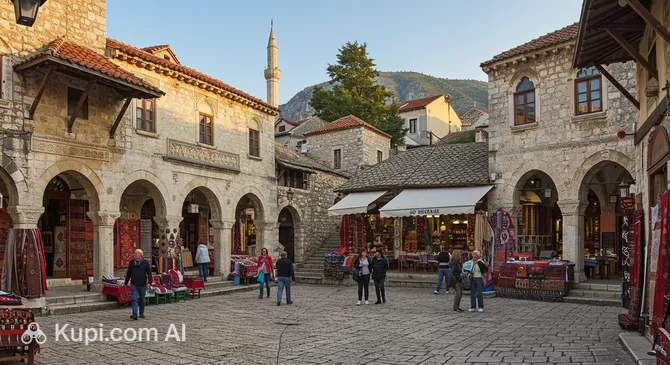
The nightlife geography is essentially divided into two parts. The historic Old Town Mostar is the perfect starting point for the evening. Here, you can enjoy a glass of local wine or a cocktail with a view of the illuminated Old Bridge. As the night progresses, the action tends to shift towards the western, more modern part of the city, particularly around the university area and the newer commercial districts where the music gets louder and the energy higher.

Old Town Mostar. Source: Kupi.Binoculars

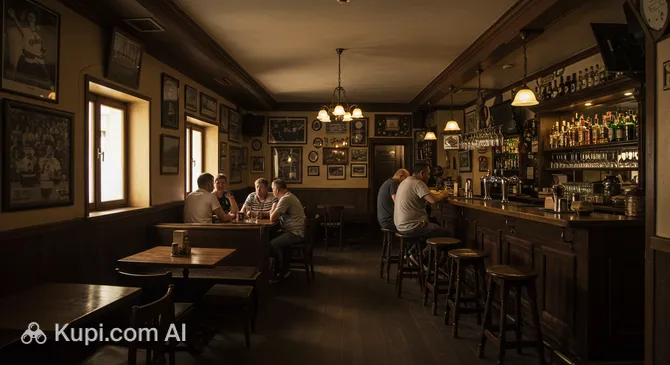
For those seeking a friendly pub atmosphere with a wide selection of drinks, Shankly's Pub is a standout venue. Located near the university, it is a favorite among students and visitors alike, known for its British-style decor, craft beers, and rock music. It is an excellent place to mingle with locals in a casual setting before heading out to later venues.

Shankly's Pub. Source: Kupi.Binoculars

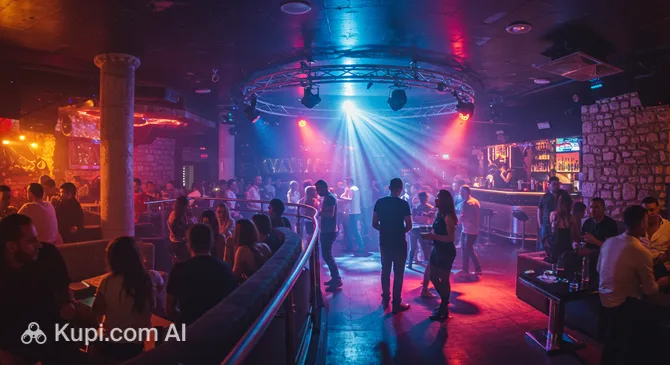
If you are looking for a more energetic vibe or a place to dance, Bazza is one of the city's most popular nightclubs. It features a modern interior, hosts various DJs, and offers a lively atmosphere that keeps going until the early morning hours. For a slightly different experience, the Mazel Tov Concept Bar offers an artistic and eclectic setting, perfect for enjoying creative cocktails and a unique ambiance.

Bazza. Source: Kupi.Binoculars

Practicalities for a night out in Mostar are quite favorable for travelers. The dress code is generally casual to smart-casual; you will feel comfortable in jeans and a nice top in almost any venue. Prices are very affordable compared to Western Europe, with beers and wine often costing just a few euros. The city is safe for night walks, but if you are moving between the Old Town and the western districts, official taxis are plentiful and inexpensive. Simply look for marked vehicles or ask a bartender to call one for you.

During the daylight hours, entertainment takes a different pace. Beyond the historical sites, you can enjoy modern leisure at Mepas Mall, which houses a cinema, bowling alley, and numerous shops. For a relaxing afternoon stroll, the Spanish Square serves as a beautiful central promenade, connecting the different sides of the city and offering a glimpse into modern local life.

Parks & Museums

Beyond the famous stone bridge and the bustling bazaar, Mostar offers a variety of cultural sites and green spaces that provide a deeper understanding of the city’s heritage and a relaxing break from sightseeing. From masterpieces of Ottoman architecture to peaceful urban parks, these locations invite visitors to explore the diverse layers of the city's history and daily life.

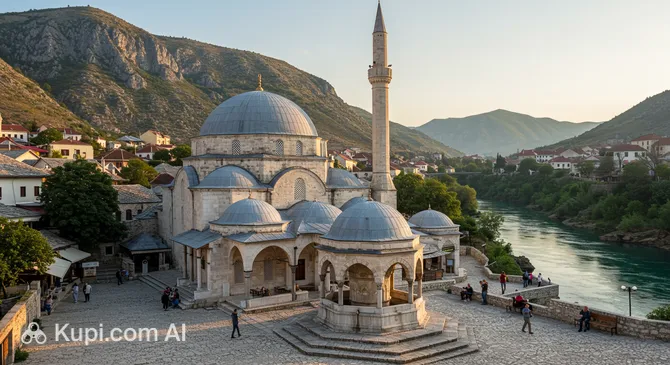
One of the most impressive examples of sacred architecture in the region is the Karađoz Bey Mosque. Built in the mid-16th century, this grand structure is widely regarded as the most significant mosque in Herzegovina. Its design features a large central dome and a tall, elegant minaret that characterizes the city's skyline. Visitors can explore the peaceful courtyard and the beautifully decorated interior, which showcases the artistic mastery of the classical Ottoman period.

Karađoz Bey Mosque. Source: Kupi.Binoculars

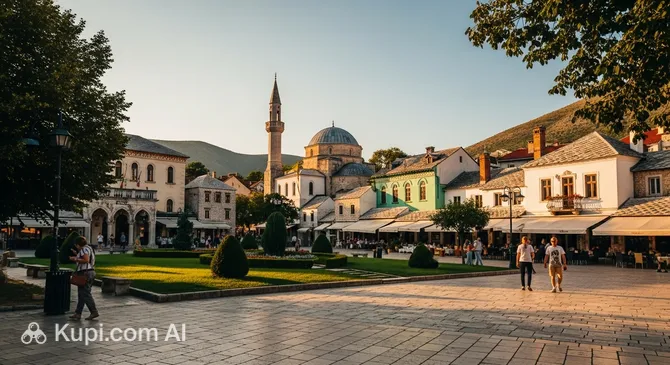
For a glimpse into the city's urban rhythm, Musala Square serves as a vital connecting point between the different districts of Mostar. As one of the central gathering spots, it is surrounded by buildings that reflect various eras of the city's development, offering a unique architectural mix. The square is located near the banks of the Neretva River, making it a convenient and scenic stop for those walking through the town center.

Musala Square. Source: Kupi.Binoculars

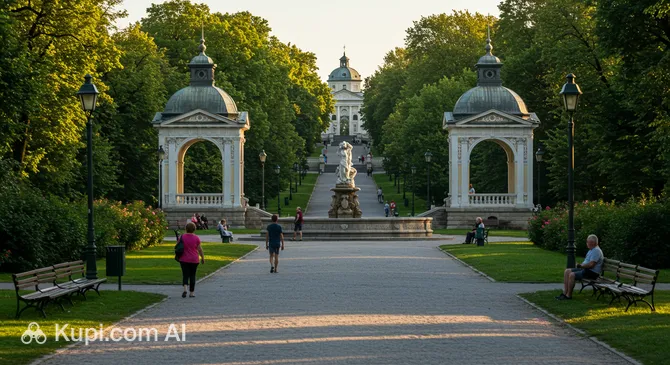
When you need a refreshing escape from the stone-paved streets, Zrinjevac Park provides a welcome oasis of greenery. Located in the heart of the city, this popular park is lined with mature trees and walking paths, offering a cool retreat during the warm summer months. It is a favorite destination for both locals and tourists seeking a quiet place to relax, read a book, or enjoy a leisurely stroll amidst nature.

Zrinjevac Park. Source: Kupi.Binoculars

Getting Around

Navigating Mostar is refreshingly simple, as the city’s compact size makes it highly walkable, particularly within the historic Old Town which is a designated pedestrian zone. For distances that are too far to walk, the public transport system relies exclusively on a network of buses. There are no metros, trams, or trolleybuses in the city, which contributes to the relaxed, slower pace of life here. The bus service connects the city center with residential neighborhoods and popular suburban destinations, such as the spring of the Buna River in Blagaj.

The local bus fleet, easily customizable by their bright yellow color, is operated by the municipal company "Mostar Bus." For tourists, the payment system is straightforward and old-fashioned: tickets are purchased directly from the driver using cash. There are no complex zone maps, travel cards, or mobile apps required for short-term visitors. A single ride typically costs between 1.50 KM and 2.00 KM (Convertible Marks), depending on the distance. It is highly recommended to carry small change, as drivers may not always have enough coins to break large banknotes.

Bus schedules generally run from early morning, around 6:00 AM, until late evening, typically ending between 10:00 PM and 11:00 PM. Frequencies vary, with buses running every 15 to 30 minutes on main routes during peak hours, but significantly less often on weekends and holidays. To catch a bus, simply head to a marked bus stop and wave to the driver to signal your intent to board. Entry is always through the front door where you pay the fare immediately.

Given the occasional gaps in bus schedules, taxis are a very popular and affordable alternative for getting around. Official taxis are reliable and use meters; you can find them at designated stands near major landmarks like the bus station and the Spanish Square, or call to book one. A short trip across the city is inexpensive and often more convenient than waiting for a bus, especially during the hot summer afternoons.

For those who prefer more independence, car rentals are available, though they are best suited for day trips to the surrounding region rather than navigating the city itself, as parking near the historic center can be scarce and difficult to find. While there is no public bike-sharing scheme, several local agencies and hostels offer bicycle rentals, which can be a pleasant way to explore the flatter parts of the city along the riverbanks.

Accommodation

Finding the perfect place to stay in Mostar is generally an easy and affordable task, as the city offers a wide spectrum of accommodation options to suit every preference and budget. The choices range from charming family-run guesthouses (often called "pensions") and lively backpacker hostels to modern hotels and private apartments. Whether you want to wake up to a view of the famous stone bridge or prefer the convenience of the modern city center, there is something for everyone.

For those seeking the full atmospheric experience, staying in or near the Old Town is the most popular choice. This area places you right in the heart of the action, steps away from the historic bazaars and the river. However, keep in mind that the Old Town is a pedestrian zone with cobblestone streets, which can make dragging heavy luggage difficult. Accommodation here often consists of heritage buildings converted into boutique hotels or rooms with stunning views of the Neretva River.

If you prefer easier access by car or want to be closer to transport hubs, the West Bank or the modern city center is a strategic alternative. This area is generally flatter, offers better parking facilities, and is home to modern amenities. Staying near the Spanish Square places you at the intersection of the city's history and modern life, with easy walking access to both the Old Town and newer attractions.

Spanish Square. Source: Kupi.Binoculars

Travelers looking for shopping and entertainment right on their doorstep might consider the area around Mepas Mall. This district features newer apartment rentals and business-style hotels, providing a quiet retreat from the tourist bustle while remaining within walking distance of the main sights.

Booking Tips and Prices: Mostar is a very affordable destination compared to Western Europe. Budget travelers can find hostel beds or simple rooms for very reasonable rates, while mid-range hotels offer excellent value for money. However, the city is a major tourist hub, and during the peak summer months of July and August, the best rooms sell out quickly. It is highly recommended to book your accommodation in advance if you plan to visit during the high season to secure your preferred location and price.

Nearby Cities

For those looking to explore the surroundings, Mostar serves as an excellent base for day trips to several interesting nearby locations:

One of the most compelling destinations is Sarajevo, the capital of Bosnia and Herzegovina. Known as the "Jerusalem of Europe," it offers a fascinating mix of Ottoman, Austro-Hungarian, and modern history. Visitors can explore the bustling Baščaršija bazaar, taste traditional coffee, and witness the unique architectural blend where East meets West. It is a vibrant city that provides a deeper context to the history and culture of the region.

Another gem worth visiting is Trebinje, situated to the south. This charming town is famous for its Mediterranean atmosphere, the scenic Trebišnjica River, and the historic Arslanagić Bridge. Trebinje is also the heart of the country's wine country, making it a perfect spot for those who enjoy visiting vineyards and tasting local varietals like Vranac. Its relaxed pace and sunny climate offer a delightful contrast to the mountain cities.

City Population Distance (km)
Sarajevo419,95775
Zenica70,55396
Ilidza66,73068
Bugojno34,55984
Trebinje31,43383

These nearby destinations offer a glimpse into the diverse culture and landscapes of the region, allowing travelers to experience everything from bustling capital streets to quiet riverside towns.

Shopping & Souvenirs

Shopping in Mostar offers a delightful contrast between centuries-old tradition and modern convenience. Visitors can transition from haggling over handcrafted copperware in ancient cobblestone alleys to browsing international fashion brands in contemporary malls within just a short walk. Whether you are looking for a unique keepsake or the latest trends, the city caters to every taste.

The most authentic shopping experience is found in the heart of the Old Town Mostar. The historic Kujundžiluk street, also known as the Coppersmiths' Bazaar, is a vibrant open-air market that has remained largely unchanged since the Ottoman era. Here, the rhythmic sound of hammers striking metal fills the air as artisans create intricate plates, jewelry, and the city's signature souvenir: the traditional Bosnian coffee set (džezva). Beyond copper, the stalls are colorful with pashminas, handmade rugs, and mosaic glass lamps that cast a magical glow in the evenings.

For those looking for a more contemporary retail experience, the city boasts the largest shopping center in the Herzegovina region. Mepas Mall is a modern hub located in the newer part of the city. It houses over 100 stores featuring popular global high-street brands, a large supermarket, and various specialty shops. It is the perfect place to pick up clothing, electronics, or travel essentials that you might have forgotten to pack.

Another notable destination is the Rondo Shopping Center, situated near the city park and the university. While smaller than Mepas, it offers a curated selection of boutiques, perfumeries, and cafes, making it a pleasant stop for a relaxed shopping spree away from the crowds.

When hunting for gifts to take home, look beyond the standard magnets. Local art galleries sell beautiful watercolor paintings of the Old Bridge, and regional delicacies make for excellent edible souvenirs. Bottles of local Žilavka or Blatina wine, dried figs, and jars of honey from the Herzegovinian countryside are highly prized. While credit cards are widely accepted in the modern malls, remember that cash is preferred and often necessary when shopping in the small stalls of the Old Bazaar.

Reached the end of the page?

That means the route is fully explored