Support

San Domino

About

San Domino is the largest and most developed island of the enchanting Tremiti archipelago, serving as the vibrant heart of this stunning maritime destination. Known as the "Green Pearl" due to its lush vegetation, the island offers a perfect blend of rugged natural beauty and convenient tourist amenities. Located in the Adriatic Sea off the coast of the Gargano peninsula in Italy, it is part of a protected marine reserve that attracts nature lovers and sea enthusiasts from around the world.

The island's landscape is defined by its dense forests of Aleppo pines, which stretch almost down to the water's edge, creating a striking contrast with the turquoise sea and white limestone cliffs. While soaking up the sun is a priority for many, taking a moment to delve into the history of San Domino reveals how this remote outpost transformed into a beloved holiday retreat over the centuries.
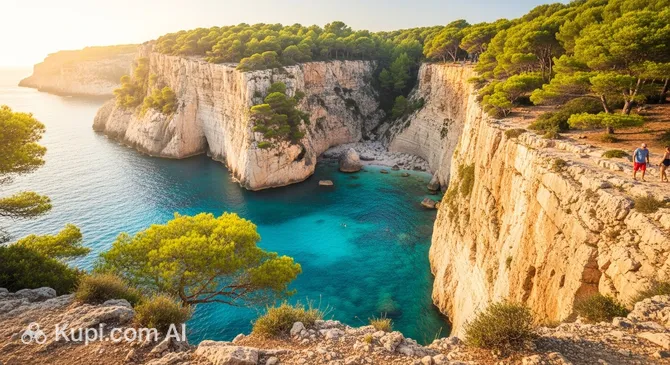
San Domino. Source: Kupi.Binoculars

San Domino is renowned for its spectacular coastline, dotted with secluded coves and dramatic sea caves. One of the most famous attractions is the Grotta del Bue Marino, a cavern named after the monk seals that once inhabited it, known for the dazzling blue light that reflects off its waters. For those preferring a relaxing day by the sea, Cala delle Arene stands out as the only sandy beach of significant size in the archipelago, making it a favorite spot for families and sunbathers.

Whether you are exploring the underwater wonders through diving and snorkeling or hiking through the aromatic pine woods, San Domino promises a memorable Mediterranean escape. Its welcoming atmosphere and breathtaking scenery make it an ideal destination for travelers seeking both relaxation and adventure.

Weather Overview

San Domino enjoys a typical Mediterranean climate, characterized by warm, sunny summers and mild, relatively damp winters. The weather in San Domino is generally inviting, making the island a pleasant destination for outdoor activities throughout most of the year.

The summer season, particularly from June to August, is the most popular time to visit, with average temperatures rising to approximately 26°C and daily highs often reaching nearly 29°C. This period is remarkably dry, seeing minimal precipitation and only about 3 to 5 wet days per month, which creates ideal conditions for beach days and swimming in the clear Adriatic waters.

Spring and autumn offer a more temperate atmosphere, perfect for hiking through the pine forests. May and September are particularly agreeable, with average temperatures ranging between 18°C and 23°C. Winters are cooler and wetter, with January and November experiencing the most frequent rainfall, averaging around 11 to 12 wet days, while temperatures generally stay mild, hovering around 10°C to 11°C.

Interesting Facts

Beyond its stunning beaches and lush pine forests, San Domino holds fascinating stories that blend history, legend, and pop culture. This island is not just a summer retreat but a place where myths come alive and history lies hidden beneath the waves.

  • Lucio Dalla's Musical Refuge: The legendary Italian singer-songwriter Lucio Dalla had a profound connection with San Domino. He owned a villa overlooking the breathtaking Cala Matana, a bay that inspired his album Luna Matana. It is said that the tranquility of the island helped him compose some of his most beloved masterpieces, making San Domino a true place of artistic pilgrimage.

  • The Legend of Diomedes' Birds: According to mythology, the Greek hero Diomedes was buried on the nearby islands, and his grieving companions were transformed by the goddess Venus into seabirds known as "Diomedee" (Cory's shearwaters). These birds still nest on the cliffs of San Domino today, and their distinctive nocturnal calls are said to be the eternal mourning cries of the warriors for their lost leader.

  • A Garibaldian Shipwreck: The waters off San Domino hide a significant piece of Italian history. The paddle steamer Il Lombardo, one of the two famous ships used by Giuseppe Garibaldi during the Expedition of the Thousand, shipwrecked here in 1864. Its remains were rediscovered in the early 2000s, turning the site into a fascinating spot for divers exploring the history of Italy.

  • The Drinking Elephant: Nature has sculpted the island's coastline into whimsical shapes, the most famous being the Scoglio dell'Elefante (Elephant Rock). This massive rock formation bears a striking resemblance to an elephant dipping its trunk into the sea to drink, serving as one of the most photographed natural monuments in the archipelago.

How to Get There

Reaching the Tremiti Islands requires a combination of travel methods, as the archipelago is located off the coast of the Gargano peninsula. While the journey involves a sea crossing, there are several transport hubs on the mainland that serve as convenient entry points. You can find a detailed guide on how to get to San Domino to help plan your specific route.

The city of San Domino does not have its own airport, but you can fly into Gino Lisa (FOG) in the city of Foggia, which is the closest airport at approximately 76 km away. The travel time by taxi or bus to the ferry departure points on the coast is roughly 2 hours and 15 minutes. For a wider range of international flights, many travelers choose Palese Airport (BRI) in Bari. Located about 152 km from San Domino, the road journey from here to the port takes approximately 4 hours and 10 minutes. Another significant option is Abruzzo Airport (PSR) in Pescara, situated roughly 113 km away, offering a travel time of about 3 hours and 10 minutes by road.

For clarity, here is a summary of the main airports:

Airport Name City Passenger Traffic Km from City
Naples International Airport Naples High 168.9
Palese Airport Bari Medium 151.8
Abruzzo Airport Pescara Small 113.0
Gino Lisa Foggia Small 75.6
Brac Bol Small 162.9

Traveling by train is another popular way to approach the region. The city of San Domino does not have a railway station, but you can arrive at major hubs on the mainland. Bari Centrale Station in Bari is a key transit point, located about 160 km from San Domino. From there, you can catch a connecting train to the coastal towns of Termoli or Foggia to access the ferries. Similarly, Naples Centrale Station in Naples, approximately 173 km away, serves as a major gateway for travelers coming from the west coast, though it requires a longer transfer to reach the Adriatic ports.

Below is a list of the nearest major railway stations:

Station City Passenger Traffic Km to Center
Naples Centrale Station Naples High 172.8
Bari Centrale Station Bari High 159.6
Napoli Afragola High-Speed Railway Station Naples High 162.8
Mergellina Railway Station Naples Medium 170.0
Salerno Railway Station Salerno 170.5

Main Attractions

While the famous Grotta del Bue Marino and Cala delle Arene are often the first stops for visitors, San Domino boasts several other spectacular sites that define its unique character. Exploring these attractions offers a deeper connection to the island's natural beauty, from its hidden sea caves to its dramatic rock formations.

One of the most mesmerizing natural wonders on the island is the Grotta delle Viole (Cave of Violets). This enchanting sea cave gets its name from the vibrant wildflowers that bloom on the sheer cliffs above it in spring, as well as the unique violet hue the water reflects at certain times of the day. Accessible primarily by boat, the cave is a favorite among snorkelers and photographers who are captivated by the crystal-clear water and the kaleidoscope of colors dancing on the limestone walls.

For those seeking iconic scenery, I Pagliai (The Haystacks) are an unmissable sight. These majestic pyramidal rock formations rise abruptly from the sea near the northern coast, resembling giant stacks of hay. They are best admired from the water during a boat tour of the archipelago. The contrast between the white limestone of the rocks and the deep turquoise of the Adriatic Sea creates one of the most photogenic landscapes in the entire region.

Travelers looking for a quiet retreat accessible by land should visit Cala Tamariello. Unlike many of the island's coves which are only reachable by boat, this small, sheltered bay can be accessed via a scenic path through the woods. It is named after the tamarisk trees that grow nearby and is known for its calm, pool-like waters. It is an excellent spot for a relaxing swim or a picnic surrounded by lush Mediterranean vegetation.

Another fascinating spot is Cala degli Inglesi (Cove of the English), located on the western side of the island. This rocky cove is steeped in history and offers a more rugged, secluded atmosphere compared to the sandy beaches. It is an ideal destination for those who appreciate raw nature and tranquility, offering a perfect vantage point to watch the sunset over the open sea.

Local Cuisine

The culinary scene in San Domino is a celebration of the Adriatic Sea, offering a gastronomic experience that is as authentic as it is delicious. As an island destination, the local diet is heavily centered around the catch of the day, ensuring that seafood lovers will find themselves in paradise. The cuisine is simple yet flavorful, relying on the high quality of fresh ingredients, locally produced olive oil, and the aromatic herbs that grow wild across the island.

Among the main dishes worth trying, Zuppa di Pesce (fish soup) stands out as a signature specialty. Often prepared with a variety of rockfish and crustaceans caught just offshore, it captures the essence of the Tremiti archipelago in a single bowl. Pasta lovers should not miss Spaghetti alle Vongole (spaghetti with clams) or dishes featuring Ricci di Mare (sea urchins), which offer a distinct, briny taste of the ocean. For a main course, a Grigliata Mista (mixed grilled fish) featuring swordfish, sea bream, and prawns is a classic choice that highlights the natural flavors of the seafood.

To accompany these meals, the local beverage culture points firmly toward crisp, white wines from the nearby Puglia region. Varietals such as Falanghina or Bombino Bianco are popular choices, as their acidity and freshness pair perfectly with rich seafood dishes. To finish a meal, it is customary to enjoy a digestif, often a locally made Limoncello or a herbal liqueur infused with the wild fennel and citrus that thrive in the island's sunny climate.

The food culture in San Domino is relaxed and informal, reflecting the slow pace of island life. You won't find bustling street food markets here; instead, the dining scene revolves around charming family-run trattorias and restaurants, many of which are located near the port or tucked away in the village center. Dining is often an al fresco affair, where tourists and locals alike gather on open-air terraces to enjoy long, leisurely dinners while watching the sunset over the sea.

Travel Tips

Welcome to San Domino, the vibrant heart of the Tremiti Islands! To ensure your visit to this "Green Pearl" is as relaxing and seamless as the gentle waves lapping its shores, we have compiled some essential practical advice to help you navigate island life with ease.

  1. Clothing and Gear: Since San Domino is an island destination, your suitcase should be packed primarily with light, breathable summer clothing and swimwear. However, do not forget a pair of sturdy walking shoes if you plan to explore the pine forests or hike to secluded spots like the Elephant Rock. Crucially, bring water shoes (reef shoes), as many coves are rocky and sea urchins are common. A sun hat and high-SPF sunscreen are mandatory, as the Mediterranean sun can be intense.
  2. Transportation: Leave your car on the mainland; vehicles are generally restricted for non-residents, and the island is small enough to explore without one. The best way to get around is on foot or by renting a bicycle. To reach the various coves and sea caves that are inaccessible by land, rely on the local water taxis or rent a small dinghy (gommone) at the port.
  3. Finances: The official currency is the Euro (€). While hotels and larger restaurants accept credit cards, cash is king on San Domino, especially for small purchases like coffee, snacks, or boat rentals. There are very few ATMs on the island, and they can occasionally run out of cash during peak season, so it is highly advisable to withdraw sufficient money before boarding the ferry.
  4. Health and Safety: There is a Guardia Medica Turistica (Tourist Medical Service) and a pharmacy on the island to handle minor ailments and emergencies. However, for serious medical issues, transfer to the mainland is required. The island is extremely safe regarding crime, but always exercise caution when swimming or diving; pay attention to flags indicating sea conditions and currents.
  5. Communication: The primary language is Italian. While staff in hotels and tourist-centric restaurants often speak English, knowing a few basic phrases like grazie (thank you) and per favore (please) is greatly appreciated by the locals. Mobile signal is generally good in the village and port areas but can be spotty or non-existent inside the sea caves or secluded bays.
  6. Local Etiquette: San Domino has a relaxed, slow-paced atmosphere. It is polite to greet shopkeepers and passersby with a friendly "Buongiorno" or "Buonasera." While beachwear is perfect for the coast, remember to cover up with a t-shirt or sarong when walking through the village or dining in restaurants, as walking around town in just a swimsuit is considered disrespectful.
  7. What to Avoid: Do not remove anything from the natural environment. The Tremiti Islands are part of a protected Marine Nature Reserve; taking sand, shells, or damaging the flora is strictly prohibited and can result in fines. Also, avoid relying on the last ferry of the day without a booking in high season, as they can sell out quickly.
  8. Island Life Hack: To truly experience the magic of the archipelago, try to wake up early at least once. The popular beaches like Cala delle Arene can get crowded by midday in August. An early morning start guarantees you the best spot on the sand and the calmest waters for a morning swim before the day-trippers arrive.

With these tips in hand, you are ready to embrace the laid-back rhythm of San Domino. Whether you are hiking through the fragrant Aleppo pines or floating in the crystal-clear Adriatic, a little preparation will ensure your island getaway is nothing short of unforgettable.

Entertainment & Nightlife

The nightlife in San Domino is a reflection of the island's overall character: intimate, exclusive, and deeply connected to the natural surroundings. Unlike the frenetic party scenes found in some other Mediterranean destinations, the evening entertainment here is centered around "la dolce vita"—enjoying good company, excellent drinks, and music under the stars. The atmosphere is generally relaxed and sophisticated, appealing to couples, groups of friends, and families who appreciate a slower pace of life.

The beating heart of the island's social life is Piazza Sandro Pertini, often simply referred to as "the Piazzetta." As the sun sets, this central square comes alive with visitors gathering for the traditional Italian aperitivo. It is the place to see and be seen, where people linger at outdoor tables to sip cocktails and discuss the day's adventures. The dress code is typically "casual chic"—linen shirts, summer dresses, and sandals are the norm, blending style with island comfort.

For those seeking a livelier experience into the night, 'A Furmicula is the island's most iconic nightlife venue. Located just a short walk from the center, this disco bar is legendary among regulars. By day, it offers stunning views, but by night, it transforms into a vibrant spot with DJ sets and dancing, often staying open until the early hours of the morning. It is the go-to destination for anyone wanting to dance in an open-air setting surrounded by pine trees.

Another popular option for evening entertainment is Era Ora, a charming bar that excels in creating a welcoming vibe for pre-dinner drinks or a nightcap. With its friendly service and extensive cocktail list, it captures the essence of Italian hospitality. For a more sea-focused evening, the bars around Cala delle Arene often host events or play music, allowing guests to enjoy their drinks with the sound of the waves in the background.

Practical advice for enjoying San Domino at night is simple. The best time to head out is around 9:00 PM for dinner, followed by drinks in the square or at a bar around 11:00 PM. Prices are generally in line with popular Italian tourist destinations; expect to pay a bit more for cocktails at prime locations. Getting around is safe and easy; the island is small enough that most nightlife spots are within walking distance of the main hotels and the village center. The streets are well-lit and very safe for night walks, though carrying a flashlight can be helpful if you venture towards the outskirts.

regarding daytime entertainment, travelers should adjust their expectations. San Domino does not feature traditional amusement parks, large theaters, or extensive museums. The "entertainment" here is provided by nature itself. Diving centers serve as the main activity hubs, organizing excursions to underwater archaeological sites and sea caves. Cultural curiosity is best satisfied by exploring the small local shops in the village or taking a boat tour to the neighboring island of San Nicola to visit its historic fortress and abbey.

Parks & Museums

San Domino is often described as an open-air natural reserve rather than a city of manicured parks and enclosed museums. Its cultural heritage is deeply intertwined with its wild landscapes, where the lush greenery of the forests meets the history of the archipelago. While the island lacks traditional urban museums, it offers a unique immersive experience where nature and history serve as the main exhibits.

The Aleppo Pine Forest

The true "green lung" of the archipelago is the magnificent forest of Aleppo pines that covers a large portion of San Domino. Unlike a constructed city park, this is a wild, ancient woodland that extends almost to the water's edge. Walking through the shaded paths, visitors are surrounded by the scent of pine needles, rosemary, and myrtle. It is a protected environment that offers a cool retreat from the summer sun and serves as a habitat for various bird species, making it a paradise for nature photographers and hikers.

Tremiti Islands Marine Protected Area

While not a park in the terrestrial sense, the waters surrounding San Domino form part of the Gargano National Park's marine reserve. This "blue park" is just as significant as the green forest. The protected status ensures that the biodiversity here thrives, offering visitors the chance to observe vibrant marine life in its natural habitat. Whether you are snorkeling near the surface or simply admiring the clarity of the water from the cliffs, the marine reserve is the island's most precious natural asset.

Cultural Heritage and San Nicola

San Domino itself does not host large indoor museums or art galleries; its primary focus is tourism and nature. For a traditional cultural experience, visitors typically take a short boat ride to the neighboring island of San Nicola, which acts as the historical center of the archipelago. However, San Domino serves as the gateway to this history, and its own landscape tells the story of the monks and settlers who cultivated this land centuries ago.

The San Domino Lighthouse

One of the most architecturally significant structures on the island is the Faro di San Domino. Perched on the Punta del Diavolo, this imposing lighthouse has guided sailors through the Adriatic for decades. Although the interior is generally closed to the public, the structure itself is a striking landmark against the rugged coastline. The area around the lighthouse offers some of the most dramatic panoramic views of the archipelago, particularly at sunset.

The Underwater Statue of Padre Pio

For a truly unique "gallery" experience, divers can visit the submerged statue of Padre Pio. Located in the clear waters of the archipelago, this impressive bronze work is a destination for spiritual and artistic pilgrimage beneath the waves. It reflects the deep religious connection of the region and offers a silent, majestic sight that differs completely from a traditional museum visit.

Insider Tip: The Old Rural Village

For a glimpse into the island's past before modern tourism, seek out the remnants of the rural village and the old agricultural plots. The "Casoni," simple rural dwellings, and the planned layout of the central village hint at the island's history as a penal colony and agricultural settlement. Exploring these quiet backstreets offers a stark, authentic contrast to the bustling beach areas.

Getting Around

Navigating San Domino is a unique experience that differs significantly from typical urban environments. Given the island's small size and protected status, there is no heavy infrastructure such as a metro, tram, or extensive city bus network. Instead, the public transport system is scaled to fit the island's geography, relying primarily on local shuttle services and water-based connections to move visitors between the port, the village center, and the coastline.

The primary form of road transport consists of local minibuses and shuttle vans. These vehicles usually wait at the port to greet arriving ferries and transport passengers and their luggage up the hill to the main village square, Piazza Sandro Pertini, or directly to hotels and campsites. This service functions much like a bus route but with a more informal schedule, typically coordinated with the arrival and departure times of the ferries from the mainland. During the peak summer season, these shuttles run frequently, but in the off-season, availability may be reduced.

Since San Domino is part of an archipelago, water transport is an essential component of the local system. Small ferries and motorboats act as "water buses," providing frequent connections between the pier at San Domino and the neighboring historic island of San Nicola. These crossings are short, taking only a few minutes, and run regularly throughout the day. Additionally, "water taxis" operate from the port, offering on-demand transport to specific beaches or sea caves that are inaccessible by land.

Regarding payment, the system is traditional and cash-based. There are no complex travel cards, digital apps, or validated passes like those found in large metropolitan areas. For the land-based shuttle buses, you typically pay the driver directly upon boarding or purchase a ticket at a small kiosk near the port if available. Prices are modest, usually costing a few Euros per ride. For the boat transfer to San Nicola, tickets can be purchased at the ticket offices located on the quay or directly on board, with a round-trip ticket generally offering better value than a single fare.

For tourists, the most practical advice is to always carry small denominations of cash (coins and 5 or 10 Euro notes). Credit card terminals are not always available on minibuses or small boats. It is also important to check the return schedules for the boats to San Nicola immediately upon arrival, especially in the evening, to ensure you do not miss the last connection back to San Domino. Operating hours for all transport services are heavily influenced by the season, with extended hours in July and August and significantly reduced services in the cooler months.

Alternatives to public transport are extremely popular and often preferred by visitors. Since private cars are generally restricted for non-residents, renting a bicycle or a scooter is the most common way to explore the island independently. Rental shops are located near the port and in the village. The terrain is hilly in parts, so electric bikes have become a favored option. For those who prefer walking, the island is compact enough that most key locations, including the port and the main square, are reachable on foot within 15 to 20 minutes, provided you are comfortable with uphill paths.

Accommodation

Finding a place to stay in San Domino offers a choice between immersion in nature and the convenience of village life. As the most developed island of the Tremiti archipelago, it hosts the majority of the region's accommodation facilities. The options range from simple, family-run bed and breakfasts to more structured 3-star and 4-star hotels and organized holiday villages.

The available accommodation is generally concentrated in two main areas. The village center, located on the upper plateau of the island near Piazza Sandro Pertini, is the hub of social life. Staying here places you steps away from the island's restaurants, shops, and evening entertainment, making it ideal for those who enjoy a lively atmosphere. Alternatively, the areas immersed in the Aleppo pine forest offer a more tranquil experience. These properties are often slightly removed from the bustle of the center, providing a peaceful retreat with easy access to scenic walking trails and secluded coves like Cala Tramontana.

While you will not find massive international luxury chains here, the island features several well-regarded hotels that offer comfortable amenities such as swimming pools, on-site restaurants, and shuttle services to the port. For a more informal and nature-focused stay, holiday villages (villaggi) are a popular choice. These resorts often consist of bungalow-style lodgings scattered among the trees and frequently offer half-board or full-board packages, making them a convenient option for families and groups.

Booking Tip: Due to the small size of the island and its popularity among Italian tourists, accommodation capacity is limited. It is strongly recommended to book your stay several months in advance, especially if you plan to visit during the peak season of July and August. Finding a room last minute in the height of summer is often impossible.

Price Range and Booking: Prices in San Domino generally fall into the mid-to-high range, reflecting the island's exclusive nature and short tourist season. Budget options are scarce, particularly in summer. While most hotels and larger villages can be booked through major online platforms, many smaller B&Bs and apartment rentals may prefer direct contact via phone or email.

Nearby Cities

For those looking to explore the surroundings, San Domino serves as an excellent base for day trips to several interesting nearby locations. Since San Domino is an island, visiting these neighboring towns involves a scenic ferry ride back to the mainland, allowing travelers to discover the rich history and culture of the Adriatic coast.

Manfredonia is a captivating coastal city located at the gateway to the Gargano Peninsula. It is renowned for its imposing Swabian-Angevin-Aragonese Castle, which houses the National Archaeological Museum, and its lively seafront promenade. Just outside the city lies the Siponto Archaeological Park, home to the striking wire mesh installation by artist Edoardo Tresoldi, which reconstructs the volume of an ancient basilica.

The provincial capital, Foggia, offers a deeper dive into the region's urban life and history. Visitors can explore the majestic Foggia Cathedral and the fascinating underground hypogea, a network of subterranean chambers beneath the city streets. As the main hub of the Tavoliere plain, it provides a distinct contrast to the maritime atmosphere of the islands.

Further north along the coast, Vasto charms visitors with its historic center perched high on a hill overlooking the sea. Known for the Palazzo d'Avalos and its beautiful gardens, the town offers sweeping panoramic views of the Adriatic and a picturesque setting perfect for a relaxing day of sightseeing and dining.

City Population Distance (km)
Foggia 151,372 72
Manfredonia 56,906 64
San Severo 53,015 48
Campobasso 49,262 92
Vasto 41,433 65

These nearby destinations offer a glimpse into the diverse culture and landscapes of the region.

Shopping & Souvenirs

Shopping in San Domino reflects the island's laid-back and authentic character. Visitors should not expect sprawling commercial centers or high-end fashion avenues; instead, the shopping experience here is intimate and focused on local craftsmanship, beach essentials, and regional gastronomy. The retail scene is designed to cater to the needs of vacationers while showcasing the unique products of the Tremiti archipelago, making it perfect for finding meaningful keepsakes rather than mass-produced items.

The main hub for shopping is concentrated in the village center, particularly around the central square and the narrow streets radiating from it. As you stroll through the whitewashed buildings, you will find small boutiques and family-run shops offering colorful summer clothing, swimwear, and accessories perfect for the island lifestyle. The area near the port also features several shops where travelers can pick up last-minute necessities, sunscreen, and postcards before heading to the beach or catching a ferry.

It is important to note that there are no shopping malls or large department stores on San Domino. The island is a protected natural reserve, and its development has remained small-scale to preserve its charm. Travelers looking for extensive retail therapy or international luxury brands would need to visit larger mainland cities like Foggia or Pescara before or after their island stay.

While there are no large organized markets, the island vibe is captured by small outdoor stands and stalls that often appear during the summer season. These vendors typically sell beach gear, handmade jewelry, and sometimes fresh local fruit. The atmosphere is casual, and browsing these stalls is a pleasant way to spend an evening after dinner, enjoying the cool sea breeze.

When it comes to souvenirs, the best treasures to bring home are edible ones. San Domino and the surrounding islands are famous for their Capers of the Tremiti (Capperi delle Tremiti), which grow wild on the limestone cliffs and are preserved in salt or vinegar. Another excellent choice is a bottle of local olive oil or a jar of pickles. For non-food items, look for handcrafted ceramics painted with marine motifs or artisanal jewelry made from shells and sea glass, which serve as beautiful reminders of the Adriatic.

Store hours on the island follow a traditional Italian island schedule. Shops typically open around 9:00 AM but close for a long afternoon break (siesta) from approximately 1:00 PM to 5:00 PM, reopening in the evening until late, often around 10:00 PM or 11:00 PM in summer. Regarding payment, while many boutiques and larger souvenir shops accept credit cards, cash is highly recommended for smaller purchases, ice cream, or buying from street stalls.

Regarding tax-free shopping, the standard Italian regulations apply, where non-EU residents may be eligible for a VAT refund on purchases over a certain amount in participating stores. However, given the small size and local nature of the businesses on San Domino, it is rare to find shops equipped for the electronic tax-free process. Tourists are better off seeking tax-free opportunities in major cities on the mainland.

Reached the end of the page?

That means the route is fully explored