Support

Foggia

About

Welcome to Foggia, a dynamic city located in the heart of the Apulia region in southern Italy. Often referred to as the "Granary of Italy," Foggia sits in the center of the Tavoliere delle Puglie, the second-largest plain in the country. This strategic location has made it a vital agricultural and commercial hub for centuries, offering visitors a glimpse into the authentic daily life of the region away from the busiest tourist trails.

With a population of approximately 151,000 inhabitants, the city balances its role as a busy provincial capital with plenty of green spaces and cultural landmarks. The local climate is typically Mediterranean, characterized by hot, dry summers and mild winters, making it a pleasant destination for exploration throughout most of the year.
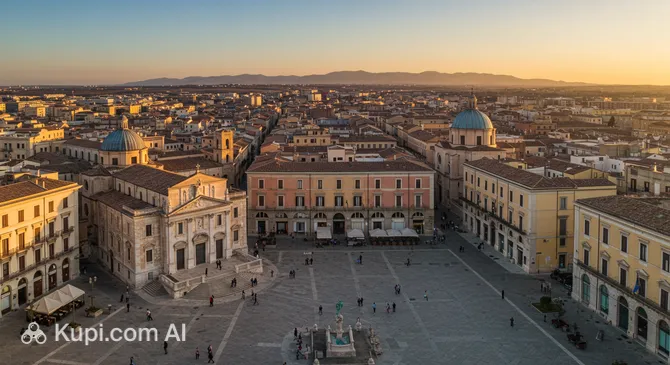
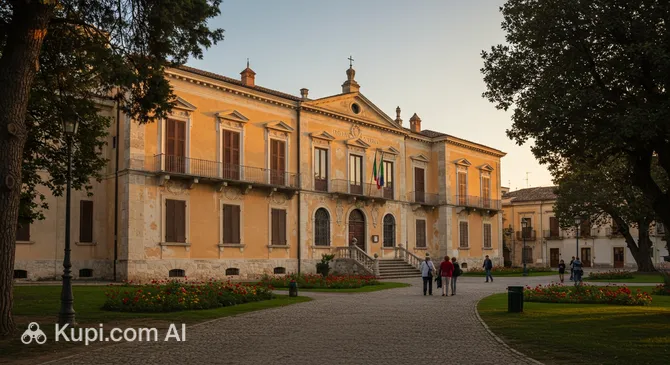
Foggia. Source: Kupi.Binoculars

While the city has modernized significantly, the history of Foggia is deep and complex, dating back to Neolithic times and marked by the influence of Emperor Frederick II, who favored this area for his residence. Although the city has been rebuilt over time following earthquakes and wartime events, it retains a unique character that reflects its resilience and rich heritage.

Travelers should not miss the Cathedral of Santa Maria Assunta, a stunning example of Romanesque-Pugliese architecture that houses the icon of the Madonna dei Sette Veli. Another highlight is the Villa Comunale, a sprawling public park known for its impressive colonnade and statues, perfect for a relaxing stroll. Additionally, the city serves as an excellent gateway for exploring the nearby Gargano National Park.

Whether you are stopping to uncover its local treasures or using it as a base to explore the wider province, Foggia offers a warm welcome and a distinct atmosphere. Discover its rich culinary traditions, explore its historic streets, and enjoy the vibrant spirit of this key Apulian city.
Weather Overview

The city generally enjoys a warm climate typical of the region, characterized by distinct seasonal changes that influence the best times to visit. For travelers planning their trip and looking for specific forecasts, the detailed guide to the weather in Foggia offers comprehensive data.

Summers are notably hot and dry, particularly from June through August. During these months, average temperatures climb from 25.1°C to a peak of 27.8°C in July. Visitors should be prepared for high heat, as maximum temperatures often reach around 34.1°C, while rainfall is minimal with only about 4 to 6 wet days per month.

In contrast, the winter months of December, January, and February are much cooler but remain mild compared to northern Europe. Average temperatures settle between 8.0°C and 9.6°C, with January being the coldest month. Nighttime lows hover around 4°C to 5°C, and you can expect about 7 to 9 wet days each month during this season.

Spring and autumn provide a pleasant balance, although November stands out as the time with the highest frequency of rain, recording approximately 12 wet days. Overall, expect hot summers with intense sun and mild winters with occasional rain.

Interesting Facts

Beyond the main attractions, Foggia holds many fascinating secrets that reveal its deep historical roots and cultural significance. From imperial legacies to musical heritage, the city offers stories that surprise many visitors.
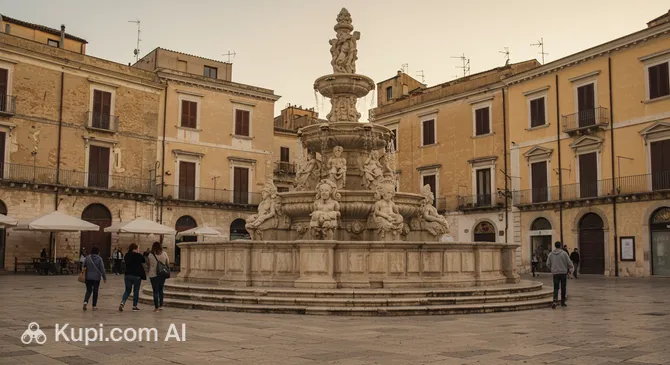
Fountain of the Sele. Source: Kupi.Binoculars
  • Frederick II of Swabia, the Holy Roman Emperor, had a special affection for Foggia and chose it as a beloved imperial residence in the 13th century. Although his majestic palace has largely disappeared over time, an inscription on the remaining portal still proudly declares the city as the "illustrious imperial seat."

  • The city celebrates a pivotal moment in its history with the Fountain of the Sele, which marks the arrival of the Apulian Aqueduct in 1924. This monument symbolizes the end of centuries of water scarcity for the region and is uniquely designed in the shape of a star.

  • Foggia is the birthplace of the renowned composer Umberto Giordano, best known for his masterpiece opera Andrea Chénier. The city deeply honors his artistic legacy, with statues and a theater dedicated to his memory, keeping the tradition of classical music alive in the heart of the Tavoliere.

  • The Karol Wojtyła Municipal Villa, often referred to simply as the Villa Comunale, stands as one of the largest urban parks in southern Italy. It features a distinctive long colonnade at its entrance and serves as a massive green lung for the city, dating back to the 19th century.

How to Get There

Reaching Foggia is relatively straightforward due to its central position in the Tavoliere plain and its connections to the wider region. Whether arriving by air or land, travelers have several options to choose from. For a detailed guide on all transport modes and routes, you can read more about how to get to Foggia.

The city is served by its own airport, Gino Lisa (FOG), which is conveniently located just 3.4 km from the city center. While this allows for direct access, it is a small facility with limited passenger traffic. A taxi or shuttle from here typically takes about 10 to 15 minutes. For more extensive international connections, many visitors opt for Palese Airport (BRI) in the city of Bari, situated approximately 108 km away. The transfer from Bari by car generally takes around 1 hour and 15 minutes. Alternatively, Naples International Airport (NAP) in Naples offers a major gateway about 123 km from Foggia, with a travel time of approximately 2 hours by road.

For clarity, here is a summary of the main airports:

Airport Name City Passenger Traffic Km from City
Naples International Airport Naples Large 123.2
Palese Airport Bari Large 108.2
Abruzzo Airport Pescara Medium 155.9
Pontecagnano Salerno Small 107.6
Gino Lisa Foggia Small 3.4

Traveling by train is another popular way to reach the area. While Foggia itself is a key stop on the Adriatic line, travelers coming from the west or other regions often pass through major railway hubs nearby. Naples Centrale Station in Naples is a massive transit point located about 126 km away, connecting the south to the rest of Italy. Similarly, Bari Centrale Station in Bari, roughly 117 km from Foggia, serves as a primary hub for the Apulia region. From these stations, you can easily transfer to regional services to complete your journey.

Below is a summary of the closest major railway stations:

Station City Passenger Traffic Km to Center
Naples Centrale Station Naples Very Large 126.4
Bari Centrale Station Bari Large 117.4
Napoli Afragola High-Speed Railway Station Naples Large 117.6
Mergellina Railway Station Naples Medium 124.3
Salerno Railway Station Salerno - 108.9

Main Attractions

Foggia offers a compelling mix of historical landmarks, green spaces, and vibrant local spots that allow visitors to experience the authentic lifestyle of Apulia. From relaxing strolls in grand parks to exploring bustling markets, the city provides a variety of engaging activities for every traveler.

One of the city's most beloved green spaces is the Karol Wojtyła Municipal Villa. Also known as the Villa Comunale, this expansive park is the perfect place to escape the urban bustle. Visitors are welcomed by a magnificent neoclassical colonnade that leads into lush gardens adorned with statues and fountains. It is an ideal spot for a leisurely afternoon walk, offering a peaceful atmosphere right in the heart of the city.

Karol Wojtyła Municipal Villa. Source: Kupi.Binoculars

A short distance away in Piazza Cavour stands the iconic Fountain of the Sele. This monument is not just a visual treat but a symbol of the city's history, commemorating the arrival of the aqueduct that brought water to the region. Its unique star-shaped design and central position make it a focal point for locals and tourists alike, serving as a popular meeting place and a great backdrop for photos.

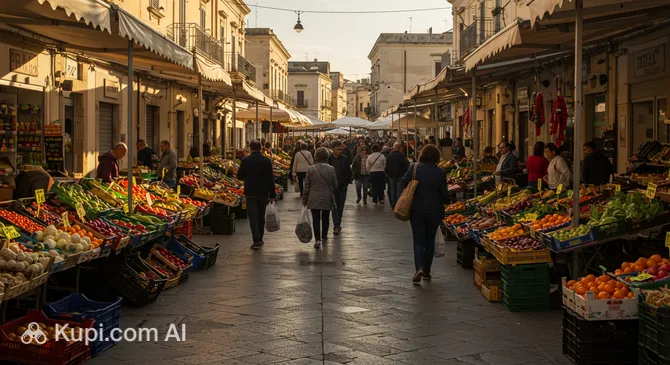
For those looking to dive into the local culture and flavors, the Rosati Market Foggia is a must-visit destination. This lively market offers a sensory experience filled with the colors and scents of fresh local produce. It is a fantastic place to observe daily life, interact with friendly vendors, and perhaps pick up some authentic Apulian ingredients or snacks to enjoy.

Rosati Market Foggia. Source: Kupi.Binoculars

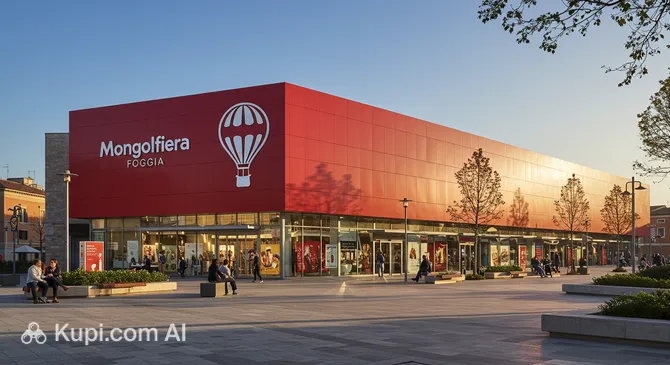
Travelers interested in a modern shopping experience can head to the Mongolfiera Foggia Shopping Center. As one of the main commercial hubs in the area, it features a wide range of stores, boutiques, and dining options. It provides a convenient stop for those looking to browse international brands or simply enjoy a break in a comfortable, contemporary setting.

Mongolfiera Foggia Shopping Center. Source: Kupi.Binoculars

Local Cuisine

The cuisine of Foggia is a proud reflection of its location in the Tavoliere plain, often referred to as the "Granary of Italy." The local food culture is deeply rooted in the tradition of cucina povera (peasant cooking), where simple, high-quality ingredients like durum wheat, fresh vegetables, and extra virgin olive oil are transformed into hearty and flavorful masterpieces. Dining here offers a genuine taste of the land, focusing on seasonality and robust flavors rather than elaborate presentation.

A true signature dish that visitors must try is Pancotto. Born from the necessity to avoid wasting food, this savory soup combines stale bread with wild herbs, potatoes, and garlic, all brought together with a generous drizzle of local olive oil. Pasta lovers will also feel at home with Orecchiette, the region's famous ear-shaped pasta, typically served with cime di rapa (turnip tops) or a rich meat ragù. For the more adventurous eater, Torcinelli—grilled lamb intestines wrapped around offal—offer an intense and authentic taste of the local street food tradition.

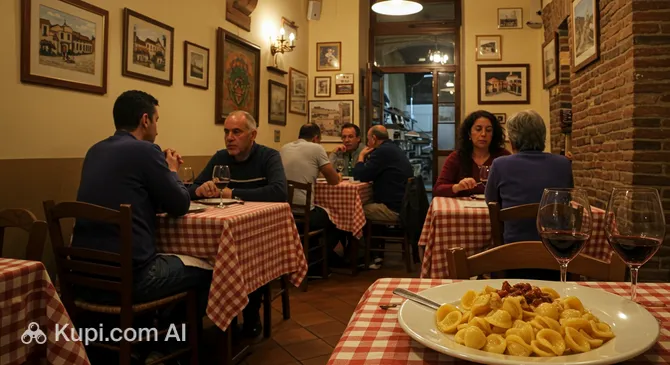
The city's dining scene ranges from rustic trattorias to welcoming restaurants where hospitality is key. To experience authentic regional flavors in a comfortable setting, you might visit Ambasciata Orsarese. Establishments like this are excellent for sampling traditional recipes prepared with passion and locally sourced ingredients.

Ambasciata Orsarese. Source: Kupi.Binoculars

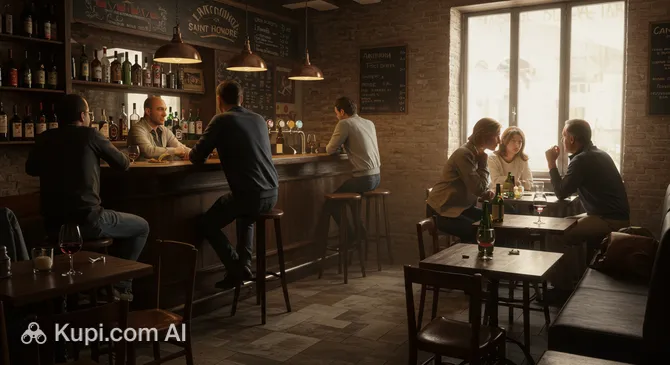
No meal in Foggia is complete without a glass of local wine. The region is renowned for the Nero di Troia grape, which produces robust red wines that pair perfectly with the savory local meats and cheeses like Caciocavallo. For a lighter break or a sweet treat, the city's café culture is vibrant and inviting. You can stop by Saint Honoré for an excellent coffee, a delicious pastry, or an evening aperitivo, enjoying the relaxed pace of life that defines this part of southern Italy.

Saint Honoré. Source: Kupi.Binoculars

Travel Tips

To help you make the most of your visit to Foggia, we have compiled a set of practical guidelines designed to ensure a smooth and enjoyable experience. Whether you are here for the history, the food, or as a starting point for exploring Apulia, these tips will help you navigate the city with confidence.

  1. Clothing and Gear: Since summers in Foggia can be intensely hot, lightweight and breathable fabrics like linen or cotton are essential for June through August, along with a good sun hat and sunglasses. Winters are mild, so a medium-weight jacket and layers work best. Comfortable walking shoes are a must for exploring the cobblestone streets of the historic center. Remember to dress modestly—covering shoulders and knees—when visiting religious sites like the Cathedral of Santa Maria Assunta.
  2. Transportation: The city center is compact and best explored on foot, allowing you to easily discover hidden gems. For longer distances within the city, the local ATAF bus network is reliable and affordable. However, if you plan to explore the wider Province of Foggia or the nearby Gargano National Park, renting a car is highly recommended as public transport to rural areas can be infrequent.
  3. Finances: The currency is the Euro (€). While credit and debit cards are widely accepted in hotels, larger restaurants, and shopping centers like Mongolfiera, cash is still king in smaller cafés, family-run trattorias, and street markets. It is wise to carry small bills for quick purchases. Tipping is not mandatory, as a service charge (coperto) is often added to the bill, but leaving a small amount for good service is appreciated.
  4. Health and Safety: Pharmacies are marked by a green cross and are easy to find throughout the city; they usually operate on a rotation system for night and weekend shifts. Foggia is generally safe for tourists, but like any transport hub, it is advisable to be vigilant with your belongings around the railway station and in crowded areas. The general emergency number in Italy is 112.
  5. Communication: Italian is the primary language spoken. While staff in major hotels and tourist attractions often speak English, it is less common among older locals and in smaller businesses. Learning a few basic Italian phrases such as Buongiorno (Good morning), Grazie (Thank you), and Per favore (Please) will go a long way in earning smiles and helpful service.
  6. Local Etiquette: Politeness is highly valued in southern Italy. It is customary to greet shopkeepers or bar staff when entering and leaving an establishment. When visiting markets like the Rosati Market, avoid touching fruit and vegetables with your bare hands; wait to be served by the vendor or use the provided plastic gloves.
  7. What to Avoid: Do not expect businesses to be open all day. Many shops, museums, and churches close for the afternoon "riposo" (siesta), typically between 1:30 PM and 4:30 PM. Plan your day accordingly—use this time to enjoy a long lunch or rest, just like the locals do. Also, avoid rushing your meals; dining is a leisurely social ritual here.
  8. Local Insight: Embrace the slow pace of life. Foggia is not a frantic tourist trap, so take the time to enjoy an evening passeggiata (stroll) along the pedestrian streets of the center. This is when the city truly comes alive, with locals gathering to chat and enjoy an aperitivo before dinner.

Armed with these practical tips, you are ready to immerse yourself in the authentic atmosphere of Foggia. We hope your journey is filled with delicious discoveries, warm encounters, and unforgettable memories in the heart of the Tavoliere.

Entertainment & Nightlife

As the sun sets over the Tavoliere plain, Foggia transforms from a bustling commercial hub into a lively center of social activity. Thanks to a significant university student population, the city boasts a vibrant nightlife scene, particularly on weekends. The atmosphere is generally relaxed and welcoming, characterized by the Italian tradition of the passeggiata and long evenings spent socializing outdoors rather than in exclusive, high-pressure clubs.

The heart of the local nightlife, or movida, beats strongest in the historic center. The area around Piazza Mercato, affectionately known by locals as "La Piazzetta," is the epicenter of evening entertainment. Here, narrow streets are lined with pubs, wine bars, and small venues where people gather to chat, drink, and enjoy music. Corso Vittorio Emanuele II is another key artery for an evening stroll, offering a mix of cafes and gelaterias that stay open late.

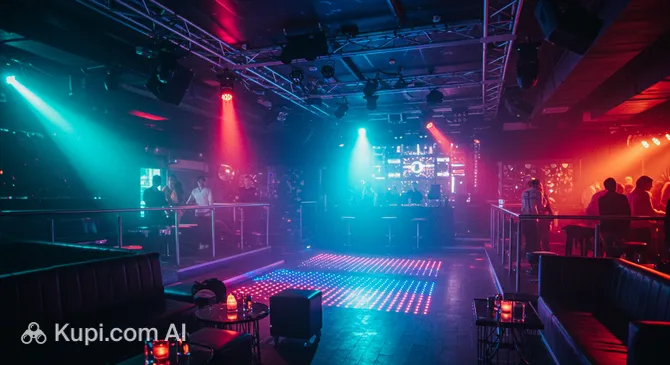
For those seeking a stylish spot to enjoy a cocktail and perhaps some music, MezzoPieno is a popular choice. Venues like this often bridge the gap between a relaxed lounge bar and a more energetic nightspot, making them suitable for starting the night with an aperitivo or staying later as the atmosphere picks up. The dress code in most Foggia bars is smart casual; while you don't need formal wear, locals tend to dress neatly for a night out.

MezzoPieno. Source: Kupi.Binoculars

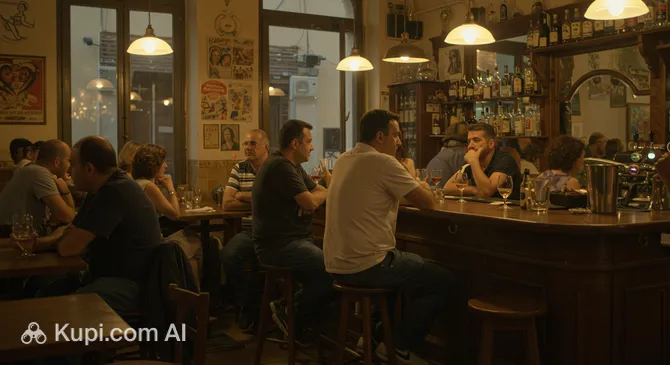
If you prefer a more traditional pub atmosphere or a place to enjoy a wide selection of drinks with friends, Antonaccio is another establishment worth visiting. Places in this category are typically welcoming to tourists and offer a great opportunity to mingle with the local crowd. Prices in Foggia are generally reasonable compared to larger Italian tourist cities, with a beer or glass of wine costing significantly less than in Rome or Milan.

Antonaccio. Source: Kupi.Binoculars

Timing is everything when experiencing nightlife here. The evening usually begins with an aperitivo around 7:30 PM or 8:00 PM. Dinner is served late, often after 9:00 PM, and the bars begin to fill up around 11:00 PM. If you are planning a night out, be aware that public transport options like buses are limited late at night. It is best to stick to the walkable historic center or have the number of a local taxi service handy if your accommodation is on the outskirts.

In terms of safety, the city center is generally safe for night walks, especially in the busy areas around Piazza Mercato and Via Arpi where there are plenty of people. However, it is advisable to avoid poorly lit side streets and the area immediately surrounding the train station late at night. As in any city, keeping an eye on your belongings in crowded bars is a good practice.

Beyond the nightlife, Foggia offers cultural entertainment during the day and early evening. The Teatro Umberto Giordano is the city's cultural jewel, hosting opera, classical music concerts, and theatrical performances in a beautiful historical setting. For history enthusiasts, the Civic Museum provides a deeper look into the region's past, while the surrounding province offers opportunities for nature excursions that serve as a perfect counterpoint to a lively night out.

Parks & Museums

While Foggia is often celebrated for its agricultural importance and lively commercial spirit, the city also possesses a reflective side found in its green spaces and cultural institutions. Visitors interested in history and nature will find that the city offers several well-curated museums and parks that provide a welcome respite from the urban bustle and a deeper understanding of the region's heritage.

The crown jewel of the city's green spaces is undoubtedly the Karol Wojtyła Municipal Villa. Located in the city center, this historic park is famous for its grand neoclassical colonnade, which serves as a majestic entrance. Inside, visitors can wander through well-maintained avenues lined with trees, statues, and fountains. It is a favorite spot for locals to jog, read, or simply enjoy a peaceful moment away from the traffic.

For a more immersive natural experience, travelers should venture just outside the city to the Parco Naturale Regionale Bosco Incoronata. This regional park is a significant ecological site, protecting one of the last remaining plain forests in Italy. It is an ideal destination for nature lovers, offering trails through ancient oak trees and vibrant Mediterranean vegetation. The park is also home to the Sanctuary of Mother of God Incoronata, a pilgrimage site that blends spiritual significance with natural beauty.

Foggia's cultural narrative is best explored through its museums. The Civic Museum (Museo Civico) is a primary stop for history enthusiasts. Housed in the Palazzo Arpi, it features distinct sections dedicated to archaeology and ethnography. The museum is particularly renowned for its collection of Daunian stelae—ancient stone slabs that offer a fascinating glimpse into the pre-Roman civilizations of the area. It also houses a gallery of paintings that trace the artistic evolution of the region.

Another venue worth visiting is the Museum of Natural History, which provides an educational look at the flora and fauna of the Capitanata region. It is an excellent stop for families or anyone interested in the biodiversity of the Tavoliere plain. Additionally, the Museo del Territorio focuses on the agricultural history and the daily life of the rural population, highlighting the deep connection between the city and the surrounding land.

In terms of architectural landmarks, the Chiesa delle Croci (Church of the Crosses) stands out as a unique baroque monument. It marks the spot where a friar preached during a 17th-century drought, and its design, featuring five chapels, is unlike any other in the city. Nearby, the Fountain of the Sele remains a proud symbol of the city's modernization and architectural elegance.

For a truly authentic experience, take the time to visit the Epigraph of Frederick II embedded in the wall of the Palazzo Arpi. It is a small but powerful reminder of the city's imperial past. Afterward, a quiet walk through the older district around Via Arpi reveals hidden courtyards and smaller churches that many tourists overlook.

Getting Around

Navigating Foggia is relatively straightforward, as the city center is compact and pedestrian-friendly. For most tourists, the historic core is best explored on foot, allowing you to easily discover the charming streets and hidden squares. However, for reaching attractions on the outskirts, the commercial districts, or the train station, the city relies on an efficient bus network operated by ATAF.

The local bus system is the primary mode of public transport, connecting the central railway station with key residential areas, the university, and major shopping centers like the Mongolfiera. The buses are typically orange or white and cover most urban routes. While there is no underground metro system, the city serves as a major railway hub. A notable feature for visitors is the suburban rail connection operated by Ferrovie del Gargano, which functions similarly to a surface metro, providing frequent and quick service between Foggia and the nearby historic town of Lucera.

Tickets for the bus service must be purchased in advance. You can find them at authorized retailers, which include tobacconists (marked by a large "T" sign) and newsstands throughout the city. A standard single ticket is valid for a set period, usually 90 minutes, allowing for transfers within that window. Recently, digital options have become available, allowing travelers to purchase tickets via smartphone apps like DropTicket, which can be convenient if you are short on cash or cannot find an open shop.

It is crucial to validate your ticket immediately upon boarding the bus using the yellow or electronic machines located near the doors. Failure to do so can result in significant fines if inspectors check your ticket. Regarding operating hours, buses generally run from early morning until around 10:00 PM or 11:00 PM. Be aware that service frequency drops significantly on Sundays and public holidays, so it is wise to check the schedule in advance if you are traveling on those days.

For those who prefer a more direct and private mode of transport, taxis are available 24 hours a day. Unlike in some other cities, it is not customary to hail a taxi on the street. Instead, you should head to designated taxi ranks, which are prominently located outside the main railway station and in Piazza Cavour. Alternatively, you can book one by phone. While car-sharing services are not widely established, renting a car is a popular option for exploring the wider province, though parking in the city center can be challenging due to "ZTL" (Limited Traffic Zones) where unauthorized vehicle access is prohibited.

Accommodation

Finding the right place to stay in Foggia is relatively straightforward, as the city offers a functional range of accommodation options suited to both business travelers and tourists. Unlike the coastal resort towns of the nearby Gargano peninsula, Foggia does not feature an abundance of luxury resorts. Instead, visitors will find a solid selection of mid-range hotels, modern business accommodations, and an increasing number of charming Bed & Breakfasts located in renovated historic buildings. For those seeking more independence, guest houses and apartment rentals are also widely available.

When choosing a location, the historic center is often the most atmospheric choice. Staying here places you within walking distance of the cathedral, the pedestrian shopping streets, and the best local restaurants. Alternatively, the area surrounding the railway station is highly practical for travelers using Foggia as a transit hub to explore the wider Apulia region. While this area is bustling and convenient for early trains, it can be noisy. For visitors arriving by car, hotels on the outskirts of the city often provide better value and, crucially, secure parking facilities which can be scarce in the center.

In terms of cost, Foggia is generally more affordable than the popular tourist destinations along the coast. Budget travelers can find economical guesthouses and B&Bs, while the city's 4-star hotels offer comfortable amenities at competitive rates compared to other major Italian cities. Booking is typically done through major online platforms, though many smaller family-run establishments also welcome direct inquiries.

Booking Tip: While Foggia rarely experiences the extreme overcrowding of summer beach towns, it is a key commercial and administrative center. Therefore, it is advisable to book your accommodation in advance if you plan to visit during major trade fairs or religious festivals, such as the Feast of the Madonna dei Sette Veli in August, when availability can tighten significantly.

Nearby Cities

For those looking to explore the surroundings, Foggia serves as an excellent base for day trips to several interesting nearby locations:

One of the most historically significant stops is Lucera. Located just a short distance from the city, it is home to a remarkably well-preserved Roman amphitheater and an imposing Swabian-Angevin fortress that dominates the surrounding landscape. The town's charming historic center offers a peaceful atmosphere perfect for a cultural walk.

For those drawn to the sea, Manfredonia serves as the gateway to the stunning Gargano peninsula. This coastal city features a medieval castle that houses an archaeological museum and a lively port area. Nearby, visitors can marvel at the unique wire mesh basilica in the archaeological park of Siponto, a modern artistic interpretation of an ancient church.

Another excellent option is San Severo, known for its beautiful baroque architecture and impressive bell towers. It is also a significant center for wine production, making it an attractive destination for those interested in tasting local vintages and exploring deep culinary traditions.

City Population Distance (km)
Cerignola 58540 36
Manfredonia 56906 36
San Severo 53015 28
Lucera 33085 18
Canosa di Puglia 29847 51

These nearby destinations offer a glimpse into the diverse culture and landscapes of the region.

Shopping & Souvenirs

Shopping in Foggia offers a genuine slice of Italian daily life, acting as the primary commercial hub for the surrounding province. While it may not rival the high-fashion districts of Milan, the city provides a balanced mix of modern conveniences and traditional charm. Visitors can expect to find everything from international clothing chains to historic family-run shops, all within a relaxed atmosphere that avoids the intense crowds of major tourist destinations.

The heart of the city's retail scene is located along Corso Vittorio Emanuele II. This pedestrian-friendly street serves as the main artery for locals enjoying a stroll and some window shopping. Here, and in the adjacent Via Lanza, you will find a variety of boutiques selling fashion, shoes, and accessories. These streets are particularly lively in the late afternoon when residents gather for the traditional passeggiata, combining shopping with social interaction.

For those preferring a comprehensive, modern shopping experience, the Mongolfiera Foggia Shopping Center is the go-to destination. Located just outside the historic center, this large mall houses numerous stores featuring well-known Italian and international brands, electronics, and home goods. It is an excellent option for travelers who need to find specific items or wish to shop in a climate-controlled environment with ample parking.

To truly understand the local culture, a visit to the city's markets is essential. The Rosati Market Foggia is the most vibrant example, offering a sensory explosion of colors and scents. This covered market is the best place to find fresh seasonal produce, local cheeses, and cured meats. It is a bustling spot where farmers sell their goods directly, allowing tourists to see the high-quality ingredients that define the region's cuisine.

When searching for souvenirs, the best items to bring back from Foggia are undoubtedly gastronomic. The region is famous for its "white gold" (durum wheat) and olive oil. Excellent gifts include bags of artisanal orecchiette pasta, bottles of extra virgin olive oil produced in the Tavoliere, or a bottle of Nero di Troia red wine. Savory snacks like taralli and the local Caciocavallo cheese are also highly recommended and authentic choices.

Store opening hours in Foggia generally follow the traditional Italian schedule. Most shops in the city center open around 9:00 AM and close for a lunch break (riposo) between 1:00 PM and 4:30 PM or 5:00 PM, reopening until 8:00 PM or 8:30 PM. However, large shopping centers like Mongolfiera typically operate with continuous hours from morning until evening. Major credit and debit cards are widely accepted, though it is advisable to carry cash for small purchases at street markets or older, smaller shops.

Visitors residing outside the European Union may be eligible for a VAT refund on purchases exceeding a certain amount at participating stores. Look for the "Tax Free" signage in shop windows and remember to ask for the necessary forms at the checkout to claim your refund at the airport upon departure.

Reached the end of the page?

That means the route is fully explored