Support

Crotone

About

Located on the rugged shores of the Ionian Sea in the region of Calabria, Crotone is a captivating city that blends ancient heritage with a lively coastal atmosphere. As a significant destination in southern Italy, it offers visitors a unique journey through time, standing on the site of the ancient Greek settlement of Kroton. With a population of approximately 64,000 inhabitants, the city serves as a vibrant provincial capital, providing a perfect mix of urban energy and relaxing seaside charm.
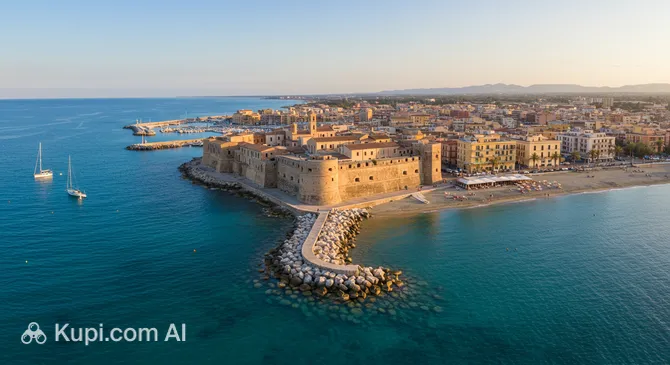
Crotone. Source: Kupi.Binoculars

The city is famously known as the place where the philosopher Pythagoras founded his school, leaving an indelible mark on Western thought. To understand the depth of this legacy, travelers should explore the fascinating history of Crotone, which reveals its transformation from a powerful Magna Graecia colony to a strategic medieval stronghold. Today, the city's architecture and layout still whisper tales of its glorious past, inviting exploration at every corner.

Among the top attractions is the imposing Castle of Charles V, a massive 16th-century fortress that dominates the historic center and offers panoramic views of the coast. History enthusiasts will also appreciate the National Archaeological Museum, which displays significant artifacts, including the famous golden diadem of Hera Lacinia. Beyond its cultural treasures, Crotone is a gateway to the stunning Marine Protected Area of Capo Rizzuto, offering pristine beaches and crystal-clear waters for nature lovers.

Whether you are drawn by the allure of ancient myths, the taste of authentic Calabrian cuisine, or the warmth of the Mediterranean sun, Crotone promises an unforgettable experience. It is an ideal destination for those seeking to uncover the hidden gems of the Italian south.
Weather Overview

Crotone typically enjoys a pleasant Mediterranean climate, characterized by hot, sunny summers and mild winters. During the peak summer months of July and August, average temperatures often hover around 26°C to 27°C, with maximum highs reaching just above 30°C. This period is the driest of the year, with July seeing only about 4 wet days on average, making it an ideal time for enjoying the Ionian coast.

In contrast, the cooler months bring a shift in the atmosphere. Winters are generally gentle, with January average temperatures sitting near 9.8°C and lows rarely dropping below 7°C. Rainfall becomes more frequent in late autumn and winter, particularly in November, which typically records around 12 wet days. To help plan your trip, you can view more detailed information about the weather in Crotone. Overall, expect warm summers with plenty of sunshine and mild, wetter winters.

Interesting Facts

Beyond its archaeological ruins and sun-drenched beaches, Crotone holds a treasure trove of legends and historical curiosities that often escape the casual visitor. This ancient city, once a powerhouse of Magna Graecia, offers stories of strength, intellect, and mythology that define its unique character.
  • The City of Champions: Ancient Kroton was renowned for the incredible physical prowess of its citizens, producing more Olympic victors than any other Greek city. It is said that at one Olympiad, the first seven finishers in the stadium race were all from Crotone, giving rise to the saying "the last of the Crotoniates is the first among all other Greeks." The most famous figure was Milo, a wrestler who reportedly trained by carrying a growing calf on his shoulders every day until it became a bull.

  • A Mythical Foundation: According to legend, the city's origins are tied to the hero Heracles. The story goes that Heracles accidentally killed his friend, a noble youth named Croton, during a misunderstanding. In his grief, the hero buried him with great honors and prophesied that a magnificent city bearing his name would rise on the site, destined for eternal fame.

  • Pioneers of Medicine: Long before modern healthcare, Crotone was home to the most celebrated medical school of the ancient world. Its physicians were considered superior to all others, with doctors like Democedes becoming so famous that they were summoned to treat powerful rulers, including the Persian King Darius.

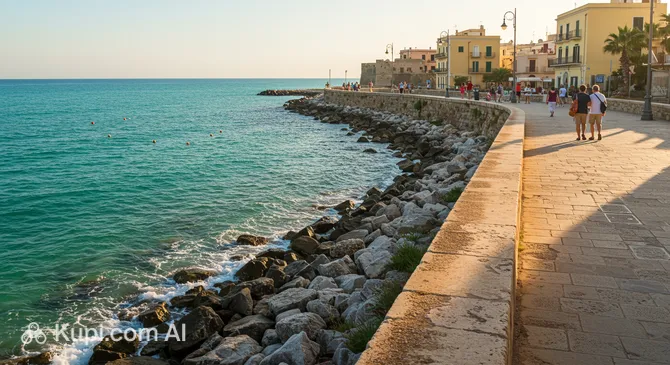
  • A Modern Connection to the Sea: While the ancient port is long gone, the city's bond with the Ionian Sea remains unbreakable. Today, the vibrant Lungomare Promenade serves as the city's living room, offering a scenic path where locals and visitors walk along the same shores that once welcomed Pythagoras and Greek colonists.

Lungomare Promenade. Source: Kupi.Binoculars

How to Get There

Reaching this captivating coastal city is the first step of your journey, and there are several convenient options available. Whether you prefer flying or taking the train, planning your arrival is straightforward. For a complete overview of all travel methods and routes, you can consult the detailed guide on how to get to Crotone.

The most direct way to arrive is by flying into Crotone (IATA: CRV), also known as Sant'Anna Airport. This facility is located directly in Crotone, just about 10.1 km from the city center. It is a smaller airport, handling regional traffic, which makes for a quick and easy arrival. A taxi or shuttle from here to the heart of the city typically takes approximately 35 minutes.

Alternatively, many travelers choose Lamezia Terme International Airport (IATA: SUF), which offers a wider range of international and domestic connections. This major transport hub is located in the city of Cosenza, roughly 79.1 km away from Crotone. Due to the distance, the transfer time by taxi or bus is around 2 hours and 20 minutes. It serves a significant number of passengers annually, making it a reliable option for those who cannot find a direct flight to Crotone.

For clarity, here is a summary of the main airports:

Airport Name City Passenger Traffic Km from City
Palese AirportBariLarge230.4
Brindisi - Salento AirportBrindisiMedium188.6
Lamezia Terme International AirportCosenzaMedium79.1
Tito Menniti AirportReggio CalabriaSmall170.6
CrotoneCrotoneSmall10.1

If you prefer traveling by rail, it is important to note that while Crotone has its own local connections, the most significant nearby hub for long-distance travel is Lamezia Terme Centrale Railway Station (IATA: LTZ). This station is situated in the city of Cosenza, approximately 77.5 km from Crotone. As a major railway junction with high passenger traffic, it connects the region to the rest of Italy. From there, travelers can continue their journey to Crotone by bus or taxi, which takes about 2 hours and 15 minutes.

Below is a list of the nearest major railway stations:

Station City Passenger Traffic Km to Center
Bari Centrale StationBariLarge227.2
Lamezia Terme Centrale Railway StationCosenzaMedium77.5
Reggio di Calabria Centrale StationReggio Calabria169.2
Salerno Railway StationSalerno268.2
Brindisi Railway StationBrindisi185.9

Main Attractions

Exploring Crotone means immersing yourself in a vibrant mix of coastal beauty and local culture. While the city is steeped in ancient history, its modern life revolves around the sea and the pleasures of the table. The following locations offer a glimpse into the relaxed and enjoyable lifestyle that defines this Calabrian destination.

The beating heart of the city's social life is undoubtedly the Lungomare Promenade. Stretching along the turquoise waters of the Ionian Sea, this scenic waterfront is the perfect place for a leisurely stroll, known locally as the passeggiata. Tourists are drawn here for the lively atmosphere, lined with palms, cafes, and gelaterias, offering spectacular views of the coast and the city’s port. It serves as a central gathering point where visitors can mingle with locals and enjoy the fresh sea breeze.

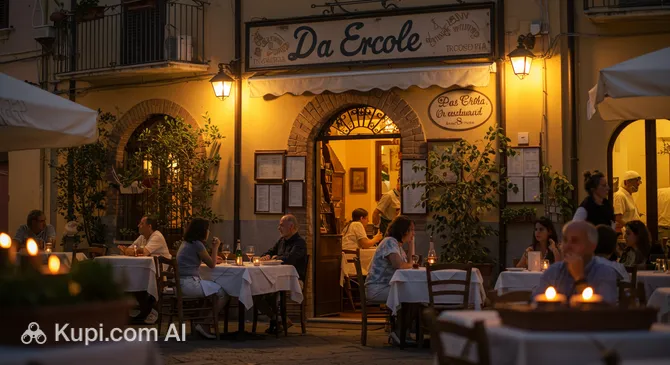
For those seeking a taste of Crotone's culinary excellence, Da Ercole stands out as a landmark institution. This renowned restaurant is celebrated for its dedication to fresh, high-quality seafood and traditional Calabrian recipes presented with a refined touch. It is an essential stop for food lovers who want to experience the authentic flavors of the region, from perfectly prepared fish dishes to exquisite local wines, all served in an elegant setting.

Da Ercole. Source: Kupi.Binoculars

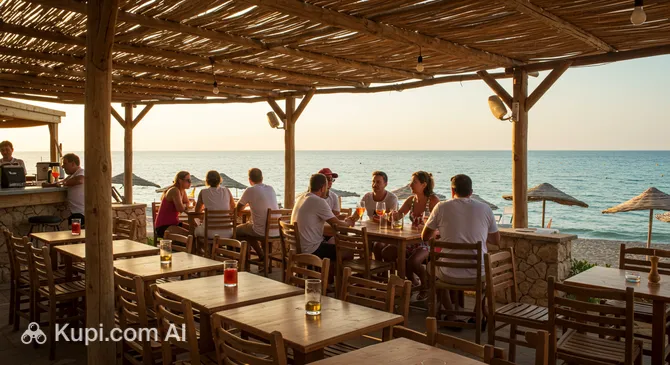
To fully embrace the seaside vacation vibe, a visit to the Paranza Beach Club is highly recommended. Located right on the sand, this venue combines the relaxation of a beach day with the energy of a summer lounge. It is popular for its comfortable sunbeds, refreshing cocktails, and music, making it a favorite spot for both daytime sunbathing and evening entertainment by the water.

Paranza Beach Club. Source: Kupi.Binoculars

Another excellent option for dining is Pizzeria Romana, which offers a casual yet delicious experience. Famous for its crispy, well-topped pizzas, this spot is a testament to the Italian love for simple, high-quality ingredients. It provides a welcoming atmosphere for families and groups looking to enjoy a satisfying meal after a day of exploring the city's sights.

Local Cuisine

The culinary landscape of Crotone is a vivid reflection of its geography, blending the briny bounty of the Ionian Sea with the intense, spicy flavors of the Calabrian mountains. Food here is not just sustenance; it is a ritual rooted in ancient Greek traditions and peasant ingenuity. The local gastronomy is characterized by simple ingredients transformed into rich, flavorful dishes, often accentuated by the region's famous red chili peppers, or peperoncino.

One of the absolute must-try specialties is Sardella, often referred to as the "caviar of the south" (or caviale calabrese). This spicy paste is made from small fish mixed with salt, wild fennel, and generous amounts of ground chili pepper. It is typically served as an appetizer, spread on slices of crusty bread, or used to add a fiery kick to pasta sauces. Another staple of the table is Pecorino Crotonese, a hard sheep's milk cheese with a distinct, savory taste that ranges from mild to intensely sharp depending on its aging. It holds a Protected Designation of Origin (DOP) status and is a source of immense local pride.

When it comes to beverages, Crotone is the gateway to one of Italy's most ancient wine regions. The city is synonymous with Cirò wine, which has been produced in the surrounding hills for millennia. Legend has it that this wine was offered to the winners of the ancient Olympic Games. Visitors should sample the full-bodied Cirò Rosso (Red), made from the indigenous Gaglioppo grape, or the crisp and fresh Cirò Bianco (White), which pairs perfectly with the daily catch. For a non-alcoholic refresher or a digestive, look for products flavored with liquorice, as Calabria is one of the world's premier producers of this aromatic root.

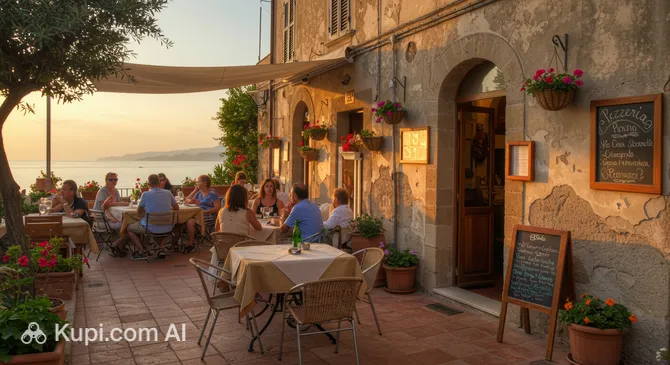
The dining culture in Crotone is relaxed and social, with meals often extending late into the evening. Locals frequent both family-run trattorias tucked away in the side streets and lively establishments along the waterfront. While seafood is the star of many menus, the Italian love for a wood-fired oven is strong here. For a casual yet authentic meal, you might visit Pizzeria Romana, a popular spot known for its welcoming vibe and delicious pizzas that offer a comforting break from the spicy local fare.

Pizzeria Romana. Source: Kupi.Binoculars

Street food is also a delightful part of the experience, especially during the evening passeggiata along the coast. Bakeries and small shops sell pitta, a type of stuffed bread, and various fried treats that allow you to taste the city's flavors on the go. Whether you are sitting down for a multi-course seafood feast or grabbing a quick bite, the food in Crotone is sure to leave a lasting impression on your palate.

Travel Tips

Welcome to Crotone! To ensure your visit to this historic Calabrian city is as smooth and enjoyable as possible, we have compiled a list of essential practical advice. These tips will help you navigate local customs, logistics, and daily life, allowing you to focus on exploring the ancient heritage and beautiful coastline.

  1. Clothing and Gear: If you are visiting during the summer, pack lightweight, breathable fabrics, a hat, and high-SPF sunscreen, as the sun can be quite intense. For the cooler, wetter winter months, a waterproof jacket and layers are advisable. Regardless of the season, bring comfortable walking shoes for exploring the historic center and the uneven paths near the castle. Remember that when visiting religious sites like the Cathedral, modest attire covering shoulders and knees is required.

  2. Transportation: The heart of Crotone is compact and best explored on foot, especially the area around the castle and the promenade. For reaching the outskirts or nearby beaches, local buses (run by Autolinee Romano) are available, though schedules can sometimes be relaxed. To truly experience the surrounding province and the Sila mountains, renting a car is highly recommended. Ride-hailing apps like Uber are not active here; you will need to rely on official white taxis found at designated ranks or booked by phone.

  3. Finances: The currency is the Euro (€). While credit cards are accepted in hotels, larger restaurants, and supermarkets, cash is still king in smaller establishments. It is wise to carry small bills and coins for coffee bars, gelato shops, and local markets. ATMs (Bancomat) are widely available throughout the city. Tipping is not mandatory, as a service charge (coperto) is often added to the bill, but leaving small change for good service is appreciated.

  4. Health and Safety: Crotone is generally a safe city for tourists, but standard precautions against petty theft should be taken in crowded areas. For medical needs, look for a green cross sign indicating a pharmacy (Farmacia); they are well-stocked and pharmacists can often provide advice for minor ailments. The general emergency number for police, ambulance, or fire is 112. In summer, stay hydrated and avoid strenuous activity during the hottest part of the day.

  5. Communication: The primary language is Italian. While staff in major hotels and tourist restaurants may speak English, it is less common among the general population and older generations. Learning a few basic Italian phrases such as Buongiorno (Good morning), Per favore (Please), and Grazie (Thank you) will go a long way. Free Wi-Fi is often available in cafes, but buying a local SIM card from a provider like TIM or Vodafone is reliable for navigation.

  6. Local Etiquette: Politeness is highly valued in southern Italy. Always greet shopkeepers and staff when entering or leaving an establishment. Be aware of the afternoon rest period, known as riposo, which typically lasts from 1:30 PM to 4:30 PM; during this time, many shops close, and the streets become quiet. Silence is expected in churches, and it is polite to ask permission before taking photos of locals.

  7. What to Avoid: Avoid expecting a quick dinner service; dining here is a leisurely social activity, and restaurants usually do not open for dinner before 7:30 PM or 8:00 PM. Also, do not handle fruit and vegetables with your bare hands at markets or grocery stores; always use the plastic gloves provided or ask the vendor to serve you.

  8. Additional Tip: Embrace the local ritual of the passeggiata. In the evenings, especially on weekends, locals flock to the Lungomare to stroll, chat, and enjoy the sea breeze. It is the best way to soak up the authentic atmosphere of the city and people-watch while enjoying a gelato.

By keeping these practical tips in mind, you will be well-prepared to experience the warmth and authenticity of Crotone. Whether you are negotiating a purchase at a local market or finding the perfect spot for a sunset view, stepping into the local rhythm will make your journey truly memorable.

Entertainment & Nightlife

Entertainment and Nightlife:

The nightlife in Crotone is distinctly Mediterranean, characterized by a relaxed yet vibrant atmosphere that revolves almost entirely around the coastline. Unlike the intense clubbing scenes of larger metropolises, the evening entertainment here is social, open-air, and centered on the pleasure of good company and sea breezes. The heart of the action is the Lungomare Promenade (Lungomare Cristoforo Colombo), which transforms after sunset into a bustling strip of illuminated bars, gelaterias, and lounge cafes.

For a quintessential Crotone evening, the transition from day to night often begins with a late aperitivo. Venues like the Paranza Beach Club are perfect for this, offering a sophisticated setting right on the sand where visitors can enjoy cocktails and music as the sun dips below the horizon. As the night progresses, the energy shifts; the music gets louder, and these beachside spots often host DJ sets or live bands, creating a dance-floor vibe under the stars. It is a popular choice for a younger crowd looking to party within earshot of the waves.

Those seeking a more gastronomic start to their night often head to renowned establishments such as Da Ercole. In southern Italy, dinner is a late affair, often starting around 9:00 PM or later, effectively serving as the first act of the night's entertainment. After a leisurely meal of fresh seafood, locals typically return to the promenade to stroll and hop between bars. The dress code is generally "smart casual"—Italians tend to dress up for the evening passeggiata, so leave the beachwear at the hotel and opt for something a bit more stylish.

Practicalities for a night out in Crotone are straightforward. Prices for drinks and cover charges are generally reasonable compared to northern Italian cities. The nightlife peaks during the summer months, particularly in July and August, while winters are much quieter. In terms of safety, the main tourist areas along the waterfront and the city center are safe for walking at night, thanks to the crowds and street lighting. However, if you need to travel further or return to your accommodation late, it is advisable to call a taxi rather than trying to hail one on the street, as they are not always constantly circulating.

While the nights are for socializing, daytime entertainment in Crotone offers a different kind of cultural engagement. Visitors can immerse themselves in history at the National Archaeological Museum or explore the majestic Castle of Charles V. For those interested in the arts, the city occasionally hosts theatrical performances and concerts, particularly during summer festivals held in open-air venues. Whether you are exploring ancient ruins by day or sipping a Negroni by the sea at night, Crotone offers a balanced rhythm of relaxation and excitement.

Parks & Museums

Crotone offers a compelling mix of cultural depth and natural beauty, where the echoes of Magna Graecia meet the serenity of the Mediterranean landscape. For travelers looking to move beyond the beaches, the city presents a selection of museums rich in ancient artifacts and green spaces that provide a peaceful respite from the urban energy.

One of the most significant natural and historical sites is the Archaeological Park of Capo Colonna. Located a short distance from the city center, this sprawling area is home to the solitary Doric column of the Temple of Hera Lacinia, standing majestically against the backdrop of the sea. It is a place where nature and history intertwine, allowing visitors to walk among ancient ruins while enjoying panoramic views of the coastline. For a more urban outdoor experience, the Lungomare Promenade serves as the city's primary open-air gathering spot. Lined with palm trees and facing the Ionian Sea, it is perfect for a relaxing walk, offering fresh sea air and a picturesque setting for sunset admirers.

To truly understand the region's prestigious past, a visit to the National Archaeological Museum of Crotone is essential. Situated near the castle, this institution houses an impressive collection of finds from the ancient Greek city of Kroton. The highlight for many is the "Treasure of Hera," which includes the exquisite golden Diadem of Hera Lacinia, a masterpiece of ancient jewelry. Another key cultural venue is the Archaeological Museum of Capo Colonna, located directly at the excavation site. It focuses specifically on the artifacts recovered from the sanctuary, offering a contextualized look at the religious and daily life of the ancient colonists.

Dominating the city's skyline is the massive Castle of Charles V, a 16th-century fortress that is a monument in itself. While its imposing walls and bastions are a testament to military architecture, the interior often hosts the Civic Museum, which displays local heraldry, ceramics, and medieval weaponry. A short walk away lies the Cathedral of Santa Maria Assunta, a beautiful structure that houses the icon of the Black Madonna, the patron saint of the city, blending spiritual significance with architectural elegance.

For an authentic experience often missed by day-trippers, take a quiet stroll through the Villa Comunale. These public gardens, located near the castle, offer a shaded retreat with lush vegetation and terraces that provide stunning vantage points over the harbor and the sea below. It is a favorite spot for locals to read or simply enjoy the view in tranquility.

Getting Around

The public transport system in Crotone is straightforward and scaled to the size of the city, relying entirely on a network of urban buses. There are no metros, trams, or trolleybuses available. The service is primarily operated by Autolinee Romano, connecting key points such as the historic center, the railway station, the hospital, and the coastal areas. While the historic center is best explored on foot due to its narrow streets and proximity to attractions, buses are useful for reaching the train station or the outer neighborhoods.

To use the bus, you must purchase tickets in advance, as they are generally not sold on board by the driver. Tickets can be bought at Tabacchi shops (indicated by a sign with a large white "T" on a black or blue background), newsstands, and some coffee bars. The cost of a single urban journey is affordable, typically around €1.50. There are no complex zonal systems for the city center, making the pricing simple for visitors to understand.

When boarding the bus, practical etiquette and rules apply. You must validate your ticket immediately by inserting it into the small machine found near the entrance of the vehicle; this stamps the date and time, activating the ticket. Be aware that bus schedules can be somewhat limited compared to larger Italian cities. Services run frequently during weekdays and school hours but drop off significantly in the evenings and on Sundays. It is advisable to check the timetable online or ask at the ticket shop to avoid long waits.

For alternatives to the bus, official taxis are the main option. These are white vehicles that can be found at designated ranks, most notably at Piazza Pitagora and the train station. Ride-sharing apps like Uber are not active in Crotone, so you will need to rely on the taxi stands or call a local dispatch number to arrange a pickup. Taxis are metered, but for longer trips outside the city, it is acceptable to ask for an estimated fare before departing.

Finally, given the scenic nature of the coastline, many tourists enjoy renting a car or a bicycle. A car is highly recommended if you plan to visit the surrounding archaeological sites or beaches of the province, as public transport to these specific areas can be infrequent. Bicycles are perfect for the flat, scenic stretch of the Lungomare, offering a leisurely way to see the city at your own pace.

Accommodation

Finding the perfect place to stay in Crotone is generally a straightforward experience, offering a range of options that cater to different travel styles and budgets. The accommodation landscape is dominated by charming Bed & Breakfasts (B&Bs), guest houses, and holiday rental apartments, which reflect the city's welcoming and informal character. While you will not find an abundance of massive international luxury chains, there are several comfortable mid-range hotels and boutique establishments that provide excellent service and modern amenities.

When choosing where to base yourself, the location depends largely on the type of holiday you prefer. The most popular area for tourists is undoubtedly along the Lungomare (seafront). Staying here places you within walking distance of the city's beaches and the vibrant evening nightlife, allowing you to enjoy sea views right from your balcony. Alternatively, the historic center (Centro Storico) offers a more atmospheric experience. Nestled near the castle and the cathedral, accommodations here are often located in renovated older buildings, perfect for those who want to be immersed in the city's ancient roots and narrow streets.

For travelers planning a visit during the peak summer months, particularly in July and August, a crucial tip is to book well in advance. During this period, and especially around the mid-August holiday known as Ferragosto, the city fills up with domestic tourists, and the best rooms sell out quickly. Conversely, if you are visiting in the shoulder seasons of spring or autumn, you can often find excellent deals and more availability without the need for long-term planning.

In terms of pricing, Crotone is generally more affordable than many of Italy's northern destinations or the more famous Amalfi Coast. You can expect to find a good selection of budget-friendly and mid-range options that offer great value for money. Booking is easily done through major online travel platforms, though many smaller B&Bs also welcome direct inquiries. Whether you choose a seaside hotel or a cozy apartment in the old town, the hospitality in this part of Calabria is known for being warm and genuine.

Nearby Cities

For those looking to explore the surroundings, Crotone serves as an excellent base for day trips to several interesting nearby locations. The region of Calabria is rich in history and natural beauty, and a short drive can lead you to significant cultural hubs and scenic towns.

One of the most notable destinations is Catanzaro, the regional capital located just 50 km away. Known as the "City of the Two Seas," it sits on a ridge offering spectacular views and is famous for the impressive Bisantis Bridge, one of the tallest in Europe. Another excellent option is Cosenza, often called the "Athens of Calabria" due to its rich cultural past. Here, visitors can explore a charming historic center, a Norman-Swabian castle, and an open-air museum featuring sculptures by Dali and De Chirico. For history enthusiasts, Corigliano-Rossano offers the UNESCO-listed Codex Purpureus Rossanensis and a magnificent Ducal Castle.

City Population Distance (km)
Cosenza20025780
Catanzaro8971850
Corigliano-Rossano4047869
Rende3572786
Acri2044279

These nearby destinations offer a glimpse into the diverse culture and landscapes of the region, making them perfect for extending your travel itinerary beyond the coast of Crotone.

Shopping & Souvenirs

Shopping in Crotone offers a delightful mix of modern Italian style and deep-rooted artisan traditions. Unlike the frenetic commercial hubs of larger metropolises, the retail experience here is intimate and leisurely, allowing visitors to discover unique local treasures while exploring the historic streets. The city center provides a pleasant atmosphere where browsing for fashion or souvenirs can be easily combined with a coffee break or a sightseeing walk.

The heart of the city's shopping district beats along Via Vittorio Veneto. This elegant avenue, along with the streets radiating from the central Piazza Pitagora, is lined with a variety of boutiques offering clothing, footwear, and accessories. It is the perfect place to update your wardrobe with classic Italian fashion or simply enjoy window shopping. During the summer months, the Lungomare Promenade also comes alive with small stalls and vendors selling handicrafts, beachwear, and souvenirs against the scenic backdrop of the Ionian Sea.

For those seeking a truly special keepsake, Crotone is renowned for its exceptional goldsmithing tradition. The city is home to prestigious workshops where artisans create intricate jewelry inspired by the ancient history of Magna Graecia. These pieces often feature designs based on Greek coins, mythological symbols, and archaeological finds, making them not just accessories but wearable pieces of art that reflect the city's glorious past.

Gastronomic souvenirs are another highlight, allowing travelers to bring the bold flavors of Calabria home. Local markets and specialty food shops are stocked with regional delicacies that make excellent gifts. Top of the list is Pecorino Crotonese, a celebrated sheep's milk cheese with a distinct savory taste. You should also look for 'Nduja, the famous spicy spreadable salami, and products made from liquorice, as the region is one of the world's premier producers of this aromatic root. A bottle of Cirò wine, produced in the nearby vineyards, is the perfect accompaniment to these savory treats.

When planning your shopping excursion, it is important to remember the local custom of the riposo (afternoon rest). Most shops close for a long lunch break around 1:00 PM and do not reopen until 4:30 PM or 5:00 PM. The late afternoon and evening are typically the liveliest times to shop, as the city wakes up again and locals head out for their evening stroll. Additionally, many smaller independent shops may be closed on Sundays.

Reached the end of the page?

That means the route is fully explored