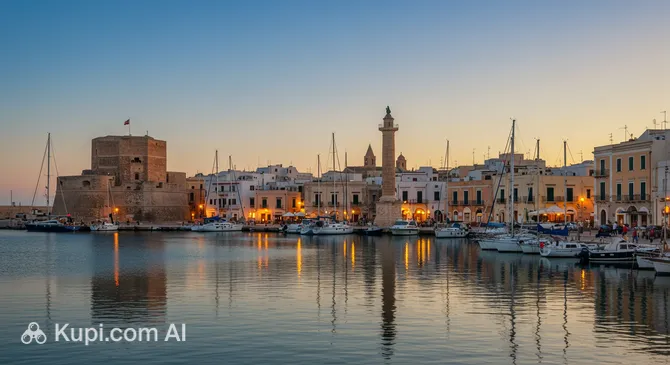
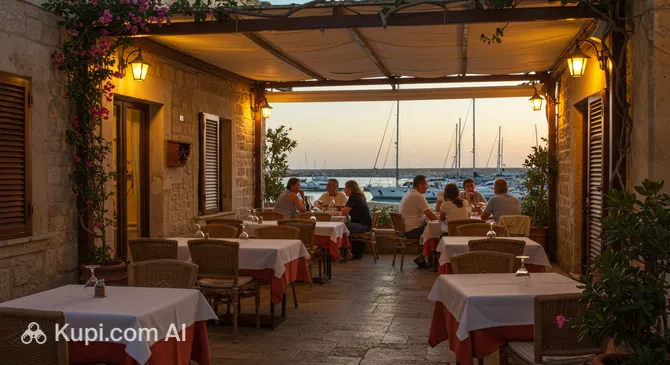
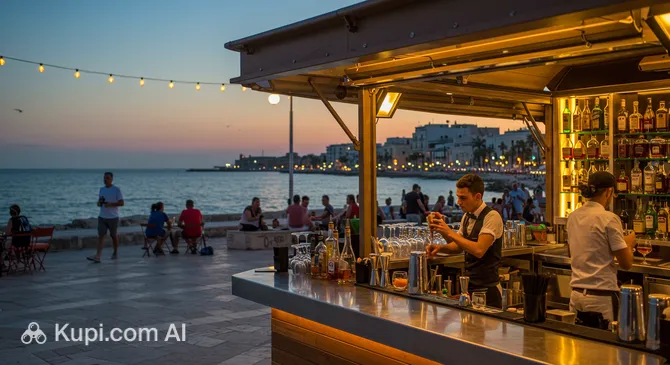
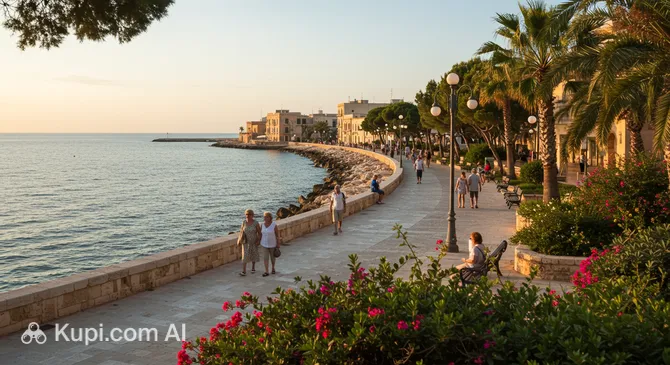
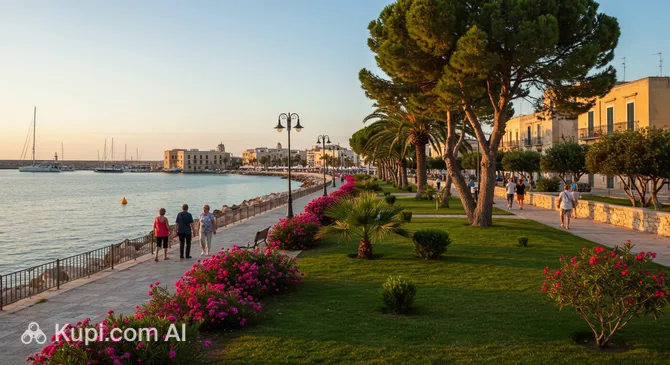
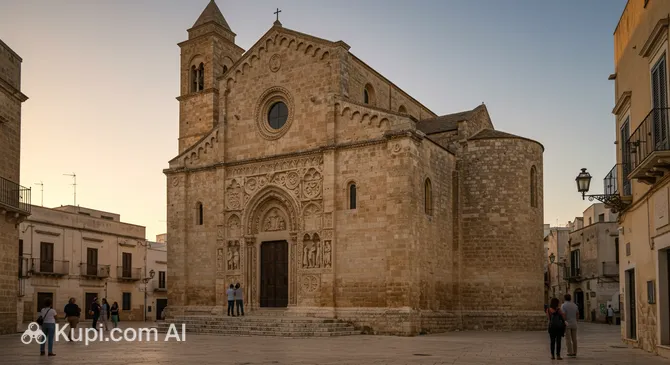
Welcome to Brindisi, a captivating port city located in the sun-drenched region of Apulia. Known for centuries as the "Gateway to the East," this coastal gem offers a unique blend of maritime culture and ancient heritage. Situated on the coast of the Adriatic Sea in southern Italy, Brindisi boasts a magnificent natural harbor that has shaped its destiny for millennia.
Brindisi. Illustration.
Source: Kupi.com AI
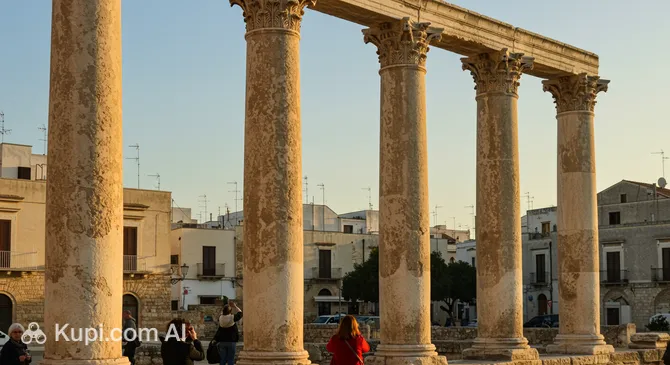
The city is home to approximately 87,000 residents and enjoys a pleasant Mediterranean climate, making it an inviting destination year-round. The history of Brindisi is rich and complex, serving as the traditional terminus of the famous Appian Way, the Roman road that connected Rome to the southeastern coast. Today, visitors can still admire the towering Roman Column that marks the end of this legendary route, standing as a silent witness to the city's glorious past.
Beyond its historical significance, Brindisi offers delightful attractions for modern travelers. The imposing Aragonese Castle (Castello Alfonsino), located on the Isola di Sant'Andrea, and the medieval Temple of San Giovanni al Sepolcro are must-see landmarks. Whether you are strolling along the palm-lined Lungomare Regina Margherita or exploring its ancient streets, Brindisi promises an authentic and memorable Italian experience. It is the perfect starting point for exploring the Salento peninsula and soaking up the relaxed atmosphere of the Adriatic coast.
Weather Overview
Brindisi enjoys a classic Mediterranean climate, ensuring that the city is a welcoming destination for most of the year. Travelers can expect hot, dry summers and mild winters with moderate rainfall. For a more detailed breakdown of conditions for your specific travel dates, you can check the weather in Brindisi to plan accordingly.
The summer months of July and August are the warmest, with average temperatures rising to 27.7°C and daily highs often reaching 32°C. This period is perfect for sun-seekers, as rain is very rare, with only 2 to 4 wet days per month. In contrast, winter remains gentle; in January, the average temperature stays around 10.5°C, while daily lows average about 8°C. Rainfall is more common during the cooler season and the transition months, with November seeing up to 11 wet days.
Average monthly temperature
Average monthly precipitation
Interesting Facts
Beyond the main attractions, Brindisi holds many fascinating secrets that reveal its deep historical layers and strategic importance throughout the ages. These unique details offer a glimpse into the city's past as a cultural crossroads and a pivotal maritime hub.
Roman Columns. Illustration.
Source: Kupi.com AI
Traveler photos:
The city's name is derived from the Messapian word Brention, which translates to "head of a deer." This is a direct reference to the unique shape of the natural harbor, which branches out like antlers and has provided shelter to ships for millennia.
While the Roman Columns are the city's symbol, few visitors realize there were originally two. The second column collapsed in 1528, and its marble remains were famously gifted to the nearby city of Lecce to support the statue of their patron saint, Sant'Oronzo.
For a brief but significant period between September 1943 and February 1944, Brindisi served as the temporary capital of Italy. During the turbulence of World War II, the King and the government established their headquarters here, managing the nation's affairs from this port city.
The renowned Roman poet Virgil, celebrated author of the Aeneid, died in Brindisi in 19 BC. He fell ill while returning from Greece and passed away in the city, leaving a lasting literary legacy connected to the region.
The architectural design of the Church of San Giovanni al Sepolcro is intentionally circular. It was built in the 11th century to mimic the Rotunda of the Holy Sepulchre in Jerusalem, serving as a spiritual reference point for Crusaders departing for or returning from the Holy Land.
How to Get There
Reaching this historic port city is convenient thanks to its well-connected transportation network, serving as a major gateway to the Salento region. Whether you are arriving by air or rail, there are several options to suit your itinerary. For a complete guide on all travel methods, you can read more about how to get to Brindisi to plan your journey effectively.
The most direct way to arrive is via the local Brindisi - Salento Airport (IATA: BDS), also known as "Papola Casale." It is conveniently located just 2.8 km from the city center. As a medium-sized international airport, it handles a significant number of visitors annually. The transfer to the heart of the city is very quick, taking only a few minutes by taxi or bus. Alternatively, travelers can fly into Palese Airport (IATA: BRI), situated in the city of Bari. This larger hub is about 114 km away from Brindisi. From Bari, the journey by road or train is efficient, taking approximately 1 hour to 1.5 hours, making it a viable secondary option if direct flights to Brindisi are unavailable.
For clarity, here is a summary of the main airports:
Traveling by train is another excellent choice, as the city is well-integrated into the Italian railway network. The main hub is Brindisi Railway Station, located directly in the city, just 0.3 km from the center, allowing for immediate access to local attractions. For those coming from further afield, Bari Centrale Station in the city of Bari serves as a major regional node. Situated approximately 105 km from Brindisi, it connects to high-speed lines; the transfer from there to Brindisi is fast and frequent, typically taking around 1 hour by train.
Brindisi offers a wealth of historical and cultural treasures that reflect its status as a major crossroads of the Mediterranean. From ancient fortifications to sacred religious sites, the city's attractions provide a fascinating journey through time for every visitor.
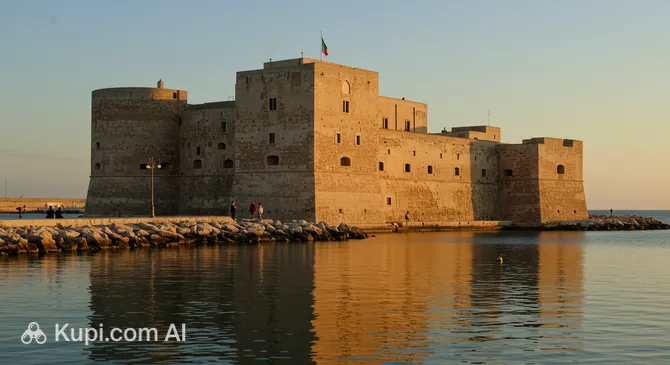
One of the most prominent landmarks overlooking the harbor is the Swabian Castle of Brindisi, also known as the Castello Svevo. Commissioned by Emperor Frederick II in the 13th century, this massive fortress has guarded the city for hundreds of years. Visitors are drawn to its imposing trapezoidal structure and massive square towers, which offer a glimpse into the military architecture of the Middle Ages. It is a fascinating site for history enthusiasts wishing to understand the city's strategic importance.
Swabian Castle of Brindisi. Illustration.
Source: Kupi.com AI
Traveler photos:
Located in the heart of the historic center, the Cathedral of Saint John the Baptist stands as a testament to the city's resilience. Although much of the original Romanesque structure was destroyed by an earthquake in 1743, the rebuilt cathedral remains a place of great spiritual and artistic value. Inside, tourists can admire fragments of the original mosaic floor from the 12th century, depicting scenes of nature and mythology that survived the devastation.
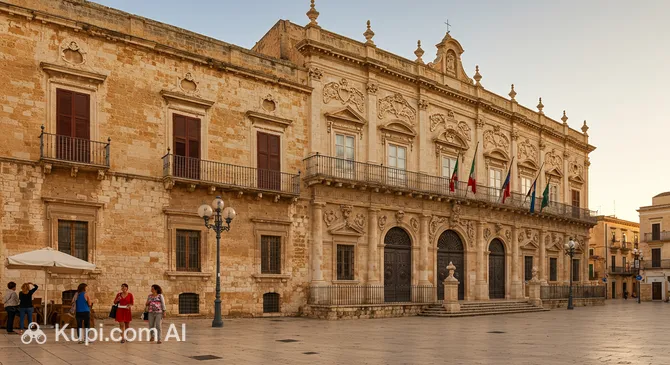
For a deep dive into local culture, the Granafei Nervegna Palace is an essential stop. This elegant Renaissance building not only showcases beautiful architecture but also serves as a vibrant cultural center. It famously houses the original capital of the Roman Column, protecting this precious artifact from the elements while allowing visitors to examine the intricate details of the city's ancient symbol up close.
Granafei Nervegna Palace. Illustration.
Source: Kupi.com AI
Traveler photos:
Another architectural jewel is the Church of San Giovanni al Sepolcro. This circular building, dating back to the Norman period, is intriguing for its connection to the Crusades and the Holy Land. Its intimate atmosphere, ancient frescoes, and unique layout make it a captivating spot for those interested in medieval history and religious art.
Local Cuisine
The culinary landscape of Brindisi is a delightful reflection of the wider Apulia region, characterized by simple, high-quality ingredients that transform into rich, flavorful meals. Known as cucina povera or peasant cooking, the local gastronomy relies heavily on seasonal vegetables, locally produced olive oil, and durum wheat pasta. Dining here is a relaxed affair, often starting with a selection of antipasti that showcases the best of the land and sea.
A quintessential dish to try is orecchiette, the famous ear-shaped pasta that is a symbol of the region. In Brindisi, it is traditionally served with cime di rapa (turnip tops) and a touch of anchovy for a savory kick, or with a rich fresh tomato sauce. Another staple is purea di fave e cicoria, a hearty puree of fava beans accompanied by wild chicory. This dish represents the perfect marriage of earthy and bitter flavors that locals cherish, often enjoyed with a drizzle of extra virgin olive oil and crusty bread.
As a historic port city, seafood plays a starring role on every menu. Fresh catches arrive daily, allowing visitors to indulge in dishes like cozze racanate (baked mussels with breadcrumbs, parsley, and cheese) or simple yet delicious linguine with seafood. For an authentic dining experience, you might visit La Locanda del Porto, a restaurant where the maritime tradition is celebrated in every bite, offering a true taste of the Adriatic.
La Locanda del Porto. Illustration.
Source: Kupi.com AI
Traveler photos:
No meal in Brindisi is complete without a glass of local wine. The surrounding countryside is famous for its Negroamaro and Primitivo grapes, producing robust red wines that pair perfectly with the hearty local fare. For a relaxing evening, the Numero Primo Wine Bar offers an excellent selection of regional labels, making it a great spot to unwind and sample the area's viticulture right on the waterfront.
For those preferring non-alcoholic refreshments, the local Latte di Mandorla (almond milk) is a sweet and refreshing traditional syrup drink. Coffee lovers should not miss the Caffè Leccese, a summer favorite consisting of espresso served over ice with a splash of sweet almond milk instead of sugar. Whether you are grabbing a sweet pasticciotto pastry for breakfast or enjoying a long dinner, the food culture in Brindisi is warm, welcoming, and deeply rooted in tradition.
Travel Tips
To ensure your visit to this historic gateway of the Adriatic is as smooth and enjoyable as possible, we have compiled a set of essential travel guidelines. These practical tips will help you navigate local customs, logistics, and daily life in Brindisi with the confidence of a seasoned traveler.
Clothing and Gear: Brindisi enjoys a warm Mediterranean climate, so breathable fabrics like linen and cotton are essential for the hot summer months, along with a good hat and sunglasses. If you are visiting in autumn or winter, bring layers and a waterproof jacket, as the weather can be breezy and damp. Since the historic center features ancient cobblestones, sturdy and comfortable walking shoes are a must. Remember that when visiting religious sites like the Cathedral or the Church of San Giovanni al Sepolcro, modest attire is required; ensure your shoulders and knees are covered.
Transportation: The city center is compact and best explored on foot, allowing you to easily admire the sights along the harbor. For longer distances, the local public transport company, STP Brindisi, operates reliable buses. A unique feature of the city is the motobarca (water bus) that connects the Casale district near the airport with the city center across the harbor—a scenic and efficient way to travel. While a car is not necessary for the city itself, renting one is highly recommended if you plan to explore the stunning beaches and towns of the wider Salento peninsula.
Finances: The currency used is the Euro (€). While credit and debit cards (Visa and Mastercard) are widely accepted in hotels, restaurants, and larger shops, it is crucial to carry cash for small purchases like espresso, gelato, or souvenirs at local markets. ATMs (Bancomat) are plentiful throughout the city. Tipping is not mandatory, as a service charge or "coperto" is often added to the bill, but leaving small change for good service is appreciated.
Health and Safety: Brindisi is generally a safe city for tourists, but standard precautions against pickpocketing should be taken in crowded areas and near the port. Pharmacies are marked with a green cross; look for a "Farmacia di turno" sign to find one open outside regular hours. The general emergency number for police, ambulance, or fire services is 112.
Communication: Italian is the official language. While staff in hotels and major tourist restaurants usually speak English, it may be less common in smaller local shops or among the older generation. Learning a few basic phrases like Buongiorno (Good morning), Per favore (Please), and Grazie (Thank you) goes a long way in establishing a friendly connection. Free Wi-Fi is often available in public squares and cafes, but purchasing a local SIM card is easy and affordable for consistent connectivity.
Local Etiquette: Politeness is highly valued in Southern Italy. Always greet shopkeepers or waiters when entering and leaving an establishment. Be aware of the riposo (afternoon break); many shops and businesses close from approximately 1:30 PM to 4:30 PM, so plan your shopping and errands for the morning or late afternoon.
What to Avoid: Do not expect to eat dinner early. Local restaurants typically open for dinner around 7:30 PM or 8:00 PM, and the atmosphere becomes liveliest even later. Also, avoid touching fruit and vegetables with your bare hands at open-air markets; strictly ask the vendor to serve you or look for disposable gloves provided for customers.
Experience the Passeggiata: Embrace the local custom of the evening stroll, known as the passeggiata. Around sunset, locals flock to the beautiful Lungomare Regina Margherita to walk, chat, and enjoy the sea breeze. Join them for an authentic slice of local life, perhaps with a gelato in hand, watching the ships glide into the harbor.
Armed with these practical insights, you are ready to fully immerse yourself in the charm and rhythm of Brindisi. Whether you are catching a ferry to Greece or staying to explore the Apulian coast, we hope your time in this ancient mariner's city is filled with wonderful discoveries and warm memories.
Entertainment & Nightlife
As the sun sets over the Adriatic, Brindisi transforms from a bustling port city into a vibrant hub of evening entertainment. The nightlife here is characterized by a relaxed yet lively Mediterranean atmosphere, where the focus is on socializing, enjoying good music, and savoring excellent drinks in the open air. While it may not have the massive superclubs of Ibiza, the city offers a sophisticated selection of lounge bars, pubs, and late-night venues that cater to a diverse crowd of locals and visitors.
The heartbeat of the city's nightlife is undoubtedly the Lungomare Regina Margherita. This palm-lined waterfront promenade is where the movida (nightlife scene) is most concentrated. On warm evenings, the street is closed to traffic, allowing crowds to spill out from the bars onto the pavement, creating a festive environment. Another key area is Corso Garibaldi and the narrow streets of the historic center, which hide smaller, more intimate wine bars and pubs perfect for a quieter drink.
Peddy Bar. Illustration.
Source: Kupi.com AI
Traveler photos:
For those looking to immerse themselves in the local scene, Peddy Bar is a popular destination. Located near the waterfront, it is known for its energetic vibe and creative cocktails, making it a great place to start the night. If you prefer a venue that combines distinct flavors with a trendy setting, Barrique Food & Drink offers a stylish environment where you can enjoy an aperitif that effortlessly transitions into a late-night gathering.
Practical advice is essential for enjoying the night fully. The action typically starts late, with locals heading out for drinks around 10:00 PM or later, often after a long dinner. The dress code is generally "smart casual"—Italians tend to dress well for an evening out, so leave the beachwear at the hotel. Prices are reasonable compared to larger Italian tourist hubs, with cocktails and wine glasses being quite affordable. Getting around is easy on foot within the center, but if your accommodation is further out, it is advisable to book a taxi in advance, as hailing one on the street can be difficult at night.
In terms of safety, Brindisi is welcoming, and the main nightlife districts like the Lungomare are well-lit and populated. However, as with any city, it is wise to stay in busy areas and avoid unlit backstreets late at night. Solo travelers should feel comfortable, especially in the lively promenade areas where families and groups of friends gather until late.
Cillarese Park. Illustration.
Source: Kupi.com AI
Traveler photos:
While the nights are for socializing, daytime entertainment in Brindisi offers a change of pace centered on culture and nature. The majestic Verdi Theatre (Teatro Verdi) hosts a variety of performances, from opera to contemporary concerts, suspended architecturally over Roman ruins. For a breath of fresh air, Cillarese Park provides a lush green escape perfect for jogging, picnicking, or simply relaxing by the water during the day, offering a peaceful counterpoint to the energetic evenings.
Parks & Museums
While Brindisi is primarily defined by its stone fortifications and azure harbor, the city also offers refreshing green spaces and remarkable museums that safeguard its millennia-old heritage. Visitors can easily alternate between relaxing walks in nature and immersive journeys through the region's complex history, from the Messapians to the Romans and beyond.
For those seeking a break from the urban environment, Cillarese Park is the city's beloved "green lung." Located just outside the city center, this expansive area surrounds a reclaimed water basin and is a favorite spot for locals to jog, cycle, or enjoy a picnic. The park is teeming with birdlife, making it a peaceful retreat for nature enthusiasts who wish to observe the local fauna in a tranquil setting.
Another significant urban green space is Giulio Park (Parco Di Giulio), a large, modern park that provides a welcome respite with its wide lawns and walking paths. It is an excellent destination for families, offering ample space for children to play and for travelers to unwind under the shade of trees. Its design integrates modern landscaping with the need for community recreational space, serving as a vibrant social hub during the late afternoons.
Giulio Park. Illustration.
Source: Kupi.com AI
Traveler photos:
Delving into the cultural side of the city, the Francesco Ribezzo Provincial Archaeological Museum (MAP) is a treasure trove located in Piazza Duomo. It houses an impressive collection of artifacts, including underwater archaeological finds that highlight Brindisi's role as a major port. Highlights include the famous bronze statues found in the waters off Punta del Serrone and a vast array of epigraphics and ceramics that narrate the daily life of ancient Brundisium.
A unique cultural venue is the Granafei Nervegna Palace. While also an architectural landmark, it functions as a museum and exhibition center. Its most prestigious resident is the original capital of the Roman Column, moved here for preservation. Seeing this massive, intricately carved marble piece up close allows visitors to appreciate the artistry of the Roman era in a way that isn't possible when looking up at the replica standing by the harbor.
For a blend of architecture and history, the Church of San Giovanni al Sepolcro operates much like a museum today. Deconsecrated and preserved, it allows visitors to step inside and admire its circular plan and fading medieval frescoes. It is a quiet, atmospheric site that transports you back to the time of the Crusaders and pilgrims passing through the city.
Church of San Giovanni al Sepolcro. Illustration.
Source: Kupi.com AI
Traveler photos:
Insider Tip: Don't miss the Faldetta Archaeological Collection housed in the Palazzina del Belvedere. Not only is admission often free, but the building also offers one of the most stunning panoramic views of the inner harbor from its terrace—a perfect combination of culture and scenery.
Getting Around
The public transport system in Brindisi is managed by STP (Società Trasporti Pubblici) and provides a convenient way to navigate the city and its immediate surroundings. The network relies primarily on a fleet of urban buses that connect the city center with residential areas, the railway station, and the nearby airport. While there is no metro or tram system, the buses are generally reliable and cover all the key districts a visitor would need to reach, including the popular beaches along the coast during the summer months.
A distinctive and highly recommended feature of the local transport system is the motobarca, or water bus. This ferry service operates as part of the regular public transit network, connecting the historic center on one side of the harbor with the Casale district on the opposite shore. It is not just a practical mode of transport to cross the inner bay quickly; it also offers a scenic mini-cruise with beautiful views of the waterfront and the Aragonese Castle, all for the price of a standard bus ticket.
Tickets are integrated, meaning the same pass is valid for both the land buses and the water bus. Travelers can purchase single-journey tickets, multi-trip carnets, or day passes at authorized retailers, such as tobacconists (marked with a large "T" sign) and newsstands. It is widely advised to buy your ticket before boarding to secure the standard fare, which is typically around €1.20, as purchasing from the driver often carries a surcharge. For a digital alternative, you can use apps like MooneyGo or DropTicket to buy and validate tickets directly from your smartphone.
When using paper tickets, it is mandatory to validate them immediately upon entering the bus or boarding the boat by inserting them into the stamping machines. Failure to validate can lead to on-the-spot fines from inspectors. The service generally operates from early morning until late evening, roughly between 05:30 and 23:00, though frequencies drop significantly on Sundays and public holidays. Tourists should always check the latest timetables at the bus stops or online, especially if traveling late at night.
For those preferring more direct transport, taxis are available but are usually stationed at designated ranks, such as the railway station, the airport, and near the main hospital, rather than cruising for passengers. Calling a local radio taxi service is often the most reliable way to secure a ride. While the historic center is compact and best explored on foot, car rentals are a popular choice for visitors planning to explore the wider region's coastline. Additionally, bike rentals are available and offer a pleasant way to ride along the flat, scenic promenades.
Accommodation
Finding the perfect place to stay in Brindisi is generally straightforward, as the city offers a welcoming mix of accommodation options suited to various travel styles. The range typically spans from charming, family-run Bed & Breakfasts tucked away in historic buildings to modern, functional hotels designed for travelers in transit. While you won't find an abundance of ultra-luxury resorts within the city limits, there are plenty of comfortable mid-range hotels and well-appointed guest houses that provide excellent value for money.
For those who want to be in the heart of the action, the Historic Center is the most popular area to stay. Choosing accommodation near Corso Garibaldi or the scenic Lungomare Regina Margherita places you within walking distance of the main sights, restaurants, and the vibrant evening promenade. If your visit is primarily for logistical reasons—such as catching an early morning ferry to Greece or a train to another Italian city—staying near the Brindisi Railway Station or the port area offers unmatched convenience. These locations ensure quick access to transport links while still being close enough to the center to enjoy a nice dinner.
Booking Tip: Brindisi is a key maritime gateway and a popular entry point for the Salento region, meaning accommodation can fill up quickly during the peak summer months of July and August. It is highly checking availability and booking your room well in advance if you plan to travel during this high season. Conversely, in the shoulder seasons of spring and autumn, you can often find excellent deals and more flexibility with last-minute reservations.
In terms of cost, Brindisi is generally more affordable than other major tourist hubs in Apulia. Budget travelers can find hostels or simple B&Bs for reasonable rates, while mid-range options offer modern amenities without breaking the bank. Booking is easily done through major online platforms, though many smaller local establishments also welcome direct inquiries. Whether you are stopping over for a night or using the city as a base to explore the coast, you will find the hospitality warm and the prices competitive.
Nearby Cities
Nearby Cities:
For those looking to explore the surroundings, Brindisi serves as an excellent base for day trips to several interesting nearby locations. The region of Salento is dotted with charming towns that offer a rich mix of history, architecture, and gastronomy, all easily accessible for a short visit.
One of the most famous destinations is Ostuni, widely known as the "White City" due to its dazzling whitewashed houses stacked upon a hill. Visitors can wander through its labyrinthine alleyways, discover gothic cathedrals, and enjoy panoramic views of the olive groves stretching down to the Adriatic Sea. It is a photographer's dream and a perfect spot to experience the quintessential Apulian atmosphere.
Just a short distance inland lies Mesagne, a hidden gem often overlooked by mass tourism. This town boasts a magnificent historic center shaped by the form of a heart and is dominated by its own Norman-Swabian Castle. It is an ideal place to enjoy a quiet afternoon walk among baroque churches and ancient city walls, followed by a meal in one of its highly-rated traditional trattorias.
For wine lovers, a trip to Manduria is essential. This town is the spiritual home of the Primitivo di Manduria wine, a robust red that is celebrated worldwide. Beyond its vineyards, Manduria offers fascinating archaeological sites, including the ancient Messapian walls and the legendary Pliny's Fountain, making it a destination that satisfies both the palate and the mind.
City
Population
Distance
Mesagne
26 836
14 km
San Pietro Vernotico
13 556
17 km
San Vito dei Normanni
19 095
20 km
Latiano
14 403
21 km
Squinzano
14 031
24 km
These nearby destinations offer a glimpse into the diverse culture and landscapes of the region, allowing travelers to experience the true depth of Southern Italy beyond the port of Brindisi.
Shopping & Souvenirs
Shopping in Brindisi offers a delightful mix of modern convenience and traditional Italian charm. While it may not be a sprawling fashion metropolis like Milan, the city provides a relaxed atmosphere where visitors can find everything from high-street clothing brands to artisanal crafts. The retail experience here is closely tied to the local lifestyle, with a strong emphasis on high-quality food products, regional wines, and unique boutiques that reflect the authentic character of the Salento region.
The primary destination for a shopping spree in the city center is Corso Garibaldi. This bustling avenue connects the port area with the railway station and is lined with a variety of shops selling clothing, shoes, accessories, and cosmetics. Walking along this palm-fringed street allows tourists to combine window shopping with sightseeing, as it sits right in the heart of the historic district. Nearby, Corso Umberto I extends the retail options, offering a selection of elegant boutiques and local stores where you can find Italian fashion and leather goods.
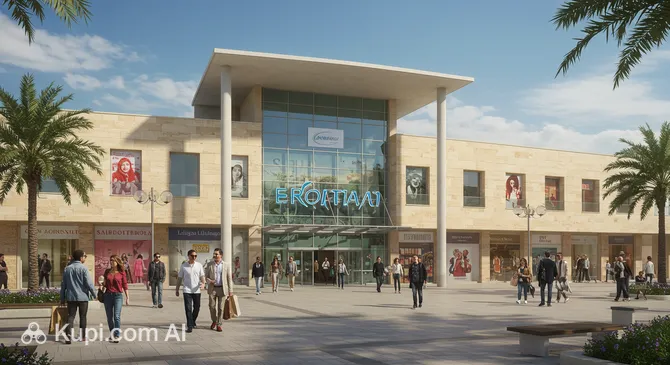
For those seeking a comprehensive shopping experience with international brands and larger stores, the city is home to Brinpark. Located just outside the historic center, this open-air retail park is a convenient stop for travelers looking for sportswear, electronics, home goods, and popular fashion chains in one place. It offers ample parking and a modern layout, making it a practical choice for families or those looking to stock up on essentials before continuing their journey.
Brinpark. Illustration.
Source: Kupi.com AI
Traveler photos:
To truly immerse yourself in the local culture, a visit to the daily market in Piazza Mercato is essential. Here, the vibrant colors and scents of Apulia come alive. Stalls overflow with fresh seasonal fruits, vegetables, and locally caught seafood. It is the perfect place to observe the daily rituals of the residents and perhaps pick up some fresh snacks. Additionally, a large weekly market is held in the Sant'Elia district (typically on Thursday mornings), where vendors sell everything from clothes and household items to textiles at very competitive prices.
When it comes to souvenirs, the best treasures to bring back from Brindisi are gastronomic. The region is world-famous for its Extra Virgin Olive Oil and robust wines like Negroamaro and Primitivo. You can buy these directly from local enotecas or specialty food shops. other popular gifts include taralli (savory ring-shaped crackers), handmade pasta like orecchiette, and traditional ceramics featuring the distinctive splatter patterns typical of the Apulian style.
Visitors should be aware of the traditional opening hours. Most smaller shops and boutiques in the city center close for the afternoon pause (riposo), typically shutting their doors around 1:00 PM or 1:30 PM and reopening at 4:30 PM or 5:00 PM. They usually stay open until 8:00 PM or 8:30 PM. Larger shopping centers like Brinpark often remain open throughout the day. Major credit cards are widely accepted, though it is advisable to carry cash for small purchases at markets or tobacconists.
Travelers residing outside the European Union may be eligible for a VAT (sales tax) refund on purchases exceeding a certain threshold made at participating stores. Look for the "Tax Free" signage in shop windows and remember to ask for the necessary forms at the checkout to process your refund at the airport before leaving the EU.