Support

Kukes

About

Welcome to Kukes, a city defined by its stunning natural surroundings and a unique story of resilience. Located in the northeastern part of Albania, near the border with Kosovo, this destination offers a blend of dramatic mountain landscapes and serene waters. Unlike many ancient settlements in the region, modern Kukes is relatively young; the original town was submerged in the 1970s following the construction of a hydroelectric dam, leading to the entire population being relocated to the plateau above.
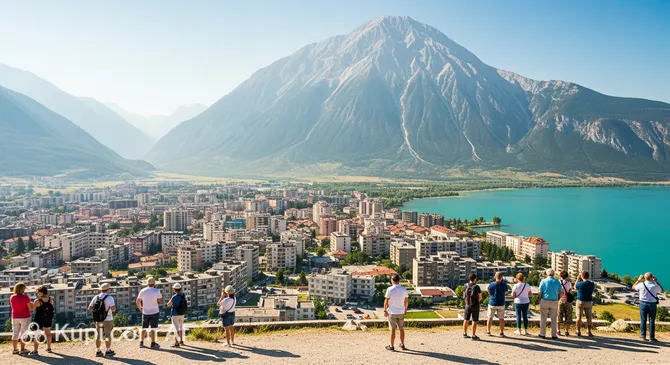
Kukes. Source: Kupi.Binoculars

This fascinating transition is central to the history of Kukes, creating a distinctive atmosphere where the past lies beneath the shimmering surface of the lake. Today, the city is home to approximately 16,000 residents and serves as a gateway to the rugged beauty of the region. The climate here is continental, bringing snowy winters that transform the area into a white wonderland, and warm, pleasant summers perfect for outdoor exploration.

For nature enthusiasts, Kukes is a hidden gem. The city sits at the foot of the majestic Mount Gjallica, the highest peak in the district, which offers challenging hiking trails and breathtaking panoramic views from its summit. Another highlight is the expansive Fierza Lake, formed by the confluence of the Black and White Drin rivers. The lake is not only a scenic marvel but also a hub for boat tours that navigate through narrow canyons, often compared to the fjords of Scandinavia.

Whether you are passing through on a Balkan road trip or looking for an off-the-beaten-path adventure, Kukes invites you to experience its warm hospitality and pristine alpine environment. It is a perfect stop for travelers seeking tranquility and a connection with nature in one of the country's most scenic corners.
Weather Overview

The climate in this region is characterized by distinct seasonal changes, making it important to choose the right time for your visit based on your preferences. Generally, you can expect warm summers with average daily highs reaching up to 27.4°C in August, and cold winters where temperatures frequently drop below freezing, with January seeing lows around -2.9°C.

Precipitation occurs throughout the year, though the frequency varies by season. May is typically the dampest month with approximately 17 wet days, while the late summer months of August and September are somewhat drier. For a more comprehensive breakdown of monthly conditions to help you pack, you can check the detailed report on the weather in Kukes.

Interesting Facts

Beyond the main attractions and scenic views, Kukes holds several fascinating secrets and historical distinctions that many visitors overlook. From its subterranean mysteries to its global recognition for humanity, the city offers more than meets the eye.
  • A Nobel-Nominated City: Kukes holds the unique distinction of being the first town in history to be nominated for a Nobel Peace Prize. In 2000, the city was honored for the extraordinary hospitality of its residents, who welcomed and sheltered hundreds of thousands of refugees during the Kosovo conflict in 1999, despite the town's small size and limited resources.

  • The Underground Network: Beneath the streets of the modern city lies a vast, hidden labyrinth. During the communist era, a massive network of underground tunnels and bunkers was constructed, designed to shelter the entire population of Albania's northeastern strategic point in the event of a war. This "underground city" included provisions for a hospital, bakery, and command center.

  • The Ghost of Old Kukes: While the relocation of the city in the 1970s is a known fact, the old town has not entirely disappeared. During periods of extreme drought, the water levels of Fierza Lake can drop significantly, causing the submerged ruins of the original buildings and streets to re-emerge from the depths, creating a hauntingly beautiful spectacle.

  • An Airport with a Unique History: The local airport, Zayed-North Wings, has a peculiar backstory. It was originally built by the United Arab Emirates in 1999 to facilitate aid deliveries during the regional crisis. However, it remained closed to commercial traffic for over two decades, only recently opening its doors to welcome travelers to this mountainous region.

How to Get There

Reaching this northeastern Albanian city has become increasingly convenient, thanks to improved infrastructure and the opening of local air travel options. Whether you prefer flying directly into the region or landing in a nearby capital and enjoying a scenic drive through the mountains, there are several viable routes. For a complete guide on planning your journey, you can read more about how to get to Kukes.

The most direct way to arrive is via Kukes Zayed (KFZ), situated within the city itself. Located just 4.7 km from the center, this airport allows for a very quick transfer, with a taxi ride taking approximately 10 minutes. Although it handles a smaller volume of traffic compared to major international hubs, it offers a unique opportunity to land right in the heart of the destination.

Alternatively, many travelers opt for Pristina International Airport (PRN) in Pristina, which is geographically the closest major hub at about 74.7 km away in a straight line. However, due to the mountainous terrain and border crossing, the drive typically takes over 2 hours. Another major option is Tirana International Airport (TIA) in Tirana, located 93.7 km away. As the country's primary international gateway, it offers numerous connections, and the journey to Kukes by road usually takes around 2.5 to 3 hours via the scenic highway.

For clarity, here is a summary of the main airports and their linear distances from the city:

Airport Name City Passenger Traffic Km from City
Tirana International AirportTiranaLarge93.7
Pristina International AirportPristinaLarge74.7
Skopje Alexander the Great AirportSkopjeMedium99.8
Podgorica AirportPodgoricaMedium101.9
Kukes ZayedKukesSmall4.7

The city of Kukes does not have a railway station, and rail travel is generally not a viable method for reaching this specific region directly. While data lists the Brindisi Railway Station (BQD) as a nearby option at 262.6 km, it is important to note that this station is located in Italy, across the Adriatic Sea, and would require a ferry crossing to Albania followed by a drive. Similarly, the Thessaloniki Railway Station is located in Greece, approximately 262.9 km away, making these options practical only for long-distance multi-country itineraries rather than direct transfers.

Below is the data for the nearest railway stations based on linear distance:

Station City Passenger Traffic Km to Center
Brindisi Railway StationBrindisi262.6
Thessaloniki Railway StationThessaloniki262.9

Main Attractions

While Kukes is often seen as a transit hub, those who linger will find a destination rich in natural beauty and local culture. The city's surroundings are its greatest asset, offering outdoor enthusiasts a playground of rugged peaks and tranquil waters, while the town itself provides a taste of authentic northern Albanian hospitality.

Dominating the skyline is the majestic Mount Gjallica, the highest peak in the district standing at over 2,400 meters. It is a favorite among hikers and mountaineers, offering a challenging ascent that rewards adventurers with unparalleled views. From the summit, on a clear day, you can gaze out across the borders into neighboring Kosovo and North Macedonia, making the strenuous climb well worth the effort for the panoramic vistas alone.

For a more relaxing experience by the water, Fierza Lake is a must-visit. Created by the damming of the Drin River, this vast body of water winds through the mountains, creating a landscape often compared to the fjords. Visitors can enjoy boat tours that offer a different perspective of the canyons, or simply relax at one of the lakeside spots to take in the serene atmosphere and the reflection of the surrounding peaks on the water's surface.

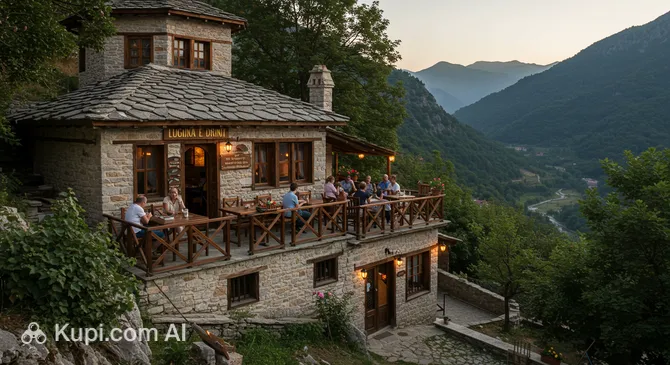
Lugina e Drinit Restaurant. Source: Kupi.Binoculars

To experience the local flavors accompanied by scenic views, travelers should visit the Lugina e Drinit Restaurant. Situated in a location that takes advantage of the region's dramatic geography, this establishment is popular for its traditional cuisine. It serves as a perfect stop to refuel with hearty local dishes while enjoying the sweeping landscapes of the Drin Valley, blending culinary delight with visual splendor.

A short drive from the city leads to the picturesque village of Shishtavec, located high in the mountains. Famous for its unique local culture and the production of high-quality potatoes, the village is a year-round attraction. In the winter, it transforms into a destination for skiing and snow sports, while the summer months offer lush green meadows perfect for hiking and experiencing the traditional rural lifestyle of the region.

Local Cuisine

The culinary scene in Kukes is a delightful reflection of its alpine geography and Northern Albanian traditions. The food here is known for being hearty, organic, and prepared with locally sourced ingredients from the surrounding mountains and farms. Because of the cool climate and rugged terrain, the cuisine focuses heavily on dairy products, meat, and pastry-based dishes designed to provide energy and warmth.

One of the most iconic dishes you must try in this region is Flija. This is a labor-intensive, multi-layered pancake brushed with cream and baked slowly over several hours, traditionally under a metal lid covered with hot coals called a saç. Another local specialty is Jufka, a type of artisanal handmade pasta that is unique to the Dibra and Kukes regions. These sun-dried noodles are typically cooked in butter and served with chicken or lamb, offering a rich and savory flavor that distinguishes them from standard pasta.

When it comes to beverages, Kukes is famous throughout the Balkans for its production of Boza. This thick, fermented drink made from corn and wheat has a distinctive sweet and slightly tangy taste. It is packed with vitamins and is a source of local pride; you will find it in almost every pastry shop and cafe. For something stronger, the locals enjoy homemade Raki, a potent fruit brandy often made from plums or mulberries, which is a staple of Albanian hospitality.

Dining in the city often combines these traditional flavors with spectacular scenery. Restaurants here tend to be family-oriented and welcoming, ranging from casual grill houses to establishments with panoramic terraces. For a memorable meal, visitors often head to places like the Lugina e Drinit Restaurant, where you can enjoy authentic regional recipes while overlooking the dramatic landscapes of the Drin Valley. Whether you are grabbing a quick street snack or sitting down for a slow feast, the food in Kukes offers a genuine taste of the highlands.

Travel Tips

Planning a trip to Kukes requires a bit of specific preparation, as this mountainous region offers a different experience compared to the coastal areas of Albania. To help you navigate the local customs, manage your logistics, and make the most of your adventure in the north, here is a set of essential practical tips.

  1. Clothing and Gear: Since the weather here is continental, packing depends heavily on the season. For winter visits, bring heavy coats, thermal wear, and waterproof boots, as snow is common. In summer, light clothing is suitable for the day, but you should always carry a light jacket or sweater for the cooler evenings. If you plan to hike Mount Gjallica, sturdy hiking boots are non-negotiable. While the city is casual, dress modestly if you plan to visit religious sites like mosques, covering shoulders and knees.

  2. Transportation: The city center of Kukes is compact and easily explorable on foot. For reaching surrounding villages or trailheads, local minibuses known as furgons are the most common and affordable option, though they often lack fixed schedules. Taxis are available and relatively cheap; always agree on the fare before starting the ride. If you want total freedom to explore the Drin Valley, renting a car (preferably a 4x4 for mountain roads) is highly recommended.

  3. Finances: The official currency is the Albanian Lek (ALL). While some larger hotels and the well-known Lugina e Drinit Restaurant may accept credit cards, cash is absolutely essential for small shops, cafes, and transportation. ATMs are available in the city center, and it is wise to withdraw money there before heading into the mountains. Tipping is appreciated but not mandatory; rounding up the bill or leaving a small amount is a kind gesture.

  4. Health and Safety: Kukes is a very safe city for tourists. Pharmacies are marked with a green cross and are generally open during standard business hours, with some having rotating night shifts. The local hospital provides basic emergency care, but for serious issues, transfer to Tirana might be necessary. Tap water in the mountains is often fresh and clean, but sticking to bottled water is the safest choice for short-term visitors to avoid any stomach issues.

  5. Communication: The primary language is Albanian. While younger people in cafes and hotels often speak good English, the older generation may not. Learning a few local phrases like Përshëndetje (Hello) and Faleminderit (Thank you) will go a long way in earning smiles. Buying a local SIM card from providers like Vodafone or One Albania in the city center is recommended for reliable navigation and translation apps.

  6. Local Etiquette: Northern Albanians are famous for their hospitality (Besa). If you are invited for coffee or raki, it is polite to accept, as refusing can sometimes be seen as rude. When greeting, a handshake is standard. Coffee culture is huge here; it is not just a drink but a social ritual, so do not rush your espresso—sit back and enjoy the conversation.

  7. What to Avoid: Avoid engaging in heated political discussions, particularly regarding regional conflicts, unless your host brings it up. Also, avoid hiking alone in remote, unmarked areas without informing someone of your plans, as the terrain can be rugged and phone signal may be spotty in deep valleys.

  8. Must-Try Experience: Do not leave the city without trying the local Boza. Kukes is renowned for producing the best version of this fermented corn drink in the country. It is widely available in pastry shops and offers a unique taste of the region's culinary heritage.

Armed with these tips, you are ready to immerse yourself in the authentic culture and breathtaking landscapes of Kukes. Enjoy the fresh mountain air, the historic intrigue, and the unparalleled warmth of the locals for a truly memorable journey.

Entertainment & Nightlife

Entertainment and Nightlife:

Nightlife in Kukes is distinct from the bustling club scenes found in larger cities like Tirana. Instead of loud discotheques and flashing neon lights, the evening atmosphere here is defined by a relaxed, communal vibe rooted in traditional Albanian hospitality. The city comes alive after sunset, but the energy is focused on socializing, leisurely walks, and enjoying long conversations over drinks rather than dancing until dawn.

The heart of the evening activity is the traditional xhiro, an evening walk where locals of all ages stroll along the main boulevard and city center. This is the prime time to see the city at its most vibrant. Groups of friends and families dress up and head out to the pedestrian areas to catch up on the day's news. Following the walk, the crowd settles into the numerous cafes and bars that line the streets, particularly around the central square and Bulevardi i Ri.

For visitors looking for a place to spend the evening, the options mostly consist of lounge bars, traditional restaurants, and hotel cafes that stay open late. A popular choice for a night out is the Lugina e Drinit Restaurant. While primarily a dining establishment, its location and ambiance make it a fantastic spot to enjoy a glass of wine or local raki while overlooking the illuminated landscapes of the Drin Valley. Another notable venue is the bar at Hotel Amerika, situated right on the main square, which serves as a central meeting point for both locals and travelers seeking a comfortable atmosphere and reliable service.

The dress code in Kukes is generally casual, though locals tend to dress smart-casual for their evening outings. Prices are very affordable compared to the capital; a coffee or a beer will cost a fraction of what you might pay in western Europe. Most venues remain open until around midnight, though some may close earlier on weekdays. Cash is the preferred payment method in most bars, so it is wise to carry small denominations of Albanian Lek.

During the day, entertainment options are more cultural and historical. Visitors can explore the Historical Museum of Kukes, which offers insights into the region's ethnographic heritage and its role in various historical events. The Palace of Culture often hosts local events, theater performances, and art exhibitions, serving as the artistic hub of the community. For those who prefer outdoor leisure, the city parks provide a peaceful setting for a daytime break before the evening activities begin.

Safety at night is generally not a concern in Kukes. The city is small, and the central areas are well-lit and populated until the cafes close. Walking around the main districts is safe for tourists, including solo travelers. If you need to return to your accommodation late at night or are staying further from the center, taxis are readily available at the main square, or your venue can call one for you. The drivers are usually friendly, but it is standard practice to agree on the fare before getting in.

Parks & Museums

While Kukes is widely known for its dramatic alpine backdrop, the city also offers specific venues where visitors can connect with its cultural heritage and enjoy serene green spaces. The town's unique history as a planned settlement built to replace a submerged city means its recreational areas and cultural institutions are relatively modern, yet they are deeply rooted in the ancient traditions of the surrounding Luma and Has regions.

For those interested in local history and culture, the Ethnographic Museum of Kukes is a primary stop. Located near the city center, this museum provides an intimate look into the lives of the northern Albanian highlanders. The exhibits showcase a rich collection of traditional folk costumes, agricultural tools, and handcrafted textiles, including the region's famous wool carpets. It is an excellent place to understand the domestic life and artistic skills that have defined this mountainous area for centuries.

Another significant cultural landmark is the Memorial Tower (Kulla e Përkujtimit). This monument stands as a powerful tribute to the events of 1999, when the citizens of Kukes opened their homes to hundreds of thousands of refugees from neighboring Kosovo. The tower serves not only as a museum documenting this massive humanitarian effort—which led to the city's Nobel Peace Prize nomination—but also as a symbol of the profound hospitality (Besa) that characterizes the local population. Visitors often find the photographic exhibits here deeply moving.

In terms of nature and green spaces, the city is embraced by the Pine Forests of Kukes. Since the "New Kukes" was constructed on a windy plateau, extensive pine belts were planted to protect the city, creating lush, green areas perfect for casual walks and breathing in the fresh mountain air. These forested patches offer a quick escape from the urban concrete and are popular with locals for morning jogs or afternoon strolls.

While not a traditional manicured park, the Fierza Lake Shoreline functions as the city's largest natural playground. The banks of the lake offer open spaces where visitors can relax, have a picnic, or simply admire the reflection of Mount Gjallica on the water. In the warmer months, this area becomes a focal point for outdoor leisure, providing a tranquil environment where the grandeur of nature serves as the park's main attraction.

For a truly authentic experience, try to visit the Memorial Tower just before sunset. The structure often provides a vantage point that allows you to see the city bathed in golden light, offering a moment of reflection on both the history of the people and the beauty of the landscape that surrounds them.

Getting Around

Navigating Kukes is a straightforward and relaxed experience, largely because the city is compact and pedestrian-friendly. Unlike larger European capitals, there is no complex network of metros, trams, or trolleybuses here. The public transport system is primarily composed of buses and, more commonly, privately operated minibuses known locally as furgons. For most visitors staying within the city center, walking is the most efficient way to get around, as major attractions, hotels, and restaurants are often within a short distance of one another.

The furgons serve as the backbone of local transit, connecting the city center with the surrounding suburbs and nearby mountain villages. These minibuses do not typically follow a strict minute-by-minute timetable; instead, they often depart from designated spots—usually near the market or the city center—once they are full or nearly full. While this system might seem informal to those used to rigid schedules, it is reliable and offers an authentic glimpse into local life. Standard buses are also available for specific routes, generally operating on a more fixed schedule during daylight hours.

When it comes to payment, cash is the only accepted method. There are no travel cards, electronic passes, or mobile apps for ticketing in this region. You simply pay the driver or a conductor directly upon boarding or when you reach your destination. Fares are very affordable, usually costing a small amount of Lek. It is highly recommended to carry small denominations or coins, as drivers may not always have change for large banknotes.

For tourists, the most practical advice is to inquire locally about departure points and times, as these can fluctuate seasonally. Public transport generally operates from early morning until late afternoon. In the evenings, the frequency of buses and minibuses drops significantly, so it is wise to plan your return trip before sunset if you are venturing out of the main urban area. Validating tickets is not a concept here; the transaction is a simple hand-to-hand exchange.

Taxis are a popular and convenient alternative for getting around, especially if you wish to visit specific viewpoints or restaurants on the outskirts without waiting for a bus. Taxis in the city are generally yellow or clearly marked. They are relatively inexpensive compared to Western European standards, but it is standard practice to agree on the fare with the driver before starting your journey, as meters are not always used or strictly followed.

While there are no car-sharing apps or widespread bike rental schemes within the city itself, the terrain and traffic levels make cycling a viable option if you can arrange a bike through your hotel or a local guesthouse. Ultimately, the transport system in Kukes is defined by its simplicity, relying on cash, verbal communication, and the helpful nature of the locals to get you where you need to go.

Accommodation

Accommodation in Kukes generally reflects the city's modest size and authentic character. Visitors will not find sprawling luxury resorts or major international hotel chains here. Instead, the hospitality scene is dominated by small, locally owned hotels, family-run guesthouses, and bed-and-breakfasts. These establishments typically offer a warm, personal touch, allowing travelers to experience the genuine friendliness of the region while providing comfortable and clean amenities suitable for short stays or transit stops.

The most convenient area to stay is undoubtedly the city center. Choosing a hotel near the main square or the pedestrian boulevard places you within easy walking distance of the Ethnographic Museum, local cafes, and the bus station. For those seeking a more scenic atmosphere, there are options located slightly further out towards the edge of the plateau, offering spectacular views of Fierza Lake and the surrounding mountains. These spots are particularly peaceful and provide a beautiful backdrop to wake up to, especially when the morning mist hangs over the water.

When planning your trip, it is advisable to book your accommodation in advance, particularly during the summer months and the winter holiday season. This is when the city sees an influx of visitors, including members of the diaspora returning home, which can limit availability in the better-rated establishments. While you might find a room upon arrival in the off-season, securing a reservation beforehand ensures you get the best choice of location and view.

In terms of cost, staying in Kukes is generally very affordable compared to the Albanian coast or the capital city. Prices typically range from budget to mid-range, making it an economical destination for backpackers and road-trippers alike. While major booking platforms list several properties, some smaller guesthouses may still rely on direct contact or walk-ins. It is also worth noting that while some hotels accept credit cards, carrying cash is recommended to settle bills at smaller family-run lodgings.

Nearby Cities

For those looking to explore the surroundings, Kukes serves as an excellent base for day trips to several interesting nearby locations:

Shkoder is one of the oldest and most historically significant cities in the country. Known as the traditional center of the Gheg culture, it is famous for the legendary Rozafa Castle, which offers commanding views over the city and the confluence of three rivers. Visitors can also enjoy the serene atmosphere of Lake Shkodra, the largest lake in the Balkans, or stroll along the elegant pedestrian boulevard lined with Italian-influenced architecture and museums.

Tirana, the vibrant capital of Albania, is easily accessible thanks to the modern highway connecting it to the north. It is a city of contrasts where colorful buildings mix with communist-era landmarks. A day trip here allows travelers to visit the expansive Skanderbeg Square, explore the fascinating Bunk'Art museums located in converted bunkers, and experience the lively cafe culture of the Blloku district.

Durres offers a perfect escape to the coast. As the country's main port city, it combines ancient history with seaside relaxation. The city is home to the largest Roman amphitheater in the Balkans and a well-preserved archaeological museum. After exploring the ruins, visitors can relax on the long sandy beaches or enjoy fresh seafood at one of the many restaurants along the promenade.

City Population Distance (km)
Tirana41849597
Kamez12677795
Durres113249116
Shkoder11227676
Elbasan78703111

These nearby destinations offer a glimpse into the diverse culture and landscapes of the region, ranging from ancient castles and bustling urban centers to the calming shores of the Adriatic Sea.

Shopping & Souvenirs

Shopping in Kukes is a modest but authentic experience, far removed from the glitzy malls and high-end fashion avenues found in larger European capitals. Instead of international chain stores, the city offers a selection of small, family-run boutiques, local markets, and independent shops where you can find daily necessities and unique regional products. The atmosphere is relaxed, and browsing through the local wares provides a great opportunity to interact with the friendly residents.

The region surrounding Albania's northeastern mountains is historically renowned for its textiles and handicrafts. Visitors looking for a special souvenir should keep an eye out for traditional wool carpets (qilim) and rugs. These are often handmade by local artisans using techniques passed down through generations, featuring geometric patterns and vibrant colors typical of the Luma area. Additionally, due to the cold winters, you can find excellent quality knitted goods, such as wool socks and sweaters, which are both practical and culturally significant.

For food lovers, the local produce is the real highlight of shopping here. The alpine environment allows for the production of high-quality organic goods that make for perfect gifts to take home. Key items to look for include:

  • Mountain Honey: Produced in the clean air of the surrounding peaks, the honey here is rich and flavorful.
  • Medicinal Herbs and Tea: The mountains are abundant with wild herbs. Bags of dried mountain tea (Çaj Mali), sage, and oregano are popular, lightweight, and aromatic souvenirs.
  • Chestnuts: The region is famous for its vast chestnut forests. In season, you can buy them fresh, or find chestnut-based products year-round.
  • Raki: Home-brewed fruit brandy is a staple. While often made from plums or grapes, you might find unique local varieties in small shops.

The center of daily commerce is often the local market (Pazari). Here, farmers from the nearby villages come to sell fresh fruits, vegetables, dairy products, and livestock. It is a vibrant place to soak up the local culture, smell the fresh produce, and observe the daily rhythm of the city. While it is primarily a food market, you can often find stalls selling cheap clothing, household items, and bric-a-brac.

Practical Tips for Shoppers:

  • Cash is King: Credit cards are rarely accepted in small shops and markets. It is essential to carry Albanian Lek (ALL) in cash, preferably in smaller denominations.
  • Bargaining: In the open-air market, a little friendly negotiation is common, especially if you are buying multiple items. However, prices in fixed-price stores and boutiques are generally non-negotiable.
  • Opening Hours: Shops typically open around 8:00 or 9:00 AM. Many may close for a few hours in the afternoon for a break, reopening in the evening, so plan your shopping trips for the morning or late afternoon.

Reached the end of the page?

That means the route is fully explored