Support

Thessaloniki

About

Thessaloniki is a vibrant metropolis and the cultural heart of Northern Greece. As the second-largest city in the country and the capital of the Central Macedonia region, it offers a fascinating blend of ancient history and modern urban energy. Often referred to as the "co-capital," this port city is renowned for its relaxed atmosphere, exceptional cuisine, and diverse cultural heritage.
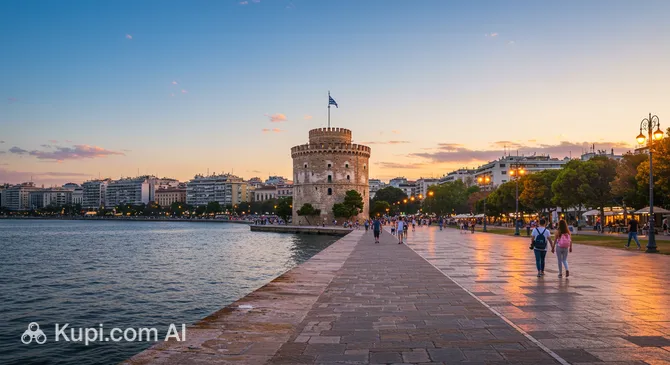
Thessaloniki. Source: Kupi.Binoculars

Located on the northern edge of the Thermaic Gulf, the city enjoys a strategic position that has made it a crossroads of civilizations for centuries. With a metropolitan population of over 800,000 residents, it is a bustling hub that still manages to feel intimate and walkable. The climate is typically Mediterranean, featuring hot summers and mild winters, making it a pleasant destination for travelers throughout the year.

The city's past is visible at every corner, from ancient Roman ruins to well-preserved Byzantine walls. To truly appreciate the layers of time here, visitors are encouraged to explore the history of Thessaloniki, which reveals a rich tapestry of Roman, Byzantine, and Ottoman influences. This deep heritage is recognized globally, with several of its Early Christian and Byzantine monuments designated as UNESCO World Heritage Sites.

Among the must-see attractions is the iconic White Tower, which stands as the symbol of the city on its expansive waterfront promenade. Visitors also love gathering at the majestic Aristotelous Square, which opens up to the sea and offers stunning views of Mount Olympus on clear days. For those seeking culinary delights, the historic Ladadika district is famous for its vibrant tavernas and nightlife.

Whether you are wandering through its colorful markets, admiring its architectural marvels, or simply enjoying a coffee by the sea, Thessaloniki promises an unforgettable experience. It is a city that never sleeps and always welcomes visitors with open arms and warm hospitality.
Weather Overview

Thessaloniki enjoys a varied climate that shifts distinctly between seasons, offering travelers a mix of hot summers and cool winters. To help plan your activities and packing list, it is helpful to review the current weather in Thessaloniki before your trip.

Summer brings the heat, particularly in July and August, where average temperatures hover around 27.3°C and daily highs frequently reach 32.7°C. These months are typically the driest, with only about 5 wet days on average, making them ideal for outdoor exploration and enjoying the waterfront. Conversely, winters are much cooler; January is typically the coldest month, featuring average temperatures of 5.6°C and lows dipping to 1.5°C.

Spring and autumn offer milder transitions, though visitors should be prepared for some rainfall, as March and November can see up to 11 wet days. Expect hot, dry summers perfect for sun-seekers, and cool winters with occasional rain showers.

Interesting Facts

Beyond the main attractions, Thessaloniki holds many fascinating secrets that reveal its deep historical layers and vibrant modern culture. From accidental culinary inventions to unique architectural distinctions, here are some intriguing details about the city.

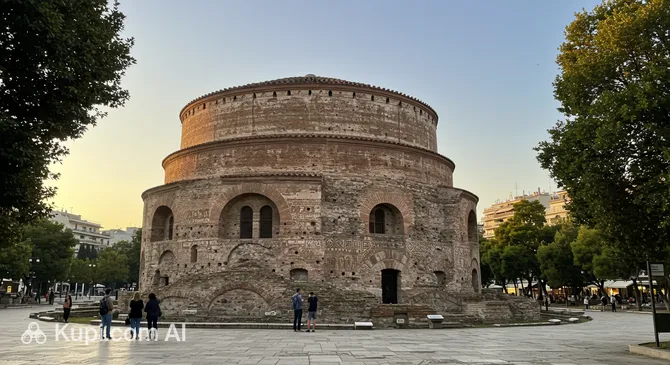
Rotunda of Galerius. Source: Kupi.Binoculars
  • The famous Greek iced coffee, the Frappé, was accidentally invented here in 1957. During the Thessaloniki International Fair, a representative mixed instant coffee with cold water in a shaker when hot water was unavailable, creating what would become the nation's favorite summer drink.

  • The Rotunda of Galerius stands as one of the oldest and most imposing religious sites in the city. Often compared to the Pantheon in Rome for its similar circular design and grand dome, this architectural marvel has a diverse history, having served as a Roman mausoleum, a Christian church, and a mosque over the centuries.

  • Modern history enthusiasts might be surprised to learn that Mustafa Kemal Atatürk, the founder of modern Turkey, was born in this city. His birthplace has been preserved as the Atatürk Museum, which offers a glimpse into his early life.

  • While ancient ruins dominate the landscape, the city also embraces contemporary art, most notably with the Umbrellas by Zongolopoulos. This striking steel installation on the waterfront creates a mesmerizing optical illusion of floating umbrellas and is a favorite spot for sunset photography.

How to Get There

Reaching the vibrant capital of Central Macedonia is relatively straightforward, thanks to its status as a major transportation hub in Northern Greece. Whether you are arriving by air or land, you have several convenient options to choose from. For detailed planning, you can read more about how to get to Thessaloniki and select the route that best suits your itinerary.

The primary entry point for most travelers is Thessaloniki International Airport (IATA: SKG), also known as "Makedonia" Airport. Located within the metropolitan area, it sits approximately 13.5 km from the city center. It is a large international hub serving millions of passengers annually. A transfer by taxi or bus to the heart of the city typically takes around 30 to 40 minutes.

Another option for travelers exploring the wider region is Kavala International Airport (IATA: KVA), situated in the city of Kavala. While it offers an alternative gateway to Northern Greece, it is located about 144.6 km away from Thessaloniki. Consequently, the journey by road from Kavala to Thessaloniki takes approximately 2 hours.

For clarity, here is a summary of the main airports:

Airport Name City Passenger Traffic Km from City
Thessaloniki International AirportThessalonikiLarge13.5
Skopje Alexander the Great AirportSkopjeMedium183.9
Skiathos AirportSkiathosSmall169.3
Kavala International AirportKavalaSmall144.6
Nea AnchialosVolosSmall158.2

For those preferring rail travel, the city is well-served by the Thessaloniki Railway Station. It is conveniently located just 1.4 km from the city center, making it an extremely accessible arrival point. The short trip from the station to downtown hotels or attractions usually takes about 5 to 10 minutes by taxi.

Here is the railway station information:

Station City Passenger Traffic Km to Center
Thessaloniki Railway StationThessaloniki1.4

Main Attractions

Exploring Thessaloniki offers a journey through time, where Byzantine churches sit alongside Roman ruins and vibrant modern districts. The city's rich history is woven into its streets, providing visitors with a diverse array of landmarks to discover. Here are some of the most significant attractions that define the character of this Macedonian metropolis.

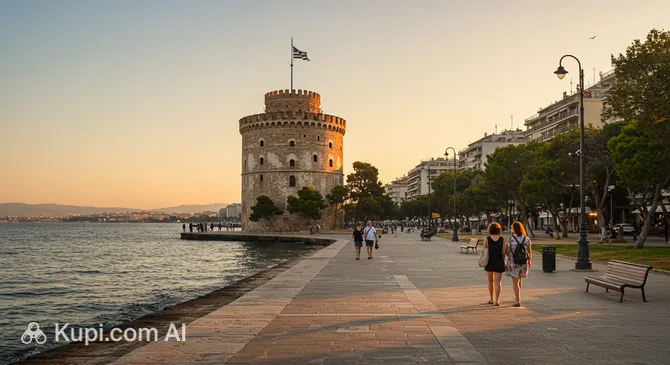
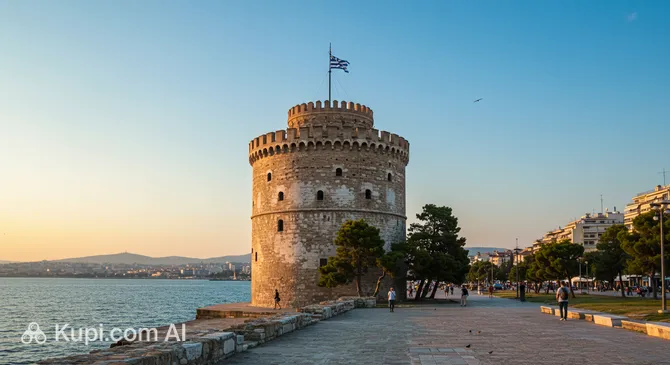
Standing proudly on the waterfront, the White Tower of Thessaloniki is the city's most recognizable symbol. Originally built by the Ottomans as a fortification and prison, it now houses a museum dedicated to the city's history. Visitors can climb the winding staircase to the top for a panoramic view of the Thermaic Gulf and the bustling promenade below, making it a perfect starting point for any tour.

White Tower of Thessaloniki. Source: Kupi.Binoculars

A short walk from the sea leads to the Arch of Galerius, locally known as "Kamara." This impressive Roman monument was constructed in the 4th century AD to celebrate Emperor Galerius's victory over the Persians. Its pillars are adorned with intricate marble reliefs depicting battle scenes, and it serves as a popular meeting point for locals and students in the heart of the city.

For a glimpse into the city's spiritual heritage, the Church of Saint Demetrios is an essential stop. Dedicated to the patron saint of Thessaloniki, this magnificent basilica is one of the most important pilgrimage sites in the Orthodox world. It is renowned for its stunning ancient mosaics and the atmospheric underground crypt, which was rediscovered after the great fire of 1917.

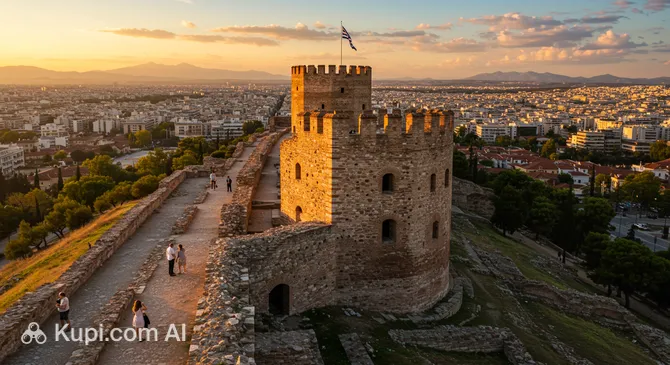
Rising above the city on the slopes of the upper town (Ano Poli) is the Heptapyrgion, also known by its Ottoman name, Yedi Kule. This Byzantine and Ottoman-era fortress served as a prison until the late 20th century. Today, it offers a fascinating look at military architecture and provides some of the most breathtaking sunset views over the city and the harbor.

Heptapyrgion. Source: Kupi.Binoculars

History enthusiasts should not miss the Archaeological Museum of Thessaloniki. It houses an extensive collection of artifacts from across Macedonia, including the exquisite gold wreaths and jewelry from ancient royal tombs. The museum offers a deep dive into the prehistoric, archaic, classical, and Roman periods of the region, showcasing the artistic and cultural achievements of the ancient Macedonians.

Local Cuisine

Thessaloniki is widely regarded as the gastronomic capital of Greece, offering a culinary scene that is as diverse as its history. The city's cuisine is a melting pot of flavors, heavily influenced by its Roman, Byzantine, Ottoman, and Jewish heritage. Locals take their food seriously, and dining out is a cherished daily ritual rather than just a special occasion.

One cannot talk about food here without mentioning Bougatsa. This phyllo pastry pie is a breakfast staple, typically filled with sweet semolina cream or savory cheese, and sometimes even minced meat. Another iconic street food is the Koulouri, a crunchy sesame-covered bread ring that you will find sold on almost every street corner. For a heartier meal, try Soutzoukakia Smyrneika, spicy oblong meatballs cooked in a rich tomato sauce, often served with rice or mashed potatoes.

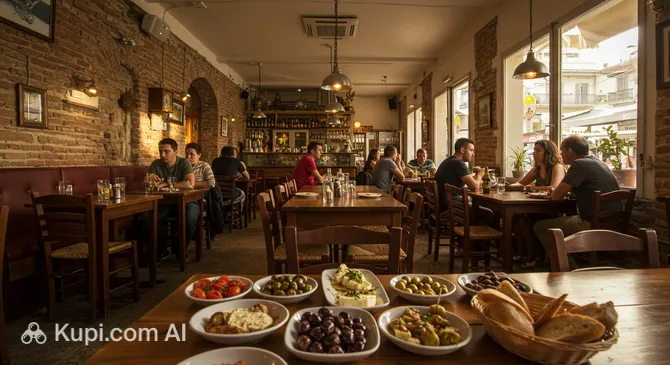
Rouga. Source: Kupi.Binoculars

The city is also famous for its sweets. The Trigona Panoramatos are golden, triangle-shaped phyllo pastries soaked in syrup and filled with rich custard cream—a treat that perfectly captures the local love for desserts.

When it comes to drinks, the culture of Tsipouro reigns supreme. Unlike in other parts of Greece where Ouzo is king, here locals prefer this strong pomace brandy, served in small bottles and always accompanied by mezedes—small plates of seafood, cheese, pickles, and spicy dips. It is the perfect way to socialize and enjoy the slow pace of life.

For those looking to experience the local vibe, the historic Ladadika district is packed with vibrant tavernas and eateries. If you are seeking a cozy spot with traditional decor and flavors, Rouga is a charming choice tucked away in the city center. Alternatively, for a sophisticated evening with a panoramic view of the Aristotelous Square and the sea, the Electra Palace Bar provides an unforgettable setting to enjoy a cocktail or a glass of local wine.

Travel Tips

Welcome to Thessaloniki, a city where ancient history meets a youthful, vibrant energy. To help you make the most of your stay in this laid-back metropolis, we have compiled a set of practical tips that cover everything from local customs to getting around with ease.

  1. Clothing and Gear: Pack according to the season; summers are hot and humid, requiring light, breathable fabrics, while winters can be damp and chilly, so a warm coat and layers are essential. Since the city center is best explored on foot, bring comfortable walking shoes to navigate the paved streets and waterfront promenade. If you plan to visit religious sites like the Church of Saint Demetrios, remember to dress modestly—shoulders and knees should be covered. Greece uses Type C and F plugs, so bring a universal adapter if your devices differ.
  2. Transportation: The city center is compact and walkable, making it easy to see many sights on foot. For longer distances, the public transport system, including buses and the metro, is reliable and affordable. Tickets for buses can be purchased at kiosks or vending machines (exact change required). Taxis are blue and easy to hail or book via apps like FREENOW. Unless you plan to explore the surrounding beaches of Halkidiki, a rental car is unnecessary within the city due to heavy traffic and limited parking.
  3. Finances: The official currency is the Euro (€). While credit and debit cards are widely accepted in hotels, shops, and restaurants, it is wise to carry some cash for small purchases at kiosks or local markets. ATMs are plentiful throughout the city. Tipping is not mandatory but is warm-heartedly received; leaving a small tip or rounding up the bill at tavernas and cafes is a common gesture of appreciation for good service.
  4. Health and Safety: Thessaloniki is generally a safe destination for tourists, but standard precautions against pickpocketing should be taken in crowded areas like Aristotelous Square. Pharmacies, marked by a green cross, are abundant; for after-hours needs, look for the list of "on-duty" pharmacies posted in their windows. Emergency medical assistance is available at local hospitals, and EU citizens should carry their EHIC card.
  5. Communication: The official language is Greek, but English is widely spoken, especially by younger people and those in the tourism industry. Learning a few basic words like "Kalimera" (Good morning) and "Efcharisto" (Thank you) will go a long way with the locals. Free Wi-Fi is available in most cafes and public spots, and prepaid SIM cards can be easily purchased at mobile stores in the city center with your passport.
  6. Local Etiquette: Greeks are known for their hospitality and relaxed pace of life, often summarized by the phrase "siga siga" (slowly, slowly). Do not be surprised if coffee breaks last for hours; it is a social ritual here. When greeting people, a firm handshake is standard, while close friends often exchange kisses on both cheeks. It is polite to say "Yassas" (Hello) when entering a shop or restaurant.
  7. What to Avoid: Be careful with hand gestures; specifically, avoid the "moutza"—extending your arm with an open palm and fingers spread towards someone—as it is considered a highly offensive insult. Also, try not to exhibit impatience with service in tavernas; the culture is laid-back, and rushing your meal is contrary to the local way of enjoying food and company.
  8. Shopping Hours: Keep in mind that shop opening hours can be varied. While large chains stay open all day, smaller local shops often close in the afternoon (around 2:30 PM to 5:30 PM) on Tuesdays, Thursdays, and Fridays for a siesta, and close early on Mondays, Wednesdays, and Saturdays. Most shops are closed on Sundays.

With these tips in hand, you are ready to immerse yourself in the authentic rhythm of Thessaloniki. Enjoy the delicious food, the stunning sunsets by the White Tower, and the warm hospitality that makes this city a favorite among travelers.

Entertainment & Nightlife

Entertainment and Nightlife:

Thessaloniki is famous throughout Greece for its vibrant nightlife and youthful energy, largely driven by its huge student population. The city truly comes alive after dark, offering everything from relaxed cocktail bars with sea views to underground clubs that stay open until sunrise. Unlike many other European cities where the streets empty out early, here the evening begins late, and the atmosphere remains buzzing well into the early morning hours.

The heart of the nightlife action is undoubtedly the Ladadika district. Once an olive oil marketplace, its pedestrianized cobblestone streets are now lined with colorful tavernas, bars, and clubs. It is the perfect place to start the evening with a meal and transition seamlessly into drinks and dancing. Just a short walk away, the Valaoritou area offers a more alternative and industrial vibe. This district is packed with hidden bars inside old commercial buildings, playing everything from electronic beats to indie rock.

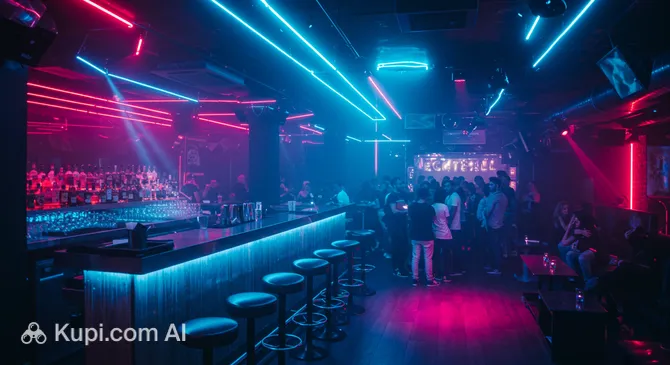
For those looking to experience the local club scene, Eightball in Ladadika is a legendary institution. Known for its themed disco parties and live rock concerts, it attracts a diverse crowd looking for a fun, unpretentious night out. If you prefer a more laid-back atmosphere to enjoy a pint, The Pub Thessaloniki offers a cozy environment with a wide selection of beers, perfect for socializing without the loud thumping music.

Eightball. Source: Kupi.Binoculars

Another excellent spot for an evening drink is Zen Garden, which provides a refreshing escape with its stylish decor and extensive cocktail menu. During the summer months, the nightlife expands to the waterfront and the rooftop bars along Nikis Avenue, where you can sip drinks while enjoying the cool sea breeze and views of the Thermaic Gulf.

Practical Tips for Night Owls:
Greeks eat and go out late. Bars typically start getting busy after 11:00 PM, and clubs often don't peak until 2:00 AM or 3:00 AM. The dress code is generally smart-casual; while some high-end clubs might require a polished look, most places in Valaoritou and Ladadika are relaxed and welcoming. Prices are reasonable compared to Western Europe, with beers costing around €4-€6 and cocktails €8-€12.

Safety and Transport:
Thessaloniki is safe for night walks, especially in the busy center and waterfront areas. However, it is always wise to stay on well-lit main streets. Taxis are plentiful and affordable; you can easily hail a blue taxi on the street or use an app like FREENOW to book a ride back to your hotel safely.

While the nights are for partying, the city also offers diverse daytime entertainment. Families and science enthusiasts should visit the NOESIS Science Center and Technology Museum, which features a planetarium and interactive exhibits. For those interested in shopping or catching a movie, the Mediterranean Cosmos is the largest shopping mall in Northern Greece, located just outside the city center, offering a vast array of shops, cinemas, and dining options.

Parks & Museums

While Thessaloniki is bustling with urban energy, it also offers serene green spaces and world-class cultural institutions that preserve its rich heritage. The city seamlessly blends its natural surroundings with a deep appreciation for history, providing visitors with plenty of opportunities to relax or dive into the past.

The crown jewel of the city's public spaces is the Thessaloniki Waterfront, particularly the "New Waterfront" area. This extensive promenade stretches for several kilometers and serves as the city's living room, where locals come to jog, cycle, or enjoy a leisurely evening stroll. It features a series of themed gardens, such as the Garden of Water and the Garden of the Afternoon Sun, offering distinct pockets of tranquility amidst the urban landscape.

Thessaloniki Waterfront. Source: Kupi.Binoculars

For a true escape into nature without leaving the metropolitan area, the Kalochori Lagoon is a hidden gem located just a short drive west of the city center. As part of the Axios Delta National Park, this protected wetland is a haven for birdwatchers and nature enthusiasts. It is frequently visited by flocks of flamingos and other migratory birds, offering a stunning contrast between the wild natural beauty and the industrial backdrop of the port.

Thessaloniki's museums are equally impressive, reflecting its status as a cultural crossroads. The Museum of Byzantine Culture is an award-winning institution that is essential for understanding the city's golden age. Through its well-curated collection of icons, jewelry, and architectural fragments, the museum tells the story of life in the Byzantine Empire, moving beyond just religious art to explore daily life and social structures.

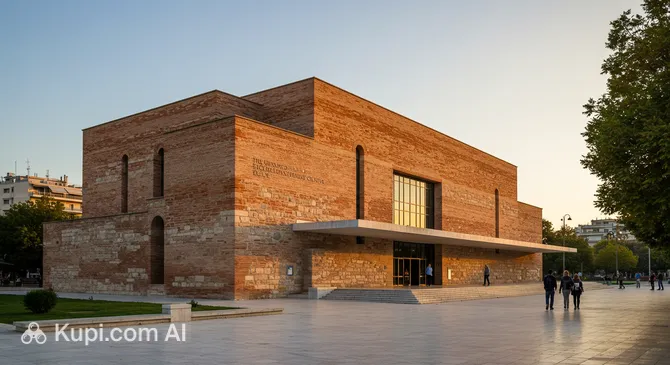
Museum of Byzantine Culture. Source: Kupi.Binoculars

Another significant institution is the War Museum of Thessaloniki, housed in a historic building near the university. It chronicles the modern military history of Greece, with a focus on the Balkan Wars and World War I and II. The collection includes rare uniforms, weapons, and medals, providing a poignant look at the conflicts that shaped the region in the 20th century.

Beyond the major museums, the city is dotted with architectural landmarks that tell their own stories. The Casa Bianca is a stunning example of eclectic architecture from the early 20th century. This beautifully restored mansion not only houses the Municipal Art Gallery but is also famous for the romantic and controversial love story of its original inhabitants, which captivated the city in its day.

For a unique perspective, trek up to the Upper Town (Ano Poli) to visit the Vlatadon Monastery. Founded in the 14th century, it is one of the few Byzantine monasteries still in operation today. The site offers a peaceful courtyard with peacocks and provides one of the most spectacular panoramic views over the city and the Thermaic Gulf, especially during sunset.

Getting Around

Navigating Thessaloniki has become significantly easier and more efficient with the integration of a comprehensive bus network and the recently inaugurated metro system. While the city center is compact and best explored on foot, the public transport system provides reliable connections for reaching the airport, the train station, and outlying districts. The primary bus operator, OASTH, manages a dense grid of routes that operate from early morning until late at night, ensuring that visitors can move around the city with ease.

The Thessaloniki Metro is the newest addition to the city's infrastructure and a major highlight for travelers. This driverless, automated system is not just a mode of transport but also a cultural experience; several stations function as mini-museums, displaying archaeological treasures that were unearthed during the subway's construction. It offers a fast and modern link between the New Railway Station and the southern areas of the city, significantly reducing travel time across the metropolis.

For payment, the system is designed to be affordable and user-friendly. A standard single ticket costs approximately €0.90, with discounted options available for students and seniors. Tourists can purchase tickets at street kiosks (periptera), ticket booths, and automated vending machines located at metro stations. There are also various travel cards and passes available for those planning multiple journeys, which offer better value than buying single tickets for every trip.

A crucial piece of advice for bus travelers involves purchasing tickets on board. While buses are equipped with vending machines, they accept coins only and do not give change. Therefore, it is essential to carry exact change if you plan to buy your ticket inside the vehicle. Once on board the bus or before entering the metro platforms, you must validate your ticket at the designated machines to avoid facing a steep fine.

If you prefer a more direct route, taxis are a popular and reasonably priced alternative. They are easily recognizable by their blue color with a white roof. You can hail them on the street, find them at designated ranks in busy squares, or book them via mobile apps like FREENOW, which is widely used in the city. For a scenic and leisurely way to get around, especially along the waterfront, bike rentals are available, allowing you to enjoy the sea breeze while moving between attractions.

Accommodation

Finding the perfect place to stay in Thessaloniki is relatively easy, as the city offers a wide spectrum of accommodation options to suit every preference and budget. From luxurious five-star hotels with sweeping sea views to charming boutique guesthouses and budget-friendly hostels, the hospitality sector here is well-developed and welcoming. Whether you are visiting for a short city break or a longer cultural exploration, you will find lodgings that cater to your needs.

The most popular area for tourists is undoubtedly the City Center. Staying here puts you within walking distance of the main shopping streets, the vibrant markets, and major historical sites. Specifically, the area around Aristotelous Square is highly sought after for its central location and lively atmosphere. Hotels in this district range from modern, high-end establishments to older, more affordable buildings that have been renovated to offer contemporary comforts.

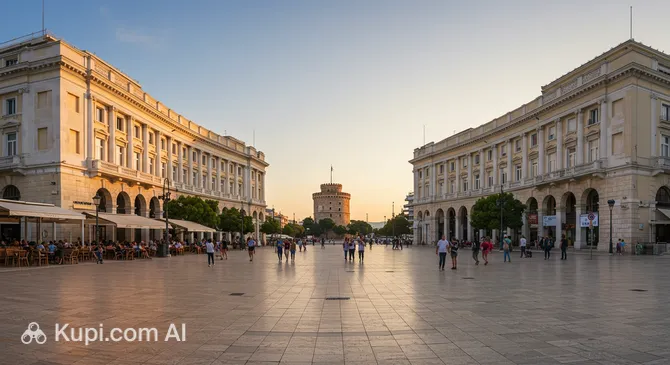
Aristotelous Square. Source: Kupi.Binoculars

For those interested in nightlife and gastronomy, the Ladadika district is an excellent choice. This historic neighborhood is packed with restaurants and bars, making it perfect for travelers who want to be in the heart of the action. Alternatively, visitors seeking a more romantic and traditional setting should consider Ano Poli (the Upper Town). The accommodation here often consists of smaller, family-run guesthouses and apartments that offer peace, quiet, and stunning panoramic views of the gulf, although the steep streets can be a challenge for some.

Travelers looking for luxury often flock to the Waterfront area, particularly along Nikis Avenue and Megalou Alexandrou Avenue. This strip is home to some of the city's most iconic and upscale hotels, offering premium amenities and unobstructed sunset views over the Thermaic Gulf.

Booking Tips and Prices:
Accommodation prices in Thessaloniki are generally reasonable compared to other major European destinations. You can find decent mid-range options for around €60–€100 per night, while luxury stays can go upwards of €150. Booking is typically done via major online platforms, which offer the best flexibility. However, it is highly influential to book in advance if you plan to visit during September, as the Thessaloniki International Fair attracts thousands of visitors, causing room rates to spike and availability to plummet.

Nearby Cities

For those looking to explore the surroundings, Thessaloniki serves as an excellent base for day trips to several interesting nearby locations:

City Population Distance (km)
Kalamaria912797
Evosmos746864
Thermi5320112
Stavroupoli460083
Oraiokastro3831710

While many of these locations are technically suburbs within the greater metropolitan area, they each possess a unique character worth exploring. Kalamaria is arguably the most popular destination for a short escape; situated along the coast, it is famous for its marina and the charming Aretsou district, which is lined with excellent seafood tavernas and cafes overlooking the sea. It offers a sophisticated, relaxed atmosphere just a few kilometers from the bustling city center.

For those seeking a breath of fresh air, Thermi offers a greener alternative. Located to the southeast, it is known for the Thermi Dam, a beautiful environmental park perfect for walking, picnicking, and enjoying nature. Meanwhile, Oraiokastro, perched on the foothills of Mount Chortiatis, provides a different perspective. Its elevated position offers cooler temperatures in the summer and stunning panoramic views of Thessaloniki and the Thermaic Gulf, making it a lovely spot for an evening visit.

These nearby destinations offer a glimpse into the diverse culture and landscapes of the region.

Shopping & Souvenirs

Thessaloniki offers a delightful shopping experience that perfectly combines the charm of traditional Greek markets with the convenience of modern retail. The city center is compact and walkable, allowing visitors to explore a wide variety of stores, from high-end international fashion houses to small, family-run boutiques selling unique local products.

The main commercial artery is Tsimiski Avenue, a bustling street lined with flagship stores of major global brands and department stores. Running parallel to it is Mitropoleos Street, which is the go-to destination for luxury shopping, featuring upscale boutiques and renowned Greek designers. For those seeking more affordable options and streetwear, Egnatia Street provides a vast array of shops. The area surrounding Aristotelous Square serves as a central hub connecting these districts, making it an ideal starting point for a shopping spree.

If you prefer an all-in-one shopping destination, the city boasts impressive malls. Mediterranean Cosmos, located just outside the city center near the airport, is the largest shopping center in Northern Greece, housing over 200 stores, cafes, and a cinema. Closer to the downtown area, One Salonica Outlet Mall is a favorite for bargain hunters, offering premium brands at significantly discounted prices in a modern, open-air setting.

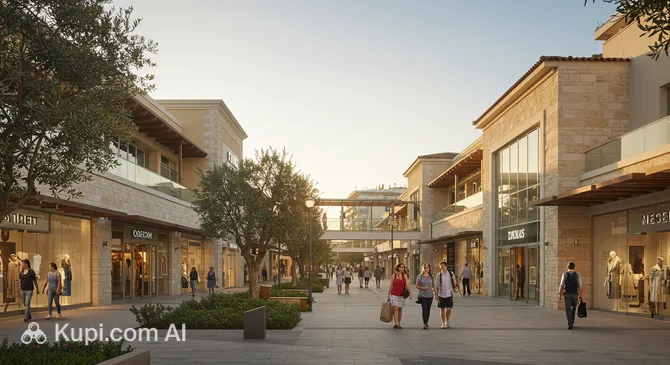
One Salonica Outlet Mall. Source: Kupi.Binoculars

For a taste of the local culture, a visit to the city's historic markets is a must. The Kapani and Modiano markets are vibrant, sensory-filled spaces located near Aristotelous Square. Here, locals shop for fresh produce, meat, and fish, but tourists will also find stalls selling spices, herbs, and traditional Greek products. These markets are the soul of the city's commerce and offer a glimpse into the everyday life of the residents.

When looking for souvenirs, Thessaloniki has plenty to offer. High-quality olive oil and olives are classic choices, as are local sweets like halva or packaged tsoureki. The city is also known for its handmade leather sandals and exquisite jewelry, often inspired by ancient Macedonian designs found in the local museums. Religious icons and ceramics also make for meaningful keepsakes.

Store opening hours in Thessaloniki can be a bit complex for first-time visitors. Generally, shops in the city center operate on a split schedule on Tuesdays, Thursdays, and Fridays (open roughly 9:00 AM to 2:00 PM and 5:00 PM to 9:00 PM) and a continuous morning schedule on Mondays, Wednesdays, and Saturdays (9:00 AM to 3:00 PM). However, large department stores, international chains, and shopping malls like Mediterranean Cosmos usually stay open continuously from 9:00 AM to 9:00 PM on weekdays and Saturdays. Most shops are closed on Sundays.

Travelers from outside the European Union should take advantage of the Tax-Free shopping available at many stores. Look for the "Tax Free" signage in shop windows, and be sure to ask for a refund form at the checkout if your purchase exceeds the minimum required amount. This allows you to claim a VAT refund at the airport upon your departure.

Reached the end of the page?

That means the route is fully explored