Support

Skyros

About

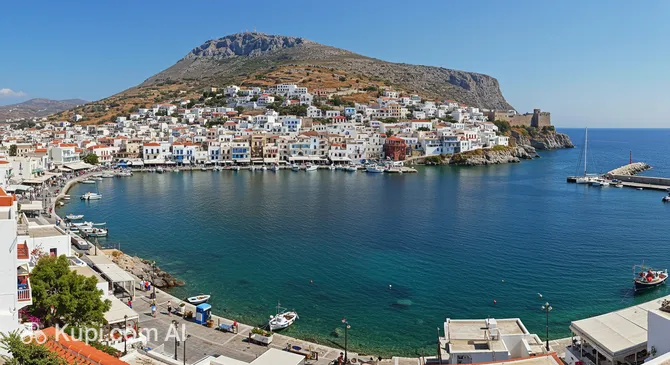
Skyros. Source: Kupi.Binoculars

Skyros is a captivating destination that stands out as the southernmost and largest island in the Sporades complex. Known for its distinct character, it seamlessly blends the lush pine forests typical of the Northern Sporades with the rocky, arid landscapes reminiscent of the Cyclades. Located in the Aegean Sea, this unique spot in Greece offers a tranquil atmosphere, making it a perfect retreat for travelers seeking authenticity away from the bustling crowds of more commercialized resorts.

The main settlement, often referred to as Chora, is built amphitheatrically on the slopes of a hill, offering stunning panoramic views. With a permanent population of approximately 3,000 residents, the area maintains a close-knit community feel while welcoming visitors with genuine hospitality. Those wishing to delve deeper into the local heritage should explore the history of Skyros, which is rich with mythological tales of Achilles and Theseus, as well as influences from Byzantine and Venetian rule.

Travelers are drawn to Skyros for its unique attractions, most notably the rare Skyrian ponies, an ancient breed of small horses that roam freely in certain parts of the island. The town is crowned by an impressive Venetian castle (Kastro) and the historic Monastery of Saint George, which watches over the white-washed houses below. Additionally, the island is famous for its vibrant carnival traditions and pristine beaches with crystal-clear waters.

Whether you are looking to wander through narrow, winding streets adorned with jasmine, hike through scenic trails, or simply relax by the sea, Skyros offers a memorable escape. Its combination of natural beauty, living tradition, and artistic flair makes it a must-visit destination for anyone exploring the Aegean.

Weather Overview

The climate in Skyros is typical of the Mediterranean, characterized by warm, dry summers and mild winters with more frequent rainfall. Before booking your trip, it is helpful to check the current weather in Skyros to ensure you pack the right clothing for the season. Generally, the island offers comfortable conditions for exploration year-round, though the atmosphere changes significantly between the peak tourist season and the quieter winter months.

Summer is the warmest time of year, with August reaching an average temperature of 25.5°C and highs up to 26.6°C. During this period, rainfall is practically non-existent, with months like July and August seeing almost zero precipitation and only one or two days with any moisture. This makes it an ideal time for beach activities and enjoying the outdoors without the worry of rain.

In contrast, the winter months bring cooler temperatures and wetter conditions. January is typically the coldest month, with an average temperature of 11.6°C and lows around 10.4°C. Precipitation becomes more common during this season; for instance, January sees about 13 wet days, while December follows closely with 12. Despite the increase in rainy days, the temperatures rarely drop to freezing, keeping the winters relatively mild compared to northern Europe.

Spring and autumn offer a pleasant balance, with temperatures rising to an average of 18.2°C in May and staying around 23.0°C in September. These transitional seasons see a gradual shift in rainfall, making them excellent times for hiking and sightseeing. Overall, you can expect warm, sunny summers perfect for swimming, and mild, damper winters suited for cozy cultural experiences.

Interesting Facts

Beyond the main attractions, Skyros holds many fascinating secrets and historical footnotes that add depth to its scenic beauty. This island is not merely a summer destination but a place where rare wildlife, ancient mythology, and unique cultural customs come together in surprising ways.

  • The island is the exclusive home of the Skyrian pony, one of the rarest and smallest horse breeds in the world. These miniature horses, which stand roughly a meter tall, have lived on the island for thousands of years and are thought by some historians to be the horses depicted on the ancient friezes of the Parthenon.

  • Skyros is deeply rooted in mythology as the hiding place of Achilles, the hero of the Trojan War. Legend has it that his mother, Thetis, disguised him as a girl and hid him among the daughters of King Lycomedes to prevent him from going to war, a ruse that lasted until Odysseus tricked him into revealing his identity.

  • The local carnival celebration involves a distinct and somewhat eerie tradition known as the "Geros" and "Korela." Men wander the streets wearing goat masks and carrying heavy sheep bells weighing up to 50 kilograms around their waists, creating a deafening rhythmic noise intended to ward off evil spirits.

  • A secluded olive grove in the southern part of the island serves as the final resting place of the famous English war poet Rupert Brooke. He died on a French hospital ship off the coast of Skyros during World War I, and his grave in Tris Boukes bay remains a pilgrimage site for literature enthusiasts visiting Greece.

How to Get There

Reaching the beautiful island of Skyros typically involves a combination of air and sea travel, depending on your starting point. For travelers planning their journey, understanding the available connections is essential for a smooth trip. You can find detailed information about routes and schedules by checking all ways to reach the city.

The most convenient entry point is Skyros Airport (IATA: SKU), located directly on the island. It is a regional airport situated approximately 9.6 km from the main town. The journey from the airport to the city center takes about 35 minutes by taxi or local transport. While it handles a relatively small volume of traffic, it provides vital direct connections, particularly from Athens and Thessaloniki.

For international travelers, the main gateway is Eleftherios Venizelos International Airport (IATA: ATH) in the city of Athens. This major international hub is located about 120.6 km from Skyros. Since Skyros is an island, arriving at Athens requires a subsequent transfer to a domestic flight or a journey to a port for a ferry connection. Another nearby option is Skiathos Airport (IATA: JSI) in Skiathos, roughly 96.7 km away, which serves the neighboring Sporades islands.

For clarity, here is a summary of the main airports:

Airport Name City Passenger Traffic Km from City
Eleftherios Venizelos International Airport Athens Large 120.6
Skiathos Airport Skiathos Medium 96.7
Chios Airport Chios Medium 150.7
Nea Anchialos Volos Small 157.2
Skyros Airport Skyros Small 9.6

The city of Skyros does not have a railway station, as it is an island destination. The closest major rail connection on the mainland is the Thessaloniki Railway Station in the city of Thessaloniki, which is about 238.5 km away from Skyros. Travelers opting for rail would need to travel to a port city and then continue their journey by ferry to reach the island.

Below is the information for the nearest railway station:

Station City Passenger Traffic Km to Center
Thessaloniki Railway Station Thessaloniki 238.5

Main Attractions

Skyros offers a fascinating blend of history, culture, and natural beauty, with attractions that reflect its unique position in the Aegean. From ancient fortifications to rich folklore collections, the island provides visitors with a deep dive into its storied past and vibrant traditions. Exploring these sites allows travelers to understand the distinct character that sets this destination apart from its neighbors.

The Kastro (Byzantine Castle) stands as the most iconic landmark of the island, perched precariously on a high rock overlooking the main town. Built on the site of the ancient acropolis to protect the inhabitants from pirate raids, this fortress showcases traces of both Byzantine and Venetian architecture. Tourists make the steep climb not only to touch the ancient stones but to enjoy breathtaking panoramic views of the white-washed houses of Chora cascading down the hillside and the endless blue of the sea beyond.

Located within the protective walls of the castle is the Monastery of Saint George, dedicated to the island's patron saint. Founded in the 10th century, this historic religious site is a spiritual center for the locals and a place of serenity for visitors. The monastery is renowned for its beautiful architecture and the miraculous icon of Saint George, which is carried in a procession during the saint's feast day. The site offers a peaceful retreat and a glimpse into the enduring religious traditions of the region.

For those interested in local culture, the Faltaits Museum is an absolute must-visit. Housed in an old mansion belonging to the Faltaits family, it is one of the most important folklore museums in Greece. The museum displays a vast collection of traditional costumes, embroidery, rare books, and ceramics that narrate the history and daily life of the islanders over the centuries. It provides a colorful and intimate look at the artistic heritage that has flourished here.

History enthusiasts will also appreciate the Archaeological Site of Palamari, located on the northeastern coast. This settlement dates back to the Bronze Age and was a significant trading post in the prehistoric Aegean. Excavations have revealed well-preserved fortifications, roads, and buildings that offer valuable insights into early civilization. Walking through the ruins by the sea allows visitors to imagine life as it was thousands of years ago.

Finally, the Archaeological Museum of Skyros in the main town complements the outdoor sites perfectly. It houses artifacts discovered across the island, including pottery, jewelry, and statues from the geometric to the Roman periods. One of its highlights is a recreated section of a traditional Skyrian house, which helps contextualize how the ancient objects were part of everyday existence. It is an excellent stop for anyone wishing to piece together the island's long and complex timeline.

Local Cuisine

The local cuisine of Skyros is a delicious reflection of the island's dual character, perfectly balancing fresh treasures from the Aegean Sea with hearty, pastoral flavors from its mountainous terrain. Unlike the more tourist-heavy islands, the food scene here remains deeply authentic, relying on seasonal ingredients, family recipes passed down through generations, and a "farm-to-table" philosophy that has existed long before it became a trend.

One of the most famous dishes you must try is astakomakaronada, or lobster pasta. Thanks to the abundance of lobsters in the surrounding waters, this luxurious dish is a staple in Skyros and is often more affordable here than in other parts of Greece. Served in large platters with a rich tomato sauce, it is a culinary highlight for any seafood lover. For those who prefer meat, the island is equally renowned for its goat dishes (katsikaki), which are typically slow-cooked in a lemon sauce (lemonato) or braised in tomato sauce until the meat is tender and falls off the bone.

Another gastronomic trademark of the island is the Skyrian ladopita. This savory treat consists of fluffy, fried dough made with olive oil, traditionally served with a generous topping of xigalo, a local soft white cheese with a creamy texture and slightly sour taste. It can be eaten as a breakfast item, a starter, or even a light meal. The island produces excellent cheeses in general, including a spicy graviera and fresh myzithra, which accompany almost every meal.

When it comes to drinks, the locals enjoy their own regional wine, which has been produced on the island since ancient times. You will also find plenty of tsipouro and ouzo, usually served with a small plate of "meze"—appetizers like fava (split pea puree), marinated anchovies, or local olives. These spirits are best enjoyed slowly, sipping them while engaging in conversation as the sun sets.

The food culture in Skyros revolves around relaxed, unhurried dining. Most locals and tourists gather in traditional tavernas found in the main town of Chora or along the seaside villages like Magazia and Molos. These eateries are often family-run, offering a warm, welcoming atmosphere where the owner might personally recommend the day's specials. Whether you are sitting by the waves or tucked away in a cobblestone alley, dining here is as much about the company and the setting as it is about the flavorful food.

Travel Tips

Planning a trip to Skyros is the start of a wonderful adventure, but a little preparation goes a long way in ensuring your island getaway is as relaxing as possible. To help you navigate the local customs and logistics with ease, here are some practical tips designed to make your stay smooth and enjoyable.

  1. Clothing and Gear: Since Skyros has a mix of sandy beaches and rocky terrain, pack versatile clothing. Bring breathable fabrics and swimwear for the day, but carry a light jacket or sweater for the evenings, especially if the Meltemi wind is blowing. Most importantly, wear sturdy walking shoes; the main town, Chora, is built on a steep hill with slippery cobblestone streets that are unsuitable for high heels or flip-flops. If you plan to visit the Monastery of Saint George, remember to dress modestly (covering shoulders and knees).
  2. Transportation: While there is a local bus service connecting the port (Linaria), the main town (Chora), and popular beaches like Magazia and Molos, schedules can be infrequent. To truly explore the island’s hidden coves and pine forests, renting a car is highly recommended. Taxis are available but limited in number, so booking them in advance during peak season is wise.
  3. Finances: The currency used is the Euro (€). While most hotels, restaurants, and shops in Chora accept credit and debit cards, smaller tavernas or kiosks in remote villages may prefer cash. There are ATMs located in Chora and at the port of Linaria. It is a good idea to carry some small bills for tips and minor purchases. Tipping is not mandatory but is customary; leaving a modest amount (5-10%) or rounding up the bill is appreciated.
  4. Health and Safety: Skyros is a very safe destination with low crime rates. There is a health center in Chora for medical emergencies and pharmacies that operate during standard shop hours (with rotating duty schedules for nights/weekends). The tap water is generally safe for hygiene, but many visitors prefer drinking bottled water due to the mineral content. Don't forget high-SPF sunscreen and a hat, as the Greek sun can be intense.
  5. Communication: The official language is Greek. In tourist areas, English is widely understood and spoken, especially by younger locals and hospitality staff. However, learning a few basic Greek phrases like "Kalimera" (Good morning) and "Efcharisto" (Thank you) will go a long way in earning smiles from the locals. Wi-Fi is standard in most accommodations and cafes, and mobile signal is generally good across the island.
  6. Local Etiquette: Greeks are known for their hospitality (philoxenia). Greetings are warm, often involving a handshake or a friendly nod. Be mindful of the "siesta" hours (mesimeri), typically between 3:00 PM and 5:30 PM. During this time, shops may close, and noise should be kept to a minimum in residential areas to respect the locals' rest.
  7. What to Avoid: Do not enter churches or monasteries wearing beachwear; it is considered disrespectful. Also, avoid climbing on the walls of the Venetian castle or ancient ruins. These structures are fragile and historic, so it is important to treat them with care to preserve them for future generations.
  8. Shopping Tip: Skyros is famous for its intricate woodcarvings and colorful ceramics. If you are looking for a souvenir, visit the small workshops in the narrow alleys of Chora. Buying directly from local artisans not only guarantees you an authentic piece of art but also supports the island's traditional economy.

By keeping these simple suggestions in mind, you will be well-equipped to embrace the laid-back rhythm of island life. Skyros is a place that rewards those who take the time to respect its traditions and explore its corners, promising you an unforgettable travel experience.

Entertainment & Nightlife

Nightlife in Skyros is distinctively atmospheric, favoring relaxed evenings over wild partying. Unlike the intense clubbing scenes of other Greek islands, the entertainment here is characterized by stylish lounge bars, scenic terraces, and a laid-back "island chic" vibe. The heart of the action beats in Chora (the main town), where the narrow, cobblestone streets come alive after sunset with the sounds of jazz, rock, and Greek music echoing from cozy venues tucked away in the traditional architecture.

The primary district for evening entertainment centers around the main square of Chora and the winding path leading up to the Venetian Castle. Here, you will find a cluster of bars that transform from quiet cafes during the day into vibrant nightspots. The crowd is typically a mix of locals and visitors who enjoy sipping cocktails while admiring the illuminated monastery above or the moonlit Aegean Sea below. For a different setting, the port area of Linaria offers a unique experience, while the coastal strip of Magazia provides breezy beach bars perfect for warm summer nights.

One of the most iconic venues on the island is the Kavos Bar in Linaria. Perched high on the rocks overlooking the harbor, it is famous for its dramatic tradition of playing Richard Strauss's "Also Sprach Zarathustra" at full volume whenever the ferry boat enters the port, often accompanied by sparklers. In Chora, Agora is a favorite among those seeking a sophisticated atmosphere; located just off the main square, it offers excellent cocktails and a stunning view of the town. For jazz and blues enthusiasts, Kalypso provides a historic and intimate setting that has been a staple of Skyrian nightlife for decades.

Most bars and nightspots begin to fill up around 10:00 PM or 11:00 PM, with the energy peaking well after midnight. There is generally no strict dress code, though a smart-casual look fits well with the stylish yet unpretentious environment. Prices are reasonable compared to more commercialized islands, with cocktails typically ranging from 8 to 12 euros. Since Chora is pedestrian-only, getting around at night involves walking through the village's steep alleys. If you are staying in Magazia or Molos, a taxi is the best option to return home, but be aware that the fleet is small, so you might need to wait or book in advance.

Skyros is an exceptionally safe destination, and walking alone at night in the main town or well-lit coastal areas is considered secure. The close-knit community ensures a welcoming environment for tourists. However, the stone streets in Chora can be slippery and uneven, so comfortable footwear is highly recommended for night walks. If you need transportation late at night, calling a local radio taxi is the most reliable method.

While the nights are enchanting, daytime entertainment in Skyros offers its own cultural richness. Visitors can explore the island's history at the Archaeological Museum or the Faltaits Folklore Museum, both located in Chora. For nature lovers, the days are best spent on the sandy stretches of Magazia or hiking the trails of the southern mountain, Kochylas, before settling in for a long, leisurely evening under the stars.

Parks & Museums

Skyros offers a compelling mix of natural splendor and deep-rooted cultural heritage, making it a destination where history and landscape are inextricably linked. From the scent of pine forests meeting the sea to the quiet halls of museums preserving centuries of tradition, the island invites visitors to explore its green spaces and artistic treasures at a leisurely pace.

Mount Kochylas serves as the island's most significant natural reserve, dominating the southern part of Skyros. This rugged, Natura 2000 protected area is a stark contrast to the verdant north, offering a sanctuary for the island's unique biodiversity. It is the primary habitat of the famous Skyrian ponies and home to rare flora like the native maple Acer sempervirens. Hiking trails here wind through dramatic rocky terrain, offering breathtaking views of the Aegean and the chance to spot Eleonora's falcons soaring above the cliffs.

In the northern part of the island, the Pine Forests of Atsitsa function as a vast, open-air natural park. Here, dense pine trees grow all the way down to the water's edge, creating a landscape of intense greens and blues. It is an ideal area for nature walks, meditation, and swimming in secluded coves shaded by the canopy. The tranquility of this area makes it a favorite for those seeking to disconnect and immerse themselves in the untouched beauty of the Sporades.

For a touch of greenery within the main town, Rupert Brooke Square offers a landscaped terrace dedicated to the English poet. Located at the edge of Chora, the square features the bronze statue of "Immortal Poetry" and provides one of the most photographed vantage points on the island. It is a peaceful spot to sit among the trees, enjoy the sea breeze, and gaze out over the endless blue horizon and the scattered islets below.

The Faltaits Folklore Museum is a cultural jewel of Skyros, housed in the historic mansion of the Faltaits family. As one of the first local historical-folklore museums in Greece, it goes beyond a simple display of objects. Visitors can explore rooms filled with intricate embroidery, rare books, and traditional costumes that tell the story of the island's social evolution. The museum's courtyard, often used for cultural events, adds to the atmospheric experience of stepping back in time.

Just a short walk away, the Archaeological Museum of Skyros provides a structured look at the island's ancient past. The collection focuses heavily on findings from the prehistoric settlement of Palamari and the geometric period cemeteries. Highlights include pottery with distinct local patterns and ancient jewelry, offering a clear narrative of how Skyros served as a pivotal maritime crossroad in antiquity. The museum is compact but curated with care, making it accessible and engaging for all ages.

Among the historical landmarks, the Prehistoric Settlement of Palamari is a site of immense importance. Located on the northeastern coast, this fortified Bronze Age town reveals the sophisticated urban planning of early Aegean civilizations. Visitors can walk along the excavated streets and see the foundations of buildings and defensive walls that have withstood the elements for millennia, all set against a dramatic coastal backdrop.

For a truly authentic experience, seek out the Skyrian Pony farms or controlled breeding centers. While seeing them in the wild on Mount Kochylas is a matter of luck, visiting a local farm allows you to observe these rare, miniature horses up close and learn about the conservation efforts to save this ancient breed from extinction.
Getting Around

Public transport in Skyros is relatively limited, reflecting the island's laid-back character and small size. The primary mode of shared transportation is the local bus service (KTEL), which connects the main hubs of the island. There is no metro, tram, or rail network here. For most visitors, the bus serves as a convenient link between the port of Linaria, the main town of Chora, and the popular coastal areas of Magazia and Molos.

The payment system for the bus is straightforward and traditional. There are no electronic travel cards or mobile apps for ticketing. Passengers typically purchase tickets directly from the driver upon boarding. It is essential to carry cash, specifically small bills or coins, as credit cards are rarely accepted on board. Ticket prices are quite affordable, usually ranging between 1.60 and 2.50 euros depending on the distance of the journey.

For tourists, the most important piece of advice is to familiarize yourself with the bus schedule immediately upon arrival. Timetables are seasonal; during the summer months, services are frequent to accommodate the influx of visitors, often coordinated with the arrival and departure of ferries at the port. However, in the off-season or shoulder months, buses may run only a few times a day. Schedules are typically posted at the central bus stops in Chora and the port, as well as at some hotels.

Taxis provide a reliable alternative to buses, especially if you are traveling with heavy luggage or arriving at odd hours. You can find the main taxi rank in the central square of Chora. Since the fleet on the island is small, it is highly recommended to book a ride by phone in advance, particularly during July and August. Fares are generally reasonable, and while some drivers use meters, fixed rates often apply for standard routes like the airport transfer or the trip from the port to the town.

Given the limitations of the public network, many travelers opt for private transportation to explore the island's hidden gems at their own pace. Car and motorbike rental agencies are available in Linaria and Chora. Renting a vehicle is often the best choice for reaching secluded beaches or the mountainous southern region, which are not serviced by the bus. Bicycle rentals are also an option for short distances, though the hilly terrain of the main town can be challenging for casual cyclists.

Accommodation

Accommodation in Skyros is characterized by its authentic charm and traditional hospitality, offering a refreshing alternative to the mass tourism found on other Greek islands. Instead of sprawling all-inclusive resorts, visitors will mostly find family-run hotels, cozy apartments, and studios that blend seamlessly with the local architecture. The options range from budget-friendly rooms to stylish boutique hotels, ensuring a comfortable stay that reflects the island's laid-back atmosphere.

The most popular area to stay is undoubtedly Chora, the main town. Staying here places you in the heart of the island's culture, surrounded by winding alleys, shops, and tavernas. However, travelers should be aware that Chora is built on a steep hill and is pedestrian-only, meaning many accommodations require walking up and down stairs. For those who prefer direct access to the sea and a flatter terrain, the coastal settlements of Magazia and Molos are excellent choices. Located just below Chora, these areas offer beachfront properties and are particularly convenient for families and sunseekers.

For a quieter experience closer to nature, the northern part of the island, such as the area of Atsitsa, offers peaceful retreats nestled among pine forests and secluded coves. The port area of Linaria is another option, providing easy access to boat trips and a lively, yet relaxed, waterfront vibe. Regardless of where you choose to base yourself, the distances on the island are relatively short, making it easy to explore different regions.

When planning your trip, it is highly recommended to book your accommodation well in advance, especially if you are visiting during July and August. These months constitute the peak season, and with a limited number of beds available compared to larger islands, the best spots tend to fill up quickly. Prices in Skyros are generally reasonable and offer good value for money, typically falling into the budget to mid-range categories, though costs can rise during the high summer weeks. While many properties are listed on major online booking platforms, some smaller, traditional guesthouses may still operate via direct booking or phone reservations.

Nearby Cities

For those looking to explore the surroundings, Skyros serves as an excellent base for day trips to several interesting nearby locations. While the island itself offers plenty of seclusion, the connection to the mainland and the island of Euboea allows travelers to visit vibrant urban centers and historic sites. A short journey can transport you from the quiet Aegean atmosphere to bustling towns rich in culture and modern amenities.

One of the most prominent nearby destinations is Chalcis, the capital of Euboea. This city is famous for the unique tidal phenomenon of the Euripus Strait, where the sea water changes direction every six hours. Visitors can enjoy a coffee along the lively waterfront promenade, admire the old bridge, or climb up to the Karababa Castle for a panoramic view of the bay. It offers a perfect mix of history, seaside charm, and urban energy.

For those willing to venture further towards the Attica region, suburbs like Chalandri and Marousi present a different side of Greece. Chalandri is renowned for its vibrant market, pedestrian streets, and excellent dining scene, making it a popular spot for shopping and leisure. Marousi, a major business hub, is home to large shopping malls and the Olympic Athletic Center of Athens, offering modern attractions for a day of exploration.

City Population Distance (km)
Acharnes 108130 116
Chalandri 74192 119
Marousi 72333 116
Agia Paraskevi 62717 119
Chalcis 59125 95

These nearby destinations offer a glimpse into the diverse culture and landscapes of the region, ranging from coastal geological marvels to the dynamic rhythm of mainland city life.

Shopping & Souvenirs

Shopping in Skyros is a delightful journey into tradition rather than a hunt for international fashion brands or mass-produced goods. The island is renowned for its rich artistic heritage, and the local market reflects this deep connection to craftsmanship. Visitors will find that the shopping experience here is intimate and authentic, focused primarily on handmade art, unique decorative items, and high-quality local produce. It is the perfect place to find treasures that carry the soul of the Aegean.

The heart of the island's commercial life beats in the main town, Chora. The primary shopping district is effectively the main cobblestone street, often referred to as the "Agora," which winds its way through the village. As you stroll from the lower squares up towards the castle, you will pass by numerous small boutiques, workshops, and family-owned stores. This pedestrian-friendly area allows you to browse at a leisurely pace, surrounded by the charm of white-washed houses and jasmine-covered balconies.

Travelers accustomed to large commercial complexes should be aware that there are no shopping malls or department stores on the island. Skyros has maintained its traditional architectural character, which does not support large-scale retail developments. Instead, the retail scene is composed entirely of independent shopkeepers, ensuring that every purchase supports the local economy and often comes with a personal story from the owner.

While there is no massive central market hall, the island is dotted with small grocery stores and local purveyors that act as a distributed market for food lovers. In Chora and the port of Linaria, you can find shops dedicated to local gastronomy. These are the best places to discover the flavors of the island, from fresh herbs collected in the mountains to the catch of the day brought in by local fishermen.

When it comes to souvenirs, Skyros is famous across Greece for its exquisite woodcarving and ceramics. The Skyrian furniture, particularly the miniature carved chairs with woven seats, is a trademark of the island and makes for a distinct, albeit bulky, keepsake. Equally prized are the colorful ceramics, plates, and jugs adorned with intricate floral and bird motifs. For easier-to-carry gifts, look for jars of local thyme honey, traditional embroidery, or the savory local cheese known as kefalograviera.

Store opening hours in Skyros generally follow the traditional Greek island schedule. Shops typically open around 9:00 AM and stay open until about 1:30 PM or 2:00 PM. They then close for the afternoon "siesta" and reopen in the evening, usually from 5:30 PM until late at night, especially during the summer season. Regarding payment, while major credit and debit cards are widely accepted in most boutiques in Chora, it is advisable to carry some cash for smaller purchases in grocery stores or kiosks.

For visitors from outside the European Union, the standard Tax-Free shopping schemes applicable in Greece may theoretically apply. However, due to the small size of most local businesses, not all shops participate in the VAT refund program. If you are planning a significant purchase, such as a piece of furniture or expensive artwork, it is best to ask the shopkeeper beforehand if they can provide the necessary documentation for a tax refund at the airport.

Reached the end of the page?

That means the route is fully explored