Support

Sparta

About

Few names in the world evoke such a powerful sense of legend and heroism as Sparta. Known globally for its ancient military prowess and the distinct discipline of its warriors, the modern city is a fascinating destination that rests upon the very site of its illustrious ancestor. Located in the southeastern part of the Peloponnese peninsula in Greece, Sparta sits peacefully in the fertile valley of the Eurotas River, guarded by the imposing peaks of Mount Taygetos.

Sparta. Source: Kupi.Binoculars

Today, Sparta is a welcoming city with a population of approximately 16,000 residents, offering a relaxed atmosphere that contrasts with its fierce reputation of old. While the modern urban plan dates back to the 19th century, the area is steeped in the past. Visitors eager to understand the legacy of this unique city-state can explore the profound history of Sparta through various monuments and sites scattered throughout the region. The city serves as an excellent bridge between the mythical past and contemporary Greek life.

Travelers should not miss the chance to stand before the iconic Statue of Leonidas, which honors the legendary king and his 300 warriors. For a deeper dive into local culture, the Archaeological Museum of Sparta houses rare artifacts from the ancient sanctuaries, while the Museum of the Olive and Greek Olive Oil offers a unique insight into the region's agricultural heritage. Whether you are a history buff or a nature lover, Sparta provides a compelling reason to explore the heart of Laconia.

Weather Overview

Sparta experiences a climate with marked contrasts between the seasons, featuring hot, dry summers and cool winters with frequent rainfall. To help you plan your visit effectively, you can review the current weather in Sparta for more specific details.

The summer months of July and August are the warmest, with average temperatures around 25°C and highs climbing to nearly 31°C. Rainfall is scarce during this time, with only about 3 to 5 wet days recorded per month, ensuring plenty of sunshine for exploring the outdoors.

Winters are much cooler, particularly in January, when the average temperature drops to 6.1°C and nightly lows can reach 2.0°C. This season is also the dampest in terms of frequency, with December and January seeing precipitation spread across roughly 14 days each month, so packing warm layers and rain gear is recommended.

Interesting Facts

Beyond the well-known legends of battle and heroism, Sparta holds many fascinating secrets that reveal a complex history extending far beyond its warrior reputation.
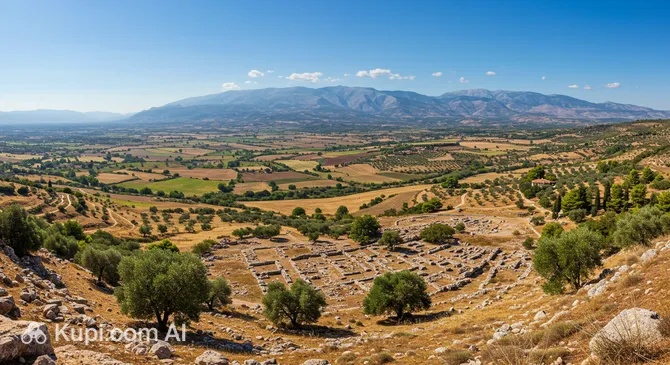
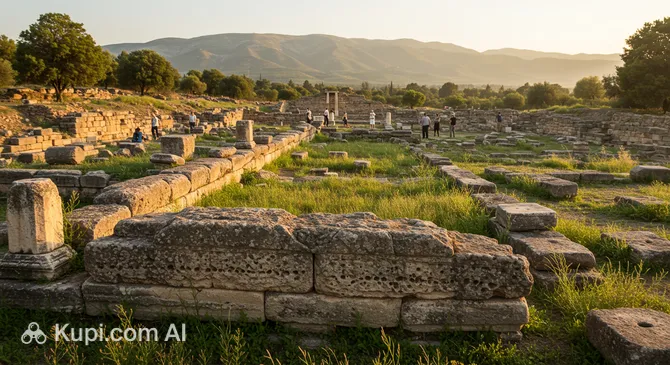
Archaeological Site of Sparta. Source: Kupi.Binoculars
  • Unlike most ancient Greek city-states, Sparta famously possessed no defensive walls for centuries. The Spartans proudly maintained that their city was protected not by stone fortifications, but by the bravery and shields of its warriors, often referred to as "walls of men."

  • The modern city is actually a relatively recent creation, established in 1834 by King Otto of Greece. It was meticulously planned with wide boulevards and open squares, built directly adjacent to the Archaeological Site of Sparta to revive the glory of the ancient location.

  • Spartan women enjoyed a level of freedom and status that was unique in the ancient world. Unlike their counterparts in Athens, they were educated, allowed to own land, and encouraged to participate in sports, playing a crucial role in the management of the city-state's economy.

  • The region of Laconia is historically one of the most significant areas for olive cultivation. This deep agricultural heritage is celebrated at the Museum of the Olive and Greek Olive Oil, which displays fossilized olive leaves dating back tens of thousands of years.

How to Get There

Reaching this historic destination is a journey through the scenic landscapes of the Peloponnese. While the city itself does not have its own airport, it is well-connected to the rest of the country via nearby transport hubs. For a complete overview of all travel options and routes, you can read the detailed guide on how to get to Sparta.

The most convenient option for many travelers is Kalamata Airport (KLX), located in the city of Kalamata, which is the closest air hub to Sparta. The distance is approximately 36 km, and the transfer by taxi or rental car typically takes around 1 hour and 15 minutes, offering beautiful views as you cross the mountain range. Although it is a smaller airport, it handles a significant number of seasonal flights during the summer months.

For those arriving from further afield, Eleftherios Venizelos International Airport (ATH) in Athens is the primary gateway. Located about 165 km from Sparta, this major international hub connects Greece with the rest of the world. From the airport, travelers can rent a car or take a bus; the drive to Sparta via the modern highway generally takes between 2.5 to 3 hours.

For clarity, here is a summary of the main airports:

Airport Name City Passenger Traffic Km from City
Eleftherios Venizelos International Airport Athens Large 164.5
Zakynthos Airport Zakynthos Medium 156.1
Kalamata Airport Kalamata Medium 36.0
Araxos Airport Patras Small 148.8
Kithira Airport Kythira Small 103.1

Sparta does not have a railway station, so the final leg of your journey will likely be by road. The KTEL bus network provides reliable and frequent connections from Athens and other major cities in the Peloponnese. Driving is also a popular choice, allowing visitors the flexibility to explore the stunning Laconian countryside at their own pace.

Main Attractions

Sparta offers a compelling mix of historical landmarks and cultural institutions that bring its legendary past to life. From heroic monuments to fascinating museums, the city invites visitors to explore the legacy of one of the most powerful city-states in ancient Greece.

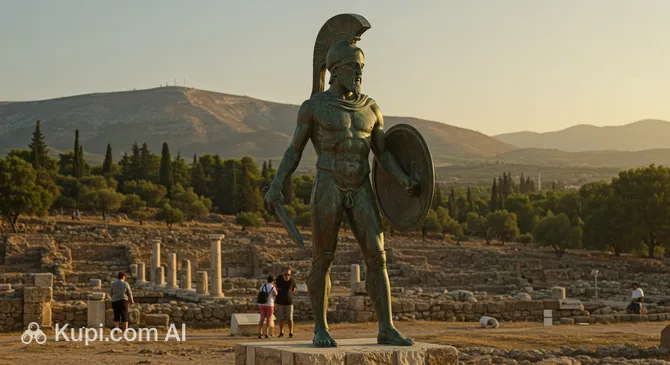
Standing proudly at the northern end of the city's main avenue, the Statue of Leonidas is the most iconic symbol of modern Sparta. This imposing bronze monument depicts the legendary King Leonidas I in a defensive stance, commemorating his heroic sacrifice at the Battle of Thermopylae. It is a must-visit spot for photo opportunities, especially for those wishing to pay tribute to the warrior spirit that defines the city's history.

Statue of Leonidas. Source: Kupi.Binoculars

Just a short walk from the statue lies the Archaeological Site of Sparta, nestled amidst olive groves with the Taygetos mountains as a dramatic backdrop. Unlike other grand ancient cities, this site is atmospheric and serene, featuring the remains of the ancient theater, the Sanctuary of Athena Chalkioikos, and the circular building known as the Skias. Exploring these ruins offers a tangible connection to the daily life and religious practices of the ancient Spartans.

For a closer look at the artifacts unearthed from the region, the Archaeological Museum of Sparta is an essential stop. Housed in a historic neoclassical building, the museum displays thousands of finds ranging from the Neolithic to the Roman period. The highlight for many is the famous marble bust of a helmeted hoplite, widely believed to depict King Leonidas, along with intricate votive masks from the Sanctuary of Artemis Orthia.

Archaeological Museum of Sparta. Source: Kupi.Binoculars

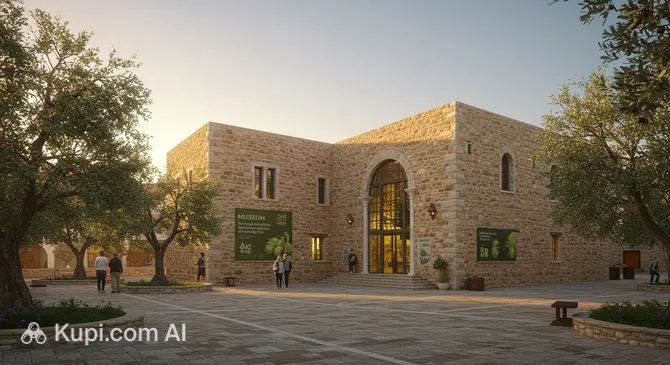
To understand the agricultural heart of Laconia, visitors should explore the Museum of the Olive and Greek Olive Oil. This modern and beautifully designed facility takes you on a journey through the history of olive cultivation and oil production in the Mediterranean. It features working models of ancient olive presses and rare fossilized olive leaves, explaining how this "liquid gold" has shaped Greek culture and economy for millennia.

Museum of the Olive and Greek Olive Oil. Source: Kupi.Binoculars

Local Cuisine

The culinary landscape of Sparta is deeply rooted in the agricultural abundance of the Laconia region, offering a taste of Greece that is both rustic and refined. The local cuisine relies heavily on high-quality ingredients produced in the surrounding fertile valley, particularly the world-renowned olive oil, fresh citrus fruits, and locally raised meats. Dining here is not just about sustenance; it is a celebration of tradition and the rich flavors of the Peloponnese.

One of the most distinctive local specialties you must try is syglino, a type of salted and smoked pork that is cured with aromatic herbs like sage. It is often served as a "meze" (appetizer) or cooked into omelets. Another favorite comfort food is kayianas, a simple yet delicious dish made of scrambled eggs cooked with fresh grated tomatoes and feta cheese, often accompanied by crusty village bread. For those with a sweet tooth, the region is famous for its oranges, so be sure to try traditional spoon sweets made from citrus fruits or the local diples, crispy fried dough rolls drenched in honey and walnuts.

When it comes to beverages, the locals take pride in their regional wines, which have been produced in Laconia since ancient times. However, the most popular social drink is undoubtedly tsipouro, a strong distilled spirit often enjoyed with small plates of food. For a non-alcoholic option, nothing beats a glass of freshly squeezed orange juice, as the valley around Sparta is one of the largest producers of oranges in Greece.

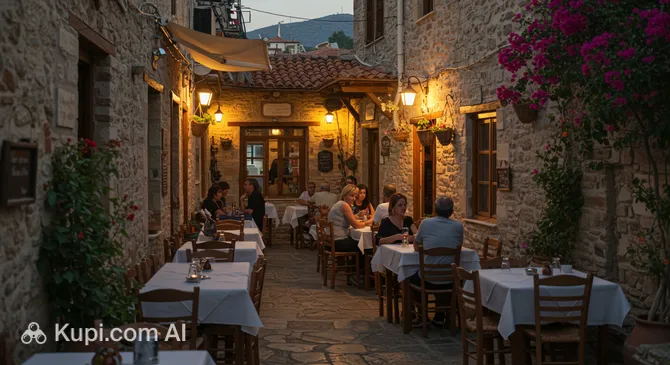
Tsipouradiko to 50. Source: Kupi.Binoculars

The food culture in Sparta is laid-back and revolves around the "taverna" and the "tsipouradiko." These are casual eateries where friends and families gather to share multiple small dishes over several hours. A great example of this authentic dining style can be found at Tsipouradiko to 50, a popular spot that serves a variety of traditional meze plates in a friendly atmosphere. Whether you are grabbing a quick street snack or settling in for a long dinner, the hospitality of Sparta ensures a memorable gastronomic experience.

Travel Tips

Preparing for a trip to the heart of Laconia requires a bit of planning to fully enjoy its mix of ancient history and modern life in Greece. Here are some essential tips to help you navigate Sparta with ease and confidence.

  1. Clothing and Gear: Summers in the Peloponnese are scorching, so pack lightweight, breathable fabrics, a wide-brimmed hat, and high-SPF sunscreen. Winters can be surprisingly chilly and damp, making a waterproof jacket and warm layers essential. Since you will likely be exploring the archaeological site or nearby Mystras, bring sturdy, comfortable walking shoes to navigate uneven terrain and cobblestones.

  2. Transportation: The city center is compact and easily navigable on foot. For longer distances, local taxis are available and affordable. However, to truly explore the surrounding region—including the mountains and coastal villages—renting a car is highly recommended. Public transport is limited to the KTEL bus service, which connects Sparta to Athens and other major towns but offers less flexibility for local sightseeing.

  3. Finances: The official currency is the Euro (€). While credit and debit cards are widely accepted in hotels, larger restaurants, and supermarkets, smaller tavernas and kiosks often prefer cash. ATMs are plentiful in the city center. Tipping is not mandatory but is customary; leaving a small tip or rounding up the bill is a polite gesture for good service.

  4. Health and Safety: Sparta is a very safe destination for tourists. Pharmacies, marked by a green cross, are easy to find and well-stocked. For emergencies, dial 112. The tap water is generally safe to drink, but in the heat of summer, carrying a reusable bottle to stay hydrated is crucial.

  5. Communication: Greek is the official language, but English is widely spoken in the hospitality sector. Learning a few basic phrases like "Kalimera" (Good morning) and "Efcharisto" (Thank you) will go a long way in breaking the ice with locals. Free Wi-Fi is common in cafes and hotels, but for reliable mobile data, you can purchase a prepaid SIM card from local providers.

  6. Local Etiquette: Greeks are known for their hospitality, often greeting with a firm handshake or a friendly smile. When visiting religious sites, such as the monasteries in nearby Mystras, modest dress is required; ensure your shoulders and knees are covered. Dining is a social affair and often lasts late into the night, so don't be surprised if dinner starts after 9:00 PM.

  7. What to Avoid: Avoid climbing on ancient ruins or removing any stones or artifacts from archaeological sites; this is strictly prohibited and disrespectful. Also, try not to expect a fast-paced service culture; the lifestyle here is more relaxed, so embrace the "siga-siga" (slowly, slowly) attitude rather than rushing the staff.

  8. Siesta Time: Keep in mind that many smaller shops and local businesses observe quiet hours in the afternoon, typically between 2:00 PM and 5:00 PM, especially in summer. Plan your shopping or errands for the morning or evening to avoid finding closed doors.

With these practical tips in hand, you are ready to immerse yourself in the rich culture and history of this legendary city. Enjoy the warm hospitality of the Spartans and create unforgettable memories in the Peloponnese.

Entertainment & Nightlife

Entertainment in Sparta offers a refreshing change of pace from the intense nightlife of other Greek destinations. Instead of loud clubs, the city invites visitors to immerse themselves in a lifestyle that values social connection, cultural heritage, and the great outdoors. The atmosphere here is vibrant yet relaxed, with evenings typically spent enjoying the company of friends and family in the city's inviting open spaces.

The center of social life is the main square, where locals gather to unwind after a long day. The area is lined with modern cafes and stylish bars that stay open late, offering a lively environment for a drink or a coffee. This is the best place to experience the authentic Greek concept of parea—a group of friends enjoying good conversation and laughter—often with a view of the illuminated Statue of Leonidas standing guard in the distance.

For those interested in cultural events, the Sainopouleio Amphitheatre is a major highlight. Located just outside the city in a beautiful natural setting, it hosts the annual "Cultural Summer" festival. This prestigious event features a diverse program of ancient Greek drama, theatrical performances, and concerts by renowned artists, all set against the dramatic backdrop of the castle of Mystras and Mount Taygetos.

September is a particularly special time to visit, as the city hosts the legendary Spartathlon. This historic ultramarathon covers 246 kilometers from Athens to Sparta, tracing the footsteps of the ancient messenger Pheidippides. The finish line is located right in the city center, where residents and visitors alike gather to cheer for the runners completing this incredible feat of endurance. The atmosphere during the race is electric and deeply moving.

Nature enthusiasts will find plenty of activities on the slopes of Mount Taygetos. The mountain range is a paradise for hikers and trekkers, featuring well-marked trails, including sections of the European E4 path. Whether you prefer a challenging climb to the summit or a gentle walk through lush gorges and traditional villages, the region offers a perfect escape into nature just a short distance from the urban center.

Shopping in Sparta is also a delightful experience, focused heavily on local craftsmanship and gastronomy. Visitors can browse small boutiques and local shops to find high-quality products from the Laconian land. Be sure to look for extra virgin olive oil, olives, and honey, as well as traditional pasta and mountain herbs. These items make for wonderful souvenirs that allow you to bring a taste of Greece back home.

Parks & Museums

Beyond its ancient ruins and warrior legacy, Sparta offers a surprising array of green spaces and cultural institutions that celebrate its modern identity and artistic heritage. The city is not only a guardian of antiquity but also a place where nature and recent history blend seamlessly, inviting visitors to explore its lush parks and intimate galleries.

Goude Park is the city's premier green oasis, located near the northern entrance of the city close to the Eurotas River. Spanning a vast area, this beautifully landscaped park serves as a recreational hub for locals and tourists alike. It features an extensive network of walking and cycling paths, playgrounds for children, and a skate park, all set against the stunning backdrop of Mount Taygetos. It is an ideal spot for a relaxing afternoon stroll or a picnic under the shade of plane trees.

For those seeking a more natural environment, the banks of the Eurotas River offer a serene setting for exploration. As the lifeblood of ancient Sparta, the river is lined with reeds and oleanders, providing a picturesque route for nature walks. This area allows visitors to connect with the landscape that sustained the legendary city-state, offering peaceful views and a quiet escape from the urban environment.

While the famous Archaeological Museum of Sparta and the Museum of the Olive and Greek Olive Oil are the heavyweights of the city's cultural scene, several other venues offer fascinating insights into local history and art. The Koumantarios Art Gallery, a branch of the National Gallery of Greece, is housed in a splendid neoclassical mansion. It presents a remarkable collection of oil paintings by European masters from the 16th to the 20th century, as well as a permanent exhibition dedicated to modern Greek art, showcasing the evolution of artistic expression in the country.

Another cultural gem is the Manousakeio Museum of Urban and Folk Life. Located in a preserved two-story traditional house, this museum recreates the atmosphere of a typical Spartan home from the early 20th century. Through authentic furniture, clothing, photographs, and household items, it tells the story of the people who built the modern city, offering a touching and intimate perspective on their daily lives and social traditions.

For a truly unique experience, consider a short trip to the nearby Camera Museum in Mystras, which holds a Guinness World Record for its vast collection. Back in Sparta, taking a walk through the city center to admire the neoclassical architecture, particularly around the main square and the Statue of Leonidas, serves as an open-air museum tour in itself.

Getting Around

Public transport in Sparta is relatively simple and straightforward, reflecting the city's modest size and relaxed pace of life. Unlike larger metropolitan areas, there is no metro, tram, or extensive urban train network here. The primary mode of public transportation is the bus service operated by the regional association known as KTEL. For most visitors, however, the city's grid-like layout makes it incredibly walkable, allowing you to reach most central attractions, restaurants, and museums on foot without needing to rely heavily on transit.

The local bus network connects the city center with key locations such as the hospital, the university campus, and nearby villages like Mystras. These buses are generally comfortable and air-conditioned, providing a reliable link for those wishing to venture slightly outside the main urban core. While the frequency of service is adequate during the day, it is significantly less frequent than in major capital cities, so checking the timetable in advance is essential.

Regarding payment, the system is traditional and cash-based. There are no complex digital travel cards or mobile apps for validating rides within the city. Tickets are typically purchased directly from the driver upon boarding or at the central bus station. The cost is very affordable, usually ranging between €1.20 and €2.00 for a standard one-way trip, depending on the distance. It is highly advisable to carry small change, as drivers may not always have enough cash to break large banknotes.

For tourists, the most practical advice is to familiarize yourself with the central bus station (KTEL station), which serves as the main hub for both local and regional routes. Operating hours generally run from early morning until late evening, but services tend to wind down earlier on weekends and holidays. If you plan to visit the nearby archaeological site of Mystras by bus, be sure to confirm the return times, as the last bus often departs in the late afternoon.

Taxis are a popular and convenient alternative to buses, especially for short trips or when carrying luggage. You can easily find taxi ranks, known locally as "piatsa," at key points in the city, such as the main square and near the bus station. Taxis are metered, and rates are reasonable, though it is standard practice to pay a slightly higher fare during night hours. Radio taxis are also available if you prefer to book a ride by phone from your hotel or restaurant.

Given the flat terrain of the city center, cycling is another excellent way to get around. While there is no official municipal bike-sharing scheme, the wide avenues and relatively low traffic density make Sparta quite bicycle-friendly. Renting a car is generally not necessary for navigating the city itself, but it remains the best option if you intend to explore the wider Laconian region and the slopes of Mount Taygetos at your own pace.

Accommodation

Where to Stay:

Accommodation in Sparta reflects the city's character: practical, welcoming, and steeped in history without being overly commercialized. Unlike the sprawling resort complexes found on popular Greek islands, the options here primarily consist of comfortable mid-range city hotels, family-run guesthouses, and an increasing number of modern private apartments. The hospitality is genuine, often provided by locals who are eager to share their love for the region with visitors.

The most convenient area to stay is undoubtedly the city center. Thanks to the city's organized grid layout, staying near the main square or along Konstantinou Palaiologou Avenue places you within easy walking distance of major landmarks like the Archaeological Museum of Sparta and the Statue of Leonidas. This central location also offers immediate access to cafes, restaurants, and shops, making it an ideal base for travelers who prefer to explore on foot.

For those seeking a quieter experience, there are charming guesthouses located on the outskirts of the city or in the nearby villages at the foot of Mount Taygetos. These options often provide a more traditional atmosphere and stunning mountain views, though having a rental car is recommended for easy access to the city center and attractions like the Museum of the Olive and Greek Olive Oil.

Booking Tips: While Sparta is generally not as crowded as coastal destinations, it is wise to book your accommodation well in advance if you plan to visit during September. This is when the famous Spartathlon ultramarathon takes place, and the city fills up quickly with athletes, support teams, and spectators from around the world. Similarly, the summer months of July and August can see higher demand due to general tourism in the Peloponnese.

In terms of cost, Sparta is a very affordable destination compared to other parts of Greece. Prices typically range from budget to mid-range, offering excellent value for money. Most hotels and rentals can be easily booked through major online platforms, but contacting smaller, family-owned establishments directly can sometimes secure you a better rate or a more personalized stay.

Nearby Cities

For those looking to explore the surroundings, Sparta serves as an excellent base for day trips to several interesting nearby locations:

One of the most popular excursions is to Kalamata, the capital of the neighboring Messenia region. Located just across the majestic Taygetos mountain range, this coastal city is world-renowned for its olives and olive oil. Visitors can enjoy a stroll along the vibrant waterfront, relax on the city's extensive beaches, or explore the historic castle that overlooks the town. The drive itself is scenic, offering breathtaking views as you traverse the mountain pass connecting Laconia to Messenia.

Although not listed in the table below, the coastal town of Gytheio is another favorite destination for travelers staying in Sparta. Known as the ancient port of the Spartan state, it retains a picturesque charm with colorful neoclassical houses reflecting in the sea and a lively promenade lined with seafood tavernas. It serves as the gateway to the rugged Mani peninsula and is perfect for a relaxing afternoon by the water.

City Population Distance (km)
Piraeus 448,997 144
Patras 167,446 144
Keratsini 77,077 144
Kalamata 53,041 28
Salamis 31,776 135

These nearby destinations offer a glimpse into the diverse culture and landscapes of the region, ranging from bustling ports to scenic coastal retreats.

Shopping & Souvenirs

Shopping in Sparta offers an authentic and relaxed experience that stands in contrast to the frantic pace of large commercial capitals. The city does not boast massive department stores or high-end international designer boutiques; instead, it prides itself on small, family-owned businesses and specialty shops. Visitors will find that the retail scene here is deeply connected to the agricultural wealth of the Laconia region, making it an excellent destination for culinary treasures and local craftsmanship.

The commercial heart of the city beats along Konstantinou Palaiologou Avenue, the grand palm-lined boulevard that runs through the center. Along this avenue and the pedestrian-friendly side streets surrounding the main square, you can find a variety of clothing boutiques, bookstores, sports shops, and jewelry stores. It is a pleasant area to walk around, allowing you to combine window shopping with a coffee break at one of the many nearby cafes.

Travelers looking for large shopping complexes should be aware that there are no modern shopping malls in Sparta. The city maintains a traditional retail character, where independent storefronts line the streets rather than being clustered in enclosed centers. This setup encourages exploration of the urban grid and interaction with local shopkeepers who are often eager to share stories about their products.

For a true taste of local life, the Laiki Agora (Farmers' Market) is an unmissable event. Typically held on Wednesdays and Saturdays, this open-air market transforms the designated streets into a vibrant hub of activity. Here, producers from the surrounding villages sell fresh seasonal fruits, vegetables, eggs, and wild herbs gathered from the mountains. It is the perfect place to see the bounty of the Peloponnese firsthand and buy fresh snacks at very low prices.

When it comes to souvenirs, the region's "liquid gold" takes center stage. Extra virgin olive oil from Laconia is protected and world-renowned for its quality, making it the number one item to bring home. You should also look for jars of Kalamata olives, thyme honey from Mount Taygetos, and traditional pasta known as hilopites. For non-edible gifts, the shop at the Museum of the Olive and Greek Olive Oil offers tasteful olive-wood crafts and books. Additionally, replicas of ancient Spartan helmets or small statues of King Leonidas are popular keepsakes found in tourist shops.

Store hours in Sparta follow the typical Greek schedule, which can be tricky for visitors. Shops generally open around 9:00 AM. On Tuesdays, Thursdays, and Fridays, they usually close for a midday siesta around 2:00 PM and reopen in the evening from roughly 5:30 PM to 9:00 PM. On Mondays, Wednesdays, and Saturdays, most shops close after the morning shift (around 2:30 PM) and do not reopen in the evening. Sunday is a rest day, and nearly everything remains closed.

Regarding payment, the official currency is the Euro (€). While supermarkets and most retail stores on the main avenue accept credit and debit cards, cash is still king at the farmers' market, kiosks, and smaller neighborhood shops. Visitors from outside the EU may be eligible for a VAT refund on large purchases, but since few shops in Sparta specialize in luxury goods, the "Tax-Free" signage is less common here than in Athens.
Reached the end of the page?

That means the route is fully explored