Support

Naxos

About

Naxos is a captivating destination that perfectly blends ancient mythology with island charm. As the largest and greenest island in the Cyclades group of Greece, it offers a unique atmosphere that is both vibrant and relaxing. Unlike some of its neighbors, this fertile island boasts lush valleys, impressive mountain ranges, and long stretches of golden sandy coastline, making it a diverse paradise for travelers.

Located in the heart of the South Aegean, the island is home to approximately 18,000 residents, ensuring it remains lively and authentic throughout the year. The main town, Chora, serves as the island's harbor and capital, welcoming visitors with a distinct mix of classic Cycladic white-washed houses and medieval Venetian architecture.
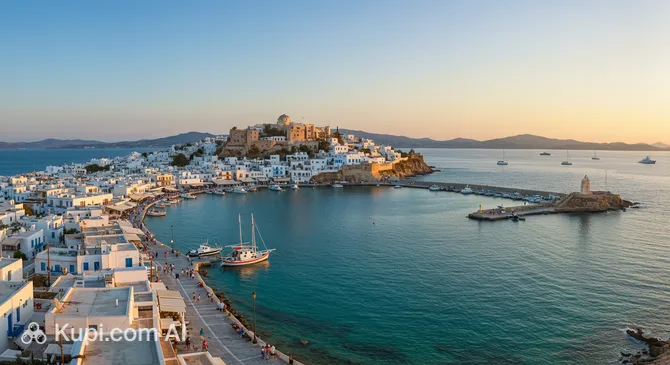
Naxos. Source: Kupi.Binoculars

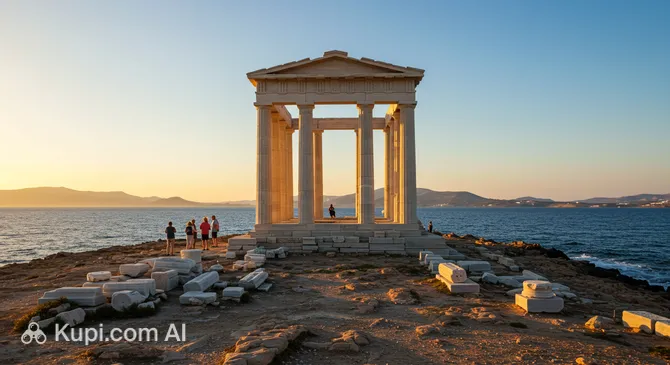
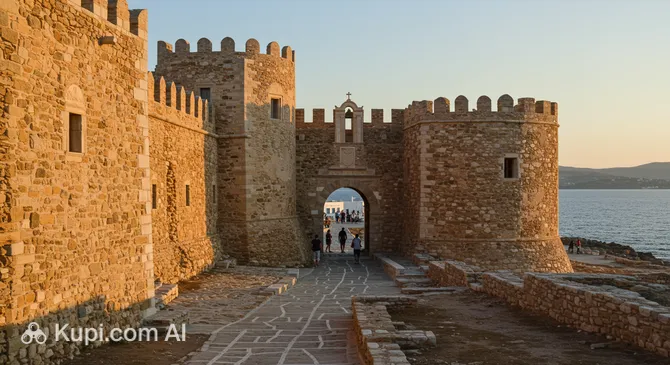
Walking through the winding streets of the Old Town, you can easily immerse yourself in the rich history of Naxos. One of the most iconic landmarks is the Portara, a massive marble doorway standing on an islet near the harbor, which is all that remains of an unfinished Temple of Apollo. Visitors are also drawn to the impressive Venetian Kastro (castle) that dominates the town's skyline, offering panoramic views of the sparkling sea.

Whether you are looking to explore traditional mountain villages like Apiranthos or relax on pristine beaches like Agios Prokopios, this island has something for every traveler. Naxos is an ideal destination for those seeking an authentic experience filled with culture, nature, and warm local hospitality.
Weather Overview

Naxos features a classic Mediterranean climate with distinct seasons that cater to different types of travelers. The weather in Naxos transitions from mild, damp winters to warm, arid summers. Expect warm summers with abundant sunshine and mild winters with frequent rainy intervals.

July and August are the hottest months, with average temperatures reaching 25.0°C and zero wet days, ensuring uninterrupted beach time. Conversely, January is the coolest and dampest time of year, with average temperatures around 12.8°C and approximately 14 wet days. Spring and autumn offer comfortable transition periods, with May seeing temperatures rise to a pleasant average of 18.7°C.

Interesting Facts

Beyond the main attractions, Naxos holds many fascinating secrets that reveal its deep mythological roots and unique cultural heritage. Here are some intriguing facts that make this Cycladic island truly special.
Portara (Temple of Apollo). Source: Kupi.Binoculars
  • Birthplace of a God: According to mythology, Naxos is the childhood home of Zeus, the king of the gods. He is said to have been raised in a cave on Mount Zas, which is the highest peak in the Cyclades, standing at over 1,000 meters tall.

  • The Unfinished Giants: The island is famous for its Kouroi, colossal marble statues from the Archaic period that were left unfinished in the ancient quarries. These massive figures, some over 10 meters long, have remained in the same spot for roughly 2,500 years, likely abandoned due to structural flaws or political unrest.

  • A Unique Liqueur: Naxos is one of the few places in the world that cultivates the citron tree to produce Kitron, a distinctive local liqueur. It comes in three varieties—green, clear, and yellow—each representing a different distillation process and alcohol content.

  • A Sacred Alignment: The massive marble doorway known as the Portara (Temple of Apollo) faces directly toward the island of Delos. This specific orientation was intentional, honoring Delos as the mythological birthplace of the god Apollo.

  • Venetian Nobility: For centuries, the island served as the seat of the Duchy of the Archipelago. The Naxos Castle in the capital was the center of this power, and remarkably, some descendants of the original Venetian noble families still reside within the walls of the old fortified town today.

How to Get There

Reaching the beautiful island of Naxos is an adventure in itself, offering travelers a choice between air and sea travel. While many visitors arrive by ferry from Athens or neighboring islands, flying can be a convenient time-saver. You can find more about how to get to Naxos and the various transport options available to suit your itinerary.

The most direct way to arrive is via Naxos Airport (JNX), which is conveniently located on the island itself. Situated just 2.8 km from the main town, this regional airport primarily handles domestic flights from Athens. Given its close proximity to the city center, the journey by taxi or bus is quick, typically taking approximately 25 minutes.

For those traveling internationally, Santorini International Airport (JTR) is a major nearby hub. Located in the city of Fira on the island of Santorini, about 79 km from Naxos, it welcomes a large volume of passengers from across Europe. Since this airport is not on Naxos, travelers landing here will need to take a ferry to complete their journey to the island.

Another viable option is Paros Airport (PAS), located in the neighboring city of Paros, approximately 25 km away. While it serves a moderate number of visitors, it is situated on a separate island, meaning you will also need to arrange a short boat transfer to reach Naxos.

For clarity, here is a summary of the main airports:

Airport Name City Passenger Traffic Km from City
Santorini International Airport Fira Large 78.7
Paros Airport Paros Medium 25.2
Naxos Airport Naxos Medium 2.8
Milos Airport Milos Small 92.2
Ikaria Airport Ikaria Small 107.2

Main Attractions

Naxos is a treasure trove of history and natural beauty, offering visitors a perfect mix of ancient landmarks, medieval architecture, and stunning coastline. The island's main sights are conveniently located near the capital, making it easy to explore the highlights even during a short stay.

No visit to the island is complete without walking to the Portara (Temple of Apollo). This massive marble gate is the single remaining part of an unfinished temple from the 6th century BC. Standing proudly on the islet of Palatia, which is connected to the main town by a causeway, it serves as the island's most famous emblem. It is particularly magical at sunset, when the sun dips directly through the gate, creating a breathtaking photo opportunity and a moment of pure connection with antiquity.

Naxos Castle. Source: Kupi.Binoculars

Dominating the hilltop above the harbor is the impressive Naxos Castle, also known as the Kastro. Built by the Venetian Marco Sanudo in the 13th century, this fortified settlement transports you back to the Middle Ages. Unlike many other ruins, this castle is still inhabited, with descendants of the original Venetian families living within its thick walls. Wandering through its narrow, winding alleys reveals a fascinating blend of Cycladic and Western architectural styles, along with museums and antique shops.

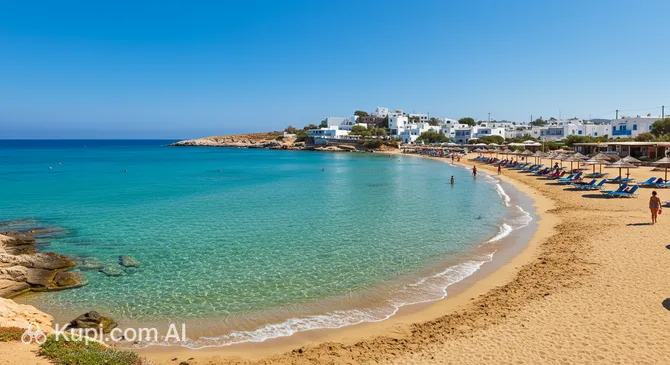
For those looking to relax by the sea without traveling far, Agios Georgios Beach is the perfect choice. Located just a short walk from the main town, this organized beach is famous for its shallow, turquoise waters and soft sand, making it ideal for families and casual swimmers. It is also a popular spot for windsurfing enthusiasts due to the favorable wind conditions further out in the bay, offering a lively atmosphere with plenty of seaside cafes and tavernas nearby.

Agios Georgios Beach. Source: Kupi.Binoculars

When the sun goes down, the island's vibrant nightlife comes alive. Places like The Ocean Club provide a spirited environment for those wishing to dance and enjoy music. Whether you prefer a quiet evening cocktail or an energetic night out, the town offers a variety of venues to suit every mood after a day of exploration.

Local Cuisine

Naxos is widely celebrated as the gastronomic capital of the Cyclades, thanks to its fertile valleys and rich agricultural tradition. Unlike many of the drier Greek islands, Naxos produces the vast majority of its own food, from succulent meats and fresh vegetables to world-renowned cheeses. This abundance of high-quality local ingredients means that whether you are eating in a high-end restaurant or a humble village eatery, the flavors are exceptionally fresh and authentic.

The island is perhaps most famous for the Naxian potato, a product so revered that it has been granted protected designation of origin status. These potatoes are creamy, flavorful, and served in almost every tavern, often fried in local olive oil. Cheese lovers will also find themselves in paradise, as the island produces excellent varieties such as Graviera Naxou, a sweet and buttery hard cheese, and Arseniko, a spicy, aged cheese made from sheep's and goat's milk.

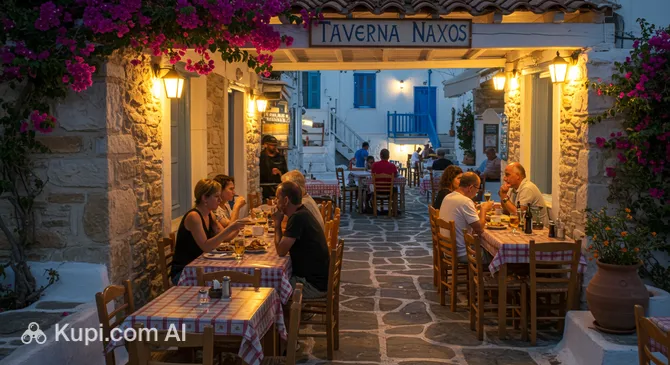
Taverna Naxos. Source: Kupi.Binoculars

When it comes to main courses, the cuisine is hearty and meat-centric, reflecting the island's farming roots. A signature dish worth trying is Kalogeros, a delicious beef stew cooked with eggplant and topped with melted cheese. For those seeking a traditional dining experience, places like Taverna Naxos offer a warm atmosphere where you can sample these classic recipes prepared with generations of culinary knowledge.

No culinary journey here is complete without tasting Kitron, the island's trademark liqueur distilled from the leaves of the citron tree. It is typically served as an aperitif or digestif and comes in three varieties, ranging from sweet to strong. For a more modern drinking experience or to enjoy a cocktail after a satisfying meal, visitors often head to spots like The Rum Bar, which provides a lively setting to enjoy local and international spirits.

The food culture in Naxos is deeply social and revolves around the "taverna" lifestyle. Locals and tourists alike gather at seaside tables or in village squares to share "mezedes" (small plates) and carafes of local wine. Whether you are grabbing a quick gyro from a street food stall or settling in for a long dinner at Hug Me Naxos, the emphasis is always on hospitality, fresh ingredients, and the joy of sharing a meal.

Travel Tips

Welcome to Naxos, the largest and most fertile island of the Cyclades, where ancient history meets laid-back island life. To help you make the most of your journey through this captivating Greek destination, here are some practical tips to ensure a smooth and enjoyable experience.

  1. Clothing and Gear: During the summer, lightweight and breathable clothing is essential, but remember that Naxos is famous for the Meltemi winds. Bring a light jacket or windbreaker for breezy evenings, especially if you plan to be near the coast or in the mountains. Comfortable, sturdy walking shoes are a must for navigating the cobblestone streets of the Old Town (Kastro) and hiking the trails around Mount Zas. If you plan to visit monasteries or churches, dress modestly by covering your shoulders and knees.
  2. Transportation: While the local KTEL bus network is reliable and connects the main town (Chora) to popular beaches like Agios Prokopios and major villages like Halki, renting a vehicle offers the most freedom. Naxos is a large island with mountainous terrain, so a rental car or a powerful ATV is often the best way to explore hidden gems at your own pace. Taxis are available but can be scarce during peak season, so booking in advance is wise.
  3. Finances: The official currency is the Euro (€). While credit and debit cards are widely accepted in Chora and major beach resorts, cash is still king in smaller mountain villages and family-run tavernas. ATMs are plentiful in the capital but less common in remote areas, so carry enough cash for small purchases. Tipping is not mandatory but is appreciated; rounding up the bill or leaving a 5-10% tip for good service is standard practice.
  4. Health and Safety: Naxos is a very safe destination for tourists. There is a General Hospital located in Naxos Town for emergencies, and pharmacies (marked with a green cross) are easy to find in the capital and larger villages. In summer, the sun can be intense, so stay hydrated and use high-SPF sunscreen. Tap water in the main town is generally safe for hygiene, but bottled water is recommended for drinking due to the high mineral content.
  5. Communication: Greek is the official language, but English is widely spoken, especially in the hospitality sector. Learning a few basic Greek phrases like "Kalimera" (Good morning) and "Efharisto" (Thank you) will be warmly received by the locals. Wi-Fi is standard in almost all hotels and cafes. If you need mobile data, you can purchase a prepaid SIM card from kiosks or mobile stores in Chora.
  6. Local Etiquette: The Greeks are known for their hospitality, or philoxenia. It is polite to greet shopkeepers when entering a store. Be aware of "quiet hours" (mesimeri), typically between 2:30 PM and 5:30 PM, when many local shops in villages close for a midday rest. Respect this custom by keeping noise levels down in residential areas during this time.
  7. What to Avoid: One critical rule applies throughout the country regarding plumbing: do not flush toilet paper down the toilet. The pipes are narrow and easily clogged, so always use the small bin provided next to the toilet. Additionally, avoid climbing on ancient ruins or monuments, such as the Portara, to take photos; this is considered disrespectful and can damage the heritage sites.
  8. Local Insight: Don't just stick to the coast. Naxos is renowned for its agricultural produce, particularly its cheese and potatoes. Visit the inland villages like Apiranthos to taste these local delicacies at their source. Also, try to catch the sunset at the Portara at least once—but go early to secure a good viewing spot, as it draws a crowd.

By keeping these practical tips in mind, you will be well-prepared to embrace the authentic charm and beauty of Naxos. Enjoy the delicious food, the stunning landscapes, and the warm hospitality that make this island a favorite among travelers returning to Greece.

Entertainment & Nightlife

Naxos offers a sophisticated and lively nightlife scene that strikes a perfect balance between relaxation and excitement. While it may not have the intense party reputation of neighboring Mykonos, the island knows how to entertain its guests well into the early morning hours. The heart of the action is undoubtedly Naxos Town (Chora), particularly along the bustling waterfront promenade and the maze-like streets leading up to the castle. As the sun sets, the harbor transforms into a vibrant strip of lights, music, and energy, drawing in crowds of all ages.

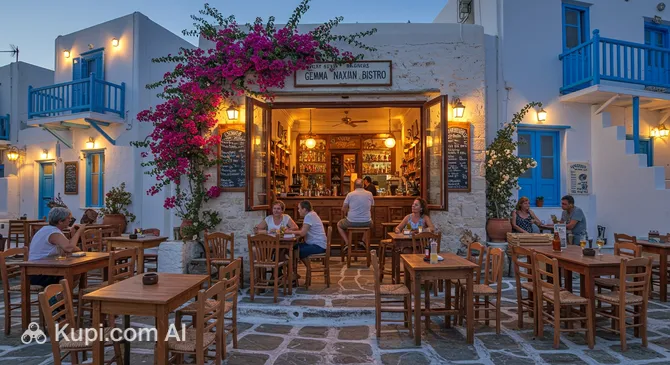
For a stylish start to the evening, many visitors head to the waterfront bars to enjoy signature cocktails with a view of the harbor. A popular choice for those seeking a chic atmosphere and creative drinks is Gemma Naxian Bistro. This venue is known for its elegant decor and extensive menu, making it an ideal spot to unwind and socialize before the night truly begins. The crowd here is typically a mix of locals and tourists enjoying the "island chic" vibe, where smart-casual attire is the norm.

Gemma Naxian Bistro. Source: Kupi.Binoculars

As the night progresses, the energy shifts from laid-back lounging to upbeat dancing. For those looking to party until dawn, The Ocean Club is a staple of the local nightlife scene. Located just outside the main center, it attracts a younger crowd and features guest DJs spinning the latest hits. The atmosphere here is energetic, and it is one of the few places on the island where you can experience a true clubbing vibe with loud music and dancing.

Navigating the nightlife in Naxos is generally very safe and convenient. The main areas in Chora are pedestrian-friendly, allowing you to easily hop from one bar to another. However, if you plan to visit venues further out or return late to accommodation outside the town, it is advisable to book a taxi in advance, as they can be hard to flag down on the street at night. Prices for drinks are generally reasonable compared to other popular Cycladic islands, with happy hours often available in the early evening.

Before the sun goes down, the island offers plenty of daytime entertainment to fill your schedule. Visitors can explore fascinating archaeological museums, wander through art galleries hidden in the Venetian alleys of the Old Town, or enjoy water sports on the beaches. While the island does not have large amusement parks, the natural landscape provides a playground for hiking and exploration, ensuring that your days are just as fulfilling as your nights.

Parks & Museums

While Naxos is famous for its beaches, the island also serves as a vast repository of history and culture, with fascinating museums often housed within its most historic monuments. Exploring these collections offers a deeper understanding of the civilizations that have thrived here for millennia, from the mysterious Cycladic culture to the Venetian nobility.

The centerpiece of the island's historical offerings is the Archaeological Museum of Naxos. It is located in the heart of the Naxos Castle (Kastro), occupying a 17th-century Venetian building that was once a Jesuit school. The museum hosts an impressive array of artifacts, including a renowned collection of white marble Cycladic figurines, Mycenaean pottery, and intricate jewelry, tracing the island's continuous habitation from the Neolithic era to early Christian times.

Just a short walk away within the same fortified settlement, visitors can step into the Venetian Museum (Domus Della Rocca-Barozzi). Situated in an old tower house near the northwest gate, this private museum preserves the atmosphere of a bygone era. Guided tours allow guests to explore the living quarters of a noble Venetian family, complete with period furniture, costumes, and historical documents that bring the days of the Duchy of the Archipelago to life.

For those venturing into the mountains, the village of Apiranthos is a unique cultural hub. Remarkably, this traditional settlement hosts five distinct museums: the Archaeological Museum, the Geological Museum, the Museum of Natural History, the Visual Arts Museum, and the Folklore Museum. This concentration of cultural institutions makes the village a perfect destination for travelers interested in everything from local rock formations to traditional weaving and folk art.

Nature enthusiasts will find their own kind of open-air museum in the Cedar Forest of Alyko. Located on the southwestern coast, this protected nature reserve features extensive sand dunes covered with centuries-old cedar trees. It is a serene environment for walking and photography, offering a peaceful contrast to the bustling towns. Additionally, the entire island is dotted with ancient open-air sites, such as the iconic Portara (Temple of Apollo) and the ancient marble quarries where colossal unfinished statues still rest in the landscape.

Getting Around

The public transport system in Naxos is straightforward and relies almost entirely on a bus network operated by KTEL. There are no metros, trams, or trains in the city or on the island. The central hub for all bus services is located directly at the port in the main town, Chora. From this terminal, blue and green buses connect the capital to popular beaches like Agios Prokopios and Plaka, as well as to traditional inland villages such as Halki and Apiranthos.

Travel costs are very affordable, with ticket prices typically ranging from €1.80 to approximately €5.00, depending on the distance of your journey. It is important to note that tickets generally cannot be purchased inside the bus. You must buy them in advance from the ticket office at the main bus station, or from designated kiosks and mini-markets in the villages. The system uses paper tickets, which are checked by the driver or a conductor as you board.

For tourists, the bus system is efficient during the summer season, with frequent departures to the coast running late into the evening. However, schedules are seasonal, and frequency drops significantly during the winter and shoulder months. It is highly recommended to take a photo of the printed timetable at the bus station or check online schedules daily to avoid long waits. Always carry cash, as card payment options for small ticket purchases can be limited at smaller vendors.

Taxis serve as a primary alternative to buses, with the main taxi rank situated prominently at the port entrance. Taxis are silver or grey and usually operate on a metered basis, though fixed fares are common for trips to the airport or major resorts. Because the number of taxis is limited relative to the number of summer visitors, hailing one on the street can be difficult in July and August. Booking a ride by phone or arranging a private transfer in advance is often a wiser choice for time-sensitive trips.

Given the island's size and terrain, many visitors opt for private rentals to explore beyond the city limits. Rental agencies are abundant in the town, offering cars, scooters, and ATVs (quad bikes), which are extremely popular for reaching secluded beaches. While the modern part of the city is accessible by vehicle, the historic Old Town (Kastro) is a pedestrian-only zone with narrow, stepped alleys, meaning walking is the only way to navigate the heart of the capital.

Accommodation

Accommodation:

Finding the perfect place to stay in Naxos is generally easier and more affordable than in some of the more commercialized Cycladic islands. The island offers a broad spectrum of accommodation options, ranging from simple, family-run rooms (often called "domatia") and budget-friendly hostels to upscale boutique hotels and luxury seaside resorts. Self-catering apartments and studios are particularly popular here, providing a "home away from home" atmosphere that suits families and travelers planning longer stays.

For most visitors, the most convenient area to stay is Naxos Town (Chora). Staying here places you within walking distance of the port, the main bus terminal, and the vibrant nightlife, making it an excellent base for those without a car. Just a short walk from the town center is the area around Agios Georgios Beach, which is highly favored by families due to its shallow waters and proximity to amenities. If your priority is a pure beach holiday, look for accommodation along the western coast in areas like Agios Prokopios, Agia Anna, or Plaka, where many hotels are located right on the sand, offering stunning sea views and immediate access to the water.

Regarding costs, Naxos caters to all budgets. You can find economical options in the town's backstreets or luxurious suites with private pools along the coast. It is important to note that the island is a very popular summer destination. During the peak season of July and August, demand is high, and the best rooms sell out quickly. Therefore, a key booking tip is to secure your reservation several months in advance if you plan to travel in mid-summer. Booking can easily be done through major online platforms, though many local owners also accept direct inquiries, sometimes offering better rates for extended stays.

Nearby Cities

For those looking to explore the surroundings, Naxos serves as an excellent base for day trips to several interesting nearby locations. While the island itself offers endless discovery, the central position of Naxos in the Cyclades makes it a gateway to other fascinating destinations.

One of the most culturally rich options is Syros, the administrative capital of the Cyclades. Unlike the typical white-washed villages, its main town, Ermoupoli, is famous for its grand neoclassical mansions, marble piazzas, and the impressive Town Hall. It offers a more cosmopolitan atmosphere and is a hub for history and arts. Just above the port lies Ano Syros, a distinct medieval settlement built on a hilltop. This car-free town is known for its narrow, winding alleys, Catholic heritage, and panoramic views of the Aegean Sea, providing a perfect contrast to the bustle of the port below.

For travelers interested in exploring the wider region, here is a list of nearby cities and towns:

City Population Distance (km)
Voula 28364 164
Chios 26850 155
Pyrgos 24359 80
Ano Syros 21507 55
Syros 21500 55

These nearby destinations offer a glimpse into the diverse culture and landscapes of the region, allowing visitors to experience different facets of Greek island life beyond the shores of Naxos.

Shopping & Souvenirs

Shopping in Naxos is a delightful exploration of local culture, focusing heavily on traditional crafts, fashion, and gastronomy. Unlike cosmopolitan hubs filled with international chains, the island offers a more intimate retail experience where independent boutiques and family-run stores dominate. Visitors can expect to find high-quality leather goods, handmade jewelry, and art, alongside an abundance of locally produced food items that reflect the island's rich agricultural heritage.

The heart of the shopping scene is located in the winding alleyways of the Old Town and the Kastro area. This labyrinth of narrow streets, known locally as the "Old Market," is packed with tiny shops selling everything from woven textiles to Cycladic figurines. For a more breezy experience, the waterfront promenade along the harbor is lined with souvenir shops, bookstores, and boutiques that stay open late into the night, perfect for a leisurely browse after dinner near the Naxos Castle.

It is important for tourists to know that Naxos does not have large modern shopping malls or sprawling department stores. The retail landscape is characterized by small, standalone businesses. Those looking for extensive fashion hauls from global brands might find the options limited, as the focus here is strictly on unique, curated, and locally sourced items.

While there is no massive central covered market, the entire town acts as an open-air marketplace for local producers. You will find several specialized grocery stores and traditional delis scattered throughout Chora that function as food markets. These are the best places to purchase fresh herbs, honey, olives, and the island's famous potatoes directly from the source.

When it comes to souvenirs, Naxos offers distinct products that you won't find elsewhere. The top recommendation is Kitron, a citrus liqueur unique to the island, available in beautiful glass bottles. Cheese is another must-buy; look for vacuum-packed wheels of Graviera Naxou or spicy Arseniko to take home. Additionally, handmade leather sandals, ceramic replicas of ancient museum pieces, and "Mati" (evil eye) jewelry make for timeless gifts.

Store hours in Naxos fluctuate with the season. During the peak summer months, shops in the main town operate from around 9:00 AM until well past midnight, often without a midday break. In the shoulder season, shops may follow the traditional split shift, closing between 2:30 PM and 5:30 PM for a siesta. Major credit and debit cards are widely accepted in Chora, but carrying cash is advisable for smaller purchases or when visiting village shops inland.

Travelers from outside the European Union are eligible for a VAT refund on purchases exceeding a certain amount (typically €50) at participating stores. Look for the "Tax Free" signage in shop windows and ask the merchant for the necessary refund forms at the checkout to claim your money back at the airport upon departure.

Reached the end of the page?

That means the route is fully explored