Support

Kalymnos

About

Kalymnos is a captivating island located in the southeastern Aegean Sea, part of the Dodecanese archipelago. Known for its rugged beauty and authentic character, it offers a distinct atmosphere that sets it apart from more commercialized tourist destinations. The island is celebrated for its dramatic mountainous terrain, which contrasts beautifully with the deep blue waters surrounding it.
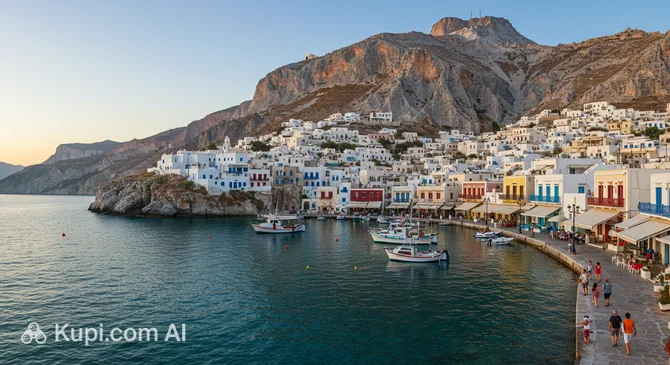
Kalymnos. Source: Kupi.Binoculars

Home to a population of approximately 12,000 residents, the island maintains a vibrant community life year-round. As a part of Greece, Kalymnos enjoys a classic Mediterranean climate with hot, sunny summers and mild winters. Its capital and main port, Pothia, is a bustling town built amphitheatrically around the harbor, featuring colorful neoclassical houses that greet visitors as they arrive by ferry.

The island is famously known as the "island of the sponge divers," a title earned through centuries of tradition. Delving into the history of Kalymnos reveals a deep connection to the sea, where brave locals once dived to great depths to harvest natural sponges. This maritime heritage is still evident today in the local museums and the numerous sponge workshops scattered throughout the town.

In recent years, Kalymnos has transformed into a premier global destination for rock climbing. The island's high-quality limestone cliffs offer thousands of routes for climbers of all levels, particularly near the village of Massouri. For those seeking relaxation, the island also boasts lovely beaches such as Myrties and Vlychadia, perfect for swimming and soaking up the sun.

Whether you are an adventure seeker looking to scale impressive cliffs or a traveler eager to experience genuine Greek hospitality and fresh seafood, Kalymnos is a destination that should not be missed. It invites you to explore its unique landscapes and immerse yourself in a truly traditional island lifestyle.
Weather Overview

The climate in this region is typically Mediterranean, ensuring enjoyable conditions for visitors throughout most of the year. For a more detailed breakdown, you can check the weather in Kalymnos, which generally features hot, sunny summers and mild, rainy winters.

Summer is the most popular time to visit, with July and August seeing average temperatures peaking at 25.8°C and highs of roughly 27.0°C. Rainfall is practically non-existent during this period, with zero wet days recorded in July and August, guaranteeing uninterrupted sunshine for your holidays.

Winters are much cooler but remain relatively mild compared to northern Europe. January is typically the coldest month, with average temperatures hovering around 13.4°C and lows of 12.1°C. This season is significantly wetter, with December and January experiencing about 15 wet days each, bringing necessary moisture to the island's landscape.

The transitional months of May and October offer delightful weather, with averages of 19.6°C and 21.2°C respectively. These months see very little rainfall, making them excellent choices for those who prefer milder heat. Overall, you can expect warm, dry summers and mild winters with frequent showers.

Interesting Facts

Beyond the famous sponge diving heritage and world-class climbing sectors, Kalymnos holds fascinating secrets that reveal the depth of its history and the resilience of its people. The island's character is defined by unique geological shifts and explosive traditions that are rarely found elsewhere in the Aegean.

  • The Lost Land of Telendos: The neighboring islet of Telendos was not always a separate island. It was physically connected to Kalymnos until a massive earthquake in 554 AD caused the land in between to collapse into the sea. Today, underwater ruins of the ancient city of Pothaia can still be seen in the channel separating the two landmasses.

  • The Dance of the Sponge Diver: Kalymnos has a poignant traditional folk dance known as "Mihanikos." It portrays the struggle of a sponge diver suffering from decompression sickness, known as "the bends." The dancer mimics the trembling movements of a crippled diver who, upon hearing music, finds the spiritual strength to stand and dance again, symbolizing the islanders' indomitable spirit.

  • An Explosive Easter: The island hosts one of the most thunderous Easter celebrations in the world. On Easter Sunday, teams from the parishes of Pothia engage in a "dynamite war," throwing explosives from the cliffs overlooking the harbor. This loud tradition is meant to symbolize the shaking of the earth during the Resurrection and can be heard for miles.

  • The Greek Fjord: The fertile valley of Vathy hides a geological marvel often referred to as the "Fjord of Rina." This deep, narrow inlet of water cuts inland between steep cliffs, creating a landscape that closely resembles a Nordic fjord, a rare sight in the Mediterranean.

How to Get There

Reaching this beautiful Dodecanese island is an adventure in itself, primarily involving air travel or a combination of flights and sea crossings. For a comprehensive guide on all available routes and schedules, you can read more about how to get to Kalymnos.

The most direct way to arrive is via Kalymnos Island National Airport (JKL), which is conveniently located on the island itself. This domestic airport handles smaller aircraft, typically connecting from Athens. Since it is situated just 3.7 km from the main town, the transfer is quick and easy; a taxi or bus ride takes approximately 10-15 minutes. Although it is a small facility with an annual passenger traffic of around 13,000 people, it offers the fastest access to the island's center.

Alternatively, many visitors choose to fly into Kos Airport (KGS), located on the neighboring island of Kos, about 20.4 km away from Kalymnos. This is a popular option due to the airport's larger capacity and numerous international connections. From Kos, you will need to take a short ferry ride to reach Kalymnos. Another significant regional hub is Rhodes Airport (RHO) in the city of Rhodes, situated 116.1 km away. Traveling from Rhodes involves a longer ferry journey, but it remains a viable entry point for travelers exploring the wider region.

For clarity, here is a summary of the main airports:

Airport Name City Passenger Traffic Km from City
Rhodes Airport Rhodes Large 116.1
Milas-Bodrum Airport Bodrum Large 69.2
Kos Airport Kos Medium 20.4
Ikaria Airport Ikaria Small 98.5
Kalymnos Island National Airport Kalymnos Small 3.7

As Kalymnos is an island in the Aegean Sea, there are no railway stations available. The terrain and geography do not support train travel, so visitors rely exclusively on ferries, boats, and road transport to navigate the region and explore the island.

Main Attractions

Kalymnos offers a diverse array of sights that range from historical fortifications and religious sanctuaries to stunning coastal retreats. Exploring the island allows visitors to uncover its rich past as a sponge-diving center while enjoying its natural beauty and vibrant local culture.

One of the most prominent landmarks is the Monastery of Agios Savvas, located on a hill overlooking the capital, Pothia. Dedicated to the island's patron saint, this beautiful complex is built with distinctive ochre stone and features impressive frescoes. It is widely visited not only for its spiritual significance but also for the breathtaking panoramic views it offers of the harbor and the Aegean Sea below.

For history enthusiasts, the Archaeological Museum of Kalymnos in Pothia is an essential stop. The museum's crown jewel is the "Lady of Kalymnos," a rare bronze statue of a woman from the Hellenistic period that was retrieved from the sea by local fishermen. The exhibits guide visitors through the island's history, displaying artifacts from the Neolithic age to the Byzantine era, showcasing the region's long-standing importance.

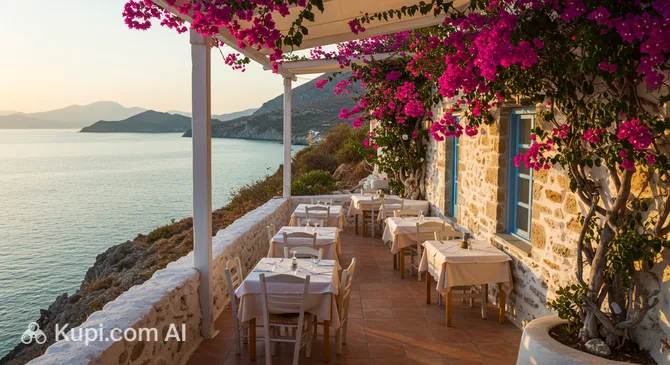
Paradisio Vlychadia. Source: Kupi.Binoculars

If you prefer a more relaxed atmosphere by the sea, Paradisio Vlychadia is a wonderful spot to experience the island's coastal charm. Located in the scenic bay of Vlychadia, which is famous for its lush valley and two beautiful beaches, this venue offers a perfect setting to unwind. It is an excellent place to enjoy the serene environment and authentic Greek hospitality after a day of exploring.

Another historical gem is the Castle of Chryssocheria, perched strategically between Pothia and Chora. Built by the Knights of Saint John in the 15th century, the castle ruins include the small church of Panagia Chryssocheria. A hike up to this fortification rewards travelers with a glimpse into the medieval past of Kalymnos and provides another vantage point for spectacular photos of the island's dramatic landscape.

Local Cuisine

The culinary landscape of Kalymnos is deeply rooted in its maritime history and the traditions of the sponge divers. The local cuisine is distinct from typical Greek fare, featuring intense flavors and preservation techniques developed for long sea voyages. Seafood is naturally the star here, but the island also boasts unique salads and hearty meat dishes that reflect its rugged terrain.

For the adventurous eater, the absolute must-try dish is Spinialo. Originally the food of sponge divers, this delicacy consists of sea squirts (known locally as fouskes) preserved in a bottle with seawater. It has a strong, iodine-rich taste that captures the essence of the Aegean. Another signature dish is Mirmizeli, the Kalymnian version of a Greek salad. Instead of just fresh vegetables, it uses barley rusks dampened with water, topped with tomatoes, olive oil, and kopanisti or feta cheese, creating a refreshing yet filling meal.

Meat lovers should look for Mouri, a traditional festive dish often served at Easter but available in select tavernas year-round. It involves stuffed lamb or goat baked slowly in a clay pot sealed with dough to keep the meat incredibly tender and flavorful. For dessert, the island is famous for its thyme honey, which is often drizzled over Yristes (fried dough strips) or used in Galaktoboureko.

Dining in Kalymnos is a relaxed affair, often enjoyed right by the water's edge. The waterfront of Pothia is lined with ouzeries and tavernas where locals gather to sip Ouzo or Tsipouro accompanied by small plates of meze, such as sun-dried octopus or fried calamari. For a scenic meal, visitors often head to coastal villages; for instance, Paradisio Vlychadia offers a chance to enjoy local recipes in a peaceful bay setting. Whether you are grabbing a quick cheese pie from a bakery or sitting down for a long dinner, the food here is honest, fresh, and full of character.

Travel Tips

Welcome to Kalymnos, a rugged gem in the Dodecanese that offers far more than just spectacular sunsets. To help you navigate the unique rhythm of this "sponge diver's island" and make the most of your climbing or beach adventures, we have compiled a set of essential practical tips for your journey.

  1. Clothing and Gear: Since Kalymnos is a premier destination for rock climbing and hiking, sturdy walking shoes or hiking boots are a must, even if you don't plan to scale the cliffs. The terrain is often rocky and uneven. For summer visits, pack light, breathable fabrics and swimwear, but bring a light jacket for breezy evenings by the sea. If you plan to visit religious sites like the Monastery of Agios Savvas, remember that modest dress is required; shoulders and knees should be covered.

  2. Transportation: While there is a local bus service connecting Pothia to popular spots like Massouri and Myrties, schedules can be infrequent. The most popular way to explore the island is by renting a scooter or a small car, which gives you the freedom to reach secluded bays like Vlychadia. Taxis are available, primarily at the port and taxi stations, but during peak season, it is wise to book them in advance or ask your hotel to assist.

  3. Finances: The currency used is the Euro (€). While credit cards are widely accepted in hotels, larger restaurants, and climbing shops in Massouri, smaller tavernas and local kiosks may prefer cash. ATMs are readily available in Pothia and the main tourist hubs. Tipping is not mandatory but is much appreciated; leaving a tip of around 5-10% or rounding up the bill is a kind gesture for good service.

  4. Health and Safety: Pharmacies, marked with a green cross, are easy to find in Pothia and larger villages. Kalymnos has a general hospital located in the capital for emergencies. The tap water is technically safe but often has a high mineral content and a brackish taste, so it is highly recommended to drink bottled water. Also, be mindful of the strong Aegean sun; high SPF sunscreen and a hat are non-negotiable essentials.

  5. Communication: The official language is Greek, but English is widely spoken, especially in tourist areas and the climbing community. Learning a few local phrases like "Kalimera" (Good morning) and "Efharisto" (Thank you) will go a long way with the friendly locals. Wi-Fi is standard in almost all cafes, restaurants, and accommodations. If you need mobile data, you can purchase a prepaid SIM card at stores in Pothia.

  6. Local Etiquette: Kalymnians are known for their hospitality and directness. Greetings are warm, often involving a handshake or a friendly nod. The pace of life here is relaxed, following the "siga siga" (slowly, slowly) philosophy. Do not expect rush service in tavernas; dining is meant to be a leisurely social event. Respect the "mesimeri" (siesta time) from roughly 3:00 PM to 5:30 PM, when shops may close and noise should be kept to a minimum.

  7. What to Avoid: A critical rule throughout Greece, including Kalymnos, is regarding plumbing: do not flush toilet paper down the toilet. The pipes are narrow and clog easily; always use the small bin provided. Additionally, avoid stepping on sea urchins in rocky swimming areas—wearing water shoes can save you from a painful experience.

  8. Buying Sponges: As the island of sponge divers, buying a natural sea sponge is the ultimate souvenir. However, avoid buying them from generic tourist traps if possible. Look for specialized workshops or family-run stores in Pothia where you can learn about the different types of sponges and ensure you are getting a high-quality, locally processed product.

Armed with these tips, you are ready to embrace the authentic charm and adventurous spirit of Kalymnos. Whether you are hanging from a limestone cliff or enjoying fresh seafood by the harbor, this island promises an unforgettable experience filled with warmth and character.

Entertainment & Nightlife

Nightlife in Kalymnos is a reflection of the island's dual character: it blends the lively, traditional Greek spirit of the locals with the chilled-out, bohemian vibe of the international climbing community. Unlike the high-octane clubbing scenes of Mykonos or Ios, entertainment here is more about socializing, enjoying music, and soaking up the atmosphere in open-air venues. The action typically kicks off late, with bars filling up after 10:00 PM and staying open well into the early morning hours.

The island's capital, Pothia, offers a bustling waterfront promenade lined with cafes that transform into vibrant bars after sunset. This is where you will find the local crowd enjoying loud Greek and international pop music. For a different energy, head to Massouri, the epicenter of the climbing scene. Here, the nightlife is relaxed and friendly, characterized by rock bars and rooftop terraces where climbers gather to share stories of their ascents. Another hotspot is Kantouni Beach in Panormos, known for its beach bars that attract a younger crowd and host parties right by the waves.

When it comes to specific venues, the island has several iconic spots. In Massouri, the legendary Scorpion Pub is a staple of Kalymnian nightlife, famous for its rock music and welcoming atmosphere for travelers from around the globe. For those seeking a more serene evening with excellent food and drinks by the sea, Paradisio Vlychadia is a fantastic choice. Located in the picturesque Vlychadia bay, it offers a perfect setting for a romantic dinner that transitions into a relaxed night out under the stars. In Pothia, bars like Nadir offer great views and a lively setting to enjoy a cocktail while watching the harbor lights.

Practicalities for a night out are straightforward. The dress code is almost universally casual; in Massouri, it is common to see people in climbing gear or comfortable sportswear, while Pothia might see slightly "dressier" casual attire. Prices are reasonable compared to other tourist hubs, with beers costing around €3-€5 and cocktails between €7-€10. Safety is rarely a concern, as the island is very safe for night walks. However, street lighting can be dim in remote areas, so carrying a flashlight or using your phone light is a good idea. Taxis are the best way to get home late at night, especially if you have been drinking; you can find them at the main taxi station in Pothia or call for a pickup.

While the nights are for socializing, daytime entertainment in Kalymnos is equally engaging but more focused on culture and nature. Apart from the world-famous rock climbing and scuba diving centers, visitors can explore cultural sites such as the Nautical Museum or the Kalymnos House, a private folklore museum that offers a glimpse into traditional island life. For a leisurely afternoon, boat trips to the neighboring islet of Telendos provide a delightful escape with quiet beaches and seaside tavernas.

Parks & Museums

While Kalymnos is predominantly known for its dramatic limestone cliffs and rugged terrain, the island offers refreshing pockets of greenery and a wealth of cultural institutions that preserve its unique heritage. Visitors can explore lush valleys that contrast sharply with the rocky landscape, or step indoors to discover the fascinating history of the sponge divers and the island's maritime traditions.

One of the most striking natural areas is the Valley of Vathy, often referred to by locals as the "orchard of Kalymnos." Located on the eastern side of the island, this fertile strip of land is densely planted with mandarin and orange trees, creating a vibrant green oasis that extends down to the sea. A walk through the citrus groves offers a peaceful retreat from the sun-baked cliffs, leading eventually to the fjord-like bay of Rina. Another significant natural landmark is the Cave of Kefala near the south coast. This impressive cavern spans over 1,000 square meters and features six chambers filled with towering stalactites and stalagmites, showcasing the island's geological wonders.

For those interested in the island's identity, the Nautical and Folklore Museum in Pothia is an essential stop. This museum vividly narrates the history of sponge diving, a trade that shaped the local economy and culture for centuries. Exhibits include old diving suits, breathing apparatuses, and photographs that document the bravery and hardships of the divers. It also houses a folklore section displaying traditional costumes and household items, offering a glimpse into the domestic life of the past.

Another unique cultural venue is the Valsamidis Sea World Museum, located in the village of Vlychadia. Created by a local diver, this private museum holds an extraordinary collection of marine life, including thousands of shells, corals, and preserved sea creatures from the region and beyond. It also serves as a repository for artifacts recovered from shipwrecks, combining natural history with underwater archaeology.

History buffs should not miss the Castle of Chora (also known as the Great Castle), a massive medieval fortification that served as the island's capital for centuries to protect against pirate raids. Perched high on a plateau above Pothia, the site contains the ruins of houses, cisterns, and nine small churches that have withstood the test of time. The climb up is rewarded with sweeping views of the valley and the sea, making it a perfect spot for exploring the island's Byzantine and medieval past.

For a truly authentic experience, seek out the Traditional House of Kalymnos on the road to Vothini. This private museum is set up as a fully furnished traditional home from the late 19th century, complete with loom, kitchen utensils, and family heirlooms. It offers an intimate look at how islanders lived before the advent of modern tourism, and the owners are often there to share personal stories about the exhibits.

Getting Around

Public transport in Kalymnos is relatively simple and straightforward, reflecting the laid-back pace of island life. As there are no metros, trams, or trains, the primary mode of shared transportation is the local bus service. These buses are the lifeline for both locals and tourists, connecting the capital, Pothia, with popular villages and beach resorts such as Massouri, Myrties, Vlychadia, and Emporios. The central bus station is conveniently located near the harbor in Pothia, making it easy to hop on a bus shortly after arriving by ferry.

A unique and essential part of the local transport network is the system of water taxis and small ferries. Since the neighboring islet of Telendos is a popular day-trip and dining destination, small boats operate frequently between the jetty at Myrties and Telendos. These boats function much like a bus service on water, running every 20 to 30 minutes during the high season. They offer a scenic and practical way to travel, often continuing late into the evening to accommodate diners returning from seaside tavernas.

The payment system for public transport is traditional and cash-based. You will not find complex travel cards or mobile apps here. For the local buses, tickets can be purchased directly from the driver or a conductor on board, and sometimes at a kiosk at the main station in Pothia. Fares are very affordable, typically ranging from €1.50 to €3.00 depending on the distance. Similarly, the water taxis to Telendos have a fixed small fee, usually payable in cash to the captain upon boarding or disembarking.

For those seeking alternatives to the bus, taxis are widely available, primarily stationed at the main port in Pothia and near major tourist centers like Massouri. They are a convenient option if you have heavy luggage or need to travel outside of bus operating hours. However, due to the island's popularity with explorers and climbers, renting a vehicle is the most favored alternative. Scooter and car rental agencies are plentiful, offering the freedom to reach secluded crags and beaches that public transport might not serve frequently.

Practical advice for using the transport system revolves around planning and patience. Bus schedules change significantly between the busy summer months and the quieter winter season. Timetables are usually posted at the main bus stops and in hotel lobbies, but it is wise to double-check return times with the driver, as they can sometimes vary. Always carry small change for tickets, as drivers may not have change for large bills. Finally, keep in mind that "island time" is a real concept; relaxing your schedule to accommodate minor delays will make your travel experience much more enjoyable.

Accommodation

Accommodation in Kalymnos is characterized by its authentic, small-scale charm rather than large, impersonal resort complexes. The island primarily offers a wide selection of family-run hotels, cozy apartments, and self-catering studios. This emphasis on smaller lodgings allows visitors to experience genuine local hospitality, with many owners taking a personal interest in their guests' comfort.

The choice of where to stay largely depends on the purpose of your visit. Massouri is the undisputed hub for rock climbers and those seeking dramatic views; it is packed with studios that look out towards the islet of Telendos and is walking distance to the main climbing sectors. Just next door, Myrties offers a slightly quieter atmosphere with easy access to the jetty for boats to Telendos. For travelers who prefer the convenience of a town with year-round activity, the capital, Pothia, provides numerous hotels near the harbor, museums, and shopping streets. Beach lovers often gravitate towards Kantouni and Panormos, where accommodation is situated close to the sandy shores and lively beach bars.

Booking accommodation in Kalymnos requires some strategic planning depending on the season. While it is possible to find rooms on arrival during the quieter months, the island fills up quickly during the peak climbing seasons of spring (April-May) and autumn (September-October), as well as during the traditional summer holiday month of August. It is highly recommended to book well in advance for these periods to secure the best spots, especially if you are looking for sea-view rooms in Massouri.

In terms of cost, Kalymnos is generally more affordable than many other Greek islands. You can find excellent budget-friendly options, particularly studios with kitchenettes that allow for self-catering, which helps keep travel costs down. Mid-range hotels offer comfortable amenities like pools and breakfast services without breaking the bank. Booking can be done easily through major online platforms, though many repeat visitors and climbers prefer to contact owners directly to arrange their stays, often securing better rates for longer visits.

Nearby Cities

Kalymnos is strategically positioned in the southeastern Aegean, making it an excellent starting point for exploring the wider Dodecanese archipelago and beyond. Its location allows for convenient island-hopping adventures, with several fascinating destinations just a ferry ride away. Whether you are looking for a quick day trip or planning to extend your journey to other distinct Greek regions, the connectivity here is a major advantage.

The closest and most accessible neighbor is Kos, located just 28 km away. A short boat trip brings you to this popular island, known for its sandy beaches, ancient Asclepeion, and vibrant cycling culture. It also hosts the nearest international airport, serving as a primary gateway for many visitors traveling to Kalymnos. Further south lies the historic island of Rhodes, approximately 125 km away. As the capital of the Dodecanese, Rhodes offers a stunning medieval old town and a wealth of archaeological sites, making it a perfect destination for history enthusiasts.

For those willing to travel further, the maritime routes extend to the North Aegean and even towards Crete. You can reach Chios, famous for its mastic villages, or continue north to Mytilene (Lesbos), a cultural hub with a rich artistic heritage. To the south, the scenic town of Agios Nikolaos offers a glimpse into the Cretan lifestyle. These connections allow travelers to experience the diverse character of the Greek islands, from the neoclassical mansions of the north to the rugged landscapes of the south.

City Population Distance (km)
Kos 33,387 28
Rhodes 56,969 125
Chios 26,850 174
Agios Nikolaos 27,074 226
Mytilene 27,871 242

Shopping & Souvenirs

Shopping in Kalymnos is a delightful experience that focuses on tradition, local craftsmanship, and the island's unique identity rather than high-end fashion or sprawling commercial complexes. The retail scene here is intimate and authentic, allowing visitors to interact directly with shop owners who are often the producers of the goods they sell. While you will not find luxury designer brands, you will discover high-quality local products that reflect the island's maritime history and agricultural richness.

The primary commercial hub of the island is the capital, Pothia. The waterfront promenade and the narrow streets branching off behind it are lined with a variety of stores ranging from clothing boutiques and jewelry shops to traditional grocery stores. A stroll through these bustling lanes offers a glimpse into the daily life of the locals. Another key area is Massouri, the island's main tourist resort. Here, the shopping is more geared towards visitors, featuring souvenir shops, bookstores, and a surprisingly high concentration of specialized climbing gear stores, catering to the thousands of rock climbers who visit annually.

Travelers accustomed to large department stores should note that there are no shopping malls on Kalymnos. The retail landscape is dominated by small, family-owned businesses. This absence of large commercial centers preserves the island's traditional character and ensures that your shopping expenditure directly supports the local community.

For a taste of local life, the fresh produce markets in Pothia are the place to be. While there isn't a single massive market hall, you will find clusters of vendors near the port selling freshly caught fish, locally grown fruits, and vegetables. In the mornings, the atmosphere is lively as residents bargain for the catch of the day. It is an excellent spot to purchase fresh ingredients if you are staying in self-catering accommodation.

When it comes to souvenirs, the most iconic item to bring home is undoubtedly a natural sea sponge. As the "Island of the Sponge Divers," Kalymnos offers the finest quality sponges in the world, available in numerous workshops and factories in Pothia where you can also learn about their processing. Beyond sponges, thyme honey is a local specialty known for its rich aroma and amber color. For active travelers, Kalymnos is one of the few places where you can find branded climbing apparel and equipment that is specifically designed for or branded with the island's name, making for a practical and unique memento.

Store opening hours generally follow the traditional Greek schedule. Shops in Pothia typically open around 9:00 AM, close for a midday break (siesta) around 2:00 PM, and reopen from 5:30 PM to 9:00 PM on Tuesdays, Thursdays, and Fridays. In tourist areas like Massouri, shops often stay open all day during the summer season, from morning until late at night, to accommodate visitors. Payment methods are modernizing, with credit and debit cards widely accepted in most establishments. However, it is always wise to carry some cash (Euros) for small purchases at kiosks, bakeries, or smaller market stalls.

For visitors from outside the European Union, tax-free shopping may be available for significant purchases, particularly in larger jewelry stores or sponge factories. Look for the "Tax Free" signage in the window or ask the shopkeeper before making a purchase. If eligible, you can request a tax refund form to present at customs upon your departure from Greece, though the procedure is less common here than in major cities like Athens.

Reached the end of the page?

That means the route is fully explored