Support

Kasos

About

Kasos is a hidden gem located in the southernmost part of the Dodecanese complex, offering a serene and authentic atmosphere that stands in contrast to its more cosmopolitan neighbors. This small island in Greece is known for its rugged beauty, maritime traditions, and the warm hospitality of its residents. It is a destination where time seems to slow down, allowing visitors to truly disconnect and immerse themselves in the local way of life.

Geographically situated between Crete and Karpathos, Kasos features a dramatic landscape characterized by rocky terrain and pristine coastlines. Despite its modest size and a population of approximately 1,100 inhabitants, the island maintains a vibrant community spirit. The climate is typical of the South Aegean, with sunny, dry summers and mild winters, making it an inviting destination for travelers seeking an off-the-beaten-path experience.
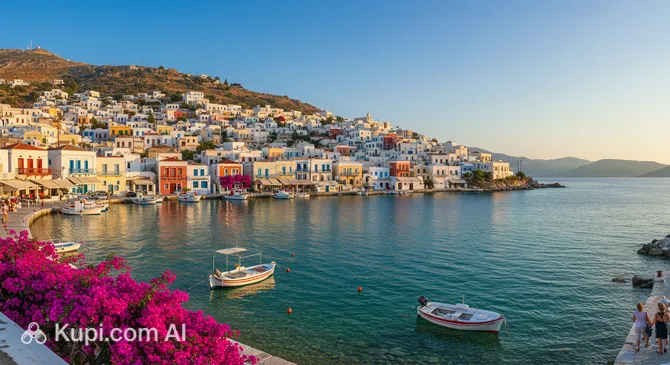
Kasos. Source: Kupi.Binoculars

The island holds a significant place in the maritime chronicles of the region. Exploring the rich history of Kasos reveals a past filled with naval prowess and resilience, particularly during the Greek War of Independence. Today, this heritage is evident in the architecture of the captains' houses and the local museums that preserve the island's legacy.

Visitors are often drawn to Fri, the island's capital and main port, which features the charming old harbor of Bouka. This picturesque spot is lined with traditional fishing boats and coffee shops, perfect for a relaxing afternoon. Another highlight is the nearby islet of Armathia, accessible by boat, which boasts some of the most stunning sandy beaches and turquoise waters in the Mediterranean, offering a slice of paradise for swimmers and sunbathers.

For those looking to discover a side of the Aegean untouched by mass tourism, Kasos is a truly rewarding choice. Whether you are exploring its historic monasteries, enjoying the famous local cuisine, or simply gazing at the endless blue horizon, this island promises a memorable and genuine travel experience.

Weather Overview

The climate of Kasos is typical of the South Aegean region, characterized by mild, wet winters and warm, dry summers. When planning your trip, it is helpful to check the detailed weather in Kasos to ensure you pack the right clothing. The island generally enjoys comfortable temperatures year-round, making it an accessible destination for most seasons.

Summer is the warmest and driest time of year, particularly from June to September. August is typically the hottest month, with an average temperature of 25.8°C and highs reaching nearly 27°C. During these months, rainfall is virtually non-existent, with zero wet days recorded in July and August. Expect warm summers with clear blue skies, which are perfect for enjoying the island's beaches and outdoor activities.

In contrast, the winter months bring cooler temperatures and more frequent rain. January is usually the coolest month, with an average temperature of 14.1°C, and it is also the wettest, seeing about 13 days of precipitation. However, the transitional seasons of spring and autumn offer a delightful balance; May and October, for instance, feature pleasant averages between 19°C and 22°C with very little rainfall, offering ideal conditions for sightseeing.

Interesting Facts

Beyond the main attractions, Kasos holds many fascinating secrets that reveal the depth of its culture and history. This unassuming island is full of stories and traditions that surprise even the most seasoned travelers.

  • A Link to the Suez Canal: A surprising chapter in the island's history involves a mass migration to Egypt during the 19th century. Many Kasiots moved to Port Said to work on the construction of the Suez Canal, eventually creating a thriving community there. This connection brought significant wealth and cosmopolitan influences back to Kasos, which are still visible in the majestic architecture of the old captains' houses.

  • Miniature Gastronomy: The local cuisine features a dish that requires incredible dexterity to prepare: Kasiot "doulmakia." These are stuffed vine leaves, but unlike versions found elsewhere in Greece, they are rolled to be exceptionally small. Locals take pride in the fact that a skilled cook can fit dozens of these tiny, cone-shaped delicacies onto a single spoon.

  • The Cyclopean Cave: The island is home to the Ellinokamara Cave, a site of significant archaeological interest. Its entrance is blocked by massive stones known as Cyclopean walls, which date back to the Mycenaean era. For centuries, this fortified cave served as a refuge for residents seeking safety from pirate raids and invaders.

  • A Unique Musical Tradition: While the lyra is a common instrument in the region, the Kasiot lyra is distinct and central to the island's identity. Music is so deeply ingrained in daily life here that festivals often feature "mantinades"—rhyming poetic couplets composed spontaneously by locals—that can last until the early hours of the morning.

How to Get There

Reaching the secluded island of Kasos is part of the adventure, offering travelers a chance to experience the authentic charm of the Dodecanese. Since the island is remote, planning your journey involves connecting through larger transport hubs. You can read more about how to get to Kasos to find the best route for your trip.

The city of Kasos does not have its own international airport, so most visitors arrive via neighboring islands. The closest facility is Karpathos Airport (AOK), located in Karpathos, approximately 20 km away. From there, you can take a short ferry ride or a domestic flight to reach Kasos. For international travelers, Heraklion Airport (HER) in Heraklion is a major gateway, situated about 159 km away on the island of Crete. It is a busy hub with extensive connections. Alternatively, Rhodes Airport (RHO) in Rhodes, roughly 152 km from Kasos, serves as another key entry point to the region. Travel from these larger airports typically requires a transfer to a ferry or a smaller local plane.

For clarity, here is a summary of the main airports:

Airport Name City Passenger Traffic Km from City
Heraklion Airport Heraklion Large 159.0
Rhodes Airport Rhodes Large 151.9
Santorini International Airport Fira Medium 169.9
Kos Airport Kos Medium 153.6
Karpathos Airport Karpathos Small 20.3

Kasos does not have a railway station, and there are no train services on the island due to its geography and size. The primary means of arrival are by sea or air. Visitors generally rely on the ferry network connecting Kasos with Piraeus, Crete, Rhodes, and other Dodecanese islands, or take advantage of domestic flights from larger Greek cities.

Main Attractions

Monastery of Saint Mamas is one of the most revered religious sites on the island, located southeast of Poli. Perched on a hill overlooking the vast Libyan Sea, this monastery offers breathtaking panoramic views that captivate every visitor. It is famous for its intricate pebbled mosaic floors and a stunning wood-carved iconostasis. The site comes alive on September 2nd, when a large traditional festival takes place, offering a unique opportunity to experience local culture, music, and hospitality.

A truly unique architectural marvel can be found in the village of Panagia, home to the complex known as the Six Churches (Exi Ekklisies). According to local legend, these six small chapels were built side by side to exorcise spirits that once dwelled in the area. The village itself is a picturesque settlement filled with captains' mansions, but this singular row of continuous church buildings stands out as a fascinating subject for photography and a testament to the island's deep spiritual heritage.

For history enthusiasts, a visit to Poli, the ancient capital of Kasos, is essential. Situated on a hill above the modern port of Fri, this is the oldest settlement on the island. Wandering through its quiet streets, visitors can discover the ruins of the ancient citadel and the remains of a medieval castle. The elevated location provides a strategic vantage point, rewarding hikers with sweeping views over the surrounding villages and the Aegean horizon.

Those seeking natural beauty and tranquility should head to Helatros Beach, located in a sheltered cove on the southern coast. This pebbly beach serves as a natural harbor and was historically used by Minoan sailors in antiquity. Today, it is a peaceful retreat with crystal-clear turquoise waters, protected from the strong northern winds. The dramatic landscape of steep cliffs surrounding the bay makes it an ideal spot for swimming and relaxation away from the crowds.

Another significant religious monument is the Monastery of Saint George (Agios Georgios) at Hadies. Nestled in a more remote inland area, this monastery is considered the protector of the island. It features a characteristic blue and white courtyard and cell accommodations for pilgrims. The serene atmosphere and the traditional architectural style make it a perfect destination for those looking to explore the spiritual heart of the island amidst its rugged terrain.

Local Cuisine

The culinary landscape of Kasos is a delightful journey into the traditional flavors of Greece, enriched by a unique local history that includes subtle influences from Egypt and neighboring Crete. Food here is prepared with patience and deep respect for heritage, relying heavily on locally sourced ingredients like sheep's milk, fresh fish, and quality meat. The island is not about fancy dining; it is about authentic, home-cooked meals shared in a warm atmosphere.

One cannot visit the island without trying its most celebrated dish, Kasiotiko Pilafo. Unlike standard pilafs, this festive meal is made by boiling meat—typically lamb or goat—to create a rich, fatty broth in which the rice is then cooked with tomatoes and spices, resulting in a savory and comforting flavor. Another culinary staple is Makarounes with Sitaka. These handmade local pasta shapes are served with sitaka, a unique creamy, tart cheese product indigenous to Kasos, and often topped with caramelized onions for an extra layer of taste.

For smaller bites, the famous Doulmakia are a highlight of the local table. These are vine leaves stuffed with a mixture of ground meat and rice, distinguished by their incredibly small size and the skill required to wrap them. For dessert, visitors should look for Moschopoungia, delicious sweet pouches filled with almonds, walnuts, and aromatic spices, usually drenched in syrup and dusted with powdered sugar.

To accompany these hearty meals, locals often sip on Souma, a potent traditional spirit distilled from grapes, similar to raki or tsipouro. The dining culture in Kasos is centered around small, family-run tavernas and traditional "kafeneia," particularly in the port of Fri and the village of Agia Marina. Here, the vibe is informal and welcoming, with meals often turning into long social gatherings where travelers are treated like old friends.

Travel Tips

Visiting Kasos is a delightful immersion into authentic Greek island life, but its remote nature and rugged terrain require a bit of preparation to ensure a smooth journey. These practical tips are designed to help you navigate the island's unique rhythm and make the most of your stay in this unspoiled corner of the Aegean.

  1. Clothing and Gear: Since Kasos is known for its strong winds, especially the "Meltemi" in summer, bringing a light windbreaker is essential even during warm months. Comfortable, sturdy walking shoes are a must, as the terrain is rocky and many attractions require walking on uneven paths. If you plan to visit the monasteries like Saint Mamas, remember to pack modest clothing that covers your shoulders and knees to respect the local dress code.

  2. Transportation: Public transport is quite limited, with only a few bus routes connecting the main villages during the summer. To fully explore the island's secluded beaches and remote chapels, renting a car or scooter is highly recommended. Taxis are available but few in number, so it is best to book them in advance if needed. There are no trains or metros here; the island is small enough that having your own vehicle gives you total freedom.

  3. Finances: The official currency is the Euro (€). While most tavernas and shops in the main port of Fri accept credit cards, cash is still king in smaller villages and traditional coffee shops (kafeneia). There is an ATM located in Fri, but it is wise to arrive with sufficient cash for small daily expenses. Tipping is appreciated but not mandatory; rounding up the bill or leaving a few euros is a kind gesture.

  4. Health and Safety: Kasos is an extremely safe destination with virtually no crime. For medical needs, there is a regional multipurpose medical clinic in Fri that handles basic health issues, and a local pharmacy is available for common supplies. However, for serious emergencies, patients are typically transferred to the hospital on the neighboring island of Karpathos or to Crete. Always carry travel insurance that covers medical evacuation just in case.

  5. Communication: The official language is Greek. While people involved in tourism usually speak English, older residents in remote villages may not, so learning a few basic phrases like "Kalimera" (Good morning) and "Efcharisto" (Thank you) goes a long way. Wi-Fi is generally available in hotels and cafes in Fri, but mobile signal can be spotty in the mountainous interior. Buying a SIM card at the airport in Athens or Crete before arriving is a good idea.

  6. Local Etiquette: Kasiots are famous for their hospitality and may often treat you to a raki or a sweet. It is polite to accept these gestures with a smile. When entering a shop or passing locals on the street, a friendly greeting is the norm. Life here moves at a slower pace, so avoid rushing service staff; patience and a relaxed attitude are key to blending in.

  7. What to Avoid: Water is a precious resource on this dry island, so please avoid wasting water during showers or when brushing your teeth. Additionally, avoid climbing on or moving stones at archaeological sites or ancient ruins; respecting the island's history ensures these treasures remain for future generations.

  8. Ferry Reliability: Be aware that ferry schedules can be subject to change due to the strong winds that frequently affect the area. It is a smart "life hack" to leave a buffer day in your travel itinerary, especially if you have a connecting international flight, as boats to and from Kasos may occasionally be delayed or cancelled due to weather conditions.

By keeping these practicalities in mind, you will be well-equipped to enjoy the raw beauty and warm community of Kasos without worry. Pack your sense of adventure and get ready to experience a side of Greece that remains wonderfully traditional and welcoming.

Entertainment & Nightlife

Nightlife in Kasos is a world away from the thumping bass and neon lights of typical party islands. Here, entertainment is defined by authentic connection, traditional music, and the slow enjoyment of life. The island does not have large nightclubs or a wild bar scene; instead, the evening revolves around long, leisurely dinners that stretch into the night, accompanied by local wine and the sound of the waves. The atmosphere is incredibly safe, laid-back, and welcoming, making it perfect for travelers seeking genuine Greek hospitality rather than a party marathon.

The heart of the island's evening activity is Fri, the capital and main port. Specifically, the picturesque old harbor of Bouka is where locals and visitors gather as the sun sets. This area serves as the island's primary "nightlife district," lined with traditional coffee shops (kafeneia) and tavernas that stay open late. The vibe here is casual and social; there is no dress code, and the crowd is a mix of friendly locals and travelers sharing stories over glasses of souma or raki.

For a memorable evening, you can visit Mylos, a well-known spot in Fri. Perched in a location that offers stunning views of the sea and the sunset, it is an ideal place to enjoy a drink or a meal in a serene setting. Another popular venue is Meltemi, where the focus is on fresh local flavors and a relaxed ambiance that encourages guests to linger for hours. In the nearby village of Arvanitochori, the traditional Kafeneio Maroukla offers a truly authentic experience, often serving as a meeting point for residents to discuss the day's news.

The true highlight of nightlife in Kasos is the panigiri (traditional festival). If you are lucky enough to visit during a religious celebration, such as the feast of Agia Marina on July 17th or Saint Mamas on September 2nd, you will experience the island's version of "clubbing." These festivals involve live music featuring the traditional Kasiot lyra and lute, where dancing and singing continue until the early morning hours. Everyone is invited to join the circle dances, and food is often provided for free in a communal spirit.

Practical advice for a night out includes carrying cash, as smaller venues may not accept cards. The best time to head out is around 9:00 PM, when the air cools down and the villages come alive. Getting around at night is best done on foot if you are staying in Fri, as distances are short. Taxis are limited, so if you are staying in a remote village, it is wise to pre-arrange your transport or have a rental car. The island is exceptionally safe for night walks, even for solo travelers.

During the day, entertainment is equally low-key and culturally rich. Visitors can explore the Archaeological Collection of Kasos in Fri to see artifacts from the island's history or visit the Maritime Museum to learn about its naval past. For nature lovers, a boat trip to the islet of Armathia offers a chance to swim in exotic turquoise waters, while the island's rugged terrain provides excellent opportunities for hiking to secluded chapels and viewpoints.

Parks & Museums

While Kasos may not boast the manicured city parks found in larger European capitals, its entire landscape serves as a rugged, open-air sanctuary of nature and history. The island's "green spaces" are defined by wild herbs, dramatic caves, and untouched islets, while its cultural venues offer an intimate look into a proud maritime past that has survived centuries of challenge.

Ellinokamara Cave stands out as the island's most significant natural and historical landmark. Located southwest of Agia Marina, this imposing cavern is more than just a geological formation; it is a site of immense archaeological importance. The entrance is guarded by massive stones known as Cyclopean walls, suggesting it served as a place of worship and refuge since the Mycenaean era. For tourists, the hike to the cave offers not only a lesson in history but also a chance to experience the raw, rocky beauty of the Kasiot hinterland.

For a pure immersion in nature, the islet of Armathia acts as the region's unofficial national park. Accessible only by boat, this uninhabited satellite of Kasos is an ecological gem, hosting significant bird populations and rare flora typical of the Southern Aegean. Its landscape is a stark mix of abandoned gypsum mines and blindingly white sand dunes. Visitors travel here to witness a pristine environment that has remained largely unchanged for decades, offering a stark contrast to the developed resorts of other Greek islands.

In terms of culture, the Archaeological Collection of Kasos in Fri is the primary destination for history enthusiasts. Housed in a preserved neoclassical building, the museum displays findings that trace the island's long trajectory from the prehistoric era to the Hellenistic and Roman periods. Highlights include ancient inscriptions, coins, and pottery recovered from the Ellinokamara Cave. It provides essential context for understanding how this small island once played a pivotal role in Aegean trade networks.

Another cultural touchstone is the Folklore Museum, often found within a traditional "Kasiot House." These living museums preserve the interior of a classic island home, centered around the "soufa"—a raised wooden platform used for sleeping and storage, adorned with intricate textiles and embroidery. A visit here offers a personal glimpse into the domestic life of the past, showcasing the tools, costumes, and decorative items that defined the daily existence of Kasiot families before the modern era.

Among the historical sites, the Castro of Poli represents the island's ancient heart. Located on a hill above the port, these ruins mark the site of the ancient citadel. While much of the structure has weathered away, the remnants of the fortification walls and the breathtaking views over the Aegean make it a compelling stop for those interested in antiquity. Nearby, in the port of Fri, stands the Monument of the Holocaust of Kasos, a solemn tribute to the events of 1824, serving as a powerful reminder of the island's sacrifice during the Greek War of Independence.

For a truly authentic experience, explore the rugged trails leading to the island's mitata. These are traditional stone shepherd huts scattered across the mountains, often built with dry-stone techniques that date back centuries. Hiking to these remote structures not only offers solitude and silence but also a chance to see how the island's pastoral traditions continue to coexist with the wild landscape.

Getting Around

Public transport in Kasos is straightforward and modest, reflecting the small size and relaxed pace of the island. Visitors will not find complex systems like metros, trams, or trains here. Instead, the local transportation network consists primarily of a municipal bus service, a limited number of taxis, and vehicle rental options, which are sufficient for navigating the short distances between settlements.

The main form of public transit is the municipal bus, often referred to by locals as the "leoforeio." It typically operates on a single route that connects the capital and port, Fri, with the surrounding villages of Agia Marina, Arvanitochori, Poli, and Panagia. The schedule is seasonal; during the summer months, the bus runs several times a day to accommodate tourists, while in the winter, frequency decreases. The timetable is usually posted at the central bus stop in Fri and at local coffee shops.

The payment system is traditional and cash-based. There are no travel cards, mobile apps, or ticket vending machines. Passengers simply pay the fare directly to the driver upon boarding. Ticket prices are very affordable, typically costing just a nominal fee per ride. It is highly recommended to carry small change or low-denomination notes, as drivers may not always have change for larger bills.

For those seeking more flexibility or traveling at night, taxis are an alternative, though they are few in number. There are only a handful of taxis serving the entire island, so it is rare to successfully hail one on the street. The most practical advice for tourists is to book a taxi by phone in advance, especially if you need a transfer to the airport or have a specific dinner reservation. You can often find taxi drivers waiting at the port when ferries arrive.

Given the limited frequency of the bus and the scarcity of taxis, renting a vehicle is a popular choice for many visitors. Renting a car, scooter, or ATV provides the freedom to explore secluded beaches and remote monasteries that are not accessible by bus. Rental agencies are located in the port area of Fri. Additionally, because the main villages are clustered relatively close together, walking is a viable and enjoyable way to get around, allowing you to take in the scenic architecture and landscape at a leisurely pace.

Accommodation

Accommodation in Kasos reflects the island's authentic and unpretentious character. Unlike the mass-tourism hubs of the Aegean, you will not find sprawling all-inclusive resorts or international luxury hotel chains here. Instead, the island offers a selection of charming, family-run hotels, self-catering apartments, and traditional rooms to let. These establishments are known for their cleanliness and the warm, personal hospitality of the owners, who often treat guests more like visiting relatives than customers.

The majority of accommodation options are concentrated in Fri, the island's capital and main port. Staying in Fri is the most convenient choice for travelers, as it provides easy access to the ferry, local transport, supermarkets, and the island's main dining and nightlife spots. For those seeking a quieter experience, there are also a few rooms and studios available in the nearby village of Emporios, which is close to some of the island's popular beaches, or in the picturesque settlements of Panagia and Arvanitochori, offering a peaceful village atmosphere.

When planning a trip to Kasos, timing is everything. The island has a limited number of beds, and demand spikes significantly during the summer months, particularly in July and August. This is especially true during the famous local festivals (panigiria), such as the feast of Agia Marina in July or Saint Mamas in early September. It is highly advisable to book your accommodation well in advance—often several months ahead—if you intend to visit during these peak periods to ensure you find a place to stay.

In terms of cost, Kasos is generally an affordable destination. Prices typically range from budget to mid-range, making it accessible for most travelers. While some properties are listed on major online booking platforms, many smaller owners still rely on direct bookings via phone or email. It is also worth noting that some traditional guesthouses may prefer cash payments, so having some currency on hand is a good practical tip for a smooth check-in experience.

Nearby Cities

For those looking to explore the surroundings, Kasos serves as an excellent base for day trips or short excursions to several interesting nearby locations. Since Kasos is connected by ferry and air to larger regional hubs, travelers can easily extend their itinerary to include some of the most famous destinations in the Aegean.

Rhodes, the capital of the Dodecanese, is a must-visit for history enthusiasts. Known as the Island of the Knights, it boasts a stunning UNESCO World Heritage-listed Medieval City. Visitors can wander through the Street of the Knights, explore the imposing Palace of the Grand Master, and enjoy the vibrant atmosphere of a city where Byzantine, Ottoman, and Italian influences blend seamlessly.

Heraklion, the bustling capital of Crete, offers a completely different experience rooted in the ancient Minoan civilization. A short flight or ferry ride brings you to the home of the legendary Palace of Knossos, associated with the myth of the Minotaur. The city is also famous for its world-class Archaeological Museum, Venetian fortress, and lively markets, making it a perfect spot for cultural immersion.

Kos is another fascinating island nearby, renowned as the birthplace of Hippocrates, the father of medicine. It features the ancient Asclepeion, a healing center of antiquity, along with beautiful sandy beaches and a bicycle-friendly town center. Its mix of ancient ruins, Italian-style architecture, and lush greenery offers a relaxing yet historically rich environment for visitors.

City Population Distance (km)
Heraklion 211370 162
Rhodes 56969 163
Chania 53910 264
Kos 33387 167
Rethymno 32468 221

These nearby destinations offer a glimpse into the diverse culture and landscapes of the region, providing a wonderful contrast to the quiet solitude of Kasos.

Shopping & Souvenirs

Shopping in Kasos is a reflection of the island's authentic and unhurried lifestyle. Visitors should not expect sprawling commercial centers, designer boutiques, or high-end fashion brands. Instead, the retail experience here is intimate and traditional, focused almost entirely on local craftsmanship and high-quality regional produce. It is the perfect opportunity to support small, family-owned businesses and discover goods that are deeply connected to the island's culture and culinary heritage.

The main commercial hub of the island is located in Fri, the capital and primary port. Most of the shops are clustered around the old harbor of Bouka and the narrow streets leading inland. Here, you will find a handful of grocery stores, traditional bakeries, and souvenir shops. A stroll through Fri allows you to cover the island's entire shopping scene in a short time, offering a relaxed alternative to the hustle and bustle of larger tourist destinations.

There are no shopping malls or large department stores on the island. The retail landscape is defined by small, independent proprietors. This absence of large-scale commercialization preserves the island's charm and ensures that the products you find are genuine and often handmade.

While Kasos does not have a designated central market hall or a large flea market, the local grocery stores and bakeries serve as the community's marketplace. These spots are where residents gather to buy fresh bread, seasonal fruits, and vegetables. For those interested in local flavors, visiting the traditional wood-fired bakeries in Fri or the nearby village of Agia Marina is a must, as the smell of fresh baked goods is a staple of the Kasiot morning.

When it comes to souvenirs, the best mementos from Kasos are edible. The island is famous for its unique dairy products, particularly Sitaka, a creamy, tart soft cheese that is a key ingredient in local pasta dishes. Another excellent choice is thyme honey, which is produced locally and captures the aromas of the wild herbs covering the mountains. Visitors should also look for Moschopoungia, the traditional sweet pouches filled with almonds and spices, or boxes of Koulouria, the local crispy biscuits. These items are widely available in local mini-markets and pastry shops.

Store opening hours in Kasos follow the traditional Greek island schedule. Shops typically open around 9:00 AM and close for a midday break (siesta) around 2:00 PM. They reopen in the evening, usually from 5:30 PM until 9:00 PM or later, especially during the summer season. On Sundays, many shops may be closed or operate with reduced hours, so it is wise to plan your purchases in advance.

Regarding payment, while larger establishments and supermarkets in Fri generally accept credit and debit cards, cash is still preferred and sometimes necessary in smaller shops, traditional bakeries, or kiosks. There is an ATM available in the port area, but carrying sufficient cash for small daily transactions is highly recommended to ensure a smooth shopping experience.

Tax-free shopping (VAT refund) is generally not applicable or readily available in the small local shops of Kasos, as the island lacks the major luxury retailers that typically offer this service to non-EU tourists. The focus here is on small-value, authentic local goods rather than high-cost luxury items.

Reached the end of the page?

That means the route is fully explored