Support

Syros

About

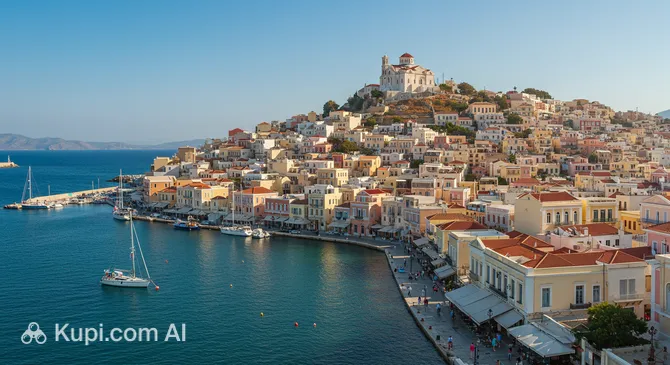
Syros. Source: Kupi.Binoculars

Syros is a captivating island that stands out as the administrative capital of the Cyclades. Unlike the typical whitewashed simplicity found on neighboring islands, Syros boasts a regal and cosmopolitan atmosphere that blends traditional Greek charm with Venetian influence. Located in the heart of the Aegean Sea, this gem of Greece offers a unique travel experience where neoclassical elegance meets the laid-back island lifestyle.

Geographically, the island is situated in the South Aegean region and enjoys a pleasant Mediterranean climate with warm, sunny summers and mild winters. It is home to approximately 21,500 residents, making it one of the most populated and lively islands in the archipelago year-round. The landscape is a beautiful mix of rocky terrain, fertile valleys, and stunning coastlines that invite exploration.

The rich history of Syros is most visible in its dual main settlements: the majestic port city of Ermoupoli and the medieval hilltop town of Ano Syros. Ermoupoli is famous for its grand Town Hall and the Apollo Theatre, often called a miniature La Scala. In contrast, Ano Syros offers a labyrinth of narrow alleys and whitewashed houses, originally built as a fortress against pirate attacks.

Visitors are often enchanted by the Vaporia district, where grand mansions stand right at the water's edge, earning it the nickname "Little Venice." Beyond architecture, the island is renowned for its culinary delights, particularly the famous loukoumi (Turkish delight) and halvadopita (nougat pie). Whether you are wandering through historic squares or relaxing on the sandy beaches of Galissas and Kini, Syros promises an unforgettable journey full of culture and beauty.
Weather Overview

The island enjoys a classic Mediterranean climate, characterized by long, sunny spells and moderate temperatures throughout the year. Generally, you can expect warm, dry summers and mild, damper winters, making it a welcoming destination in almost any season. For a detailed breakdown of what to expect during your specific travel dates, you can check the current weather in Syros.

Summer is the most popular time to visit, particularly in July and August, when average temperatures peak around 25.5°C. During these months, rainfall is virtually non-existent, with July seeing 0 wet days, ensuring uninterrupted beach days and clear blue skies. The warmth extends into September, which remains pleasant with averages near 23.6°C and very little precipitation.

Winters are mild rather than harsh, though they do bring more frequent rain. January is typically the coolest and wettest month, with temperatures ranging between 11.5°C and 13.9°C and approximately 13 wet days. The transitional seasons of spring and autumn offer a lovely balance; for instance, May sees comfortable averages of 18.8°C with only a couple of rainy days, creating ideal conditions for exploring the island's architecture and nature.

Interesting Facts

Beyond its neoclassical facades and azure waters, Syros holds fascinating stories that set it apart from other Greek islands. Uncover the unique heritage and local customs that define this captivating destination.

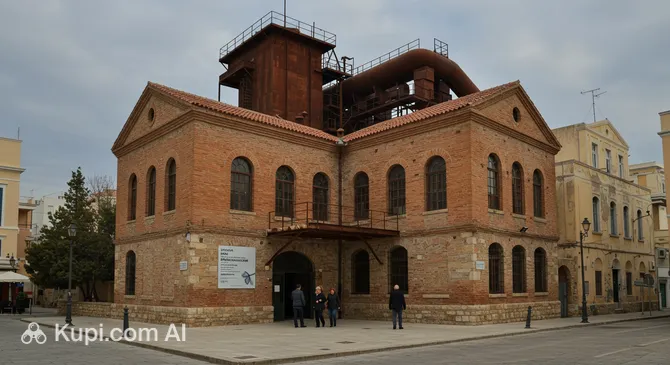
Industrial Museum of Ermoupolis. Source: Kupi.Binoculars
  • It might come as a surprise, but Syros played a pioneering role in automotive history. In the 1970s, the Enfield 8000, one of the first electric cars in the world, was manufactured here. A preserved model of this rare vehicle is proudly displayed at the Industrial Museum of Ermoupolis.

  • The island is celebrated for a rare tradition of religious unity between its Catholic and Orthodox populations. Uniquely, the Catholic community here celebrates Easter on the same day as the Orthodox Church, ensuring that families and friends can share the festivities together regardless of their denomination.

  • Syros is the birthplace of Markos Vamvakaris, a legendary figure known as the "patriarch" of Rebetiko music. His influence on Greek folk music is immense, and visitors can explore his life and work at the Markos Vamvakaris Museum in Ano Syros.

  • Ermoupoli was once the primary commercial and industrial center of the newly formed Greek state, even surpassing Athens in importance during the 19th century. It was here that the first hospital in modern Greece was established, highlighting the island's historical significance beyond tourism.

How to Get There

Reaching this Cycladic gem is an adventure in itself, typically involving a combination of air and sea travel. Since Syros is an island, there are no direct road connections from the mainland, and visitors usually arrive via ferry from Piraeus or other islands. For a comprehensive guide on all available routes and schedules, you can read more about how to get to Syros.

The city does not have a major international airport listed in the immediate vicinity, so most travelers fly into Eleftherios Venizelos International Airport (ATH) in Athens. Located approximately 101.8 km from Syros, this is the primary hub for international arrivals. From the airport, you must travel to the port of Piraeus or Rafina to catch a ferry. The total travel time depends on the ferry schedule and type of vessel selected for the crossing.

Alternatively, you can fly into airports on neighboring islands and take a short ferry ride to your destination. Paros Airport (PAS) in Paros is the closest option, situated about 49.7 km away. This route requires a transfer to the port and a subsequent ferry trip across the water. Another popular entry point is Santorini International Airport (JTR) in Fira, roughly 125.9 km away, which serves millions of passengers annually and offers frequent boat connections to Syros.

For clarity, here is a summary of the main airports nearby:

Airport Name City Passenger Traffic Km from City
Eleftherios Venizelos International Airport Athens Very Large 101.8
Santorini International Airport Fira Large 125.9
Paros Airport Paros Medium 49.7
Naxos Airport Naxos Small 56.6
Milos Airport Milos Small 91.1

As an island destination, Syros is not connected to a railway network. There are no trains operating on the island itself. Visitors relying on public transport will find that the local bus service and taxis are the best ways to navigate between the port, the main town of Ermoupoli, and the various villages and beaches.

Main Attractions

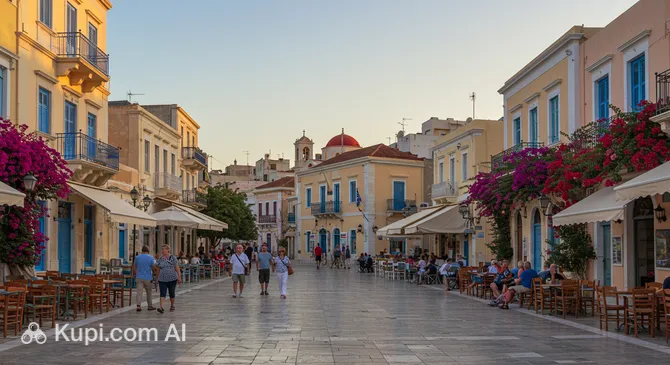
Located in the heart of Ermoupoli, Miaouli Square is one of the grandest public spaces in the Cyclades and a testament to the island's regal history. This historic square is paved with marble and dominated by the imposing Town Hall, creating a majestic setting that feels more like a European capital than a typical island village. It serves as the city's social hub, where locals and visitors gather at the surrounding cafes and palm-shaded benches to enjoy the vibrant atmosphere.

Miaouli Square. Source: Kupi.Binoculars

For a deep dive into the island's economic heritage, the Industrial Museum of Ermoupolis is a fascinating stop for history enthusiasts. Housed in restored factory buildings, the museum showcases a vast collection of machinery, tools, and artifacts that document the city's era as a major industrial power in the 19th century. Highlights of the exhibition include the legendary Enfield 8000 electric car and extensive displays on shipbuilding and textile manufacturing.

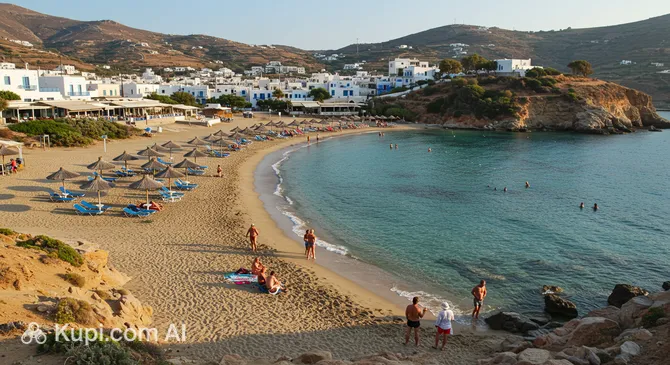
Travelers looking for relaxation by the sea should head to the western coast to visit Kini Beach. Known for its crystal-clear waters and golden sand, this picturesque bay offers a laid-back vibe and is celebrated for hosting some of the most stunning sunsets on Syros. The waterfront is lined with excellent seafood tavernas, and the small harbor serves as a departure point for boat trips to more secluded coves nearby.

Kini Beach. Source: Kupi.Binoculars

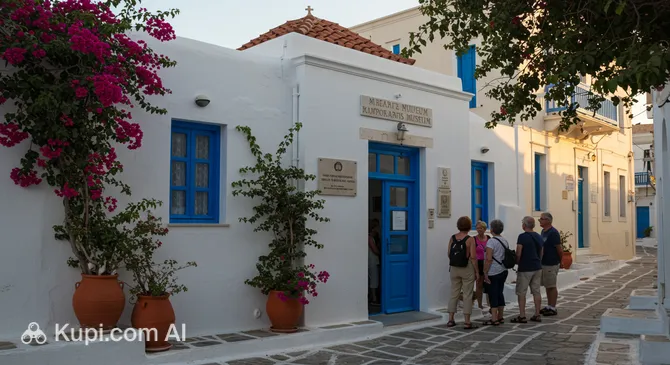
Perched high in the medieval settlement of Ano Syros, the Markos Vamvakaris Museum pays tribute to the "patriarch" of Rebetiko music. The museum is located in the traditional house where the famous composer lived and displays his personal belongings, including his watch, clothes, and handwritten lyrics. A visit here not only offers insight into an important chapter of Greek musical culture but also provides breathtaking panoramic views of the Aegean Sea from the surrounding alleys.

Local Cuisine

The culinary landscape of Syros is a delightful reflection of its history, blending traditional Cycladic flavors with refined Venetian influences. Unlike many other islands where the cuisine is purely rustic, Syros offers a sophisticated gastronomic scene that ranges from humble seaside tavernas to elegant restaurants. The island is particularly famous for its unique local products, most notably San Michali, a spicy, hard cheese with a Protected Designation of Origin (PDO) status, and the sweet kopanisti, a creamy, peppery cheese spread often served as a starter.

For those with a sweet tooth, Syros is a paradise. The island is renowned across Greece for its loukoumi (Turkish delight), a legacy of the 19th-century refugees from Chios who settled here. These fragrant, chewy cubes come in various flavors like rose, bergamot, and mastic. Another signature treat is halvadopita, a delicious nougat pie sandwiched between two thin wafers, filled with almonds and honey. These sweets are not just food but a part of the island's cultural identity, widely available in local shops and bakeries.

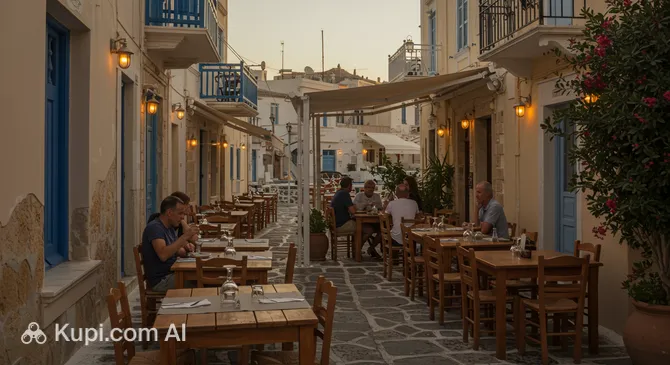
Savory dishes on the island often feature wild herbs and locally grown vegetables. You should definitely try the local sausages flavored with fennel, as well as dishes incorporating sun-dried tomatoes and capers, which grow abundantly in the arid soil. Dining out is a social affair here, often centered around "mezedopoleia"—casual eateries serving small plates designed to be shared. A great place to experience this communal style of eating is Maison De Meze, where you can sample a variety of authentic flavors in a cozy setting.

Maison De Meze. Source: Kupi.Binoculars

If you are craving something different, the island's cosmopolitan past means you can also find excellent international options. For instance, Solo Grano offers high-quality pasta and pizza, paying homage to the strong Italian influence that pervades the island's architecture and culture. Whether you choose a traditional Greek dish or a Mediterranean fusion meal, the ingredients are almost always fresh and locally sourced.

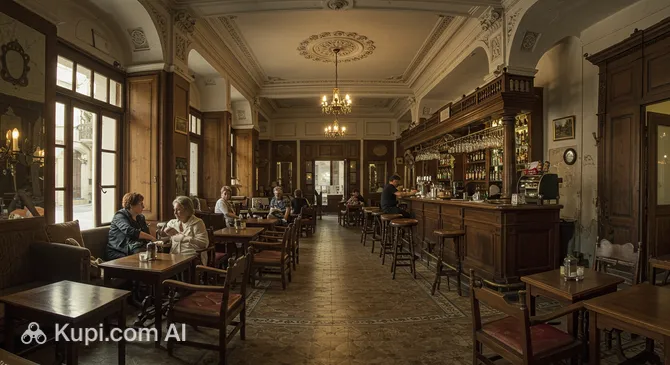
To accompany your meal, locals typically enjoy tsipouro, a strong pomace brandy that pairs perfectly with sharp cheeses and salty appetizers. The island also produces some excellent local wines that are gaining recognition. For a relaxing evening after dinner, you might head to Syrianon Bar, a spot where you can enjoy a refreshing cocktail or a glass of wine while soaking in the vibrant atmosphere of the city by night.

Travel Tips

Welcome to Syros, the "Lady of the Cyclades," where neoclassical elegance meets island tradition. To ensure your visit to this year-round destination is as smooth and enjoyable as possible, here are some practical tips to help you navigate local life with ease.

  1. Clothing and Footwear: While summers are warm and call for breathable fabrics and swimwear, the island can get breezy in the evenings, so a light jacket is useful. Most importantly, bring sturdy, comfortable walking shoes. The charming streets of Ermoupoli and the medieval alleys of Ano Syros involve steep stairs and cobblestones that are unforgiving to high heels or flimsy flip-flops. If you plan to visit the magnificent churches, remember to dress modestly, covering shoulders and knees.
  2. Getting Around: The local KTEL bus service is an efficient and budget-friendly way to reach popular beaches like Galissas and Kini from the main port. Taxis are available but can be scarce during peak season, so booking ahead is wise. While renting a car allows for exploration of the northern part of the island (Apano Meria), be aware that parking in the center of Ermoupoli is extremely difficult; renting a scooter or using the free municipal minibus in the city center is often more practical.
  3. Money Matters: The currency is the Euro (€). While credit and debit cards are widely accepted in restaurants and shops, it is essential to carry some cash for small purchases, bus fares, and kiosks. ATMs are plentiful in Ermoupoli, but fewer are found in smaller villages. Tipping is not mandatory but is customary and appreciated; rounding up the bill or leaving a 5-10% tip for good service is the norm.
  4. Health and Safety: Syros is a very safe destination for travelers. In case of medical issues, the island is home to a large General Hospital located in Ermoupoli, which serves the broader Cyclades region. Pharmacies are marked with a green cross and are easy to find in the main town. While tap water is generally safe for hygiene, it is often desalinated and has a distinct taste, so most visitors and locals prefer drinking bottled water.
  5. Communication: Greek is the official language, but English is widely spoken, especially in the hospitality sector. Learning a few basic phrases like "Kalimera" (Good morning) and "Efharisto" (Thank you) will go a long way in connecting with the friendly locals. For mobile data, EU roaming applies; otherwise, you can easily purchase a prepaid SIM card from mobile stores in the port area.
  6. Local Etiquette: Life on Syros follows a relaxed rhythm. The afternoon quiet hours, known as mesimeri (roughly 14:30 to 17:30), are strictly observed; avoid making loud noises during this time. Dinner is typically served late, with locals often heading to tavernas after 21:00. When dining, it is polite to wait to be seated, though in casual places you may pick your own table.
  7. Plumbing Precautions: As in most parts of Greece, the sewage pipes are narrow and easily clogged. Never flush toilet paper or hygiene products down the toilet; instead, use the small bin provided in every restroom. This is a strict rule in hotels, restaurants, and public facilities to avoid unpleasant plumbing issues.
  8. City Swimming Experience: Unlike other islands where you must travel far for a swim, Syros offers a unique experience in the Vaporia district of Ermoupoli. Here, you can swim directly off concrete platforms into deep, crystal-clear water while looking up at grand neoclassical mansions. It is a favorite local pastime and a perfect way to cool off without leaving the city.

By keeping these practicalities in mind, you will be well-prepared to embrace the sophisticated yet laid-back lifestyle of Syros. Whether you are navigating the marble streets of the capital or relaxing by the Aegean, a little local knowledge ensures your journey is nothing short of spectacular.

Entertainment & Nightlife

Syros offers a nightlife experience that is distinctively elegant and cosmopolitan, setting it apart from the wild party scenes of other Cycladic islands. The evening entertainment here is centered around socializing, enjoying high-quality drinks, and soaking in the romantic atmosphere of the illuminated city. The main hub of activity is Ermoupoli, particularly along the bustling waterfront and the historic squares, where locals and visitors gather for their evening volta (stroll).

For a memorable night out, the port area is lined with stylish bars and cafes. One of the standout venues is Syrianon Bar, located right on the waterfront. It is an excellent spot to enjoy a cocktail while watching the ferries dock, surrounded by the vibrant energy of the harbor. If you prefer to start your evening with a meal, Solo Grano offers a delightful culinary experience that perfectly transitions into a night of drinks and conversation. The dress code across most venues is "island chic"—smart but relaxed, reflecting the city's neoclassical grandeur.

Syrianon Bar. Source: Kupi.Binoculars

Beyond the port, the district of Vaporia offers a more serene setting for a drink by the sea, often referred to as "Little Venice." For a more traditional vibe, head up to the medieval settlement of Ano Syros. Here, the nightlife is more intimate, characterized by small tavernas and bars tucked away in narrow alleys, often playing Rebetiko music. This genre is deeply rooted in the island's history, adding a nostalgic and authentic touch to the evening atmosphere.

While nightlife is a major draw, Syros also boasts impressive daytime entertainment options. The Apollo Theatre in Ermoupoli is a cultural jewel, hosting opera, theater, and music festivals throughout the year, often compared to a miniature La Scala. For a deeper dive into local culture, visitors can explore the island's museums or enjoy the vibrant beach scene during the daylight hours before the city lights up.

Practicalities for a night out in Syros are straightforward. The island is extremely safe, and walking between venues in Ermoupoli is common and secure. Bars typically stay open late, often until 3:00 or 4:00 AM on weekends. Prices are generally moderate compared to Mykonos. Taxis are available at the main taxi station near the port, but it is advisable to call for one if you are in a remote area or leaving Ano Syros late at night.

Parks & Museums

Syros is often described as an open-air museum, where the grandeur of neoclassicism meets the rugged beauty of the Cyclades. While the island may not have vast botanical gardens, its natural landscapes and wealth of cultural institutions offer a fascinating journey through time and nature.

For those seeking green spaces and natural beauty, the island's coastline serves as its most cherished parkland. Galissas Beach is a standout natural area, framed by hills and lined with shady tamarisk trees that provide a cool retreat from the sun. It is a perfect spot for relaxation, offering a mix of golden sand and calm waters. Another gem is Kini Beach, a picturesque bay on the western coast known for its crystal-clear waters and stunning sunsets, making it a favorite natural escape for both locals and visitors.

The cultural heart of the city beats strongest in its museums. The Archaeological Museum of Syros, one of the oldest in Greece, is a must-visit for history buffs. Located near the Town Hall, it houses an impressive collection of artifacts from the Early Cycladic period, including pottery and marble figurines. For a look into the island's modern history, the Industrial Museum of Ermoupolis offers a unique perspective. Housed in three restored factory buildings, it chronicles the city's rise as a 19th-century industrial powerhouse, displaying rare machinery, tools, and the historic electric car manufactured on the island.

High above the port in the medieval settlement of Ano Syros lies the Markos Vamvakaris Museum. Dedicated to the "patriarch" of Rebetiko music, this intimate museum is set in a traditional house and showcases his personal belongings, lyrics, and instruments.

Markos Vamvakaris Museum. Source: Kupi.Binoculars

Beyond the museums, the city itself is an architectural marvel. The Church of Agios Nikolaos is a breathtaking example of religious architecture in the Vaporia district. As the patron saint of the island, the church features a magnificent dome, marble iconostasis, and slate-roofed towers that dominate the skyline. Just as impressive is the Church of the Resurrection, perched atop the Vrontado hill, offering panoramic views that rival the spiritual grandeur of its interior.

For a truly authentic experience, take a walk to the Aquarium of Syros in the village of Kini. Though small, it provides a charming glimpse into the marine life of the Aegean and is often overlooked by the average tourist. Alternatively, wandering the quiet, car-free alleys of Ano Syros during the late afternoon offers a peaceful, living-museum experience that captures the essence of island life.

Getting Around

Public transport in Syros is primarily reliant on a well-organized bus network, which is the most common and economical way to navigate the island. There is no metro, tram, or train system here. The backbone of local transportation is the KTEL bus service, which connects the capital, Ermoupoli, with the island's most popular villages and beaches, such as Galissas, Kini, Vari, and Finikas. These buses are large, air-conditioned, and generally reliable, serving as the main link between the port area and the rest of the island.

A special feature of the city's transport is the municipal mini-bus service. These smaller buses are designed to navigate the narrow and often steep streets of Ermoupoli. They offer a convenient loop that typically runs from the port to the majestic Town Hall and other central locations, saving visitors from the strenuous uphill walks that characterize the city's geography. Best of all, this service is usually free of charge or requires a nominal fee, making it an excellent resource for getting around the town center comfortably.

Regarding payment, the system is traditional and straightforward. For the KTEL intercity buses, you can purchase tickets at the central bus station, which is conveniently located near the port arrival area. In many cases, it is also possible to buy tickets directly from the driver or a conductor on board, so carrying cash—specifically coins and small notes—is highly recommended. Ticket prices are very affordable, typically ranging from 1.60€ to 2.00€ depending on the distance of your journey. Travel passes are not commonly used by short-term visitors, as single-ride tickets are efficient enough for most needs.

For practical planning, it is important to know that bus schedules are highly seasonal. During the peak summer months, services are frequent, with buses departing almost every half hour to popular destinations. However, in the off-season, the frequency drops significantly. Timetables are usually posted at the central station and main bus stops, but it is always a good idea to ask for a printed schedule upon arrival or check the latest updates at the station kiosk to avoid long waits.

If you prefer more flexibility, taxis are a viable alternative. The main taxi rank is situated right at the port in Ermoupoli, usually in front of the monument to the National Resistance. While taxis are metered and offer a comfortable ride to specific locations or late at night when buses stop running, they can be in high demand during July and August. For complete independence, renting a car or a scooter is very popular; this allows you to explore the remote northern part of the island, known as Apano Meria, which is less accessible by public bus.

Accommodation

Accommodation in Syros is as varied and distinctive as the island itself, catering to a wide range of preferences and budgets. Unlike some of the more commercialized Cycladic neighbors, the lodging options here often reflect the local character. You can find everything from luxurious boutique hotels housed in restored neoclassical mansions to simple, family-run rooms to let (domatia) by the sea. For those seeking a more authentic experience, there are charming guesthouses tucked away in medieval alleys, while modern resorts near the popular beaches offer comfortable amenities for families and sun-seekers.

The most popular area to stay is undoubtedly the capital, Ermoupoli. Staying here keeps you close to the main port, museums, and the vibrant nightlife. Within the city, the prestigious Vaporia district is particularly sought after; here, many historic mansions have been converted into elegant hotels offering stunning views over the Aegean. For a quieter, more atmospheric stay, the medieval settlement of Ano Syros offers traditional dwellings with panoramic vistas, though be prepared for plenty of steps. If your priority is immediate access to the sea, the coastal villages of Galissas, Kini, and Vari are excellent choices, providing a relaxed resort vibe right on the water's edge.

Regarding costs, Syros generally offers better value for money than islands like Mykonos or Santorini. Prices range from budget-friendly options in the range of 40-60€ per night for simple apartments to mid-range hotels costing between 80-150€. Luxury accommodations, particularly in the Vaporia district or high-end beach resorts, can exceed 200€ per night during the high season.

Booking Tip: While it is often possible to find a room on arrival during the shoulder months (May, June, September), booking in advance is essential if you plan to visit in July or August. Syros is a favorite destination for Greek tourists as well as international travelers, and the best properties—especially those with sea views or in prime locations—tend to fill up months ahead of time. Most accommodations can be booked easily via major online platforms, though contacting smaller family-run establishments directly can sometimes secure a better rate.

Nearby Cities

For those looking to explore the surroundings, Syros serves as an excellent base for day trips to several interesting nearby locations:

Just a stone's throw from the main port lies the historic settlement of Ano Syros. Although it is technically a separate municipality located only about 2 km away, it feels like a different world entirely. Built amphitheatrically on a hill to protect against pirate raids, this medieval town is the center of the island's Catholic community. A day trip here involves wandering through a labyrinth of narrow alleys, visiting the Catholic Cathedral of Saint George, and enjoying panoramic views of the Aegean Sea that are simply unmatched.

Beyond the immediate vicinity, Syros is perfectly positioned for island hopping to its Cycladic neighbors. The island of Tinos is a very popular choice for a short visit, located just a brief ferry ride away. Known for its marble craftsmanship and the famous Church of Panagia Evangelistria, Tinos offers a spiritual and artistic contrast to the neoclassical grandeur of Syros. Similarly, the cosmopolitan island of Mykonos is close enough for travelers to experience its iconic windmills and vibrant atmosphere before returning to the quieter base of Ermoupoli.

City Population Distance (km)
Glyfada 87305 113
Pallini 54415 110
Voula 28364 111
Paiania 26668 110
Ano Syros 21507 2

These nearby destinations offer a glimpse into the diverse culture and landscapes of the region.

Shopping & Souvenirs

Shopping in Syros offers a sophisticated experience that distinguishes it from the typical souvenir-focused markets of other Greek islands. As the administrative capital of the Cyclades, the city of Ermoupoli boasts a vibrant commercial center where neoclassical elegance meets modern retail. Visitors can find a wide array of goods, ranging from high-end fashion and handmade jewelry to traditional local products, all within a walkable and atmospheric setting.

The main shopping activity is concentrated in Ermoupoli, particularly along the pedestrian-friendly streets that run parallel to the port. Stamatiou Proiou Street and Protopapadaki Street are the primary commercial arteries, bustling with activity throughout the day. These paved avenues are lined with diverse boutiques, shoe stores, and bookshops, leading visitors towards the majestic Miaouli Square. Exploring these lanes offers not just retail therapy but also a chance to admire the city's stunning architecture.

Unlike major metropolitan areas, Syros does not have large, enclosed shopping malls. The retail culture here is defined by independent shop owners and small, family-run businesses. This absence of impersonal mega-malls preserves the island's authentic character, allowing for more personal interaction with shopkeepers who are often eager to share the stories behind their products.

For a taste of authentic local life, a visit to the central market on Chios Street is essential. This vibrant, narrow street is the gastronomic heart of the city, packed with grocery stores, fishmongers, and butchers. It is the perfect place to mingle with locals doing their daily shopping and to discover fresh herbs, spices, and capers grown in the Cycladic soil. The sights and smells here provide a sensory connection to the island's culinary traditions.

When it comes to souvenirs, Syros is famous across Greece for its confectionery. The most iconic item to bring home is Loukoumi (Turkish delight), which has been produced on the island since the 19th century and comes in flavors like rose, bergamot, and mastic. Another must-buy is Halvadopita, a chewy nougat pie with almonds. Foodies should also look for San Michali, a spicy, hard cheese with a Protected Designation of Origin (PDO) status, often considered one of the most expensive and delicious cheeses in Greece.

Store opening hours in Syros generally follow the traditional Greek split shift. Shops typically open around 9:00 AM and stay open until 2:00 PM or 2:30 PM. On Tuesdays, Thursdays, and Fridays, they reopen in the evening from approximately 5:30 PM to 9:00 PM. On Mondays, Wednesdays, and Saturdays, most shops remain closed in the evening. Major supermarkets may have extended continuous hours. Credit and debit cards are widely accepted, though carrying some cash is advisable for small purchases at kiosks or traditional market stalls.

For travelers residing outside the European Union, tax-free shopping is available at participating stores. Look for the "Tax Free" signage in shop windows. If you spend over a certain amount (typically around €50) in a single transaction, you can ask for a tax refund form to present at customs upon your departure from the EU, allowing you to reclaim the VAT on your purchases.

Reached the end of the page?

That means the route is fully explored