Support

Chios

About

Chios is a captivating destination located in the North Aegean region of Greece. Often referred to as the "Mastic Island," it is famous worldwide for its exclusive production of aromatic mastic resin. This crescent-shaped island offers a unique blend of medieval architecture, stunning landscapes, and a vibrant local culture that sets it apart from other Aegean destinations.

Chios. Source: Kupi.Binoculars

Geographically, the island is situated close to the coast of Asia Minor and is the fifth largest of the Greek islands. With a population of approximately 26,850 inhabitants, the main town, also called Chios, serves as the commercial and cultural heart of the area. The climate is typically Mediterranean, featuring mild winters and warm, sunny summers that are perfect for exploration.

The island's past is as flavorful as its local cuisine. Those interested in the history of Chios will be fascinated by the legacy of the Genoese and Ottoman periods, which is most visible in the fortified "Mastichochoria" villages. Key attractions include the UNESCO-listed Nea Moni Monastery, renowned for its exquisite mosaics, and the medieval village of Pyrgi, famous for the intricate geometric patterns known as "xysta" painted on its buildings.

Whether you are wandering through the historic citrus orchards of the Kampos area or relaxing on the distinctive black pebbles of Mavra Volia beach, the island promises an unforgettable experience. Chios is an ideal retreat for travelers seeking authenticity, deep-rooted traditions, and scenic beauty away from the mass tourism crowds.

Weather Overview

Travelers visiting this North Aegean island can expect a pleasant Mediterranean climate. The weather in Chios is characterized by hot, sunny summers and mild winters where rainfall is more frequent. This distinct seasonal pattern allows visitors to choose their travel dates based on whether they prefer beach relaxation or cooler conditions for exploration.

During the peak summer months of July and August, the heat is at its most intense, with average maximum temperatures reaching approximately 29°C. These months are typically very dry, often recording 0mm of precipitation, which guarantees uninterrupted sunshine for outdoor activities. Conversely, the winter months of January and February see temperatures drop, with average lows around 9.3°C and daily highs reaching between 12.7°C and 13.4°C.

While the summer is arid, the winter brings a shift in conditions. January is usually the wettest month in terms of frequency, featuring about 14 wet days, though the overall rainfall volume remains moderate. Spring and autumn offer a comfortable middle ground; for example, May sees temperatures rise to a pleasant maximum of 22.5°C with very few rainy days, making it an excellent time for hiking and sightseeing.

Interesting Facts

Beyond the main attractions, Chios holds many fascinating secrets that peel back the layers of its rich heritage. From explosive Easter traditions to legendary literary connections, this destination offers stories that are as unique as its landscape.
Chios Windmills. Source: Kupi.Binoculars
  • Chios is widely considered one of the most likely birthplaces of the legendary poet Homer. Just north of the main town lies Daskalopetra, or the "Teacher’s Stone," a rock where local tradition claims the bard sat to teach his students and recite his epic poems overlooking the sea.

  • The island is the only place on Earth that produces commercially viable mastic resin, known as the "tears of Chios." Although the mastic tree grows elsewhere in the Mediterranean, it only "weeps" the aromatic resin in the southern part of this island, a phenomenon that science has yet to fully explain and locals attribute to the martyrdom of Saint Isidore.

  • Historical accounts suggest that Christopher Columbus may have prepared for his voyages here. It is believed he visited the island to recruit skilled sailors and study navigation charts while staying within the fortified walls of the Castle of Chios, which was under Genoese rule at the time.

  • Every Easter, the neighboring town of Vrontados hosts the "Rouketopolemos," a unique rocket war between two churches. Thousands of homemade rockets are fired across the town at the opposing church's bell tower, creating a fiery spectacle that draws visitors from around the world.

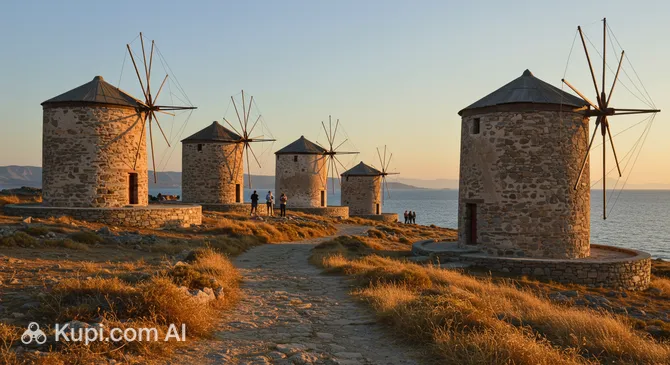
  • The four restored Chios Windmills in the Tambakika district have a surprising industrial past. Unlike typical flour mills found on other Greek islands, these were originally built to grind madder roots and pine bark for the local tanneries, highlighting the island's history as a major leather production center.

How to Get There

Reaching this captivating North Aegean island is part of the adventure, with options primarily involving air travel or sea connections. Since Chios is an island, there are no road or rail links to the mainland, making the local airport and the harbor the main points of entry. For a complete overview of travel routes, including ferry schedules, you can read more about how to get to Chios.

The most convenient way to arrive is directly via Chios Airport (JKH), which is situated on the island itself, just a short distance from the main town. Located only about 2.9 km from the city center, the airport mainly serves domestic flights from Athens and Thessaloniki, as well as seasonal charters. The journey to the town center is quick, taking approximately 5-10 minutes by taxi or car rental, making it an effortless start to your holiday. This facility handles a moderate volume of travelers, ensuring a relatively relaxed arrival experience compared to larger international hubs.

Alternatively, international travelers sometimes choose to fly into Izmir Adnan Menderes Airport (ADB) in the city of Izmir, Turkey. Although this airport is located about 90.1 km away from Chios, it is a significant international gateway with a large passenger volume. From here, visitors typically transfer to the coastal town of Cesme to catch a ferry across the strait to Chios. While this route involves a border crossing and a sea voyage, it can be a viable option for those combining their trip with a visit to the Turkish coast or finding better flight connections to Izmir.

For clarity, here is a summary of the main airports nearby:

Airport Name City Passenger Traffic Km from City
Izmir Adnan Menderes Airport Izmir Large 90.1
Chios Airport Chios Medium 2.9
Balikesir Koca Seyit Airport Edremit Medium 152.3
Ikaria Airport Ikaria Small 78.4
Skyros Airport Skyros Small 157.8

Main Attractions

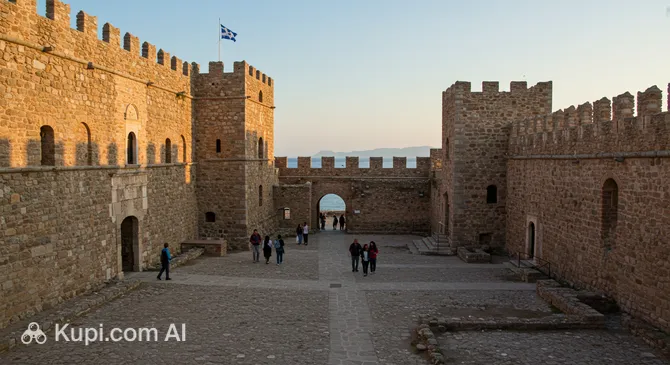
Chios is a destination where history feels very much alive, particularly within the walls of its most prominent fortification. The Castle of Chios dominates the area north of the modern city center. Originally built in the Byzantine period and significantly expanded by the Genoese, this massive structure is not just a monument but a living community where residents still live today. Visitors can walk through the impressive Porta Maggiore to explore a maze of narrow alleyways, Ottoman baths, and historic churches, all enclosed within the fortress walls.

Castle of Chios. Source: Kupi.Binoculars

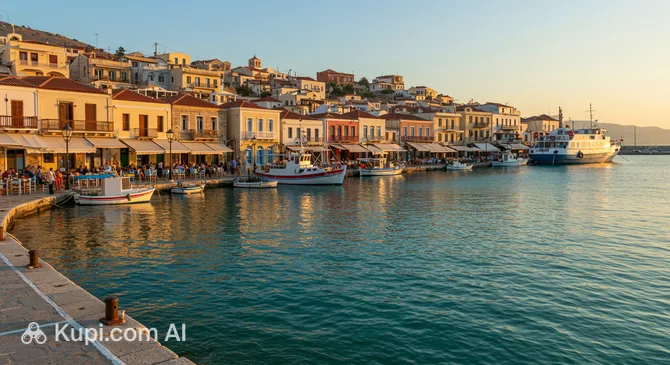
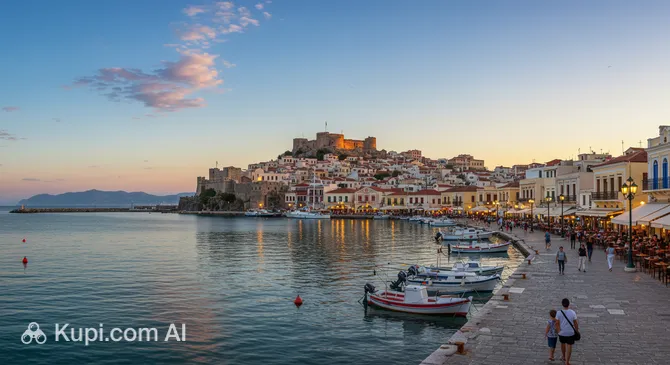
Just a short distance away lies the bustling Chios Port, which serves as the island's primary connection to the outside world and a lively promenade for locals and tourists alike. Strolling along the waterfront, travelers can watch ferries and fishing boats dock while enjoying the refreshing sea breeze. The area is lined with cafes and shops, making it an excellent spot to observe the daily rhythm of island life or enjoy a coffee with a view of the Aegean.

Chios Port. Source: Kupi.Binoculars

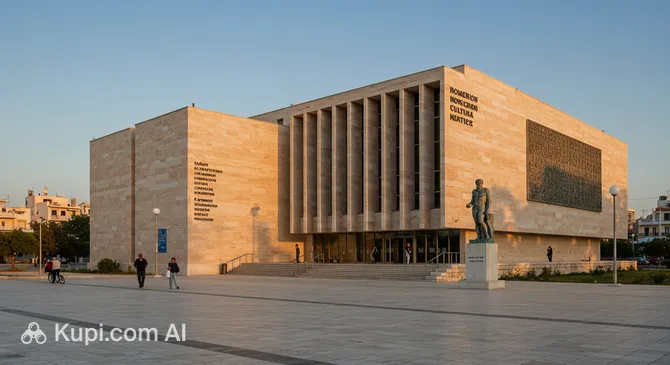
For those interested in the arts and local events, the Homerion Cultural Center is a key institution in the city. It hosts a variety of exhibitions, theatrical performances, and conferences, acting as a hub for the island's intellectual life. Not far from the center, the iconic Chios Windmills stand as picturesque sentinels in the Tambakika area. These restored structures are a favorite subject for photographers, offering a charming backdrop that perfectly captures the island's maritime heritage.

Homerion Cultural Center. Source: Kupi.Binoculars

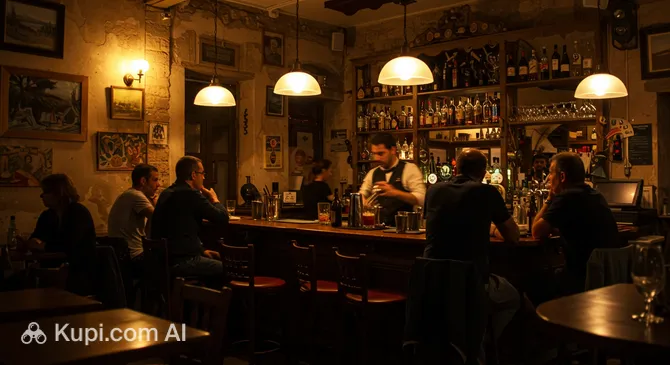
When the sun sets, the town offers a vibrant selection of venues for dining and entertainment. Agora Residence provides a memorable setting for a meal, combining historic architecture with local flavors. For those looking to enjoy a drink or experience the local nightlife, Kubrick is a popular bar known for its distinctive character, while Plan B offers a spirited atmosphere for music and socializing. These spots highlight the modern, energetic side of the island that complements its rich history.

Local Cuisine

The gastronomy of Chios is as distinct and storied as its medieval villages. While it shares the foundation of fresh vegetables, olive oil, and seafood common to the Aegean, the island's culinary identity is deeply influenced by its unique local products. The most famous of these is undoubtedly mastic, the aromatic resin produced exclusively in the southern "Mastichochoria" region, which finds its way into everything from liqueurs and pastries to savory sauces.

Visitors should not leave without trying Mastelo, a trademarked local cheese made from cow's or goat's milk. It is almost always served grilled, where it becomes deliciously soft and chewy without losing its shape, often drizzled with lemon or honey. Another staple is the island's variety of spoon sweets, known as glyka tou koutaliou. Thanks to the fertile Kampos area, Chios produces exceptional citrus fruits, and you will find fragrant preserves made from tangerines, bitter oranges, and even rose petals or pistachios.

Seafood lovers will find plenty to enjoy, from fresh calamari to sun-dried octopus grilled over charcoal. For a main course, look for dishes featuring handmade pasta, such as cherisia makaronia, often topped with a rich tomato sauce and dry mizithra cheese. The local diet is a perfect example of the Mediterranean lifestyle, emphasizing seasonal ingredients and simple, robust flavors.

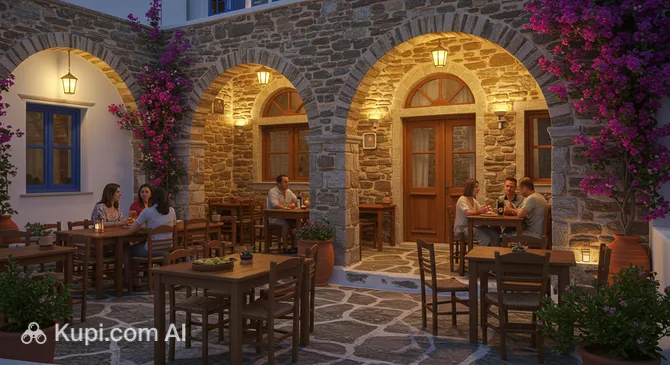
Agora Residence. Source: Kupi.Binoculars

Dining out in Chios is a relaxed affair, often stretching late into the night. You can find traditional tavernas along the coast offering mezedes (small plates) to share. For those seeking a dining experience that combines historical ambiance with modern culinary techniques, Agora Residence is a notable choice. Located in a restored mansion, it offers a setting where visitors can savor local recipes in an atmosphere that reflects the island's architectural heritage.

No culinary journey here is complete without sampling the local spirits. The most iconic drink is Mastic Liqueur, usually served chilled as a digestif. For something stronger, locals prefer Souma, a potent spirit distilled from figs, similar to raki. The island also has a vibrant bar scene for enjoying these drinks; places like Kubrick are popular for their creative cocktails and welcoming vibe, making them perfect spots to unwind after a day of exploration.

Travel Tips

Welcome to Chios, a destination where medieval history and island traditions blend seamlessly. To help you navigate the "Mastic Island" with ease and confidence, here are some essential practical tips for your journey.

  1. Clothing and Gear: Since the summer sun can be intense, bring lightweight, breathable clothing, sunglasses, and a high-SPF sunscreen. If you are visiting in winter, pack layers and a waterproof jacket, as it can be breezy and rainy. When visiting religious sites like the Nea Moni Monastery, respect the dress code by covering your shoulders and knees; carrying a light scarf is always a good idea.

  2. Transportation: While there is a public bus system (distinctly colored blue for town routes and green for long-distance trips to villages), schedules can be infrequent, especially on weekends. To truly explore the remote beaches and the medieval Mastichochoria villages at your own pace, renting a car is highly recommended. Taxis are available in Chios Town and at the airport, but they can be scarce in rural areas.

  3. Finances: The official currency is the Euro (€). Credit and debit cards are widely accepted in hotels, restaurants, and larger shops in the main town. However, it is wise to carry some cash for small purchases in traditional village kafeneios, bakeries, or kiosks. ATMs are plentiful in Chios Town but fewer in the countryside, so plan ahead before leaving the capital.

  4. Health and Safety: Chios is a very safe destination with a low crime rate. Pharmacies, marked by a green cross, are well-stocked and easy to find in the main town; they operate on a rotation system for night and weekend shifts. The general hospital is located in Chios Town for any emergencies. Tap water is generally safe for hygiene, but bottled water is often preferred for drinking due to the high mineral content in some areas.

  5. Communication: The official language is Greek, but English is widely spoken in tourist areas, hotels, and restaurants. Learning a few basic phrases like "Kalimera" (Good morning) and "Efharisto" (Thank you) will be warmly received by locals. EU residents can use their home mobile data plans, while non-EU travelers can easily purchase a prepaid SIM card at local kiosks or mobile provider stores in the port area.

  6. Local Etiquette: Greeks are known for their hospitality, often called philoxenia. It is polite to greet shopkeepers when entering a store. Dining is a social affair often lasting hours; do not feel rushed to leave your table once you finish eating. If you are invited to a local's home, bringing a small gift, such as sweets from a local bakery, is a customary gesture of appreciation.

  7. What to Avoid: Do not attempt to touch or damage the mastic trees in the southern part of the island. These trees are the livelihood of the local farmers, and the cultivation process is protected and culturally significant. Additionally, avoid flushing toilet paper down the toilet; due to narrow piping systems common throughout Greece, bins are provided for this purpose.

  8. Shop Hours and Siesta: Keep in mind that many shops, especially outside the main tourist strip, observe the midday rest period known as mesimeri. Stores often close around 2:00 PM and reopen in the evening (around 5:30 PM or 6:00 PM) on Tuesdays, Thursdays, and Fridays. On Mondays, Wednesdays, and Saturdays, many shops may remain closed for the evening, so plan your shopping accordingly.

By keeping these practicalities in mind, you will be well-prepared to embrace the relaxed pace and rich culture of Chios. Enjoy every moment of your exploration, from the aromatic mastic groves to the crystal-clear Aegean waters!

Entertainment & Nightlife

The nightlife in Chios is vibrant, authentic, and centered largely around the capital, offering a refreshing alternative to the overly commercialized scenes of other Greek islands. While it may not have the non-stop party reputation of Mykonos, the island boasts a lively energy, particularly in Chios Town, where the local population and students from the University of the Aegean create a buzzing atmosphere year-round. The entertainment here is less about exclusive velvet ropes and more about socializing, enjoying good music, and savoring the mild Aegean nights.

The epicenter of evening activity is undoubtedly the waterfront promenade, known locally as the Prokymea. Stretching along the harbor, this area transforms as the sun sets, with cafeterias turning into trendy bars and music venues. It is the perfect place for a "volta" (evening stroll) to scout out the best spot for a drink. The crowd is a mix of all ages early in the evening, shifting to a younger demographic as the night progresses. The dress code is generally smart-casual; you will see locals dressed up for their night out, but the vibe remains welcoming and unpretentious.

Kubrick. Source: Kupi.Binoculars

For those seeking a distinct atmosphere and high-quality drinks, Kubrick is a must-visit destination. Located near the waterfront, this bar stands out for its cinematic theme and expertly crafted cocktails. It offers a sophisticated yet relaxed environment where you can enjoy eclectic music and conversation. It is an ideal spot to start your evening or to spend the night if you prefer a bar setting over a thumping club.

If you are in the mood for dancing and a higher energy level, Plan B serves as one of the island's popular nightclubs. Here, the party often starts late and continues into the early morning hours, featuring DJs spinning a mix of international hits and Greek pop music. This venue captures the essence of Greek nightlife, where the fun peaks well after midnight. Prices for drinks and entry in Chios are generally reasonable and lower than in more tourist-heavy destinations.

Plan B. Source: Kupi.Binoculars

Beyond the bars and clubs, daytime and early evening entertainment in Chios has a cultural flair. The island offers various opportunities to engage with the arts, such as visiting local galleries or attending performances. While the main focus during the day is often on exploring history or beaches, the town also features modern amenities including cinemas and shopping streets like Aplotaria, which is perfect for a late afternoon walk before dinner.

Safety is rarely a concern for visitors enjoying the nightlife in Chios. The main areas, especially the port and the central square (Vounaki), are well-lit and populated until very late. It is safe to walk back to your accommodation within the town center. For those staying further afield or preferring not to walk, taxis are readily available at the central taxi rank near the port. Getting a ride is usually easy, though during peak summer weekends, there might be a short wait.

Parks & Museums

While Chios is often defined by its medieval villages and coastline, the main town offers its own serene retreats and cultural treasuries. Visitors looking to step away from the bustling waterfront will find charming green spaces and institutions that meticulously preserve the island's layered history, from ancient times to its maritime glory days.

The heart of the city's greenery is the Municipal Garden of Chios (Dimotikos Kipos). Located centrally just off the main square, this park serves as a refreshing oasis filled with palm trees, pine trees, and carefully tended flower beds. It is a favorite meeting spot for locals, featuring statues of significant historical figures like Constantine Kanaris. In the summer, the garden becomes even more vibrant as it hosts an open-air cinema, allowing visitors to enjoy movies under the stars amidst the scent of jasmine and night-blooming flowers.

For a more extensive natural experience near the city, the Kampos district acts as the island's vast, historic garden. Although it is a residential area, its landscape is defined by endless citrus orchards hidden behind high stone walls. Walking or cycling through its narrow, shady lanes offers a unique sensory experience, where the aroma of tangerines and lemons fills the air, providing a lush contrast to the drier landscapes found elsewhere on the island.

Culture enthusiasts should prioritize the Archaeological Museum of Chios, situated near Chios Port. This modern museum houses an impressive collection of artifacts unearthed across the island, ranging from the Neolithic period to the Roman era. A highlight for many is the "Nike of Chios," discovered in the Emporios area, which stands alongside other impressive archaic sculptures that showcase the island's ancient artistic influence. The exhibits are well-organized and offer deep insights into the daily life and trading power of ancient Chios.

Another significant cultural venue is the Byzantine Museum of Chios, which is fascinating not only for its collection but for its location. It is housed within the historic Mecidiye Mosque on Vounaki Square, a perfect example of the island's Ottoman architectural heritage. Inside, visitors can admire post-Byzantine icons, sculptures, and architectural members that narrate the Christian history of the island, creating a compelling dialogue between the building's Islamic structure and its Christian exhibits.

Given the island's reputation as a shipping superpower, the Chios Maritime Museum is a must-visit. Located in a neoclassical mansion in the city center, it pays tribute to the island's long naval tradition. The collection includes detailed ship models, nautical instruments, and rare photographs that tell the stories of the local families who came to dominate the global shipping industry.

For a truly authentic experience, take a quiet moment to visit the Korais Library. One of the oldest and most significant libraries in Greece, it houses the Philip Argenti Museum on its upper floor. Here, you can find a rich display of local folklore, including the intricate traditional costumes of the villages and portraits of the island's nobility, offering a glimpse into the social fabric of Chios that few tourists see.

Getting Around

Public transport in Chios is relatively simple and relies almost entirely on a bus network, as there are no trams, metros, or trains on the island. For visitors staying in the main town, the system is divided into two distinct services based on the color of the vehicles. The Blue Buses (Astiko KTEL) serve Chios Town and its immediate suburbs, including popular nearby areas like Vrontados, the airport, and the sandy beach of Karfas. These are the most relevant for getting around the city and its outskirts.

For those planning to explore beyond the city limits to the medieval villages or distant beaches, the Green Buses (Yperastiko KTEL) are the primary mode of transport. These long-distance coaches connect the capital with the rest of the island, such as the Mastichochoria region in the south and the villages in the north. The central terminals for both services are located near the port and the Public Garden, making them easy to find for anyone staying in the city center.

The payment system is straightforward and largely traditional. Tickets for the Blue Buses must generally be purchased before boarding. You can buy them at the central bus station, from local kiosks (known as periptera), or sometimes from mini-markets displaying the ticket sign. Fares are very affordable, typically ranging from roughly €1.20 to €2.00 depending on the distance. Once on board, it is essential to validate your ticket by punching it in the machine to avoid fines.

Tourists should be aware that bus frequencies vary significantly by season. During the summer months, services to popular tourist spots like Karfas are frequent, running until late in the evening. However, in the off-season or on weekends, schedules are reduced. It is highly advisable to check the printed timetables posted at the central station or ask for a printed schedule at the ticket booth, as online information is not always updated in real-time.

Taxis offer a reliable alternative, especially for late-night transfers or trips to the airport. You can easily find the main taxi rank at the central Vounaki Square, right in the heart of the town. Taxis run on a meter system for short trips within the city, but for longer excursions to other parts of the island, it is common to agree on a fixed fare with the driver beforehand. Apps are not widely used here, so hailing a cab or calling a radio taxi service is the standard practice.

Given the compact nature of Chios Town, walking is often the best way to explore the center, the port, and the castle area. For greater freedom, especially if you wish to visit the Kampos citrus orchards just south of the city, renting a bicycle or a scooter is a popular choice. Car rentals are also abundant near the port and are recommended if you plan to use the city as a base for daily island exploration, offering independence from the sometimes sparse bus schedules.

Accommodation

Accommodation in Chios caters to a wide spectrum of preferences, ranging from simple family-run rooms to elegant boutique hotels housed in restored historic mansions. Unlike the mass-tourism models of some other Greek islands, the lodging options here often feel more personal and authentic. Visitors can choose between staying in the vibrant capital, relaxing in beachside resorts, or immersing themselves in history by renting traditional stone houses in the medieval villages.

For those who prioritize convenience and easy access to transportation, Chios Town (Chora) is the most practical base. Staying here places you within walking distance of the main market, the museums, and the ferry terminal, making it ideal for travelers who want to explore the island by bus. If a beach holiday is the main goal, the area of Karfas, located just south of the town, is the most popular resort destination. It offers a wide selection of hotels and apartments right next to a sandy shore with shallow waters, perfect for families.

For a truly atmospheric stay, the Kampos district offers a unique experience. Here, many of the historic Genovese-style mansions (archontiko) have been converted into high-end guesthouses and small hotels. Surrounded by high stone walls and fragrant citrus orchards, these accommodations provide luxury and seclusion while retaining their architectural heritage. Alternatively, adventurous travelers might prefer the southern "Mastichochoria" villages like Mesta, where you can sleep in traditional vaulted rooms inside the medieval fortress walls.

The price range for accommodation in Chios is generally moderate compared to the more famous Cycladic islands. Budget travelers can find affordable "rooms to let" and studios, while mid-range and luxury options are available at reasonable rates. Most properties can be booked via major online platforms, though many smaller, family-owned businesses also accept direct bookings, sometimes offering better rates or a more personal touch.

Booking Tip: While it is often possible to find a room on arrival during the low season, booking in advance is essential if you plan to visit during Easter. The famous "Rocket War" in Vrontados draws thousands of visitors, and accommodations in Chios Town and nearby areas sell out months ahead. similarly, July and August are peak months, so securing your stay early ensures the best choice of location and price.

Nearby Cities

For those looking to explore the surroundings, Chios serves as an excellent base for day trips to several interesting nearby locations:

One of the most popular excursions is to the neighboring islands of Oinousses. Located just a short boat ride from the northeast coast of Chios, this small cluster of islands is renowned as the birthplace of some of Greece's wealthiest shipowning families. Visitors can explore the charming main town with its grand neoclassical captains' houses, visit the Maritime Museum to learn about the local naval tradition, or swim in secluded coves with crystal-clear waters.

To the west lies the historic island of Psara, a destination that holds a special place in Greek history due to its significant role in the War of Independence. Today, it is a peaceful retreat offering a sense of solitude and raw beauty. Travelers can visit the historic Monastery of the Dormition of the Virgin Mary, hike to the poignant Black Ridge (Mavro Rachi) memorial, and enjoy the famous local lobster pasta at the harbor tavernas.

For a change of pace and a visit to a larger urban center, the city of Mytilene on the nearby island of Lesbos is a fascinating option. As the capital of the North Aegean region, it boasts a vibrant atmosphere, a massive Byzantine-Genoese fortress, and a rich architectural heritage that blends Ottoman and neoclassical styles. It is also a culinary hotspot, famous for its ouzo production and traditional mezedes.

City Population Distance (km)
Pallini 54415 201
Kos 33387 193
Gerakas 29939 203
Mytilene 27871 90
Ano Syros 21507 146

These nearby destinations offer a glimpse into the diverse culture and landscapes of the region.

Shopping & Souvenirs

Shopping in Chios is a delightful experience that focuses more on authenticity and local craftsmanship than on sprawling commercial complexes. While you will not find high-end luxury fashion houses here, the city offers a charming array of boutiques, traditional grocery stores, and workshops. The island is world-renowned for its unique agricultural products, particularly mastic, and the shopping scene in the main town reflects this heritage, allowing visitors to take a piece of the North Aegean culture home with them.

The heartbeat of the city's commercial life is Aplotaria Street. This bustling, pedestrian-friendly thoroughfare runs parallel to the waterfront and connects the central square with the historic library area. It is lined with a variety of shops selling everything from clothing and shoes to books and jewelry. Branching off from Aplotaria are numerous smaller alleyways where you can discover hidden gems, including old-fashioned barber shops and small family-run businesses that have operated for generations.

Travelers accustomed to massive shopping centers should be aware that Chios does not have large western-style shopping malls. Instead, the retail experience is characterized by independent stores and small arcades. This absence of large chains contributes to the town's traditional character, ensuring that your purchases support the local economy directly. You may find some larger supermarkets on the outskirts, but within the city center, the scale remains intimate and accessible.

For a taste of daily local life, the Central Market (often referred to simply as the Agora) is the place to be. Located near the entrance of Aplotaria Street, this area is vibrant and aromatic, filled with vendors selling fresh seasonal fruits, vegetables, and locally caught fish. It is not just a place to buy food; it is a social hub where residents catch up on news. While it is not a flea market in the tourist sense, it is the best spot to find fresh ingredients if you are self-catering, or simply to admire the bounty of the island's fertile soil.

When it comes to souvenirs, the "Mastic Island" offers treasures you cannot find anywhere else on Earth. The most essential buy is mastic in its various forms—natural crystal "tears," chewing gum, cosmetics, toothpaste, and the famous mastic liqueur. Beyond this, look for glyka tou koutaliou (spoon sweets), particularly those made from the fragrant citrus fruits grown in the Kampos estates. Local ceramics and the distinct white soft cheese known as Mastelo are also excellent choices to pack in your suitcase.

Store hours in Chios follow the traditional Greek schedule, which can be tricky for first-time visitors. Shops typically open around 9:00 AM and stay open until roughly 2:00 PM. On Tuesdays, Thursdays, and Fridays, they reopen in the evening from roughly 5:30 PM to 9:00 PM. However, on Mondays, Wednesdays, and Saturdays, most shops remain closed after 2:00 PM. Sundays are generally a day of rest, with almost everything closed except for tourist shops near Chios Port and some cafes. Credit and debit cards are widely accepted in the city, though carrying some cash is advisable for smaller purchases.

Visitors from outside the European Union may be eligible for a VAT refund on certain purchases. Look for the "Tax Free" signage in shop windows, particularly in the larger jewelry and clothing stores along Aplotaria Street. While not every shop participates in the scheme, those that do will provide the necessary forms upon request, which you can then process at the customs office upon your departure.
Reached the end of the page?

That means the route is fully explored