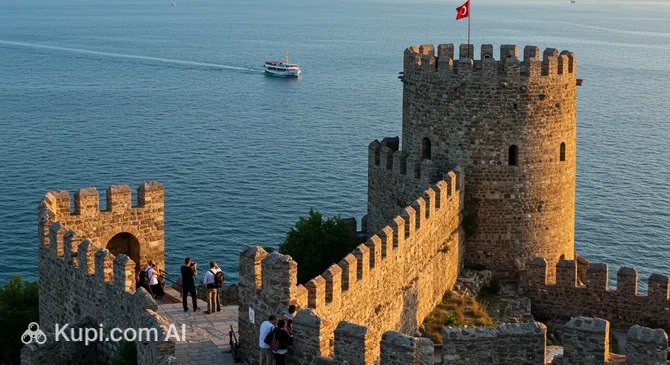
Canakkale is a captivating destination located in northwestern Turkey, renowned for its strategic position and deep-rooted connection to ancient legends. Situated on the southern coast of the Dardanelles Strait, this bustling port city serves as a vital gateway between the Aegean and Marmara seas. With a population of approximately 180,000 residents, it offers a lively yet relaxed atmosphere, blending modern urban life with a distinct seaside charm.
Canakkale. Source: Kupi.Binoculars
The region is world-famous for its incredible heritage, attracting travelers from all corners of the globe. Those interested in the history of Canakkale will find themselves at the doorstep of the ancient city of Troy, the setting of the legendary Trojan War described in Homer's Iliad. The city itself proudly displays the Trojan Horse used in the 2004 movie Troy, which stands as a popular photo spot on the scenic waterfront promenade.
Beyond its mythological associations, Canakkale is a hub for exploring the nearby Gallipoli Peninsula, known for its poignant memorials and national park. Within the city, visitors can explore the Canakkale Naval Museum to learn more about the area's maritime significance or simply enjoy a sunset dinner at one of the many seafood restaurants overlooking the strait. Whether you are a history buff or a lover of coastal views, Canakkale invites you to experience its unique blend of culture and beauty.
Weather Overview
Canakkale typically experiences warm, dry summers and cool, damp winters, offering a distinct atmosphere for each season. The summer months are ideal for sun-seekers, particularly in August, when the average temperature is around 26.0°C and highs reach 30.0°C. During this time, rainfall is minimal, with July and August seeing almost no precipitation and only about 2 wet days per month.
In contrast, the winter season brings cooler air and more frequent showers. January is generally the coldest month, with an average temperature of 7.9°C, lows of 5.5°C, and approximately 13 wet days. Spring and autumn provide a comfortable middle ground; May, for instance, averages a pleasant 17.9°C. To help you pack the right gear for your trip, it is helpful to review the current weather in Canakkale before departure.
Interesting Facts
Beyond its famous waterfront and ancient neighbors, Canakkale holds several intriguing details that often surprise visitors. From Hollywood connections to unique architectural feats, the city offers more than just a gateway to the past.
Kilitbahir Castle. Source: Kupi.Binoculars
The city's name literally translates to "Pot Fortress" or "Bowl Castle" (*Çanak* means pot, *Kale* means castle). This title pays homage to the region's long-standing history of ceramic pottery production, a craft that flourished here for centuries and remains a cultural symbol today.
While the ancient ruins of Troy are nearby, the city center hosts a piece of modern cinema history. The large wooden horse displayed on the promenade is the actual prop used in the 2004 movie Troy featuring Brad Pitt, which was gifted to the city by the production team after filming concluded.
The historic Aynalı Bazaar is the subject of a famous Turkish folk song that every local knows. Its name, which means "Mirrored Bazaar," is a topic of debate; some say it refers to mirrors sold at the entrance, while others believe it describes the "aynalı" (decorated) horse blinkers that were historically crafted there.
Just across the narrows stands Kilitbahir Castle, which boasts a distinct architectural design resembling a three-leaf clover. Built by Sultan Mehmed the Conqueror, this unique shape was not merely aesthetic but engineered to provide a robust defensive angle over the strait.
How to Get There
Planning a trip to this historic region involves choosing the right mode of transport, with air travel being a convenient option for many. Whether you prefer landing directly in the city or taking a scenic drive from a neighboring province, there are several routes available. For a detailed breakdown of all transport options, you can read more about how to get to Canakkale.
The most direct way to arrive is via Canakkale Airport (CKZ), which is conveniently located within the city limits, just 1.8 km from the center. Although it handles a moderate volume of passengers, its proximity makes it an excellent choice for travelers wanting to minimize transfer times. A taxi or shuttle from the terminal to the heart of the city is quick, taking just a brief drive.
Another viable option is to fly into Balikesir Koca Seyit Airport (EDO), situated in the city of Edremit. This airport handles a slightly higher volume of traffic and is located approximately 83.7 km from Canakkale. While it is not in the city itself, it serves as a useful alternative gateway. The transfer from Edremit to Canakkale generally takes about an hour and a half by taxi or rental car, offering a pleasant drive along the coast.
For clarity, here is a summary of the main airports:
Airport Name
City
Passenger Traffic
Km from City
Kavala International Airport
Kavala
Medium
173.9
Balikesir Koca Seyit Airport
Edremit
Medium
83.7
Canakkale Airport
Canakkale
Medium
1.8
Demokritos Airport
Alexandroupoli
Medium
87.6
Çorlu
Tekirdag
Small
168.7
Since the region does not have a direct railway connection, visitors often rely on the extensive intercity bus network that connects Canakkale with major Turkish cities like Istanbul, Izmir, and Ankara. Additionally, for those arriving by road from the European side of Turkey, taking a ferry across the Dardanelles Strait is a scenic and essential part of the journey.
Main Attractions
Canakkale is a treasure trove of history and culture, offering visitors a chance to walk through centuries of maritime heritage and local tradition. The city's strategic location on the Dardanelles has endowed it with impressive fortifications and museums that tell the story of legendary battles, while its modern waterfronts provide the perfect setting for relaxation.
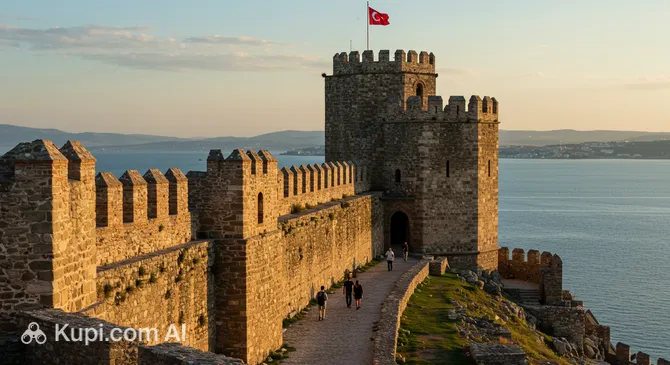
Standing guard over the narrowest point of the strait is Cimenlik Castle, also known as Kale-i Sultaniye. Built in 1462 by Sultan Mehmed the Conqueror, this fortress is the heart around which the city developed. Today, it serves as an open-air museum where you can explore historic cannons and defensive structures. It is a must-visit for history enthusiasts wanting to understand the region's military significance and enjoy panoramic views of the water.
Cimenlik Castle. Source: Kupi.Binoculars
Located within the castle grounds is the Naval Museum, a poignant tribute to the 1915 Canakkale Naval Victory. The museum complex houses a replica of the famous minelayer Nusret, which played a pivotal role in the defense of the straits. Visitors can wander through exhibitions displaying photographs, uniforms, and weapons from the First World War, offering a deep insight into the bravery and resilience of the era.
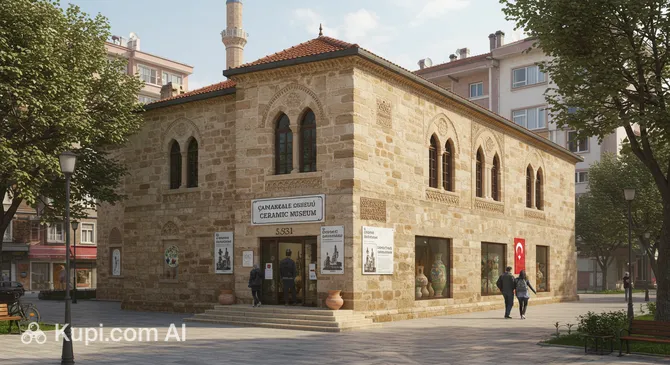
For a change of pace, the Çanakkale Ceramic Museum invites travelers to discover the artistic side of the city. Housed in a beautifully restored historic bathhouse, the museum showcases the traditional pottery that gave the city its name. The collection includes exquisite pieces of ceramics that highlight the craftsmanship and aesthetic evolution of the region over the centuries, making it a fascinating stop for art lovers.
Çanakkale Ceramic Museum. Source: Kupi.Binoculars
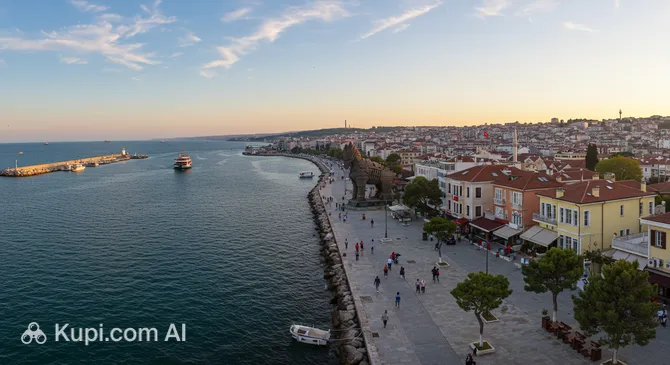
If you prefer a relaxing stroll by the sea, Yeni Kordon Beach is the place to be. This lively promenade and beach area is a favorite among locals for evening walks, cycling, and watching the sunset over the Dardanelles. It offers a refreshing break from sightseeing, with plenty of cafes and green spaces where you can soak up the vibrant atmosphere of this coastal city.
Local Cuisine
Local Cuisine:
The culinary culture of Canakkale is heavily influenced by its seaside location and rich agricultural heritage, blending Aegean traditions with Anatolian flavors. Seafood is the undisputed star of the local dining scene, with the Dardanelles Strait providing an abundance of fresh fish year-round. Sardines (sardalya) are particularly famous here; locals often enjoy them grilled or wrapped in vine leaves during the season. The city's waterfront promenade is lined with restaurants where you can savor these fresh catches accompanied by local olive oil and meze platters.
However, the most iconic flavor of the region is undoubtedly cheese halva (peynir helvası). Unlike the tahini-based halva common in other parts of the world, this dessert is made from fresh unsalted cheese, flour, and sugar. It is typically served warm and can be enjoyed plain or topped with ice cream and walnuts. This sweet treat is so central to the city's identity that tasting it is considered an essential part of the travel experience.
Tekin Cheese Halva Shop
Visitors looking to try this local delicacy have several excellent options. Tekin Cheese Halva Shop is a long-standing establishment renowned for its mastery of the traditional recipe. Similarly, Uludagoğulları Halva Restaurant is another favorite stop for those with a sweet tooth, offering high-quality versions of this regional classic. These shops are perfect for a quick dessert stop or for buying boxes to take home as delicious souvenirs.
Beyond traditional sweets and seafood, the city offers a vibrant social scene for dining and entertainment. Places like Hayal Kahvesi Canakkale provide a lively atmosphere where food, drinks, and music come together. Located near the water, such venues are popular gathering spots for both locals and tourists to unwind after a day of exploring the ancient ruins and museums.
Travel Tips
Welcome to Canakkale! Whether you are here to retrace the steps of Achilles in Troy or simply enjoy the breeze along the Dardanelles, a little preparation goes a long way. These practical tips are designed to help you navigate the city with ease and enjoy your stay like a local.
Clothing and Gear: Canakkale is known for its windy climate, so even in summer, it is wise to carry a light jacket or shawl for the breezy evenings by the strait. In winter, waterproof gear and warm layers are essential due to the damp and blustery weather. Since you will likely be walking on uneven ancient paths at Troy or cobblestone streets in the city center, bring sturdy, comfortable walking shoes. If you plan to visit mosques, remember to dress modestly: cover your shoulders and knees, and women should have a headscarf ready.
Transportation: The city center is compact and best explored on foot, especially the scenic waterfront promenade. For longer distances or to reach nearby beaches, local minibuses known as dolmuş are affordable and frequent. A quintessential part of the Canakkale experience is taking the ferry across the Dardanelles to Eceabat or Kilitbahir; it is not just transport, but a scenic ride. Taxis are available and run on meters, but car rentals are recommended only if you plan extensive trips to the wider region.
Finances: The local currency is the Turkish Lira (TRY). While credit cards are widely accepted in hotels, restaurants, and shops in the city center, carrying cash is necessary for small purchases, street food, and the *dolmuş*. ATMs are plentiful around the ferry port and main squares. Tipping is customary; leaving about 5-10% in restaurants is appreciated if the service was good.
Health and Safety: Canakkale is a safe and peaceful city for tourists. Pharmacies, marked as Eczane with a red "E" sign, are easy to find; they usually operate during business hours, with a designated "duty pharmacy" (nöbetçi eczane) open overnight on a rotating basis. Tap water is generally chlorinated, but it is safer and better tasting to drink bottled water.
Communication: Turkish is the official language. While staff in hotels and major tourist attractions often speak English, it is less common in local markets or smaller eateries. Learning a few basic phrases like Merhaba (Hello) and Teşekkürler (Thank you) will be met with warm smiles. Wi-Fi is standard in most cafes and hotels, but purchasing a local SIM card or e-SIM is recommended for reliable navigation maps on the go.
Local Etiquette: Turkish hospitality is legendary. If a shopkeeper offers you a glass of tea (çay), it is a gesture of friendship; accepting it is polite and often leads to great conversation. When entering a local home or a mosque, always remove your shoes. Greetings are often warm, with handshakes being common, though close friends may greet with a kiss on both cheeks.
What to Avoid: Avoid taking photographs of local residents, especially women, without asking for permission first. It is also important to be respectful of national symbols; showing disrespect towards the Turkish flag or images of Mustafa Kemal Atatürk is deeply offensive to locals and strictly frowned upon.
Additional Tip: Be mindful of the "Lodos" wind. This strong southwesterly wind can sometimes disrupt ferry schedules and cause headaches for those sensitive to pressure changes. Check the weather forecast and ferry status if you have a tight schedule involving a crossing of the strait.
With these tips in hand, you are all set to discover the charm and history of this unique coastal city. Embrace the local pace of life, enjoy the legendary sunsets, and have a wonderful trip to Canakkale!
Entertainment & Nightlife
Canakkale may be steeped in ancient history, but when the sun goes down, the city reveals a youthful and energetic spirit. Thanks to the large student population from the local university, the nightlife scene here is vibrant, diverse, and welcoming. The atmosphere is generally relaxed and casual, shifting from sunset dinners by the strait to lively conversations in bustling pubs and music venues as the night progresses.
The heart of the action is undoubtedly the Kordon (Waterfront Promenade) and the narrow streets branching off from the historic Clock Tower square. Fetvane Sokak and the surrounding alleys are lined with numerous bars, pubs, and cafes that spill out onto the cobblestones. This area is perfect for bar-hopping, where you can enjoy everything from Turkish pop and rock to jazz and blues. The vibe is friendly, and you will find a mix of locals, students, and tourists enjoying the cool sea breeze.
Hayal Kahvesi Canakkale
For those seeking live performances and a more structured entertainment experience, Hayal Kahvesi Canakkale is a standout venue. Part of a popular Turkish chain known for hosting well-known bands and artists, it offers a high-quality setting for concerts and late-night drinks. It is a great place to experience the modern Turkish music scene in a sophisticated yet energetic environment.
If you prefer a different kind of evening entertainment, 17 Burda Shopping Mall offers a comprehensive leisure complex. It is a popular destination for families and groups of friends, featuring a modern cinema, bowling alleys, and various dining options that stay open late. It provides a nice contrast to the bar scene, offering indoor entertainment that is perfect for cooler nights.
For a quieter night out, a walk through Liberty Park is a refreshing option. Located near the water, it allows you to enjoy the city's illuminated skyline without the noise of the busy clubs. Similarly, the Public Garden (Halk Bahçesi) is a serene spot often used for evening strolls, offering a peaceful retreat in the city center.
Practical Tips for Nightlife: Most bars and venues in the city center are open until at least 01:00 or 02:00 AM on weekends. The dress code is almost exclusively casual; you will fit in perfectly with jeans and a t-shirt. Canakkale is a very safe city, and walking around the main districts at night is generally worry-free. If your accommodation is further out, yellow taxis are readily available at designated stands or can be hailed on the main streets. Prices are reasonable compared to larger metropolises like Istanbul.
While the nights are for socializing, daytime entertainment in Canakkale offers its own charm. Beyond the historical sites, visitors can enjoy local culture at the city's theaters or spend leisurely afternoons in its green spaces. Whether you are catching a movie or watching a live gig, the city ensures that your entertainment options are as memorable as its history.
Parks & Museums
Canakkale is a city where history and nature are seamlessly intertwined. Beyond its busy waterfront and ancient ruins, the city offers several beautifully maintained parks and open-air museums that allow visitors to relax while immersing themselves in the region's storied past. These green spaces serve as the city's lungs, providing peaceful retreats for locals and tourists alike.
One of the most impressive recent additions to the city's cultural landscape is the Hamidiye Battery Park Museum. Located on the Asian side of the Dardanelles, this expansive area has been transformed from a historical military fortification into a vast recreational and educational complex. Visitors can walk among restored artillery batteries that played a crucial role in the Gallipoli Campaign, all while enjoying well-manicured gardens and walking paths. It is a unique spot where the solemnity of history meets the tranquility of a modern park.
Hamidiye Battery Park Museum
For those seeking a classic park experience in the heart of the city, the Public Garden (Halk Bahçesi) is the perfect destination. This lush, green oasis dates back to the late Ottoman period and features century-old trees, vibrant flower beds, and shaded benches. It is a favorite gathering spot for families and students, offering a quiet escape from the urban bustle just steps away from the main streets.
Public Garden
Another significant site for history enthusiasts is the Namazgah Bastion. Often visited in conjunction with other fortifications across the strait, this historical structure offers insight into the defensive strategies of the Ottoman Empire. Its stone walls and strategic position provide a compelling atmosphere for those looking to understand the military heritage of the Dardanelles.
Finally, visitors can enjoy the scenic views at Liberty Park. Situated along the coast, this park is dedicated to the themes of freedom and peace, offering panoramic vistas of the strait and the passing ships. It is an ideal location for a leisurely afternoon stroll, allowing travelers to appreciate the natural beauty of Canakkale while reflecting on its historical significance.
Getting Around
Navigating Canakkale is straightforward and convenient, as the city’s public transport system is designed to serve its compact layout effectively. Unlike larger metropolises, Canakkale does not have a metro, tram, or train system within the city limits. Instead, the local transportation network relies primarily on a well-organized fleet of municipal buses and private minibuses, known locally as dolmuş. These vehicles connect the city center with residential neighborhoods, the university campus, and outlying districts, making it easy for visitors to reach key points of interest without much hassle.
A unique and essential part of the public transport experience in Canakkale is the ferry system. Since the city spans the Dardanelles Strait, ferries serve as a floating bridge connecting the Asian and European sides. Operated by Gestaş, these ferries run frequently between the city center and Eceabat or Kilitbahir on the Gallipoli Peninsula. For tourists, this is more than just a commute; it is a scenic journey offering stunning views of the strait and historical landmarks. The ferries operate 24 hours a day, though the frequency decreases late at night, ensuring that you can cross between continents at almost any time.
To use municipal buses and ferries, the most common payment method is the "KentKart" (City Card), a reloadable smart card that offers discounted fares compared to single-use tickets. You can purchase and top up these cards at designated kiosks, small markets, and filling stations throughout the city, particularly near the ferry terminal and major bus stops. In recent years, the system has modernized, and many municipal buses now accept contactless credit or debit cards, allowing tourists to tap and go without needing to buy a specific local transport card.
Fares are generally very affordable. When boarding a bus, you simply tap your card or device on the reader located near the driver. For the ferry, pedestrians pay at the turnstiles before boarding, while vehicles pay at toll booths. It is important to note that while municipal buses usually run from early morning until around midnight, the dolmuş services may have slightly different schedules depending on the route. Always check the destination sign in the front window or ask the driver to ensure you are heading in the right direction.
For those who prefer more direct transport, yellow taxis are widely available and operate on a metered system. They can be found at designated stands near the ferry port, the clock tower, and major hotels, or hailed on the street. Taxis are a convenient option for short trips or when carrying luggage, though they are naturally more expensive than public transit. Alternatively, the flat terrain of the city center, especially along the waterfront promenade, makes walking a delightful option. For a leisurely pace, you can also find bike rental stations along the coast, which are perfect for exploring the seaside parks and enjoying the fresh breeze.
Accommodation
Finding the perfect place to stay in Canakkale is relatively easy, as the city offers a welcoming variety of accommodation options to suit different tastes and budgets. The selection ranges from modest, family-run pensions and hostels to comfortable mid-range hotels and modern luxury establishments. For those seeking a more authentic experience, there are also boutique hotels housed in restored historical buildings, particularly in the older quarters of the city.
The most convenient area for tourists is undoubtedly the city center, specifically the neighborhoods surrounding the ferry port and the iconic Clock Tower. Staying here puts you within walking distance of the waterfront promenade, major museums, and a plethora of restaurants and cafes. It also allows for easy access to the ferries heading to the Gallipoli Peninsula. Alternatively, visitors looking for a quieter, more modern setting might consider the Kepez district or the coastal areas slightly further from the bustle of the main square, where larger resort-style hotels are often located.
When planning your trip, it is important to consider the timing of your visit. Canakkale is a central hub for visitors attending Anzac Day commemorations on April 25th each year. During this period, and in the peak summer months of July and August, demand for rooms skyrockets. Therefore, a crucial booking tip is to reserve your accommodation well in advance—often months ahead—if you plan to travel during these specific times to ensure availability and better rates.
In terms of pricing, Canakkale is generally more affordable than major tourist hubs like Istanbul or Bodrum. Budget travelers can find economical guesthouses, while mid-range and luxury options offer excellent value for money. Booking is typically done through major online travel platforms, which provide a wide range of choices and user reviews, though contacting smaller, family-run establishments directly can sometimes yield a warm personal welcome and competitive deals.
Nearby Cities
For those looking to explore the surroundings, Canakkale serves as an excellent base for day trips to several interesting nearby locations. The region is rich in history and natural beauty, offering travelers a chance to see more than just the city center.
One of the most popular destinations is Edremit, situated at the foothills of the legendary Mount Ida (Kaz Dağları). Known as the olive capital of the region, it attracts visitors with its lush national parks, waterfalls, and rejuvenating thermal springs. It is an ideal spot for nature lovers and those seeking a relaxing break from urban life.
Another noteworthy town is Biga, which holds significant historical importance. It is famous for being near the site of the Battle of Granicus, where Alexander the Great secured his first major victory against the Persian Empire. Today, it offers a glimpse into local life and trade, distinct from the coastal tourism of the strait.
Çan is also worth a visit, particularly for those interested in the region's geothermal activity and industrial heritage. Famous for its ceramics and thermal baths, it provides a unique perspective on the province's resources and traditions.
City
Population
Distance (km)
Edremit
154,487
81
Biga
90,576
72
Burhaniye
60,799
87
Malkara
52,758
93
Çan
48,215
56
These nearby destinations offer a glimpse into the diverse culture and landscapes of the region, making them perfect for a short excursion.
Shopping & Souvenirs
Shopping in Canakkale offers a delightful mix of traditional charm and modern convenience. While it may not have the vast commercial scale of a metropolis, the city provides a unique retail experience where visitors can find everything from authentic local crafts to international brands. The shopping scene is deeply rooted in the city's culture, with a focus on regional specialties like ceramics and food products, making it an excellent place to hunt for meaningful souvenirs.
The heart of the city's commercial life beats in the streets surrounding the ferry port and the iconic Clock Tower. This pedestrian-friendly area, particularly along Çarşı Street (Çarşı Caddesi), is lined with a variety of boutiques, shoe stores, and souvenir shops. It is a bustling district where locals and tourists mingle, offering a vibrant atmosphere perfect for window shopping and soaking up the city's energy. Here, you can find traditional textiles alongside modern clothing stores, all within walking distance of the seafront.
For a taste of history while you shop, the Aynalı Bazaar is an absolute must-visit. Known as the "Mirrored Bazaar," this historical structure has been a center of trade for over a century. Although it was heavily damaged during the Gallipoli Campaign, it has been beautifully restored and now houses shops selling local handicrafts, spices, and souvenirs. It is the perfect place to find unique gifts and experience the nostalgic ambiance of old Canakkale.
Aynalı Bazaar
Travelers looking for a contemporary shopping experience will find it at 17 Burda Shopping Mall. As the city's premier modern retail complex, it features a wide range of international and Turkish fashion brands, electronics stores, and a food court. The mall is spacious and air-conditioned, providing a comfortable retreat from the summer heat or winter rain, and serves as a one-stop destination for all standard shopping needs.
17 Burda Shopping Mall
When it comes to souvenirs, Canakkale has several signature items. The city's name, which translates to "Pot Fortress," hints at its long tradition of pottery. Beautifully crafted ceramics, ranging from decorative plates to functional bowls, are widely available and make for exquisite keepsakes. Another popular item is the miniature Trojan Horse, a nod to the legendary history of the region. For food lovers, the local cheese halva (peynir helvası) is a classic gift; shops like Tekin Cheese Halva Shop pack this sweet treat in travel-ready boxes. Additionally, the region is famous for its olive oil and olive oil soaps, which are renowned for their quality.
Most shops in the city center operate from around 09:00 AM to 09:00 PM, though smaller boutiques may close on Sundays. Shopping malls typically stay open until 10:00 PM every day of the week. Credit and debit cards are widely accepted almost everywhere, including small souvenir stands, but it is always useful to carry some cash for small purchases in the bazaar. Tax-free shopping is available for tourists at larger stores and malls; look for the "Tax Free" signage in the window to reclaim VAT on eligible purchases before leaving the country.