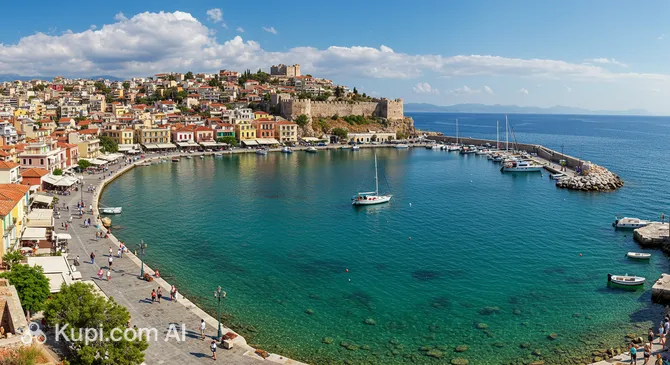
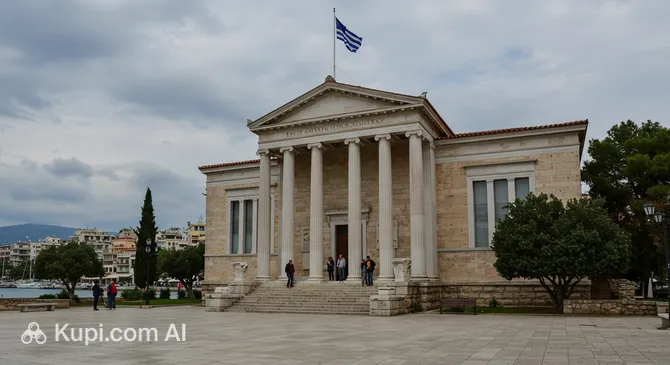
Kavala is a captivating port city in northern Greece, often celebrated for its unique blend of cultural heritage and scenic beauty. Known as the "Blue City" due to its crystal-clear waters and vibrant atmosphere, it stands as one of the most picturesque destinations in the region of East Macedonia and Thrace. The city is built amphitheatrically on the slopes of Mount Symvolo, offering breathtaking panoramic views of the Aegean Sea and the nearby island of Thassos.
Kavala. Illustration.
Source: Kupi.com AI
With a population of approximately 65,000 residents, Kavala serves as a lively urban center that perfectly balances modern amenities with traditional charm. The history of Kavala is deeply etched into its streets and landmarks, inviting visitors to step back in time. The Panagia district, or Old Town, is a maze of cobbled alleyways and colorful mansions leading up to the imposing Byzantine Castle (Acropolis), which has watched over the city for centuries.
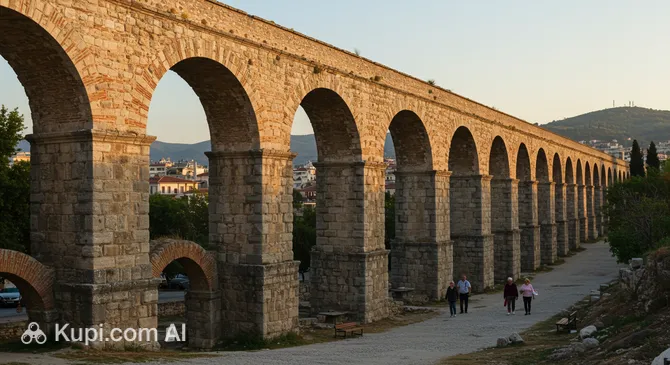
Among its most striking features is the Kamares, a colossal arched aqueduct that dominates the city's skyline and serves as a major landmark. Beyond its architectural wonders, Kavala is a gateway to stunning beaches like Ammolofoi and offers a delightful culinary scene renowned for fresh seafood and local delicacies. Whether you are exploring its ancient fortifications or relaxing by the waterfront, Kavala promises an unforgettable travel experience.
Weather Overview
Kavala experiences a climate with distinct seasonal variations, offering warm summers and cool winters. The summer months are the warmest, particularly July and August, when average temperatures hover around 24°C to 25°C and daytime highs often reach nearly 30°C. August is typically the driest month of the year, with only about 5 wet days, making it the prime time for enjoying the city's beaches and outdoor attractions.
The winter season brings cooler weather and more frequent rainfall. January is generally the coldest month, with an average temperature of 5.1°C and lows that can dip to 1.3°C. Precipitation is fairly common from late autumn through spring; in fact, months like March and May can see up to 13 wet days. Overall, you can expect warm, sunny summers and cool winters with regular intervals of rain. For a more detailed breakdown of conditions throughout the year, you can view the weather in Kavala page.
Average monthly temperature
Average monthly precipitation
Interesting Facts
Beyond the scenic waterfront and historic streets, Kavala holds fascinating stories that add depth to its character. Discover some unique aspects of the city that often escape the casual observer.
Kavala Aqueduct. Illustration.
Source: Kupi.com AI
Traveler photos:
Kavala was once known as the "Mecca of Tobacco" and served as a vital processing center for the Balkans in the 19th and early 20th centuries. The city's prosperity was largely built on this trade, a history vividly preserved at the Kavala Tobacco Museum, which is one of the few of its kind in Europe.
The city holds significant religious importance as the first place on the European continent where the Apostle Paul stepped foot. He arrived at the ancient port of Neapolis, now modern Kavala, around 49 AD, marking the beginning of his mission to spread Christianity across Europe.
While the massive Kavala Aqueduct, also known as Kamares, dominates the skyline, it is often mistaken for a purely Roman structure. In reality, the current impressive form was constructed in the 16th century by Suleiman the Magnificent on the ruins of an earlier Byzantine wall to supply water to the Old Town.
The founder of the modern Egyptian dynasty, Mehmet Ali Pasha, was born in this city. His childhood home stands today as a beautifully preserved example of 18th-century Ottoman architecture, known as the House of Mehmet Ali, offering a glimpse into the life of one of history's influential figures.
How to Get There
Reaching this coastal destination is quite straightforward, with several options available depending on your starting point. You can find more about how to get to Kavala and plan your specific route in detail on our dedicated page. Whether you prefer flying directly or traveling by land, the region is well-connected to major transport hubs.
The most convenient entry point is Kavala International Airport (IATA: KVA), also known as "Alexander the Great" Airport. It is located just 17.6 km from the city center. A journey by taxi from the airport to the city typically takes about 20–30 minutes. While it is a smaller airport compared to national hubs, it handles a significant volume of seasonal traffic.
For a wider range of international flights, many travelers choose Thessaloniki International Airport (IATA: SKG). This major airport is located in the city of Thessaloniki, approximately 130 km from Kavala. The transfer time depends on your chosen mode of transport: traveling by car or taxi usually takes 1.5–2 hours, while a trip by bus takes around 2.5–3 hours.
For clarity, here is a summary of the main airports:
The city of Kavala does not have a railway station, but you can arrive at the Thessaloniki Railway Station in the city of Thessaloniki, which is about 129 km from Kavala. From there, you can continue your journey by road; a bus ride generally takes between 2.5 and 3 hours. This station is a key node in the Greek railway network, connecting the north to the rest of the country.
Below is the information for the nearest major railway station:
Station
Passenger traffic
Distance
Thessaloniki Railway Station
—
129 km
Main Attractions
Kavala offers a diverse array of sights that reflect its rich history and coastal charm. From ancient fortifications to fascinating museums and relaxing seaside spots, the city provides plenty of opportunities for exploration. Below are some of the top attractions you should not miss during your visit.
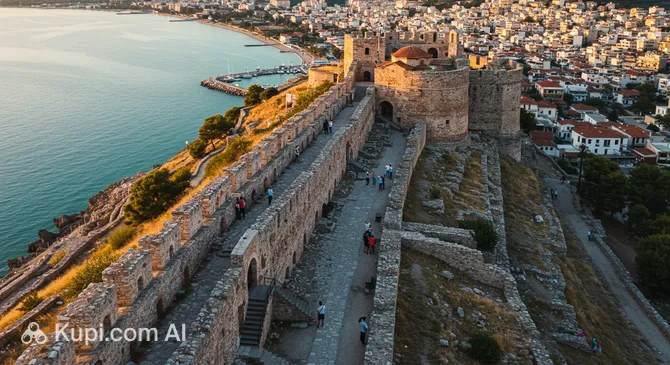
Dominating the crest of the Panagia peninsula, the Kavala Fortress is the city's most iconic landmark. Built in the 15th century on the foundations of a Byzantine castle, this impressive structure offers visitors a journey through military history. The highlight for many is climbing the central circular tower, which rewards you with stunning panoramic views of the city, the Aegean Sea, and the island of Thassos. The open-air theater within its walls also hosts cultural events during the summer months.
Kavala Fortress. Illustration.
Source: Kupi.com AI
Traveler photos:
For history enthusiasts, the Kavala Archaeological Museum is an essential stop. Located near the western port, it houses an extensive collection of artifacts from across the region of Eastern Macedonia. The exhibits range from the Neolithic period to the Roman era, featuring finds from the ancient city of Neapolis, the sanctuary of Parthenos, and other significant local sites. It is a perfect place to understand the deep historical roots of this area.
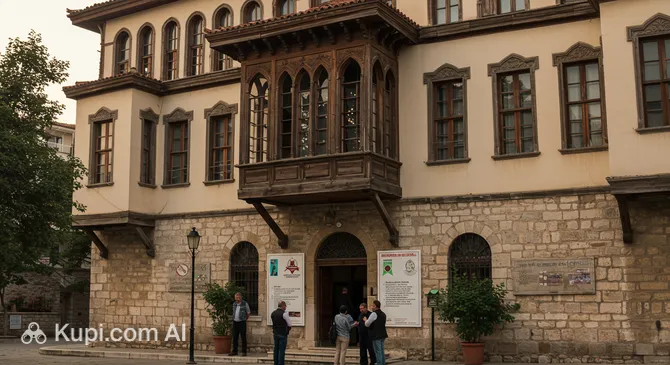
A short walk into the Old Town leads to the House of Mehmet Ali, considered one of the finest examples of 18th-century Ottoman architecture in Greece. This well-preserved residence was the birthplace of the founder of the modern Egyptian dynasty. Today, it operates as a museum where visitors can explore the separate quarters for men and women (selamlik and haremlik), admire the intricate wooden ceilings, and enjoy the peaceful garden that overlooks the harbor.
House of Mehmet Ali. Illustration.
Source: Kupi.com AI
Traveler photos:
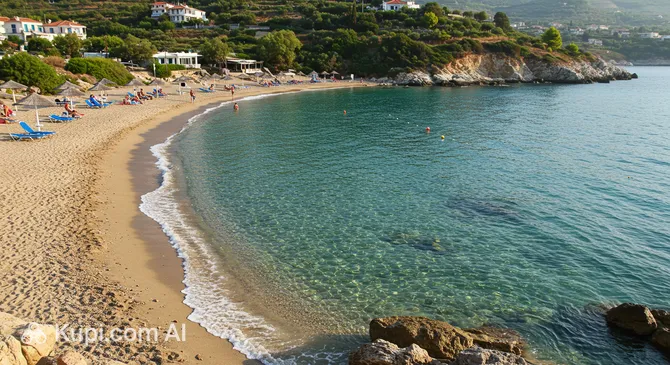
If you wish to combine sightseeing with relaxation, Rapsani Beach is conveniently located right in the center of the city. This organized beach has been awarded a Blue Flag for its cleanliness and facilities. It is a favorite spot for both locals and tourists to take a refreshing swim or simply unwind by the water without having to travel far from the city's main amenities.
Another unique cultural venue is the Kavala Tobacco Museum, which showcases the city's prosperous past as a major tobacco processing hub. Through rare archives, machinery, and photographs, the museum narrates the social and economic history of Kavala during the 19th and 20th centuries. It offers a distinct perspective on how this industry shaped the city's identity and development.
Local Cuisine
The culinary scene in Kavala is a delightful reflection of its history as a crossroads between East and West, combined with its status as a major port city. Fresh seafood is naturally the protagonist here, with the local catch arriving daily at the harbor. Visitors should not miss the opportunity to taste grilled sardines, mussels steamed or cooked in a rich pilaf, and other treasures from the North Aegean. The dining experience is often enhanced by the scent of the sea and the view of colorful fishing boats bobbing in the water.
Beyond seafood, Kavala is famous throughout Greece for its traditional sweets, most notably kourabiedes. These crescent-shaped almond shortbread cookies, heavily dusted with powdered sugar, originate from the nearby area of Nea Karvali but are a staple in the city itself. They are buttery, crumbly, and serve as the perfect edible souvenir to take home. Another local favorite is bougatsa, a pastry filled with cheese, minced meat, or sweet custard, which makes for a popular breakfast or mid-day snack.
When it comes to drinks, the local culture revolves around tsipouro, a strong pomace brandy that is incredibly popular in this region. It is traditionally served in small glasses accompanied by meze—small plates of appetizers like salted fish, olives, cheese, and vegetable dips. This ritual of slowly sipping tsipouro while sharing various small dishes is a social staple, bringing friends and families together for hours of relaxed conversation.
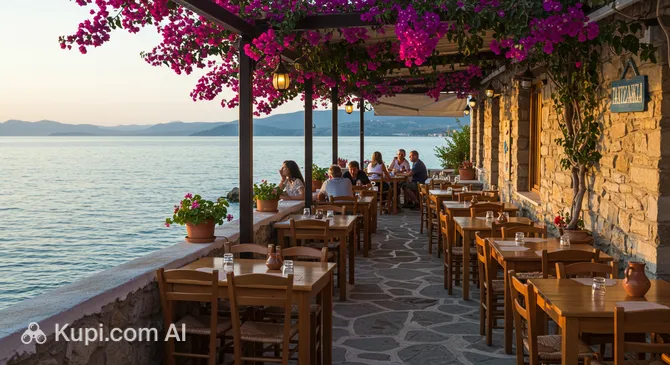
Ta Batzanakia. Illustration.
Source: Kupi.com AI
Traveler photos:
For an authentic dining experience, you can explore the tavernas lining the harbor or the picturesque streets of the Panagia district. Locals often frequent tsipouradika (taverns specializing in tsipouro and meze) for a casual evening out. If you are looking for a place to enjoy traditional Greek flavors in a welcoming setting, Ta Batzanakia is a notable restaurant worth visiting. Whether you choose a seaside table or a cozy spot in the Old Town, the hospitality and flavors of Kavala are sure to leave a lasting impression.
Travel Tips
Welcome to Kavala, the "Blue City" of Greece, where history meets the Aegean Sea in a spectacular fashion. To help you navigate the cobbled streets of the Old Town and enjoy your stay to the fullest, we have compiled a list of essential practical tips for a smooth and memorable trip.
Clothing and Gear: Since the charming Old Town (Panagia) and the Fortress are located on a hill with cobblestone streets, comfortable walking shoes are an absolute must; avoid high heels or slippery soles. If you are visiting in summer, bring light, breathable fabrics and a hat, but pack a light jacket for breezy evenings by the port. When visiting churches or monasteries, remember to dress modestly, covering shoulders and knees.
Transportation: The city center is compact and best explored on foot, though be prepared for some steep inclines. For longer distances or to reach nearby beaches like Ammolofoi, the local bus system (Astiko KTEL) is reliable and affordable. Taxis are easily available at the port and central squares. If you plan to explore the wider region of East Macedonia, renting a car is recommended, but be aware that parking in the city center can be challenging.
Finances: The official currency is the Euro (€). While credit and debit cards are widely accepted in hotels, restaurants, and shops, it is wise to carry some cash for small purchases at kiosks (periptera), local bakeries, or for tipping. ATMs are plentiful throughout the city. Tipping is not mandatory but is customary and appreciated; rounding up the bill or leaving a 5-10% tip for good service is standard.
Health and Safety: Kavala is a very safe city for tourists. Pharmacies are marked with a green cross and are generally open during business hours, with a rotation system for nights and weekends. For emergencies, the General Hospital of Kavala provides medical care. Tap water is generally safe to drink, but many visitors prefer bottled water, which is cheap and readily available.
Communication: The official language is Greek, but English is widely spoken, especially in the hospitality sector. Learning a few basic Greek phrases like "Kalimera" (Good morning) and "Efcharisto" (Thank you) will go a long way with the locals. Free Wi-Fi is often available in cafes and hotels, but for constant connectivity, you can purchase a prepaid SIM card from mobile providers in the city center (passport required).
Local Etiquette: Greeks are known for their hospitality (philoxenia). It is common to greet shopkeepers or waiters when entering. Be mindful of the "mesimeri" (siesta time), which typically lasts from 15:00 to 17:30; during these hours, keep noise levels down in residential areas. Dinner is usually served late, with locals often eating after 21:00.
What to Avoid: One specific rule throughout Greece, including Kavala, concerns plumbing: do not flush toilet paper down the toilet. Old pipe systems clog easily, so always use the small bin provided next to the toilet. Also, avoid sitting on ancient ruins or walls at historical sites, as this is considered disrespectful and can damage the monuments.
Local Insight: Take advantage of Kavala's strategic port location. The ferry terminal is right in the city, offering frequent and short connections to the beautiful island of Thassos. It is easy to hop on a ferry for a spontaneous day trip to the island and be back in Kavala for a late dinner by the waterfront.
With these practical tips in hand, you are ready to explore the amphitheater-like streets of Kavala with confidence. Embrace the relaxed pace of life, enjoy the stunning sea views, and let the warm hospitality of the locals make your vacation truly special.
Entertainment & Nightlife
Kavala boasts a vibrant and diverse nightlife scene that caters to all tastes, from laid-back evenings by the sea to energetic nights out in the city center. Thanks to a significant student population and a culture that embraces socializing, the city remains lively well into the early hours. The atmosphere is generally welcoming and safe, with locals and visitors mingling in the numerous cafes, bars, and clubs that dot the urban landscape.
The heart of the evening entertainment beats strongest along the waterfront and the port area. Here, the promenade is lined with modern cafeterias that transform into bustling bars as the sun sets. This area is perfect for enjoying a cocktail with a view of the illuminated castle and the harbor. For a more atmospheric and romantic setting, the cobblestone streets of the Panagia (Old Town) offer cozy wine bars and tavernas where you can enjoy local drinks in a quieter environment. Additionally, the pedestrian zones around Agios Nikolaos church in the modern city center are packed with trendy bars and pubs that draw a younger crowd.
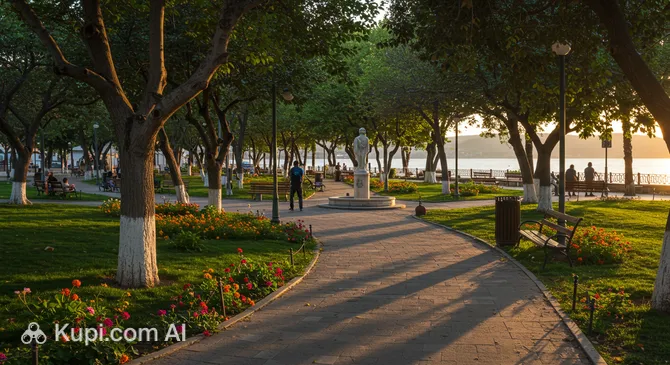
For those looking for a place to relax outdoors during the warm summer evenings, Faliro Park is a popular gathering spot. Located near the seafront, this green space often hosts open-air concerts, festivals, and cultural events, making it a hub of activity under the stars. It is an excellent location to start your evening with a leisurely walk before heading to the busier nightlife districts.
Faliro Park. Illustration.
Source: Kupi.com AI
Traveler photos:
When planning a night out, keep in mind that Greeks typically go out late. Bars start to fill up after 22:00, and nightclubs often do not get busy until after midnight. The dress code is generally "smart casual"—stylish but comfortable. Prices are reasonable compared to larger Greek cities, with beers costing around €4–€6 and cocktails approximately €8–€10. Getting around at night is easy; the city is walkable, but plenty of taxis are available at the main ranks near the port or can be hailed by phone if you are staying further out.
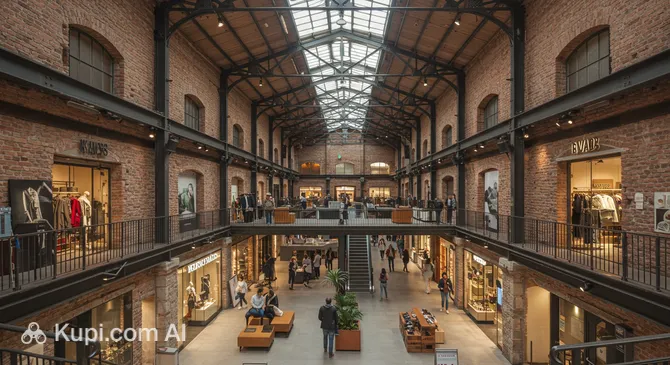
Beyond the nightlife, Kavala offers engaging daytime entertainment options. While the city is famous for its history, modern leisure facilities also exist. The Kavala Tobacco Warehouse Shopping Complex provides a unique blend of retail therapy and culture. Housed in a renovated industrial building, it stands as a testament to the city's tobacco heritage while offering shops and dining spaces that are perfect for a relaxing afternoon break.
Parks & Museums
Kavala is a city where history and nature coexist harmoniously, offering visitors a delightful mix of verdant retreats and rich cultural institutions. Beyond its bustling port and azure coastline, the city maintains several green spaces that provide a breath of fresh air, while its museums serve as custodians of a heritage that spans from antiquity to the industrial boom of the 20th century.
For a relaxing break by the sea, Faliro Park is the city's most beloved urban oasis. Located conveniently near the waterfront, this park is a favorite among locals for its shaded pathways, sports courts, and open-air events. It is an excellent spot for a leisurely stroll under the palm trees while enjoying the sea breeze. Just a short distance away, Rapsani Beach offers a unique natural escape right within the urban fabric. Although primarily a beach, its setting—framed by plane trees and greenery—makes it feel like a coastal park where visitors can unwind and connect with nature without leaving the city center.
Rapsani Beach. Illustration.
Source: Kupi.com AI
Traveler photos:
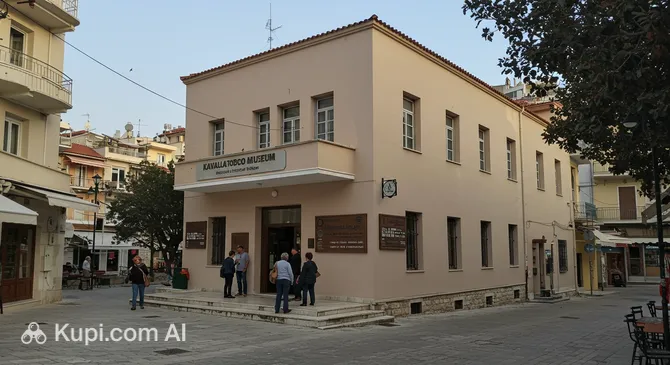
Kavala's cultural landscape is defined by its fascinating museums, which narrate the city's diverse past. A visit to the Kavala Tobacco Museum is essential to understanding the city's identity. Known as the "Mecca of Tobacco" in the early 20th century, Kavala was shaped by this industry. The museum offers an immersive experience, displaying tools, machinery, and rare photographs that highlight the lives of the tobacco workers and the powerful merchants who once thrived here.
Kavala Tobacco Museum. Illustration.
Source: Kupi.com AI
Traveler photos:
To delve deeper into ancient history, the Kavala Archaeological Museum is a treasure trove of artifacts from across Eastern Macedonia. Its collections include impressive findings from the ancient city of Neapolis and the sanctuary of the Goddess Parthenos. Tourists will find the majestic Ionic capitals and the varied collection of coins and figurines particularly captivating, as they paint a vivid picture of the region's importance in antiquity.
Kavala Archaeological Museum. Illustration.
Source: Kupi.com AI
Traveler photos:
Another significant cultural site is the House of Mehmet Ali. Perched in the Panagia district, this residence operates as a museum dedicated to the founder of the modern Egyptian dynasty. It is not just a historical monument but a masterpiece of Ottoman architecture, featuring beautiful wooden balconies and a serene garden that offers one of the best views over the harbor.
For a lesser-known cultural experience, look for the Halil Bey Mosque, often referred to as the "Old Music" (Palia Mousiki). This restored monument in the Old Town features a glass floor that reveals the ruins of an earlier Christian basilica beneath it, beautifully symbolizing the layers of history that define Kavala.
Getting Around
Navigating Kavala is relatively straightforward, as the city is compact and pedestrian-friendly, especially around the harbor and the city center. However, for reaching the suburbs, nearby beaches, or the upper parts of the town, the urban bus system (Astiko KTEL) is the primary mode of public transportation. These buses are easily recognizable, typically orange or white, and connect the central port area with neighborhoods such as Kalamitsa, Dexameni, and the Hospital. There is no metro, tram, or trolleybus system in the city.
The payment system for buses is simple and traditional. Tickets should be purchased in advance from kiosks (periptera) or designated ticket booths located at major stops and the central bus terminal. A standard single-journey ticket is quite affordable, usually costing between €1.10 and €1.50. While it is sometimes possible to buy a ticket from the driver, it often comes with a surcharge, so it is highly advisable to buy them beforehand. Once on board, you must validate your ticket in the machines provided to avoid fines.
For tourists, a practical tip is to check the bus schedules posted at the main stops or on the local transport website, as frequencies can vary. Buses generally operate from early morning until late evening, but service is less frequent on weekends and public holidays. If you are planning to explore the historic Panagia district, be prepared for a steep climb; while buses do service the area, many visitors prefer the charming "tourist train." This small, colorful train runs during the summer months, offering a scenic and effortless loop from the central square up to the Castle and back.
Taxis are a popular and convenient alternative, particularly late at night when bus services wind down. You can easily hail the yellow taxis on the street, find them at designated ranks near the port and Eleftherias Square, or book one via phone or local taxi apps. Fares are metered, but for longer trips to the airport or specific beaches, it is reasonable to ask for an estimated price in advance.
For those wishing to explore the wider region of East Macedonia or visit the famous Ammolofoi beaches at their own pace, renting a car is a common choice. However, drivers should be aware that parking in the city center is regulated and can be difficult to find. A "controlled parking system" is in effect, requiring the purchase of scratch cards from local kiosks for street parking. Alternatively, due to the hilly terrain of the city, walking is the best way to see the Old Town, while bicycles are less common for commuting but can be rented for leisure rides along the flatter coastal promenade.
Accommodation
Finding the perfect place to stay in Kavala is relatively easy, as the city offers a diverse range of accommodation options to suit various tastes and budgets. Visitors can choose from modern hotels located right in the bustling city center, charming boutique guesthouses housed in restored Ottoman mansions, and numerous self-catering apartments that are ideal for families or longer stays. Whether you are looking for a room with a view of the harbor or a quiet retreat near the beach, Kavala caters to both leisure and business travelers.
For those who want to be in the heart of the action, the area around the Port and Eleftherias Square is the most convenient choice. Staying here puts you within walking distance of the main shopping district, restaurants, and the ferry terminal. Alternatively, the Panagia district (Old Town) offers a unique atmospheric experience. Accommodations here are often located in historic buildings with wooden balconies and offer stunning panoramic views of the Aegean Sea, though keep in mind that this area involves walking up and down steep cobblestone streets.
Travelers prioritizing beach access and a more relaxed vibe often prefer the western suburbs like Kalamitsa or the nearby coastal settlements of Palio and Nea Iraklitsa. These areas are excellent for summer vacations, offering direct access to the sea while still being just a short bus or taxi ride away from the city center's attractions. Many properties in these locations are apartment-style rentals, providing more space and privacy.
Prices in Kavala are generally reasonable compared to the more famous Greek islands. You can find budget-friendly rooms and hostels, as well as mid-range hotels that offer excellent value for money. Luxury options are more limited but exist in the form of boutique hotels and upscale resorts on the outskirts. Booking is typically done through major online platforms, but contacting smaller guesthouses directly can sometimes yield better rates.
Booking Tip: Kavala is a very popular destination during the peak summer months of July and August. To secure the best rooms with sea views or to find accommodation in the historic Old Town, it is highly recommended to book your stay at least two to three months in advance.
Nearby Cities
For those looking to explore the surroundings, Kavala serves as an excellent base for day trips to several interesting nearby locations.
One of the closest and most culturally vibrant destinations is Xanthi. Located just a short drive away, it is renowned for its beautifully preserved Old Town, which features a maze of cobbled streets and traditional mansions, as well as its famous annual carnival. It offers a perfect blend of history and tradition nestled in the foothills of the Rhodope Mountains.
Heading west, Serres provides a mix of historical intrigue and natural beauty. Visitors can explore the ancient acropolis or use the city as a gateway to the Lailias Ski Center during the winter months. It is a lively regional hub with a rich Byzantine heritage and a bustling market atmosphere.
For a full cosmopolitan experience, a trip to Thessaloniki is highly recommended. As Greece's second-largest city, it boasts a stunning waterfront, UNESCO-listed Byzantine monuments, and a vibrant culinary scene that makes the journey well worth the time.
City
Population
Distance
Chrysoupoli
8 885
25 km
Drama
44 823
33 km
Xanthi
56 122
46 km
Smolyan
34 465
75 km
Serres
58 287
75 km
These nearby destinations offer a glimpse into the diverse culture and landscapes of the region.
Shopping & Souvenirs
Shopping in Kavala is a delightful experience that combines the convenience of a modern city with the charm of traditional Greek commerce. As the commercial hub of Eastern Macedonia, the city offers a wide range of options, from international fashion chains and upscale boutiques to family-run shops selling local handicrafts. The compact nature of the city center makes it easy to explore on foot, allowing visitors to browse through store windows while enjoying the lively atmosphere of the pedestrian zones.
The heart of the city's retail activity beats around Omonia Street and the pedestrianized Megalou Alexandrou Street. These areas are lined with clothing stores, shoe shops, and jewelry boutiques catering to various budgets. Walking through these bustling thoroughfares, you will find both well-known European brands and independent Greek designers. The area surrounding Eleftherias Square is also a key spot, offering a mix of souvenir shops and modern retail outlets intermingled with cafes.
While Kavala does not have the massive sprawling malls found in larger capitals, it boasts a unique shopping destination that reflects its industrial heritage. The Kavala Tobacco Warehouse Shopping Complex is a must-visit for those looking for a concentrated shopping experience. Housed in a beautifully renovated tobacco warehouse, this center creates an atmospheric setting that honors the city's past while providing modern amenities, fashion stores, and entertainment options under one roof.
For a more traditional flavor, the weekly Laiki Agora (Open-Air Market) held every Saturday is a vibrant event that attracts locals and tourists alike. Located near the Municipal Park, this market is the best place to find fresh local produce, including fruits, vegetables, and the region's famous olives. Apart from food, vendors also sell inexpensive clothing, textiles, and household goods, making it a lively spot to hunt for bargains and observe local daily life.
When it comes to souvenirs, Kavala is most famous for its culinary treasures. The top item to bring back is undoubtedly kourabiedes, the crescent-shaped almond shortbread cookies associated with the nearby area of Nea Karvali. They are widely available in local pastry shops. Other excellent gifts include bottles of local tsipouro or ouzo, jars of honey from Thassos, and olive oil produced in the region. You can also find handmade ceramics and religious icons in the shops near the Old Town.
Store opening hours in Kavala generally follow the standard Greek schedule. Shops are typically open on Mondays, Wednesdays, and Saturdays from roughly 09:00 to 14:30. On Tuesdays, Thursdays, and Fridays, they operate with a split shift, opening from 09:00 to 14:00 and reopening in the evening from 17:30 to 21:00. Most shops remain closed on Sundays, except for some souvenir stores and mini-markets in tourist-heavy areas. Major supermarkets and the shopping center may have extended continuous hours.
Visitors from outside the European Union may be eligible for a VAT refund on purchases made at participating stores. Look for the "Tax-Free Shopping" signage in shop windows. To claim the refund, you generally need to spend a minimum amount in one store and present your passport to receive the necessary forms, which must then be validated at customs upon your departure from the EU.