Support

Mytilene

About

Mytilene is the vibrant capital and main port of the island of Lesbos, offering a captivating blend of neoclassical elegance and traditional island charm. As a cultural and commercial hub in the North Aegean, it provides visitors with a genuine experience of daily life in Greece, far removed from the typical tourist trail. The city is renowned for its welcoming atmosphere, where ancient heritage seamlessly coexists with a lively modern energy.

Geographically, the city is amphitheatrically built across seven hills surrounding a large natural harbor, offering stunning views of the sea. The climate is typically Mediterranean, characterized by mild winters and warm, sunny summers that invite exploration. With a population of approximately 28,000 residents, Mytilene remains a bustling and active city throughout the year, supported by its university and local commerce.
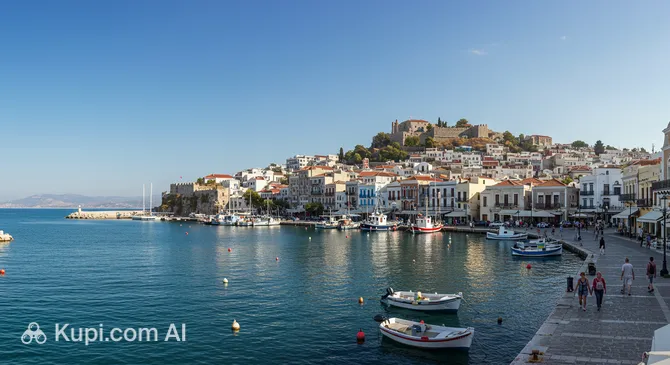
Mytilene. Source: Kupi.Binoculars

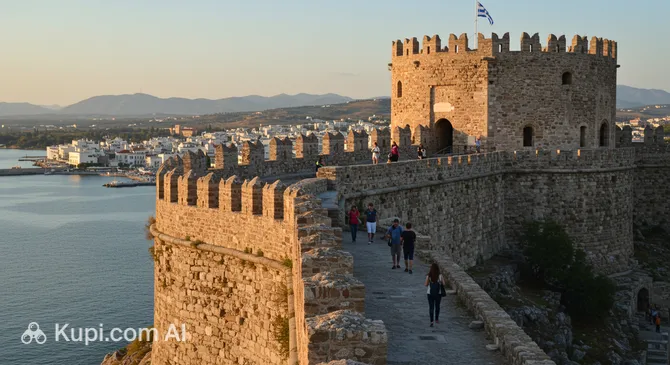
The profound history of Mytilene is etched into its streets and monuments. Travelers are often drawn to the imposing Castle of Mytilene (Gatellusi Castle), one of the largest fortifications in the Mediterranean, which stands guard over the city. Another architectural gem is the Church of Saint Therapon, whose distinctive dome dominates the skyline and lights up beautifully at night. For art lovers, the city boasts several excellent museums, including the Archaeological Museum and the Theophilos Museum.

A visit to Mytilene is not complete without strolling along the waterfront promenade, lined with mansions and palm trees. The city is also the perfect place to indulge in local gastronomy, particularly the island's world-famous ouzo accompanied by fresh seafood meze. Whether you are passing through or staying for a while, Mytilene promises an authentic and memorable Greek island experience.
Weather Overview

Mytilene enjoys a typical Mediterranean climate, characterized by long, warm summers and mild, damp winters. The weather generally invites outdoor exploration, though the distinct seasons offer different experiences for travelers. Expect hot, dry summers perfect for swimming and cooler, wetter winters suitable for cultural sightseeing.

During the peak summer months of July and August, the city is at its warmest, with average temperatures hovering around 26-27°C and daily highs reaching up to 30.7°C. Rainfall is practically non-existent during this time, with August typically seeing zero wet days, guaranteeing uninterrupted sunshine for your holidays.

As the season shifts towards winter, the temperature drops but remains relatively mild compared to northern Europe. January is usually the coldest month, with average temperatures of 9.7°C and lows around 7.7°C. This period is also the wettest, with December and January experiencing approximately 14 wet days each. For detailed forecasts and monthly breakdowns, you can consult the guide to the weather in Mytilene.

The shoulder seasons of spring and autumn are particularly pleasant. May and September offer comfortable average temperatures between 19°C and 23°C, with significantly fewer rainy days than the winter months, making them ideal times for hiking and walking tours around the city.

Interesting Facts

Beyond the main attractions, Mytilene holds many fascinating secrets that reveal the depth of its historical and cultural landscape. From ancient geographical shifts to unexpected artistic landmarks, the city offers several surprises for the curious traveler.

Castle of Mytilene. Source: Kupi.Binoculars
  • In antiquity, the geography of the city was quite different; Mytilene was originally an islet separated from the rest of Lesbos by a navigable channel known as the Euripus. This channel connected the northern and southern harbors, but over the centuries, it was filled in with silt and earth, eventually merging the castle hill with the main island.

  • The city boasts its own "Statue of Liberty," which stands prominently at the entrance of the harbor. Created in the 1920s by local painter Gregorios Zevgolis, this bronze figure was cast in Germany and bears a striking resemblance to the famous monument in New York, serving as a tribute to local heroes.

  • The famous philosopher Aristotle lived in Mytilene for two years, where he conducted groundbreaking observations of marine life in the local lagoons. Scholars believe that his time here effectively laid the foundation for the field of biology, as he cataloged species and behaviors long before writing his major scientific treatises.

  • Beneath the imposing walls of the Castle of Mytilene, there is a massive underground cistern. This subterranean structure, capable of holding thousands of cubic meters of water, was essential for the fortress's survival during sieges and features remarkable acoustics that amplify the slightest sound.

How to Get There

Reaching Mytilene, the capital of Lesbos, involves a bit of planning as it is an island destination in the North Aegean. While the island has its own connections, travelers often look at various entry points in the wider region. For a detailed breakdown of all available routes and travel tips, you can read more about how to get to Mytilene.

Although the city acts as a primary port, you might consider arriving via major transport hubs in the vicinity. One significant option is Izmir Adnan Menderes Airport (ADB), located in the city of Izmir, approximately 104 km from Mytilene. This is a large international airport handling millions of passengers annually. The approximate travel time to the coastal area for a connection is around 3 hours by road transport. Another alternative is Chios Airport (JKH) in Chios, situated about 92 km away. It is a smaller regional hub, with a transit time of roughly 2 hours and 40 minutes. Please note that as Mytilene is on an island, travel from these airports in neighboring cities or countries will require a subsequent ferry crossing.

For clarity, here is a summary of the main airports in the region:

Airport Name City Passenger Traffic Km from City
Izmir Adnan Menderes AirportIzmirLarge104.4
Chios AirportChiosMedium92.2
Balikesir Koca Seyit AirportEdremitMedium63.4
Canakkale AirportCanakkaleMedium115.0
Ikaria AirportIkariaSmall159.1

In addition to air travel, Mytilene is a major maritime hub. The city is well-connected by ferry services to the Greek mainland, particularly from the port of Piraeus in Athens, as well as to other Aegean islands and the nearby Turkish coast. Ferries are a popular and scenic way to arrive, offering a direct link to the heart of the city.

Main Attractions

Mytilene is a city where centuries of history seamlessly blend with the relaxed rhythm of island life. The most prominent landmark is undoubtedly the Castle of Mytilene, which dominates the skyline from its hilltop position. Built on the ruins of an ancient acropolis, this massive fortress is one of the largest in the Mediterranean. Visitors can explore its extensive grounds, which feature a fascinating mix of Byzantine, Genoese, and Ottoman architectural elements, including underground cisterns and a hammam. The castle also offers panoramic views of the city and the sea, making it a perfect spot for photography.

Castle of Mytilene. Source: Kupi.Binoculars

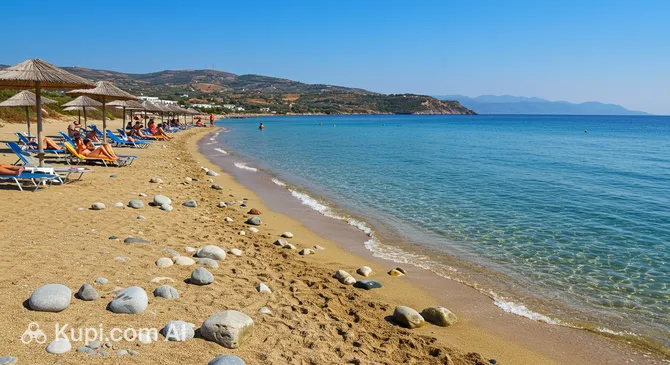
For those seeking relaxation close to the city center, Tsamakia Beach is the ideal destination. Located just below the castle, this organized beach offers crystal-clear waters and pebbled shores equipped with sunbeds and umbrellas. It is a favorite spot for both locals and tourists to take a refreshing dip or enjoy a coffee by the sea without leaving the town. The beach is well-maintained and provides a convenient escape into nature, complete with changing cabins and showers.

Tsamakia Beach. Source: Kupi.Binoculars

Another significant site is the Ancient Theatre of Mytilene, situated in the pine-covered hills on the western edge of the town. Dating back to the Hellenistic period, it was once capable of seating thousands of spectators and is considered one of the most important ancient theaters in Greece. Its design is said to have inspired the great Theater of Pompey in Rome. Today, it stands as a testament to the island's rich cultural past, offering a serene atmosphere and sweeping views over the harbor.

Culture enthusiasts should not miss the Archaeological Museum of Mytilene, which is housed in two separate buildings. The museum displays an impressive collection of artifacts unearthed across Lesbos, ranging from prehistoric finds to Roman mosaics. The exhibits provide deep insight into the daily life, art, and burial customs of the island's ancient inhabitants, highlighted by exquisite mosaic floors and marble statues that reveal the wealth and sophistication of ancient Mytilene.

Local Cuisine

The culinary scene in Mytilene is a delightful reflection of the island's abundant resources and its cross-cultural history. As the gastronomic heart of the North Aegean, the city offers a rich variety of flavors where traditional Greek recipes meet influences from Asia Minor. Olive oil, produced locally from the island's millions of olive trees, is the golden thread that connects almost every dish, renowned across Greece for its exceptional quality and aroma.

A defining experience in Mytilene is dining at an ouzeri. These traditional taverns are dedicated to the consumption of ouzo, the anise-flavored aperitif for which Lesbos is world-famous. Unlike in other places where it might be just a pre-dinner drink, here it is the main event, served slowly alongside a parade of mezedes. These small plates are designed for sharing and typically feature salted fish, grilled octopus, fava beans, and spicy meatballs, encouraging a social and relaxed dining atmosphere.

Seafood lovers will find themselves in paradise, with the famous sardines of Kalloni taking center stage. Often referred to as "papalina," these small, fatty fish are a local delicacy, traditionally served salted or grilled to perfection. Another must-try staple is Ladotyri Mytilinis, a hard cheese made from sheep's and goat's milk. Uniquely preserved in olive oil, it has a distinctively spicy and salty flavor profile that pairs beautifully with the local spirits.

For those with a sweet tooth, the city offers exquisite treats rooted in tradition. Amygdalota are delicate almond sweets often flavored with flower water, while spoon sweets—fruits preserved in heavy syrup—are a gesture of hospitality found in many homes and cafes. Whether it is the savory depth of a scallop dish or the simple pleasure of fresh bread dipped in oil, the cuisine of Mytilene is sure to leave a lasting impression.

Travel Tips

To ensure your visit to Mytilene is as smooth and enjoyable as possible, we have compiled a list of essential practical tips. These suggestions will help you navigate the local customs, logistics, and daily rhythm of this charming Aegean capital like a pro.

  1. Clothing and Gear: Mytilene is built on seven hills, meaning you will encounter steep streets and cobblestones; therefore, comfortable walking shoes are an absolute must. In summer, pack lightweight, breathable fabrics and a hat to protect against the strong sun. If you visit in winter or early spring, bring a waterproof jacket and layers, as the island can get quite damp and windy.
  2. Transportation: The city center is compact and best explored on foot, though be prepared for some uphill walking. For trips to nearby suburbs or beaches, the local Blue Buses are efficient and affordable. Taxis are readily available at the port and main squares. If you plan to explore the rest of Lesbos, renting a car is recommended, but be aware that parking in the center of Mytilene can be scarce.
  3. Finances: The local currency is the Euro (€). While most restaurants, hotels, and shops accept credit and debit cards, it is highly advisable to carry some cash for small purchases at kiosks (periptera), local buses, or small traditional cafes. ATMs are widely available throughout the city. Tipping is not mandatory but is appreciated; rounding up the bill or leaving 5-10% is standard for good service.
  4. Health and Safety: Mytilene is a safe city for tourists. Pharmacies are marked with a glowing green cross and are plentiful; pharmacists are generally well-trained and speak English. While tap water is technically safe for hygiene, the mineral content can be high, so most visitors and locals prefer drinking bottled water.
  5. Communication: Greek is the official language, but English is widely spoken, especially in tourism-related businesses. Locals appreciate it when visitors try to speak a few words of Greek; a simple Kalimera (Good morning) or Efharisto (Thank you) can open many doors. Wi-Fi is standard in almost all cafes and hotels.
  6. Local Etiquette: The pace of life here is relaxed, often described as siga siga (slowly, slowly). Do not be impatient if service in tavernas takes a bit longer; dining is meant to be a leisurely social event. Also, respect the afternoon quiet hours (roughly 3:00 PM to 5:30 PM), known as "mesimeri," when many shops close and locals rest.
  7. What to Avoid: A crucial rule across the Greek islands is regarding plumbing: do not flush toilet paper down the toilet. The pipes are narrow and clog easily; always use the small bin provided next to the toilet. Additionally, avoid entering churches in beachwear; modest dress (covering shoulders and knees) is required.
  8. Local Insight: When ordering the island's famous ouzo, never drink it as a "shot" or on an empty stomach. It is traditionally sipped slowly over ice and water, always accompanied by a small plate of food called meze. This is not just a drink but a social ritual central to the culture of Mytilene.

With these practicalities in mind, you are all set to immerse yourself in the authentic atmosphere of Mytilene without any surprises. Relax, respect the local ways, and enjoy every moment of your journey through this historic and welcoming city!

Entertainment & Nightlife

As a lively university city and the capital of the island, Mytilene offers a nightlife scene that is significantly more vibrant and diverse than many other Greek island towns. The presence of students from the University of the Aegean ensures that the city remains active year-round, though it truly sparkles during the long summer nights. The atmosphere is generally relaxed and welcoming, shifting from chilled sunset drinks to energetic dancing as the hours progress.

The epicenter of evening entertainment is the bustling waterfront promenade, known locally as the Prokymaia. Here, a continuous row of cafeterias, modern bars, and lounges faces the harbor, offering views of the illuminated port. This area is perfect for starting the night with a cocktail or a local beer. Just behind the waterfront, the historic Ladadika district offers a more atmospheric setting. Its narrow, cobblestone streets are lined with stone-built bars and ouzeries that stay open late, blending traditional architecture with modern music and aesthetics.

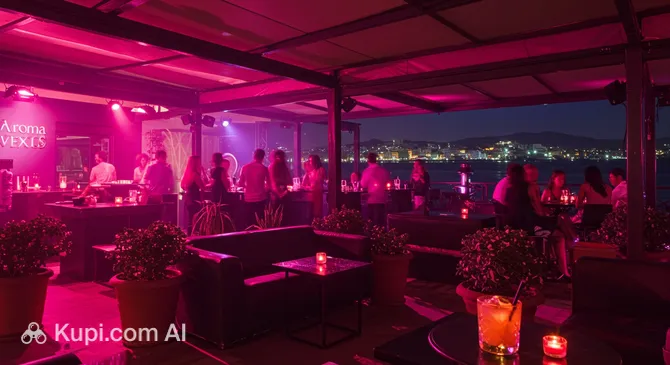
For those looking to dance the night away, the city boasts several clubs that host DJs and themed parties. A prominent name in the local scene is Aroma Venus. This venue is well-known for its energetic atmosphere and often serves as a gathering point for both locals and visitors seeking a high-energy experience. In the summer, the action often moves towards the coast, where open-air venues capitalize on the sea breeze.

Aroma Venus. Source: Kupi.Binoculars

Cultural entertainment also plays a huge role in Mytilene's nightlife, particularly during the summer festivals. The majestic Castle of Mytilene transforms into an atmospheric open-air venue, hosting concerts, theatrical performances, and art events under the stars. Similarly, the area around Tsamakia Beach often features beach bar vibes where you can enjoy music and drinks right by the water's edge, offering a quintessential Greek summer experience.

Practical Nightlife Tips:

  • Timing: The night starts late in Mytilene. Bars get busy around 11:00 PM, and clubs often don't peak until 1:00 AM or 2:00 AM.
  • Prices: Entertainment is generally affordable. A beer typically costs between €3.50 and €5.00, while cocktails range from €7.00 to €10.00.
  • Dress Code: The style is "smart-casual." While there is no strict dress code, locals tend to dress up a bit for a night out, but comfortable shoes are recommended for the cobblestones.
  • Safety & Transport: The city is very safe for night walks. Taxis are easy to find at the main rank at Sappho Square on the waterfront, or you can ask a venue to call one for you.

During the daylight hours, entertainment in Mytilene takes a more cultural and leisurely turn. The city's main commercial artery, Ermou Street, is excellent for shopping, offering everything from local products to fashion. Art lovers can revisit the museums or explore the small galleries scattered through the town. For a more relaxed afternoon, the municipal gardens and various cinemas provide pleasant diversions before the sun sets and the city's nightlife wakes up again.

Parks & Museums

Mytilene is a city that successfully balances its bustling port atmosphere with serene green escapes and a deeply rooted cultural heritage. For travelers, this means the opportunity to transition effortlessly from a relaxing walk under pine trees to an inspiring tour of world-class art and history, all within a short distance of the city center.

One of the most accessible natural areas is the pine-covered peninsula of Tsamakia Beach. Located just beneath the imposing fortress, this area serves as the city's primary green lung. While it is famous for its organized beach, the surrounding grove offers a refreshing retreat from the summer heat, perfect for leisurely strolls accompanied by the scent of pine and the sound of cicadas. It is a favorite spot for locals to jog, relax, or simply enjoy the view of the Aegean Sea extending towards the Turkish coast.

Tsamakia Beach. Source: Kupi.Binoculars

Another significant green space is the Karagiani Park (Park of Agia Irini), situated near the city's entrance. This well-maintained municipal park is a hub of family life in Mytilene, featuring paved paths, playgrounds, and shaded benches. It offers a quiet respite from the traffic of the main roads and is often used for small cultural events or as a meeting point for evening walks. For a more rugged natural experience, the hills surrounding the ancient theater provide hiking trails with panoramic views over the harbor.

Culturally, Mytilene punches above its weight with exceptional museums. The Archaeological Museum of Mytilene is a highlight, housed in two separate buildings—a neoclassical mansion and a modern structure. It offers a comprehensive journey through the island's history, showcasing exquisite mosaic floors from Roman villas, intricate jewelry, and statues that reveal the wealth of ancient Lesbos. It is a must-visit for anyone wishing to understand the strategic importance of the island through the ages.

Art enthusiasts will find a unique treasure in the Teriade Museum (Library-Museum of Stratis Eleftheriadis). Located in the suburb of Varia, this museum houses the "Great Books" (Grands Livres), a collection of original artworks by modern masters such as Picasso, Matisse, Chagall, and Miró, commissioned by the art critic and publisher Tériade, a native of Lesbos. Just next door stands the Theophilos Museum, dedicated to the works of the folk painter Theophilos Hatzimihail, whose naive yet expressive art captures the spirit and traditions of Greek life.

The city's history is omnipresent, anchored by the massive Castle of Mytilene. Beyond its military significance, the castle grounds are an open-air museum of architectural evolution, featuring Byzantine cisterns and Ottoman inscriptions. Walking through the historic Sourada district also offers an architectural feast, where grand 19th-century mansions built by wealthy merchants display a mix of Neoclassical, Baroque, and Gothic elements, testifying to the city's cosmopolitan past.

Castle of Mytilene. Source: Kupi.Binoculars

For a truly authentic experience, look for the Yeni Mosque in the old Turkish quarter of Epano Skala. Although it is not always open as a standard museum, its decaying grandeur and the surrounding cobblestone streets provide a poignant glimpse into the Ottoman era of the city. Exploring this area offers a quiet, atmospheric contrast to the busy waterfront promenade.

Getting Around

Navigating Mytilene is a relatively straightforward and stress-free experience, as the city is compact and pedestrian-friendly. The public transport system relies entirely on a bus network, as there are no metros, trams, or trains in the city. For most visitors, a combination of walking for the historic center and buses for the surrounding neighborhoods or the airport is the most efficient way to get around.

The bus system is divided into two distinct categories based on the distance of travel. The Blue Buses (Astika KTEL) serve the city of Mytilene and its immediate suburbs, including routes to the airport, the village of Varia (where the Theophilos and Teriade museums are located), and nearby coastal areas. These are the buses you will use most frequently for city exploration. Distinct from these are the Green Buses (Yperastika KTEL), which are long-distance coaches connecting the capital to other towns and villages across the island; their central station is located near the Agia Irini Park.

For the local Blue Buses, the main terminal is situated right at the harbor, near Sappho Square. Tickets are very affordable, typically costing between €1.20 and €2.00 depending on the zone. It is highly recommended to purchase your tickets in advance from the central kiosk at the bus station or from local street kiosks (periptera). While it is sometimes possible to buy a ticket on board from the driver, this usually incurs a surcharge, so having a pre-purchased ticket is both cheaper and faster. Remember to validate your ticket immediately upon boarding by using the machines provided or showing it to the driver.

Operating hours for the city buses generally run from early morning, around 6:30 AM, until late evening, approximately 10:30 PM. However, frequencies can vary significantly depending on the season. During the busy summer months, services to popular spots like Tsamakia Beach or the airport are frequent, but in winter or on Sundays, the schedule is reduced. It is always wise to check the printed timetables posted at the main stops or ask locals for the latest departure times.

If you prefer a more direct mode of transport, taxis are widely available and can be identified by their yellow color. The main taxi rank is conveniently located at the waterfront, bustling with activity day and night. Taxis operate on a meter system, but for standard routes, such as the transfer from the port to the airport, fixed rates often apply. They are a reliable alternative for late-night travel when bus services have ceased.

For those wishing to explore at their own pace, car and scooter rentals are extremely popular and numerous agencies can be found along the waterfront. While a car is not necessary for the city center itself—where parking can be difficult and traffic congestion is common—it is excellent for day trips to the outskirts. Alternatively, the city's flat waterfront promenade is perfect for cycling, and bike rentals are becoming an increasingly common way to enjoy the scenic coastal views.

Accommodation

Accommodation in Mytilene reflects the city's unique character, blending historical grandeur with functional city living. Unlike typical resort destinations filled with sprawling all-inclusive complexes, the capital of Lesbos offers a more intimate selection of lodgings. Visitors can choose from boutique hotels housed in restored neoclassical mansions, modern city hotels convenient for business and transit, and a growing number of private apartments and rooms that offer a "home away from home" experience.

When choosing where to stay, location plays a key role in the experience. The area along the waterfront promenade and the inner harbor is the most popular choice for those who want to be in the heart of the action, close to restaurants, cafes, and the main market. For a quieter and more atmospheric stay, the district of Sourada is highly recommended; here, many 19th-century aristocratic mansions have been converted into elegant guesthouses. Travelers seeking proximity to the sea while staying in the city might look for options near Tsamakia Beach and the Castle of Mytilene, offering a mix of history and leisure just a short walk from the center.

The cost of accommodation in Mytilene is generally reasonable and offers good value compared to the more famous Cycladic islands. Prices typically range from budget-friendly for simple rooms to mid-range for boutique hotels. While it is possible to find availability upon arrival during the low season, booking in advance is strongly advised if you plan to visit during July, August, or the Easter holidays, as the best properties fill up quickly. Most accommodations can be booked via major online platforms, though contacting smaller family-run establishments directly can sometimes secure a better rate or a more personalized stay.

Nearby Cities

For those looking to explore the surroundings, Mytilene serves as an excellent base for day trips to several interesting nearby locations:

Molyvos (Mithymna) is arguably the most picturesque settlement on the island of Lesbos and a favorite destination for a day trip. Located on the northern tip of the island, about an hour's drive from the capital, it is crowned by a magnificent medieval castle that overlooks rows of traditional stone houses with red-tiled roofs. Visitors can wander through its cobbled alleyways, browse charming souvenir shops, and enjoy a meal at the scenic harbor, which offers stunning views of the Aegean sunset.

Another captivating option is Plomari, the second-largest town on the island and the undisputed capital of ouzo production. Situated on the southern coast, it invites travelers to explore its narrow streets and visit the Barbayannis Ouzo Museum to learn about the history of Greece's famous spirit. After a cultural tour, you can relax at the beautiful Agios Isidoros beach, known for its crystal-clear waters, or dine in one of the authentic seaside tavernas.

For a change of scenery, the mountain village of Agiasos offers a lush, green escape on the slopes of Mount Olympus. Famous for its cobbled streets, colorful pottery, and the historic Church of Panagia, Agiasos retains a deep sense of tradition. It is an ideal spot to enjoy a Greek coffee cooked on embers and taste local chestnuts or fruit preserves in the village square, surrounded by plane trees and vibrant local culture.

City Population Distance (km)
Alexandroupoli71601202
Komotini50990244
Kos33387254
Chios2685090
Ano Syros21507232

These nearby destinations offer a glimpse into the diverse culture and landscapes of the region.

Shopping & Souvenirs

Shopping in Mytilene is a delightful journey through tradition and local culture. Unlike major metropolises filled with generic shopping malls, the capital of Lesbos prides itself on a vibrant market atmosphere where independent boutiques and family-run businesses dominate. Visitors can expect a blend of modern fashion, traditional crafts, and an abundance of gastronomic treasures that reflect the island's rich heritage.

The commercial heartbeat of the city is undoubtedly Ermou Street (Odos Ermou). This bustling pedestrianized thoroughfare runs parallel to the waterfront and is lined with a diverse array of shops. Here, you can find everything from international clothing brands and shoe stores to jewelry workshops and bookstores. The side streets branching off Ermou are equally rewarding, often hiding smaller, specialized boutiques and antique shops that invite leisurely exploration.

Travelers should note that Mytilene does not follow the trend of massive, multi-story shopping malls found in larger European cities. Instead, the "mall" experience is open-air, constituted by the density of shops in the city center. This layout encourages walking and allows shoppers to enjoy the island's architecture and weather while moving from store to store.

For a taste of authentic local life, the Central Market area connects seamlessly with the commercial streets. This is the place to find the freshest produce, including locally grown vegetables and fruits. The fish market is particularly lively in the mornings, showcasing the catch of the day from the surrounding Aegean waters. While there isn't a permanent "flea market" in the strict sense, the vibrant atmosphere of the agora provides a similar sensory experience.

When it comes to gifts, Mytilene offers high-quality local products rather than kitschy trinkets. The island is famous for its ouzo, and buying a bottle from a local distillery is a must. Olive oil and olive wood products are also top choices, given the island's vast groves. Foodies should look for Ladotyri Mytilinis, a unique spicy cheese preserved in oil. Additionally, traditional pottery and ceramics, often influenced by the styles of nearby Agiasos, make for beautiful and lasting keepsakes.

Store hours in Mytilene typically follow the traditional Greek schedule. Shops open around 9:00 AM and stay open until roughly 2:00 PM. On Tuesdays, Thursdays, and Fridays, they reopen in the evening from approximately 5:30 PM to 9:00 PM. Mondays, Wednesdays, and Saturdays are usually morning-only trading days, and shops are closed on Sundays. Most establishments accept credit and debit cards, though carrying some cash is advisable for small purchases in the market or at kiosks.

Visitors from outside the European Union may be eligible for a VAT refund on purchases exceeding a certain amount in a single store. Look for the "Tax Free Shopping" signage in shop windows. While not every store participates, the larger fashion and jewelry retailers on Ermou Street often provide the necessary forms to claim your refund at the airport upon departure from Greece.

Reached the end of the page?

That means the route is fully explored