Support

Paros

About

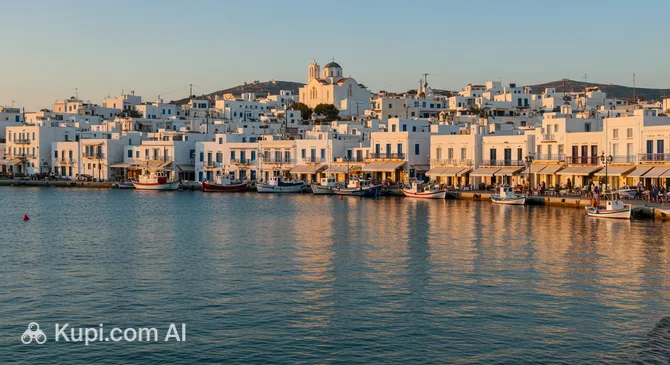
Paros is one of the most beloved destinations in the Cyclades, offering a perfect blend of traditional architecture, vivid nightlife, and enchanting beaches. Situated in the heart of the Aegean Sea, this island in Greece is known for its rolling hills, vineyards, and the charming whitewashed villages that dot its landscape. With a permanent population of approximately 13,700 residents, it maintains a lively yet relaxed atmosphere that appeals to travelers seeking both relaxation and adventure.

The island has been significant since antiquity, largely due to its famous fine white marble, which was used to create masterpieces like the Venus de Milo. Exploring the history of Paros reveals a fascinating past, from ancient marble quarries to Venetian fortresses that still stand today. The capital, Parikia, serves as the main port and a cultural hub, welcoming visitors with its labyrinthine streets and historical treasures.

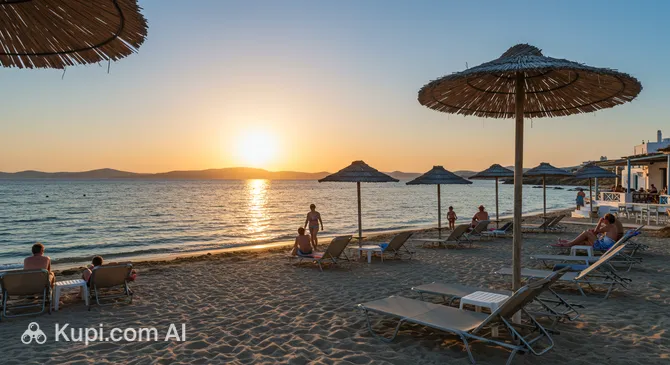
Paros. Source: Kupi.Binoculars

Among the island's top attractions is the Panagia Ekatontapiliani, a historic Byzantine church complex in Parikia that is one of the oldest remaining in the country. Visitors are also drawn to the picturesque fishing village of Naoussa, famous for its Venetian castle and vibrant dining scene by the water. For beach lovers, the unique rock formations of Kolymbithres and the windsurfing paradise of Golden Beach offer unforgettable seaside experiences.

Whether you are wandering through blooming bougainvillea-filled alleys or enjoying the crystal-clear waters, Paros promises an authentic Greek island experience. It is a destination that captures the heart of every traveler, making it a truly essential stop for your next Mediterranean holiday.

Weather Overview

The climate in Paros is typically Mediterranean, offering visitors plenty of sunshine and moderate temperatures throughout the year. Those planning a trip and checking the weather in Paros will find distinct seasonal patterns that cater to different types of travelers, from beachgoers to sightseers.

Summer is the most popular time to visit, characterized by warm days and clear blue skies. August is generally the warmest month, with an average temperature of 25.2°C and highs reaching 26.2°C. Rainfall is virtually non-existent from June to August, ensuring dry conditions perfect for enjoying the island's famous beaches.

In contrast, the winter season is cooler and wetter. January is typically the coldest month, with average temperatures around 12.9°C and approximately 14 wet days. Expect warm, dry summers with almost no precipitation and mild winters with occasional rain.

Interesting Facts

Beyond the main attractions, Paros holds many fascinating secrets that reveal its deep connection to history and nature. Here are some unique insights into this Cycladic gem that go beyond the typical travel guide highlights.
  • The island is the source of the legendary "Parian marble," celebrated in antiquity for its pure white color and unique transparency. This highly prized material was used to sculpt some of the most famous statues in history, including the Venus de Milo and the Winged Victory of Samothrace.

  • Local legend surrounds the Church of Panagia Ekatontapiliani, whose name translates to "Our Lady of a Hundred Doors." Tradition claims that only 99 doors are currently visible, and a secret 100th door remains hidden within the complex, waiting to be revealed.

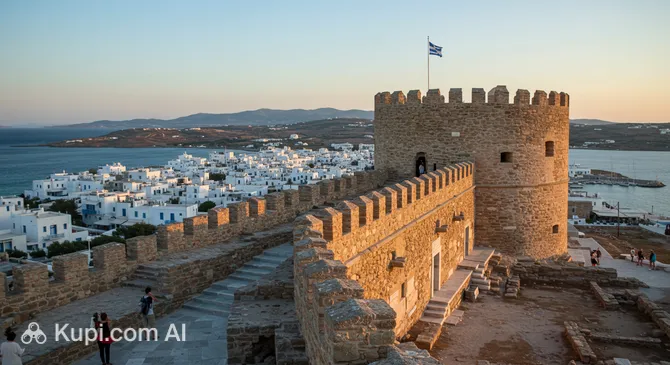
  • The Frankish Castle of Parikia offers a striking example of architectural recycling. Built by the Venetians in the 13th century, its walls are constructed almost entirely from the marble remains of an ancient temple of Athena, with classical columns and circular architectural elements clearly visible in the medieval stonework.

  • Paros has a surprising natural wonder known as the Valley of the Butterflies (Petaloudes). Located near the Monastery of Jesus of Woods, this verdant oasis attracts thousands of Jersey Tiger Moths during the summer, creating a vibrant natural spectacle amidst the cypress and plane trees.

Frankish Castle of Parikia. Source: Kupi.Binoculars

How to Get There

Reaching the beautiful island of Paros is relatively straightforward, with options to fly directly or connect via neighboring islands. For travelers planning their journey, you can find more about how to get to Paros in our detailed guide. The island is well-connected to the Greek mainland and other Cycladic destinations.

The most convenient entry point is Paros Airport (PAS), located directly on the island. It is a regional hub situated approximately 8 km from the city center. A taxi ride from the airport to the main town typically takes approximately 10 to 15 minutes. While it primarily serves domestic flights, its proximity makes it the preferred choice for many visitors.

Alternatively, many travelers choose to fly into Santorini International Airport (JTR) in the city of Fira, which is about 81.6 km away. Since Santorini is a separate island, arriving here requires a subsequent ferry trip to reach Paros. Another nearby option is Naxos Airport (JNX), located on the neighboring island of Naxos, roughly 19.2 km away, which also connects to Paros via a short ferry ride.

For clarity, here is a summary of the main airports:

Airport Name City Passenger Traffic Km from City
Santorini International Airport Fira Large 81.6
Paros Airport Paros Medium 8.0
Naxos Airport Naxos Medium 19.2
Milos Airport Milos Small 74.0
Ikaria Airport Ikaria Small 124.9

As an island destination in the Cyclades, Paros does not have a railway network. There are no train stations on the island, and the primary means of transport between islands and from the mainland ports are ferries and high-speed catamarans. Visitors traveling from Athens often take a ferry from Piraeus or Rafina ports, or fly directly to the island's airport.

Main Attractions

Paros offers a captivating mix of historical landmarks and charming local spots, with most key sights concentrated in and around the capital, Parikia. Visitors can easily explore centuries of history while wandering through the picturesque whitewashed streets of the old town.

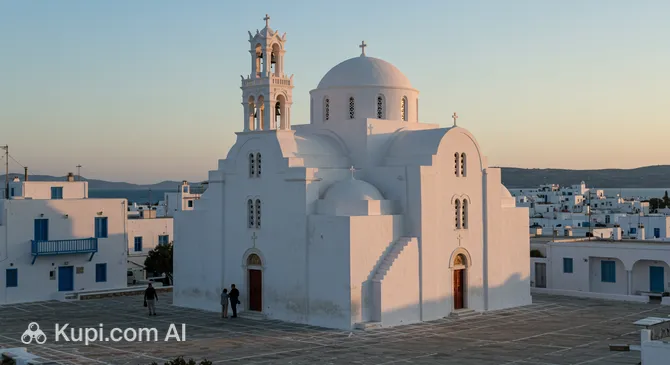
One of the most significant monuments in Greece is the Church of Panagia Ekatontapiliani. Often referred to as the "Church of a Hundred Doors," this magnificent Byzantine complex dates back to the 4th century. It is remarkably well-preserved, featuring a main chapel, an ancient baptistery, and a small museum displaying religious relics. It serves as a major pilgrimage site and offers a peaceful retreat for those interested in history and architecture.

Church of Panagia Ekatontapiliani. Source: Kupi.Binoculars

Standing proudly at the highest point of the capital is the Frankish Castle of Parikia. Built in 1260 by the Venetian Duke of Naxos, this fortress is famous for its unique construction. The walls are built using the marble remains of ancient temples, creating a striking visual contrast where classical columns and architraves are embedded directly into the medieval stonework. It offers a fascinating glimpse into the island's layered past and provides excellent views of the surrounding area.

For a taste of the island's vibrant atmosphere, a visit to Cafe Symposium in the heart of the Old Town is highly recommended. While it is a place to enjoy coffee and treats, it has become a local attraction in its own right due to its stunning traditional decor and photogenic balcony. It captures the quintessential Cycladic aesthetic, making it a favorite stop for travelers looking to soak up the local culture and relax after a day of sightseeing.

Cafe Symposium. Source: Kupi.Binoculars

Local Cuisine

The culinary scene in Paros is a delightful reflection of the Aegean lifestyle, characterized by simplicity, fresh ingredients, and rich flavors. Gastronomy here relies heavily on locally sourced produce, fresh seafood caught daily by Parian fishermen, and traditional recipes passed down through generations. Dining on the island is not just about sustenance; it is a social ritual often enjoyed slowly by the sea or in the lively squares of the villages.

One of the most iconic dishes you must try is Gouna, a sun-dried mackerel that is seasoned with herbs and grilled to perfection. It is a staple appetizer in seaside tavernas, perfectly capturing the taste of the sea. Another signature dish is Revithada, a slow-cooked chickpea stew prepared in clay pots inside wood-fired ovens. Traditionally served after Sunday church services, this comforting meal is now available in restaurants throughout the week. Cheese lovers should also look for locally produced varieties like xinomyzithra or the spicy kopanisti.

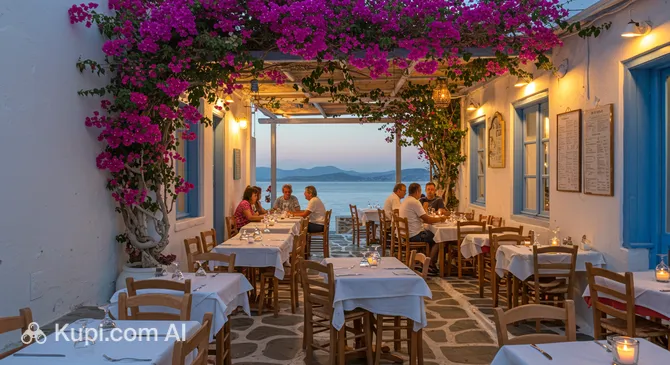
Bountaraki. Source: Kupi.Binoculars

For an authentic taste of these local specialties, many visitors head to Bountaraki. This welcoming restaurant is highly regarded for its homestyle cooking and friendly atmosphere, making it an excellent spot to sample traditional Greek plates without the tourist trap feel. Whether you crave fresh seafood or hearty vegetable-based dishes, it provides a genuine introduction to Parian hospitality.

When it comes to drinks, Paros is famous for Souma, a strong local spirit distilled from grape pomace, similar to raki or grappa. It is the drink of choice for locals during celebrations and social gatherings, often served with small plates of meze. The island also has a long history of winemaking, with vineyards producing excellent white and red wines that pair beautifully with the local cuisine.

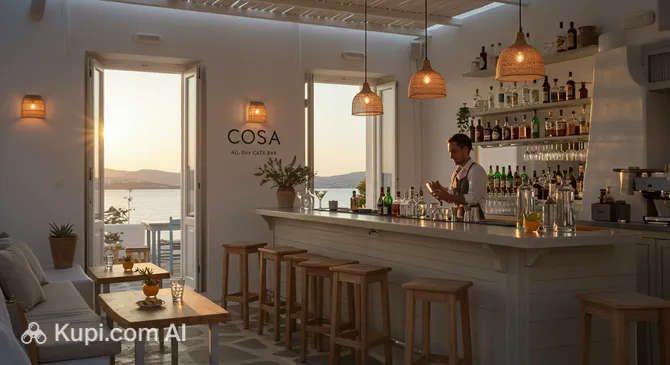
COSA All-Day Café Bar. Source: Kupi.Binoculars

The island's food culture balances traditional tavernas with modern hangout spots. After a meal, the cafe and bar scene comes alive, providing perfect settings for relaxation. Places like COSA All-Day Café Bar offer a stylish environment to enjoy a coffee or a cocktail while soaking in the island vibes. Whether you are grabbing a quick souvlaki on the street or dining in an upscale restaurant in Naoussa's Venetian harbor, the flavors of Paros are sure to be a highlight of your trip.

Travel Tips

Traveling to Paros is a dream for many, offering a perfect slice of Greek island life with its whitewashed villages and crystal-clear waters. To ensure your journey is as smooth as the Aegean breeze, here are some essential practical tips to keep in mind before you pack your bags.

  1. Clothing and Gear: During the summer, pack light, breathable fabrics like linen and cotton to stay cool. However, the island is known for the Meltemi winds, which can make evenings chilly, so bringing a light jacket or windbreaker is wise. Comfortable, flat walking shoes are a must for navigating the cobblestone streets of Parikia and Naoussa. If you plan to visit religious sites like the Panagia Ekatontapiliani, remember to dress modestly, covering your shoulders and knees.
  2. Transportation: The local KTEL bus network is reliable, affordable, and connects the main towns of Parikia and Naoussa with popular beaches. However, to explore secluded coves and mountain villages at your own pace, renting a car or an ATV is highly recommended. Taxis are available but can be scarce during peak season, so booking in advance is advisable.
  3. Finances: The official currency is the Euro (€). While credit and debit cards are widely accepted in hotels, restaurants, and shops, it is essential to carry cash for small purchases at kiosks, bus fares, or small tavernas. ATMs are plentiful in the main towns. Tipping is not mandatory but is appreciated; rounding up the bill or leaving a 5-10% tip for good service is standard practice.
  4. Health and Safety: Paros is a very safe destination for travelers. Pharmacies are marked with a green cross and can be found in major settlements; they usually rotate night shifts for emergencies. There is a public health center in Parikia for medical assistance. Regarding water, while tap water is generally safe for hygiene, it often has a high mineral content, so drinking bottled water is recommended.
  5. Communication: The official language is Greek, but English is widely spoken, especially in tourism-related businesses. Learning a few local phrases like "Kalimera" (Good morning) and "Efcharisto" (Thank you) will go a long way with the locals. Free Wi-Fi is standard in most cafes and hotels, and EU residents can use their home mobile data plans without roaming charges.
  6. Local Etiquette: Greeks are known for their hospitality (philoxenia). Greetings are warm, often involving a handshake or a smile. Dining is a leisurely affair and typically happens late; locals often don't eat dinner until 9:00 PM or later. It is polite to not rush your meal and to enjoy the social aspect of dining.
  7. What to Avoid: One crucial rule throughout Greece is to never flush toilet paper down the toilet. The plumbing pipes are narrow and easily clogged, so always use the small bin provided next to the toilet. Also, avoid climbing on the roofs of churches or private houses for photos, as this is considered disrespectful.
  8. Wind Awareness: The strong northern Meltemi wind is common in July and August. While it keeps the heat manageable, it can make some northern beaches choppy. A helpful hack is to check the wind direction daily; if it is blowing from the north, head to the southern beaches for calm waters.

With these tips in your pocket, you are ready to fully embrace the laid-back charm and vibrant culture of this Cycladic gem. Enjoy every sunset, swim, and delicious meal knowing you are well-prepared for an unforgettable island adventure.

Entertainment & Nightlife

Paros is renowned for having some of the most vibrant and diverse nightlife in the Cyclades, often compared to its cosmopolitan neighbor Mykonos but with a more relaxed and authentic charm. As the sun sets, the island transforms into a lively hub of entertainment, offering everything from sophisticated cocktail lounges to energetic dance clubs. The nightlife is primarily concentrated in the two main towns, Naoussa and Parikia, each offering a distinct atmosphere for evening revelers.

Naoussa is widely considered the heartbeat of the island's party scene. The tiny, whitewashed fishing harbor is packed with bars and tables that spill right out to the water's edge. Here, the vibe is chic and trendy, attracting a stylish crowd that enjoys sipping cocktails under the stars. Behind the harbor, the maze-like alleyways hide numerous small clubs and bars where the music gets louder as the night progresses. It is the perfect place to see and be seen, with venues staying open until the early hours of the morning.

The capital, Parikia, offers a slightly more diverse mix of entertainment. The waterfront promenade is lined with bars that are ideal for watching the sunset, while the backstreets of the Old Town reveal hidden gems. For a stylish start to your evening, COSA All-Day Café Bar is a fantastic choice. Located in a prime spot, it offers a lush, garden-like atmosphere where you can enjoy expertly crafted drinks before heading out to explore more of the town. It perfectly bridges the gap between a relaxed daytime hang-out and a buzzing evening venue.

If you prefer a more cultural and atmospheric setting, Cafe Symposium in the Old Town of Parikia is a must-visit. While it serves as a café, its evening ambiance is magical, often featuring classical music or jazz in a beautifully decorated traditional building. It provides a sophisticated alternative to the thumping bass of the nightclubs, ideal for those seeking conversation and local character.

For those planning a night out, timing is everything. The nightlife in Paros starts late; bars typically begin to fill up around midnight, and clubs do not peak until 2:00 AM or later. The dress code is generally "island chic"—smart but comfortable, with flat shoes recommended due to the cobblestone streets. Prices for cocktails usually range from €10 to €15 depending on the venue. In terms of safety, the island is very secure for night walks, though the main challenge can be transportation. Taxis are in high demand after midnight, so using the late-night bus services that run between Naoussa and Parikia during the high season is often a more reliable option.

Beyond the nightlife, Paros offers engaging daytime and early evening entertainment. The island is home to several open-air cinemas (Cine Rex and Cine Enastron), where you can watch movies under the stars—a quintessential Greek summer experience. Additionally, visitors can explore the Archaeological Museum of Paros in Parikia to admire ancient artifacts or attend various cultural festivals and art exhibitions that frequently take place in the villages during the summer months.

Parks & Museums

While Paros is famous for its golden beaches and whitewashed villages, the island also boasts a surprising wealth of green spaces and cultural institutions that preserve its rich heritage. Beyond the sun loungers, visitors can discover protected natural parks, fascinating museums, and historical landmarks that tell the story of this Cycladic gem through the ages.

One of the most significant natural areas is the Paros Park (Environmental and Cultural Park of Paros), located on the peninsula of Ai Giannis Detis near Naoussa. This protected area offers a network of hiking trails that wind through unique rock formations and fragrant herbs, leading to a historic lighthouse and secluded coves. It is not just a place for walking; the park hosts an open-air theater and serves as a venue for cultural events during the summer, making it a perfect blend of nature and art.

Another lush retreat is the Valley of the Butterflies (Petaloudes), situated near the Monastery of Jesus of Woods. In stark contrast to the dry Cycladic landscape, this area is a verdant oasis with running water and dense vegetation of cypress and plane trees. During the summer months, it becomes the habitat for thousands of Jersey Tiger Moths, offering a rare and enchanting spectacle for nature enthusiasts.

For those interested in the island's history, the Archaeological Museum of Paros in Parikia is an essential stop. It houses a significant collection of finds from the Neolithic to the Roman periods, including the famous "Parian Chronicle," a marble inscription detailing major events in Greek history. Another cultural highlight is the Folklore Art Museum of Cycladic Civilization in Aliki. This private museum features impressive handmade miniatures of traditional ships and buildings, providing a detailed look at the everyday life and maritime traditions of the past.

The island's architecture itself serves as an open-air museum. Dominating the capital is the Frankish Castle of Parikia, a striking 13th-century fortification. It is renowned for its walls, which incorporate the marble columns and architraves of an ancient temple, creating a visually stunning mosaic of history. Nearby stands the Church of Panagia Ekatontapiliani, one of the most important Byzantine monuments in Greece. Exploring its ancient baptistery and the small museum within the complex offers deep insight into the island's religious significance.

For a truly authentic experience, consider visiting the ancient Marble Quarries at Marathi. Although not a formal museum, this site allows you to walk the paths where the celebrated Parian marble was once extracted to create masterpieces like the Venus de Milo. It is a quiet, atmospheric spot that connects you directly to the island's artistic legacy.

Getting Around

The public transport system in Paros is primarily reliant on a robust and efficient bus network operated by KTEL. Since there are no trains or trams on the island, these buses serve as the main lifeline for visitors wishing to explore without a private vehicle. The central bus station is located in Parikia, right next to the port, making it incredibly convenient for travelers arriving by ferry. From here, routes fan out to connect the capital with Naoussa, the airport, and popular villages like Aliki, Lefkes, and Piso Livadi.

For those planning to use the bus, the payment system is straightforward. Tickets are not time-based but are purchased for specific one-way journeys. The price depends on the distance, typically ranging from roughly €1.80 to €3.00 per ride. While it is possible to buy tickets on board from the driver, it is often slightly more expensive, and drivers generally accept only cash. It is highly advisable to purchase tickets in advance from the ticket kiosks located at the main terminals in Parikia and Naoussa, or from selected mini-markets in smaller villages.

Travelers should be aware that the frequency of service varies significantly with the seasons. During the peak summer months, buses run frequently, often until late at night, catering to the nightlife crowd moving between Parikia and Naoussa. However, in the off-season, schedules are reduced. Printed timetables are usually available at the stations, and checking the return times upon arrival at your destination is a good practice to avoid being stranded, as taxis can be scarce during busy periods.

Speaking of alternatives, taxis are available but are limited in number relative to the volume of tourists in July and August. You can find taxi ranks at the port in Parikia and the main square in Naoussa. Due to high demand, flagging one down on the street can be difficult, so pre-booking or calling for a pickup is recommended if you have a tight schedule. Ride-sharing apps are not widely used, so relying on standard taxi services or private transfers is the norm.

Given the island's geography, renting a vehicle is a very popular choice for many tourists. Car, scooter, and ATV rental agencies are plentiful, particularly in the main towns. having your own transport offers the freedom to explore secluded beaches and mountain roads that the bus network may not reach. Additionally, a unique and scenic form of transport is the "caique" or water taxi. These small traditional boats operate mainly from the ports of Parikia and Naoussa, ferrying visitors to nearby beaches like Kolymbithres and Monastiri, offering a delightful way to travel across the bay.

Accommodation

Where to Stay:

Accommodation in Paros caters to a wide spectrum of travelers, ranging from budget-friendly backpackers to luxury seekers. The island offers a diverse array of options, including high-end resorts with private pools, charming boutique hotels, traditional family-run apartments (known as "studios"), and organized campsites for nature lovers. Whether you are looking for a sophisticated suite or a simple room by the sea, the island's hospitality infrastructure is well-developed and welcoming.

Choosing the right area is key to enjoying your stay. Parikia, the capital and main port, is the most convenient base for those who want easy access to public transport, ferries, and historical sites. It is lively and stays busy year-round. For a more cosmopolitan and upscale vibe, Naoussa is the preferred choice; this picturesque fishing village is famous for its chic boutique hotels, vibrant nightlife, and high-end dining. Travelers seeking a quieter, family-oriented atmosphere often opt for the southern coastal villages like Aliki or Drios, which offer easy access to calm beaches. Alternatively, the mountain village of Lefkes provides a peaceful, traditional retreat away from the coastal crowds.

When planning your trip, it is crucial to consider the seasonality of the island. Paros is an extremely popular destination, particularly in July and August. During these peak summer months, demand is high, and the best properties often sell out months in advance. Therefore, booking your accommodation as early as possible is highly recommended to secure your preferred location and rate.

Prices vary significantly depending on the season and the type of lodging. While luxury resorts and villas in Naoussa command premium prices, affordable options can be found in Parikia and the smaller villages, especially if you travel during the shoulder seasons of May, June, or September. Most accommodations can be easily booked through major online platforms, though many smaller, family-owned establishments also welcome direct inquiries, sometimes offering better rates or a more personal touch.

Nearby Cities

For those looking to explore the surroundings, Paros serves as an excellent base for day trips to several interesting nearby locations. The central position of the island in the Cyclades allows for convenient visits to neighboring isles and historic settlements.

One fascinating destination is Ano Syros, located on the nearby island of Syros. This medieval settlement was built amphitheatrically on a hill to protect its residents from pirate raids. Today, it enchants visitors with its narrow, winding alleys, traditional whitewashed houses, and the majestic Catholic Cathedral of San Giorgio at its summit, which offers breathtaking views of the Aegean Sea.

Another notable location is Pyrgos. Often recognized for its preserved traditional architecture and Venetian influence, a visit here provides a quieter, more authentic glimpse into island life compared to the bustling coastal resorts. Wandering through its historic streets reveals charming squares and centuries-old churches that reflect the rich cultural heritage of the region.

City Population Distance (km)
Glyfada 87305 151
Voula 28364 148
Paiania 26668 150
Pyrgos 24359 82
Ano Syros 21507 45

These nearby destinations offer a glimpse into the diverse culture and landscapes of the region, making them well worth the journey for travelers eager to see more of the Greek islands.

Shopping & Souvenirs

Shopping in Paros is a delightful experience that combines retail therapy with the charm of island life. Unlike large commercial hubs, the city offers a more intimate and curated shopping scene, characterized by stylish boutiques, traditional craft workshops, and family-run stores. Visitors will find a wonderful mix of high-end fashion, local art, and traditional Greek products, all hidden within the picturesque whitewashed alleys of the main settlements.

The two primary destinations for shopping are Parikia and Naoussa. In Parikia, the main activity is centered around the traditional "Market Street" (Agora), a pedestrian-friendly lane that winds from the port into the heart of the Old Town. This bustling thoroughfare is lined with shops selling everything from leather sandals to handmade jewelry. Naoussa, on the other hand, offers a more upscale vibe. Its narrow, cobblestone streets are packed with chic designer boutiques, concept stores, and art galleries that cater to a sophisticated crowd, making it the perfect place to find unique summer fashion and accessories.

Travelers accustomed to massive department stores should note that Paros does not have large shopping malls. The island preserves its traditional architectural character, so commercial activity is housed in small, independent buildings rather than sprawling complexes. This absence of large-scale malls adds to the authentic atmosphere, allowing visitors to discover one-of-a-kind items in a more personal setting.

While there are no large organized flea markets in the city, the shopping streets themselves function as vibrant open-air marketplaces. For those interested in local flavors, small grocery stores and delis scattered throughout the towns act as food markets, offering fresh island produce. In the mornings, you can often find fishermen selling their catch of the day directly from their boats at the harbors, providing a glimpse into the local way of life even if you are not looking to buy fresh fish.

When it comes to souvenirs, Paros offers excellent options that go beyond standard trinkets. Given the island's history, items made from Parian marble—such as small statues, mortars, or coasters—are timeless keepsakes. Handmade ceramics and silver jewelry are also very popular. Foodies should look for local specialties like capers, thyme honey, and xinomyzithra cheese. A bottle of local wine or Souma, the traditional spirit of the island, is also a perfect gift to bring back home.

Store opening hours in Paros are quite flexible, especially during the tourist season. From June to September, shops in the main tourist areas of Parikia and Naoussa typically stay open all day, from around 9:00 AM until past midnight, without a midday break. In contrast, shops in smaller villages or during the off-season may follow the traditional Greek schedule, closing for a siesta in the afternoon (roughly 2:00 PM to 5:30 PM). Major credit and debit cards are widely accepted in most boutiques and souvenir shops, though carrying some cash is advisable for smaller purchases at kiosks or local bakeries.

Visitors from outside the European Union are eligible for a VAT refund on purchases exceeding €50 at participating stores. Look for the "Tax-Free" signage in shop windows, and be sure to ask for the necessary tax refund form at the checkout. You will need to present this form along with your passport and the goods at the customs office at the airport upon your departure from the EU.
Reached the end of the page?

That means the route is fully explored