Support

Karpathos

About

Karpathos is a captivating island that offers a unique blend of wild natural beauty and deeply rooted traditions. As the second-largest island in the Dodecanese, it stands out for its dramatic scenery, featuring rugged mountains that descend into the crystal-clear waters of the Aegean Sea. Unlike its more cosmopolitan neighbors, this destination has managed to preserve an authentic atmosphere, making it a perfect retreat for travelers seeking a genuine experience in Greece.
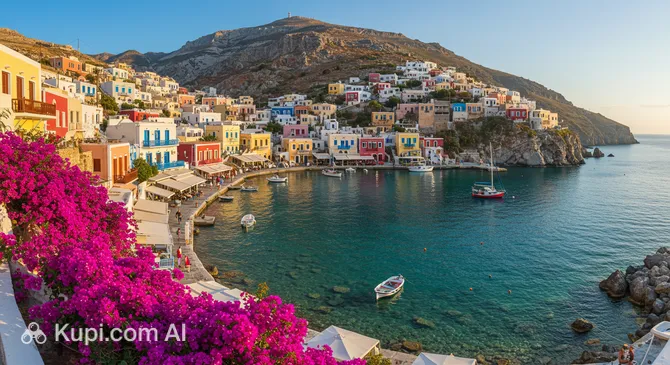
Karpathos. Source: Kupi.Binoculars

Geographically, the island is situated between Rhodes and Crete, acting as a bridge between the two. Its landscape is diverse, ranging from pine-forested peaks to secluded coves. With a permanent population of approximately 6,500 inhabitants, the island maintains a peaceful rhythm, especially in its remote mountain villages. Visitors interested in the past will find the history of Karpathos to be a rich tapestry of ancient civilizations and cultural resilience, evident in its archaeological sites and living customs.

One of the island's most remarkable highlights is the mountain village of Olymbos. Isolated for centuries, it is a living museum where older women still wear colorful traditional costumes and daily life follows ancient customs. Nature lovers and sun-seekers will also be enchanted by the island's stunning beaches, such as the award-winning Apella Beach and the picturesque Kyra Panagia. Whether you are hiking through scenic trails or enjoying fresh seafood in a seaside taverna, Karpathos promises an unforgettable journey into the heart of tradition.

If you are looking for a destination that combines breathtaking landscapes with warm hospitality and a sense of timelessness, Karpathos welcomes you to explore its hidden treasures.
Weather Overview

The weather in Karpathos is typically Mediterranean, characterized by long, sunny summers and mild winters. This climate makes the island a delightful destination for outdoor activities and beach relaxation for most of the year.

During the summer months, particularly from June to September, the island experiences its warmest temperatures, with averages peaking at around 25.8°C in August. Rainfall is virtually non-existent during this period, offering clear blue skies and perfect conditions for swimming. Conversely, the winter season from December to February brings cooler temperatures averaging between 14°C and 16°C, along with more frequent precipitation, especially in January which sees about 14 wet days. Expect hot, dry summers ideal for sunbathing and mild, wetter winters suitable for cultural exploration.

Interesting Facts

Beyond the picturesque beaches and mountain trails, Karpathos holds fascinating secrets that set it apart from other Aegean destinations. This island is not just a place of beauty but a living museum where ancient customs and natural forces create a truly unique environment.
  • A Linguistic Time Capsule: In the isolated village of Olymbos, the local dialect is a source of fascination for linguists. It retains archaic sounds and grammatical forms from ancient Doric Greek, making it one of the few places where visitors can hear echoes of the language spoken thousands of years ago.

  • Matrilineal Traditions: Unlike most of the region, parts of Karpathos, particularly in the north, historically followed a custom where the family's main property was inherited by the eldest daughter. This tradition, known as the "Kanakara," gave women a prominent and powerful role in the household and society.

  • World-Class Windsurfing: The southern region of Afiartis is renowned as one of the windiest spots in the Mediterranean. The fierce "Meltemi" winds create ideal conditions for windsurfing, drawing professionals from around the globe for high-speed competitions.

  • Land of the Titans: According to mythology, the island was the home of the Titan Iapetus, the son of Uranus and Gaia. Legends also suggest that the islanders were among the first to side with the Titans, adding a layer of mythological depth to its rugged, mountainous landscape.

How to Get There

Reaching this secluded paradise is part of the adventure, offering travelers a chance to experience the beauty of the Aegean Sea before even stepping foot on the island. Whether you prefer a direct flight or a scenic route via a neighboring island, there are several convenient options. You can find more about how to get to Karpathos and plan your journey in our detailed guide.

The most direct way to arrive is by flying into Karpathos Airport (IATA: AOK), which is conveniently located on the island itself. It is a regional hub that sees increased activity during the summer months with charter flights from abroad and regular domestic connections. The airport is situated approximately 11.2 km from the main town, Pigadia. A journey by taxi or bus from the terminal to the city center typically takes approximately 15-20 minutes, allowing you to start your vacation almost immediately upon landing.

For those traveling from further afield, Rhodes Airport (IATA: RHO) serves as a significant international gateway. Although it is located in the city of Rhodes, about 127 km from Karpathos, it is a popular option due to its extensive connections with major European cities. Travelers often fly into this large airport and then transfer to a domestic flight or enjoy a ferry ride to reach Karpathos. Similarly, Kos Airport (IATA: KGS) in Kos offers another alternative for connecting to the region, located roughly 143 km away.

For clarity, here is a summary of the main airports:

Airport Name City Passenger Traffic Km from City
Rhodes Airport Rhodes Large 127.1
Santorini International Airport Fira Medium 185.1
Kos Airport Kos Medium 143.2
Karpathos Airport Karpathos Small 11.2
Kalymnos Island National Airport Kalymnos Small 163.5

Main Attractions

Karpathos offers a diverse array of sights, ranging from time-honored villages clinging to mountainsides to pristine beaches with exotic waters. Exploring this island means diving into a world where nature and tradition coexist harmoniously. Here are some of the most compelling places to visit during your stay.

Undoubtedly the most famous cultural landmark is the village of Olymbos. Perched on a ridge in the northern part of the island, this settlement was isolated from the rest of Karpathos for centuries, allowing it to preserve its unique dialect, customs, and dress. Visitors can wander through narrow alleys, admire the traditional windmills, and see local women wearing their colorful, hand-embroidered costumes in daily life. It is often described as a living museum and offers spectacular views of the Aegean Sea, particularly at sunset.

For beach lovers, Apella Beach is widely considered one of the most beautiful in Greece. Located in a picturesque cove, it features fine white pebbles and mesmerizing turquoise waters that deepen rapidly. The beach is surrounded by steep cliffs and lush pine trees that grow almost down to the water's edge, providing natural shade. It is an idyllic spot for swimming and snorkeling, offering a serene escape into nature's grandeur.

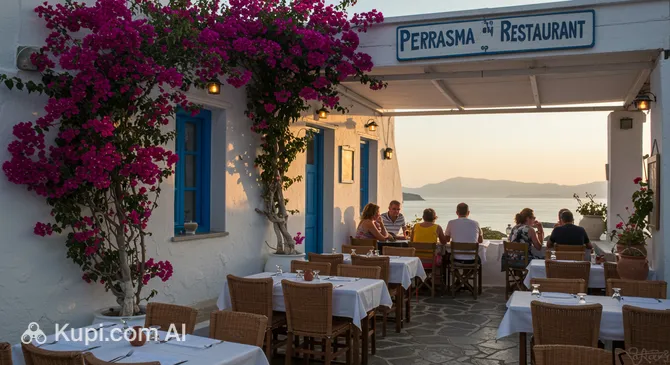
Perasma Family Restaurant. Source: Kupi.Binoculars

Exploring the local gastronomy is an essential part of the Karpathos experience. For a taste of authentic Greek cuisine, travelers often visit the Perasma Family Restaurant. Known for its welcoming atmosphere, this establishment serves traditional dishes made with fresh, local ingredients. It provides a perfect opportunity to relax after a day of sightseeing and enjoy the island's culinary heritage in a friendly setting.

Another must-see location is Kyra Panagia, famous for the iconic church with a red dome that overlooks the beach. This spot features frequently on postcards of the island due to the striking contrast between the red church, the white sand, and the emerald waters. The beach itself is organized and family-friendly, while the church offers a fantastic vantage point for photography enthusiasts looking to capture the essence of the Dodecanese.

Finally, adventurous travelers should consider a boat trip to the uninhabited islet of Saria, located just north of Karpathos. Once connected to the main island, Saria is now a protected area known for its rugged canyons, ancient ruins, and unspoiled beaches like Palatia. It is a haven for hikers and those wishing to swim in crystal-clear waters far from the crowds, often accompanied by the sight of Eleonora's falcons soaring above.

Local Cuisine

The cuisine of Karpathos is a delicious reflection of its history and geography, relying heavily on fresh, locally sourced ingredients. Unlike the more commercialized menus found elsewhere, the food here remains deeply traditional. The island's culinary identity is built on olive oil, grains, mountain herbs, and the distinct flavors of the Aegean Sea, offering a gastronomic experience that feels both rustic and refined.

The absolute star of the local table is Makarounes. This is not your typical pasta; it consists of hand-rolled dough boiled and served with caramelized onions and grated local goat cheese, often called sitaka or manouli. It is a humble yet incredibly flavorful dish that you will find in almost every mountain village. Another savory staple is the Karpathian onion bread, known as kouloura, which is crispy, seasoned with spices, and generously topped with sesame seeds.

Given its location, seafood naturally plays a major role in the diet. You can enjoy fresh catch-of-the-day, such as grilled octopus, calamari, and red mullet, at seaside tavernas. However, the island is also famous for its meat dishes. Slow-roasted goat and lamb, often prepared in a wood-fired oven with potatoes and rosemary, are celebratory meals that have become available to visitors year-round.

To accompany your meal, locals often serve Souma, a potent traditional spirit similar to raki, distilled from grapes. It is a symbol of hospitality and is almost always offered after a meal. For wine lovers, the island produces excellent local varieties that pair perfectly with the rustic flavors of the food. Coffee culture is also strong, with traditional Greek coffee being the standard accompaniment to relaxed afternoons.

Dining in Karpathos is a leisurely affair, usually enjoyed in family-run tavernas where the owner might also be the cook. Whether you are eating by the water in Pigadia or up in the clouds in Olymbos, the atmosphere is warm and inviting. For a genuine taste of these homemade recipes, travelers often recommend stopping by Perasma Family Restaurant, where the menu highlights the best of what the island's land and sea have to offer.

Travel Tips

To ensure your journey to this rugged and beautiful island is as smooth as possible, a little preparation goes a long way. These practical tips will help you navigate local customs and logistics, allowing you to focus on enjoying the unique charm of Karpathos.

  1. Clothing and Gear: Since Karpathos is known for its strong Meltemi winds, especially in summer, bringing a light windbreaker or jacket is essential for the evenings. If you plan to explore the trails or visit the mountain village of Olymbos, sturdy walking shoes are a must. For visiting churches and monasteries, remember to dress modestly; shoulders and knees should be covered to show respect.

  2. Transportation: While there is a local bus service connecting Pigadia with major villages and popular beaches, schedules can be infrequent and limited. To truly explore the island's secluded coves and mountain peaks at your own pace, renting a car is highly recommended. Taxis are available but can be expensive for long distances, and ride-hailing apps are not commonly used here.

  3. Finances: The official currency is the Euro (€). While credit cards are widely accepted in Pigadia (Karpathos Town) and major hotels, cash is still king in smaller villages and remote tavernas. Be sure to carry enough cash when visiting Olymbos or buying local crafts. ATMs are primarily found in the capital, so plan your withdrawals accordingly before heading to the north.

  4. Health and Safety: Karpathos is a very safe destination with low crime rates. There is a general hospital and pharmacies located in Pigadia; however, medical facilities in remote areas are limited. If you have specific medical needs, bring your supplies with you. Always stay hydrated and use high-SPF sunscreen, as the summer sun combined with the cooling wind can be deceptive.

  5. Communication: The official language is Greek. English is widely spoken in tourist areas, hotels, and restaurants, though older residents in traditional villages may speak only Greek or the local dialect. Learning a few basic phrases like "Kalimera" (Good morning) and "Efcharisto" (Thank you) is greatly appreciated. Wi-Fi is available in most accommodations and cafes, but mobile signal can be spotty in the mountains.

  6. Local Etiquette: Greeks are famous for their hospitality (philoxenia). It is polite to greet shopkeepers and waiters upon entering. If you are offered a treat, such as the local spirit Souma, accepting it is a sign of respect and friendship. During the afternoon hours (approximately 3:00 PM to 5:30 PM), locals observe quiet time for resting; avoid making loud noises in residential areas during this period.

  7. What to Avoid: Do not underestimate the mountain roads; they can be narrow, winding, and lack guardrails in some parts, so drive cautiously. Also, avoid entering churches or walking through traditional villages in swimwear; this is considered disrespectful to the local culture and religious traditions.

  8. Water Usage: Water is a precious resource on the island. While tap water is generally safe for hygiene, it is often recommended to drink bottled water due to the high mineral content or desalination taste in some areas. Locals will usually advise you on the specific situation in their village.

By keeping these simple guidelines in mind, you will be well-equipped to embrace the authentic lifestyle of the island. Relax, drive safely, and let the wild beauty of Karpathos create memories that will last a lifetime.

Entertainment & Nightlife

While Karpathos is widely celebrated for its tranquil beaches and traditional villages, its nightlife offers a charming and vibrant side that comes alive after sunset. Unlike the intense party scenes of Mykonos or Ios, entertainment here is more about relaxed sophistication, atmospheric lounge bars, and enjoying the warm Aegean breeze. The island's nightlife is concentrated almost entirely in the capital, Pigadia (Karpathos Town), particularly along the bustling waterfront promenade and the pedestrian streets tucked just behind it.

The evening typically begins with a leisurely stroll, known locally as the volta, along the harbor. As the sun dips below the horizon, the cafes and tavernas fill with laughter and music. For many visitors, a night out starts with a hearty meal. The Perasma Family Restaurant is a popular choice to kick off the evening. Situated conveniently for those exploring the town, it offers a welcoming environment where you can enjoy authentic local flavors before heading out for drinks.

After dinner, the crowd gradually shifts to the bars scattered around the port and the "Rock" area at the edge of the bay. The vibe is predominantly laid-back, featuring stylish venues that serve creative cocktails and play a mix of international hits, jazz, and Greek music. Anoi Bar is a legendary spot in Pigadia, famous for its balcony that offers panoramic views of the illuminated harbor—perfect for a romantic drink. Another favorite is Skaloto, a bar uniquely set on broad stone steps, where patrons sit on colorful cushions under the open sky, creating a cozy and bohemian atmosphere.

Most bars stay open late, often until 3:00 AM or 4:00 AM during the high season, though the peak hours are usually between 11:00 PM and 1:00 AM. The dress code is generally casual to smart-casual; you will feel comfortable in anything from summer dresses and linen shirts to shorts and sandals. Prices are reasonable compared to more cosmopolitan Greek islands, with cocktails typically costing between 8 and 12 euros.

Safety is one of the island's greatest assets. Walking around Pigadia at night is incredibly safe, even in the early morning hours. Since the main nightlife district is compact, you can easily get around on foot. If your accommodation is outside the main town, taxis are available at the central taxi station near the port, but it is advisable to book one in advance if you plan to stay out very late, as availability can be limited in the peak of summer.

Beyond the nightlife, Karpathos offers modest but interesting daytime entertainment options for culture enthusiasts. The Archaeological Museum of Karpathos in Pigadia provides a fascinating glimpse into the island's history, while various folklore museums in villages like Menetes and Olymbos showcase local heritage. For a different kind of thrill, daily boat excursions from the harbor offer chances to explore inaccessible beaches and the islet of Saria, filling your days with adventure before the evening fun begins.

Parks & Museums

Karpathos is often described as an open-air museum where nature and history are inextricably linked. The island does not feature typical manicured city parks; instead, its "green spaces" are vast, untamed protected areas and pine forests that cover the central mountains. Culturally, the island offers a fascinating array of museums that go beyond simple displays, serving as custodians of a heritage that is still very much alive in the local villages.

The most significant natural asset of the island is the Protected Area of Northern Karpathos and Saria. Part of the Natura 2000 network, this extensive region is a haven for biodiversity. It is one of the few remaining habitats for the endangered Mediterranean monk seal (Monachus monachus) and is home to rare bird species like Eleonora’s falcon. For visitors, this is not just a park but a rugged landscape of dramatic canyons and untouched coastlines, offering hiking trails that lead through some of the most pristine environments in the Aegean.

For those interested in the island's rich past, the Archaeological Museum of Karpathos in Pigadia is the primary cultural institution. It is housed in the "Eparchio," a distinct Art Deco building constructed during the Italian occupation. The museum’s collection spans from the Neolithic period to the Byzantine era, featuring impressive pottery, coins, and architectural fragments found across the island. It provides essential context for understanding how Karpathos served as a cultural bridge between Crete and Rhodes throughout antiquity.

To experience the recent history and daily life of the islanders, a visit to the Folklore Museum of Menetes is highly recommended. Located in one of the island's most picturesque hilltop villages, this museum is set within a traditional house that is roughly two centuries old. Inside, visitors can admire authentic collections of handmade textiles, agricultural tools, musical instruments, and intricate lace. It offers an intimate glimpse into the domestic traditions that have defined Karpathian society for generations.

Another unique site is the Agricultural Museum of Pyles. Situated in the verdant village of Pyles on the western side of the island, this open-air museum displays an olive press, a windmill, and a traditional farmhouse. It is designed to showcase the island's agrarian roots and the ingenuity of its people in cultivating the rugged land. Walking through this area feels like stepping back in time, surrounded by the scent of lemon trees and jasmine.

For a truly authentic experience, head to the small church of Agia Kyriaki near Pigadia, which is surrounded by a lovely pine forest offering shade and picnic spots. It is a favorite local getaway for a quiet afternoon in nature, away from the beach crowds, providing a peaceful setting to enjoy the island's lush greenery.

Getting Around

Navigating Karpathos Town (Pigadia) and its surroundings is a straightforward and relaxed affair, reflecting the island's laid-back pace of life. As a relatively small capital with a population of around 6,500, the city does not possess complex transit networks like metros, trams, or trains. Instead, the public transport system relies primarily on a local bus service and taxis, which serve as the main connectors between the capital, the airport, and the island's picturesque villages and beaches.

The backbone of the local transport is the public bus service, operated by KTEL. The central bus station is conveniently located in Pigadia, making it the hub for all major routes. From here, buses depart to popular destinations such as the mountain village of Olymbos, the beaches of Amoopi and Kyra Panagia, and the airport. It is important to note that the frequency of these services is highly seasonal. During the summer tourist season, routes are fairly regular and cater to visitors, but in the off-season, they become much less frequent, often serving only the essential needs of permanent residents.

Regarding payment, the system is traditional and cash-based. You will not find digital travel cards, mobile apps for ticketing, or automated vending machines here. Tickets are typically purchased directly from the driver or conductor upon boarding the bus. The fares are quite affordable, generally ranging from a couple of euros to slightly more for longer distances. It is highly advisable for tourists to carry small change or low-denomination notes, as drivers may not always have change for large bills.

For those seeking more flexibility or traveling outside of bus hours, taxis are a reliable alternative. The main taxi rank is situated in Pigadia, close to the port area. Taxis here often operate on fixed rates for standard routes (e.g., from the city to the airport or to specific villages) rather than using a meter for every trip. It is a good practice to confirm the fare with the driver before starting your journey to avoid misunderstandings. Ride-sharing apps are not active in the city, so you will need to hail a cab at the stand or call to book one in advance.

A unique and delightful feature of the city's transport options is the "boat taxi" service. During the summer months, small boats depart daily from the port of Pigadia to transport visitors to some of the island's most stunning and otherwise hard-to-reach beaches, such as Apella and Kato Lakkos. These excursions function somewhat like a scheduled bus service on water, usually leaving in the morning and returning in the late afternoon. Tickets for these trips can be easily purchased at the kiosks lining the harbor promenade.

For tourists who wish to explore at their own pace, renting a car, scooter, or ATV is the most popular choice. Numerous rental agencies are located within Pigadia. Given the island's mountainous terrain and the limited schedule of public buses, having your own vehicle allows you to discover hidden coves and sunset spots that are otherwise inaccessible. However, if you plan to stay strictly within Pigadia, the town is compact and pedestrian-friendly, making walking the best way to soak in the atmosphere, visit shops, and enjoy the local dining scene.

Accommodation

Accommodation in Karpathos caters to a wide variety of tastes and budgets, ranging from simple, family-run studios to more sophisticated hotels. Unlike the mass-tourism developments found on some other Greek islands, the lodging scene here retains a personal and welcoming character. Visitors will find a high concentration of self-catering apartments and rooms to let, which are perfect for those who value independence and a "home away from home" atmosphere. There are also several mid-range hotels and a few luxury resorts that offer swimming pools and extensive amenities, primarily located near the most popular beaches.

When choosing where to stay, the capital city, Pigadia (Karpathos Town), is the most convenient base for many travelers. Staying here places you in the heart of the island's activity, with easy access to the main port, the central bus station, and a plethora of restaurants and shops. It is an ideal location if you want to explore different parts of the island by day and enjoy the nightlife by evening without needing to drive.

For those seeking a more relaxed beach holiday, the area of Amoopi is a top choice. Located just a short drive south of the capital, it is famous for its sheltered, sandy bays and shallow waters, making it particularly popular with families. On the western coast, the villages of Arkasa and Lefkos offer a quieter, more romantic setting. Arkasa is known for its stunning sunsets and traditional vibe, while Lefkos boasts a series of beautiful coves and a laid-back atmosphere perfect for disconnecting from the stress of daily life.

Booking Tip: Karpathos has a shorter tourist season compared to larger islands like Crete or Rhodes. If you plan to visit during the peak months of July and August, it is highly recommended to book your accommodation several months in advance. The best rooms, especially those with sea views in popular areas like Amoopi and Lefkos, tend to sell out quickly.

In terms of pricing, the island is generally considered to be affordable to mid-range, offering excellent value for money compared to the more cosmopolitan Cycladic islands. While you can find luxury suites at higher price points, there is an abundance of budget-friendly options that do not compromise on cleanliness or hospitality. Most properties can be booked through major online travel platforms, though many smaller, family-owned establishments also welcome direct inquiries, sometimes offering better rates or a more personalized service.

Nearby Cities

Situated in the remote southeastern corner of the Aegean, Karpathos serves as a geographical bridge between the Dodecanese islands and Crete. Its unique location allows adventurous travelers to easily combine a relaxing stay here with visits to more cosmopolitan destinations nearby. Whether you are planning an extensive island-hopping adventure or looking for the next stop on your Greek odyssey, several major cities and islands are within reach.

The closest major neighbor is the historic island of Rhodes, the capital of the Dodecanese, known for its medieval architecture and vibrant atmosphere. To the southwest lies Crete, Greece's largest island, where cities like Heraklion and Agios Nikolaos offer rich history and urban amenities. Below is a list of the nearest major cities and destinations, along with their distance from Karpathos, to help you plan your itinerary:

City Population Distance (km)
Rhodes 56,969 137
Agios Nikolaos 27,074 140
Kos 33,387 154
Heraklion 211,370 189
Rethymno 32,468 247

Traveling between these locations is typically done by ferry or regional flights. Connections to Rhodes and Crete are particularly frequent during the summer months, making it easy to experience the diverse cultures and landscapes of the South Aegean.

Shopping & Souvenirs

Shopping in Karpathos is a delightful experience that reflects the island's laid-back and authentic character. Unlike cosmopolitan destinations filled with international chain stores and high-end fashion boutiques, the retail scene here is dominated by small, family-owned businesses. The focus is heavily placed on local craftsmanship, traditional art, and high-quality regional products. Visitors will find that browsing through the shops is not just about purchasing goods but also about connecting with the local culture and the friendly islanders who take pride in their wares.

The primary hub for shopping is the capital, Pigadia. The action is concentrated along the lively waterfront promenade and the pedestrian-friendly streets running parallel to it, such as Apodimon Karpathion Street. Here, travelers can wander through a variety of stores selling clothing, jewelry, and beach essentials. Another distinct shopping destination is the mountain village of Olymbos. Famous for its isolation and tradition, it offers a unique open-air market atmosphere where you can buy directly from the artisans. The narrow alleys are lined with shops displaying colorful hand-woven fabrics and traditional embroidery that you won't find anywhere else.

Travelers accustomed to large commercial centers should be aware that there are no shopping malls on the island. Karpathos has managed to preserve its traditional architecture and atmosphere by avoiding the construction of massive retail complexes. Instead, the "shopping center" is the town itself, where independent boutiques and souvenir shops cluster together, offering a more personalized and relaxed retail therapy experience.

While there is no grand central covered market, the island is dotted with small grocery stores and mini-markets that serve as the focal points for local produce. In Pigadia and the larger villages, you can find shops dedicated to fresh fruits, vegetables, and local delicacies. These places are excellent for picking up ingredients for a beach picnic or simply admiring the quality of the island's agricultural output, from vibrant tomatoes to locally produced cheeses like manouli.

When it comes to souvenirs, Karpathos offers treasures that are both beautiful and practical. The island is renowned for its ceramics, often hand-painted with intricate designs. In Olymbos, look for the famous hand-woven scarves and traditional leather boots known as stivania, which are crafted by local cobblers. For a taste of the island to take home, local thyme honey and dried herbs, particularly oregano and chamomile gathered from the mountains, are top choices. Olive oil produced from the island's ancient groves is another must-buy item.

Store opening hours typically follow the traditional Greek schedule. Shops generally open around 9:00 AM and stay open until roughly 1:30 PM or 2:00 PM. After a midday break (siesta), they reopen in the evening, usually from 5:30 PM until late, especially during the summer tourist season. In terms of payment, major credit and debit cards are widely accepted in Pigadia's shops and supermarkets. However, if you are shopping in smaller villages like Olymbos or buying from small kiosks, it is highly recommended to carry cash (Euros), as electronic payment terminals may not always be available.

For visitors residing outside the European Union, the standard VAT refund scheme applies in Greece. Look for shops displaying the "Tax Free" signage if you plan on making significant purchases. While this service is less common in the small artisan shops of Karpathos compared to the luxury boutiques of Athens, it is worth asking for a form if you are buying expensive jewelry or leather goods.

Reached the end of the page?

That means the route is fully explored