Support

Kastellorizo

About

Kastellorizo, also known as Megisti, is a captivating destination that feels worlds away from the bustling tourist hubs. As the easternmost island of Greece, it serves as a serene gateway between East and West, offering visitors a unique blend of breathtaking natural beauty and genuine hospitality.

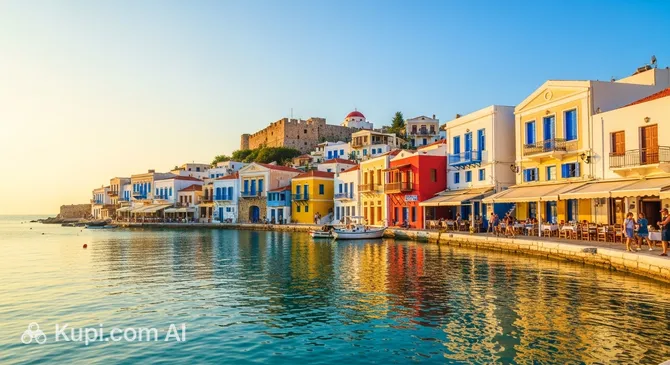
Kastellorizo. Source: Kupi.Binoculars

Despite its small size and a population of approximately 492 residents, this South Aegean gem is full of character. The island is renowned for its picturesque harbor, where colorful neoclassical houses reflect beautifully in the crystal-clear waters. The rich history of Kastellorizo is evident in every corner, from the ancient ruins to the distinct architectural style that tells the story of its prosperous maritime past.

Travelers are often drawn here to explore the famous Blue Cave, a spectacular sea grotto known for its mesmerizing azure waters, or to climb up to the Castello Rosso, the Knights of St. John castle that offers panoramic views of the bay. Whether you are looking to swim in pristine waters or simply enjoy a quiet meal by the sea, Kastellorizo promises an unforgettable and peaceful escape.

Weather Overview

Kastellorizo enjoys a pleasant Mediterranean climate, characterized by long, sun-drenched summers and mild winters. When planning your trip, checking the weather in Kastellorizo can help you choose the best time to visit. The summer season is ideal for beach lovers, with July and August seeing average temperatures around 26.8°C and daily highs often reaching 30.5°C. These months are extremely dry, with July typically experiencing only a single wet day.

As the season transitions, temperatures gradually cool, making the island comfortable for sightseeing. Winters are generally mild rather than harsh, with January being the coldest month, averaging 9.5°C. While heavy downpours are rare given the low precipitation volume (around 6mm in peak winter months), rainy days are quite frequent, with January seeing up to 16 wet days. Expect hot, dry summers perfect for swimming and mild, wetter winters suitable for cozy cultural exploration.

Interesting Facts

Beyond its picturesque harbor and crystal-clear waters, Kastellorizo holds fascinating stories that define its unique identity. This remote outpost is more than just a scenic destination; it is a place of paradoxes and living legends.

  • Despite being one of the smallest inhabited islands in the Dodecanese, its official ancient name is Megisti, which translates to "The Greatest." This title was not given for its physical size, but because it is the largest among the cluster of tiny islets that surround it.

  • The island gained international fame as the set for the 1991 Academy Award-winning film Mediterraneo. While the movie showcased the island's stunning beauty to the world, the locals have successfully maintained their quiet, traditional way of life, avoiding the mass tourism often associated with filming locations.

  • One of the most touching local stories is that of the "Lady of Ro," Despina Achladioti. She lived alone on the nearby rocky islet of Ro and raised the flag of Greece every single day for decades, becoming a beloved symbol of resilience and pride for the islanders.

  • Geographically, the island is closer to Asia Minor than to the rest of the Greek archipelago. It sits just 2 kilometers (about 1.2 miles) from the Turkish coast, a distance so short that roosters crowing across the water can sometimes be heard in the quiet morning hours.

How to Get There

Reaching this remote island is an adventure in itself, often involving a scenic journey by air or sea. While the island is small, it is accessible through several regional hubs. You can read more about how to get to Kastellorizo to plan your specific route, but most travelers arrive via the larger Greek islands or the nearby Turkish coast.

The city of Kastellorizo does not have its own international airport, but the most common Greek gateway is Rhodes Airport (IATA: RHO). Located in the city of Rhodes approximately 137.8 km from Kastellorizo, it is a major hub with high annual passenger traffic. From Rhodes, you can catch a connecting domestic flight directly to the island's small airfield or take a ferry across the Aegean Sea.

For those approaching from the Turkish coast, Dalaman Airport (IATA: DLM) in Mugla is the closest international option, situated about 95.1 km away. It serves a significant number of travelers and offers a route via the coastal town of Kaş, from where a short boat ride leads to Kastellorizo. Alternatively, Antalya Airport (IATA: AYT) in Antalya is a large international facility located 137.2 km away, offering extensive connections for visitors arriving from abroad.

For clarity, here is a summary of the main airports:

Airport Name City Passenger Traffic Km from City
Antalya Airport Antalya Very High 137.2
Rhodes Airport Rhodes High 137.8
Dalaman Airport Mugla High 95.1
Cardak Airport Denizli Medium 182.4
Isparta Suleyman Demirel Airport Isparta Low 202.2

Kastellorizo does not have a railway station, and due to its island nature, there are no direct train connections. Visitors typically rely on ferries and flights to reach the island. Once there, the settlement is small enough to be explored on foot, and there is a limited local bus service and a few taxis for getting around the immediate area.

Main Attractions

Kastellorizo may be small, but it boasts a remarkable density of historical and natural wonders. The island's sights range from ancient fortifications to geological marvels, offering visitors a chance to explore layers of history while enjoying stunning Mediterranean scenery. Here are some of the most compelling places to visit during your stay.

The Blue Cave (Galazio Spilaio) is widely considered the island's most spectacular natural attraction and one of the most beautiful sea grottos in the Mediterranean. Located on the southeast coast, this massive cavern is accessible only by small boats, and entrance requires visitors to lie flat due to the low opening. Once inside, the experience is magical; the sunlight refracting through the water illuminates the cave in an ethereal, electric blue hue. It is best visited in the morning when the sun is at the perfect angle to create this mesmerizing light effect.

Overlooking the main harbor stands the Castello Rosso, or the Castle of the Knights of St. John. Built in the 14th century on the reddish rock that gave the island its name (Castello Rosso means "Red Castle"), the fortress served as a strategic lookout for centuries. Although much of it was damaged over time, the remaining ruins and towers offer a glimpse into the island's medieval past. The climb to the top is rewarded with a breathtaking panoramic view of the colorful harbor and the surrounding sea, making it a favorite spot for photographers.

Just below the castle, carved directly into the vertical rock face, lies the Lycian Tomb. Dating back to the 4th century BC, this remarkably preserved burial chamber features a Doric facade and is the only one of its kind found in Greece, with similar tombs typically located on the opposite Lycian coast. The site is accessible via a stone path from the harbor, and reaching it allows visitors to appreciate both the ancient craftsmanship and the commanding view over the bay.

For those interested in older history, Paleokastro offers a journey further back in time. Located on the western side of the island, this ancient fortress was the original capital and remains the most significant archaeological site on Kastellorizo. The area features well-preserved Cyclopean walls, ancient cisterns, and the remains of a Dorian acropolis. The hike to Paleokastro is scenic, and the site itself provides a peaceful atmosphere and sweeping vistas of the Aegean, often free from crowds.

To deepen your understanding of the local heritage, the Archaeological Museum of Kastellorizo is a must-visit. Housed in the "Konak," a historic building that is a protected monument itself, the museum displays a rich collection of artifacts. Exhibits range from ancient pottery and Hellenistic statues to Byzantine icons and items from the more recent 19th-century maritime boom. It provides excellent context for the other sights on the island, tying together the various eras of Kastellorizo's timeline.

Local Cuisine

The culinary scene in Kastellorizo is a delightful reflection of its maritime history and geographical location, offering a unique blend of traditional Greek flavors with subtle Anatolian influences. Due to the island's small size, the dining experience is intimate and authentic, centered almost entirely around the picturesque harbor where the catch of the day is often served just meters from where the fishing boats dock.

Seafood is naturally the star of the local diet. Visitors should not miss the opportunity to try fresh octopus, grilled to perfection, or the local variety of small fried shrimp, which is a favorite delicacy in the region. A signature dish specific to Kastellorizo is salantourmasi, a flavorful variation of stuffed onions filled with a mixture of minced meat, rice, and aromatic herbs. Another hearty option often found in local tavernas is goat stew, slow-cooked until tender and typically served with potatoes or pasta.

For those with a sweet tooth, the island offers distinct traditional desserts that are deeply rooted in local custom. The most famous is katoumaria, a festive pastry made from dough that is flattened, buttered, sprinkled with sugar, cinnamon, and cloves, and then rolled and baked. It is a staple at weddings and celebrations but can also be found in local bakeries. Another treat to look for is strava, a type of fried dough served with honey and walnuts, perfect for enjoying with a cup of strong coffee.

The food culture here is incredibly relaxed and social. There are no fast-food chains; instead, life revolves around family-run waterfront tavernas and "kafenio" (coffee houses). Locals and tourists alike gather at these seaside spots to enjoy long, leisurely meals accompanied by a glass of chilled ouzo or tsipouro. As the sun sets, the harbor transforms into a vibrant dining room under the stars, where the sound of clinking glasses mixes with the gentle lapping of the sea.

Travel Tips

Visiting Kastellorizo is a delightful experience that invites you to slow down and embrace the authentic rhythm of Greek island life. To help you make the most of your journey to this remote and beautiful corner of the Dodecanese, here are some practical tips designed to ensure a smooth and memorable stay.

  1. Clothing and Gear: Summers in Kastellorizo are hot and sunny, so pack lightweight, breathable fabrics and plenty of swimwear. Since the island is best explored on foot and features uneven cobblestone paths—especially if you plan to hike up to the Castello Rosso or the Lycian Tomb—comfortable, sturdy walking shoes are essential. If you intend to visit the island's historic churches, remember to bring a scarf or shawl to cover your shoulders and knees as a sign of respect.
  2. Transportation: This is one of the few places where you can truly forget about car rentals. The inhabited part of the island is compact and pedestrian-only, making walking the primary and most enjoyable mode of transport. For reaching beaches on nearby islets or the famous Blue Cave, water taxis are readily available at the harbor. There is a small airport bus and a local taxi (often just one on the island), but for the most part, your feet and boats will take you everywhere you need to go.
  3. Finances: The currency used is the Euro (€). While most tavernas and shops accept credit cards, it is highly advisable to carry sufficient cash, particularly for small purchases, water taxis, or in case the island's sole ATM runs out of money or encounters technical issues. Tipping is appreciated but not mandatory; rounding up the bill or leaving a few euros for good service is standard practice.
  4. Health and Safety: Kastellorizo is incredibly safe with a very low crime rate. There is a Multipurpose Regional Clinic for basic medical needs and a local pharmacy, but opening hours can be limited, so bring a supply of any prescription medications you require. For serious medical emergencies, patients are typically transferred to Rhodes by helicopter or boat. Tap water is generally not potable, so stick to bottled water for drinking.
  5. Communication: The official language is Greek, but you will find that English is widely spoken and understood, partly due to the large number of Greek-Australians who return to the island each summer. A crucial tip for mobile users: because the island is only 2 kilometers from the Turkish coast, your phone may automatically switch to a Turkish network. To avoid unexpected non-EU roaming charges, manually lock your phone to a Greek network provider in your settings.
  6. Local Etiquette: The islanders are known for their warm hospitality. A friendly greeting of "Kalimera" (Good morning) or "Yassas" (Hello) goes a long way. Life here moves at a relaxed pace, often referred to as "island time." Service in tavernas is leisurely, meant to be enjoyed with conversation and wine, so try not to show impatience if things take a little longer than usual.
  7. What to Avoid: Avoid climbing on ancient ruins or walls that are not designated for walking, as preservation is key for these historical sites. Additionally, do not waste water; like many small Aegean islands, fresh water is a precious resource on Kastellorizo, and mindful consumption is expected from both locals and visitors.
  8. Additional Tip: If you plan to visit the spectacular Blue Cave, try to arrange your boat trip for the early morning. The sunlight hits the water at the perfect angle before noon, creating the most intense and magical azure illumination inside the grotto. Negotiate the time with a water taxi captain at the harbor the evening before to beat the midday heat.

By keeping these practicalities in mind, you will be well-prepared to relax and immerse yourself in the unique charm of Kastellorizo. Whether you are swimming in the harbor or chatting with locals over coffee, this tiny island promises a big impact on your heart.

Entertainment & Nightlife

Nightlife in Kastellorizo is a far cry from the thumping bass and neon lights of larger Greek party islands like Mykonos or Ios. Instead, the island offers a sophisticated, relaxed, and incredibly atmospheric evening scene that perfectly complements its serene character. The entertainment here centers almost entirely around the crescent-shaped harbor of Megisti, where the waterfront promenade transforms into a vibrant social hub as the sun goes down. The "nightlife district" is effectively this single, charming strip, making it impossible to get lost and easy to hop from one venue to another.

The atmosphere is characterized by long, leisurely evenings spent sipping cocktails or wine by the water's edge. The crowd is a mix of locals, sailing crews from visiting yachts, and travelers seeking tranquility. There is no strict dress code; "smart casual" is the norm, with linen shirts and summer dresses fitting right in with the elegant yet laid-back vibe. Most bars and cafe-bars stay open late, often until 2:00 or 3:00 AM during the high season, driven by conversation, laughter, and impromptu gatherings rather than scheduled events.

For a memorable drink, you must visit the Faros Bar. Located at the entrance of the harbor near the mosque, it is often cited as the "easternmost bar in Europe." It is the perfect spot for a sunset cocktail with a view of the Turkish coast across the water. Another staple of the local scene is Meltemi Cafe Bar, a favorite meeting point for both morning coffee and late-night drinks, offering a friendly environment right on the quay. Radio Cafe is another charming option where you can enjoy varied music and a wide selection of spirits while watching the reflections of the lights dance on the dark sea.

From a practical standpoint, the best time to head out is around 9:00 PM, after a late dinner. Prices are generally moderate, comparable to other popular Greek islands, with cocktails typically costing between €8 and €12. Since the main settlement is pedestrian-only and compact, you will not need a taxi to get around at night; everything is within a comfortable walking distance. The island is exceptionally safe, and walking home alone at any hour is worry-free. Taxis are virtually non-existent at night, but they are unnecessary given the layout of the town.

While the nights are for socializing, daytime entertainment in Kastellorizo is low-key and nature-oriented. There are no amusement parks or large commercial theaters. Instead, daytime leisure focuses on boat excursions to the islets of Ro and Stroggyli, or swimming off the platforms at the harbor. For a touch of culture, aside from the archaeological museum, you might find the Megisti Puzzle Museum, a quirky and unique small attraction dedicated to puzzles from around the world, which offers a fun diversion for an hour or so during the heat of the day.

Parks & Museums

Kastellorizo is a destination where the entire island functions as a living museum, and nature serves as its primary park. While you will not find manicured city gardens or vast urban green spaces here, the island offers rugged natural landscapes and intimate cultural venues that perfectly preserve its heritage. The charm of Kastellorizo lies in its open-air beauty and the small, curated collections that tell the story of its vibrant past.

Since the settlement is built tightly around the harbor with rocky terrain rising immediately behind it, the concept of a traditional park is replaced by the Harbor Promenade and the surrounding hills. The promenade itself acts as the town's communal plaza, lined with palm trees and offering a scenic walkway where locals and visitors gather. For a true immersion in nature, the hiking trail leading up to the Monastery of Agios Georgios tou Vounou (Saint George of the Mountain) is the island's version of a nature reserve. This path, known as the "400 steps," winds up the limestone cliffs, offering breathtaking views of the Mediterranean and a chance to see the island's sparse but resilient flora up close.

Another natural escape is the nearby islet of Saint George, which can be reached by a short water taxi ride. While not a park on the main island, it serves as a recreational sanctuary for visitors. It features a small chapel, a designated swimming area with crystal-clear waters, and a simple tavern. It is a peaceful retreat where the natural environment is the main attraction, perfect for those looking to disconnect and enjoy the sun in a pristine setting.

In terms of culture, the Museum of Popular Art is a gem often overlooked by day-trippers. Housed in the historic Ottoman Mosque at the entrance of the harbor, this museum focuses on the island's social history rather than its ancient past. The collection includes traditional costumes, embroidery, old photographs, and household items that offer a glimpse into the daily lives of Kastellorizians during the island's prosperous maritime era. The building itself is a significant architectural landmark, beautifully preserved to reflect the island's multicultural layers.

For a completely unique experience, the Megisti Puzzle Museum stands out as one of the most unusual attractions in Greece. Dedicated entirely to mechanical puzzles, this interactive museum invites visitors to touch, play, and solve hundreds of brain teasers collected from around the world. It is a labor of love that adds a playful and unexpected dimension to the island's cultural scene, appealing to both adults and children who want a break from history and sightseeing.

Architectural enthusiasts should not miss the Santrapeia Urban School, a grand neoclassical building that dominates the skyline next to the cathedral. Modeled after the University of Athens, its imposing columns and symmetry are a testament to the island's wealth in the early 20th century. Adjacent to it is the Church of Saints Constantine and Helen, the island's cathedral. This structure is architecturally significant for its granite columns, which were brought from the Temple of Apollo in Patara, seamlessly blending ancient materials with Orthodox tradition.

For an insider tip, wake up early to hike the zigzagging stone staircase behind the town before the heat sets in. Not only will you beat the midday sun, but you will also find a quiet plateau at the top where the only sounds are the wind and the distant bells of goats. It is a spot of absolute tranquility that offers the best vantage point for understanding the island's isolation and beauty.

Getting Around

The public transport system in Kastellorizo is refreshingly simple, reflecting the island's small size and relaxed pace of life. There are no metros, trams, or extensive bus networks here. Instead, the island relies on a minimal infrastructure that is perfectly adequate for its needs. The primary form of motorized public transport is a small municipal bus that operates largely as a shuttle service, connecting the local airfield with the main harbor settlement. This bus service is synchronized with the arrival and departure of flights, ensuring that travelers can easily reach the town center upon landing.

For getting around the island's limited road network, options are equally sparse but functional. There is typically only one taxi operating on the entire island. This taxi is essential for visitors who may have heavy luggage or difficulty walking, particularly for the short journey between the airport and the harbor or up the steep road to the monastery. Due to the limited availability, it is highly advisable to book the taxi in advance if you have a scheduled flight or a specific trip in mind, as it can be busy during peak arrival times.

The most popular and practical "public transport" for tourists is undoubtedly the fleet of water taxis. These small boats, known locally as kaiki, line the main harbor and function as a marine bus service. They are the standard way to reach the nearby islets of Saint George and Ro, as well as the various swimming platforms and the famous Blue Cave, since the island lacks accessible sandy beaches by foot. These boats operate throughout the day during the summer season, offering a scenic and efficient way to navigate the coastline.

Regarding payment, the system is strictly cash-based. There are no travel cards, mobile apps, or electronic ticket machines. You simply pay the driver or the boat captain directly before or after your journey. Fares are generally low and fixed; for example, a trip to a nearby islet or the airport shuttle costs a few euros. It is essential to carry small denominations of Euro cash with you, as drivers and boat captains may not always have change for large bills.

Ultimately, the best way to explore the main settlement is on foot. The town is compact, pedestrian-friendly, and incredibly picturesque, with most shops, restaurants, and guesthouses located within a short walking distance of the waterfront. Tourists are advised to wear comfortable, non-slip walking shoes, as the streets are often cobbled and can be uneven. For those looking for independence, there are no car rental agencies, and cars are generally unnecessary, though you may find limited options for renting a scooter or bicycle to explore the few kilometers of paved road beyond the town.

Accommodation

Accommodation in Kastellorizo is characterized by quality rather than quantity, reflecting the island's intimate and exclusive atmosphere. Unlike mass-tourism destinations, you will not find sprawling all-inclusive resorts or high-rise hotel chains here. Instead, the lodging landscape is dominated by charming boutique hotels, family-run guesthouses, and self-catering apartments. Many of these are housed in beautifully restored neoclassical mansions, offering visitors the unique opportunity to stay in buildings that are part of the island's architectural heritage, featuring high ceilings, wooden balconies, and vibrant colors.

The vast majority of accommodation options are concentrated in the main settlement, Megisti, particularly clustered around the U-shaped harbor. Staying along the waterfront "Cordon" is highly desirable, as it places you right in the heart of the social scene with stunning views of the fishing boats and the Turkish coast in the distance. For a slightly quieter experience, you can look for properties located in the backstreets near Horafia Square or higher up the hill towards the castle. These areas are still just a few minutes' walk from the sea but offer a more secluded residential feel and often provide panoramic vistas over the bay.

Because Kastellorizo is a small island with a limited number of beds, booking in advance is not just a tip—it is a necessity, especially if you plan to visit during the peak summer months. July and August are particularly busy, as the island welcomes not only international tourists but also many Greek-Australians returning to their ancestral home. To secure your preferred dates and a room with a sea view, it is advisable to make reservations at least three to four months prior to your trip.

In terms of pricing, Kastellorizo tends to be slightly more expensive than some of the larger, more commercial Dodecanese islands due to the limited supply and the high demand. The price range generally falls into the mid-range to luxury category, with fewer budget hostel-style options available. Booking can be done easily through major online travel platforms, which list most of the hotels and apartments. However, since many properties are small family businesses, some visitors also find success by contacting owners directly to inquire about availability and specific room types.

Nearby Cities

For those looking to explore the surroundings, Kastellorizo serves as an excellent base for day trips to several interesting nearby locations:

The most significant nearby destination is the island of Rhodes, the capital of the Dodecanese group. Located approximately 127 km away, it is accessible by ferry or a short flight. Rhodes offers a stark contrast to the tranquility of Kastellorizo with its bustling UNESCO World Heritage Medieval City, the impressive Palace of the Grand Master, and a vibrant shopping and dining scene. It serves as the primary gateway to the region and is perfect for a short visit to experience cosmopolitan Greek island life.

Although not listed in the Greek administrative region, the coastal town of Kaş in Turkey is geographically the closest neighbor, sitting just 2 kilometers across the channel. It is the most popular day trip for visitors to Kastellorizo, with boats making the crossing in about 20 minutes. Kaş offers lively bazaars, ancient Lycian sarcophagi scattered through the streets, and a different culinary experience, allowing travelers to enjoy two countries in a single day.

City Population Distance (km)
Heraklion 211370 412
Rhodes 56969 127
Kos 33387 222
Mytilene 27871 424
Agios Nikolaos 27074 366

These nearby destinations offer a glimpse into the diverse culture and landscapes of the region.

Shopping & Souvenirs

Shopping in Kastellorizo is a delightful, low-key experience that perfectly mirrors the island's relaxed pace of life. Unlike cosmopolitan centers, you will not find high-street fashion chains or sprawling department stores here. Instead, the retail scene is intimate and authentic, composed of small family-owned boutiques, gift shops, and groceries that cater to both locals and the steady stream of visitors arriving by yacht or ferry. It is the kind of place where shop owners have time for a chat, and browsing is done without the pressure of crowds.

The main shopping activity is concentrated entirely along the Harbor Promenade in Megisti. This waterfront strip serves as the island's commercial heart, where colorful neoclassical buildings house everything from bakeries to jewelry stores on their ground floors. A stroll along the "cordon," as the locals call it, allows you to visit almost every shop on the island within a short time. There are also a few hidden gems tucked away in the narrow backstreets immediately behind the waterfront, particularly near the central square, where you might stumble upon a traditional grocery or a small art shop.

Travelers should be aware that there are no shopping malls on Kastellorizo. The island's population and size simply do not support large-scale commercial complexes. The retail experience is strictly traditional and village-style. For those accustomed to modern shopping centers, this is a chance to appreciate a simpler, more personal way of commerce where mass-produced goods are replaced by carefully selected items.

While there is no large designated flea market or central food hall, the "market" atmosphere is best experienced in the mornings at the harbor. This is when fishing boats dock to sell their fresh catch directly to tavernas and locals. Occasionally, you may find small stalls or vendors selling fresh produce brought in from nearby Greece or the Turkish coast. For daily necessities, there is a "Duty Free" shop and a few mini-markets that function as general stores, stocking everything from food and wine to household goods.

When it comes to souvenirs, Kastellorizo offers several unique items that make for meaningful keepsakes. Natural sea sponges are a classic purchase in the Dodecanese, reflecting the region's diving history. You can also find beautiful handmade jewelry, often featuring the "evil eye" (mati) for protection, as well as locally painted ceramics. For a taste of the island to take home, look for jars of local thyme honey, traditional sweets like preserved fruits (spoon sweets), or a bottle of ouzo to remember those long evenings by the sea.

Store hours in Kastellorizo generally follow the traditional Greek island schedule. Shops typically open around 9:00 AM and stay open until late in the evening, often past 10:00 PM, especially during the high summer season. However, many owners observe a midday break (siesta) from approximately 2:00 PM to 5:30 PM, when the heat is at its peak. Regarding payment, while an increasing number of shops accept credit and debit cards, cash is still king for smaller purchases. It is highly advisable to carry euros, as the island's internet connection can sometimes be spotty, affecting card terminals.

Regarding tax-free shopping, Greece offers a VAT refund scheme for non-EU residents on purchases over a certain amount in a single store. However, given the small scale of businesses in Kastellorizo, very few, if any, shops are likely to participate in the formal "Tax Free" global refund systems found in major cities. It is best not to rely on getting a tax refund here and simply enjoy the reasonable prices of local goods.
Reached the end of the page?

That means the route is fully explored