Support

Alanya

About

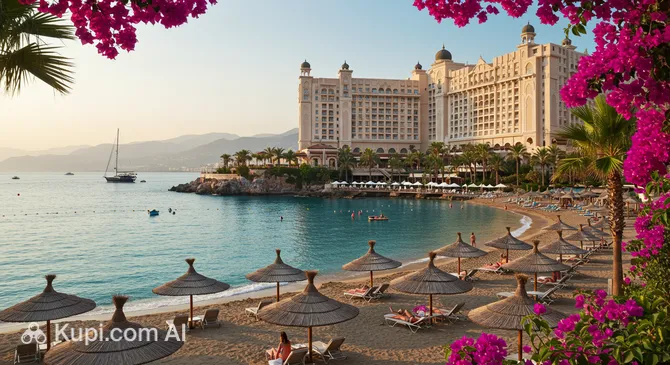
Alanya is a vibrant resort city that perfectly blends modern leisure with ancient heritage. Known for its stunning beaches and lively atmosphere, it is one of the most beloved destinations on the Mediterranean coast. Whether you are seeking relaxation by the turquoise waters or an adventure into the past, this city offers a unique charm that captivates every visitor.

Situated in the Antalya Province on the southern coast of Turkey, Alanya enjoys a typical Mediterranean climate with hot, dry summers and mild winters, making it an attractive destination almost year-round. With a population of over 312,000 residents, it is a bustling hub that maintains a welcoming feel despite its popularity among international travelers.
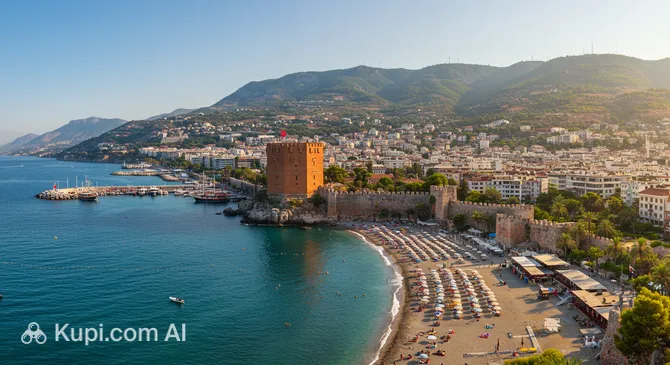
Alanya. Source: Kupi.Binoculars

The city is deeply rooted in the past, having served as a strategic stronghold for various empires throughout the centuries. Exploring the history of Alanya reveals fascinating layers of culture, from the Hellenistic period to the Seljuk era. Visitors are often drawn to the iconic Alanya Castle, perched high on a rocky peninsula, which offers panoramic views of the sea and the city below.

Beyond its historical landmarks like the Red Tower (Kızılkule), Alanya is famous for its natural beauty. Cleopatra Beach is renowned for its golden sands and crystal-clear waters, while the Damlataş Cave offers a cool retreat with its impressive stalactites and stalagmites. From boat trips along the scenic coastline to exploring the vibrant local bazaars, there is no shortage of activities to enjoy.

If you are planning a trip to the Turkish Riviera, Alanya is a destination that promises unforgettable memories. Its combination of sun-soaked beaches, rich culture, and warm hospitality makes it an ideal choice for tourists of all ages looking for the perfect getaway.
Weather Overview

Alanya enjoys a classic Mediterranean climate, offering visitors long, sun-drenched summers and mild, albeit wetter, winters. If you visit during the peak summer months of July and August, prepare for heat; average temperatures sit around 26.0°C, with daytime highs frequently climbing to 31.6°C. Rain is exceptionally rare during this season, especially in July, which records almost zero precipitation and very few wet days, making it the perfect time for swimming and seaside relaxation.

As the seasons change, the weather cools down significantly. January is generally the coldest month, with average temperatures dipping to 7.3°C and nightly lows around 3.4°C. Winter also brings the rain, with January seeing precipitation spread across roughly 15 days. However, the transitional months of May and October remain delightful, with comfortable averages near 18-19°C, ideal for sightseeing without the intense summer heat.

To help you pack the right gear for your specific travel dates, check the comprehensive guide to the weather in Alanya. In general, you can expect hot, dry summers perfect for beach days and mild winters that require a jacket and an umbrella.

Interesting Facts

Beyond the popular sun loungers and bustling bazaars, Alanya holds many fascinating secrets that add depth to its sunny exterior. From ancient legends to accidental discoveries, these unique details reveal the true character of this Mediterranean gem.

  • One of the city's most famous spots, Kleopatra Beach, is steeped in romantic legend. It is said that the Roman general Mark Antony gifted this bay to Cleopatra, the Queen of Egypt, as a wedding present. Local lore claims that because she refused to step on any land other than her own, he had the special golden sand brought in by ships all the way from the deserts of North Africa.

  • The magnificent Damlataş Cave was not found by explorers, but rather by accident during the construction of the harbor in 1948. Engineers used dynamite to open a quarry and stumbled upon this geological wonder. Today, it is widely known as the "Cave of Dripping Stones" and is frequented by asthma sufferers who believe the cave's stable temperature and high carbon dioxide levels provide relief for respiratory conditions.

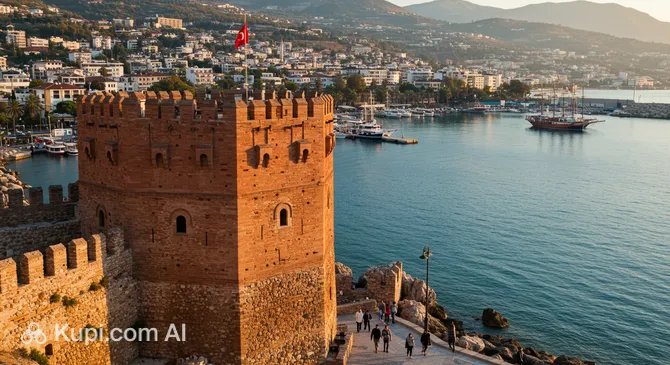
  • The Red Tower is so iconic to the city's identity that it has appeared on the reverse of the Turkish 250,000 lira banknote in the past. This octagonal structure, built by the Seljuks to protect the shipyard, remains one of the finest examples of medieval military architecture in the region and serves as the official symbol of the city.

  • Escape the summer heat in a truly local way at the Dimçay River. The water here comes from the mountains and remains incredibly cold even in August. To make the most of this natural air conditioning, restaurants have built floating platforms and pergolas directly on the water, allowing you to enjoy a meal while dangling your feet in the refreshing stream.

Red Tower. Source: Kupi.Binoculars

How to Get There

Reaching this Mediterranean gem is relatively straightforward, with air travel being the most popular choice for international visitors. While the city is well-connected by road, most tourists opt to fly into one of the nearby airports and complete their journey with a short transfer. For a detailed breakdown of all transport options, including buses and private transfers, you can read more about how to get to Alanya.

The most convenient option is the local Gazipasa Airport (GZP), located approximately 39 km from the city center. Although smaller than regional hubs, it serves a growing number of international and domestic flights. A taxi or shuttle bus from here typically takes about 40 to 50 minutes, making it the quickest route to your hotel.

Alternatively, many travelers fly into Antalya Airport (AYT), situated in the city of Antalya, roughly 114 km away. As a major international hub, it offers a significantly higher volume of flight connections from around the world. The transfer to Alanya usually takes around 2 hours by road, with various shuttle services and private taxis readily available.

For clarity, here is a summary of the main airports in the wider region:

Airport Name City Passenger Traffic Km from City
Antalya Airport Antalya Large 113.8
Ercan Airport Ercan Medium 205.3
Gazipasa Airport Alanya Medium 38.6
Isparta Suleyman Demirel Airport Isparta Small 205.0
Konya Airport Konya 167.0

The city of Alanya does not have a railway station, and the mountainous terrain of the region means trains are not a viable option for direct access. The closest railway connections are in distant cities like Konya, which are not practical for reaching the coast. Consequently, visitors arriving by land rely almost exclusively on Turkey's extensive and efficient intercity bus network.

Main Attractions

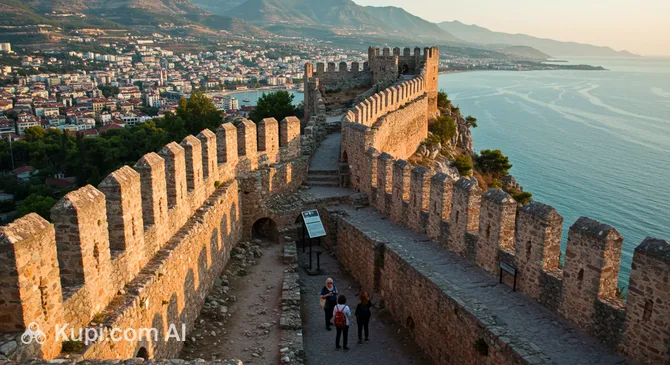
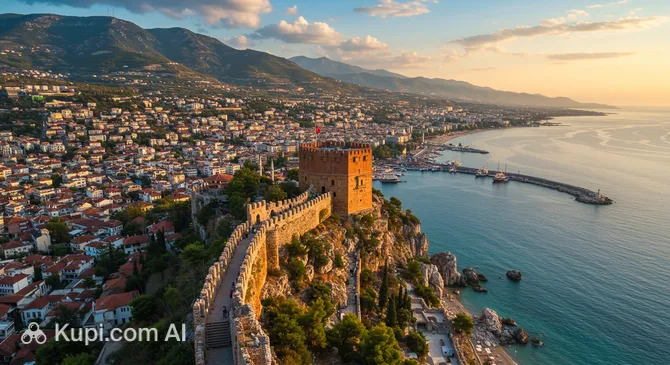
The city's skyline is dominated by the majestic Alanya Castle, a medieval fortress perched 250 meters above the sea on a rocky peninsula. Built by the Seljuk Sultanate in the 13th century, its 6.5-kilometer walls and 140 towers enclose a fascinating open-air museum. Visitors can explore ancient cisterns, a Byzantine church, and the shell of a palace while enjoying some of the most spectacular panoramic views of the Mediterranean coast and the Taurus Mountains.

Alanya Castle. Source: Kupi.Binoculars

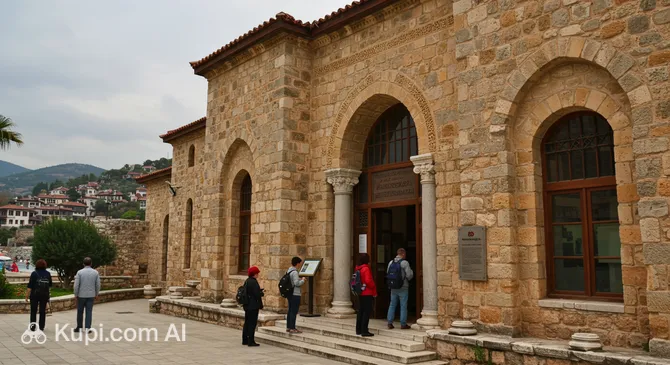
For a deeper dive into the region's heritage, the Alanya Archaeological Museum is an essential stop. Conveniently located in the city center, this museum houses a rich collection of artifacts spanning the Phrygian, Lydian, Greek, and Byzantine eras. The star of the collection is a rare bronze statue of Hercules, dating back to the 2nd century AD, which stands as a testament to the artistic mastery of the ancient world.

Alanya Archaeological Museum. Source: Kupi.Binoculars

A short distance from the main fortress lies Ehmedek Castle, a fortification primarily designed to protect the city from land-based attacks. This historical site offers a quieter atmosphere compared to the main castle and provides a unique perspective on Seljuk military architecture. Walking among its ruins allows you to imagine the lives of the soldiers and commanders who once guarded this strategic stronghold.

Ehmedek Castle. Source: Kupi.Binoculars

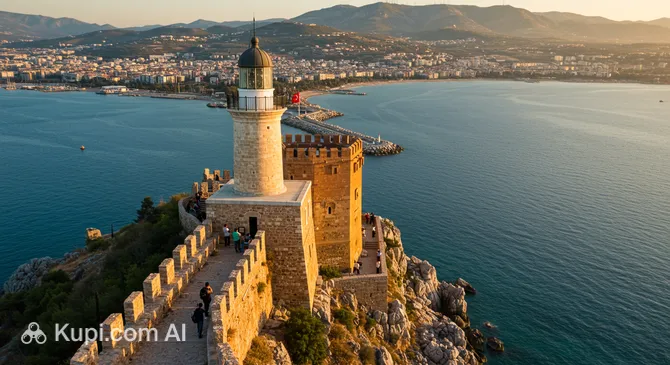
At the edge of the harbor, the historic Alanya Lighthouse stands as a charming sentinel guiding vessels into the marina. Built by French engineers in 1880, it has become a beloved symbol of the port area. A stroll along the breakwater to the lighthouse is particularly delightful in the evening, offering a peaceful retreat with the gentle sound of waves and a beautiful view of the illuminated city behind you.

Alanya Lighthouse. Source: Kupi.Binoculars

Local Cuisine

The culinary scene in Alanya is a delightful reflection of its Mediterranean location, blending fresh coastal flavors with traditional Turkish richness. Food here is not just about sustenance; it is a vibrant part of the culture, characterized by the generous use of olive oil, locally grown citrus fruits, and aromatic herbs. Visitors can expect a feast that ranges from elaborate breakfasts to late-night seafood dinners by the harbor.

One cannot start the day without experiencing a traditional Turkish breakfast, or serpme kahvaltı. This sprawling spread includes freshly baked bread, various cheeses, olives, honey, jams, and eggs cooked with spicy sausage (sucuk). For a lighter or on-the-go option, look for Gözleme, a savory hand-rolled pastry filled with cheese, spinach, or potatoes, often prepared by local women at small roadside stands.

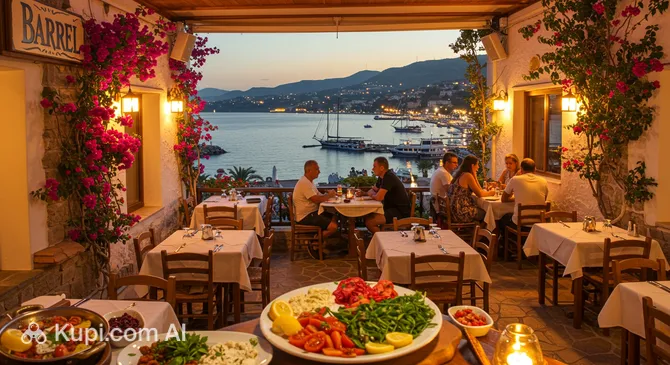
When it comes to main courses, seafood is a staple. Freshly caught sea bream and sea bass are typically grilled to perfection and served with a simple rocket salad. Meat lovers should try the local variations of kebabs, such as the spicy Adana kebab or the tender Urfa kebab. For a memorable dining experience, you might visit Barrel, a popular spot where you can enjoy delicious meals in a welcoming atmosphere.

Barrel. Source: Kupi.Binoculars

To accompany your meal, the local beverage choices are plentiful. Alanya is famous for its citrus orchards, so freshly squeezed orange and pomegranate juices are available on almost every corner and are incredibly refreshing in the summer heat. For a traditional non-alcoholic drink, try Ayran, a salty yogurt-based beverage that pairs perfectly with meat dishes. If you prefer something stronger, Rakı, an anise-flavored spirit often diluted with water and ice, is the go-to choice for a leisurely dinner.

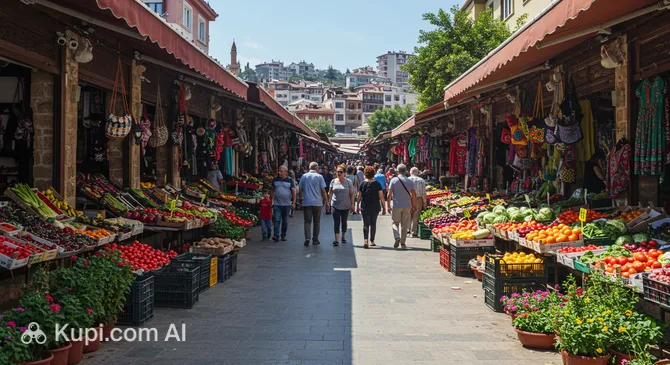
The food culture extends beyond restaurants into the vibrant street markets. Locals flock to places like the Cikcilli Tuesday Market to buy the freshest seasonal produce, spices, and cheeses. Wandering through these stalls offers a sensory overload of colors and scents, providing a true taste of daily life in the city. Whether you are dining at a seaside table or grabbing a simit from a street vendor, the flavors of Alanya are sure to leave a lasting impression.

Cikcilli Tuesday Market. Source: Kupi.Binoculars

Travel Tips

Welcome to Alanya! To ensure your holiday on the Turkish Riviera is as relaxing and seamless as possible, we have compiled a list of essential practical advice. These tips will help you navigate local customs, manage your daily budget, and explore the city with the confidence of a seasoned traveler.

  1. Clothing and Gear: During the hot summer months, lightweight, breathable fabrics and high-SPF sunscreen are essential. If you are visiting in winter, pack a waterproof jacket and layers, as the weather can be mild but rainy. Comfortable walking shoes are a must, especially if you plan to hike up to the castle. For visiting religious sites, dress modestly; women should have a scarf to cover their heads, and both men and women must cover their shoulders and knees.

  2. Transportation: The most convenient and affordable way to get around is by using the local minibuses known as Dolmuş. They run frequently along the main coastal road and connect the city center to nearby towns. Taxis are yellow and widely available; always check that the driver switches on the taximeter before you start your journey. Car rental is generally not necessary unless you plan to explore the wider Antalya Province independently.

  3. Finances: The local currency is the Turkish Lira (TRY). While credit cards are widely accepted in hotels, restaurants, and supermarkets, you will need cash for bazaars, small souvenir shops, and bus fares. It is best to exchange currency at official offices marked Döviz for the best rates. Tipping is customary; leaving 5–10% of the bill in restaurants is a polite gesture.

  4. Health and Safety: Alanya is a safe destination for tourists, but it is always wise to keep an eye on your belongings in crowded areas. Pharmacies, known as Eczane, are easy to find and very helpful for minor ailments; they operate on a rotating roster to provide 24/7 service. It is recommended to drink bottled water instead of tap water to avoid any potential stomach upsets due to different mineral content.

  5. Communication: The official language is Turkish, but English is widely spoken in the tourism sector, shops, and restaurants. To stay connected, you can purchase a prepaid SIM card from major providers like Turkcell or Vodafone in the city center, often at a lower cost than international roaming. Useful local apps include WhatsApp for communication and Google Maps for navigation.

  6. Local Etiquette: Turkish hospitality is world-famous. If a shopkeeper offers you a glass of tea (çay), it is a gesture of friendship and welcome; accepting it is polite, even if you do not intend to buy anything. When greeting people, a simple handshake is common. Remember to remove your shoes before entering a private home or a mosque.

  7. What to Avoid: Avoid walking around the city center, shops, or restaurants in just your swimwear. While Turkey has a liberal beach culture, it is considered respectful to cover up with a t-shirt or sarong once you leave the beach. Additionally, refrain from taking photographs of local residents without asking for their permission first.

  8. Additional Tip: Keep an eye out for yellow buttons attached to trees or lamp posts throughout the city. These are direct call buttons for taxi stations. Simply press the button, and a cab will arrive at your location within a few minutes—a convenient local life hack that saves you the trouble of finding a taxi stand.

Armed with these practical tips, you are ready to enjoy everything Alanya has to offer, from its sun-soaked beaches to its vibrant street life. Embrace the local culture, explore with curiosity, and make the most of your memorable Mediterranean getaway!

Entertainment & Nightlife

As the sun sets over the Mediterranean, Alanya transforms from a relaxed beach town into a pulsating hub of nightlife and entertainment. The city is famous along the Turkish Riviera for its vibrant evening scene, catering to everyone from party animals looking to dance until dawn to families seeking a pleasant evening stroll. The energy is contagious, with music filling the air and lights reflecting beautifully off the harbor waters.

The epicenter of nightlife is undoubtedly the harbor area, specifically along Iskele Street (Iskele Caddesi). Here, rows of bars, pubs, and open-air nightclubs line the waterfront, offering spectacular views of the illuminated Red Tower and the castle above. The atmosphere is eclectic and lively, drawing a mix of international tourists and locals. Dress codes are generally relaxed and casual, though some of the upscale nightclubs may expect a smart-casual look. Most venues stay open late, with the real party often starting around 11:00 PM and continuing well into the early morning hours.

For those looking to experience the local bar scene, Bella Alanya HeikinBaari is a popular choice. It offers a friendly environment where you can enjoy music and drinks right in the heart of the action. If you prefer a place to catch a game or enjoy a hearty meal with your beverage, Solsiden Restaurant & Sports Bar provides a welcoming atmosphere that feels like a home away from home. Another excellent spot to unwind is Le Chevy Restaurant, known for its distinct style and service.

Bella Alanya HeikinBaari. Source: Kupi.Binoculars

Beyond the thumping bass of the nightclubs, Alanya offers plenty of other entertainment options. Daytime and early evening are perfect for visiting the Alanyum Shopping and Entertainment Center. This modern mall is not just for shopping; it features a cinema and a food court, making it a great place to cool off and relax away from the sun. For families, the city also has several amusement parks and green spaces like the Alanya Municipality 100th Year Atatürk Park, which is lovely for a sunset walk near the Cleopatra Beach area.

Alanyum Shopping and Entertainment Center. Source: Kupi.Binoculars

When planning a night out, keep in mind that prices in the prime harbor locations can be higher than in other parts of the city. It is often a good idea to check menu prices before ordering. Getting around at night is safe and easy; the harbor area is pedestrian-friendly, and for longer distances, yellow taxis are readily available. You can easily hail one at a stand or use the call buttons located on lamp posts. While the city is generally very safe, it is always wise to stick to well-lit, busy areas and avoid walking alone on unlit beaches late at night.

Parks & Museums

While Alanya is best known for its sun-soaked coastline, the city also boasts verdant green spaces and cultural institutions that offer a refreshing change of pace. From manicured gardens nestled beside the sea to historical buildings repurposed as exhibition spaces, exploring these areas provides a deeper understanding of the local lifestyle and heritage beyond the beach.

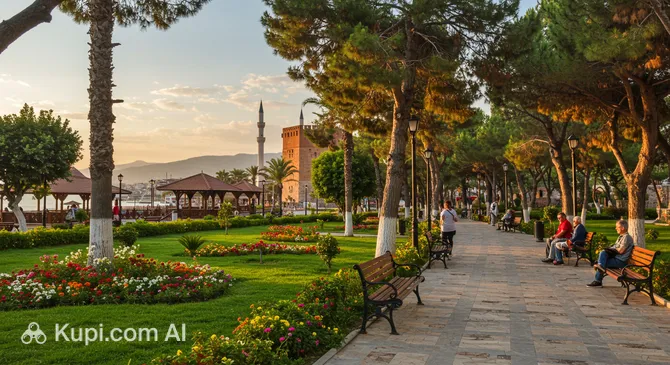
One of the most accessible and enjoyable green areas in the city center is the Alanya Municipality 100th Year Atatürk Park. Located parallel to the famous Kleopatra Beach, this extensive park serves as a "green lung" for the city, featuring well-maintained walking paths, fountains, and playgrounds. It is a favorite spot for both locals and tourists to enjoy a leisurely evening stroll, watch the sunset, or simply relax on a bench under the shade of palm trees while the sea breeze cools the air.

Alanya Municipality 100th Year Atatürk Park. Source: Kupi.Binoculars

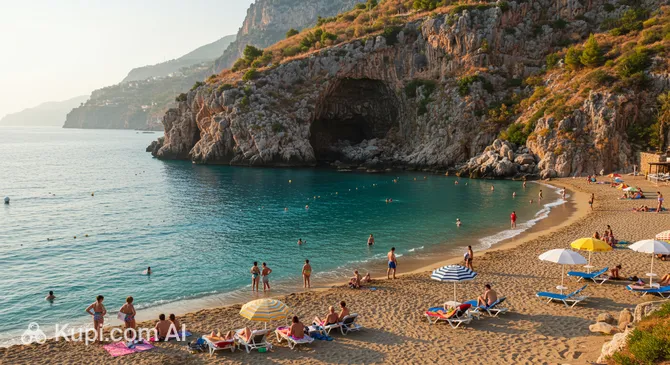
For those who love nature where the land meets the sea, Damlatas Beach offers more than just swimming. The area surrounding the beach is beautifully landscaped, providing a scenic transition between the urban center and the rugged peninsula. It is an ideal location for a picnic or a quiet moment to admire the view of the castle promontory towering above.

Damlatas Beach. Source: Kupi.Binoculars

When it comes to museums, the city’s rich past is best preserved at the Alanya Archaeological Museum. Although previously mentioned as a main attraction, it deserves emphasis as the cultural heart of the city, housing artifacts that narrate the region's history from the Bronze Age to the Ottoman era. Its garden is also a delight, scattered with peacocks and ancient stone inscriptions, creating a peaceful open-air gallery atmosphere.

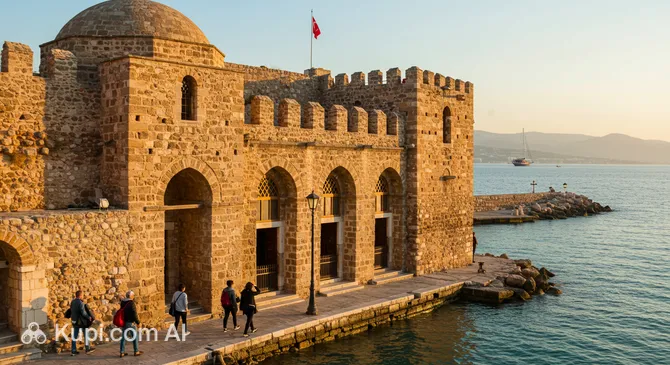
A significant historical structure that often catches the eye of history enthusiasts is the Customs House (Gümrük Hanı). Situated near the Red Tower at the harbor, this building dates back to the Seljuk period and was later used by the Ottomans. Today, it stands as a testament to Alanya's commercial importance throughout history, and its architecture offers a glimpse into the civil engineering of the time.

Customs House (Gümrük Hanı). Source: Kupi.Binoculars

Beyond the designated museums, the entire peninsula acts as an open-air museum. Walking through the fortified walls and exploring the ruins scattered around the castle hill allows you to touch history in its rawest form. The blend of Seljuk military architecture and traditional Ottoman houses creates a unique cultural tapestry that is best experienced on foot.

For a truly authentic experience, take a walk through the gardens surrounding the harbor early in the morning before the crowds arrive. You might stumble upon the "Cat Park" areas—informal sanctuaries for the city's beloved stray cats, maintained by the municipality and locals. Watching the community care for these animals offers a heartwarming insight into the hospitable and caring nature of Alanya's residents.

Getting Around

Public Transport:

Navigating Alanya is remarkably straightforward, as the city relies primarily on a well-organized network of buses and minibuses rather than a complex rail system. There is no metro, tram, or train service within the city limits. The backbone of local transportation is the municipal bus network, which covers the entire city center and extends to popular beach areas. Supplementing these are the famous "dolmuş" minibuses, which are smaller, faster, and ideal for reaching nearby towns or resorts along the coast.

For tourists, the payment system is designed to be convenient. The most common way to pay for municipal buses is using the "Kent Kart" (City Card), a reloadable smart card that can be purchased at kiosks and authorized shops throughout the city. However, you do not necessarily need to buy a specific transit card; most buses are equipped with contactless payment terminals. You can simply tap your contactless credit or debit card (Visa or Mastercard) to pay your fare, though a small surcharge may apply compared to the City Card rate. Cash is generally not accepted on the large municipal buses, but it is still commonly used on the smaller inter-town dolmuş lines.

A unique and scenic mode of transport in Alanya is the Teleferik (Cable Car). While it serves as a major tourist attraction, it is also a practical way to reach the historic castle area from the Damlataş beach station. The ride takes just a few minutes, saving you a steep uphill walk or a taxi ride, and offers breathtaking aerial views of the coastline. Tickets for the cable car are sold separately from the bus system and can be purchased at the station.

If you prefer a more private mode of travel, yellow taxis are abundant and operate 24/7. They are easy to spot, and you can summon one using the call buttons found on trees or poles throughout the city. All taxis are required to use a taximeter, so ensure the driver switches it on at the start of your journey. For short distances along the promenade, renting an electric scooter via a mobile app has become a popular and fun alternative, allowing you to zip along the seaside at your own pace.

Practical advice for using the bus system includes looking for stops marked with a large "D" (for "Durak," meaning stop). Buses typically run from early morning, around 6:30 AM, until midnight, with reduced frequency in the late evening. When boarding, always enter through the front door to pay or scan your card, and exit through the middle or back doors. The destination is usually displayed on the front window, but don't hesitate to ask the driver if they are going to your specific landmark—locals are generally very helpful to visitors.

Accommodation

Finding the perfect place to stay in Alanya is easy, thanks to the city's vast and varied accommodation landscape. Whether you are a backpacker looking for a budget-friendly hostel, a family seeking a comfortable apartment rental, or a traveler dreaming of a luxurious all-inclusive experience, this Mediterranean resort town has something to suit every preference and budget. The options range from modest city-center pensions to sprawling 5-star complexes that line the coast.

For those who want to be in the heart of the action, the area around Cleopatra Beach and the city center is the most popular choice. Staying here puts you within walking distance of the main historical sites, the bustling harbor nightlife, and the sandy shores. If you prefer a slightly quieter, more family-oriented atmosphere, the districts of Oba and Tosmur to the east offer excellent facilities, wider beaches, and a more relaxed pace while still being easily accessible by local transport.

Among the notable accommodation options, the Alaaddin Beach Hotel is a well-known choice for those who prioritize location. Situated directly on the sands of Cleopatra Beach, it offers an adults-only concept that appeals to couples and solo travelers looking for a peaceful seaside retreat close to the city center.

Alaaddin Beach Hotel. Source: Kupi.Binoculars

For travelers seeking a more comprehensive resort experience, the Green Garden Resort & Spa is a prime example of the family-friendly complexes found in the Oba district. These types of resorts often feature extensive amenities, including multiple pools, spa centers, and entertainment programs, making them self-contained holiday destinations in their own right.

Booking Tip: Alanya is an incredibly popular summer destination, and the best rooms often fill up fast. If you plan to visit during the peak months of July and August, it is highly recommended to book your accommodation at least a few months in advance to secure your preferred dates and rates.

In terms of pricing, Alanya is generally known for offering great value. Budget travelers can find affordable guesthouses and apartments, while mid-range hotels offer excellent comfort without breaking the bank. Even the luxury segment is often competitively priced compared to other Mediterranean destinations. Most bookings can be easily made through major online travel platforms, though some smaller, family-run establishments may also accept direct reservations.

Nearby Cities

For those looking to explore the surroundings, Alanya serves as an excellent base for day trips to several interesting nearby locations. Just a short drive along the coast is Manavgat, a town famous for its picturesque waterfall and a vibrant river market that attracts visitors from all over the region. Further west lies the provincial capital, Antalya, which offers a perfect mix of history and modernity with its charming Old Town (Kaleiçi) and extensive shopping opportunities. For golf enthusiasts and families, Belek is a premier destination known for its world-class courses and the expansive Land of Legends theme park.

City Population Distance (km)
Antalya 2,426,356 121
Manavgat 230,597 56
Serik 124,335 90
Beysehir 73,768 128
Belek 73,260 91

These nearby destinations offer a glimpse into the diverse culture and landscapes of the region.

Shopping & Souvenirs

Shopping in Alanya is a delightful mix of modern retail therapy and traditional bazaar culture, making it a favorite pastime for many visitors. The city is renowned for its high-quality textile industry, leather goods, and exquisite jewelry. Whether you are looking for international fashion brands, authentic Turkish handicrafts, or simply a fun evening of browsing, the diverse shopping scene here caters to every taste and budget.

The heartbeat of the city's shopping district is Atatürk Boulevard (Atatürk Caddesi). This bustling main street runs parallel to the coast and is lined with countless boutiques, souvenir shops, and cafes. It is the perfect place to find casual beachwear, shoes, and bags. As you move closer to the harbor, the streets become narrower and more atmospheric, filled with small stalls selling colorful lamps, ceramics, and spices, creating a vibrant environment that invites exploration.

For those who prefer a more structured shopping experience with air conditioning and fixed prices, the Alanyum Shopping and Entertainment Center is the go-to destination. Located in the Oba district, this modern mall hosts a variety of Turkish and international brands, a large supermarket, and a food court. It provides a comfortable escape from the midday sun and offers a relaxed environment for families to shop for clothing, electronics, and cosmetics.

No trip to Turkey is complete without experiencing a traditional open-air market. The local bazaars are a riot of colors, smells, and sounds. One of the most popular is the Cikcilli Tuesday Market, where locals and tourists alike flock to buy fresh seasonal fruits, vegetables, cheeses, and olives. Beyond food, these markets are excellent places to find inexpensive clothing, towels, and household goods. Remember that the "Grand Bazaar" area near the harbor operates daily and is specifically tailored for tourists seeking gifts and leather products.

When it comes to souvenirs, Alanya offers plenty of unique options to take home. Turkish Delight (lokum) and fresh spices are classic choices that are easy to pack. High-quality leather jackets and bags are also very popular buys here, often available at significantly lower prices than in Europe. Other cherished items include hand-painted ceramics, copperware, and the famous "evil eye" (nazar) amulets, which are said to protect the owner from bad luck.

Store hours in Alanya are very tourist-friendly. During the summer season, shops in the city center and harbor area often stay open until midnight or even later, allowing you to shop comfortably after dinner. In terms of payment, credit cards are widely accepted in malls, supermarkets, and established stores. However, cash (Turkish Lira) is king in the weekly markets and smaller souvenir stalls. In these traditional settings, bargaining is not just accepted; it is expected. Don't be afraid to negotiate the price with a smile—it is part of the local culture.

Tourists visiting Alanya can also benefit from Tax-Free shopping. Many larger stores and boutiques participate in the tax refund scheme. Look for the "Tax Free" or "Global Blue" signage in the window. If you make a purchase above a certain amount, ask the staff for a tax refund form, which you can then present at the customs office at the airport upon your departure to claim a percentage of the VAT back.

Reached the end of the page?

That means the route is fully explored