Support

Denizli

About

Welcome to Denizli, a bustling metropolis that serves as the perfect gateway to some of the most spectacular natural and historical wonders in Turkey. Located in the country's inner Aegean region, this vibrant city creates a fascinating blend of industrial energy and ancient heritage. While often recognized for its thriving textile industry, Denizli offers a unique atmosphere where modern urban life meets the tranquility of nature.
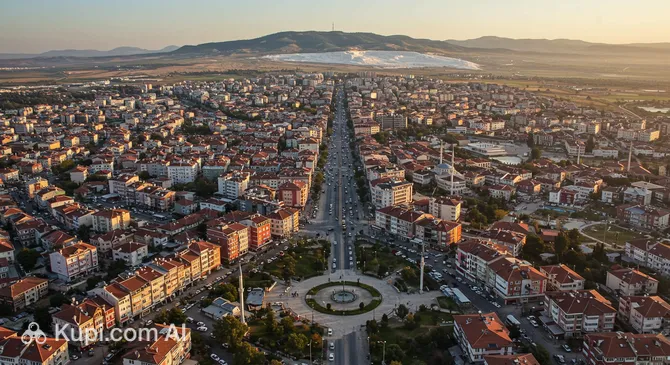
Denizli. Source: Kupi.Binoculars

Geographically, the city sits in a fertile valley surrounded by mountains, enjoying a climate characterized by hot summers and cool, wet winters. With a population exceeding 1 million people, it is a significant economic hub and a lively destination for travelers. As you explore the streets, you will likely encounter statues of the famous Denizli Rooster, a local symbol celebrated for its vibrant colors and long crowing, which adds a charming touch to the city's identity.

The region is incredibly rich in culture, and the history of Denizli is deeply intertwined with the ancient civilizations that once flourished here. Just a short distance from the city center lies the world-renowned Pamukkale, often called the "Cotton Castle," with its gleaming white travertine terraces and thermal pools. Adjacent to these natural formations stand the impressive ruins of Hierapolis, an ancient Greco-Roman city that attracts history enthusiasts from around the globe. Another significant site nearby is the ancient city of Laodicea, known as one of the Seven Churches of Revelation.

Whether you are seeking relaxation in thermal waters, an adventure through ancient ruins, or a taste of authentic local culture, Denizli is a destination that promises a memorable experience. It is an ideal starting point for exploring the Aegean's treasures and invites every visitor to discover its hidden gems.
Weather Overview

The climate in this region is generally characterized by distinct seasons, featuring hot, dry summers and cool, damp winters. To ensure you pack the right clothing for your trip, it is helpful to check the detailed forecast for the weather in Denizli before you travel.

Summer is the warmest time of year, particularly in July and August, when average temperatures hover around 27°C and daily highs can reach 34.4°C. Rainfall is minimal during this period, with July seeing as few as 1 wet day. Conversely, winter brings a significant shift; January is typically the coldest month with an average temperature of 4.9°C and lows near freezing. This season is also wetter, with December and January experiencing up to 10 wet days each.

The transitional seasons of spring and autumn offer moderate conditions that are excellent for sightseeing. April and May see average temperatures rising to between 15.0°C and 19.6°C, while September remains pleasantly warm at around 23.2°C. These months provide a comfortable balance, avoiding the peak heat of summer while remaining milder than the winter chill.

Interesting Facts

Beyond the main attractions, Denizli holds many fascinating secrets that reveal the depth of its culture and geography. From culinary traditions to subterranean wonders, here are some unique aspects of the city that often surprise visitors.

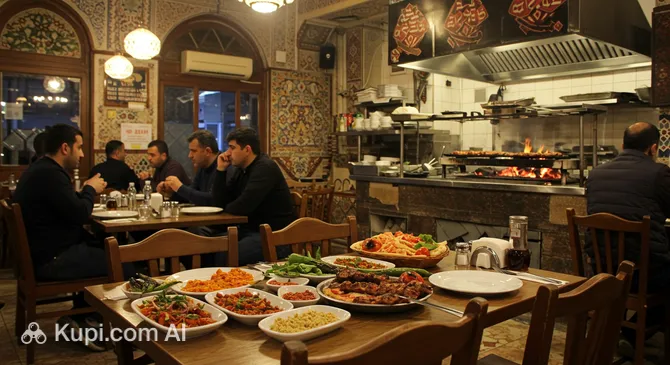
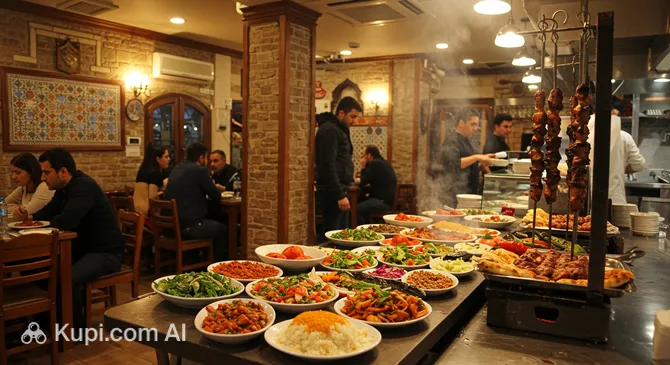
  • The city is famous for its signature dish, Denizli Kebab, which is cooked in a traditional tandoor oven using gumwood for a distinct flavor. Local custom dictates that this tender lamb is eaten without forks or knives, a tradition you can experience authentically at renowned spots like Kebapçı Baki.

  • While the white terraces of Pamukkale are world-famous, few travelers know about the "Underground Pamukkale" located in Kaklık Cave. This hidden cavern features similar white travertine formations created by thermal waters, but they are tucked away beneath the earth, offering a surreal and less crowded experience.

  • The Denizli Rooster, the city's beloved symbol, is biologically unique and prized for its ability to crow for an exceptionally long time. These birds are known to crow with such intensity and duration—sometimes exceeding 25 seconds—that they can occasionally faint from a lack of breath.

  • The region's textile heritage is not just a modern industry but a royal legacy. The nearby town of Buldan has been a weaving center for centuries, historically crafting the delicate fabrics and towels used by Ottoman Sultans, a craftsmanship that continues to define the area's reputation today.

Kebapçı Baki. Source: Kupi.Binoculars

How to Get There

Reaching this captivating destination is relatively straightforward, thanks to its proximity to several transport hubs. Whether you are arriving from within Turkey or from abroad, you have multiple options to choose from. For a complete overview of travel routes and tips, you can read more about how to get to Denizli on our detailed page.

The most convenient gateway is Cardak Airport (DNZ), which serves the city directly. Located approximately 53 km from the center, it primarily handles domestic flights but is the closest option for travelers. The journey from the airport to the city center takes approximately 45 to 60 minutes by shuttle bus or taxi. For those looking for a wider range of international connections, the Dalaman Airport (DLM) is a significant alternative. Situated in the Dalaman district of Mugla province, about 122 km away, it welcomes millions of passengers annually. The transfer from Dalaman to Denizli typically takes about 3.5 hours by road.

For clarity, here is a summary of the main airports nearby:

Airport Name City Passenger Traffic Km from City
Rhodes Airport Rhodes Large 177.3
Dalaman Airport Mugla Large 121.8
Milas-Bodrum Airport Bodrum Large 139.7
Cardak Airport Denizli Small 53.3
Isparta Suleyman Demirel Airport Isparta Small 112.3

In addition to air travel, the city is well-connected by Turkey's extensive bus network, with the main bus terminal (Otogar) serving as a busy hub for intercity coaches from major cities like Istanbul, Izmir, and Antalya. Railway is another scenic option; the city's train station offers regular services connecting to Izmir and other regional centers, providing a comfortable and affordable way to enjoy the Aegean landscapes.

Main Attractions

While the world-famous travertines of Pamukkale are often the primary reason travelers visit the region, the city of Denizli itself offers a variety of engaging sights. From bustling public squares to serene parks and historical museums, the city provides a perfect blend of urban energy and cultural heritage for visitors to explore.

Pamukkale View Terrace. Source: Kupi.Binoculars

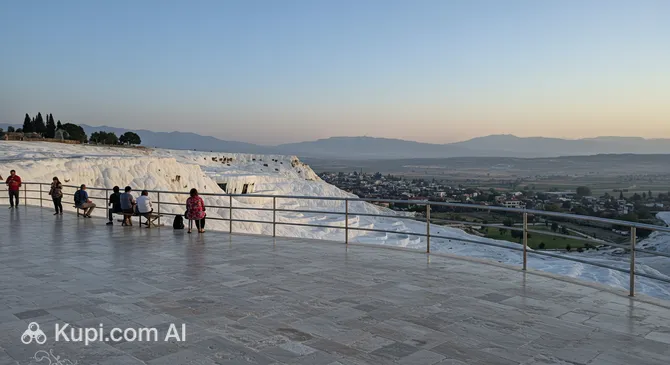
For the best vantage point of the region's most iconic landmark, a visit to the Pamukkale View Terrace is essential. This observation deck offers a breathtaking panoramic view of the white calcium terraces and the ancient ruins of Hierapolis across the valley. It is a favorite spot for photographers and nature lovers, allowing you to admire the "Cotton Castle" in all its glory without navigating the crowds inside the site itself.

To delve into the local history and culture, the Denizli Atatürk Ethnography Museum is a fascinating stop. Located in a beautifully restored historical mansion, the museum displays a rich collection of ethnographic artifacts, traditional costumes, and weaponry. It also holds a special significance as the building where Mustafa Kemal Atatürk stayed during his visit to the city, preserving his room and personal items for visitors to see.

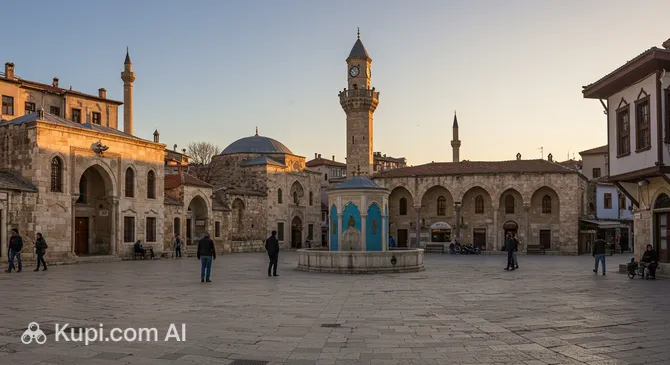
Bayramyeri Square. Source: Kupi.Binoculars

If you want to feel the pulse of the city, head to Bayramyeri Square. As the commercial heart of Denizli, this lively square is always buzzing with activity. Surrounded by shops, local eateries, and historic structures, it is the perfect place to experience the daily rhythm of the locals. You can enjoy a cup of traditional Turkish tea at a nearby cafe or shop for local goods in the bustling atmosphere.

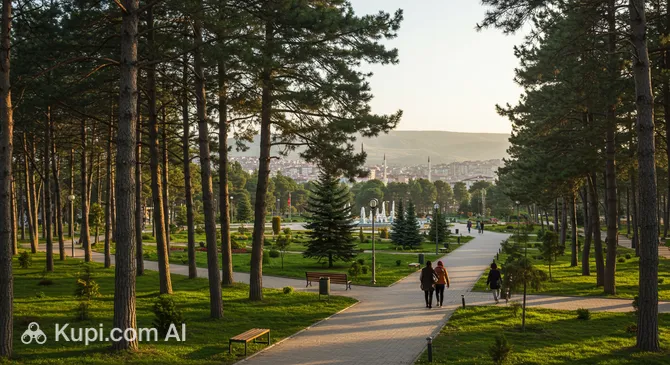
Çamlık Park. Source: Kupi.Binoculars

For a relaxing escape from the urban environment, Çamlık Park offers a refreshing retreat. Situated in the pine-covered foothills, this expansive green space is a popular destination for families and nature enthusiasts. With its shaded walking paths, picnic areas, and fresh mountain air, it provides a peaceful sanctuary where you can unwind and enjoy the natural beauty of the Aegean region.

Local Cuisine

The culinary landscape of Denizli offers a mouthwatering fusion of Aegean freshness and hearty Anatolian traditions. While the region produces an abundance of fresh vegetables and olive oil, the city is most renowned for its mastery of meat dishes. For food lovers, a visit here is not complete without diving into the local kebab culture, which is steeped in history and specific rituals that have been passed down for generations.

The undisputed king of the table is the famous Denizli Kebab (Tandır Kebabı). Unlike other Turkish kebabs, this delicacy consists of lamb meat roasted slowly in a traditional stone oven fueled by gumwood, which imparts a distinct aromatic flavor. The meat is cooked for hours until it is incredibly tender and is typically served on fresh pita bread without cutlery. Locals believe that to truly savor the taste, you must eat it with your fingers. For an authentic experience, you can visit Kebapçı Rıdvan, a historic establishment that has been serving this signature dish for decades.

Kebapçı Rıdvan. Source: Kupi.Binoculars

To accompany the rich flavors of the kebab, you should try Yanık Yoğurt, or "burnt yogurt." Made from sheep's milk, this side dish has a unique, smoky flavor profile derived from a specific boiling process, acting as a perfect palate cleanser. Another staple on the table is a fresh salad of tomatoes and onions, often garnished with sumac, which cuts through the richness of the lamb.

When it comes to beverages, the local pride is Zafer Gazozu. This nostalgic soda brand, recognizable by its classic glass bottle, has become a symbol of the city. It has a distinct strawberry flavor and is the go-to non-alcoholic drink for locals, especially during the hot summer months. For those looking for a traditional dining experience involving grilled meats and a social atmosphere, places like Duman Mangalbasi offer a setting where the "Mangal" (barbecue) culture brings friends and families together.

The food scene in Denizli is unpretentious and deeply welcoming. Whether you are dining in a bustling "Salaş" (casual) restaurant in the city center or grabbing a quick bite near the market areas, the focus is always on high-quality ingredients and time-honored cooking methods. Be sure to save room for dessert, as the region is also famous for hot semolina halva served over ice cream, a sweet finish that perfectly rounds off a savory feast.

Travel Tips

Preparing for a trip to Denizli involves a bit more than just packing your bags; knowing the local nuances can transform your visit from good to great. Here is a collection of essential tips to help you navigate the city and its world-famous surroundings with ease and confidence.

  1. Clothing and Gear: Since the region experiences hot summers and cold winters, pack accordingly. In summer, light, breathable fabrics, a sun hat, and high-SPF sunscreen are essential. For winter visits, bring warm layers and a waterproof jacket. Crucially, if you plan to walk on the white terraces of Pamukkale, you will be required to remove your shoes to protect the formations; bring a bag to carry your footwear and wear easy-to-remove sandals.
  2. Transportation: The most popular and economical way to get around the city and to nearby attractions is via the dolmuş (minibus). These run frequently on set routes and accept cash payments upon boarding. Taxis are available (look for yellow cars) but always ensure the driver turns on the meter. For exploring ancient sites like Laodicea at your own pace, renting a car is a convenient option.
  3. Finances: The local currency is the Turkish Lira (TRY). While credit cards are widely accepted in hotels, shopping malls, and restaurants, it is wise to carry cash for small purchases, public transport, and local markets. You can exchange money at exchange offices (Döviz) or withdraw from the many ATMs scattered throughout the city.
  4. Health and Safety: Denizli is generally a safe city for tourists. Pharmacies, known as Eczane, are plentiful and easily recognizable by their "E" signage; there is always a designated pharmacy on duty (Nöbetçi Eczane) at night. It is recommended to drink bottled water rather than tap water to avoid any stomach upset.
  5. Communication: While English is commonly spoken in the tourist hub of Pamukkale, it may be less prevalent in the Denizli city center. Learning a few basic Turkish phrases like "Merhaba" (Hello) and "Teşekkürler" (Thank you) goes a long way. Purchasing a local SIM card upon arrival is recommended for reliable map navigation and translation apps.
  6. Local Etiquette: Turkish hospitality is legendary. If you are offered tea (çay) by a shopkeeper or local, it is a gesture of friendship and is polite to accept. When visiting mosques, dress modestly: women should cover their heads, and both men and women should cover their shoulders and knees. always remove your shoes before entering a mosque or a Turkish home.
  7. What to Avoid: Do not attempt to walk on the white travertines of Pamukkale with shoes or sandals on; this is strictly prohibited to preserve the natural wonder. Also, avoid public displays of affection, which can be frowned upon in more conservative areas of the city.
  8. Shopping Tip: Denizli is the textile capital of Turkey. Do not leave without browsing the local shops for high-quality cotton towels, bathrobes, and the traditional "Buldan" cloth, which make for practical and authentic souvenirs at very reasonable prices.

With these practical insights in hand, you are ready to immerse yourself in the rich history and vibrant culture of Denizli. Enjoy the warmth of the locals, the delicious flavors, and the stunning landscapes that make this region truly special.

Entertainment & Nightlife

Entertainment:

While Denizli is deeply rooted in history, it is also a modern, living city with a vibrant social scene that keeps visitors entertained day and night. From bustling shopping centers showcasing the region's famous textiles to lively venues for evening relaxation, the city offers a diverse array of activities that complement its ancient sightseeing opportunities.

As the textile capital of the region, shopping here is a highlight for many travelers. Beyond the traditional bazaars, the city features modern malls that serve as social hubs. Forum Çamlık is the most popular lifestyle center in the city, offering a mix of international brands, cinemas, and dining options in an open-air architectural setting. It is the perfect place to pick up high-quality local cotton goods or simply enjoy a coffee while people-watching. Another key destination is Eva Shopping Mall, which provides a convenient shopping experience with a variety of stores and family-friendly facilities.

Forum Çamlık. Source: Kupi.Binoculars

When the sun sets, the city's energy shifts to its cafes, bars, and entertainment venues. The nightlife in Denizli is driven largely by its young university population, creating a dynamic yet welcoming atmosphere. For those seeking live music and a spirited crowd, Rast Studio Denizli is a standout choice. Known for its engaging performances and modern ambiance, it is a great spot to experience the local social culture and enjoy an evening out with friends.

Rast Studio Denizli. Source: Kupi.Binoculars

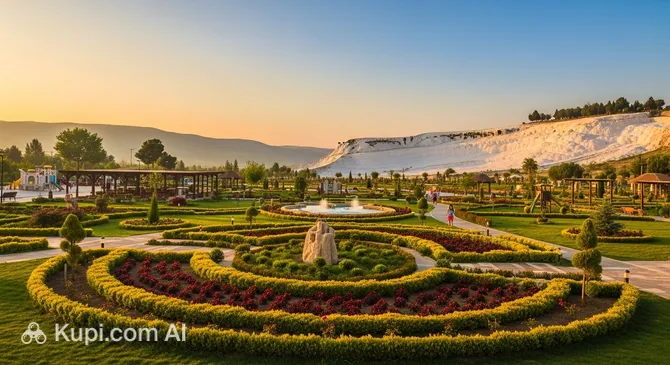
For families and those looking for unique cultural experiences, the city has some hidden treasures. The Denizli Rag Doll House Museum is a delightful attraction that showcases traditional craftsmanship and local folklore through an extensive collection of handmade dolls. Meanwhile, nature lovers can enjoy the Pamukkale Thematic City Forest Park. This expansive recreational area features walking trails, picnic spots, and thematic sections, making it an excellent location for a relaxing afternoon outdoors.

Pamukkale Thematic City Forest Park. Source: Kupi.Binoculars

Parks & Museums

Beyond its industrial hustle and thermal wonders, Denizli surprises visitors with its well-maintained green spaces and deep-rooted cultural heritage. The city has invested significantly in urban parks that serve as communal living rooms for locals, while its historical sites and museums stand as testaments to the region's pivotal role in history, from ancient civilizations to the Turkish War of Independence.

One of the city's premier recreational areas is Justice Park (Adalet Parkı). Located centrally, this expansive green lung is a favorite among residents for evening strolls and weekend picnics. The park features a large artificial pond, decorative fountains, and walking tracks lined with statues and lush vegetation. It provides a serene escape from the city traffic and is often bustling with families enjoying the playgrounds and open spaces.

Justice Park. Source: Kupi.Binoculars

For a more whimsical experience, especially if traveling with children, Eskihisar Park is a delightful destination. Often referred to locally as the "Fairytale Park," it incorporates colorful, castle-like structures and figures from popular stories, creating a magical atmosphere. Beyond the thematic elements, the park offers ample green areas for relaxation and serves as a gateway to the nearby ancient ruins of Laodicea, bridging modern leisure with history.

Eskihisar Park. Source: Kupi.Binoculars

While the previously mentioned Ethnography Museum covers local culture, no cultural tour is complete without acknowledging the monumental Hierapolis Archaeology Museum. Situated within the ancient city near the travertine terraces, this facility (accessible with your site entry) houses an impressive collection of sarcophagi, statues, and artifacts unearthed from the surrounding Lycus River valley. It is a treasure trove for history buffs, offering insight into the Roman and Byzantine eras that shaped the region.

In the city center, architectural landmarks reflect the spiritual and historical identity of Denizli. The Kayalık Mosque is a notable example, admired for its distinct stonework and peaceful ambiance. Another site of immense historical weight is the Mufti Ahmet Hulusi Efendi Mosque. This site is not just a place of worship but a symbol of local resilience; it was here that the famous fatwa for the resistance was issued, rallying the people of Denizli during the National Struggle. Visiting these sites offers a quiet moment to appreciate the city's architectural and social history.

Kayalık Mosque. Source: Kupi.Binoculars

For a quieter, neighborhood vibe, Yunus Emre Park offers a simple yet charming environment. It is less crowded than the major parks, making it a perfect spot for reading a book or enjoying a quick break while exploring the city's residential districts.

Getting Around

Navigating Denizli is relatively straightforward, as the city offers a functional and accessible public transport network designed to serve both locals and visitors. The system primarily relies on a comprehensive fleet of municipal buses and the ever-popular minibuses, known as "dolmuş." While there is no metro or tram system in the city center, these road-based options cover all major districts, tourist attractions, and the university area efficiently.

The municipal buses are modern, air-conditioned, and operate on fixed schedules. They are the most reliable way to reach specific destinations like the bus terminal (Otogar), the university campus, and nearby towns. For a more flexible and faster alternative, the dolmuş is a quintessential part of the local travel experience. These minibuses run on specific routes but can stop anywhere along the way to let passengers on or off. They are particularly useful for short distances or for getting from the city center to neighborhoods not serviced as frequently by large buses.

To use the municipal buses, you will need to obtain a Denizli Kart. This rechargeable smart card is the only valid payment method for city buses; cash is not accepted on board. You can purchase and top up these cards at designated kiosks, authorized dealers, and vending machines located near major bus stops and the main bus terminal. Fares are quite affordable, and the card system allows for easy transfers between bus lines within a certain time window.

Conversely, the payment system for the dolmuş is strictly cash-based. When you board a minibus, you simply tell the driver your destination and hand over the fare. It is helpful to carry small change (coins and small banknotes) for these trips. The dolmuş system operates from early morning until around midnight, though frequencies drop in the late evening.

For tourists planning their routes, the "Denizli Ulaşım" mobile app is a handy tool. It provides real-time information on bus routes, stops, and arrival times, helping you avoid long waits. If you prefer a more private mode of transport, yellow taxis are widely available 24/7 throughout the city. They operate on a taximeter system, and it is easy to hail one on the street or find them at designated taxi stands near major squares and shopping centers.

A unique feature of the city's transport landscape is the Denizli Cable Car (Teleferik). While primarily a tourist attraction, it serves as a transport link connecting the city to the Bağbaşı Plateau. The ride offers spectacular aerial views of the city and leads to a recreational area in the mountains, making it a must-do experience that combines transportation with sightseeing. Whether you choose the bus, a minibus, or the cable car, getting around Denizli is an affordable and convenient part of the adventure.

Accommodation

Where to Stay:

Finding the perfect place to stay in Denizli is relatively easy, as the region offers a wide spectrum of accommodation options tailored to different types of travelers. Whether you are looking for a quick stopover in the city center, a luxurious spa experience, or a budget-friendly family pension, the area is well-equipped to host its millions of annual visitors. The choices generally range from modern business hotels in the urban core to extensive thermal resorts located closer to the natural attractions.

For those prioritizing convenience and urban amenities, the city center is the most practical choice. Staying here places you within walking distance of major transport hubs, such as the bus terminal, as well as shopping centers and local restaurants. The downtown area is populated with standard mid-range hotels and business-class establishments that offer comfortable, clean rooms and easy access to the city's lively streets. This is an excellent option if you plan to explore the city's parks and museums or need to catch an early bus to your next destination.

However, many tourists choose to stay slightly outside the main city, specifically in the Pamukkale and Karahayıt districts, to take full advantage of the region's geothermal resources. This area is famous for its thermal hotels and luxury resorts, many of which feature their own private hot spring pools and spa facilities. These establishments often cater to travelers seeking relaxation and wellness, offering half-board or full-board packages. In contrast, the village of Pamukkale itself offers numerous smaller, family-run pensions and boutique hotels that provide a friendly atmosphere and are just a short walk from the famous white travertine terraces.

When planning your trip, it is important to consider the seasonality of the region. Spring and autumn are peak times for sightseeing, and the best hotels—especially those with thermal facilities—can fill up quickly. Booking in advance is highly recommended during these periods to secure your preferred accommodation at a good rate. Conversely, visiting in winter can offer a cozy experience in the thermal waters, often at lower prices.

In terms of cost, the region is generally affordable compared to Turkey's coastal resort towns. You can find budget-friendly guesthouses and hostels that offer basic amenities for a modest fee, while the high-end thermal resorts command a higher price point for their luxury services. Most accommodations are listed on major online booking platforms, allowing you to easily compare prices, read reviews, and make secure reservations before you arrive.

Nearby Cities

For those looking to explore the surroundings, Denizli serves as an excellent base for day trips to several interesting nearby locations:

Naturally, the most prominent destination is Pamukkale itself. Located just a short drive away, this district is world-famous for its thermal waters and the ancient city of Hierapolis. Beyond the major archaeological sites, the town offers a charming atmosphere with small pensions and local eateries, allowing visitors to experience the "Cotton Castle" at a slower pace.

For a taste of authentic local culture, a trip to Nazilli is highly recommended. Situated to the west in the Aydın province, this town is renowned for its agricultural richness, particularly its figs, and is often cited as a place where people live exceptionally long lives. It offers a bustling market atmosphere and is a great spot to try the famous "Nazilli Pidesi," a local variety of Turkish flatbread.

Nature lovers might prefer heading southeast to Acıpayam. This district is home to the impressive Keloğlan Cave, known for its magnificent stalactites and stalagmites, as well as the scenic Acıpayam Canyon. It provides a peaceful retreat into nature, away from the busier tourist trails.

City Population Distance (km)
Pamukkale 346625 15
Nazilli 156748 69
Acıpayam 55141 46
Tavas 43845 23
Sarigol 35957 62

These nearby destinations offer a glimpse into the diverse culture and landscapes of the region.

Shopping & Souvenirs

Shopping in Denizli is a delightful experience that revolves largely around its reputation as the textile capital of the region. The city is world-renowned for its high-quality cotton production, making it one of the best places in Turkey to purchase home textiles, particularly towels and bathrobes. Beyond its industrial fame, the city offers a mix of traditional bazaars and modern retail centers, providing visitors with a wide range of shopping opportunities that cater to both authentic tastes and contemporary needs.

The heart of the city's traditional commerce beats at Bayramyeri Square. This bustling area serves as a gateway to the historic Kaleiçi Bazaar, a labyrinth of narrow streets filled with centuries-old shops. Here, you can find everything from copper crafts and leather goods to local fabrics sold by family-run businesses. Walking through these streets offers a nostalgic atmosphere where the old-world charm of the city is still very much alive, and bargaining is part of the experience.

For those who prefer a modern shopping environment with international brands and entertainment facilities, the city boasts several impressive malls. Forum Çamlık is the premier destination, featuring an open-air concept that blends shopping with leisure. It hosts a vast array of clothing stores, electronics shops, and a cinema, making it a popular meeting point for locals. Another excellent option is Eva Shopping Mall, which offers a convenient and comfortable shopping experience with a diverse selection of retail outlets and dining options.

Eva Shopping Mall. Source: Kupi.Binoculars

Markets in Denizli are vibrant and essential to daily life. While the Kaleiçi district acts as a permanent market for goods, weekly street markets (pazar) pop up in different neighborhoods, offering fresh produce, spices, and clothing at bargain prices. These markets are the best places to observe local culture and buy fresh, seasonal fruits or local delicacies directly from the producers.

When looking for souvenirs, the top choice is undoubtedly Buldan cloth. Named after a nearby district, this lightweight, hand-woven fabric is used to make beautiful shirts, dresses, and shawls that are perfect for hot weather. Additionally, the region is famous for roasted chickpeas (Leblebi), particularly those from Serinhisar; they come in various flavors, from salty to chocolate-coated, and make for a delicious, edible gift. Of course, picking up a set of plush Denizli towels is practically a mandatory purchase for any visitor.

Store hours in the city are generally tourist-friendly. Shopping malls typically operate from 10:00 AM to 10:00 PM, seven days a week. Street shops and bazaars usually open around 9:00 AM and close by 8:00 PM, though some may close earlier on Sundays. Credit cards and debit cards are widely accepted in malls, restaurants, and most established shops, but it is advisable to carry some Turkish Lira in cash for small purchases in traditional markets or for public transport.

Visitors from abroad should also be aware of the Tax-Free shopping opportunities. Many larger stores and international brands in the shopping malls participate in the tax refund scheme. Look for the "Tax Free" signage in shop windows, and be sure to ask for the necessary paperwork at the checkout to reclaim the VAT upon your departure from the country.

Reached the end of the page?

That means the route is fully explored