Support

Bodrum

About

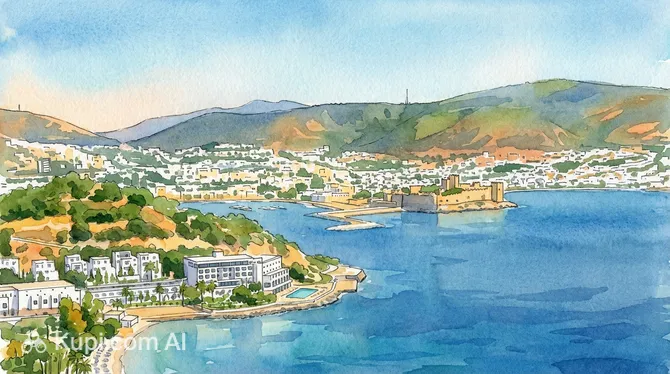
Bodrum is a mesmerizing blend of ancient heritage and modern luxury, often referred to as the "Saint-Tropez of Turkey." Nestled on the southwestern coast of Turkey in the scenic Muğla Province, this vibrant city offers visitors a unique atmosphere where turquoise waters meet iconic whitewashed architecture draped in bougainvillea.

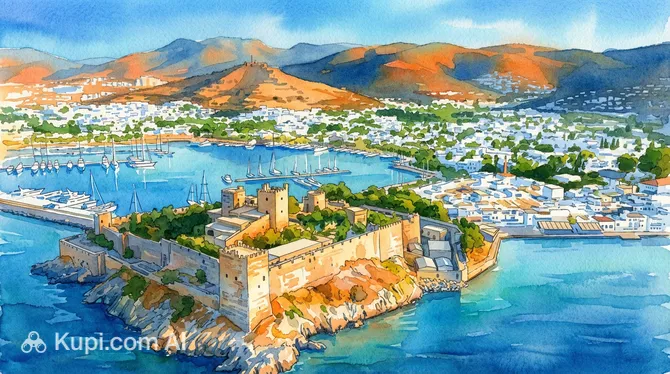
Bodrum. Source: Kupi.Binoculars

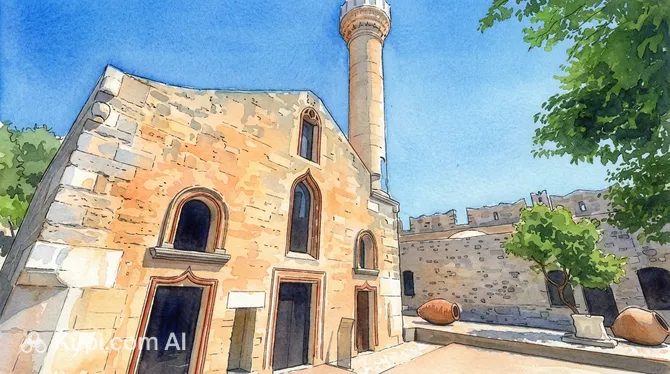
Once known as Halicarnassus, the city stands on grounds that have witnessed thousands of years of civilization. Travelers interested in the past can explore the history of Bodrum, which includes the site of the Mausoleum at Halicarnassus, one of the Seven Wonders of the Ancient World. Today, the harbor is dominated by the majestic Bodrum Castle (Castle of St. Peter), which now houses the renowned Museum of Underwater Archaeology.

With a permanent population of approximately 175,000 people, the city feels both intimate and energetic. The region enjoys a warm Mediterranean climate, making it a perfect destination for sun-seekers. Beyond the beaches, Bodrum is famous for its elegant marina, bustling bazaars, and a nightlife scene that is considered one of the best on the Aegean Sea.

Whether you are planning to sail on a traditional wooden gulet, explore ancient ruins, or simply enjoy the sophisticated coastal vibe, Bodrum invites you to experience its enchanting charm firsthand.

Weather Overview

Bodrum enjoys a classic Mediterranean climate, making it a year-round destination with distinct seasonal changes. To help you plan your visit, it is helpful to understand the weather in Bodrum before you go. Generally, the city experiences hot, dry summers and mild, rainy winters.

The summer season is ideal for sun-seekers, particularly in July and August, when the average temperature holds steady at around 26.6°C, with highs reaching nearly 29°C. During these months, rain is virtually non-existent, with 0mm of precipitation and zero wet days recorded, ensuring uninterrupted beach time.

In contrast, the winter months bring cooler air and the majority of the region's rainfall. January is typically the wettest month, featuring approximately 16 wet days and average temperatures ranging from a low of 10.6°C to a high of 13.9°C. Despite the rain, the winter climate remains relatively mild compared to many other European destinations.

Spring and autumn offer a pleasant balance for exploration. May, for instance, sees average temperatures rise to 19.9°C with very little rain, while October remains warm at around 21.1°C. Expect hot, rain-free summers perfect for swimming and mild winters characterized by frequent showers.

Interesting Facts

Beyond the glistening marina and lively beaches, Bodrum protects a wealth of fascinating stories that have shaped history. Uncover the secrets of this ancient city, where the past is inextricably woven into the present.

Bodrum Castle. Source: Kupi.Binoculars
  • Origin of a Word: The Mausoleum at Halicarnassus was such an architectural marvel that the ruler's name, Mausolus, became the root for the word "mausoleum," which is now used worldwide to describe grand tombs.

  • Father of History: The city was the birthplace of Herodotus in the 5th century BC. As the author of "The Histories," he is celebrated globally as the "Father of History" for his pioneering approach to recording human events.

  • The Blue Voyage: The famous concept of the "Blue Voyage" began here with an exiled writer, Cevat Şakir Kabaağaçlı. Known as the "Fisherman of Halicarnassus," he turned his exile into a celebration of the coastline, inspiring the wooden gulet cruising culture seen today.

  • Stones of History: Bodrum Castle was actually built by the Knights of St. John using stones taken from the ruins of the ancient Mausoleum. Today, it hosts a world-renowned museum displaying the Uluburun Shipwreck, which dates back to the 14th century BC.

  • Artistic Legacy: The legendary Turkish singer Zeki Müren lived here and is credited with putting Bodrum on the map for domestic tourism. His house has been preserved as the Zeki Muren Arts Museum, showcasing his flamboyant costumes and personal items.

How to Get There

Reaching this coastal paradise is relatively straightforward, with several options available depending on your starting point. Whether you prefer flying directly or combining your journey with a scenic ferry ride, you can find all ways to reach the city to suit your travel plans. The region is well-connected to major international hubs and neighboring islands.

The most convenient entry point is Milas-Bodrum Airport (IATA: BJV), which serves as the primary gateway for travelers. Located approximately 31.7 km from the center, it welcomes millions of visitors annually. The journey from the terminal to the heart of the city typically takes approximately 45 minutes by taxi or shuttle bus. During the peak summer season, this international airport handles a high volume of flights from across Europe and Turkey.

Alternatively, visitors can fly into Kos Airport (IATA: KGS), located in the city of Kos, Greece. Although it is situated about 40.3 km away, this option requires a ferry crossing across the Aegean Sea to reach the Turkish coast. Another significant hub is Rhodes Airport (IATA: RHO) in Rhodes, Greece, roughly 91.1 km from Bodrum. Arriving via these Greek islands is a popular choice for those wishing to combine two countries in one trip, though you should account for ferry schedules and border crossing times.

For clarity, here is a summary of the main airports:

Airport Name City Passenger Traffic Km from City
Rhodes Airport Rhodes Large 91.1
Milas-Bodrum Airport Bodrum Large 31.7
Kos Airport Kos Medium 40.3
Ikaria Airport Ikaria Small 120.0
Kalymnos Island National Airport Kalymnos Small 44.3

Bodrum does not have its own railway station, and there are no direct train connections to the peninsula due to its mountainous geography. Travelers preferring ground transport typically arrive by long-distance bus from major Turkish cities like Istanbul or Izmir. The local bus terminal is well-organized, offering frequent connections that make road travel a reliable alternative.

Main Attractions

Bodrum is a treasure trove of history and culture, offering visitors a chance to explore ancient ruins and world-class museums set against a backdrop of stunning coastal scenery. From the remnants of ancient wonders to panoramic viewpoints, the city's landmarks provide a fascinating glimpse into its rich past.

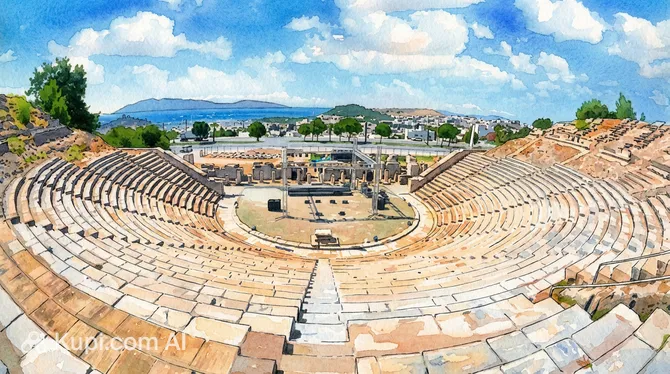
One of the most impressive historical sites is the Bodrum Ancient Theatre. Built during the 4th century BC, this grand structure is beautifully situated on a hillside overlooking the city and the azure Aegean Sea. It is one of the best-preserved theaters of ancient Halicarnassus and is still used today for concerts and festivals during the summer. Visitors can climb the stone steps to enjoy a breathtaking panoramic view of the harbor and the castle below.

Bodrum Ancient Theatre. Source: Kupi.Binoculars

For history enthusiasts, a visit to the Mausoleum at Halicarnassus is essential. Although only ruins remain today, this site was once home to the monumental tomb of King Mausolus, celebrated as one of the Seven Wonders of the Ancient World. Walking through the archaeological site, you can see the foundations and scattered marble fragments that hint at the sheer scale and artistic grandeur of the original structure, offering a quiet space for reflection on the city's ancient glory.

Mausoleum at Halicarnassus. Source: Kupi.Binoculars

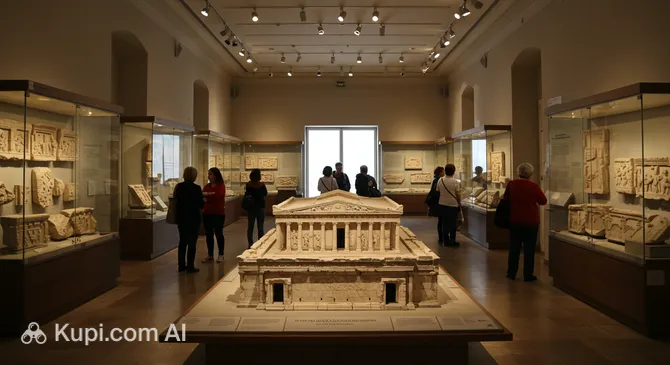
Located within the majestic walls of Bodrum Castle, the Bodrum Museum of Underwater Archaeology is a world-renowned institution that captivates visitors of all ages. The museum houses an extraordinary collection of artifacts recovered from ancient shipwrecks, including the famous Uluburun Shipwreck, which dates back to the Late Bronze Age. The exhibits, ranging from ancient glassware to amphoras and jewelry, are displayed in the atmospheric towers of the castle, making it a unique cultural experience.

Bodrum Museum of Underwater Archaeology. Source: Kupi.Binoculars

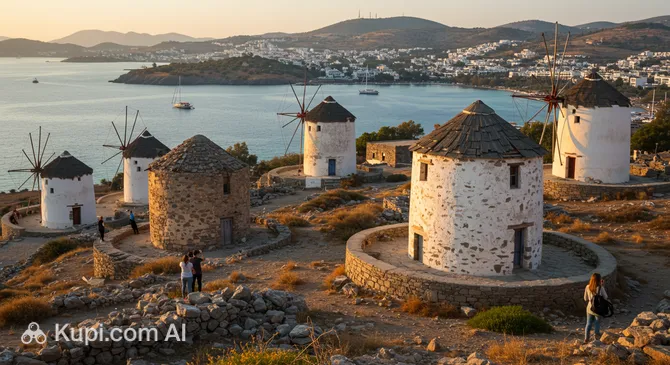
To capture the perfect sunset photo, head to the iconic Bodrum Windmills. Perched on a hill between Bodrum and the neighboring bay of Gümbet, these stone windmills date back to the 18th century and were used to grind flour for the local community. While many are in ruins, the site offers a peaceful escape with sweeping 360-degree views of the coastline, making it a favorite spot for evening walks and sightseeing.

Bodrum Windmills. Source: Kupi.Binoculars

Local Cuisine

Bodrum offers a gastronomic journey that perfectly mirrors its location, blending rich traditional Turkish flavors with the fresh, healthy essence of the Aegean Mediterranean. The local cuisine is heavily influenced by the use of high-quality olive oil, wild herbs, and an abundance of fresh seafood, creating a dining experience that is both light and flavorful.

One dish that stands out as a true local signature is Çökertme Kebabı. Unlike the standard kebabs found elsewhere in Turkey, this Bodrum specialty consists of marinated strips of veal or beef served over a bed of crispy, matchstick-thin fried potatoes, all smothered in garlic yogurt and a savory tomato sauce. Another delicacy to look out for is Kabak Çiçeği Dolması (stuffed zucchini flowers). These delicate yellow flowers are filled with a spiced rice mixture and cooked with olive oil, usually served cold as a refreshing appetizer, particularly in the early morning or as part of a meze platter.

The dining culture in Bodrum often revolves around long, leisurely dinners at meyhanes (traditional taverns) where tables are filled with small sharing plates known as meze. Grilled octopus, sea samphire (deniz börülcesi) dressed in garlic and lemon, and fava bean puree are staples of these feasts. For a main course, fresh fish like sea bass (levrek) or sea bream (çipura) is typically grilled to perfection over charcoal.

When it comes to beverages, the national anise-flavored spirit, Rakı, is the preferred accompaniment to seafood dinners, often diluted with water and ice. On the non-alcoholic side, Bodrum is famous for its aromatic Satsuma mandarins. You will find this local citrus fruit used in everything from freshly squeezed juices and artisan sodas to Turkish delight, offering a zesty way to cool down in the summer heat.

Sultan Bahçe Restaurant. Source: Kupi.Binoculars

Visitors have a wide array of dining environments to choose from, ranging from upscale marina restaurants to charming garden eateries hidden in the narrow streets. For a delightful meal in a lush, tranquil setting, you can visit the Sultan Bahçe Restaurant, known for its inviting atmosphere and traditional dishes. Alternatively, those seeking authentic local tastes in a cozy environment might enjoy Kuytu Bahce Bodrum, a favorite among those looking to experience genuine Turkish hospitality away from the crowds.

Travel Tips

Visiting Bodrum is a delight, but a few insider tips can transform a good trip into a flawless one. Here is some essential advice to help you navigate the city with the ease of a local, ensuring you focus on the stunning views rather than logistical hiccups.

  1. Clothing and Gear: Summers in Bodrum are hot and humid, so pack breathable fabrics like linen and cotton, along with a high-SPF sunscreen and a wide-brimmed hat. If you plan to visit autumn or winter, bring a light jacket or layers, as evenings can get chilly. While beachwear is standard at resorts, remember to dress modestly (covering shoulders and knees) when visiting religious sites like mosques. Also, the streets around the castle and marina are often cobblestoned, so bring comfortable walking shoes instead of high heels.

  2. Transportation: The most authentic and affordable way to get around is by using the dolmuş (shared minibus). These run frequently between the city center and neighboring bays like Gümbet or Bitez and are paid for in cash. Taxis are yellow and widely available; always ensure the meter is running. For exploring the immediate marina area and the old town, walking is your best option, as traffic can be heavy in peak season.

  3. Finances: The local currency is the Turkish Lira (TRY). While credit cards are widely accepted in hotels, restaurants, and larger shops, it is essential to carry cash for dolmuş rides, small kiosks, and local bazaars. ATMs are plentiful throughout the city. Tipping is customary; leaving about 5-10% in restaurants and rounding up taxi fares is appreciated.

  4. Health and Safety: Bodrum is generally a very safe destination for tourists. Pharmacies are known as Eczane and are marked with a red "E" sign; they are well-stocked, and pharmacists often speak English. Tap water is chlorinated but generally not recommended for drinking; stick to bottled water to avoid any stomach issues. In summer, stay hydrated and be mindful of the strong midday sun.

  5. Communication: English is widely spoken in Bodrum, especially in hospitality and tourism sectors, so you will have little trouble communicating. However, learning a few Turkish phrases like Merhaba (Hello) and Teşekkür ederim (Thank you) goes a long way in building rapport. Wi-Fi is available in almost all cafes and hotels, but for constant connectivity, you can easily purchase a tourist SIM card from major operators in the town center.

  6. Local Etiquette: Turkish hospitality is legendary. If you are invited into a local home, it is polite to remove your shoes at the entrance. Tea (çay) is a sign of friendship and hospitality; refusing it can sometimes be seen as rude, so try to accept at least one glass. In public, greetings are warm, often involving a handshake or a kiss on both cheeks between friends.

  7. What to Avoid: Avoid taking photos of local residents without asking for permission first, especially in rural areas or of older women. Additionally, never haggle in supermarkets or stores with fixed price tags; save your bargaining skills for the weekly bazaars and souvenir shops where it is part of the culture.

  8. Market Days: To experience local life, visit the weekly markets. The Tuesday Market is famous for textiles and clothing (perfect for souvenirs), while the Friday Market focuses on fresh produce and spices. It is a vibrant sensory experience and the best place to buy fresh figs, olives, and cheese.

Armed with these practical tips, you are ready to embrace the relaxed rhythm of Aegean life. Enjoy the warm hospitality, the vibrant streets, and the unforgettable sunsets that make Bodrum such a special place to explore.

Entertainment & Nightlife

Entertainment and Nightlife:

Bodrum is widely recognized as the nightlife capital of the Turkish Riviera, offering an electrifying energy that rivals famous European party destinations. As the sun sets, the city transforms from a laid-back coastal resort into a vibrant hub of music, dance, and entertainment. The nightlife here caters to diverse tastes, ranging from thumping open-air nightclubs to sophisticated jazz bars overlooking the marina.

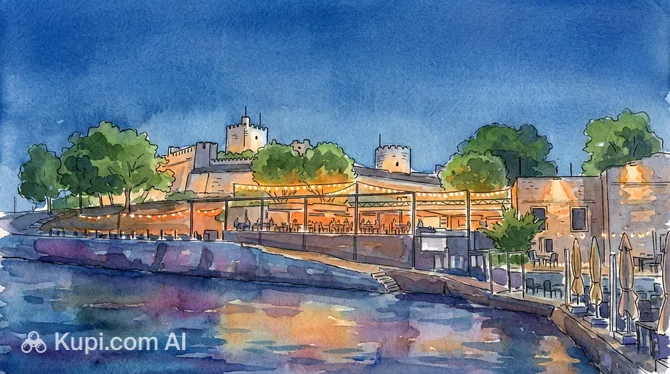
The epicenter of the action is undoubtedly Cumhuriyet Street, famously known as "Bar Street." This mile-long stretch runs parallel to the sea and is packed with venues playing everything from traditional Turkish pop to the latest international hits. For those seeking a high-quality experience with a view of the castle, Mandalin Bodrum is a legendary venue. Known for its live music performances and energetic atmosphere, it attracts a stylish crowd and is a perfect spot to enjoy a cocktail while soaking in the rhythm of the city.

Mandalin Bodrum. Source: Kupi.Binoculars

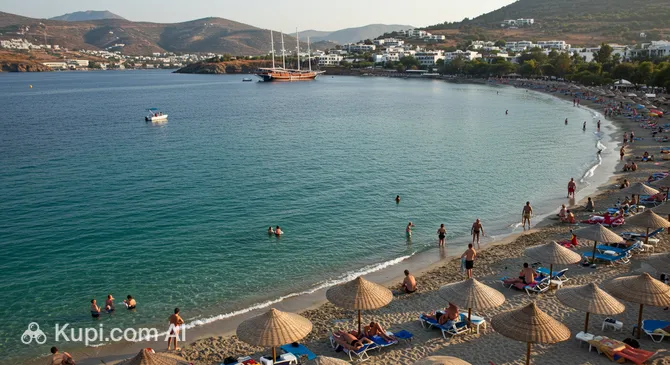
For travelers looking for a more intense party scene, the neighboring district of Gümbet is the place to be. Often referred to as the "party bay," it is popular among younger tourists and stays awake until sunrise. The area around Gümbet Beach is lined with bars and clubs that spill out onto the sand, offering foam parties and laser shows. It is bustling, loud, and incredibly fun for those who want to dance the night away by the sea.

Gümbet Beach. Source: Kupi.Binoculars

If you prefer a more refined evening, the Bodrum Marina area offers a stark contrast to the wild energy of Bar Street and Gümbet. Here, you will find upscale lounges and wine bars where the dress code is smart casual, and the vibe is one of understated luxury. It is the ideal location for a quiet drink after dinner, surrounded by superyachts and the elite of Turkish society.

Regarding practicalities, nightlife in Bodrum typically kicks off late. Bars start filling up around 11:00 PM, and clubs often do not reach their peak until 1:00 AM or later. Entry fees vary; while many bars have free entry, exclusive clubs may charge a cover fee, especially on nights with guest DJs. Taxis are the safest and most convenient way to get around at night. They are yellow, plentiful, and run 24/7. You can easily hail one from designated stands or ask a venue to call one for you. The city is generally very safe for night walks, particularly in the busy tourist zones, but it is always wise to stay in well-lit areas.

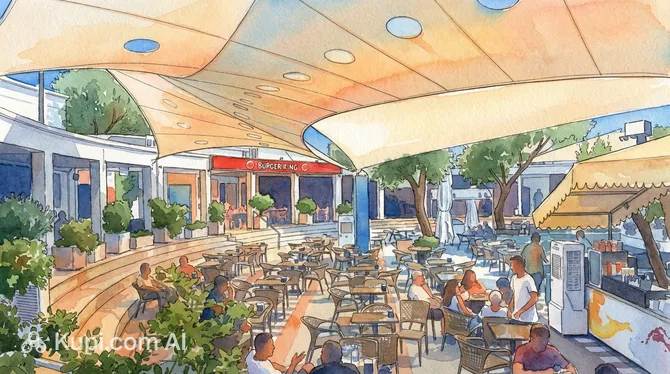
Beyond the nightlife, the city offers plenty of daytime and early evening entertainment options. For a change of pace from historical sightseeing, visitors can explore the Oasis Mall. This open-air shopping center features a mix of local and international brands, cinemas, and bowling alleys, making it a great destination for families or those looking to relax before the night begins.

Oasis Mall. Source: Kupi.Binoculars

Parks & Museums

While Bodrum is celebrated for its sun-drenched beaches and vibrant nightlife, the city also possesses a quieter, more cultural side defined by lush green spaces and fascinating museums. Beyond the bustling marina, visitors can discover serene pine forests, curated gardens, and institutions that preserve the region's rich maritime and artistic heritage.

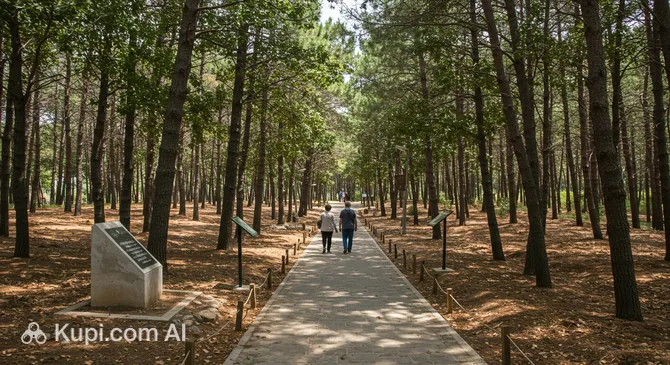
For those seeking a retreat into nature, the Yüksel Çağlar Memorial Forest is a perfect escape. Located on the hills overlooking the city, this expansive pine forest offers a refreshing break from the summer heat. It is a favorite spot for locals to enjoy picnics and leisurely walks, providing panoramic views that stretch across the peninsula and out to the Aegean Sea. The scent of pine and the sound of cicadas create a tranquil atmosphere, making it an ideal location for nature photography and relaxation.

Yüksel Çağlar Memorial Forest. Source: Kupi.Binoculars

Another significant natural feature of the region is the abundance of mandarin orchards and olive groves found in the hinterlands. While not always formal parks, these green pockets are integral to Bodrum's landscape. In spring, the scent of citrus blossoms fills the air, and walking through the quieter backroads of villages like Bitez offers a glimpse into the area's agricultural roots, providing a stark contrast to the developed coast.

The city's museums offer a deep dive into its unique identity. The Bodrum Maritime Museum is a must-visit for anyone interested in the sea. This well-curated venue celebrates the town's boat-building traditions, showcasing intricate models of the famous wooden gulets that define the "Blue Voyage." Additionally, it houses an extraordinary collection of thousands of sea shells from around the world and personal items belonging to Cevat Şakir Kabaağaçlı, the Fisherman of Halicarnassus, who is the spiritual father of modern Bodrum.

Bodrum Maritime Museum. Source: Kupi.Binoculars

Art and music lovers should not miss the Zeki Muren Arts Museum. Located in the former home of Zeki Müren, one of Turkey's most beloved singers and cultural icons, the museum preserves his living space exactly as it was during his life. Visitors can admire his flamboyant stage costumes, personal photographs, and awards. It offers an intimate look at the life of the artist who played a pivotal role in popularizing Bodrum as a holiday destination.

Zeki Muren Arts Museum. Source: Kupi.Binoculars

In terms of historical landmarks, the Myndos Gate stands as a testament to the city's ancient strategic importance. This was the scene of one of the fiercest battles during Alexander the Great's siege of Halicarnassus in the 4th century BC. Although partially in ruins, the remaining towers and walls are impressive, allowing visitors to walk in the footsteps of history. Nearby, the Ottoman Shipyard, located just northwest of the marina, features an ancient watchtower and offers a glimpse into the naval history of the Ottoman era.

For a truly authentic experience, consider hiking to the ancient ruins of Pedasa. Located in the hills above the town, this Lelegian city offers a unique blend of history and trekking. The trail takes you through untouched nature, past ancient stone tombs and walls, rewarding adventurous travelers with silence and stunning vistas away from the tourist crowds.

Getting Around

Navigating Bodrum is relatively straightforward, with a transport network designed to connect the city center with the numerous bays, beaches, and villages scattered across the peninsula. The system relies heavily on road transport, making it easy for visitors to explore the region without needing a private vehicle.

The most popular and authentic way to travel is by using the dolmuş. These shared minibuses are the backbone of local transportation, running frequent routes between the central bus station (Otogar) and popular destinations like Gümbet, Bitez, Yalıkavak, and Turgutreis. They are typically white and easy to identify, with their destination clearly displayed in the front window. In the summer, they run frequently, often until late at night, catering to the influx of tourists.

For longer distances or travel to the airport, the municipal buses known as MUTTAŞ are the standard option. These are modern, air-conditioned, and comfortable. They operate on fixed schedules and are particularly useful for getting to and from Milas-Bodrum Airport or reaching further towns within the Muğla province.

The payment system varies slightly depending on the vehicle. For municipal buses (MUTTAŞ), you typically need a Kent Kart (Muğla Kart), which is a rechargeable travel card available at kiosks and the main bus station. Recently, many of these buses have also started accepting contactless credit cards, making it much more convenient for short-term visitors. On the smaller, privately-run dolmuş lines, cash (Turkish Lira) is often still the preferred method of payment. It is advisable to carry small change for these rides.

Yellow taxis are widely available 24 hours a day and offer a comfortable alternative, especially if you are traveling with luggage or late at night. They operate on a meter system, and you can find them at designated stands throughout the city or hail them from the street. In many areas, you will also spot yellow call buttons on lamp posts or trees; pressing one will summon a taxi to your location within minutes.

For those who prefer to travel by sea, ferry services are a scenic highlight. Regular hydrofoils and ferries connect the city center to the Datça Peninsula, offering a faster and more beautiful route than driving around the gulf. Additionally, during the tourist season, there are frequent boat connections to nearby Greek islands such as Kos and Rhodes, serving as both transport and a popular day-trip option.

Renting a car or a scooter is another popular choice for tourists who want the freedom to explore hidden coves and ancient ruins at their own pace. Rental agencies are plentiful in the city center and near the marina. However, keep in mind that parking can be challenging in the narrow streets of the old town during peak season. Within the immediate marina and bazaar areas, walking remains the best way to soak up the atmosphere.
Accommodation

Where to Stay:

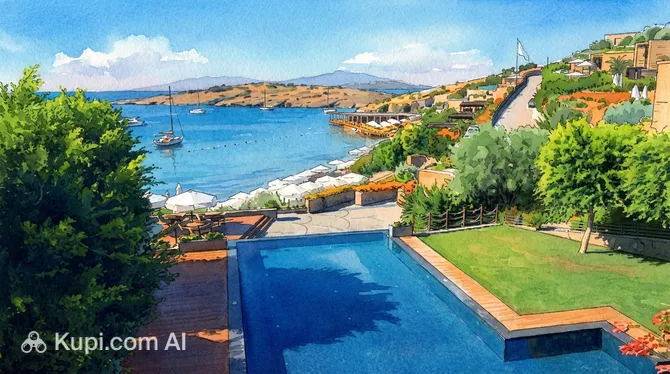
Bodrum offers a diverse array of accommodation options suited to every preference and budget, ranging from charming boutique guesthouses in the city center to ultra-luxurious all-inclusive resorts along the coastline. Whether you are a backpacker looking for a modest hostel or a traveler seeking the exclusivity of a private villa, the peninsula caters to all styles of travel.

The choice of location largely depends on the type of holiday you desire. The city center is perfect for those who want to be within walking distance of the castle, the marina, and the vibrant nightlife. Staying here keeps you close to historical sites and the main bus station. Conversely, neighboring bays like Gümbet are popular for their beach clubs and energetic party scene, while areas like Bitez and Torba offer a more tranquil, family-friendly atmosphere. For high-end luxury and exclusivity, the northern town of Yalıkavak is the preferred destination for the jet-set crowd.

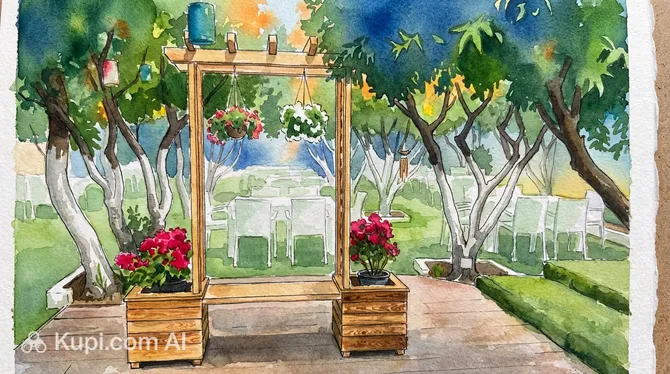
Visitors seeking comprehensive amenities and direct beach access often opt for the large resorts scattered around the peninsula's bays. For example, Mirada Exclusive Bodrum provides a blend of comfort and style, making it a popular choice for those looking to relax by the Aegean Sea. Similarly, the Hotel & Beach Resort Bodrum offers extensive facilities designed to cater to families and couples alike, ensuring a hassle-free vacation experience.

Hotel & Beach Resort Bodrum. Source: Kupi.Binoculars

Price ranges in Bodrum vary significantly by season and location. During the peak summer months of July and August, rates are at their highest, and the most desirable properties can sell out months ahead. Budget travelers can find affordable pensions (pansiyons) and apartment rentals, particularly slightly inland from the waterfront. Mid-range hotels typically offer pools and breakfast, while luxury establishments command premium prices for private beaches and spa services.

Booking Tip: Because Bodrum is a premier summer destination for both domestic and international tourists, it is highly recommended to book your accommodation well in advance, especially if you plan to visit between June and September. Most properties are listed on major online booking platforms, but contacting smaller guesthouses directly can sometimes yield better rates or specific room requests.

Nearby Cities

For those looking to explore the surroundings, Bodrum serves as an excellent base for day trips to several interesting nearby locations. To the southeast lies Marmaris, a vibrant resort town famous for its pine-covered mountains meeting the sea and its bustling marina. Northwards, travelers can visit Kusadasi, which is best known as the gateway to the ancient city of Ephesus, one of the most significant archaeological sites in the Mediterranean. For a taste of traditional architecture, the provincial capital of Mugla offers well-preserved Ottoman houses and a more relaxed, authentic atmosphere compared to the coastal resorts.

City Population Distance (km)
Aydin 191,037 96
Söke 120,217 80
Kusadasi 113,580 93
Marmaris 94,247 77
Mugla 56,619 85

These nearby destinations offer a glimpse into the diverse culture and landscapes of the region.

Shopping & Souvenirs

Shopping in Bodrum is a delightful experience that perfectly mirrors the city's character, blending traditional Turkish charm with modern luxury. Visitors can find everything from authentic local handicrafts and bustling open-air bazaars to upscale boutiques and contemporary shopping centers. The city is particularly renowned for its high-quality leather goods, handmade sandals, and vibrant textiles, making it a paradise for those looking to take a piece of the Aegean culture home with them.

The heart of the shopping scene lies in the narrow, winding streets behind Bodrum Castle, often referred to as the Old Town Bazaar. This pedestrian-friendly area is lined with small shops selling colorful souvenirs, jewelry, and clothing. Walking through these shaded alleys is an atmospheric experience, where the scent of spices mixes with the sea breeze. For a more exclusive experience, the area around the Milta Bodrum Marina hosts a selection of designer brands and high-end fashion boutiques, catering to the yachting crowd and luxury travelers.

For those who prefer a modern retail environment, the city offers several excellent shopping malls. Avenue Bodrum is a popular destination that combines shopping with entertainment, featuring a wide range of international and Turkish brands in an open-air setting. Another well-known spot is the Oasis Mall, which serves as a cultural and lifestyle center with unique architecture that incorporates local design elements, offering a relaxed atmosphere for browsing and dining.

Avenue Bodrum. Source: Kupi.Binoculars

A trip to Bodrum would not be complete without visiting its famous weekly markets, which are a central part of local life. The Tuesday Market is the main event for tourists, focusing on textiles, clothing, and fabrics where you can find "fake genuine" designer gear and authentic cotton goods. On the other hand, the Friday Market is dedicated to fresh produce, offering a sensory explosion of fruits, vegetables, cheeses, and olives, providing a perfect opportunity to taste the region's agricultural bounty.

When looking for souvenirs, the most iconic item to buy is a pair of handmade Bodrum sandals. These leather sandals are crafted locally and have been a trademark of the city for decades. Other popular keepsakes include natural sea sponges—a nod to the city's history of sponge diving—as well as the ubiquitous nazar boncuğu (evil eye beads) to ward off bad luck. You can also find beautiful Turkish towels (peshtemals) and boxes of rose-flavored Turkish delight.

Shops in the tourist areas typically have very flexible opening hours, especially during the summer season when many stay open well past midnight to accommodate the evening crowds. In contrast, official shopping malls usually operate from 10:00 AM to 10:00 PM. Credit cards are widely accepted in almost all shops and restaurants, but it is essential to carry Turkish Lira in cash if you plan to shop at the weekly markets or bargain in smaller souvenir stalls.

Tourists visiting from outside the country should also be aware of the Tax-Free shopping opportunities. Many larger stores and authorized retailers display the "Global Blue" or "Tax Free" signage. If you spend above a certain amount, you can ask for a tax refund form, which can be processed at the customs office at Milas-Bodrum Airport upon your departure.

Reached the end of the page?

That means the route is fully explored