Support

Milos

About

Milos is a mesmerizing island that stands out in the Cyclades for its dramatic coastal landscapes and vibrant colors. Known as the "Island of Colors" due to its volcanic origins, it offers a serene yet breathtaking atmosphere that captivates every traveler. Located in the South Aegean region of Greece, this horseshoe-shaped island is home to a welcoming community of approximately 5,000 residents, making it a lively yet intimate destination year-round.

The island's geological past has shaped not only its stunning scenery but also its cultural heritage. While it is globally famous as the place where the celebrated statue of Aphrodite (the Venus de Milo) was discovered, the history of Milos extends far beyond this single event, encompassing ancient mining traditions and early Christian catacombs. The climate here is typically Mediterranean, featuring hot, sunny summers and mild winters, perfect for exploring the diverse terrain.

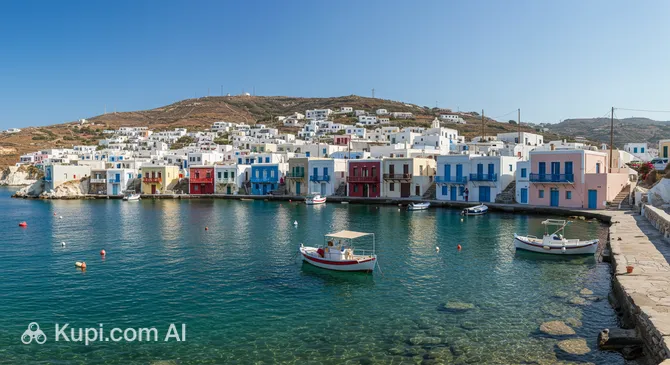
Milos. Source: Kupi.Binoculars

Visitors are drawn to Milos primarily for its phenomenal beaches and unique geological formations. The lunar-like landscape of Sarakiniko, with its smooth white volcanic rocks contrasting against the deep blue sea, is an unmissable sight. Another highlight is Kleftiko, a majestic cluster of sea rocks and caves that was once a pirate hideout and is now accessible only by boat. Additionally, the charming fishing villages like Klima, famous for their colorful traditional boat garages known as "syrmata," offer a picturesque glimpse into local life.

Whether you are seeking relaxation on exotic beaches, a dive into ancient history, or simply the joy of Greek island life, Milos promises an unforgettable experience. We invite you to discover the hidden gems of this volcanic paradise and create your own timeless memories.

Weather Overview

Milos enjoys a classic Mediterranean climate, characterized by long, sun-drenched summers and mild, damper winters. Generally, visitors can expect warm summers with clear skies and cooler winters with occasional rain. To help plan your activities and packing list, it is helpful to review the specific trends for the weather in Milos before your trip.

The summer season, particularly July and August, is the warmest time of year, with average temperatures reaching 26.0°C and highs peaking around 27.1°C. These months are exceptionally dry, with July recording 0 wet days, making it the perfect period for beach lovers to enjoy the island's famous coastline without interruption.

In contrast, the winter months from December through February are cooler, with average temperatures dipping to around 13.0°C in January. This period is also the wettest, with January and December seeing approximately 13 wet days each. The shoulder seasons of spring and autumn offer a comfortable balance; for instance, May sees averages rise to 19.2°C, while October retains a pleasant warmth at 20.8°C.

Interesting Facts

Beyond the iconic lunar landscapes and the fame of the Venus de Milo, Milos holds many fascinating secrets rooted in its volcanic soil and ancient history. This island is not just a summer resort but a geological open-air museum with stories that go back millennia.

  • Prehistoric Obsidian Source: Long before it became a travel destination, Milos was the "obsidian capital" of the ancient world. For thousands of years, the island supplied the entire Mediterranean with this hard, black volcanic glass, which was used to craft razor-sharp tools and weapons during the Neolithic age.

  • Cooking in the Sand: The island's volcanic activity is still evident today, particularly at beaches like Paliochori. The geothermal energy here heats the sand to such high temperatures that you can actually cook food by burying it; some locals and restaurants even prepare special "volcanic dishes" using this natural heat source.

  • The Catacombs: Milos is home to a massive network of catacombs dating back to the 1st century AD. Carved into the soft volcanic rock, these underground tunnels served as a cemetery and place of worship for early Christians and are considered the most important of their kind in Greece, second in historical significance only to the catacombs of Rome.

  • A Mining Powerhouse: While tourism is growing, mining remains a key part of the local identity. Milos is the largest production center for bentonite and perlite in the European Union, and its rich mineral history is so integral to the island that there is a dedicated museum showcasing its geological treasures.

How to Get There

Reaching this captivating Cycladic island is part of the adventure, with options ranging from direct flights to scenic ferry rides from neighboring islands. For a complete overview of travel options and detailed routes, you can read more about how to get to Milos before booking your trip.

The most direct way to arrive is via Milos Airport (MLO), which is conveniently located just 7.4 km from the main town. While it is a smaller regional hub with an annual passenger traffic of approximately 77,000, it provides a vital link, primarily connecting the island with Athens. The journey from the airport to the city center is short, taking about 30 minutes by taxi or transfer.

For international travelers who cannot fly directly to Milos, a common alternative is to land at a larger nearby airport and complete the journey by sea. Santorini International Airport (JTR) in the city of Fira is a significant hub located about 102.5 km away. Similarly, Chania International Airport (CHQ) in Chania, situated roughly 130.5 km from Milos, serves millions of passengers annually and offers numerous international connections.

For clarity, here is a summary of the main airports:

Airport Name City Passenger Traffic Km from City
Chania International Airport Chania High 130.5
Santorini International Airport Fira High 102.5
Paros Airport Paros Medium 73.9
Naxos Airport Naxos Low 96.9
Milos Airport Milos Low 7.4

Since Milos is an island, there are no railway services available. Most visitors arriving from locations without direct flights, or from other islands in the Cyclades, utilize the extensive ferry network. Ferries dock at the main port of Adamas, connecting Milos with Piraeus (Athens) and many other Aegean destinations.

Main Attractions

Milos is a treasure trove of geological wonders and historical sites, offering visitors a unique blend of natural beauty and cultural heritage. The island's volcanic past has sculpted a coastline of extraordinary colors and shapes, creating landmarks that are unlike anything else in the Cyclades. From lunar landscapes to ancient ruins, here are some of the most captivating places to explore.

Undoubtedly the most famous spot on the island is Sarakiniko Beach. Often compared to a moonscape, this area is defined by its bone-white volcanic rocks that have been smoothed by the wind and waves into surreal shapes. It is not a typical sandy beach but a stunning geological formation where visitors can sunbathe on the rocks or jump into the turquoise waters. The contrast between the brilliant white stone and the deep blue Aegean Sea makes it a photographer's paradise and a must-visit location for anyone traveling to Milos.

Another iconic attraction is Kleftiko, located on the southwest tip of the island. Accessible only by boat, this cluster of impressive white rock formations and sea caves rising from the crystalline water was once a notorious hideout for pirates. Today, it is a top destination for sailing tours, offering incredible opportunities for swimming and snorkeling through the arches and caves. The water here is exceptionally clear, often shimmering with shades of electric blue.

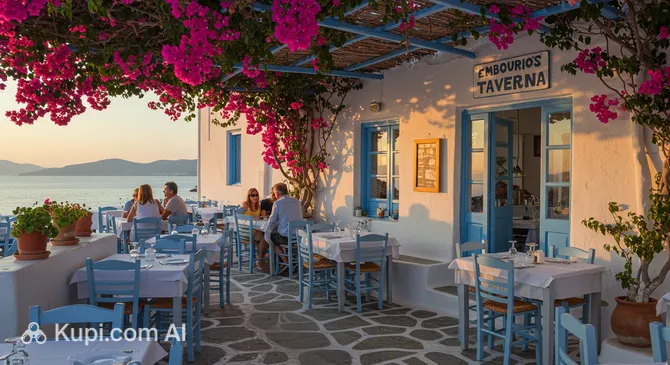
Embourios Taverna. Source: Kupi.Binoculars

For those looking to experience the local culinary culture in a scenic setting, Embourios Taverna is a delightful stop. Situated in the quiet fishing village of Embourios, this establishment offers a chance to savor authentic Greek dishes right by the water's edge. It is an excellent place to relax after a day of exploring, allowing visitors to enjoy fresh, locally sourced food while taking in the peaceful atmosphere of the bay.

History enthusiasts should not miss the Ancient Theatre of Milos. Located on a hillside near the village of Tripiti, this well-preserved marble theatre dates back to the Hellenistic period and was later remodeled by the Romans. It offers sweeping views over the bay of Milos and the fishing village of Klima below. With excellent acoustics and a grand location, it stands as a testament to the island's rich cultural past and is still used occasionally for cultural performances.

Local Cuisine

The culinary scene in Milos is a delightful exploration of Cycladic flavors, heavily influenced by the island's unique geology. The mineral-rich volcanic soil allows local farmers to grow produce with exceptional taste, particularly tomatoes, melons, and wild herbs. This abundance of fresh ingredients forms the foundation of a cuisine that is simple, healthy, and incredibly delicious.

A staple of the local diet is pitarakia, savory cheese pies that are synonymous with Milos. These small, fried pastries are typically filled with local hard cheese, onions, and spearmint, creating a savory snack that is crispy on the outside and meltingly soft on the inside. Another culinary trademark is karpouzopita, or watermelon pie. This traditional dessert combines the sweetness of watermelon with honey, flour, and sesame seeds, resulting in a sticky, aromatic treat that captures the essence of the Greek summer.

Visitors should also look out for the island's signature tomato paste, known as belte. Made from sun-dried tomatoes, it has an intense, concentrated flavor and is often served as a spread with olive oil on crusty bread. To accompany these dishes, the island produces excellent cheeses, such as the spicy Xynomyzithra and Manoura, a hard cheese often ripened in wine lees, which gives it a distinct, piquant taste.

Dining on the island is as much about the atmosphere as it is about the food. Many tavernas are situated directly by the sea, offering stunning views and a relaxed vibe. Places like Embourios Taverna are popular for their authentic approach, serving these local delicacies in a setting that perfectly embodies the charm of the Aegean.

Travel Tips

Planning a trip to the "Island of Colors" requires a bit of preparation to fully enjoy its rugged beauty and laid-back charm. Here is a collection of practical tips to help you navigate Milos with ease and make the most of your adventure in Greece.

  1. Clothing and Gear: During the peak summer months, light and breathable clothing is essential, but always pack a windbreaker or light sweater for breezy evenings. Since the island is famous for its unique geological formations, bring sturdy, non-slip walking shoes to safely explore rocky areas like Sarakiniko. If you plan to visit churches or monasteries, remember to dress modestly by covering your shoulders and knees.
  2. Transportation: While a local bus system (KTEL) connects the main hubs of Adamas, Plaka, and Pollonia, the schedules can be infrequent. To truly discover the island's secluded beaches and hidden coves, renting a car, ATV, or scooter is highly recommended. Be aware that some roads leading to remote spots are unpaved, so choose a vehicle that can handle the terrain.
  3. Finances: The official currency is the Euro (€). While credit and debit cards are widely accepted in most hotels and restaurants, it is advisable to carry cash for small purchases at kiosks, bakeries, or for bus fares. ATMs are readily available in the main port of Adamas and the village of Pollonia. Tipping is customary but not mandatory; leaving around 10% for good service is appreciated.
  4. Health and Safety: Milos is generally a very safe destination for travelers. A public health center is located in Plaka to handle medical needs, and pharmacies can be found in the main towns. The tap water is usually desalinated and safe for hygiene, but it is better to drink bottled water. Always stay hydrated and protect yourself from the strong Mediterranean sun.
  5. Communication: Greek is the official language, but English is widely spoken throughout the tourism sector. Locals appreciate it when visitors try a few Greek words; saying "Kalimera" (Good morning) or "Efcharisto" (Thank you) is a great icebreaker. Wi-Fi is standard in most cafes and accommodations, and prepaid SIM cards can be purchased at the port in Adamas.
  6. Local Etiquette: The lifestyle on the island is relaxed, often described by the phrase "siga-siga" (slowly, slowly). Be patient with service and embrace the slower pace. When greeting people, a friendly handshake or smile works well. It is also polite to respect the mid-afternoon quiet hours (siesta), especially in residential village areas.
  7. What to Avoid: Do not underestimate the Meltemi, a strong northern wind common in the Cyclades during summer. If the wind is strong, avoid swimming on the northern beaches and head to the protected southern coast instead. Additionally, avoid climbing on fragile rock formations where restricted, as this preserves the island's unique geology.
  8. Sunset Tip: Watching the sunset from the Kastro in Plaka is a highlight for many visitors. It offers a view comparable to more famous islands but with a more authentic vibe. To secure a good viewing spot or a table at a nearby cafe, try to arrive at least an hour before sundown, particularly in July and August.

Armed with these practical insights, you are ready to explore the volcanic wonders and crystal-clear waters of this unique Cycladic gem. We hope your journey to Milos is filled with seamless travel, warm encounters, and unforgettable discoveries.

Entertainment & Nightlife

While Milos is not famous for the wild, all-night party scene found on islands like Mykonos or Ios, it offers a sophisticated and enchanting nightlife that perfectly complements its romantic atmosphere. The evening entertainment here is centered around laid-back lounge bars, atmospheric cocktail venues with stunning views, and seaside dining that extends late into the night. It is the ideal destination for travelers who appreciate enjoying a drink under the stars rather than dancing until dawn in crowded clubs.

The heart of the island's nightlife beats in Adamas, the main port town. Here, along the waterfront and up the hill towards the church, you will find a concentration of bars playing music ranging from jazz and lounge to mainstream summer hits. Another key area is the hilltop capital, Plaka. It is the ultimate spot for sunset cocktails, where narrow cobblestone streets come alive with people enjoying the cooler evening air. For a more upscale and quiet dining experience that turns into late-night conversation, the village of Pollonia offers chic seaside terraces.

For those looking to start their evening with an authentic culinary experience, Embourios Taverna is a wonderful choice. Located in a tranquil spot by the water, it provides a peaceful setting to enjoy local wine and fresh seafood before heading to livelier bars. In Plaka, venues like Utopia Caffe are legendary for their sunset views, often requiring early arrival to secure a table. Meanwhile, in Adamas, Akri Bar is a favorite for its elevated terrace overlooking the port, offering excellent cocktails and a friendly vibe that keeps guests well past midnight.

The atmosphere in Milos is generally casual yet stylish. There is no strict dress code; "smart casual" or "island chic" is the norm, with linens and light fabrics being popular choices. Bars typically stay open until 2:00 or 3:00 AM during the high season (July and August), while restaurants may serve food until midnight. Prices are reasonable compared to the more glamorous Cycladic neighbors, with cocktails averaging between 10 to 15 euros.

When it comes to safety, Milos is incredibly secure, and walking around at night in the main towns of Adamas, Plaka, and Pollonia is worry-free. However, street lighting can be sparse on the roads connecting these villages, so walking between towns is not recommended. Taxis can be scarce late at night, especially in peak summer, so it is highly advisable to pre-arrange your transport or have a rental vehicle if you plan to stay out late in a different village.

Beyond the nightlife, Milos offers culturally rich daytime entertainment. While you won't find large amusement parks, the island boasts fascinating cultural sites like the Mining Museum in Adamas, which offers deep insights into the island's geological history, and the Archaeological Museum in Plaka. For a different kind of thrill, boat tours around the coast serve as the island's main "theme park," offering adventures into sea caves and hidden bays.

Parks & Museums

While Milos is predominantly known for its spectacular coastline, the island also offers enriching cultural experiences and unique natural reserves that go beyond the typical beach day. The destination serves as a geological open-air museum, where visitors can explore significant ecological wetlands and institutions that safeguard the island's long and fascinating heritage.

For nature enthusiasts, the Achivadolimni Wetland is a standout natural area. Located near the center of the island, this is the largest natural wetland in the Cyclades and a protected site under the Natura 2000 network. It serves as a vital resting point for migratory birds and is home to a variety of flora and fauna, offering a peaceful contrast to the arid volcanic landscape. Another natural wonder is the island's geothermal activity, which creates natural thermal springs. Spots like the springs in Adamas (Lakkos) or near Kanava allow visitors to experience the therapeutic properties of the warm, mineral-rich waters in a raw, natural setting.

To truly understand the soul of the island, a visit to the Milos Mining Museum in Adamas is essential. This modern facility offers a compelling look into the island's 11,000-year-old mining history, displaying a vast collection of minerals and fossils. It explains how obsidian and later bentonite shaped the local economy and culture. In the capital of Plaka, the Archaeological Museum of Milos is a cultural highlight. Housed in a neoclassical building, it features an impressive collection of prehistoric finds, sculptures, and a replica of the world-famous Venus de Milo, reminding visitors of the island's significant contribution to ancient art.

History comes alive at the Catacombs of Milos, located near the village of Tripiti. These underground galleries, carved into the soft volcanic rock, served as a cemetery and place of worship for early Christians. They are among the most significant preserved catacombs in the world, renowned for their architectural complexity and historical weight. High above in Plaka, the Venetian Castle (Kastro) offers a different kind of historical experience. Built in the 13th century, the ruins of this fortress provide a panoramic vantage point, where history meets breathtaking views of the Aegean.

For a deeper dive into local traditions, seek out the Folk and History Museum in Plaka. Hidden in a 19th-century house, this small gem recreates a traditional household with authentic furniture, clothing, and tools, offering an intimate glimpse into the daily life of Melians in centuries past. As an insider tip, check if the Mining Museum is organizing one of their "geological walks," which are guided tours that take you directly to the mine sites for a hands-on learning experience.

Getting Around

Given the relatively small size and rugged terrain of Milos, the public transport system is simple and relies entirely on a road network. There are no metros, trams, or trains on the island. The primary mode of public transportation is the local KTEL bus service, which connects the main port of Adamas with key villages such as Plaka, Tripiti, and Pollonia. During the summer tourist season, the network expands significantly to include routes to popular beaches like Sarakiniko, Paliochori, and Provatas, making it a viable option for visitors who prefer not to drive.

The payment system is traditional and straightforward, with no complex travel zones or digital smart cards. Tickets are generally purchased with cash. You can buy them at the central bus terminal in Adamas or frequently on board directly from the driver or a conductor. Ticket prices are very affordable, typically ranging between €1.80 and €2.50 per one-way trip, depending on the destination. It is highly recommended to carry coins or small notes, as card payments are rarely accepted on the bus itself.

For tourists relying on these buses, the central hub is located in Adamas, just a few meters from the ferry port. This is where all routes start and end. Schedules are highly seasonal; in July and August, buses run frequently from early morning until late at night, but in the low season, service can be very sparse. Timetables are posted at the central terminal and major stops, and it is wise to take a photo of the schedule upon arrival, as online information is not always updated in real-time. Remember to signal the driver if you are waiting at a smaller roadside stop, as they may not stop automatically.

Due to the limitations of the bus network, especially for reaching secluded areas, alternatives are very popular. Car, ATV, and scooter rentals are the preferred choice for many travelers, offering the freedom to explore the island's unique geological sites at any time. Taxis are also available, usually found at the taxi rank in the port of Adamas, but the fleet is quite small for the number of visitors. Consequently, finding a taxi during peak hours can be a challenge, and booking in advance is often necessary. For some inaccessible coastal spots, "sea taxis" or small excursion boats serve as a unique form of transport, ferrying passengers to places like Kleftiko that cannot be reached by road.

Accommodation

Finding the perfect place to stay in Milos is an integral part of the experience, as the island offers accommodation styles that are as unique as its geology. The options range from traditional family-run studios and budget-friendly rooms to high-end boutique hotels and luxury suites with private pools. A distinct feature of Milos is the opportunity to stay in converted syrmata—traditional fishermen's boat garages located right at the water's edge. These colorful, two-story structures found in villages like Klima and Mandrakia have been transformed into charming vacation rentals, offering a truly authentic way to live by the sea.

When choosing a location, most visitors gravitate towards three main areas, each offering a different atmosphere. Adamas, the main port town, is the most convenient base for those relying on public transport or wanting easy access to boat tours, shops, and nightlife. It serves as the island's central hub with the widest variety of amenities. For a more upscale and relaxed seaside vibe, Pollonia on the northeast coast is a favorite among couples and families. It features a lovely sandy beach, excellent seafood restaurants, and a range of chic hotels. Meanwhile, the capital, Plaka, perched high on a hill, is ideal for travelers seeking romantic sunset views, traditional Cycladic architecture, and a quieter, car-free environment.

Accommodation prices in Milos can vary significantly depending on the season and the type of lodging. During the shoulder months of May, June, and September, it is possible to find excellent value for money. However, in the peak summer season of July and August, prices rise considerably, often matching those of more famous Cycladic islands. Travelers can choose from a wide spectrum of costs, with basic apartments catering to budget-conscious visitors and exclusive villas serving the luxury market. Reservations are typically made through major online booking platforms, though many smaller, family-owned establishments also accept direct bookings via their websites.

Important Booking Tip: Milos has surged in popularity in recent years, but its accommodation capacity is still relatively limited compared to larger islands like Crete or Rhodes. The best properties, especially the unique boat houses and sea-view suites, often sell out months in advance. To secure your preferred location and avoid high last-minute prices, it is highly recommended to book your stay at least 4 to 6 months prior to your trip, particularly if you plan to visit in August.

Nearby Cities

For those planning to continue their journey through the Aegean and beyond, Milos serves as a convenient starting point for reaching several interesting destinations in the wider region. While these locations are typically too distant for a day trip, they are ideal for the next leg of a Greek adventure.

One of the most captivating destinations is Chania. Located on the island of Crete, this city is renowned for its stunning Venetian harbor, narrow shopping streets, and rich history that blends Ottoman and Venetian influences. Visitors can explore the charming Old Town, visit the maritime museum, or simply enjoy a meal by the waterfront, soaking in the vibrant atmosphere.

Another notable location is Glyfada, often referred to as the "Hamptons of Greece." Situated along the Athens Riviera, it offers a more cosmopolitan vibe with its upscale shopping districts, trendy cafes, and organized beaches. It serves as a perfect contrast to the quiet island life, providing a taste of modern luxury within reach of the Cyclades.

Pyrgos is also a significant town in the region, offering a glimpse into the authentic lifestyle of the area. Whether you are interested in historical architecture or local markets, these neighboring towns provide diverse experiences that complement a stay in Milos.

City Population Distance (km)
Glyfada 87305 143
Chania 53910 135
Argyroupoli 34097 146
Voula 28364 139
Pyrgos 24359 100

These nearby destinations offer a glimpse into the diverse culture and landscapes of the region, from the bustling Riviera to the historic shores of Crete.

Shopping & Souvenirs

Shopping in Milos

Shopping in Milos is a delightful experience that mirrors the island's relaxed and authentic character. Unlike cosmopolitan destinations filled with international chain stores, the retail scene here is dominated by small, family-owned businesses, stylish boutiques, and art shops. Visitors will find a focus on quality craftsmanship, locally inspired designs, and traditional Greek products, making it the perfect place to hunt for unique treasures rather than mass-produced items.

The main commercial hub of the island is Adamas, the port town. Here, the streets near the waterfront are lined with a variety of souvenir shops, clothing boutiques, and stores selling beach essentials. It is the most practical place to find everything from summer fashion and handmade jewelry to local maps and guidebooks. As you stroll through the town, you will encounter numerous shops displaying colorful ceramics and Greek sandals, catering to both practical needs and gift-hunting.

For a more artistic and upscale shopping atmosphere, travelers should head to the capital, Plaka. The narrow, car-free cobblestone alleys are home to charming little stores hidden inside traditional Cycladic houses. This area is particularly known for its jewelry workshops, art galleries, and concept stores that sell high-quality handmade crafts. The experience of shopping in Plaka is often combined with an evening walk, as many boutiques stay open late, allowing visitors to browse under the warm glow of the streetlights.

Travelers should not expect to find large shopping malls or sprawling department stores on the island. Milos retains a village-like feel, and its retail infrastructure is designed to serve the local community and summer visitors on a smaller scale. The shopping experience is intimate and personal, often involving a friendly chat with the shop owner.

While there are no massive open-air flea markets, the island offers excellent opportunities to buy local food products directly from small grocers and traditional delis. These "mini-markets" are the best places to discover the authentic flavors of Milos. Visitors can find jars of local thyme honey, capers, and the island's famous belte (sun-dried tomato paste), which make for delicious and practical gifts.

When looking for souvenirs, the island's geological history offers a unique option: obsidian and mineral samples. Because of its volcanic past, shops often sell jewelry or decorative items made from local minerals. Ceramics are another popular choice, reflecting the clay traditions of the Cyclades. Additionally, traditional food items like koufeto (a sweet preserve made from pumpkin, honey, and almonds) are distinct to Milos and serve as a sweet reminder of your trip.

Store opening hours in Milos are generally seasonal. During the peak tourist months of July and August, shops in main areas like Adamas and Plaka operate from morning until late at night, often closing around midnight to accommodate the evening crowds. However, smaller shops or those in less touristy villages may follow the traditional Greek schedule, closing for a siesta in the afternoon (roughly from 14:00 to 17:30) before reopening in the evening. Major credit and debit cards are widely accepted in most boutiques and souvenir shops, though carrying some cash is advisable for small purchases at kiosks or family-run bakeries.

For visitors residing outside the European Union, tax-free shopping is available at eligible stores that participate in the VAT refund scheme. Look for the "Tax Free" signage in shop windows, and be sure to ask for the necessary forms at the checkout if your purchase meets the minimum value requirement set by Greek law.
Reached the end of the page?

That means the route is fully explored