Support

Kalamata

About

Kalamata is a vibrant coastal city that serves as the capital of the Messenia regional unit in the Peloponnese. Famous worldwide for its succulent black olives and high-quality olive oil, the city offers much more than just agricultural treasures. It is a lively destination where modern urban life blends seamlessly with traditional charm, all set against the backdrop of the majestic Mount Taygetos and the sparkling blue waters of the Messenian Gulf.
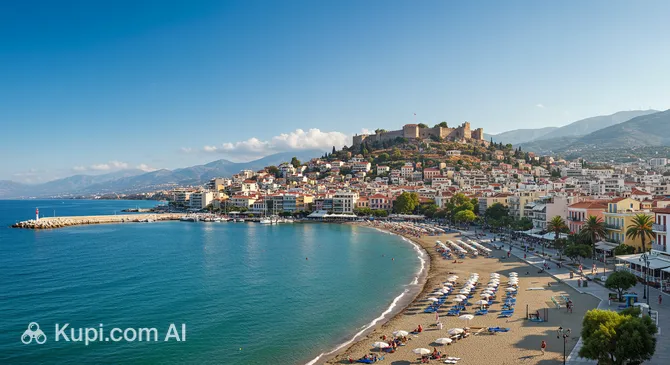
Kalamata. Source: Kupi.Binoculars

Located in southern Greece, the city is home to approximately 53,000 residents, making it one of the most significant commercial and cultural centers in the region. Its geographical position provides a stunning landscape where the mountains meet the sea, creating a picturesque setting for travelers. The climate is typically Mediterranean, characterized by hot, sunny summers and mild winters, which invites visitors to explore the outdoors throughout most of the year.

The history of Kalamata is rich and varied, evident in the historic Old Town located at the foot of the Kastro (Castle). This area is a maze of narrow cobblestone streets, Byzantine churches, and neoclassical buildings that survived the 1986 earthquake. Key attractions include the Frankish Castle, which offers panoramic views of the city, and the Archaeological Museum of Messenia, which houses important artifacts from the region's past.

Beyond its historical sites, Kalamata is renowned for its extensive waterfront. The city boasts a long, clean beach that stretches for kilometers, lined with palm trees, bustling cafes, and tavernas serving fresh seafood and local delicacies. Whether you are looking to relax by the sea, explore ancient ruins, or indulge in world-class gastronomy, Kalamata is an inviting destination that captures the authentic spirit of the Greek mainland.
Weather Overview

Kalamata enjoys a classic Mediterranean climate, characterized by distinct seasonal changes that shape the local lifestyle. The summer months are typically hot and sunny, making them ideal for seaside activities. August is generally the warmest time of the year, with average maximum temperatures reaching 31.6°C, while minimums stay around a comfortable 20.2°C. Winters are significantly cooler but remain mild compared to northern Europe; in January, the average minimum temperature dips to approximately 3.8°C, so packing layers is advisable for winter visits.

Precipitation patterns vary sharply between seasons. The winter months are the wettest, with December and January seeing about 14 to 15 wet days each. In contrast, the summer is largely dry, with July experiencing only around 3 wet days, ensuring uninterrupted sunshine for travelers. Spring and autumn serve as pleasant transitional periods, offering moderate temperatures and fewer rainy days than the winter season.

Expect hot, dry summers perfect for the beach and mild winters with frequent rainfall. For more detailed information on when to visit, you can check the complete guide to the weather in Kalamata.

Interesting Facts

Beyond the main attractions and its world-famous culinary exports, Kalamata holds fascinating stories that define its unique character. This coastal city offers a blend of cultural heritage and unexpected history that goes far deeper than its celebrated olive groves.
  • The city is the namesake of the Kalamatianos, one of the most famous and beloved traditional Greek folk dances. Performed in a circle with dancers holding hands, this joyful dance is a staple at celebrations across Greece and the diaspora, deeply rooting the city's name in Greek cultural identity.

  • Long before it became the capital of olives, Kalamata was known as the "City of Silk." In the 19th century, it was a major center for silk production in the Mediterranean, famous for its exquisite silk scarves known as mandilia, which are still referenced in local folk songs.

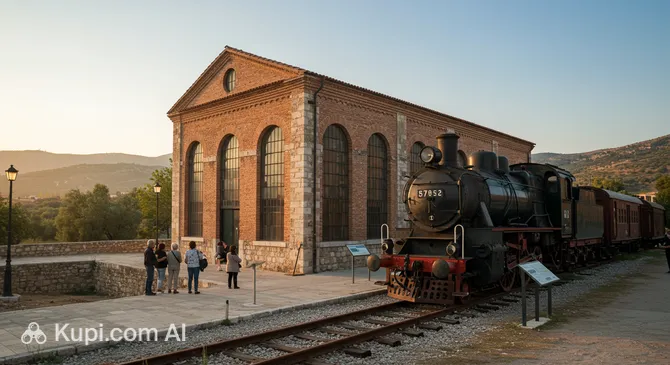
  • Kalamata is home to a truly unique open-air museum that delights transport enthusiasts. The Kalamata Municipal Railway Park is the only one of its kind in Greece, featuring vintage steam locomotives and wagons displayed within a lush, green recreational area.

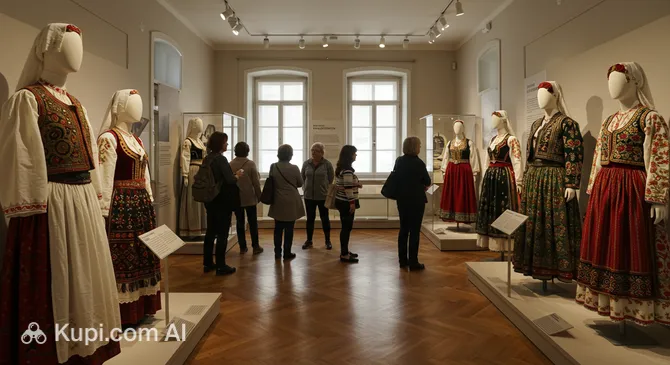
  • The city preserves the country's sartorial history in remarkable detail. The Victoria Karelias Collection of Traditional Greek Costumes houses one of the most complete collections of authentic Greek folk dress, showcasing the intricate embroidery and artistry of the region's past.

Kalamata Municipal Railway Park. Source: Kupi.Binoculars

How to Get There

Reaching this part of the Peloponnese is straightforward, as the region is well-connected by air and road. The most convenient option for travelers is to fly directly into Kalamata Airport (IATA: KLX), which is situated just 8.7 km from the city center. This facility primarily handles seasonal international charter flights during the summer months, as well as domestic connections. The journey from the airport to the heart of the city is quick, typically taking about 15 to 20 minutes by taxi or rental car.

For those traveling from further afield or outside the peak season, the best alternative is often Eleftherios Venizelos International Airport (IATA: ATH) in Athens. Although this major hub is located in the city of Athens, approximately 190 km away, it offers a much wider range of flight connections. Thanks to the modern motorway network, the transfer from Athens to Kalamata is efficient, with the drive or intercity bus ride usually taking between 2.5 and 3 hours. You can find more about how to get to Kalamata and the various transport options in our detailed guide.

For clarity, here is a summary of the main airports:

Airport Name City Passenger Traffic Km from City
Eleftherios Venizelos International Airport Athens Large 190.2
Zakynthos Airport Zakynthos Medium 134.7
Kalamata Airport Kalamata Small 8.7
Araxos Airport Patras Small 137.8
Kithira Airport Kythira Small 116.9

Main Attractions

Attractions:

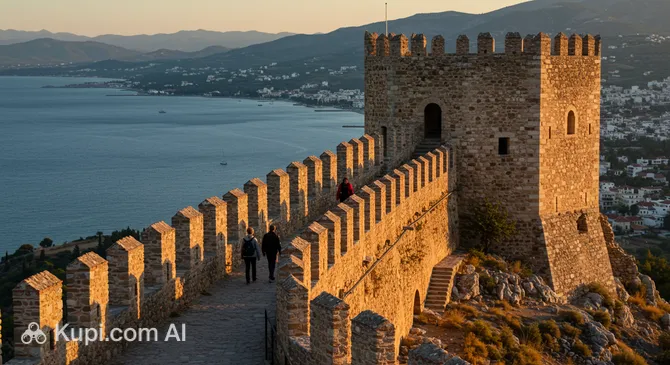
Exploring Kalamata offers a delightful mix of history, culture, and seaside relaxation. The city is crowned by the Kalamata Castle, a historic fortress perched on a pine-covered hill overlooking the urban landscape. Originally built in the 13th century by the Franks, it provides a perfect vantage point for panoramic views of the Messenian Gulf. During the summer, the castle transforms into an atmospheric venue for the International Dance Festival and various cultural events, making it a must-visit for both history buffs and art lovers.

Kalamata Castle. Source: Kupi.Binoculars

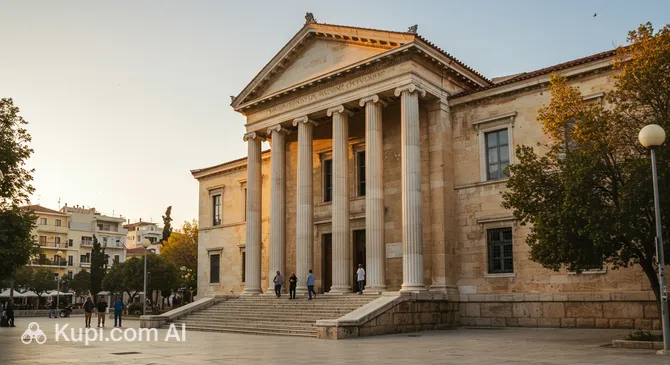
Just below the castle lies the Archaeological Museum of Messinia, located in the heart of the Old Town. This museum is a treasure trove of the region's past, housing an impressive collection of artifacts ranging from prehistoric times to the Byzantine era. Visitors can admire ancient pottery, jewelry, and sculptures that tell the story of Messenia's long and turbulent history. The exhibits are well-organized and offer fascinating insights into the civilizations that once thrived in this fertile corner of the Peloponnese.

Archaeological Museum of Messinia. Source: Kupi.Binoculars

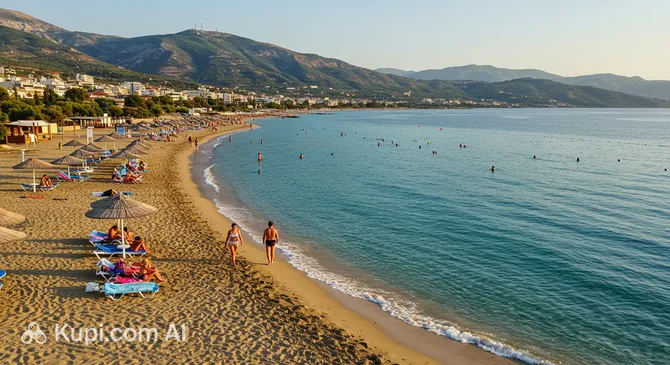
For those seeking sun and sea, Kalamata Beach is the city's vibrant waterfront hub. Stretching for several kilometers along the coast, this Blue Flag beach is famous for its smooth pebbles and crystal-clear waters. It is lined by Navarinou Avenue, a bustling promenade filled with palm trees, cycle paths, cafes, and tavernas. It is the ideal spot for a refreshing swim, a leisurely evening stroll, or simply enjoying the view of Mount Taygetos rising majestically in the distance.

Kalamata Beach. Source: Kupi.Binoculars

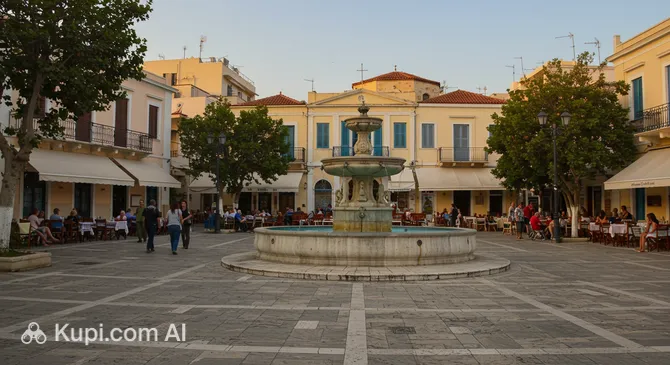
The heartbeat of the modern city can be felt at the Central Square of Kalamata (Vasileos Georgiou Square). This spacious and lively plaza is the main meeting point for locals and visitors alike. Surrounded by arcades, shops, and coffee houses, it is a great place to people-watch and soak up the local atmosphere. The square often hosts markets and events, serving as the commercial and social center that connects the historic quarters with the newer parts of the city.

Central Square of Kalamata. Source: Kupi.Binoculars

Local Cuisine

The culinary identity of Kalamata is inextricably linked to its most famous export: the olive. The region's fertile soil produces some of the world's finest olive oil, which serves as the foundation for almost every local dish. Gastronomy here is a celebration of fresh, seasonal ingredients grown in the surrounding Messenian plains, ranging from juicy tomatoes and wild greens to aromatic herbs. Visitors will find that the food scene is authentic and unpretentious, focusing on bold flavors and traditional recipes passed down through generations.

One of the most iconic local specialties is gournopoula, a dish of slow-roasted piglet that is famous throughout the Peloponnese but has its roots deeply planted in Messenia. You will often see it displayed in glass cases at street-side shops and tavernas, served by weight with a piece of crispy, golden skin. Another must-try dish is kayianas, a rich and comforting scramble of eggs, fresh ripe tomatoes, and often siglino (cured pork) or local sausage. It is a simple yet flavorful meal that perfectly represents the rustic charm of the local cuisine.

For those with a sweet tooth, Kalamata offers traditional delights that are hard to resist. The city is renowned for its pasteli, a nutritious honey and sesame bar that has been a staple Greek snack since antiquity. Additionally, diples—thin sheets of dough fried until crispy, rolled, and drenched in honey and crushed walnuts—are a celebratory dessert commonly found in local bakeries and served at weddings or festivals.

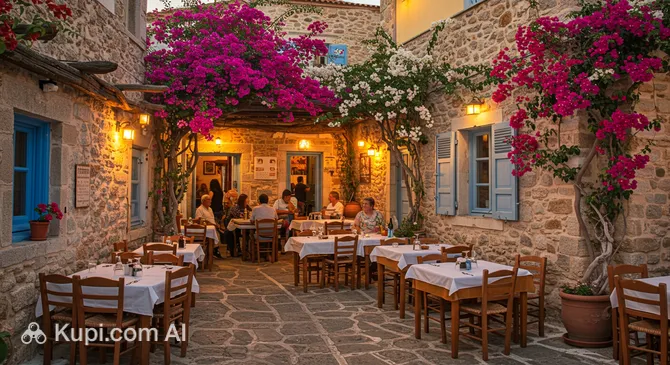
Dining in Kalamata is a social affair, often centered around the bustling waterfront along Navarinou Avenue or the picturesque streets of the Old Town. Locals and tourists alike gather at traditional eateries to enjoy long, leisurely meals. A great place to experience this hospitality is Costas Vassiliadis Tavern, known for its warm atmosphere and dedication to classic Greek flavors.

Costas Vassiliadis Tavern. Source: Kupi.Binoculars

Seafood also plays a major role in the local diet, thanks to the city's location on the Messenian Gulf. Fresh sardines, anchovies, and octopus are commonly enjoyed with a glass of ouzo or tsipouro. For a memorable dining experience that highlights these local ingredients, you might visit Aphrálato, a restaurant that combines quality food with a welcoming setting.

The city also boasts a vibrant café and bar culture, perfect for relaxing after a day of sightseeing. The local wines, produced from Messenian vineyards, are excellent and well worth exploring. For a coffee or an evening drink, Luna Lounge is a popular spot among locals, offering a stylish environment to unwind and soak up the city's modern vibe.

Travel Tips

Welcome to Kalamata, a city where the relaxed pace of seaside life meets the vibrant energy of the Peloponnese. To help you make the most of your visit to this beautiful region, we have compiled a list of practical tips covering everything from packing essentials to local customs.

  1. Clothing and Gear: Kalamata enjoys a warm Mediterranean climate, so for summer visits, pack light, breathable fabrics, a hat, and high-SPF sunscreen. However, if you are traveling in winter or early spring, bring layers and a waterproof jacket, as rain is common. Comfortable walking shoes are a must for exploring the cobblestone streets of the Old Town and the hike up to the castle. When visiting churches, remember to dress modestly by covering your shoulders and knees.
  2. Transportation: The city center and the waterfront are quite flat and pedestrian-friendly, making walking a pleasure. Kalamata is also one of the most bicycle-friendly cities in Greece, with an extensive network of bike paths connecting the city center to the beach; renting a bike is a fantastic way to get around. For longer distances, local blue buses connect the main points of interest. While you don't need a car within the city, renting one is highly recommended if you plan to explore the wider Messenia region or the Mani peninsula.
  3. Finances: The official currency is the Euro (€). Credit and debit cards are widely accepted in hotels, restaurants, and supermarkets. However, it is wise to carry some cash for small purchases at kiosks (periptera), local markets, or in smaller villages outside the city. ATMs are plentiful throughout the center and along the waterfront. Tipping is not mandatory but is appreciated; rounding up the bill or leaving a 5-10% tip for good service is standard practice.
  4. Health and Safety: Kalamata is generally a very safe city for tourists. Pharmacies, marked by a green cross, are easy to find; they typically operate during shop hours, with a rotating schedule for nights and weekends posted on their doors. For emergencies, the General Hospital of Kalamata is located just outside the city center. As in any travel destination, keep an eye on your belongings in crowded areas, though violent crime is extremely rare.
  5. Communication: The official language is Greek. English is widely spoken, especially by younger people and those working in the tourism industry, so you will rarely face communication barriers. Learning a few basic words like "Kalimera" (Good morning) and "Efharisto" (Thank you) goes a long way with the locals. Free Wi-Fi is available in almost every cafe and tavern, and you can easily purchase a prepaid SIM card from mobile stores in the city center.
  6. Local Etiquette: Greeks are known for their hospitality (filoxenia). Greetings are warm, often involving a handshake or a friendly nod. Coffee culture is a serious affair here; locals spend hours sipping a frappe or freddo espresso. Do not rush the experience—sit back, relax, and enjoy the "siga-siga" (slowly-slowly) pace of life. If you are invited to a local's home, bringing a small gift like sweets or wine is a polite gesture.
  7. What to Avoid: Avoid entering churches or monasteries wearing beachwear; this is considered disrespectful. Also, try not to be impatient with service in tavernas. Greek dining is meant to be a leisurely social event, not a quick pit stop. Finally, be mindful of the plumbing; in many places in Greece, you should throw toilet paper in the bin provided rather than flushing it, unless signs indicate otherwise.
  8. Siesta Time: Keep in mind the concept of quiet hours (mesimeri). Many smaller shops and businesses close in the afternoon, typically between 2:30 PM and 5:30 PM, before reopening for the evening. This is the perfect time to head to the beach or enjoy a long lunch, as the city tends to "wake up" again in the late evening.

Kalamata is a city that invites you to slow down and savor the moment, whether you are cycling along the coast or enjoying fresh olives by the sea. By keeping these practical tips in mind, you will be well-prepared to embrace the local lifestyle and create unforgettable memories in the heart of Messenia.

Entertainment & Nightlife

Kalamata offers a vibrant and diverse nightlife scene that caters to all tastes, from relaxed evenings by the sea to energetic nights of dancing. As the sun sets, the city transforms, with the energy shifting towards the illuminated waterfront and the atmospheric alleyways of the historic center. Whether you are looking for a sophisticated cocktail bar, a thumping club, or a laid-back venue to enjoy live music, this Peloponnesian city has plenty to offer.

During the summer months, the heart of the action beats along Navarinou Avenue, the city's extensive waterfront promenade. Here, beach bars that serve coffee during the day turn into lively nightspots after dark, hosting DJ sets and parties right by the water. For a more spectacular clubbing experience, locals and visitors head to the suburb of Verga, located just a few kilometers east of the city. Perched on the foothills of Mount Taygetos, the open-air summer clubs in Verga offer stunning panoramic views of the illuminated Kalamata bay, making it the ultimate destination for late-night entertainment.

In contrast, the Old Town remains a bustling hub year-round, particularly popular during the winter or for those seeking a more alternative vibe. The area around the historic church of Ypapanti and the narrow streets below the castle are dotted with cozy wine bars, "rakadiko" (traditional spots serving raki), and rock bars. A staple of the local nightlife for music lovers is Kyttaro Rock Bar, known for its distinct character, frequent live gigs, and dedication to rock culture.

Kyttaro Rock Bar. Source: Kupi.Binoculars

For those seeking a more upscale and relaxed atmosphere, the city offers several sophisticated options. You can enjoy a signature cocktail in a luxurious setting at Horizon Blu, where the poolside ambiance provides a perfect escape from the bustling crowds. Meanwhile, the arcades near the central square host stylish all-day venues like Luna Lounge, which transition seamlessly from brunch spots to atmospheric evening bars.

The nightlife in Kalamata typically starts late. Bars begin to fill up around 10:00 PM or 11:00 PM, while clubs in Verga often don't get busy until well after midnight. The dress code is generally "smart casual"—Greeks like to dress up when going out, but the vibe remains welcoming and unpretentious. Prices are reasonable compared to islands like Mykonos or Santorini, with drinks and entry fees being quite affordable.

Regarding safety, Kalamata is very safe for night walks, even in the early hours of the morning. The waterfront and the city center are well-lit and populated. To get around, especially if you are heading to Verga or returning to your hotel after a night out, the local radio taxis are the most convenient option. You can easily flag a taxi on the main streets or have your venue call one for you.

Beyond nightlife, the city offers rich cultural entertainment. Kalamata is famous for the International Dance Festival, held annually in July, which brings world-class performances to venues like the Castle and the Dance Centre. Additionally, summer evenings are perfect for visiting an open-air cinema (therino cinema), a beloved Greek tradition where you can watch current movies under the stars.

Parks & Museums

Parks and Museums:

Kalamata is a city that beautifully balances urban energy with serene green escapes and a deep respect for its cultural heritage. Beyond its bustling waterfront and historic castle, the city offers a variety of parks and museums that invite visitors to explore the artistic soul and natural beauty of the Messenian capital.

One of the most beloved green spaces in the city is the Municipal Railway Park of Kalamata. Located near the port, this award-winning open-air museum is a favorite among families and history enthusiasts alike. Spanning a large area with ponds, playgrounds, and walking paths, it features an impressive collection of vintage steam locomotives and wagons from a bygone era. Visitors can walk among the trains, some of which are open to explore, making it a unique spot where industrial history meets leisure.

For those seeking a more natural retreat near the sea, the area of Almyros offers a refreshing escape just a short drive east of the city center. This coastal park is characterized by its grove of eucalyptus and tamarisk trees, providing ample shade right next to the beach. It is a popular spot for locals to enjoy a picnic, play sports, or simply relax with the sound of the waves in the background, offering a quieter alternative to the main city beach.

Kalamata’s cultural scene is equally compelling, with institutions that preserve the region's rich traditions. The Victoria Karelias Collection of Traditional Greek Costumes is a must-visit for art and history lovers. Housed in a beautifully restored neoclassical building, this museum showcases one of the most complete collections of Greek folk dress in the country. The exhibits are not just clothes but works of art, detailing the intricate embroidery, fabrics, and jewelry that defined local identity through the centuries.

Victoria Karelias Collection of Traditional Greek Costumes. Source: Kupi.Binoculars

Another significant cultural venue is the Military Museum of Kalamata, which offers a poignant look at the struggles and triumphs of the Greek nation. Through a vast collection of uniforms, weapons, and photographic material, the museum narrates the history of modern Greece from the Revolution of 1821 to the present day. It provides valuable context for understanding the resilience and spirit of the local people.

Architecturally, the city is dotted with gems that reflect its prosperous past. A stroll through the Old Town reveals stunning neoclassical mansions and the majestic Metropolitan Church of Ypapanti, which stands as a spiritual and architectural landmark. For an authentic local experience, visit the Railway Park in the late afternoon. This is when the city comes alive, and you can join the locals for a "volta" (leisurely stroll) as the sun sets, blending in with the true rhythm of Kalamata life.

Getting Around

The public transport system in Kalamata is straightforward, efficient, and well-suited to the city's relaxed pace. The primary mode of public transportation is the urban bus network (Astiko KTEL), which connects the city center with the waterfront, the suburbs, and the nearby university. There is no metro, tram, or trolleybus system, as the bus network is sufficient to cover the needs of both residents and visitors in this compact city.

For tourists, the most useful route is Line 1, which runs frequently between the city center and the beachfront along Navarinou Avenue. During the summer season, the frequency of buses increases to accommodate the influx of visitors, often running until late at night. The buses are generally modern, air-conditioned, and comfortable, providing a reliable way to move between the historic Old Town and the seaside hotels.

The payment system is simple and traditional. Passengers must purchase a paper ticket before boarding. Tickets are sold at kiosks (periptera), local mini-markets, and designated ticket booths found at major stops. The standard fare is very affordable, typically costing around €1.10 to €1.50. While it is sometimes possible to buy a ticket from the driver, it usually comes with a surcharge, so it is highly advisable to buy your tickets in advance. Once on board, you must validate your ticket in the machine to avoid fines.

A special feature of Kalamata, which sets it apart from many other cities in the region, is its excellent infrastructure for cycling. The city is flat and boasts a dedicated bicycle path that stretches from the northern market area, through the central square, and all the way down to the beach. Renting a bike is a popular and practical alternative to public transport, allowing you to explore the city at your own leisure while enjoying the scenic route along the coast.

For those who prefer a more direct service, taxis are widely available and can be hailed on the street, found at designated ranks (such as the central square or the port), or booked via phone. Taxis operate on a meter, and rates are reasonable for short trips within the city limits. Additionally, walking is a viable option for much of the city, especially within the pedestrian-friendly zones of the Old Town and the waterfront promenade.

Accommodation

Where to Stay:

Accommodation in Kalamata caters to a wide variety of preferences and budgets, ranging from luxurious seaside resorts to cozy, family-run apartments. The city has seen a rise in high-quality lodgings in recent years, ensuring that whether you are visiting for a relaxing beach holiday or a cultural city break, you will find a suitable place to rest. Travelers can choose between modern hotels with full amenities, boutique guesthouses in historic buildings, and a plethora of short-term rental apartments that offer a "home away from home" experience.

When choosing where to stay, location is key. The most popular area for summer visitors is undoubtedly along Navarinou Avenue and the waterfront. Staying here puts you just steps away from the beach, as well as the city's liveliest cafes, bars, and restaurants. Alternatively, the City Center and the Old Town (near the Castle) offer a more atmospheric setting, ideal for those who want to be close to museums, shopping districts, and the daily rhythm of local life. This area is particularly convenient for off-season visits when the beach scene is quieter.

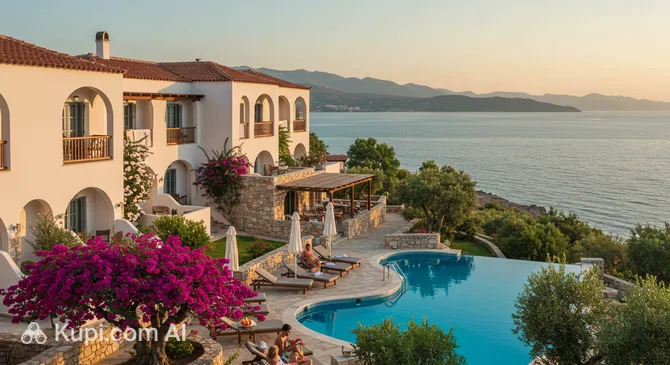
For travelers seeking a touch of luxury and comprehensive services, the city boasts several upscale options. A standout choice is Horizon Blu, a resort hotel located right on the waterfront. It is well-regarded for its modern design, swimming pools, and spa facilities, offering a refined sanctuary within walking distance of the sea.

Horizon Blu. Source: Kupi.Binoculars

Booking and Prices:

The cost of accommodation varies significantly depending on the season. During the peak summer months (July and August), prices are at their highest, and availability can become scarce. It is highly recommended to book well in advance—ideally several months ahead—if you plan to visit during this period. In the shoulder seasons of spring and autumn, you can often find excellent value for money, with mid-range hotels and apartments offering very competitive rates.

Most properties in Kalamata can be booked easily through major online travel platforms, though contacting smaller, family-owned guesthouses directly can sometimes yield better deals or more personalized service. Generally, you can expect budget-friendly apartments starting from around €50-€70 per night, while mid-range hotels typically fall between €80 and €120. Luxury resorts and high-end suites will command higher prices, reflecting the premium amenities they provide.

Nearby Cities

For those looking to explore the surroundings, Kalamata serves as an excellent base for day trips to several interesting nearby locations:

City Population Distance (km)
Patras 167,446 138
Zakynthos 40,000 136
Salamis 31,776 158
Tripoli 30,866 57
Corinth 30,176 124

One of the most accessible destinations for a quick change of scenery is Tripoli, located just under an hour away via the modern motorway. As the administrative heart of the Peloponnese and the capital of Arcadia, it offers a distinct mountain atmosphere compared to the coastal vibe of Kalamata. Visitors can explore the expansive Areos Square, one of the largest in Greece, and wander through parks and pedestrian streets lined with neoclassical buildings and traditional cafes.

Further afield, Corinth makes for a fascinating historical excursion. Famous for the impressive Corinth Canal that separates the Peloponnese from mainland Greece, the area is rich in heritage. A visit here allows travelers to explore the archaeological site of Ancient Corinth and the imposing fortress of Acrocorinth, which offers spectacular views over the surrounding region.

These nearby destinations offer a glimpse into the diverse culture and landscapes of the region.

Shopping & Souvenirs

Shopping in Kalamata is a delightful experience that combines the convenience of modern retail with the charm of traditional Greek commerce. The city is not defined by massive commercial complexes but rather by lively pedestrian streets and family-run businesses. Whether you are looking for the latest fashion trends or authentic local products, the city center offers a relaxed atmosphere where you can browse at your own pace, often punctuated by a coffee break in a nearby square.

The heartbeat of the city's shopping district is Aristomenous Street. This broad, pedestrian-friendly avenue runs through the center of the modern city and is lined with a mix of international chains, chic boutiques, and shoe stores. It starts from the Central Square of Kalamata, making it easily accessible for anyone exploring the downtown area. For a more traditional feel, visitors should head north to the Old Town. Here, amidst the winding alleys near the castle, you will find smaller shops selling handmade crafts, religious icons, and local artifacts that reflect the region's history.

Unlike larger metropolitan hubs, Kalamata does not feature colossal shopping malls. The retail culture here focuses on high-street shopping and department stores located within the city center. There are a few smaller commercial centers and multi-story department stores offering cosmetics, clothing, and home goods, but the primary joy of shopping here comes from wandering the open-air streets rather than navigating enclosed malls.

For foodies and those seeking a genuine slice of local life, the Central Municipal Market (Dimotiki Agora) is an unmissable stop. Located just a short walk from the center, this bustling market is where the agricultural wealth of Messenia is on full display. Especially on Wednesdays and Saturdays, the market overflows with vendors selling fresh fruits, vegetables, local cheeses, and herbs. It is the perfect place to mingle with locals and discover the ingredients that define the region's cuisine.

When it comes to souvenirs, Kalamata offers treasures that are deeply rooted in its land and history. The most obvious choice is, of course, the world-famous Kalamata olives and premium extra virgin olive oil, which are widely available in beautifully packaged bottles and jars. Another local specialty is pasteli, a healthy and delicious honey-sesame bar. For a non-edible keepsake, look for silk scarves. Kalamata was historically a major center for silk production, and buying a silk item is a wonderful way to honor this heritage. Dried figs and balsamic vinegar are also popular gifts to bring back home.

Store opening hours in Kalamata follow the typical Greek schedule. Shops generally open around 9:00 AM. On Mondays, Wednesdays, and Saturdays, they usually close in the afternoon around 2:30 PM. On Tuesdays, Thursdays, and Fridays, shops close for a midday break (siesta) but reopen in the evening from approximately 5:30 PM to 9:00 PM. Major supermarkets and some department stores may stay open continuously on weekdays. While credit and debit cards are widely accepted in most retail stores, it is advisable to carry cash for small purchases at the open-air market or kiosks.

Visitors from outside the European Union should be aware of the Tax-Free shopping options. Many larger stores and boutiques in Kalamata participate in VAT refund schemes. If you see a "Tax Free" sign in the window, you can ask for a refund form when making a purchase above the minimum threshold, allowing you to claim back a portion of the tax at the airport upon your departure.

Reached the end of the page?

That means the route is fully explored