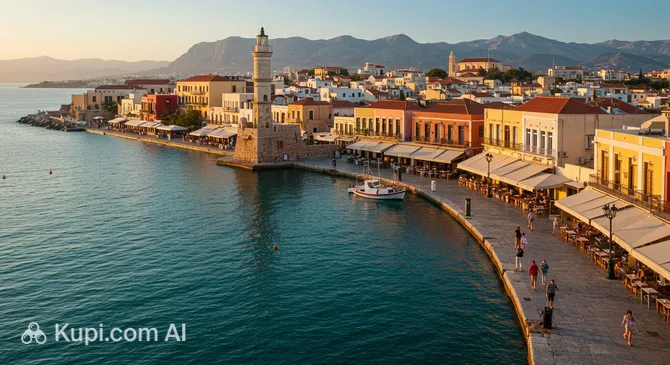
Chania is widely considered one of the most beautiful and picturesque cities in Greece. Located on the northwest coast of the island of Crete, this captivating destination offers a perfect blend of stunning landscapes, rich culture, and vibrant local life. With a population of approximately 54,000 residents, it serves as a major hub for the region while maintaining a romantic and welcoming atmosphere that enchants visitors from around the world.
Chania. Illustration.
Source: Kupi.com AI
The city is renowned for its architectural diversity, which reflects the long and complex history of Chania. Walking through its streets, travelers can see the distinct influences of Venetian, Egyptian, and Ottoman civilizations intertwined with modern Greek life. The climate is typically Mediterranean, featuring hot, sunny summers and mild winters, making it an attractive destination year-round.
The heart of the city beats at the Old Venetian Harbor, a bustling promenade lined with cafes and restaurants. Here, the iconic Egyptian Lighthouse stands as a proud sentinel at the harbor entrance, offering breathtaking views, especially at sunset. Visitors love to get lost in the labyrinthine alleyways of the Old Town, where bougainvillea-draped balconies and hidden courtyards reveal the city's timeless charm.
Whether you are looking to explore ancient ruins, enjoy authentic Cretan cuisine, or simply relax by the sea, Chania provides an unforgettable experience. It is a place where tradition meets modernity, inviting every traveler to discover its many secrets and enjoy the renowned Cretan hospitality.
Weather Overview
Chania enjoys a classic Mediterranean climate, characterized by distinct seasonal variations that cater to different types of travelers. To help you choose the best time for your visit, you can check the detailed weather in Chania page for more specific forecasts and trends.
The summer months are the warmest and driest time of the year. In July and August, the average temperature hovers around 25°C, with daily highs often reaching 27°C. Rain is extremely rare during this period, with July typically seeing just one wet day, making it ideal for beach holidays. In contrast, the winter season is mild but significantly wetter; January and February are the coolest months, with average temperatures ranging between 11.5°C and 11.7°C.
Spring and autumn offer a comfortable middle ground, with temperatures ranging from approximately 15°C in April to 23°C in September. Overall, visitors can expect warm, dry summers perfect for outdoor activities and mild, rainy winters that are better suited for enjoying the local culture indoors.
Average monthly temperature
Average monthly precipitation
Interesting Facts
Beyond the popular waterfront promenades and vibrant dining scene, Chania hides layers of history and unique local traditions that surprise many visitors. Here are a few fascinating details that make this Cretan city truly special.
The city is actually built directly on top of the ancient Minoan settlement of Kydonia. You can see evidence of this continuous habitation at Kastelli hill, where excavations right in the town center have revealed ruins dating back to the Neolithic period.
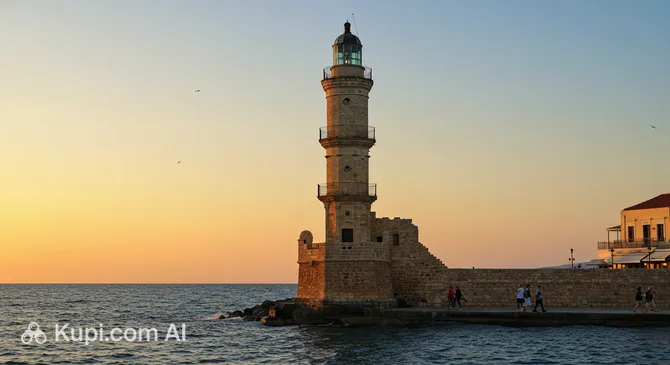
Although the Chania Lighthouse is often called "Venetian," its current appearance is actually due to Egyptian reconstruction. During the Egyptian occupation in the 1830s, the tower was restored and shaped to resemble a minaret, making it distinct from other lighthouses of that era.
The Küçük Hasan Mosque, which dominates the harbor skyline with its large pink dome, is the oldest Ottoman building in Crete. Unusually, it stands without a minaret today, as the tower was demolished in the early 20th century, yet the structure remains a key architectural landmark.
Chania maintains a centuries-old tradition of knife making. In the dedicated "Knife District" near the harbor, artisans still hand-forge traditional Cretan daggers, often engraving the steel blades with local rhyming couplets known as "mantinades."
Chania Lighthouse. Illustration.
Source: Kupi.com AI
Traveler photos:
How to Get There
Reaching this captivating Cretan city is relatively straightforward, with air travel being the most popular method for international visitors. For those planning their journey, you can find detailed information and more about how to get to Chania on our dedicated transport page. While the island offers various entry points, flying directly to the local airport or arriving via the capital of Crete are the most common options.
The most convenient gateway is Chania International Airport (CHQ), located specifically to serve the western part of the island. It is situated just 12.1 km from the city center, making the transfer very quick and easy. A trip by taxi or bus from this airport typically takes around 40 minutes, depending on traffic. This airport handles a significant volume of passengers, especially during the summer season, connecting the region with numerous European cities.
Another major option is flying into Heraklion Airport (HER), which is located in the city of Heraklion. Although it is approximately 107 km away from Chania, it is the busiest airport on Crete and often offers a wider range of flight connections. Travelers arriving here can expect a longer transfer; the journey by road to Chania takes approximately 3 hours. Many visitors choose this route to explore the central part of the island before heading west.
For clarity, here is a summary of the main airports:
Chania is a city where every corner tells a story, offering a diverse range of sights that span thousands of years of history. From fortified walls to vibrant marketplaces and serene beaches, the city's main attractions provide a deep dive into the unique culture and landscape of Western Crete.
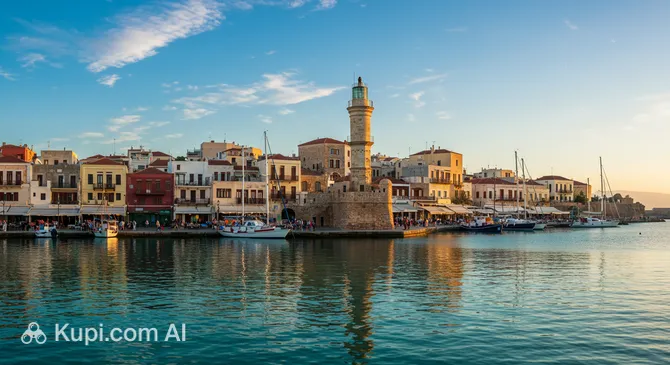
Undoubtedly the most famous spot in the city is the Old Venetian Harbor of Chania. This bustling waterfront promenade is the perfect place for a leisurely stroll, lined with colorful historic buildings, lively restaurants, and charming cafes. Visitors are drawn here by the romantic atmosphere and the stunning architecture that blends Venetian and Ottoman elements. It serves as the social hub of the city, where you can watch the sunset paint the sky while enjoying fresh local seafood by the water.
Old Venetian Harbor of Chania. Illustration.
Source: Kupi.com AI
Traveler photos:
Standing guard at the entrance of the harbor is the impressive Firka Fortress. Constructed by the Venetians to protect the harbor entrance from invaders, this fortification offers some of the best panoramic views of the sea and the iconic lighthouse opposite it. Today, it houses the Maritime Museum of Crete, making it a fascinating stop for history buffs interested in the island's naval heritage. Walking along its ramparts allows you to physically touch the city's turbulent yet resilient past.
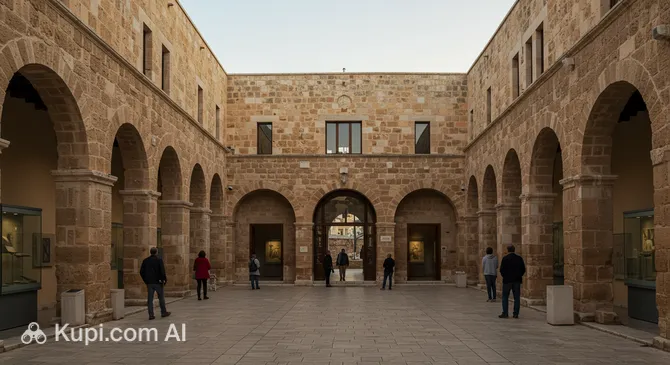
For those interested in the ancient roots of the region, the Archaeological Museum of Chania is an essential visit. The museum showcases a vast collection of artifacts discovered across the Chania regional unit, ranging from the Neolithic period to the Roman era. Highlights include intricate Minoan pottery, jewelry, and mosaics that offer insight into the sophisticated civilizations that once thrived on the island. It is a treasure trove for anyone looking to understand the deep historical layers of Crete.
Archaeological Museum of Chania. Illustration.
Source: Kupi.com AI
Traveler photos:
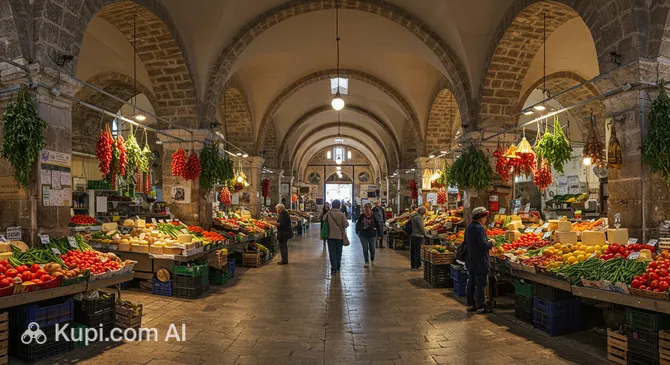
To experience the pulse of daily life and discover local flavors, a visit to the Chania Municipal Market is highly recommended. Housed in a distinctive cross-shaped building inspired by the covered market of Marseille, this "Agora" is the place to find high-quality Cretan products. Stalls here are piled high with local cheeses, olives, herbs, and honey, making it a paradise for food lovers and the perfect spot to pick up authentic souvenirs.
Chania Municipal Market. Illustration.
Source: Kupi.com AI
Traveler photos:
Just a short distance from the city center, Agioi Apostoloi Beach offers a refreshing escape into nature. This area actually consists of three scenic coves with golden sand and shallow, crystal-clear waters, making it ideal for swimming and families. Beyond the beach, the surrounding parkland with its small pine forest provides a lovely setting for walking, jogging, or enjoying a picnic in the shade.
Local Cuisine
The cuisine of Chania is a vibrant reflection of the renowned Cretan diet, celebrated globally for its health benefits and incredible flavors. At the heart of every meal is high-quality local olive oil, fresh vegetables, and wild herbs gathered from the mountains. Visitors should prepare for a culinary journey that values simplicity and freshness above all else, with recipes that have been passed down through generations.
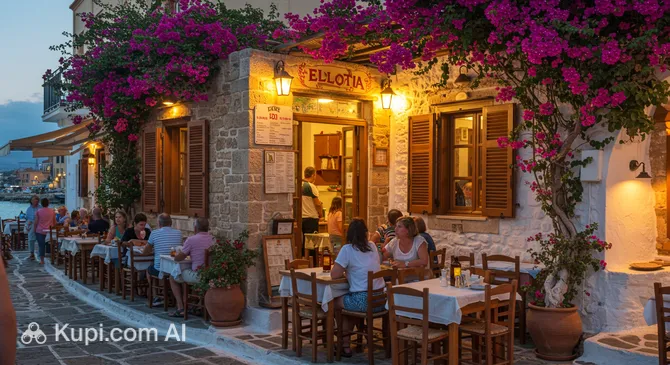
One of the most iconic dishes to try is dakos, a rustic barley rusk topped with grated ripe tomatoes, soft mizithra cheese, oregano, and a generous drizzle of olive oil. Another local favorite is kalitsounia, small handcrafted pies that can be either savory with cheese and spinach or sweet with honey and cinnamon. For meat lovers, gamopilafo—a creamy rice dish cooked in meat broth, traditionally served at weddings—is a must-try experience that melts in your mouth.
Ellotia. Illustration.
Source: Kupi.com AI
Traveler photos:
Dining in Chania offers a mix of romantic atmosphere and lively street vibes. The narrow alleys of the Old Town are packed with tavernas where you can dine under the stars surrounded by Venetian architecture. For those seeking a memorable meal in a beautifully restored setting, Ellotia is a wonderful choice, known for its charming courtyard and authentic Cretan plates. If you prefer the sea breeze and fresh seafood, Kaiki provides a delightful setting to enjoy the catch of the day near the water.
Food culture here also revolves around social gatherings and markets. The historic Chania Municipal Market is the epicenter of local produce, where you can find stalls overflowing with Cretan gruyere (graviera), thyme honey, and mountain tea. It is the perfect place to taste the raw ingredients that define the region's gastronomy before they even reach the kitchen.
No meal in Crete is complete without a glass of tsikoudia, often referred to as raki. This strong distilled spirit is a symbol of hospitality and is frequently offered complimentary after a meal along with fruit or dessert. For a more modern twist on the local drinking scene, visitors can explore the city's vibrant nightlife at spots like Little Monkey, where creative cocktails are served in a cool, contemporary atmosphere.
Travel Tips
Welcome to Chania! To ensure your journey through this enchanting Venetian harbor city and the wider Cretan landscape is as smooth and enjoyable as possible, we have compiled a list of essential travel advice. These practical insights will help you navigate local customs and logistics like a pro, leaving you free to focus on the stunning scenery and delicious food.
Clothing and Gear: In the summer, lightweight, breathable fabrics are essential, along with high-SPF sunscreen, sunglasses, and a hat to protect against the strong Mediterranean sun. If you visit in winter or early spring, bring layers and a rain jacket, as the weather can be unpredictable. Crucially, pack comfortable walking shoes or sneakers; the cobblestone streets of the Old Town are charming but difficult to navigate in high heels. For visits to monasteries like Agia Triada, remember to dress modestly, covering shoulders and knees.
Transportation: The heart of the city, particularly the Old Town and harbor, is best explored on foot as it is largely pedestrianized. To discover the famous beaches like Elafonisi or Balos and the mountain villages, renting a car is highly recommended for flexibility. Alternatively, the local KTEL bus network is reliable and affordable for reaching major towns and beaches. Taxis are available at designated stands or can be booked via phone, but ride-hailing apps are less common than in other European cities.
Finances: The official currency is the Euro (€). While credit and debit cards are widely accepted in hotels, restaurants, and larger shops, it is wise to carry some cash for small purchases, local buses, or traditional tavernas in remote villages. ATMs are plentiful throughout the city. Tipping is not mandatory but is warmly appreciated; rounding up the bill or leaving a 5-10% tip for good service is standard practice.
Health and Safety: Chania is a very safe destination for travelers. Pharmacies are marked with a green cross and are abundant; a schedule on the door usually indicates which one is open late or on weekends. For emergencies, dial 112. Tap water in Chania town is generally safe to drink, but if you have a sensitive stomach or are visiting rural areas, stick to bottled water.
Communication: The official language is Greek, but English is widely spoken, especially in the hospitality sector. Locals appreciate it if you try a few basic words: say "Kalimera" (Good morning) or "Yassas" (Hello/Goodbye). Free Wi-Fi is available in most cafes and hotels. For mobile data, you can easily purchase a prepaid SIM card from Cosmote, Vodafone, or Nova stores in the city center (bring your passport).
Local Etiquette: Cretans are famous for their hospitality, known as philoxenia. It is common for restaurant owners to offer a complimentary dessert or a small glass of tsikoudia (raki) after your meal. Accepting this gesture with a smile is polite and a great way to bond with locals. When greeting people, a handshake is common, while friends often greet with a kiss on both cheeks.
What to Avoid: One specific rule in Greece that often surprises visitors is regarding plumbing: do not flush toilet paper down the toilet. Due to narrow pipes, it can cause clogs. Instead, use the small bin provided next to the toilet. Also, avoid visiting churches or monasteries during service hours if you are just sightseeing, and always respect the silence in these sacred spaces.
Shopping Hours: Be aware of the local schedule. Many shops, especially smaller local businesses, may close for a midday break (siesta) roughly between 2:00 PM and 5:30 PM on Tuesdays, Thursdays, and Fridays. On Mondays, Wednesdays, and Saturdays, shops often close in the afternoon and do not reopen in the evening. Large supermarkets and tourist shops in the Old Town usually stay open all day.
Armed with these tips, you are ready to embrace the relaxed pace of life in Crete. Whether you are navigating the winding alleys of the Old Town or toasting with locals over a glass of raki, Chania promises a warm and unforgettable welcome.
Entertainment & Nightlife
As the sun sets over the Cretan Sea, Chania transforms from a historic harbor town into a vibrant hub of entertainment and nightlife. The city offers a diverse nocturnal scene that caters to all tastes, from romantic evenings by the water to energetic nights filled with music and dancing. Whether you prefer sipping sophisticated cocktails in a quiet alleyway or enjoying live beats in a bustling club, the city's atmosphere is both welcoming and lively.
The heart of the nightlife is undoubtedly centered around the Old Venetian Harbor and the winding streets of the Old Town. Here, you will find a plethora of atmospheric bars housed in restored Venetian buildings, offering a perfect blend of history and modern fun. For a more local vibe, the Kum Kapi district, located just outside the eastern walls of the Old Town, is lined with seaside cafes and bars that are incredibly popular with the city's youth. If you are looking for intense clubbing and all-night parties, the nearby coastal resorts of Agia Marina and Platanias are just a short taxi ride away, but the city center itself maintains a more sophisticated and eclectic charm.
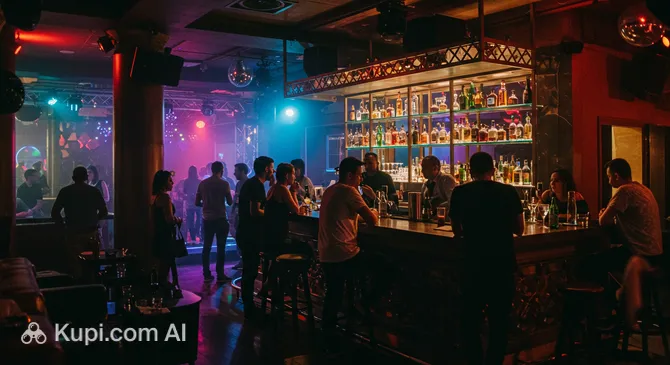
For a memorable night out within the city, Bras de Frères is a standout venue. Known for its artistic ambiance and excellent selection of drinks, it frequently hosts live music events and DJ sets that keep the energy high. It captures the essence of Chania's modern creative spirit, making it a favorite among both locals and visitors.
Bras de Frères. Illustration.
Source: Kupi.com AI
Traveler photos:
If you prefer a venue that offers a variety of entertainment options along with breathtaking views, Mega Place is an excellent choice. Located on a hill overlooking Souda Bay, this complex is more than just a nightlife spot; it features a cinema, bowling alley, and spacious seating areas where you can enjoy a drink while gazing at the panoramic lights of the bay below. It is ideal for families or groups of friends looking for a diverse evening experience.
The nightlife in Chania typically starts late. Locals often head out for dinner around 9:00 PM or 10:00 PM, with bars filling up shortly after. The dress code is generally "smart casual"—stylish but relaxed, suitable for the warm summer nights. Prices are reasonable compared to other popular Greek destinations, with cocktails usually ranging from 8 to 12 euros. In terms of safety, the city is very secure for night walks, even in the narrow alleys. Taxis are readily available at main squares or can be called via hotel reception, ensuring a safe return to your accommodation.
Beyond the nightlife, Chania offers fascinating daytime entertainment that goes beyond its famous beaches. History enthusiasts should not miss the Minoan's World 9D Experience, a unique attraction that combines 3D cinema with sensory effects to bring the ancient history of Crete to life in a fun and educational way. Sports fans will find a hidden gem in the Greek National Football Museum, which houses an impressive collection of memorabilia, including the replica of the Euro 2004 trophy, celebrating Greece's legendary victory.
Parks & Museums
Beyond its famous harbor and beaches, Chania offers a wealth of cultural and green spaces that provide a deeper understanding of the island's heritage. The city’s museums and parks are perfect for those looking to explore local history, enjoy a quiet afternoon in nature, or find family-friendly activities away from the coast.
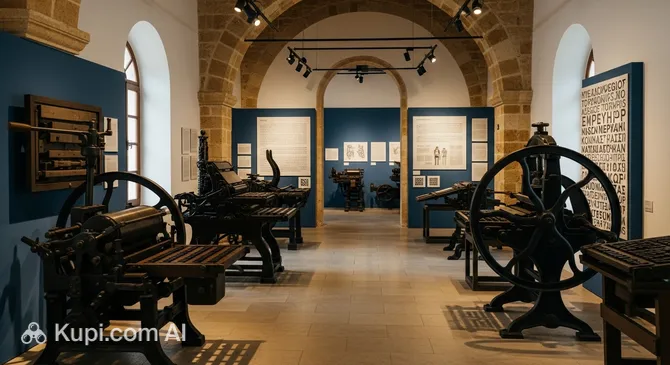
A truly unique cultural institution located just outside the city is the Museum of Typography. This is the first and only museum of its kind in Greece, dedicated to the art and history of printing. Visitors can explore a fascinating collection of old printing presses, rare books, and tools that trace the evolution of typography from Gutenberg to the present day. It also hosts interactive workshops, making it an engaging stop for design lovers and history enthusiasts alike.
Museum of Typography. Illustration.
Source: Kupi.com AI
Traveler photos:
In the historic district of Halepa, you will find the Eleftherios Venizelos House. This residence was the home of one of modern Greece's most significant statesmen. Today, it operates as a museum that preserves the authentic atmosphere of the early 20th century, displaying personal items, photographs, and documents that offer insight into his life and political career. The house itself is a beautiful example of neoclassical architecture and provides a glimpse into the city's aristocratic past.
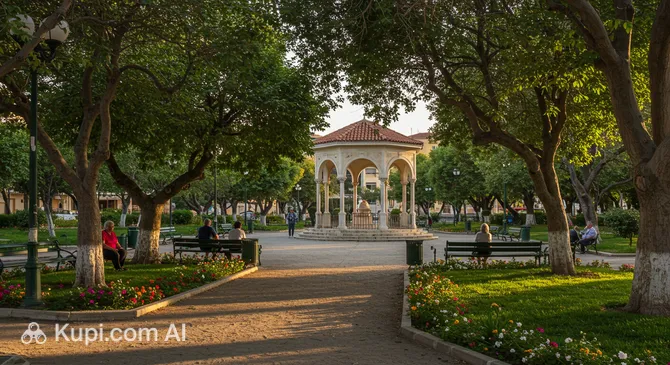
For a relaxing break in the city center, the Chania Municipal Garden (known locally as the Kipos) is a beloved green oasis. Designed in 1870 by Reouf Pasha, the garden features tall ficus trees that provide welcome shade, a small café, and an open-air cinema that operates during the summer. It is a favorite spot for locals to stroll, read a book, or watch the resident ducks and the famous Cretan wild goats, the Kri-Kri, in their enclosure.
Chania Municipal Garden. Illustration.
Source: Kupi.com AI
Traveler photos:
For one of the best panoramic views of Chania, a visit to the Tombs of Venizelos is highly recommended. Located on the hill of Profitis Ilias, this site is not only historically significant as the resting place of the Venizelos family but also serves as a beautiful park. The serene gardens and the stone-paved paths lead to a viewpoint that overlooks the entire city and the blue expanse of the Cretan Sea, making it a popular spot for sunset watchers.
Families traveling with younger children might enjoy a trip to Elpisniki Amusement Park. While smaller than major European theme parks, it offers a variety of games and rides that provide a fun diversion for kids, allowing them to burn off some energy in a safe and entertaining environment.
Getting Around
Navigating Chania is relatively straightforward, as the city is compact and pedestrian-friendly, especially within the historic center. The public transport system relies entirely on a bus network, as there are no metros, trams, or trains in this part of the island. For most visitors, a combination of walking and using the local bus service is sufficient to explore the city and its immediate surroundings.
The bus system is operated by KTEL and is divided into two distinct categories: Urban Buses (Blue Buses) and Intercity Buses (Green Buses). The Blue Buses serve the city center, the port of Souda, and popular nearby coastal resorts like Agia Marina and Platanias. These are the buses you will use most frequently for short trips. The Green Buses, which depart from the central bus station, connect Chania with other major towns on Crete and distant attractions such as the famous Elafonisi beach or the Samaria Gorge.
Paying for your ride is simple and affordable. Tickets for the Urban Blue Buses can be purchased at the central bus station, from automated vending machines, or at many roadside kiosks known as "periptera." A standard single ticket typically costs between €1.10 and €2.00, depending on the distance (Zone A or Zone B). While it is possible to buy a ticket from the driver on board, it usually comes with a surcharge, so it is highly advisable to purchase one in advance.
Practical advice for tourists includes validating your ticket immediately upon entering the bus using the small orange machines. Buses generally run from early morning, around 6:00 AM, until late evening, with frequency varying by season. During the peak summer months, services to popular beaches run very frequently, often every 15 to 20 minutes, but schedules are reduced on weekends and in winter.
For those who prefer more direct transport, taxis are widely available and can be found at designated ranks in the main squares, the airport, and the port. Taxis are metered, but it is common to ask for an estimated fare before starting a longer journey. Ride-hailing apps are not as dominant here as in major capitals, but you can often book taxis via local radio taxi numbers or specific apps that work with licensed drivers.
Given the scenic nature of the region, many visitors opt for alternatives like car rentals or bike rentals. Renting a car is the most popular choice for travelers who want the freedom to explore hidden beaches and mountain villages at their own pace. Within the city itself, however, the Old Town is largely pedestrianized, making walking the most effective and enjoyable way to soak in the atmosphere.
Accommodation
Where to Stay:
Finding the perfect place to stay in Chania is part of the charm of visiting this Cretan region. The city offers a diverse array of accommodation options that cater to every type of traveler, ranging from beautifully restored Venetian mansions in the heart of the Old Town to modern luxury resorts along the sandy coastline. Whether you are looking for a budget-friendly hostel, a family-run apartment, or a five-star hotel with all amenities, Chania has something to suit your style and budget.
The location you choose will largely depend on the kind of holiday you prefer. For those who want to be in the center of the action, staying in the Old Town is an unforgettable experience. Here, boutique hotels are often housed in historic buildings with stone arches and wooden ceilings, placing you just steps away from the romantic harbor and lively tavernas. However, if you prefer a relaxing beach holiday with easy access to the sea, the coastal areas west of the city, such as Agioi Apostoloi or Agia Marina, are ideal choices. These areas are well-connected to the center by bus but offer a resort-style atmosphere.
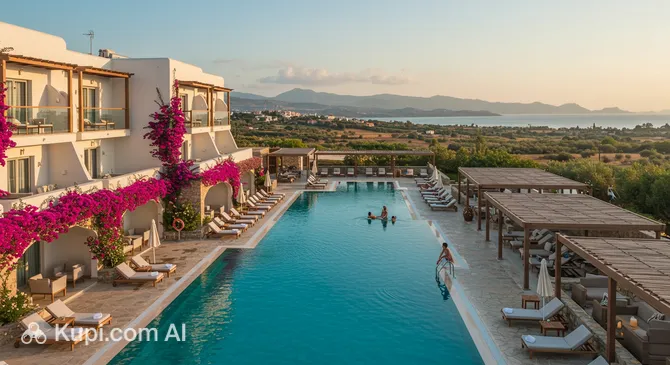
For travelers seeking a luxurious escape right by the water, Kalliston Resort is a prominent option located on the sandy beach of Agioi Apostoloi. It is known for its sophisticated design and swim-up rooms, making it a favorite for couples. Another highly regarded establishment is Ammos Hotel, which combines chic, modern design with a warm, family-friendly vibe, offering direct beach access and exceptional service.
Kalliston Resort. Illustration.
Source: Kupi.com AI
Traveler photos:
Booking Tips: Chania is an extremely popular destination, especially during the peak summer months of July and August. It is highly recommended to book your accommodation several months in advance to secure the best rates and availability. If you plan to visit during the shoulder seasons (May-June or September-October), you may have more flexibility and might find better deals.
Price Range: Accommodation prices vary significantly by season and category. Budget travelers can find rooms or studios for approximately €40–€70 per night. Mid-range hotels typically charge between €80 and €150, while luxury resorts and high-end boutique hotels in the Old Town can range from €180 to over €300 per night. Most properties can be easily booked via major online platforms, though contacting smaller, family-run guesthouses directly can sometimes result in a more personalized offer.
Nearby Cities
For those looking to explore the surroundings, Chania serves as an excellent base for day trips to several interesting nearby locations. The island of Crete is rich in history and scenic beauty, and a short journey east reveals other major cities that offer distinct experiences.
The closest option for a perfect day trip is Rethymno, located just about an hour's drive away. Like Chania, it boasts a magnificent Venetian harbor and a labyrinthine Old Town, but it has a unique character defined by the massive Fortezza castle overlooking the sea. Visitors can wander through its floral alleyways, admire the Rimondi Fountain, and enjoy a more relaxed pace of life compared to the larger cities.
Further east lies Heraklion, the capital of Crete and its largest administrative center. It is an essential destination for history buffs, primarily because it serves as the gateway to the ancient Palace of Knossos, the legendary center of the Minoan civilization. The city is also home to an outstanding Archaeological Museum, making it well worth the longer drive for anyone interested in the deep roots of European history.
These nearby destinations offer a glimpse into the diverse culture and landscapes of the region, allowing travelers to experience more of what Crete and the surrounding area have to offer.
Shopping & Souvenirs
Shopping in Chania offers a delightful mix of traditional craftsmanship and modern retail therapy, set against the backdrop of Venetian architecture. The city is not just a place to buy souvenirs but a destination where you can discover high-quality local products, from handmade leather goods to exquisite culinary treasures. Whether you are wandering through the narrow alleys of the Old Town or exploring the wider avenues of the modern city, the shopping experience here is vibrant and diverse.
The most famous shopping district is undoubtedly located within the Old Town. Here, the pedestrianized streets are lined with small boutiques and workshops. Skridlof Street, widely known as "Leather Lane," is a must-visit for high-quality leather sandals, bags, and belts, continuing a trade that has flourished here for centuries. For more mainstream fashion and international brands, visitors should head to the modern part of the city, particularly along Tzanakaki Street and Halidon Street, which serve as the main commercial arteries connecting the harbor to the newer districts.
While the city is characterized more by open-air shopping than massive enclosed complexes, there are notable large-scale stores that cater to varied needs. One such destination is Jumbo Chania, a vast department store located a short distance from the center. It is a popular stop for families and travelers looking for everything from toys and beach gear to home goods and seasonal decorations at affordable prices.
Jumbo Chania. Illustration.
Source: Kupi.com AI
Traveler photos:
For foodies and culture lovers, the historic Chania Municipal Market (Agora) remains the definitive landmark of the local shopping scene. This cross-shaped architectural gem is the heart of the city's trade, hosting dozens of stalls brimming with local produce. It is the ideal place to purchase authentic Cretan cheeses like graviera, thyme honey, mountain herbs, and freshly pressed olive oil directly from local producers.
When it comes to souvenirs, Chania offers items that are deeply rooted in Cretan tradition. Beyond the famous leather goods, the city is renowned for its handcrafted Cretan knives. These knives are considered symbols of friendship and pride, often featuring handles made of olive wood or bone and blades engraved with traditional poems called mantinades. Ceramic pottery and natural cosmetics made from olive oil are also excellent gifts to take home.
Opening hours in Chania generally follow the traditional Greek schedule. Shops in the Old Town and tourist areas usually stay open all day, from around 9:00 AM until late at night (10:00 PM or 11:00 PM) during the summer season. However, in the modern city, stores typically open from 9:00 AM to 2:00 PM on Mondays, Wednesdays, and Saturdays. On Tuesdays, Thursdays, and Fridays, they reopen in the evening from 5:30 PM to 9:00 PM after a midday break. Payment methods are modern, with credit and debit cards widely accepted, though carrying some cash is advisable for small purchases at kiosks or traditional workshops.
Travelers from outside the European Union should be aware of the Tax-Free shopping opportunities. Many larger stores and boutiques in Chania participate in the VAT refund scheme. If you spend over €50 in one receipt at a participating store, you can ask for a tax-free form to claim a refund at the airport upon your departure from Greece.