Support

Kythira

About

Nestled at the crossroads of the Ionian, Aegean, and Cretan seas, Kythira is a captivating destination that offers a peaceful escape from the bustling crowds. Known for its rugged beauty and romantic atmosphere, this island stands out with a unique character that differs from the typical Cycladic landscape, offering a blend of traditional charm and diverse scenery.

Geographically located off the southern tip of the Peloponnese, this enchanting island in Greece is home to a permanent population of approximately 4,000 residents. The climate is typically Mediterranean, with mild winters and warm, sunny summers that are perfect for exploring its varied terrain, from lush valleys to dramatic coastlines.

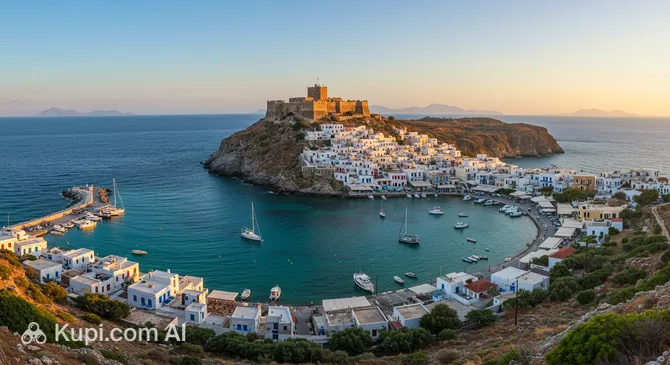
Kythira. Source: Kupi.Binoculars

Steeped in mythology, the island is celebrated as the birthplace of Aphrodite, the goddess of love. The rich history of Kythira is evident in its architecture, which showcases a harmonious blend of Venetian elegance and traditional Greek style. Visitors can wander through the picturesque capital, Chora, which is dominated by an imposing Venetian Castle offering breathtaking panoramic views of the sea.

Beyond its historical sites, Kythira is a paradise for nature lovers. The island features the magical Fonissa Waterfall near the village of Mylopotamos, a lush oasis of greenery and running water. For those seeking relaxation, pristine beaches like Kaladi offer crystal-clear waters and striking rock formations. Whether you are seeking a romantic retreat or an authentic cultural experience, Kythira invites you to discover its hidden treasures.

Weather Overview

Kythira enjoys a pleasant Mediterranean climate, characterized by distinct seasons that make it an inviting destination throughout the year. The summer months are warm and dry, with August being the hottest month, featuring an average temperature of approximately 27.1°C. This is the perfect time for swimming and sunbathing, as rainfall is virtually non-existent during July and August.

As the seasons change, the island experiences a shift towards cooler and wetter conditions. Winter remains relatively mild compared to mainland Europe, with January seeing average temperatures around 12.9°C, though travelers should be prepared for about 11 to 12 wet days per month during December and January. For a detailed forecast and monthly breakdown, you can consult the guide to the weather in Kythira before booking your trip.

Spring and autumn offer a delightful balance, with comfortable temperatures ranging from 16.0°C in April to 24.6°C in September. Overall, expect warm summers with clear skies and mild winters with occasional rain, creating a lush environment for the island's flora.

Interesting Facts

Beyond the main attractions, Kythira holds many fascinating secrets that peel back the layers of its long and varied history. From ancient myths to unique flora, the island offers stories that are as captivating as its landscapes.
  • The Flower of Eternal Youth: Kythira is the home of the Sempreviva, a rare yellow flower that translates to "always alive." Native to the island and the rocky islet of Chytra, this unique plant has the remarkable ability to retain its vibrant color and shape for years after being picked, without needing a single drop of water. It remains the island's most cherished symbol and souvenir.

  • A Ghost Village in the Gorge: Hidden deep within a canyon to remain invisible from the sea, the medieval capital of Paleochora (formerly Agios Dimitrios) was once a thriving city. In 1537, the pirate Hayreddin Barbarossa discovered and destroyed the settlement, and it was never inhabited again. Local legends say that if you visit the ruins at night, you can still hear the echoes of the past within the canyon walls.

  • A Bridge Built for Love: The massive Katouni Bridge is one of the largest stone bridges in Greece, a legacy of the British protectorate era. According to local lore, the British Commissioner Macphail designed this oversized engineering marvel not just for transport, but to have an excuse to frequently visit a local girl he had fallen in love with in the nearby village of Katouni.

  • Aphrodite’s True Home: While Cyprus is often cited as the Island of Love, the ancient poet Hesiod claimed that the goddess Aphrodite rose from the sea foam near Kythira first. She reportedly stepped onto the island before drifting to Cyprus, making Kythira her original sanctuary and the oldest center of her worship.

How to Get There

Reaching this picturesque island is a journey that sets the tone for a relaxing vacation. Whether you prefer a quick flight or a scenic boat ride, you can find all ways to reach the city and detailed travel tips in our dedicated guide. While the island is secluded, it remains well-connected to the mainland and surrounding regions.

The most convenient option for direct arrival is Kithira Airport (KIT), which is located on the island itself. Situated just 3.8 km from the main town, this small regional airport allows travelers to land right in the heart of their destination. A transfer by taxi or bus from the airport to the town center is typically just a short drive. Although the passenger traffic is small, the airport provides essential domestic links, making it a hassle-free entry point.

For many international visitors, the journey begins at Eleftherios Venizelos International Airport (ATH) in Athens. As a large international hub with high passenger traffic, it serves as the primary gateway to the country. Located about 205 km from Kythira, it offers frequent connections. From Athens, travelers can either take a short domestic flight to the island or head to a port for a ferry crossing.

Another option on the mainland is Kalamata Airport (KLX), situated in the city of Kalamata, approximately 123 km away. While it is a medium-sized airport, it serves as a useful alternative for those exploring the Peloponnese region before heading to the island via a ferry connection from a nearby port.

For clarity, here is a summary of the main airports:

Airport Name City Passenger Traffic Km from City
Eleftherios Venizelos International AirportAthensLarge204.6
Chania International AirportChaniaLarge133.4
Kalamata AirportKalamataMedium123.4
Milos AirportMilosSmall142.7
Kithira AirportKythiraSmall3.8

Main Attractions

Kythira is a destination where history and nature converge, offering visitors a chance to explore medieval fortifications, sacred religious sites, and impressive geological formations. The island's attractions reflect its rich past as a crossroads of civilizations and its enduring traditions.

The Venetian Castle of Chora is arguably the most significant historical landmark on the island. Often referred to as the "Eye of Crete" due to its strategic location overlooking the meeting point of the Ionian, Aegean, and Cretan seas, this 13th-century fortress dominates the capital. Visitors can walk through its ancient gates to discover the ruins of Venetian buildings, old churches, and prisons. The castle offers one of the most spectacular panoramic views in Greece, making it an ideal spot for photography, especially during sunset.

Another highlight is the Monastery of Panagia Myrtidiotissa, the spiritual heart of Kythira. Located on the western coast amidst a forest of pine and myrtle trees, this monastery is dedicated to the island's patron saint. According to tradition, a shepherd discovered a miraculous icon of the Virgin Mary here in a myrtle bush. The complex is renowned for its peaceful atmosphere, its imposing bell tower, and the stunning sunsets visible from its grounds, attracting pilgrims and travelers alike.

For nature lovers, the Cave of Agia Sofia near the village of Mylopotamos is a fascinating site. Steeped in mythology, it is said to be the place where Paris and Helen of Troy sought refuge. The cave is adorned with impressive stalactites and stalagmites, but its most unique feature is the stone chapel built directly inside the cavern. Visitors can admire ancient frescoes dating back to the 13th century that decorate the rock walls, blending natural beauty with religious heritage.

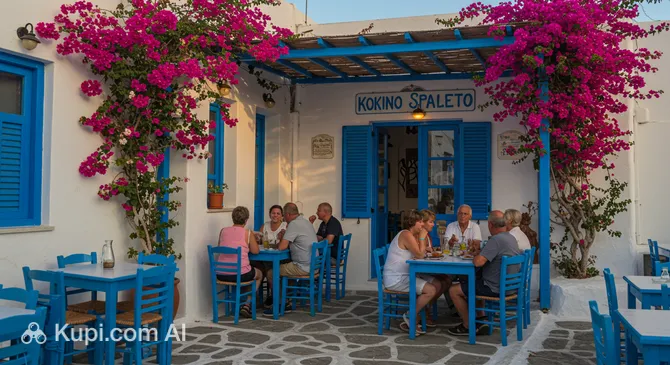
Kokino Spaleto. Source: Kupi.Binoculars

After a day of exploration, visitors can enjoy the local hospitality at Kokino Spaleto. This establishment serves as a welcoming spot for tourists to relax and soak in the island's atmosphere. Whether you are looking for a place to unwind or to experience a slice of local life, it provides a pleasant setting to complement your journey through Kythira's diverse attractions.

Local Cuisine

The culinary landscape of Kythira is a delightful reflection of its history, blending flavors from the Peloponnese and Crete to create a unique gastronomic identity. The cuisine relies heavily on locally sourced ingredients, particularly high-quality olive oil, thyme honey, and coarse sea salt gathered from the island's rocky shores. A staple of every table is the famous Ladopaximadia, or olive oil rusks. These crunchy, twice-baked breads are distinct to the island and are often enjoyed with chopped tomatoes, feta cheese, and oregano, or simply dipped in wine.

For those with a sweet tooth, Kythira offers exceptional traditional treats that make for perfect souvenirs. Rozedes are delicious almond and honey sweets with a hint of cinnamon, shaped into small balls and reminiscent of the island's Venetian past. Another must-try dessert is Xerotigana, crispy fried dough spirals drenched in local thyme honey and sprinkled with sesame seeds and walnuts. These are traditionally served at weddings and celebrations but can be found in bakeries throughout the island.

No culinary journey here is complete without tasting the island's signature drink, Fatourada. This homemade liqueur is crafted from a base of tsipouro (a strong pomace brandy) infused with cinnamon and cloves, resulting in a warm, aromatic beverage that is typically served after a meal. It perfectly captures the hospitality of the locals and is often offered as a welcoming gesture to visitors.

The dining culture in Kythira is relaxed and authentic, centered around family-run tavernas and seaside eateries rather than commercialized chains. Visitors can enjoy fresh seafood in villages like Avlemonas or hearty meat dishes in the inland mountain settlements. For a memorable dining experience, you might visit Kokino Spaleto, a restaurant known for its inviting atmosphere and dedication to local flavors. Whether you are snacking on a beach or enjoying a long dinner under the stars, the food here is prepared with care and tradition.

Travel Tips

Welcome to Kythira, an island where rugged natural beauty meets traditional Greek hospitality. To ensure your visit to this enchanting destination is as smooth and enjoyable as possible, here are some practical tips to help you prepare for your journey.

  1. Clothing and Gear: During the summer, pack lightweight, breathable clothing and swimwear, but always bring a windbreaker or light jacket, as the island is known for its strong winds, particularly in the evenings. Comfortable, sturdy walking shoes are essential if you plan to explore the Venetian Castle or hike to the waterfalls. When visiting religious sites like the Monastery of Panagia Myrtidiotissa, dress modestly; shoulders and knees should be covered to show respect.

  2. Transportation: Public transport on Kythira is quite limited, with buses often running only during the peak summer season and on restricted routes. To truly discover the island's hidden beaches and scattered villages, renting a car or a scooter is highly recommended. Taxis are available but can be scarce, so booking in advance is wise if you don't have your own vehicle.

  3. Finances: The official currency is the Euro (€). While most hotels and larger restaurants in Chora and Kapsali accept credit and debit cards, smaller tavernas and local shops in remote villages may prefer cash. ATMs are available in the main towns like Chora, Potamos, and Livadi, but it is good practice to carry enough cash for daily small expenses.

  4. Health and Safety: Kythira is a very safe destination with a low crime rate. For medical needs, there is a General Hospital located in the village of Potamos, which provides emergency services. Pharmacies are found in the main commercial centers; look for the green cross sign. Always stay hydrated and use high-SPF sunscreen, as the sun can be deceptively strong even when it feels cool due to the breeze.

  5. Communication: The official language is Greek, but English is widely spoken in tourism-related businesses, hotels, and restaurants. Learning a few basic Greek phrases like "Kalimera" (Good morning) and "Efharisto" (Thank you) is greatly appreciated by the locals. Wi-Fi is standard in most accommodations and cafes, and mobile signal is generally good, though it may be spotty in deep gorges or secluded beaches.

  6. Local Etiquette: Kythirians are known for their warm hospitality. It is polite to greet shopkeepers and locals when entering a space. The pace of life here is relaxed, often described as "siga-siga" (slowly-slowly), so patience is key when waiting for service. If you are invited to a local's home, removing your shoes at the door is a common sign of respect unless told otherwise.

  7. What to Avoid: Do not rely solely on digital maps for navigation in remote areas, as they can sometimes be inaccurate; asking locals for directions is often more reliable. Also, avoid visiting the beaches on the north or west side of the island when strong northern winds are blowing; instead, head to the southern coves which will be more sheltered and calm.

  8. Shopping Hours: Keep in mind that many shops, especially in smaller villages, follow the traditional split shift schedule. They typically open in the morning, close for a midday break (siesta) around 2:00 PM, and reopen in the late afternoon around 5:30 PM or 6:00 PM. Plan your shopping errands accordingly to avoid finding closed doors.

By keeping these practical tips in mind, you will be well-equipped to navigate the island's unique rhythm and charm. We hope you have a wonderful time exploring the breathtaking landscapes and rich culture of Kythira!

Entertainment & Nightlife

Kythira offers a distinctive nightlife experience that prioritizes atmosphere and conversation over loud music and neon lights. Unlike the intense party scenes found on some other Greek islands, the evening entertainment here is sophisticated, romantic, and laid-back. Visitors can expect to find charming lounge bars, open-air cafes, and traditional venues where the sound of the waves often accompanies the music, creating a relaxing environment for night owls.

The heart of the island's nightlife beats primarily in Kapsali, the twin-bay village located just below the capital. Here, the waterfront promenade comes alive after sunset, with numerous bars and cafes lining the shore. It is the perfect spot to enjoy a refreshing cocktail while watching the illuminated castle above. Another key area is Chora, the capital itself, where narrow cobblestone streets hide stylish bars that offer jazz, funk, and artistic vibes, often housed in beautifully preserved old buildings.

For those looking to combine great flavors with a welcoming evening ambience, Kokino Spaleto is a notable choice. Venues like this often serve as the perfect starting point for a night out, offering a blend of local hospitality and a relaxed setting. In Chora, you might also find popular spots like Mercato Bar, which is well-known among locals for its signature cocktails and eclectic music selection, drawing a diverse crowd during the summer months.

The nightlife typically kicks off late, with most bars becoming busy after 11:00 PM. The dress code is almost exclusively "island chic" or smart-casual; there is no need for formal attire. Prices are generally reasonable, with drinks and cocktails averaging between €8 and €12. In terms of safety, Kythira is incredibly secure, and walking between venues in Chora or Kapsali is perfectly safe at night.

Transportation requires some planning, as public buses do not operate late into the night. Taxis can be scarce during peak hours, so it is highly advisable to pre-arrange a ride or have a designated driver if you are staying in a different village. The mountain roads can be winding and unlit, so caution is needed when driving after dark.

During the day, the entertainment shifts towards cultural and historical exploration. Visitors can spend their time at the Archaeological Museum in Chora or the Byzantine Museum in Livadi to delve into the island's past. In the summer, the island also hosts various cultural festivals, art exhibitions, and concerts in open-air theaters, offering a delightful mix of tradition and arts under the Mediterranean sun.

Parks & Museums

While Kythira is famous for its beaches, the island also boasts lush inland landscapes and cultural institutions that preserve its rich heritage. Visitors looking to explore beyond the coastline will find verdant valleys, refreshing springs, and museums that narrate the island's journey from antiquity to the modern era.

One of the most enchanting natural areas is the Valley of Mylopotamos, often referred to as the "Neraida" or "Fonissa" waterfall area. Hidden amidst towering plane trees and ivy, this green oasis feels worlds away from the dry Cycladic landscapes. A gentle hiking path leads visitors past abandoned watermills and stone bridges, following the stream until it cascades into a small pond. It is a perfect spot for nature lovers seeking shade and the soothing sound of running water, offering a fairytale-like atmosphere that contrasts beautifully with the island's rugged coast.

In the northern part of the island, the Springs of Amir Ali in the village of Karavas offer another splendid retreat into nature. This area is renowned for its dense vegetation and abundant freshwater springs. Well-maintained trails wind through the ravine, allowing visitors to walk among centuries-old trees and vibrant flora. The location is ideal for a peaceful afternoon walk, and the natural architecture of the landscape provides a refreshing escape from the summer heat.

For history enthusiasts, the Archaeological Museum of Kythira in Chora is an essential stop. Recently renovated, the museum serves as a modern gateway to the island's past, showcasing artifacts that highlight Kythira's strategic position across centuries. Key exhibits include the marble Lion of Kythira, dating back to the 6th century BC, and significant finds from the Minoan peak sanctuary at Agios Georgios. The collection effectively illustrates the island's multicultural history, influenced by Minoans, Mycenaeans, and Venetians.

Another cultural gem is the Byzantine Museum, located in the village of Livadi within the historic church of Analipsi (Ascension). This museum focuses on the island's religious heritage, housing a remarkable collection of Byzantine and post-Byzantine icons, sacred vessels, and frescoes. The setting itself adds to the experience, as the stone-built church provides an atmospheric backdrop for viewing the intricate silverworks and religious art that define the spiritual life of the locals.

A true insider tip for those exploring the natural side of Kythira is to follow the trail from the Mylopotamos waterfalls all the way down to the sea at Kalami Beach. This hike is more challenging and requires good shoes, but it rewards adventurers with a secluded cove and a close-up look at the intricate system of 22 watermills that once powered the island's economy, many of which still stand in atmospheric ruin along the gorge.

Getting Around

The public transport system in Kythira is modest and designed primarily to serve the basic needs of locals and summer visitors, rather than offering the extensive network found in large metropolitan areas. There is no metro, tram, or train service on the island. The primary form of public transportation is the local bus service, which connects the capital, Chora, with the main port of Diakofti, the airport, and major villages like Livadi and Potamos. During the peak summer season, routes are expanded to include popular beaches and tourist resorts such as Kapsali and Avlemonas.

Payment for bus travel is straightforward and traditional. There are no complex digital travel cards or mobile apps for ticketing. Passengers typically purchase tickets directly from the driver upon boarding. It is essential to carry cash, preferably in small denominations (coins or small notes), as credit card terminals are rarely available on board. Ticket prices are quite affordable, generally ranging from €2 to €5 depending on the distance of the journey.

For tourists relying on the bus, planning is key. Timetables are usually posted at the central bus stops in Chora and Livadi, as well as at the port. However, schedules can change seasonally, with frequency dropping significantly outside the summer months. It is advisable to ask your hotel reception or a local shopkeeper for the most current schedule. Be aware that buses may not run late into the night, so you should plan your return trip accordingly to avoid being stranded.

Given the limited frequency and reach of the bus network, most visitors find that renting a vehicle is the most practical way to explore the island. Car and scooter rental agencies are available at the airport, the port, and in major towns. This option offers the freedom to visit secluded beaches and remote monasteries that public transport does not reach. Taxis are also available and can be found at designated stands or booked by phone, but they are relatively few in number, so pre-booking is highly recommended, especially for airport or port transfers.

While there are no historic cable cars or funiculars, the drive itself often serves as a scenic tour. The road network winds through dramatic landscapes, offering stunning views of the sea and valleys. If you choose to drive, navigate with care, as the roads can be narrow and winding. For short distances within villages like Kapsali or Chora, walking is often the most pleasant and efficient option.

Accommodation

Accommodation in Kythira is characterized by its authentic, small-scale charm rather than massive all-inclusive resorts. The island primarily offers family-run guesthouses, self-catering apartments, and boutique hotels that blend seamlessly with the local architecture. Visitors can expect a range of options, from budget-friendly studios perfect for backpackers to elegant suites housed in restored traditional buildings that offer a touch of luxury. The focus here is on hospitality and integration with the village surroundings, providing a cozy, home-like atmosphere.

Choosing the right area to stay depends largely on the type of experience you are seeking. **Kapsali**, located just below the capital, is a favorite for travelers who want immediate access to the beach and a vibrant nightlife scene. **Chora** itself offers a romantic and historic setting with breathtaking views, though it is situated inland. For those who love picturesque seaside settings, the fishing village of **Avlemonas** is incredibly popular, known for its Cycladic-style architecture and beautiful swimming coves. In the north, **Agia Pelagia** serves as a major tourist hub with a wide variety of lodgings and long sandy beaches, making it ideal for families. Alternatively, the central village of **Potamos** is a strategic base for those who wish to explore the entire island with ease.

Booking Tip: Kythira has a limited number of beds compared to larger tourist destinations, and the best properties often sell out months ahead. It is highly recommended to book your accommodation well in advance, especially if you plan to visit during the peak season of July and August.

The price range for accommodation is generally moderate and offers good value for money compared to the more cosmopolitan Greek islands. While you can find luxury villas at higher rates, the majority of options fall into the mid-range category. Booking can be done easily through major online travel platforms, but for many smaller, family-owned guesthouses, contacting the owners directly can sometimes secure a better rate or a more personalized stay.

Nearby Cities

For those looking to explore the surroundings, Kythira serves as an excellent base for day trips or further travel to several interesting nearby locations:

City Population Distance (km)
Glyfada87,305192
Chania53,910125
Kalamata53,041115
Argyroupoli34,097195
Rethymno32,468169

Located in the Peloponnese, Kalamata is the closest major mainland city to Kythira and makes for a fantastic excursion or the next stop on your journey. Famous worldwide for its olives and olive oil, the city offers much more than just gastronomy. Visitors can explore the legendary Castle of Isabeau, stroll along the vibrant waterfront, or visit the fascinating Archaeological Museum of Messenia. It is a city that perfectly balances urban amenities with historical charm and seaside relaxation.

For those willing to venture a bit further south to the island of Crete, Chania is widely regarded as one of the most beautiful cities in the Mediterranean. Its stunning Venetian Harbor, complete with a 16th-century lighthouse, provides a breathtaking backdrop for a day of exploration. The winding, narrow streets of the Old Town are filled with colorful buildings, artisan shops, and tavernas serving authentic Cretan cuisine, offering a distinct cultural vibe compared to Kythira.

Another gem on Crete's northern coast is Rethymno, known for its well-preserved Renaissance architecture and the imposing Fortezza, a massive Venetian fortress that dominates the skyline. The city’s old quarter is a labyrinth of history, featuring elegant mansions, arched doorways, and stone staircases. It provides a rich historical experience where visitors can wander through time, admiring the blend of Venetian and Ottoman influences that define the city's character.

These nearby destinations offer a glimpse into the diverse culture and landscapes of the region, allowing travelers to easily expand their Greek adventure.

Shopping & Souvenirs

Shopping in Kythira is a delightful journey into tradition and authenticity, far removed from the commercialized experience of large cities. The island does not feature high-end fashion chains or sprawling retail complexes; instead, it prides itself on small, family-owned businesses that showcase local craftsmanship and culinary treasures. Visitors will find that the shopping scene here is intimate, focusing on high-quality local products and unique handmade items that reflect the island's culture.

The most picturesque shopping destination is undoubtedly Chora, the island's capital. Its narrow, whitewashed alleys are lined with charming boutiques, art galleries, and jewelry stores where artisans sell distinct creations inspired by the island's history. Another vital commercial hub is the village of Potamos in the north. As the main business center of the island, it offers a more functional array of shops, including grocery stores, bakeries, and traditional shops that have served the locals for generations.

Travelers should be aware that there are no shopping malls or large department stores on the island. The retail landscape is defined strictly by independent retailers. This absence of mass-market commercialism preserves the island's traditional character, ensuring that every purchase supports the local economy directly.

A highlight of the local trade is the traditional Sunday Market in Potamos. This is a vibrant weekly event where farmers and producers from all over the island gather in the central square. It is the perfect place to mingle with locals and purchase fresh seasonal fruits, vegetables, and homemade cheeses. The atmosphere is lively and authentic, making it a cultural experience as much as a shopping opportunity.

When it comes to souvenirs, Kythira offers several unique items that are perfect for taking home. The most iconic souvenir is the Sempreviva, a rare yellow flower that grows only on this island and retains its color and shape forever without water. Culinary gifts are also highly recommended, particularly the local thyme honey, which is considered some of the best in Greece, and Fatourada, a traditional homemade liqueur spiced with cinnamon and cloves. Don't forget to buy a bag of Ladopaximadia, the island's famous olive oil rusks.

Store hours in Kythira generally follow the traditional Greek schedule. Shops typically open around 9:00 AM, close for a midday break (siesta) from approximately 2:00 PM to 5:30 PM, and reopen in the evening until 9:00 PM or later, especially in tourist areas like Chora and Kapsali. While credit and debit cards are widely accepted in the main towns, it is advisable to carry cash when visiting smaller villages or the Sunday market.

For visitors from outside the European Union, the standard Tax-Free shopping schemes applicable in Greece theoretically apply here. However, due to the small size of most businesses, finding shops that are equipped to process VAT refund paperwork on the spot may be difficult. It is best to ask store owners in advance if they participate in the tax-free program for larger purchases like jewelry or art.
Reached the end of the page?

That means the route is fully explored