Support

Zakynthos

About

Known poetically as the "Flower of the East" (Fiore di Levante) by the Venetians, Zakynthos is a captivating destination that perfectly blends natural beauty with cultural charm. As the third-largest of the Ionian Islands, it offers a lush landscape of olive groves, citrus orchards, and vibrant wildflowers, contrasting beautifully with the turquoise waters that surround its coastline.

Situated off the western coast of Greece, the island enjoys a mild Mediterranean climate with wet winters and hot, sunny summers, making it a favorite spot for sun-seekers. With a population of approximately 40,000 residents, the island maintains a lively yet welcoming atmosphere, particularly in its bustling main town and port, which serves as the commercial and cultural hub.
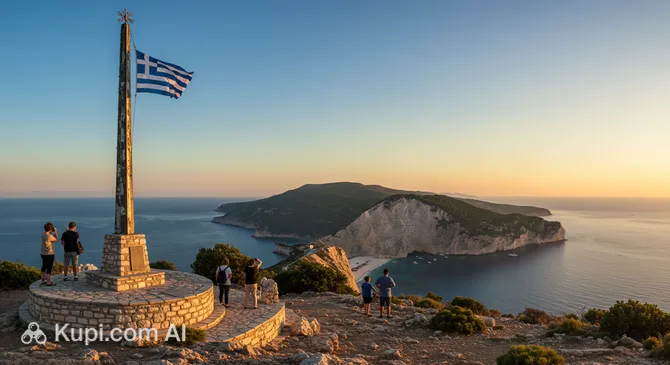
Zakynthos. Source: Kupi.Binoculars

While the island is famous for its stunning beaches, the history of Zakynthos adds a layer of depth to any visit. Influenced heavily by centuries of Venetian rule, the architecture, music, and local traditions possess a unique flair distinct from the rest of the country, despite the reconstruction efforts following the major earthquake of 1953.

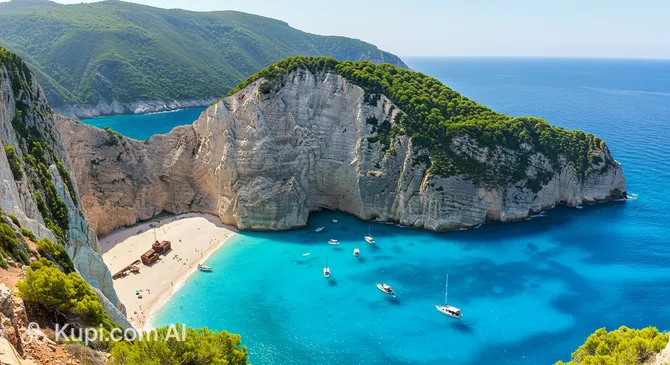
Travelers flock here to witness the iconic Navagio Beach (Shipwreck Beach), accessible only by boat and framed by towering limestone cliffs and crystal-clear blue waters. Nature lovers are also drawn to the protected marine park in Laganas Bay, which is a crucial nesting ground for the endangered Caretta caretta loggerhead sea turtles. Whether you are exploring the mesmerizing Blue Caves or simply enjoying the warm local hospitality, Zakynthos promises an unforgettable island getaway.
Weather Overview

Zakynthos enjoys a classic Mediterranean climate, offering distinct seasonal experiences for visitors. The weather in Zakynthos is characterized by long, sun-drenched summers and mild, wetter winters that contribute to the island's lush vegetation.

During the peak summer months of July and August, the island is at its warmest, with average temperatures climbing to around 26.5°C and maximums reaching 28°C, while rainfall is scarce with almost zero precipitation. Conversely, the winter period from November to January brings cooler averages between 12°C and 17°C, along with frequent rainfall, seeing up to 17 wet days in December. Expect hot, dry summers ideal for swimming and mild, rainy winters that maintain the region's vibrant greenery.

Interesting Facts

Beyond the main attractions and famous shipwrecks, Zakynthos holds many fascinating secrets and cultural treasures that often go unnoticed by the casual visitor. Here are some unique insights into the history and character of this Ionian gem:

  • The lyrics to the Greek National Anthem, the "Hymn to Liberty," were written on the island by the poet Dionysios Solomos. Legend has it that he sat upon Strani Hill, listening to the cannon fire from the Greek War of Independence across the sea in the Peloponnese, which inspired his stirring verses.

  • Zakynthos is home to a peculiar architectural landmark, the Argassi Bridge, which dates back to the British period in the early 19th century. Due to severe coastal erosion over the years, this stone structure now stands half-submerged in the sea, allowing visitors to literally walk on water near the shore.

  • The island's patron saint, St. Dionysios, is affectionately known as the "Walking Saint." Local tradition claims that he leaves his reliquary to walk around the island and perform miracles, which is why the priests periodically change his velvet slippers, saying they have been worn out from his travels.

  • The heart of the town, Solomos Square, is a testament to resilience and artistic heritage. Although much of the city was devastated by the 1953 earthquake, the square was meticulously reconstructed to preserve the grandeur of the neoclassical buildings, serving as the cultural epicenter where local "Kantades" (traditional serenades) are often sung.

Solomos Square. Source: Kupi.Binoculars

How to Get There

Reaching the beautiful island of Zakynthos is a straightforward affair, with options to suit various travel styles. Most visitors choose to fly directly to the island, especially during the summer season, but there are also convenient connections via the mainland for those exploring more of the region. You can find more about how to get to Zakynthos and the specific routes available on our detailed transport page.

The most direct way to arrive is via the Zakynthos Airport (IATA: ZTH), also known as "Dionysios Solomos." As an international airport, it handles a large volume of charter flights from across Europe. Since the airport is conveniently located on the island itself, just 4.2 km from the main town, the transfer is very quick. A taxi or bus ride to the city center typically takes approximately 15 minutes.

If you are traveling from the Peloponnese or cannot find a direct flight, the Araxos Airport (IATA: GPA) in Patras is a strategic alternative. Although the city of Zakynthos does not have this airport within its own boundaries, Araxos is located about 61 km away on the mainland. It serves as a gateway to the port of Kyllini, where ferries depart for the island. The estimated travel time to Zakynthos from this point is around 2 hours.

Another option for travelers is the Kalamata Airport (IATA: KLX), situated in the city of Kalamata, roughly 127 km from Zakynthos. This airport serves the southern part of the mainland and can be a good landing spot for those planning a road trip before catching the ferry. The journey to Zakynthos from here takes approximately 3.5 hours by road transport.

For clarity, here is a summary of the main airports:

Airport Name City Passenger Traffic (Annual) Km from City
Zakynthos Airport Zakynthos 2,100,000 4.2
Aktion Airport Preveza 773,587 126.9
Kalamata Airport Kalamata 338,000 127.6
Araxos Airport Patras 182,000 61.4
Ioannina Airport Ioannina 134,011 212.1

Main Attractions

Zakynthos offers a delightful array of sights that range from historical fortifications to vibrant public spaces, ensuring there is something for every type of traveler. Whether you are interested in diving into the island's past or simply looking for a picturesque spot to relax, the city's main attractions provide a perfect introduction to its unique character.

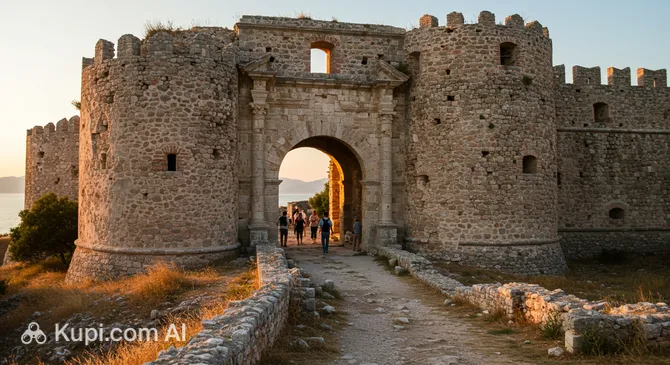
Standing guard over the city on the hill of Bohali, the Venetian Castle of Zakynthos is a must-visit for history enthusiasts and sightseers alike. Although time and earthquakes have left their mark, the site remains an evocative place to explore, featuring ruins of old churches, prisons, and fortifications amidst a forest of pine trees. Tourists are particularly drawn here for the breathtaking panoramic views of the harbor and the town below, which are especially magical during sunset.

Venetian Castle of Zakynthos. Source: Kupi.Binoculars

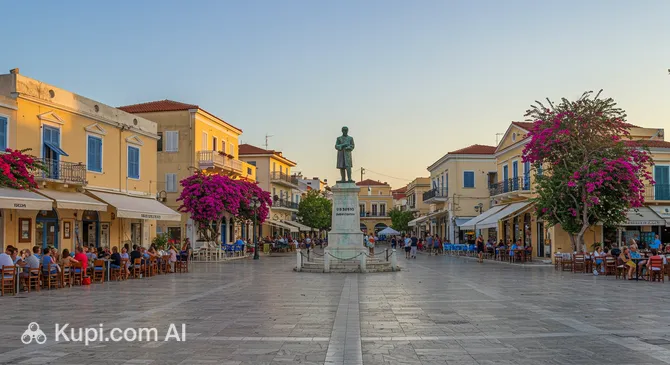
The heartbeat of the capital is undoubtedly Solomos Square. This expansive, paved plaza is framed by impressive neoclassical buildings, including the Byzantine Museum and the Cultural Center, which house important artistic treasures. It serves as the city's primary gathering place, bustling with locals and visitors enjoying an evening stroll or a coffee at the nearby cafes, all under the watchful eye of the statue of the national poet, Dionysios Solomos.

Solomos Square. Source: Kupi.Binoculars

For a peaceful retreat into nature just a short distance from the city center, Strani Hill offers a serene escape. This lush, green park is not only significant for its literary connections but also for the commanding views it affords over the Ionian Sea and the plains of the island. It is an excellent spot for a quiet walk among olive and cypress trees, allowing visitors to experience the landscape that has inspired poets and artists for generations.

Strani Hill. Source: Kupi.Binoculars

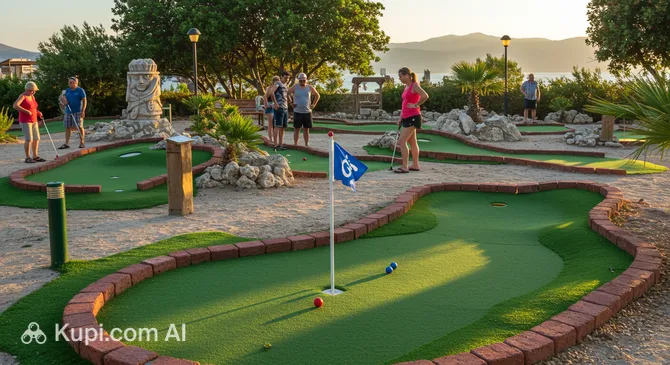
Travelers looking for a fun, family-friendly activity should head to Fantasy Mini Golf. Located in the nearby area of Tsilivi, this beautifully landscaped course offers a playful break from sightseeing. With its well-maintained gardens and creative obstacles, it provides an entertaining challenge for all ages, making it a popular choice for those wanting to enjoy a relaxed afternoon or evening out.

Fantasy Mini Golf. Source: Kupi.Binoculars

Local Cuisine

The culinary landscape of Zakynthos is a delightful exploration of Mediterranean flavors, heavily influenced by its Venetian past and the abundance of fresh, local produce. At the heart of the island's gastronomy is the famous Zakynthian olive oil, which enriches almost every recipe. Cheese lovers must try Ladotyri, a hard, spicy cheese made from sheep's and goat's milk that is traditionally preserved in olive oil, giving it a unique piquant taste.

When visiting local tavernas, look for signature dishes that define the island's character. A standout is Sartsa, a rich beef casserole slow-cooked with tomatoes, garlic, and a generous topping of Ladotyri cheese. Another classic is Rabbit Stifado, a comforting stew prepared with pearl onions, wine, and aromatic spices like cinnamon. For those with a sweet tooth, the island is renowned for Mantolato, a local nougat made with egg whites, almonds, and honey, often sold in traditional shops throughout the town.

No meal in Zakynthos is complete without sampling the local libations. The island produces a unique white wine known as Verdea, a traditional variety with a high alcohol content and a distinct, sherry-like finish that has been enjoyed here for centuries. It pairs perfectly with seafood and spicy cheese dishes. For a more casual drink, locally produced Ouzo or Tsipouro are popular aperitifs often served with small plates of appetizers known as mezedes.

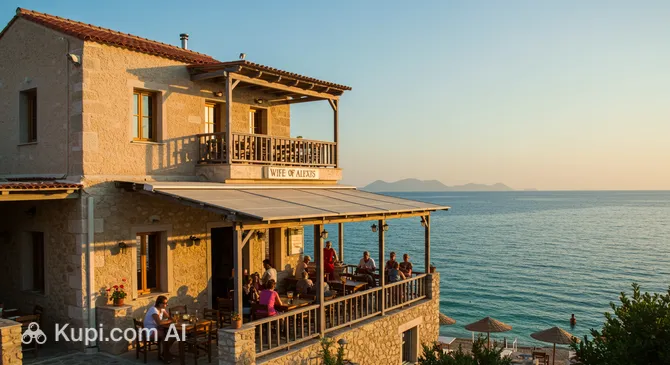
Dining out in Zakynthos ranges from rustic family-run tavernas to modern seaside eateries. For a genuine taste of traditional Greek cooking in a warm, homely setting, you might visit Wife of Alexis. This restaurant is a favorite among visitors for its authentic dishes and friendly service, making it a great spot to experience the local hospitality.

Wife of Alexis. Source: Kupi.Binoculars

If you prefer a dining experience with a view or a more contemporary vibe, Palatium offers a lovely atmosphere to enjoy a meal. As the evening progresses, the island's nightlife comes alive. Travelers looking to unwind with a creative cocktail or a glass of wine can head to vibrant spots like Portokali, which provides a colorful and energetic backdrop for a night out.

Travel Tips

Welcome to Zakynthos! To ensure your visit to the "Flower of the East" is as smooth and enjoyable as possible, we have compiled a list of essential practicalities. These tips will help you navigate the island's customs, logistics, and unique quirks with the confidence of a local.

  1. Clothing and Gear: In the summer, lightweight, breathable fabrics and swimwear are staples, but bring a light jacket for breezy evenings or boat trips to the Blue Caves. Comfortable walking shoes are a must for exploring the cobbled streets of the town or hiking up to the Venetian Castle. If you plan to visit religious sites like the Church of Saint Dionysios, dress modestly by covering your shoulders and knees.

  2. Transportation: While the local KTEL buses connect Zakynthos Town to popular resorts like Laganas and Tsilivi, schedules can sometimes be infrequent. To truly explore hidden coves and mountain villages at your own pace, renting a car or a quad bike is the best option. Taxis are available at the port and main squares, but having your own vehicle offers the most freedom.

  3. Finances: The official currency is the Euro (€). Major credit and debit cards are widely accepted in the city and tourist hubs, but it is essential to carry cash for small purchases, bus fares, or tavernas in remote villages. ATMs are plentiful in the town center. Tipping is customary; leaving around 10% for good service is a polite gesture.

  4. Health and Safety: Zakynthos is a safe destination, but staying hydrated is key. Note that tap water on the island often has a high mineral content and is not recommended for drinking; stick to bottled water. Pharmacies are marked with a green cross, and you can find a list of on-duty chemists for after-hours needs in their windows or online.

  5. Communication: The main language is Greek, but due to tourism, English is spoken fluently almost everywhere. Locals appreciate the effort if you use basic greetings like "Kalimera" (Good morning) or "Efharisto" (Thank you). European visitors can use their home mobile plans (roam-like-at-home), while others can easily buy a prepaid SIM card at mobile stores in the town.

  6. Local Etiquette: Greeks are renowned for their hospitality, known as philoxenia. It is polite to greet shopkeepers when entering a store. Dining is a leisurely social event, often starting later in the evening than in northern Europe; don't be surprised if tavernas are busiest after 9:00 PM.

  7. What to Avoid: Be extremely mindful of the endangered Caretta caretta sea turtles. Never disturb marked nests on beaches, and strictly observe the ban on visiting protected beaches like Gerakas after sunset. Additionally, avoid flushing toilet paper down the toilet; Greek plumbing pipes are narrow, so always use the small bin provided.

  8. Additional Tip: Keep the "siesta" hours in mind. Many smaller shops and offices in Zakynthos Town may close in the afternoon, typically between 2:00 PM and 5:30 PM, before reopening for the evening. Plan your shopping or administrative tasks for the morning hours to avoid finding closed doors.

Armed with these practical insights, you are all set to experience the magic of Zakynthos without a hitch. Whether you are navigating the lively town center or heading out to the pristine beaches, a little local knowledge goes a long way in making your holiday unforgettable.

Entertainment & Nightlife

Entertainment:

The island of Zakynthos transforms as the sun sets, offering a vibrant nightlife scene that caters to every type of traveler. While the resort of Laganas is internationally famous for its high-energy clubs and parties that last until dawn, the rest of the island provides a more diverse array of evening entertainment. Zakynthos Town and the scenic hill of Bohali are perfect for those seeking a sophisticated atmosphere, where stylish lounge bars offer stunning views of the illuminated harbor and the Ionian Sea.

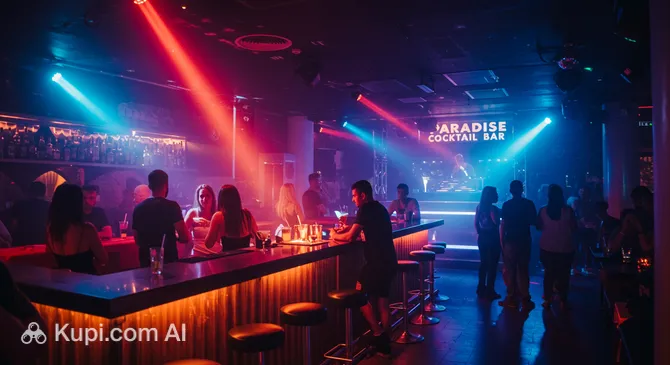
For a memorable night out, many visitors choose to spend their evening at the Paradise Cocktail Bar. This popular venue is celebrated for its lively ambiance and extensive menu of creative drinks. Whether you are looking to enjoy a signature cocktail under the stars or simply soak up the friendly island vibe with music and good company, it serves as an excellent spot to unwind after a day at the beach.

Paradise Cocktail Bar. Source: Kupi.Binoculars

Beyond the bars and clubs, Zakynthos offers plenty of cultural and family-friendly entertainment. During the summer months, open-air cinemas and local festivals provide a glimpse into the island's artistic side. For a more traditional experience, look for tavernas hosting evenings of "kantades"—romantic local serenades accompanied by guitar and mandolin—which perfectly capture the nostalgic charm of the Ionian Islands.

Parks & Museums

While Zakynthos is globally renowned for its azure waters, the island also boasts a rich tapestry of green spaces and cultural institutions that preserve its unique heritage. Beyond the beaches, visitors can explore protected natural reserves and museums that offer a deep dive into the island's artistic, literary, and ecological history, providing a well-rounded travel experience.

For nature enthusiasts, the National Marine Park of Zakynthos is the island's most significant ecological treasure. Encompassing the Bay of Laganas and the Strofades islets, this protected area is crucial for the survival of the endangered Caretta caretta loggerhead sea turtles. It is not just a park but a sanctuary where visitors can learn about marine conservation while enjoying the pristine environment of nesting beaches like Gerakas and Marathonisi.

Another remarkable natural attraction is the Askos Stone Park, located in the northern part of the island near Volimes. This open-air reserve combines a zoo with a botanical garden, featuring hundreds of animals, including deer, raccoons, and peacocks, living freely in their natural habitat. The park is also dotted with traditional stone structures, such as old stables and water cisterns, making it an excellent destination for families and those interested in the island's rural architecture and flora.

In terms of culture, the Byzantine Museum of Zakynthos is a cornerstone of the island's artistic legacy. Dominating the west side of Solomos Square, this imposing building houses a magnificent collection of hagiography, wood carvings, and frescoes saved from churches destroyed in the 1953 earthquake. It offers a fascinating glimpse into the post-Byzantine era and the Heptanese School of painting, which flourished here during Venetian rule.

Just a short walk away on St. Mark's Square stands the Museum of Solomos and Eminent Zakynthians. This institution is dedicated to Dionysios Solomos, the national poet of Greece, and other significant local figures. Visitors can view personal artifacts, manuscripts, and the mausoleum of the poet on the ground floor, making it a moving tribute to the island's profound contribution to modern Greek literature and identity.

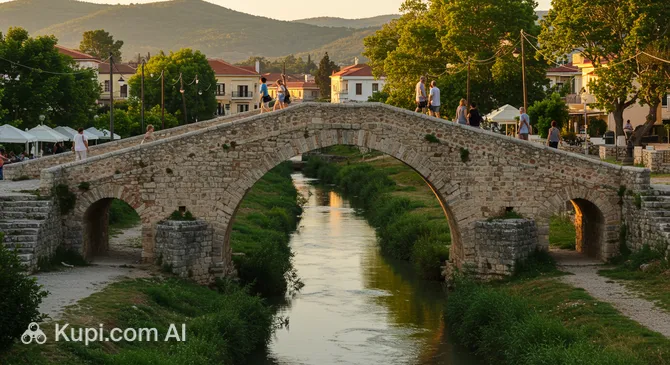
For a blend of history and coastal scenery, the Argassi Bridge is a unique landmark worth visiting. Built in 1805 during the British protectorate, this five-arched stone bridge once crossed a river mouth that has since eroded, leaving the structure standing majestically half-submerged in the sea. It serves as a striking photographic subject and a tangible reminder of the island's colonial past.

Argassi Bridge. Source: Kupi.Binoculars

For an authentic insider experience, consider visiting the Helmi's Natural History Museum in the village of Agia Marina. Often overlooked by the main tourist crowds, this charming museum showcases a vast collection of the island's flora, fauna, and marine life, offering an educational perspective on the biodiversity of the Ionian region.

Getting Around

Navigating Zakynthos is relatively straightforward, offering a variety of options to suit different travel styles and budgets. While Zakynthos Town is compact enough to be explored comfortably on foot, discovering the island's secluded coves, mountain villages, and scenic viewpoints typically requires some form of motorized transport.

The most popular choice for visitors is renting a vehicle. Car rental agencies are plentiful at the airport and in all main tourist resorts. Having a car provides the freedom to explore at your own pace, especially for reaching the rugged western coast which is less served by public transit. Quad bikes (ATVs) and scooters are also extremely common sights on the island; they are fun for short distances, but drivers should be extra cautious on the winding, narrow mountain roads.

For those who prefer not to drive, the local bus service, operated by KTEL, is a reliable and budget-friendly option. The central bus station is located in Zakynthos Town, near the port. From here, regular services connect the capital to major resorts like Laganas, Tsilivi, Argassi, and Kalamaki. Buses are frequent during the summer months, though connections to more remote northern villages can be limited, so checking the current timetable is essential.

Taxis are widely available throughout the island and can be found at designated ranks in Solomos Square and other busy spots. They are a convenient solution for evening outings or airport transfers. While taxis within the town usually run on a meter, trips to other parts of the island often have fixed rates. It is recommended to ask the driver for the fare price before starting your journey.

Finally, since many of the island's treasures are coastal, boats are a key mode of transport. Daily boat trips depart from the harbor to the Blue Caves and Shipwreck Beach. For a more personal experience, you can rent a small motorboat—often without needing a license—from beaches like Laganas or Keri to explore the marine park and nearby islets on your own.

Accommodation

Where to Stay:

Finding the perfect place to stay in Zakynthos is easy, as the island offers a diverse range of accommodation options to suit every preference and budget. Whether you are looking for a luxurious beachfront resort, a family-friendly hotel with all-inclusive amenities, or a cozy self-catering apartment, the "Flower of the East" has something to offer. For those seeking privacy and tranquility, there is also a growing selection of private villas, many of which are tucked away in the olive groves or perched on cliffs with stunning sea views.

The choice of location largely depends on the type of holiday you desire. Zakynthos Town is an excellent base for travelers who want to be close to museums, restaurants, and the main port, offering a more authentic, year-round experience. For families and couples looking for a balance between relaxation and entertainment, the resort areas of Tsilivi and Argassi are very popular, providing safe, shallow beaches and plenty of dining options.

If vibrant nightlife is a priority, Laganas is the undisputed center of action, known for its clubs and parties that attract a younger crowd. Conversely, those seeking a peaceful retreat surrounded by nature should consider the Vasilikos Peninsula, which is famous for its lush landscapes and some of the island's most beautiful, sandy beaches. The northern part of the island offers a more rugged and secluded atmosphere, ideal for romantic getaways.

Booking Tip: Zakynthos is a premier summer destination, and the best properties often sell out quickly. If you plan to visit during the peak months of July and August, it is highly recommended to book your accommodation several months in advance to secure your preferred location and rates.

Price Range and Booking: Accommodation prices vary significantly by season. In the shoulder months (May, June, September), you can find excellent value for money. Budget travelers can find affordable studios and hostels, while mid-range hotels typically offer swimming pools and breakfast. The luxury segment includes high-end suites and villas with private pools. Booking is most commonly done through major online travel platforms, though contacting smaller, family-run establishments directly can sometimes yield better deals or personalized service.

Nearby Cities

For those looking to explore the surroundings, Zakynthos serves as an excellent base for day trips to several interesting nearby locations:

City Population Distance (km)
Patras 167,446 89
Agrinio 65,000 103
Kalamata 53,041 136
Lamia 52,006 182
Tripoli 30,866 134

Among the most accessible and culturally rich destinations is Patras. As Greece's third-largest city and a major port, it acts as a gateway to the Peloponnese region. Visitors can explore the impressive Roman Odeon, the medieval castle offering panoramic views, and the majestic Cathedral of Saint Andrew. The city is also famous for hosting one of the largest and most vibrant carnivals in Europe, making it a lively spot to visit depending on the season.

Further south lies Kalamata, a city renowned worldwide for its olives and olive oil. Nestled at the foot of Mount Taygetos and overlooking the Messinian Gulf, it combines beautiful beaches with historical sights like the 13th-century Villehardouin Castle. A visit here offers a chance to wander through a charming old town, visit the Archaeological Museum of Messenia, and enjoy the relaxed seaside atmosphere.

These nearby destinations offer a glimpse into the diverse culture and landscapes of the region.

Shopping & Souvenirs

Shopping:

Shopping in Zakynthos is a delightful experience that combines the charm of island life with a variety of retail options. While it may not boast the massive commercial centers found in larger European cities, the island—and particularly Zakynthos Town—offers a vibrant mix of modern fashion boutiques, traditional craft shops, and local delicatessens. The focus here is often on high-quality local products and unique craftsmanship, making it an excellent destination for finding authentic gifts and mementos.

The heartbeat of the city's commercial activity is Alexandrou Roma Street. This bustling pedestrian avenue runs through the center of the town and is lined with the island's characteristic Venetian-style arcades, known as "Porticos." These covered walkways provide welcome shade during the hot summer days, allowing visitors to comfortably browse through an array of clothing stores, jewelry shops, and leather goods outlets. The area surrounding Solomos Square and St. Mark’s Square also features numerous alleys filled with quaint souvenir shops and art galleries.

Travelers accustomed to sprawling shopping complexes should note that Zakynthos does not feature large-scale shopping malls. Instead, the retail landscape is defined by independent boutiques and family-run businesses. This absence of impersonal mega-malls preserves the town's traditional character and ensures a more personalized service, where shop owners are often happy to chat about the origin of their wares.

For those interested in fresh local produce, the open-air Farmers Market located near the port is a vibrant stop. Here, local growers sell seasonal fruits, vegetables, and herbs. It is an authentic slice of daily life where the colors and scents of the island come alive. While there are no large flea markets, the variety of food stalls and small vendors in this area offers a great opportunity to taste fresh ingredients.

When it comes to souvenirs, Zakynthos has several signature products that are perfect for taking home. The island is famous for Mantolato, a delicious nougat made with egg whites, almonds, and honey, as well as Pasteli, a crunchy sesame and honey bar. Bottles of local extra virgin olive oil, jars of thyme honey, and the traditional Verdea wine are also top choices. For non-edible gifts, look for handmade ceramics, olive wood carvings, and embroidery, which reflect the island's artistic heritage.

Store opening hours in Zakynthos generally follow the traditional Greek schedule. Shops typically open around 9:00 AM and may close for a midday break (siesta) from approximately 2:00 PM to 5:30 PM, before reopening until 9:00 PM or later. However, in the main tourist areas and during the peak summer season, many souvenir shops and supermarkets remain open all day, often until late at night. Major credit and debit cards are widely accepted in most stores, though carrying some cash is advisable for small purchases at markets or kiosks.

Visitors from outside the European Union may be eligible for a VAT refund on purchases made at stores that participate in the Tax-Free Shopping scheme. Look for the "Tax Free" signage in shop windows, and remember to ask for the necessary forms and receipts at the checkout to process your refund at the airport upon departure.

Reached the end of the page?

That means the route is fully explored