Support

Ioannina

About

Nestled on the shores of the legendary Lake Pamvotis, Ioannina is the vibrant capital of the Epirus region in northwestern Greece. Known for its atmospheric blend of culture, natural beauty, and architectural heritage, this city offers a unique travel experience that differs significantly from the typical island destinations. The city creates a captivating setting where mountain landscapes meet calm waters, often shrouded in a mystical morning mist.

With a population of approximately 113,000 residents, Ioannina serves as a major commercial and administrative hub. The city feels both historic and youthful, largely due to its significant university student community, which adds a lively energy to the local cafes and promenades. The climate here is generally cooler and wetter than in southern parts of the country, contributing to the lush, green surroundings that frame the urban area.
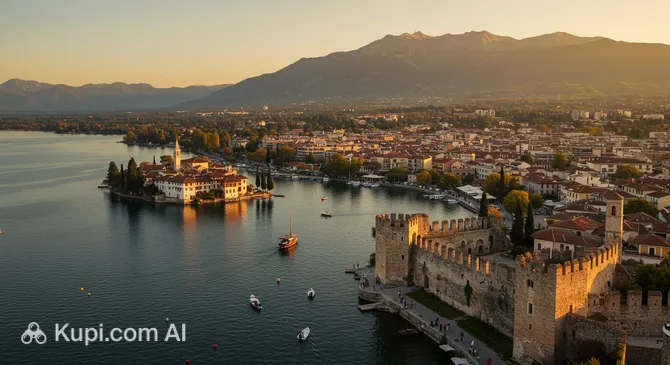
Ioannina. Source: Kupi.Binoculars

The city's character is deeply influenced by its past, reflecting a mix of Christian, Jewish, and Islamic heritage. Visitors can delve into the fascinating history of Ioannina by exploring the imposing Ioannina Castle, the oldest Byzantine fortress in the country still in use. Walking through its stone alleys reveals a timeline of empires and eras, including the significant period of Ali Pasha's rule.

Travelers are drawn to several key attractions, starting with the Island of Ioannina (Nissi), one of the few inhabited lake islands in Europe, which is just a short boat ride away. Nature enthusiasts should not miss the Perama Cave, a geological marvel featuring spectacular stalactites and stalagmites. Additionally, the city is renowned for its centuries-old tradition of silversmithing, a craft that is still celebrated in local workshops and museums today.

Whether you are strolling along the scenic lakeside promenade under ancient plane trees or tasting local delicacies in the historic center, Ioannina promises a memorable journey. It is an ideal destination for those seeking to discover the authentic, mountainous soul of the region and enjoy a truly diverse cultural escape.
Weather Overview

The climate in Ioannina differs somewhat from the typical sunny image of the Greek islands, featuring a more continental character due to its mountainous location in Epirus. Visitors should be prepared for distinct seasonal changes, ranging from cold winters to warm, pleasant summers.

Winter brings the lowest temperatures, with January seeing an average of 3.1°C and minimums dropping to around -1.0°C. This season is characterized by frequent precipitation, with December and January experiencing about 14 wet days each. If you are planning a trip during these months, warm clothing and waterproof gear are essential.

As spring arrives, temperatures gradually rise, reaching an average of 14.7°C in May, though the weather remains quite variable with a high number of rainy days. Summer offers the most stable conditions for exploring. July and August are the warmest months, with average temperatures hovering around 23°C and highs reaching nearly 29.2°C. These months are also the driest, with only about 6 wet days, making them ideal for outdoor activities.

For a more detailed breakdown of what to expect during your visit, you can check the weather in Ioannina. Generally, travelers can expect warm summers with occasional rain and cold winters with frequent precipitation throughout the cooler months.

Interesting Facts

Beyond the main attractions, Ioannina holds many fascinating secrets and legends that echo through its misty streets. The city's long history has birthed unique stories and traditions that surprise even the most seasoned travelers.

Ali Pasha and Revolutionary Period Museum. Source: Kupi.Binoculars
  • The island in Lake Pamvotis is a geographical curiosity because it has no official name. Locals and maps simply refer to it as "Nissi" (The Island), making it one of the few inhabited lake islands in the world without a specific designation.

  • The city was the setting for the dramatic final days of the Ottoman ruler Ali Pasha. He was besieged and eventually killed on the island in a building that now houses the Ali Pasha and Revolutionary Period Museum, where visitors can still see the bullet holes from the fatal encounter.

  • Ioannina has been famous for centuries for its exceptional silver craftsmanship. The local artisans were so renowned that the expression "Ioannina silver" became a guarantee of quality throughout the Balkans, a legacy now showcased in the Silversmithing Museum located within the castle.

  • The spectacular Perama Cave was discovered purely by accident. In 1940, during World War II, residents looking for a safe hiding place from aerial bombardments stumbled upon the entrance, revealing a geological masterpiece that had been hidden for eras.

How to Get There

Reaching the capital of Epirus is relatively straightforward, with options to suit different travel preferences. For a detailed breakdown of routes and tips, you can read more about how to get to Ioannina. The most convenient way to arrive directly is via the local airport, though many travelers also choose to fly into neighboring cities and complete their journey by road.

The city is served by Ioannina Airport (IATA: IOA), also known as King Pyrros Airport. It is located just 4.4 km from the city center, making the transfer incredibly quick—usually taking about 10 minutes by taxi or car. While it is a smaller regional hub, it offers regular connections to Athens and other select destinations. For those looking for more international flight options, Aktion Airport (IATA: PVK) in Preveza is a popular alternative. Situated approximately 82.5 km away, the drive takes about 1 hour and 20 minutes through the scenic Epirus landscape. Another significant entry point is Ioannis Kapodistrias Airport (IATA: CFU) on the island of Corfu. Although it is a major international hub with high passenger traffic, reaching Ioannina from there involves a ferry crossing to the mainland followed by a drive, totaling a distance of around 81 km.

For clarity, here is a summary of the main airports:

Airport Name City Passenger Traffic Km from City
Ioannis Kapodistrias AirportCorfuLarge81.2
Aktion AirportPrevezaMedium82.5
Ohrid AirportOhridSmall168.5
Ioannina AirportIoanninaSmall4.4
Nea AnchialosVolosSmall174.2

The city of Ioannina does not have a railway station, as the train network in Western Greece is not developed in this region. Travelers preferring rail transport typically arrive at the Thessaloniki Railway Station in the city of Thessaloniki, which is about 207.6 km from Ioannina. From Thessaloniki, you can take a reliable intercity bus (KTEL), which utilizes the modern Egnatia Odos highway to reach Ioannina in approximately 3 to 3.5 hours. Alternatively, some travelers arriving from Italy via ferry might use the Brindisi Railway Station (IATA: BQD) in Brindisi before crossing the Adriatic Sea to Igoumenitsa, which is then a short drive from Ioannina.

Here are the nearest major railway hubs referenced:

Station City Passenger Traffic Km to Center
Thessaloniki Railway StationThessaloniki207.6
Brindisi Railway StationBrindisi270.7

Main Attractions

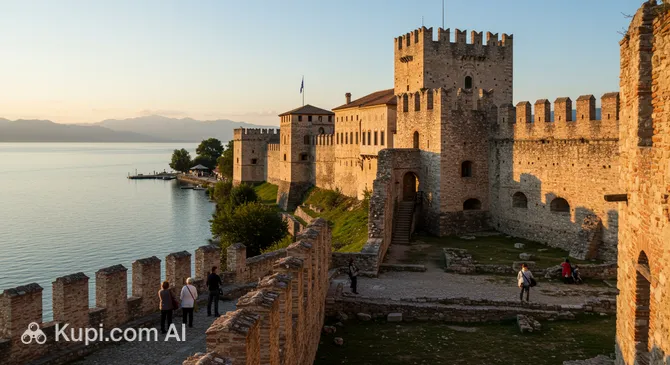
Ioannina is a city where history is etched into every stone, offering a rich tapestry of sights that span centuries. The most dominant landmark is undoubtedly the Ioannina Castle. Built in 528 AD by Emperor Justinian and later expanded by Ali Pasha, it stands as the oldest Byzantine fortress in Greece still inhabited today. Walking through its gates feels like stepping back in time, with its winding streets, old homes, and imposing fortifications offering panoramic views of Lake Pamvotis.

Ioannina Castle. Source: Kupi.Binoculars

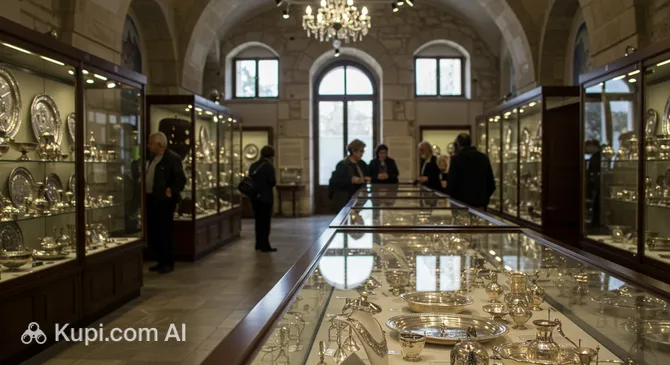
Located within the castle walls is the Silversmithing Museum, a cultural gem that highlights the city's long-standing tradition of metalwork. Housed in the western bastion of the fortress, the museum beautifully displays the history of Epirote silver craftsmanship through interactive exhibits and exquisite artifacts. It is a fascinating stop for anyone interested in the delicate art that made Ioannina famous throughout the Balkans.

For a deep dive into the region's ancient past, the Archaeological Museum of Ioannina is a must-visit. Situated in the city center, it houses findings from all over Epirus, ranging from Paleolithic tools to Roman statues. The collection includes significant items from the oracle of Dodona, providing context to the myths and legends that surround this mountainous area.

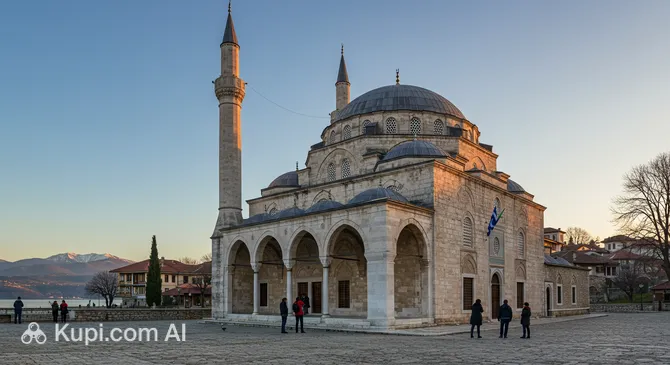
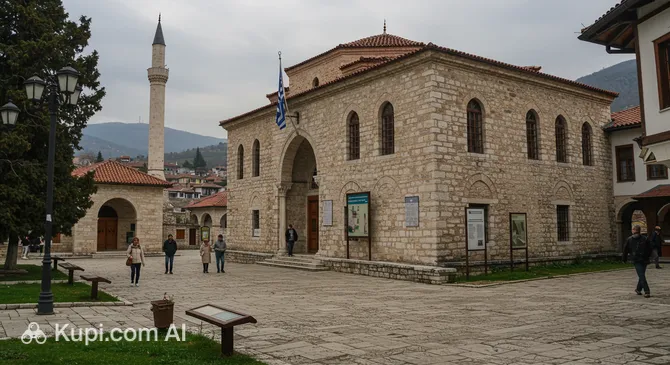
Another significant site within the castle is the Aslan Pasha Mosque Museum. This Ottoman-era structure, built in the early 17th century, now serves as the Municipal Ethnographic Museum. It sits dramatically on a cliff overlooking the lake and contains a rich collection of pottery, costumes, and weapons that reflect the diverse Christian, Jewish, and Muslim heritage of the city.

Aslan Pasha Mosque Museum. Source: Kupi.Binoculars

Finally, a short boat trip to the island leads to the Ali Pasha and Revolutionary Period Museum. This historic site is located in the cell of the Monastery of St. Panteleimon, the very place where the notorious ruler Ali Pasha was besieged and killed. The museum recreates the atmosphere of the era with period items and offers a gripping narrative of one of the most turbulent chapters in local history.

Local Cuisine

The culinary landscape of Ioannina is as distinct as its geography, offering a rich gastronomic journey that diverges from the typical Greek island fare. Influenced by its mountainous terrain, the freshwater ecosystem of Lake Pamvotis, and a multicultural past, the local cuisine is hearty, flavorful, and deeply rooted in tradition. Visitors will find a table spread with savory pies, freshwater catch, and syrup-drenched sweets that reflect the region's abundance.

One cannot discuss food in Ioannina without mentioning its most famous—and perhaps most curious—delicacy: frog legs. This signature dish is primarily associated with the small island (Nissi) in the lake, where local tavernas serve them breaded and fried, often comparing their taste to tender chicken. Alongside this unique offering, the lake provides excellent trout and eel, which are typically grilled or cooked in earthen pots with herbs, showcasing the fresh flavors of the region's waters.

Epirus is legendary for its pies (pitas), and Ioannina is no exception. Unlike the thick phyllo found elsewhere, the local technique often involves a batter-based preparation or extremely thin, handmade layers. Favorites include kassopita (flour pie with feta cheese) and batsaria (a pie filled with wild greens and milk). Meat lovers will also appreciate the high-quality lamb and game found in the area, often cooked slowly in clay vessels to retain tenderness.

Metsovitiki Folia. Source: Kupi.Binoculars

For those with a sweet tooth, the city is a paradise. The Gianniotiko Baklava is a celebrated dessert, distinct for its use of shredded dough (kataifi) instead of standard phyllo sheets, and it is heavily soaked in syrup and packed with walnuts. The city's confectionery tradition, influenced by its Ottoman history, also features excellent kerasmata (treats) like Turkish delight and various spoon sweets made from local fruits.

The dining culture here revolves around leisurely meals accompanied by local beverages. The region produces excellent tsipouro, a strong pomace brandy that is the standard accompaniment to meze platters. Wine enthusiasts should try the sparkling white wines from the nearby Zitsa vineyards, known for their delicate bubbles and floral aroma. Non-alcoholic options include refreshing mountain tea, gathered from the surrounding peaks, and homemade fruit syrups.

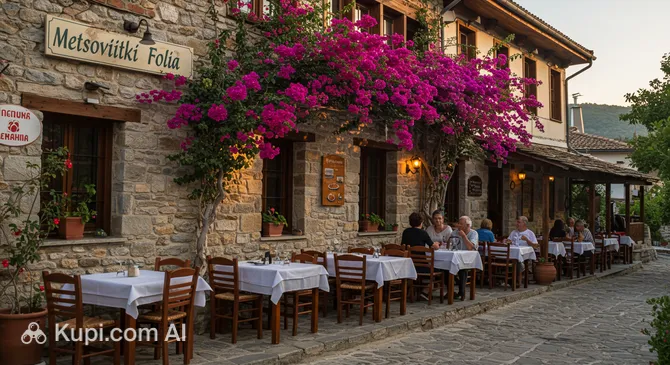
Dining venues range from casual lakeside tavernas to cozy spots tucked into the historic alleys. For a traditional meal that captures the essence of the region, Metsovitiki Folia is a popular choice among visitors. Alternatively, those seeking a lively atmosphere with a variety of flavor options might enjoy a visit to Balsamico, located in the heart of the city's dining scene.

Travel Tips

Welcome to the misty capital of Epirus! To ensure your journey through Ioannina's cobblestone alleys and lakeside paths is as seamless as it is memorable, here are some essential travel insights for visiting this unique part of Greece.

  1. Clothing and Gear: Unlike the sunny islands, Ioannina has a humid, continental climate. Even in summer, evenings by the lake can be cool, so bring a light jacket. If visiting from autumn to spring, a waterproof coat and sturdy, non-slip shoes are a must for navigating the wet stone streets of the castle and the city center.
  2. Transportation: The city center and the scenic lakeside promenade are best explored on foot. For longer distances within the city, blue urban buses are available, and taxis are easy to find at designated stands or by calling a radio taxi. However, if you plan to explore the nearby Zagori villages or the Tzoumerka mountains, renting a car is highly recommended for flexibility.
  3. Finances: The official currency is the Euro (€). While credit and debit cards are widely accepted in hotels, restaurants, and larger shops, it is wise to carry cash for small purchases at kiosks, boat tickets to the island, or traditional cafes. ATMs are plentiful along the main avenues like Dodonis and around the central square.
  4. Health and Safety: Ioannina is a very safe city for tourists, with a low crime rate and a lively atmosphere even at night. Pharmacies are marked with a green cross; check the shift schedule posted on their windows for late-night services. For emergencies, the University General Hospital offers excellent medical care.
  5. Communication: The main language is Greek, but English is widely spoken, especially by the large student population and in the hospitality sector. Learning a few basic words like "Kalimera" (Good morning) will be warmly received. Free Wi-Fi is common in cafes, but purchasing a prepaid SIM card from a downtown store ensures reliable navigation.
  6. Local Etiquette: Hospitality is a core value here. When entering a shop or tavern, a polite greeting is customary. If you visit the historic monasteries on the Island of Ioannina (Nissi), respect the religious nature of the sites by dressing modestly—shoulders and knees should be covered.
  7. What to Avoid: Do not assume the boat service to the island runs late into the night. The schedule changes seasonally, and the last boats often return around sunset; missing the last one can leave you stranded on the island until morning or requiring a private water taxi.
  8. Local Insight: Embrace the "mesimeri" (siesta). Between 2:30 PM and 5:30 PM, many smaller shops and businesses close, and the city quiets down. This is the perfect time to relax with a coffee by the lake before the city comes back to life in the evening.

Armed with these practical tips, you are ready to uncover the secrets of this historic city without any hassle. Enjoy the unique atmosphere of Ioannina, where mountain traditions meet the serene waters of Lake Pamvotis.

Entertainment & Nightlife

As the sun sets over Lake Pamvotis, Ioannina transforms from a historic cultural hub into a vibrant center of entertainment. Thanks to its large university student population, the city boasts a nightlife scene that is surprisingly energetic and diverse, rivaling that of much larger Greek cities. Whether you are looking for a quiet glass of wine by the water, a sophisticated cocktail in a hidden arcade, or a night of dancing, the capital of Epirus has something to offer.

The nightlife is primarily concentrated in two main areas. The lakeside promenade (Paraliminio) and the surrounding streets like Garibaldi are perfect for relaxed evenings with stunning views of the illuminated castle walls. However, the heart of the action beats in the historic center, particularly around the old commercial arcades (stoas) and pedestrian streets near the Clock Tower. Here, old fabric shops and warehouses have been converted into trendy bars and atmospheric pubs that stay open until the early morning hours.

For those seeking a lively atmosphere, the city offers numerous options. If you are looking for a place to enjoy music and drinks late into the night, NÒTT is a popular destination among locals and visitors alike, known for its vibrant energy. For a more stylish setting that transitions seamlessly from coffee to evening cocktails, New York All Day Bar Restaurant offers a chic environment perfect for socializing. The dress code in most venues is smart-casual; while locals dress well, the vibe remains welcoming and unpretentious.

NÒTT. Source: Kupi.Binoculars

If you prefer a more casual night out or are feeling hungry after a few drinks, the city's street food and casual bar scene are excellent. Places like Chubbies are well-known spots to grab a bite and a drink, reflecting the youthful spirit of the town. For a unique experience with a panoramic view of the entire city and the lake, a visit to the Epirus Studies Society Pavilion (Frontzu Politia) is highly recommended. Perched on a hill, it offers a breathtaking backdrop for an evening drink or a romantic dinner.

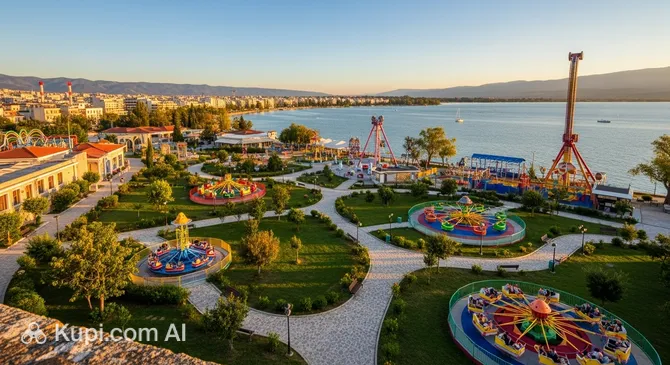
Beyond bars and clubs, Ioannina offers modern entertainment facilities. The Paralimnio Ioannina Fun Park is a major leisure complex located near the lake. It houses a multiplex cinema, shopping outlets, and dining options, making it a great choice for families or those looking for a relaxed evening. Within this complex or nearby, you can also find Play Hall, a favorite spot for bowling and arcade games.

Paralimnio Ioannina Fun Park. Source: Kupi.Binoculars

Practical Tips: The city is generally very safe at night, and walking between the lakefront and the city center is common. However, if you are staying further out or visiting the hilltop venues, taxis are plentiful and affordable. You can easily hail a radio taxi (radiotaxi) or find them at designated ranks in the central square. Prices for drinks and entertainment are reasonable, catering to the student budget, with peak times being Friday and Saturday nights, as well as Thursday, which is traditionally a popular student night out.

Parks & Museums

Ioannina seamlessly blends its natural surroundings with a rich tapestry of history, offering visitors a chance to explore serene green spaces alongside world-class cultural institutions. The city's layout encourages walking, allowing travelers to easily transition from the tranquility of the lakeside to the immersive exhibits of its diverse museums.

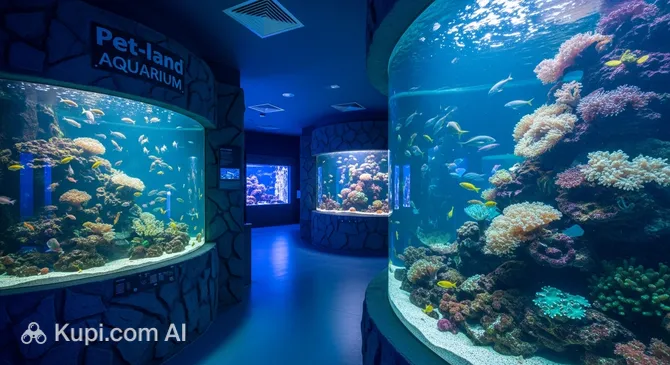
While the famous lakeside promenade serves as the city's primary "green lung," Litharitsia Park is a central oasis that should not be missed. Perched on a hill near the historic center, this park offers panoramic views of Lake Pamvotis and the surrounding mountains, making it an ideal spot for a leisurely stroll or a coffee break under the shade of pine trees. For a different kind of natural encounter, especially for families, the Pet-land Aquarium provides an interesting look at aquatic life. It features a variety of fish and reptiles, offering an educational experience about both local and exotic species in a well-maintained environment.

Pet-land Aquarium. Source: Kupi.Binoculars

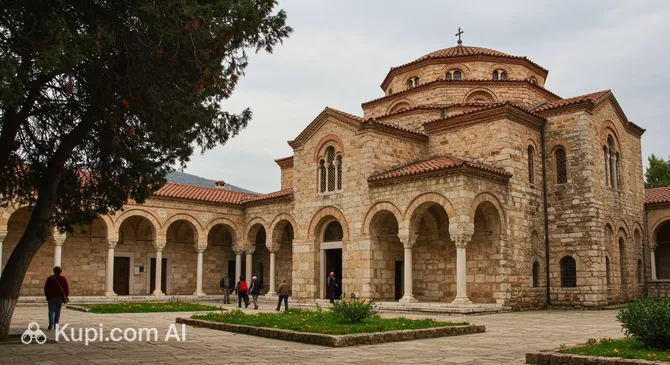
The city's museums are custodians of its multicultural past. Located within the southeastern citadel (Its Kale) of the castle, the Byzantine Museum of Ioannina is a key cultural venue. It occupies a majestic building and displays a collection that spans the Early Christian to the Post-Byzantine period, including silver items, icons, and architectural sculptures that highlight the region's artistic evolution. Another significant institution is the Municipal Ethnographic Museum of Ioannina. Housed in the historic Aslan Pasha Mosque, this museum offers a deep dive into the daily life of the city's past inhabitants, showcasing traditional costumes, jewelry, and household artifacts from the Christian, Jewish, and Muslim communities that once coexisted here.

Byzantine Museum of Ioannina. Source: Kupi.Binoculars

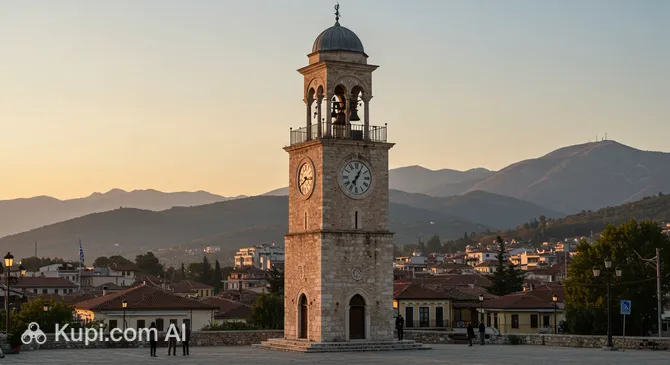
Beyond the museums, the city's streets are dotted with remarkable historical landmarks. The central square is dominated by the Clock Tower of Ioannina, an elegant structure built in 1905 that serves as a popular meeting point and a symbol of the city's modernization. Inside the castle walls, near the Byzantine Museum, stands the Fethiye Mosque. Built immediately after the Ottoman conquest, this monument overlooks the lake and often hosts temporary exhibitions, making it a focal point for both history and art lovers.

Clock Tower of Ioannina. Source: Kupi.Binoculars

For a truly authentic experience, take a moment to walk along the ramparts behind the Fethiye Mosque at sunset. This quiet spot offers one of the most atmospheric views in Ioannina, where the golden light reflects off the lake and the silversmithing workshops of the old town begin to close for the day.

Getting Around

Navigating Ioannina is a straightforward and relaxed experience, as the city is relatively compact and pedestrian-friendly. Unlike larger metropolises, there is no metro, tram, or trolleybus system here. The public transport network relies primarily on a reliable fleet of urban buses and a unique boat service that connects the city to its famous lake island.

The urban bus system is operated by Astiko KTEL Ioanninon. These buses are typically blue and white, distinguishing them from the green intercity buses that travel to other parts of the region. The network covers the entire city, with frequent connections to key locations such as the University, the General Hospital, and the village of Perama, which is home to the famous cave. Most routes originate or pass through the central bus stops located near the Clock Tower and the Court House in the city center.

For tickets, you should purchase them before boarding. They are sold at small ticket booths located at major bus stops, as well as at many local kiosks (periptera). The cost is very affordable, typically ranging between €1.20 and €1.70 depending on the distance zone. Once on board, you must validate your paper ticket in the machines provided. While it is sometimes possible to buy a ticket from the driver, it usually costs slightly more, so buying in advance is recommended. Buses generally run from early morning until around 10:30 PM or 11:00 PM, though frequencies decrease in the evening and on weekends.

A distinctive feature of Ioannina's transport "system" is the lake boat service. Small passenger boats depart regularly from the Molos (the main pier near the castle) to the Island of Ioannina (Nissi). In the summer, boats leave approximately every 30 minutes, while in winter, the schedule is less frequent, usually hourly. Tickets for the boat are purchased directly at the pier or on the vessel itself, and the short 10-minute ride is an attraction in its own right, offering beautiful views of the city from the water.

For those who prefer more flexibility, taxis are a popular alternative. They are widely available and can be hailed on the street, found at designated ranks (such as the central square), or ordered via phone using the local "Radio Taxi" service. Taxis are metered, and rates are reasonable for short trips within the city. They are particularly useful late at night when bus services have stopped.

Finally, the city's layout, especially the historic center and the lakeside promenade, makes walking the most enjoyable way to get around. Additionally, cycling has become increasingly popular along the flat, scenic path that hugs the shores of Lake Pamvotis. Visitors can easily rent bikes to explore this route at their own pace, enjoying the natural beauty without the need for a motor.

Accommodation

Finding the perfect place to stay in Ioannina is an integral part of the travel experience, as the city offers accommodation options that reflect its rich history and atmospheric setting. Unlike the typical beach resorts found elsewhere in Greece, the hospitality scene here is characterized by cozy mountain aesthetics, blending traditional architecture with modern comforts. Visitors can choose from a wide spectrum of lodging, ranging from budget-friendly guesthouses and modern city hotels to luxurious boutique retreats housed in restored historic mansions.

For those who wish to be in the heart of the action, the historic center and the area surrounding the Ioannina Castle are the most popular choices. Staying within or near the castle walls offers a unique opportunity to sleep in beautifully preserved stone buildings that date back to the Ottoman era, providing a romantic and immersive journey into the past. These areas are incredibly convenient, placing you within walking distance of the main museums, the silversmithing workshops, and the vibrant nightlife of the old town.

If you prefer scenic views and a more open atmosphere, the lakeside promenade (Paralimnio) is an excellent location. Hotels along this stretch often feature balconies overlooking Lake Pamvotis, allowing guests to wake up to the sight of the mist rising over the water. This area is ideal for travelers who enjoy morning walks under the plane trees while still being just a short stroll away from the city's best cafes and restaurants. For a quieter, more rustic experience, some visitors opt for accommodation in the nearby village of Perama, which is famous for its cave and offers a peaceful retreat just a few kilometers from the city center.

Booking Tips: Ioannina is a year-round destination, but it is particularly popular during the autumn and winter months, as well as during the Easter holidays. Therefore, it is highly recommended to book your accommodation well in advance if you plan to visit during these peak periods. Prices are generally reasonable compared to the popular Greek islands, with options to suit every budget. Reservations can easily be made through major online booking platforms, though contacting smaller traditional guesthouses directly can sometimes secure a better rate or a more personalized stay.

Nearby Cities

For those looking to explore the surroundings, Ioannina serves as an excellent base for day trips to several interesting nearby locations. The region offers a mix of historic towns, scenic landscapes, and cultural hubs that are easily accessible by car or bus.

One of the most charming destinations nearby is Trikala. Located about an hour and a half away, this city is famous for the Lithaios River that flows gracefully through its center, creating a picturesque setting with pedestrian bridges and lush greenery. Visitors can explore the Byzantine Castle, wander through the narrow streets of the traditional Varousi district, and enjoy the relaxed atmosphere of a city that seamlessly blends history with modern life.

Further east lies Larissa, the vibrant capital of the Thessaly region. It is a bustling city known for its impressive First Ancient Theatre, which dates back to the 3rd century BC and sits right in the heart of the modern urban center. The city is also celebrated for its lively coffee culture and the Diachronic Museum, making it a perfect spot for history buffs and those who enjoy a lively urban vibe.

Another interesting option is Kozani, renowned for its saffron production and its rich library heritage. The city features handsome mansions and the Koventareios Municipal Library, one of the most significant in the country. It offers a glimpse into the architectural and intellectual history of Northern Greece, distinct from the coastal areas.

City Population Distance (km)
Larissa 144,651 134
Katerini 82,971 157
Kozani 67,161 107
Agrinio 65,000 125
Trikala 61,653 79

These nearby destinations offer a glimpse into the diverse culture and landscapes of the region, allowing travelers to experience a different side of mainland Greece beyond the Epirus mountains.

Shopping & Souvenirs

Shopping in Ioannina is a delightful experience that balances modern retail therapy with a deep appreciation for traditional craftsmanship. As the commercial center of Epirus, the city offers everything from international fashion brands to unique local workshops. Visitors will find that the shopping scene here is less about massive department stores and more about discovering high-quality, locally made products in atmospheric pedestrian zones.

The heart of the city's commercial activity beats along the pedestrianized Michail Aggelou Street and its intersecting alleys. This vibrant area is lined with clothing boutiques, shoe stores, and bookstores, making it the perfect place for a leisurely afternoon walk. For those interested in the city's artistic heritage, Averof Street, which leads towards the castle, is the traditional hub for silver and jewelry shops. Here, you can admire window displays filled with intricate handmade creations that reflect centuries of history.

While Ioannina does not have the colossal shopping malls found in larger capitals, it boasts the Paralimnio Ioannina Fun Park. Located just a short distance from the city center near the lake, this complex serves as a modern lifestyle hub. In addition to its entertainment facilities, it features a selection of retail outlets and fashion stores, offering a convenient one-stop destination for visitors looking to combine shopping with leisure.

The city's markets are less central "grand bazaars" and more a collection of specialty stores scattered throughout the historic center. Foodies should explore the local grocers and bakeries to find authentic Epirotic products. The aroma of freshly baked pies and local herbs often wafts through the streets, inviting travelers to taste and purchase regional delicacies like mountain tea, oregano, and artisanal cheeses.

When it comes to souvenirs, silverware is the undisputed king of Ioannina. The city has been famous for its silversmiths since the Byzantine era. Visitors can buy exquisite hand-carved jewelry, religious icons, and decorative items that are true works of art. To understand the value of what you are buying, a visit to the Silversmithing Museum creates a perfect context before you head to the shops. Apart from silver, do not leave without buying a box of Gianniotiko Baklava or other syrup-soaked sweets (siropiasta), which are renowned throughout Greece for their rich flavor and crunchy texture.

Silversmithing Museum. Source: Kupi.Binoculars

Store opening hours in Ioannina generally follow the standard Greek schedule. Shops are typically open on Mondays, Wednesdays, and Saturdays from roughly 9:00 AM to 2:30 PM. On Tuesdays, Thursdays, and Fridays, they open in the morning, close for a midday break (siesta), and reopen in the evening from around 5:30 PM to 9:00 PM. Most shops remain closed on Sundays. Major supermarkets and the shops at the Paralimnio complex may have extended hours.

Payment methods are modern and convenient. Credit and debit cards are widely accepted in most boutiques, restaurants, and souvenir shops. However, it is always useful to carry some cash (Euros) for small purchases at kiosks, traditional bakeries, or smaller family-run workshops where card machines might occasionally be offline. For non-EU residents, tax-free shopping (VAT refund) is available at eligible stores that display the "Tax Free" signage; be sure to ask for the necessary forms at the checkout.

Reached the end of the page?

That means the route is fully explored